KESTIO

Soften relationships

MANAGE CONFLICTS

This training will enable you to gain serenity and diplomacy, as well as improve your sales performance and team productivity.

Conflict management training

DISCOVER OUR TRAINING

Objectives

Intra

Our in-house sessions allow you to customize the training to your specific context and challenges, with specific anchoring options.


Contact us for a proposal tailored to your needs.

Content

Training access time: The training can start 8 days after the agreement is signed or the OPCO support agreement is received. 

NEW FOR 2024

Program

1

Training schedule

Stress

  • Recognizing stress in your contact
  • Easing stress in your contact

Power struggles

  • Detecting power dynamics
  • Soften power dynamics

Empathy, emotions, assertiveness

  • Empathy
  • Emotions
  • Assertiveness
  • Distinguish them to use them wisely

Innovative relationship-building techniques

  • Find win-win solutions

Relational agility

  • Improve empathy
  • Improve assertiveness
2

After the training

  • Knowledge validation questionnaire


Before each session

Participants complete the corresponding e-learning module.


During the session

The trainer facilitates with quizzes, individual or collaborative exercises, challenges, and role-playing.


After each session

Participants complete practical exercises relevant to their own context.

TRAINING MODALITIES

Public

Sales representatives, business developers, technical sales representatives, consultants, sales managers.


All our training courses are accessible to people with disabilities. Contact us for specific support tailored to your needs. 

Prerequisites

A positioning questionnaire is sent before the start of the training to assess the level before entering the training.

Evaluation

At the end of the training, participants will receive a questionnaire to validate their learning and establish the extent to which the training objectives have been achieved.


The results of this questionnaire will be provided to the client at the end of the training, during a post-training follow-up meeting (debriefing).

MANY TRAINING COURSES AVAILABLE

Also discover

Training to improve customer segmentation, customer journey, and the development of a customer-centric culture within your company.

Training to develop empathy, agility, and adaptability to improve customer relations. 

Would you like to discuss your training needs?

Conflict Management Training: Transform Your Professional Relationships

Effective conflict management is crucial in any professional environment. Conflicts, whether interpersonal or process-related, can affect productivity, team cohesion, and employee morale. That's why our conflict management training is specifically designed to provide you with the tools and techniques needed to ease relationships and resolve disagreements constructively. Discover how this training can improve your professional relationships and transform your approach to managing tensions.

How can conflict management training improve professional relationships?

Taking a conflict management training course allows you to develop essential skills to improve your professional relationships. This training offers you advanced techniques to identify, understand, and resolve conflicts effectively. By learning to manage tensions and resolve disputes constructively, you can improve not only your relationships with your colleagues but also the overall work atmosphere within your organization.
 
Our training will guide you through proven methods for addressing conflicts with a positive and proactive approach. You will learn to use conflict resolution strategies that promote a more harmonious and collaborative work environment. By integrating these skills into your daily interactions, you can reduce tensions and foster better cooperation among your team members.

Advanced conflict resolution techniques taught in our training

At the heart of our conflict management training, we teach you advanced conflict resolution techniques that are essential for handling complex situations. These techniques include mediation methods that allow you to act as a neutral intermediary to help conflicting parties find common ground. You will learn to use tools such as restating, open questions, and negotiation techniques to facilitate communication and mutual understanding.
 
In addition, we will present conflict resolution strategies adapted to different types of conflicts, whether they are related to differences of opinion, personality conflicts or process problems. These techniques will allow you to resolve conflicts more effectively and prevent their escalation by adopting a proactive and structured approach.

Conflict management training: learning to resolve disagreements at work

Conflict management training is particularly useful for learning how to resolve disagreements at work. Conflicts can arise for various reasons, such as differences in perspectives, conflicting goals, or misunderstandings. By taking our training, you'll learn to identify the sources of conflict, assess their impact on your team, and apply effective methods to resolve them.
 
Our experienced trainers will provide you with specific mediation techniques to help you facilitate open and honest discussions between the parties involved. You will also learn how to use assertive communication to express your concerns and resolve disagreements without creating additional tension. By mastering these skills, you will be better prepared to manage conflicts professionally and maintain a positive work environment.

Strategies to ease relationship tensions through specialized training

Relationship tensions can affect employee productivity and well-being. Conflict management training teaches you strategies to ease these tensions and improve the quality of interpersonal relationships within your team. You will learn to recognize the signs of tension before they become open conflicts and to adopt preventive approaches to manage them.
 
The techniques learned in our training include methods to promote mutual understanding and create a climate of trust. By using appropriate conflict resolution strategies, you can transform tense situations into opportunities for growth and collaboration. This approach helps strengthen team cohesion and improve the overall effectiveness of your organization.

Comprehensive training for managing interpersonal conflicts in the workplace

Our conflict management training offers a comprehensive approach to managing interpersonal conflicts in the workplace. By enrolling in our program, you will benefit from in-depth training on all facets of conflict management, from mediation techniques to assertive communication strategies.
 
The training is designed to provide you with a thorough understanding of conflict dynamics and practical tools for managing them. You will learn to apply techniques adapted to the specific situations you encounter in your work environment, which will enable you to resolve conflicts effectively and maintain healthy professional relationships.

Conclusion

Conflict management training is a valuable investment for anyone wishing to improve their communication and conflict resolution skills. By learning advanced conflict resolution techniques and developing skills in managing tensions, you will be better equipped to address disagreements constructively and foster a harmonious work environment.
 
Our training will provide you with the necessary tools to manage conflicts professionally, improve your interpersonal relationships, and strengthen cohesion within your team. Register today for our conflict management training and discover how you can transform your professional interactions and create a more collaborative and effective work environment.

Practice active listening and develop your

RELATIONAL TALENTS

This training will enable you to establish a favorable climate during important discussions, as well as ensure successful interactions.

Active listening training

DISCOVER OUR TRAINING

Objectives

Intra

Our in-house sessions allow you to customize the training to your specific context and challenges, with specific anchoring options.


Contact us for a proposal tailored to your needs.

Content

Training access time: The training can start 8 days after the agreement is signed or the OPCO support agreement is received. 

NEW FOR 2024

Program

1

Training schedule

Unfavorable listening postures

  • The judgement
  • The lesson givers
  • Interpretation

What is the right approach?

  • Empathy
  • Empathy
  • Compassion

Keys to an empathetic approach

  • What are the keys to an empathetic approach?

The nuances of dialogue tools

  • Reformulations
  • Questioning
2

After the training

  • Knowledge validation questionnaire


Before each session

Participants complete the corresponding e-learning module.


During the session

The trainer facilitates with quizzes, individual or collaborative exercises, challenges, and role-playing.


After each session

Participants complete practical exercises relevant to their own context.

TRAINING MODALITIES

Public

Sales representatives, business developers, technical sales representatives, consultants, sales managers.


All our training courses are accessible to people with disabilities. Contact us for specific support tailored to your needs. 

Prerequisites

A positioning questionnaire is sent before the start of the training to assess the level before entering the training.

Evaluation

At the end of the training, participants will receive a questionnaire to validate their learning and establish the extent to which the training objectives have been achieved.


The results of this questionnaire will be provided to the client at the end of the training, during a post-training follow-up meeting (debriefing).

MANY TRAINING COURSES AVAILABLE

Also discover

Training to develop a customer-oriented mindset and handle customer requirements with professionalism and empathy.

Training to develop empathy, agility, and adaptability to improve customer relations. 

Would you like to discuss your training needs?

Active Listening Training: Develop Crucial Skills for Effective Communication

In a professional environment where communication is key, active listening training is an indispensable asset for improving interpersonal relationships, managing conflicts, and strengthening communication skills. Whether you are a manager, a customer service professional, or simply looking to improve your daily interactions, our training is designed to provide you with the tools you need to practice effective active listening. Discover how this training can transform your skills and relationships at work.

How to improve your active listening skills with specialized training?

To improve active listening skills, it is essential to follow specialized training. Active listening training will allow you to master active listening techniques that are crucial for successful communication. By participating in our program, you will learn to listen not only to the words your interlocutors use, but also to decode their emotions and underlying intentions.
 
The skills developed during this training will help you better understand the needs and concerns of your contacts, which can lead to faster problem resolution and more harmonious interactions. We will provide you with practical exercises and simulations to help you apply these skills in various professional contexts.

Training to develop effective active listening skills in a professional environment.

In a professional setting, effective active listening is essential to ensure smooth and productive communication. Our active listening training is specifically designed to help you develop these crucial skills. You will learn how to use active listening techniques to improve mutual understanding and facilitate more effective collaboration.
 
The training focuses on concrete methods for integrating active listening into your daily interactions, whether in team meetings, negotiations or conversations with clients. By learning to listen better, you will be able to respond more appropriately to the needs and expectations of your colleagues and clients, which can significantly improve your performance at work.

Active listening techniques taught in our training courses

The active listening techniques taught in our training include several practical and effective approaches. You will learn how to ask open-ended questions to encourage others to share more, how to rephrase their statements to ensure correct understanding, and how to use non-verbal cues to show that you are fully engaged in the conversation.
 
In addition, we will show you how to practice empathic listening, that is, understanding and feeling the emotions of the other person. This approach will allow you to create deeper connections and respond more sensitively to the concerns of your interlocutors. Thanks to these techniques, you will be better prepared to manage the various communication situations you encounter in your professional environment.

Benefits of active listening training for conflict management

Active listening training offers significant benefits for conflict management. Active listening helps defuse tensions and resolve disagreements more constructively. By better understanding the points of view and emotions of others, you can identify the underlying causes of conflicts and work towards solutions that are satisfactory for all parties involved.
 
Our training sessions are designed to teach you how to use active listening as a powerful tool for managing conflicts. You will learn to listen attentively and respond appropriately, which can reduce misunderstandings and foster a more harmonious work environment. Empathetic listening plays a key role in this process, as it helps you connect with the feelings and perspectives of others, facilitating faster and more effective conflict resolution.

How active listening can improve your interpersonal relationships at work

Active listening is essential for improving your interpersonal relationships at work. By practicing attentive and empathetic listening, you show your colleagues, clients, and partners that you value their opinions and are engaged in the communication. This helps build trust and establish stronger, more collaborative relationships.
 
Our active listening training will help you develop these crucial skills. You will learn how to listen not only to the words but also to the emotions and intentions of your contacts. This increased understanding will allow you to adjust your communication and interact more constructively with others, which can lead to better cooperation and more positive relationships at work.

Active listening training: learning to listen with empathy

Empathetic listening is a central aspect of our active listening training. Learning to listen with empathy means making a conscious effort to understand and feel the emotions of the person you are talking to. This skill is particularly important for building trusting relationships and responding appropriately to the needs of others.
 
During our training, you will learn techniques to develop your capacity for empathetic listening. You will discover how to recognize the emotions expressed by others, how to validate their feelings, and how to adjust your response to show that you understand and appreciate their point of view. This approach not only improves the quality of your interactions but also contributes to creating a more supportive and inclusive work environment.

Conclusion

Active listening training is a valuable opportunity to improve your communication skills, strengthen your interpersonal relationships and manage conflicts more effectively. By learning active listening techniques and developing your empathic listening, you will be better prepared to face the challenges of communication in your professional environment.
 
Our training courses provide you with the necessary tools to transform your approach to communication, strengthen your personal development skills, and improve your performance at work. Don't miss the opportunity to develop essential skills that will make a real difference in your professional interactions. Sign up today for our active listening training and start transforming your relationships and communication right now.

Gain in

EMOTIONAL AGILITY

This training will enable you to guide the customer forward without alienating them, and to facilitate collaboration through respect, empathy, and non-judgment.

Emotional agility training

DISCOVER OUR TRAINING

Objectives

Intra

Our in-house sessions allow you to customize the training to your specific context and challenges, with specific anchoring options.


Contact us for a proposal tailored to your needs.

Content

Training access time: The training can start 8 days after the agreement is signed or the OPCO support agreement is received. 

NEW FOR 2024

Program

1

Training schedule

Our brain plays tricks on us.

  • Why does our brain play tricks on us? 
  • What are the impacts on the relationship? (client or employee)

Automatic VS adaptive

  • Discovery of automatic mode
  • Discovery of adaptive mode

Perceptual and cognitive biases

  • Illusions and perceptual biases
  • The main cognitive biases

Limiting and empowering beliefs

  • Limiting beliefs in client or managerial relationships
  • Empowering beliefs in client or managerial relationships

Mental agility

  • Mental agility and adaptive intelligence
  • Regaining control of our brain
2

After the training

  • Knowledge validation questionnaire


Before each session

Participants complete the corresponding e-learning module.


During the session

The trainer facilitates with quizzes, individual or collaborative exercises, challenges, and role-playing.


After each session

Participants complete practical exercises relevant to their own context.

TRAINING MODALITIES

Public

Sales representatives, business developers, technical sales representatives, consultants, sales managers.


All our training courses are accessible to people with disabilities. Contact us for specific support tailored to your needs. 

Prerequisites

A positioning questionnaire is sent before the start of the training to assess the level before entering the training.

Evaluation

At the end of the training, participants will receive a questionnaire to validate their learning and establish the extent to which the training objectives have been achieved.


The results of this questionnaire will be provided to the client at the end of the training, during a post-training follow-up meeting (debriefing).

MANY TRAINING COURSES AVAILABLE

Also discover

Training to implement a target management system and acquire the tools and methods necessary to implement this system.

Training to develop empathy, agility, and adaptability to improve customer relations. 

Would you like to discuss your training needs?

Emotional Agility Training: Boost Your Performance and Leadership

In a constantly evolving professional world, emotional agility has become a key skill for leaders and managers. Understanding and mastering this ability allows you not only to manage your emotions more effectively, but also to significantly improve your performance and that of your team. Our emotional agility training is designed to provide you with the tools you need to develop this essential skill, transform your approach to leadership, and strengthen your emotion management skills.

Training to strengthen the emotional agility of managers

Managers play a crucial role in the development and performance of their teams. Emotional agility training is specifically designed to help managers strengthen their ability to navigate dynamic professional environments. Through this training, you will learn to use your emotional intelligence to better understand and respond to the needs of your employees. You will discover techniques to improve emotion management in stressful situations and to foster a more harmonious work environment.
 
By developing your emotional agility, you will be able to maintain emotional balance even during significant changes or challenges. This skill is essential for maintaining effective communication, resolving conflicts, and encouraging a culture of positive feedback. The training will provide you with practical strategies to adapt your management style to the emotions and needs of your team, which will help strengthen your leadership and improve group cohesion.

The impact of emotional agility on business performance

Emotional agility has a direct impact on business performance. Individuals who can manage their emotions flexibly and effectively are better able to cope with professional challenges, make informed decisions, and maintain high performance. Indeed, good emotional management minimizes emotional distractions, improves concentration, and promotes better problem-solving.
 
Emotional agility training will help you understand how these skills influence your daily performance. You'll learn to manage stressful situations proactively, maintain a positive attitude in the face of obstacles, and inspire confidence and motivation in your team. By developing your emotional agility, you contribute not only to your own success but also to that of your organization.

Concrete examples of emotional agility in leadership

To better understand the importance of emotional agility, let's examine some concrete examples in leadership. A leader with high emotional agility knows how to adapt their approach based on the emotions and reactions of their employees. For example, when a team member faces significant stress, an emotionally agile leader will be able to offer appropriate support while maintaining the group's effectiveness.
 
Another example is managing resistance to change. A leader with good emotional intelligence will be able to address the concerns of their employees empathetically, adjusting their communication strategies to reduce resistance and promote acceptance of new initiatives. These skills make it possible to transform challenges into opportunities for growth and development, which is essential for effective leadership.

Why emotional agility is essential for stress management

Stress management is a crucial aspect of emotional agility. Modern work environments are often characterized by high levels of stress, and the ability to manage this stress in an emotionally agile way can make all the difference. Emotional agility training will teach you to recognize the signs of stress in yourself and your colleagues, and to use appropriate techniques to manage it effectively.
 
By developing your emotional adaptability, you will be better prepared to face unexpected events and pressure situations without compromising your well-being or your performance. The ability to remain calm, reassess priorities, and adopt a positive approach to challenges is essential for maintaining a healthy and productive balance in a demanding work environment.

Developing emotional agility to better manage emotions

Developing emotional agility helps you manage your emotions more effectively, allowing you to stay focused and balanced even in high-pressure situations. This emotional agility training will provide you with tools and techniques to recognize your emotions, understand their impact, and use them to your advantage.
 
You will learn methods to strengthen your personal development, improve your emotional intelligence, and adopt strategies to manage emotions proactively. This skill is essential not only for maintaining good mental health, but also for improving your professional and personal interactions. By developing your emotional agility, you will be better equipped to face daily challenges, strengthen your interpersonal relationships, and achieve your professional goals successfully.

Conclusion

Emotional agility training is a valuable investment for anyone looking to improve their professional performance and leadership. By strengthening your ability to manage emotions flexibly and effectively, you can create a more harmonious work environment, inspire and motivate your teams, and face challenges with confidence and resilience. Through practical techniques and tailored strategies, our training will help you develop your emotional agility and transform your approach to leadership and emotional management.
 
Don't let stress or emotional challenges hinder your success. Sign up today for our emotional agility training and discover how this skill can revolutionize your career and improve your professional quality of life.

Activate your emotional resources for customer relations

HIGH-PERFORMING AND EFFICIENT

This training will enable you to improve your effectiveness and performance through self-awareness. It will also help you better manage your emotions in professional situations.

activate your emotional skills

DISCOVER OUR TRAINING

Objectives

Intra

Our in-house sessions allow you to customize the training to your specific context and challenges, with specific anchoring options.


Contact us for a proposal tailored to your needs.

Content

Training access time: The training can start 8 days after the agreement is signed or the OPCO support agreement is received. 

NEW FOR 2024

Program

1

Training schedule

Emotions in customer relations.

  • Emotional SWOT

Personality profiles in clientele

  • The 8 INC (Neuro Cognitive Institute) profiles

The different types of motivation

  • The daily impact of different types of motivation

"Resource" motivations

  • How to identify and activate “resourceful” motivations

Stress factors

  • Prevent and alleviate stressors
2

After the training

  • Knowledge validation questionnaire


Before each session

Participants complete the corresponding e-learning module.


During the session

The trainer facilitates with quizzes, individual or collaborative exercises, challenges, and role-playing.


After each session

Participants complete practical exercises relevant to their own context.

TRAINING MODALITIES

Public

Sales representatives, business developers, technical sales representatives, consultants, sales managers.


All our training courses are accessible to people with disabilities. Contact us for specific support tailored to your needs. 

Prerequisites

A positioning questionnaire is sent before the start of the training to assess the level before entering the training.

Evaluation

At the end of the training, participants will receive a questionnaire to validate their learning and establish the extent to which the training objectives have been achieved.


The results of this questionnaire will be provided to the client at the end of the training, during a post-training follow-up meeting (debriefing).

MANY TRAINING COURSES AVAILABLE

Also discover

Training to acquire the keys to successful remote customer communication in order to meet customer requirements.

Training to develop empathy, agility, and adaptability to improve customer relations. 

Would you like to discuss your training needs?

Training: Develop Your Emotional Skills for Effective Customer Relations

In an increasingly customer experience-focused professional environment, emotional skills play a crucial role in ensuring effective and satisfying customer relationships. Companies are increasingly recognizing the importance of these skills in improving the quality of interactions with customers and enhancing overall satisfaction. Our emotional skills training guides you to master and activate your emotional resources, so you can become a key player in successful customer relationships.
 
How to develop your emotional skills for better customer relations?
 
Developing emotional skills is essential for building strong and lasting customer relationships. This starts with understanding and managing your own emotions. Emotional management is a fundamental aspect that allows you to remain calm and composed, even in difficult situations. This training teaches you to identify your emotions, understand their triggers, and regulate them effectively.
 
To improve your emotional skills, it's also crucial to develop your empathy. Empathy allows you to put yourself in your customers' shoes, understand their concerns, and respond appropriately. By strengthening your ability to feel and understand the emotions of others, you can establish a deeper connection with your customers, which is essential for a successful customer relationship.

Techniques to improve emotional skills in the workplace

Improving your emotional skills in a professional environment requires a structured approach and adapted techniques. One of the most effective techniques is the practice of interpersonal communication. This training teaches you how to communicate clearly and empathetically, using active listening techniques and choosing words that resonate with your audience.
 
Another technique consists of developing your emotional intelligence. Emotional intelligence encompasses the ability to recognize, understand, and manage your own emotions, as well as those of others. As part of our training, you will learn to use your emotional intelligence to anticipate customer needs, defuse tensions, and transform difficult interactions into positive opportunities.

The impact of emotional skills on customer service performance

Emotional skills have a direct impact on customer service performance. Employees with developed emotional skills are better equipped to handle stressful situations, meet customer expectations, and maintain a high level of satisfaction. Indeed, the ability to manage one's emotions helps to avoid impulsive reactions and maintain a professional approach, even in moments of pressure.
 
In addition, good emotional management helps to create a more harmonious work environment and reduce internal conflicts. This results in better team cohesion and more effective collaboration, which is beneficial for customer service as a whole.

Training to strengthen the emotional skills of managers

Managers play a crucial role in developing emotional skills within their team. Dedicated training enables managers to acquire the necessary tools to identify and develop these skills in their employees. By strengthening their own emotional leadership, managers can better understand the needs of their team, provide appropriate support and encourage a positive work environment.
 
A manager with strong emotional skills is also better equipped to make informed decisions, taking into account the emotions and motivations of their team members. This leads to better human resources management and an overall improvement in company performance.

Use emotional skills to manage difficult situations with clients

Handling difficult situations with clients is one of the most common challenges in customer service. Emotional skills are essential for successfully navigating these delicate moments. By remaining calm and controlling your emotions, you can prevent escalations and find constructive solutions. This training shows you how to use empathy to understand the client's point of view and adapt your response appropriately.
 
We also teach you how to use interpersonal communication techniques to defuse tension and turn negative experiences into opportunities to strengthen customer relationships. Through concrete examples and role-playing, you will be prepared to handle any difficult situation calmly and effectively.

Concrete examples of emotional skills in customer relations

Emotional skills manifest in different ways in customer relations. For example, a consultant who practices active listening can identify a customer's implicit needs, allowing them to offer personalized solutions. Similarly, a salesperson who controls their emotions during a negotiation is more likely to reach a satisfactory agreement for both parties.
 
Another concrete example is the use of emotional intelligence to manage customer complaints. Rather than reacting defensively, an emotionally intelligent professional will recognize the importance of the customer's feelings, which can help to defuse the situation and build long-term customer loyalty.

Why emotional skills are essential in interpersonal communication

Emotional skills are at the heart of interpersonal communication. They enable the creation of authentic and effective interactions, where messages are well understood and misunderstandings minimized. By developing your emotional skills, you can improve your professional relationships, strengthen collaboration within your team, and establish stronger customer relationships.
 
Managing emotions also plays a key role in interpersonal communication. By being aware of your own emotions and learning to manage them, you can avoid impulsive reactions and maintain clear and constructive communication, even in tense situations.

Emotional skills: keys to improving customer satisfaction

Emotional skills are essential for improving customer satisfaction. A customer service that demonstrates empathy and understanding creates a positive experience for the customer, which is crucial for loyalty. By listening to customers' emotions and needs, you can adapt your approach and offer a personalized service that exceeds expectations.
 
Moreover, good interpersonal communication based on solid emotional skills helps to solve problems faster and more satisfactorily for the client. This helps to create a positive brand image and encourage favorable word-of-mouth.

Developing empathy and emotional skills at work

Developing empathy and emotional skills at work is a valuable investment that pays off both individually and organizationally. By strengthening your empathy, you become more able to understand and respond to the needs of your colleagues and customers, which fosters a collaborative and harmonious work environment.
 
Our training helps you develop these skills through practical techniques and interactive exercises, allowing you to immediately apply what you have learned in your professional life. Ultimately, developing emotional skills at work leads to a better quality of professional life and increased performance.

Conclusion

Emotional skills are an essential component for success in the field of customer relations and beyond. Whether you are a customer service professional, a manager, or an entrepreneur, our training gives you the tools to develop your emotional intelligence, improve your emotion management, and strengthen your empathy skills. By mastering these skills, you will be able to create stronger customer relationships, effectively manage difficult situations, and improve the overall satisfaction of your customers.
 
Join our training to transform your approach to customer relations and become an emotionally intelligent leader capable of making a difference in your company.

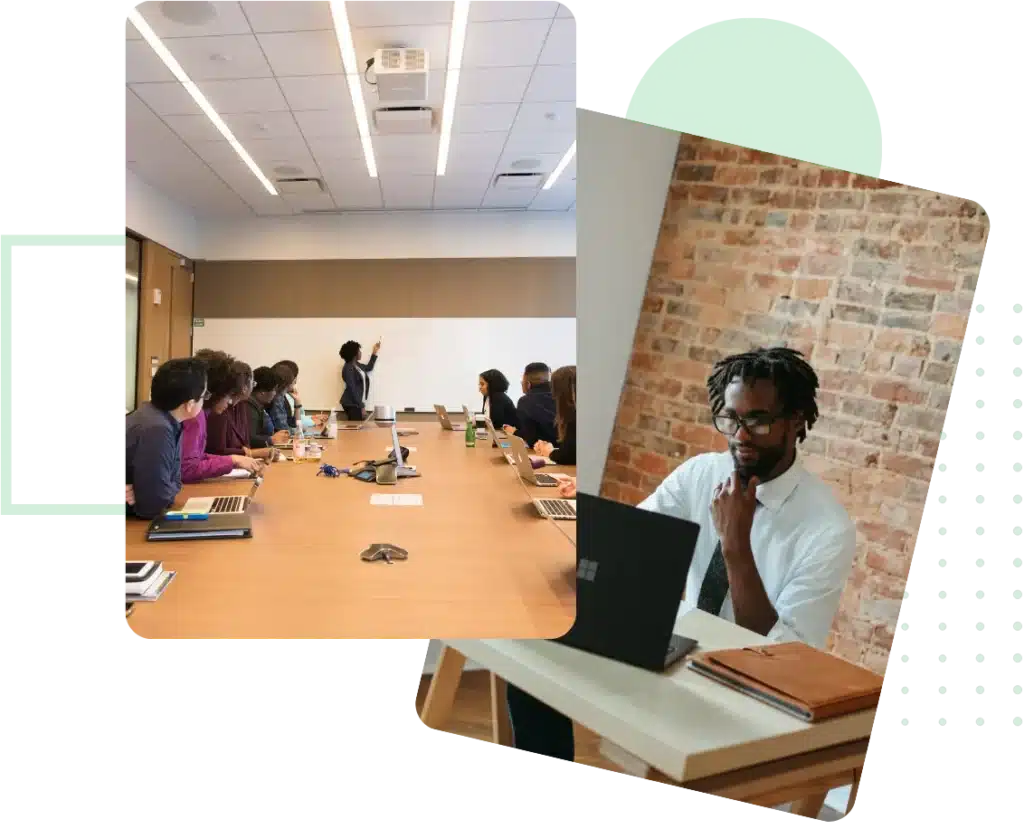
Human skills at the heart of

CUSTOMER RELATIONSHIP

This training will enable you to develop your empathy, agility, and adaptability to improve customer relations. You will listen better to be more customer-oriented.

DISCOVER OUR TRAINING

Objectives

Inter

Dates of the next planned training 

– 19/09/24 from 10am to 12pm

– 26/09/24 from 10am to 12pm

– 03/10/24 from 10am to 12pm

– 10/10/24 from 10am to 12pm

– 17/10/24 from 10am to 12pm

Content

Training access time: The training can start 8 days after the agreement is signed or the OPCO support agreement is received. 

Customer reviews*

 4.4/5 (1055 reviews)

Success rate*

100% 

* These indicators are updated each year using consolidated data from previous years.

Source of indicators: List of trained learners/knowledge validation quiz/training evaluation

Last updated figures: 15/05/2024

Program

1

Training schedule

Empathy

  • The attention logbook
  • The empathy scale


Practical activities:

  • Skills self-assessment via the emage-me app

Emotional intelligence

  • The wheel of emotions
  • The Tony Robbins Triad


Practical activities:

  • Mimicking emotion
  • Observe a situation that triggers an emotion and complete the wheel of emotions.

Adaptability

  • The appeal to multiple forms of intelligence
  • Transitioning to adaptive mode


Practical activities:

  • Practical application around an identified problem: what reaction? analysis of the reaction?

Listening

  • The 7 key factors of listening
  • Dialogue tools


Practical activities: 

  • Analyze your listening skills in relation to a real-life situation.
  • To deduce an action to implement following the training session

Assertiveness

  • Keys to developing assertiveness
  • The rights to oneself
2

After the training

  • Knowledge validation questionnaire


Before each session

Participants complete the corresponding e-learning module.


During the session

The trainer facilitates with quizzes, individual or collaborative exercises, challenges, and role-playing.


After each session

Participants complete practical exercises relevant to their own context.

TRAINING MODALITIES

Public

Sales representatives, business developers, technical sales representatives, consultants, sales managers.


All our training courses are accessible to people with disabilities. Contact us for specific support tailored to your needs. 

Prerequisites

A positioning questionnaire is sent before the start of the training to assess the level before entering the training.

Evaluation

At the end of the training, participants will receive a questionnaire to validate their learning and establish the extent to which the training objectives have been achieved.


The results of this questionnaire will be provided to the client at the end of the training, during a post-training follow-up meeting (debriefing).

MANY TRAINING COURSES AVAILABLE

Also discover

Training to improve the handling of difficult situations in customer relations in order to approach these situations as a means of enhancing the company's image.

Training to adopt a 'coach' approach, use objectives as a management and steering tool, and conduct motivating and effective interviews.

Would you like to discuss your training needs?

Developing Soft Skills in Business: Key to Employability and Performance

Soft skills, also known as interpersonal skills, have become crucial in the modern professional world. But how do you develop soft skills in business? What are these skills and why are they so important, whether for teamwork, management, or improving sales performance?

Understanding Soft Skills

Soft skills refer to the non-technical skills that influence how we interact with others and manage our emotions. They encompass aspects such as communication, leadership, problem-solving, empathy, and time management. Unlike technical skills, soft skills are difficult to measure but play an essential role in professional success.

Developing Soft Skills in Business

Developing soft skills in business is essential to remain competitive in today's rapidly evolving job market. To achieve this, it's important to participate in specialized training focused on developing behavioral skills. These courses provide practical tools and techniques to improve communication, stress management, empathy, and teamwork abilities.

Importance of Soft Skills for Teamwork

Soft skills are particularly important for teamwork, as they facilitate collaboration, conflict resolution, and the creation of a positive work environment. Skills such as effective communication, active listening, and the ability to give and receive constructive feedback are essential for maintaining cohesion and productivity within a team.

Importance of Soft Skills for Managers

Soft skills are also crucial for managers, as they influence their ability to motivate, inspire, and lead their team. A manager with skills in leadership, time management, and emotional intelligence is better equipped to handle daily challenges, inspire confidence, and encourage the professional development of their employees.

Soft Skills and Sales Performance

In the commercial field, soft skills play a crucial role in the success of sales professionals. Skills such as active listening, persuasion, empathy, and problem-solving are essential for building strong customer relationships, understanding their needs, and closing successful sales.

Conclusion

In conclusion, soft skills are an essential element of employability and professional performance. Whether it's for teamwork, management, or excelling in the commercial field, it's crucial to develop and perfect your behavioral skills. By investing in the development of soft skills, individuals can not only improve their career prospects but also contribute significantly to the success of their company.