












KESTIO

Dans beaucoup d’ESN, de cabinets de conseil ou d’éditeurs, les commerciaux passent un temps considérable à commenter… ce qu’ils ne contrôlent pas : prix, roadmap produit, concurrence, contexte économique. Pendant ce temps, les seuls leviers qu’ils maîtrisent vraiment sont sous-exploités.

Or, ce sont précisément ces leviers internes – compétence, méthode, motivation et cadence – qui déterminent la performance commerciale.

n°1
Ce que vos commerciaux ne contrôlent pas… et qui les épuise

Vous ne pouvez pas demander à vos équipes de « changer le marché » ou de « forcer » un client à acheter plus vite.
En revanche, vous pouvez les aider à :

La frustration vient souvent du décalage entre ce que l’on demande (« faire +20 % de CA ») et ce que l’on accompagne réellement (les actions qui mènent à ces +20 %).

n°2
Les 4 leviers réellement maîtrisables par vos commerciaux

  1. La connaissance de l’offre et des usages
    Ce n’est pas la fiche produit qui fait vendre, mais la capacité à relier votre offre aux enjeux métiers du client (DSI, Direction métier, achats…) dans un langage concret.

  2. Les techniques de vente et de questionnement

    • Qualifier un projet sans brusquer.

    • Faire émerger le coût de l’inaction.

    • Travailler les prochaines étapes dès la fin du rendez-vous.

  3. La motivation et l’énergie commerciale
    Une logique de coaching, de feedback régulier, de reconnaissance et d’objectifs atteignables pèse plus lourd sur le résultat qu’un nouveau script de prospection.

La cadence d’activité
Sans régularité d’appels, de rendez-vous et de relances, même le meilleur commercial finit par se retrouver avec un pipe vide.

n°3
Comment réorienter vos managers sur ces leviers

Votre rôle de direction est de rendre explicites ces leviers, puis de les piloter dans la durée :


  • Mettre en place un rituel d’analyse d’appels et de rendez-vous (écoutes, débriefs à chaud, coaching).


  • Travailler sur des parcours de montée en compétence : produit, secteur, techniques de vente.


Mesurer la cadence d’activité (appels, emails pertinents, rendez-vous qualifiés) plutôt que d’obséder les équipes avec le chiffre d’affaires.

n°4
Plan d’action concret

Conclusion

La performance commerciale n’est pas une affaire de « talent natif », mais de focus. Concentrez vos managers sur ce qui est entre les mains des commerciaux – et vous verrez mécaniquement votre pipe se structurer et vos signatures suivre.

L’agenda d’un commercial est souvent le miroir du chaos : urgences clients, réunions internes, sollicitations diverses… Résultat : le temps passé à réellement développer le business se réduit comme peau de chagrin.

n°1
Agenda choisi vs. agenda subi

On peut distinguer deux types de tâches dans une semaine commerciale :

  • Tâches subies : réunions imposées, demandes ad hoc internes, tickets urgents.


  • Tâches choisies : prospection, préparation de rendez-vous, relances, planification de visites.


Le problème n’est pas l’existence de tâches subies – elles font partie de la vie de l’entreprise – mais leur poids dans l’agenda. Quand elles dépassent un certain seuil, la prospection disparaît et le pipe se vide.

n°2
Cartographier le temps réel des commerciaux

Première étape : une semaine type analysée en détail.


Demandez à chaque commercial de catégoriser a posteriori son temps :


  • Temps face au client ou au téléphone avec lui

  • Temps de prospection / prise de contact

  • Temps de préparation

  • Temps administratif / interne

Vous aurez souvent des surprises : beaucoup d’équipes découvrent qu’elles consacrent moins de 30 % de leur temps à des actions réellement génératrices de business.

n°3
Redessiner l’agenda pour maximiser le temps commercial

Quelques principes simples :

L’objectif n’est pas de tout contrôler à la minute près, mais de donner un cadre clair qui limite le chaos.

n°4
Instaurer un rituel de revue d’agenda

Une fois par semaine, en 1-to-1 ou en réunion d’équipe :


  • chaque commercial présente son agenda de la semaine suivante ;


  • le manager challenge :


    • Y a-t-il assez de temps consacré aux rendez-vous clients ?


    • Où sont les créneaux de prospection ?


    • Quelles relances sont planifiées, sur quels deals ?


Ce rituel simple a souvent un impact bien plus fort que l’ajout d’un nouvel outil.

Les bénéfices pour le commercial… et pour l’entreprise

  • Moins de stress lié aux urgences permanentes.

  • Plus de visibilité sur les priorités de la semaine.

  • Une meilleure qualité de préparation des rendez-vous.

  • À moyen terme : un pipe plus régulier et des résultats plus prévisibles.

Conclusion : piloter le chiffre ne suffit pas. Vous devez aussi piloter le temps – car c’est le premier capital de vos commerciaux.

Fixer un objectif de chiffre d’affaires est indispensable. Mais personne n’a jamais signé un contrat simplement parce que son manager lui avait fixé un objectif ambitieux. Ce qui fait réellement la différence, ce sont la nature, la qualité et la régularité des actions qui précèdent la vente.

n°1
Le piège du management « par le chiffre »

Dans de nombreuses directions commerciales, la revue mensuelle se résume à une litanie de chiffres :
CA, pipe, taux de transformation…

Le problème ?

n°2
Définir les « bonnes actions » commerciales

Les bonnes actions ne sont pas celles qui rassurent le manager, mais celles qui rapprochent du client cible et du closing :

n°3
La règle des 3 actions quotidiennes

Une bonne approche consiste à définir pour chaque commercial 3 actions quotidiennes non négociables, par exemple :

On ne peut pas garantir un résultat à court terme. En revanche, on peut garantir le respect de ces actions – et c’est cela qui, semaine après semaine, construit le futur pipe.

n°4
Mettre en place des indicateurs actionnables

Plutôt que de seulement suivre le CA ou la marge, suivez :

Ces indicateurs orientent naturellement les conversations managériales vers le comment et non plus seulement vers le combien.

Transformer vos réunions commerciales

Votre prochain comité commercial pourrait s’articuler ainsi :


  1. Tour rapide des chiffres – pour le contexte.


  2. Focus sur les actions prévues / actions réalisées la semaine précédente.


  3. Sélection de 2–3 opportunités à analyser, non pas pour juger, mais pour co-construire les prochaines actions.


  4. Recalage des 3 actions quotidiennes clés pour chaque commercial.


Conclusion : piloter par les objectifs, c’est piloter dans le rétro. Piloter par les actions, c’est reprendre la main sur l’avenir de votre pipe.

Vos prospects n’ont plus besoin de vous pour connaître les fonctionnalités de votre solution : sites web, comparateurs, avis clients, vidéos… L’information est disponible en quelques clics.

Ce dont ils ont besoin, en revanche, c’est d’un guide capable d’interpréter ces informations à la lumière de leurs enjeux et de leur contexte.

n°1
Pourquoi le discours produit ne suffit plus

Lorsque le commercial se contente de dérouler une présentation produit :

À l’inverse, un rendez-vous fondé sur le questionnement, l’écoute et la reformulation positionne immédiatement le commercial comme un partenaire, pas comme un fournisseur.

n°2
Les 3 rôles d’un commercial-conseiller

  1. Diagnostiquer la situation du client

    • comprendre son organisation, ses processus, ses irritants opérationnels ;
    • identifier les enjeux business (risques, coûts, opportunités manquées).

  2. Mettre en perspective

    • partager des benchmarks sectoriels ;
    • éclairer les conséquences de l’inaction ;
    • présenter les différentes options possibles (pas seulement votre solution).

  3. Co-construire un chemin de décision

    • clarifier les étapes, les parties prenantes, les critères de succès ;
    • proposer un plan d’adoption réaliste.


n°3
Outiller vos commerciaux pour cette posture

Pour passer d’un discours produit à une approche conseil, travaillez sur :

Organisez des sessions où l’on travaille davantage la qualité des questions que la qualité du pitch.

Des rendez-vous qui créent vraiment de la valeur

Un bon indicateur : à la fin du rendez-vous, le client doit pouvoir dire :

« Je vois plus clair sur ma situation et sur mes options, même si je ne choisis pas immédiatement votre solution. »


C’est ce type d’expérience qui :


  • augmente vos chances de revenir dans la short-list ;
  • génère du bouche-à-oreille positif ;
  • construit une relation de long terme avec le compte.

Conclusion : dans un monde saturé d’information, la rareté n’est plus le contenu, mais la capacité à lui donner du sens. C’est exactement le rôle du commercial-conseiller.

Beaucoup de dirigeants, débordés par l’opérationnel, rêvent de « régler » la question commerciale en recrutant un directeur commercial expérimenté. C’est souvent une erreur coûteuse.

n°1
Le risque de déléguer trop tôt

Sans expérience concrète du pilotage commercial :

Résultat : perte de temps, perte d’argent, et parfois perte de confiance des équipes.

n°2
Ce que vous devez avoir fait avant de recruter

Avant d’envisager un poste de direction commerciale, le dirigeant devrait :


  • avoir accompagné des rendez-vous clients ;

  • avoir participé à la construction du pipe (priorisation de cibles, structuration du cycle de vente) ;

  • connaître les étapes clés du processus de vente dans son propre contexte (prospection, découverte, démonstration, POC, négociation, contractualisation) ;

  • maîtriser les indicateurs essentiels : taux de transfo, durée de cycle, panier moyen, etc.

L’objectif n’est pas de devenir directeur commercial à temps plein, mais de comprendre suffisamment le métier pour en piloter un.

n°3
Comment acquérir cette compréhension sans y passer 100 % de votre temps

Recruter ensuite en pleine connaissance de cause

Une fois ce travail réalisé, votre recrutement de directeur commercial devient beaucoup plus simple :


  • vous savez ce que vous attendez en termes de méthode, de reporting, de management ;

  • vous pouvez challenger les candidats sur des cas concrets ;

  • vous conservez la capacité de questionner les choix stratégiques sans vous sentir incompétent.

Conclusion : on ne délègue bien que ce que l’on comprend. La direction commerciale ne fait pas exception.

On passe souvent trop de temps à parler des meilleurs et des moins bons commerciaux. Pourtant, le vrai gisement de performance se situe au milieu : ces 70 % de collaborateurs qui « y sont presque » et peuvent faire un saut significatif si on les accompagne correctement.

n°1
Pourquoi la chasse au « mouton à cinq pattes » est un leurre

Chercher un commercial parfait, déjà formé, autonome, avec un carnet d’adresses et une culture de votre secteur… est rarement réaliste.


En revanche :


  • un commercial motivé,


  • bien intégré à la culture de votre entreprise,


  • accompagné régulièrement,


peut devenir un élément clé de votre croissance.

n°2
Faire de la formation un réflexe, pas un événement

La formation commerciale efficace ne se résume pas à un séminaire par an. Elle repose sur :

Résultat : perte de temps, perte d’argent, et parfois perte de confiance des équipes.

n°3
Miser sur le coaching managérial

Le manager de proximité est le premier formateur :

Intégrez ces temps de coaching dans l’agenda, au même titre qu’un rendez-vous client.

Construire un plan de progression pour les 70 %

Pour chaque Business Manager :


  • identifiez 2–3 compétences clés à renforcer (questionnement, négociation, prospection, pilotage de portefeuille) ;

  • définissez un parcours sur 3 à 6 mois ;

  • mesurez les effets sur des indicateurs simples : nombre d’opportunités créées, taux de transformation, panier moyen.

Conclusion : investir massivement sur les 70 % de votre force commerciale qui peuvent progresser, c’est souvent le moyen le plus rapide et le plus sûr d’améliorer vos résultats.

La plupart des entreprises de services continuent d’investir l’essentiel de leur budget commercial dans la force de vente « traditionnelle ». Pourtant, vos clients achètent désormais différemment : recherche en ligne, recommandation, contenu, webinaires, démonstrations à distance…

n°1
Quand la structure commerciale ne reflète plus les comportements d’achat

Si vos clients se renseignent en ligne mais que vos efforts marketing sont limités, vous perdez des opportunités avant même que la force de vente n’entre en scène.


Quelques signaux d’alerte :

Résultat : perte de temps, perte d’argent, et parfois perte de confiance des équipes.

n°2
Cartographier vos canaux d’acquisition réels

Commencez par analyser d’où viennent réellement vos clients signés :


  • recommandations et réseau ;

  • réponses à des campagnes marketing ;

  • prospection sortante ;

  • appels entrants ;

  • partenaires / prescripteurs.

Pour chaque canal, mesurez : volume, taux de transformation, coût d’acquisition.

n°3
Répartir différemment vos ressources

À partir de cette cartographie, vous pouvez :

Vers une organisation commerciale intégrée

Une organisation moderne intègre :


  • un marketing orienté génération de leads (et non seulement communication) ;

  • des équipes inside sales / SDR pour qualifier rapidement les leads ;

  • des account managers focalisés sur les opportunités complexes et la fidélisation ;

  • des outils (CRM, automation) pour orchestrer le tout.

Conclusion : réinventer votre organisation commerciale ne consiste pas à recruter plus de commerciaux, mais à aligner vos ressources sur la manière dont vos clients achètent aujourd’hui.

On espère parfois des résultats différents en gardant les mêmes méthodes de vente. C’est illusoire. Comme en sport, les vrais sauts de performance viennent de changements de techniques (le « Fosbury flop » en saut en hauteur) et de technologies qui font gagner du temps et de la précision.

n°1
Quand vos méthodes deviennent votre plafond de verre

Signes que vos méthodes sont arrivées en bout de course :

n°2
Changer la méthode : quelques pistes

L’idée n’est pas de tout révolutionner d’un coup, mais de tester et d’industrialiser ce qui fonctionne.

n°3
Introduire des technologies réellement utiles

Certaines technologies ont un impact direct sur la productivité :


  • enrichissement automatique de données (coordonnées, fonctions, taille d’entreprise) ;

  • outils de séquençage d’emails et d’appels ;

  • enregistrement et analyse d’appels pour le coaching ;

  • intégration plus fluide entre CRM, outils de prospection et marketing automation.

La question clé : « Quelles tâches répétitives puis-je automatiser pour libérer du temps commercial ? »

Approche test & learn

  • Sélectionnez 1 ou 2 équipes pilotes.

  • Testez une nouvelle méthode de prospection ou d’accompagnement des deals.

  • Mesurez l’impact sur quelques indicateurs simples.

  • Si l’impact est avéré, déployez à l’échelle.

Conclusion : sans changement de méthode ou de technologie, vous ne ferez qu’optimiser à la marge. Pour un vrai saut de performance, il faut accepter de faire autrement.

Pendant longtemps, marketing et ventes ont vécu dans deux mondes parallèles :


  • le marketing produisait des supports, gérait le site et les événements ;
  • les commerciaux « faisaient le business ».

Ce modèle ne fonctionne plus. Dans un environnement digitalisé, la bataille des opportunités se joue à deux.

n°1
Une mission commune : générer rendez-vous et opportunités

Votre objectif n’est pas de produire des contenus, mais de :


  • générer des leads qualifiés ;
  • les convertir en rendez-vous ;
  • les transformer en opportunités sérieuses.

Ces étapes nécessitent un travail conjoint entre marketing et ventes :


  • qui cible quels comptes ?
  • quels contenus pour quelles étapes du cycle de décision ?

comment s’organise la prise en charge d’un lead ?

n°2
Mettre tout le monde dans la même pièce

Un premier levier simple : créer des rituels communs.

Le but : sortir d’une logique « marketing fournit, sales exploitent » pour aller vers une logique « on gagne ensemble ».

n°3
Définir des accords de service (SLA)

Pour éviter les malentendus, formalisez quelques règles simples :

Co-créer le contenu avec le terrain

Les meilleurs contenus marketing viennent du terrain :


  • questions fréquemment posées en rendez-vous ;
  • objections récurrentes ;
  • cas clients marquants ;
  • signaux faibles détectés par les commerciaux.

Organisez des sessions où marketeurs et commerciaux construisent ensemble les contenus : articles, cas clients, scripts de prospection, séquences d’emails.


Conclusion : ce n’est plus « marketing contre ventes », mais une seule équipe orientée acquisition et croissance.

Travailler sans CRM est devenu impensable. Mais travailler avec un CRM mal renseigné est presque pire : vous avez l’illusion du pilotage… sans la réalité de la donnée.

n°1
Le CRM, bien plus qu’un outil de reporting

Le CRM n’est pas seulement fait pour le directeur commercial ou la direction générale. Pour le commercial, c’est :

Pour l’entreprise, c’est :

n°2
Pourquoi les commerciaux ne l’utilisent pas toujours

Les plaintes classiques :


  • « Ça me prend du temps » ;
  • « Je remplis le CRM mais personne ne regarde » ;
  • « Ce n’est pas adapté à notre manière de vendre ».

Souvent, le problème vient moins de l’outil que de l’absence de sens donné à son usage.

n°3
Faire du CRM un allié pour le commercial

Quelques principes :

Installer des routines de mise à jour

  • Chaque nouvel échange significatif avec un client doit donner lieu à une mise à jour rapide.

  • Une fois par semaine, chaque commercial passe en revue son pipe dans le CRM et ajuste : montants, probabilités, prochaines étapes.

  • Les prévisions de ventes sont extraites directement du CRM, sans retraitement parallèle dans Excel.

Conclusion : un CRM à jour, c’est un pilotage lucide et partagé. Un CRM vide ou approximatif, c’est une entreprise conduite dans le brouillard.

Clé n°1
Partir d’un objectif business clair et partagé

La première clé est simple à formuler… mais rarement bien appliquée : définir un objectif business précis.
Le séminaire n’est pas un simple temps de cohésion, c’est un outil au service de votre stratégie commerciale.

Posez-vous des questions très concrètes :

  • Quelles sont les 2 ou 3 priorités commerciales de l’année à venir ?
  • Quels comportements ou pratiques souhaitez-vous voir évoluer chez vos commerciaux ?
  • Quels messages doivent impérativement être compris et intégrés ?


Cela vous permettra de trancher rapidement : ce qui ne contribue pas à l’objectif n’a pas sa place dans le programme, ou alors en périphérie.


Exemples d’objectifs :

  • structurer la prospection et augmenter le nombre de rendez-vous qualifiés ;
  • renforcer le positionnement de valeur dans les ventes complexes ;
  • aligner les managers sur une même méthode d’animation commerciale.


Plus l’objectif est clair, plus vos équipes comprennent pourquoi elles sont là… et ce qu’on attend d’elles après.

Clé n°2
Un séminaire = un positionnement spécifique

Deuxième clé : chaque séminaire d’entreprise doit avoir son propre positionnement.
Ce n’est pas « le séminaire comme d’habitude » que l’on reconduit en changeant juste le lieu.

Au fil des années, le contexte change :

  • marché plus tendu ou plus porteur ;
  • nouvelles offres, nouveaux concurrents ;
  • réorganisation interne, nouveaux outils commerciaux ;
  • arrivée de nouveaux profils dans l’équipe.

Ignorer ces éléments et simplement « rejouer » le séminaire de l’an passé est une forme de pilote automatique qui fait perdre en impact.


Concrètement :

  • renommez le séminaire avec un thème, un fil rouge (ex : « 2026 : gagner ensemble les dossiers complexes ») ;
  • adaptez les ateliers aux enjeux du moment ;
  • faites évoluer les intervenants, les témoignages, les cas pratiques.

Vos équipes doivent sentir que ce séminaire est pensé pour maintenant, pas pour « faire comme toujours ».

Clé n°3
Jouer le « faux participatif » et décevoir les équipes

Un séminaire réussi n’est ni une succession de monologues, ni un chaos d’ateliers improvisés.
C’est un parcours pédagogique qui alterne les formats pour maintenir attention, énergie et engagement.

Quelques principes clés :

  • limiter les plénières descendantes à des séquences courtes et très préparées ;
  • alterner travail en sous-groupes, restitutions, mises en situation ;
  • intégrer des moments de respiration et de convivialité, mais pensés dans le rythme global ;
  • donner aux participants un rôle actif : analyser, construire, proposer, décider.

L’objectif n’est pas de « distraire », mais de faire réfléchir et agir différemment.
Plus vous ancrez les messages dans des situations proches du terrain, plus ils seront faciles à transposer en rendez-vous clients.

Clé n°4
Faire en sorte que le séminaire laisse une trace

Un bon séminaire laisse des traces visibles : documents, décisions, plans d’actions, supports de méthode, verbatims clients, etc.
Ces traces servent à la fois :

  • de mémoire collective ;
  • de base de travail pour les managers ;
  • de support pour les nouveaux arrivants.

Pour cela, il faut prévoir dès la conception du séminaire comment vous allez capitaliser :

  • enregistrer certains temps forts en vidéo (discours clés, retours d’expérience) ;
  • photographier les productions des ateliers et les mettre en forme ;
  • formaliser les décisions sous forme de fiches actions simples : qui fait quoi, pour quand, avec quel indicateur.

L’idéal est de regrouper l’ensemble dans un espace accessible à tous :

« Kit séminaire commercial – Édition 2026 »


Les équipes y retrouvent :

  • les supports diffusés ;
  • les synthèses des ateliers ;
  • les outils ou bonnes pratiques partagées ;
  • les engagements pris par chacun.

Vous transformez ainsi un moment ponctuel en ressource durable.

Clé n°5
Assurer la cohérence entre discours, moyens et contexte

Les participants comparent toujours, consciemment ou non, ce qu’ils entendent… à ce qu’ils voient.
D’où l’importance de la cohérence globale du séminaire.

Quelques dissonances fréquentes :

  • discours sur la rigueur budgétaire et lieu de séminaire perçu comme « trop luxueux » ;
  • volonté affichée de proximité managériale, mais dirigeants quasi absents de l’événement ;
  • volonté de simplifier les process, mais contenus du séminaire hyper complexes.

La réussite d’un séminaire commercial se joue aussi dans ces signaux faibles.

Pour garantir la cohérence :

  • impliquez réellement la Direction (DG, Direction Commerciale, RH) dans la préparation et l’animation ;
  • choisissez un format en accord avec votre positionnement d’entreprise ;
  • faites relire le programme par quelques personnes de confiance qui vous diront : « C’est cohérent / ça sonne faux ».

Vos équipes doivent se dire :

« Ce que l’entreprise nous montre pendant ce séminaire est aligné avec ce qu’elle nous demande au quotidien. »

Clé n°6
Inscrire le séminaire dans un dispositif d’accompagnement

les pratiques commerciales.
Sans accompagnement dans la durée, l’effet retombe rapidement.

C’est pourquoi nous recommandons de penser le séminaire comme une étape d’un dispositif plus large :


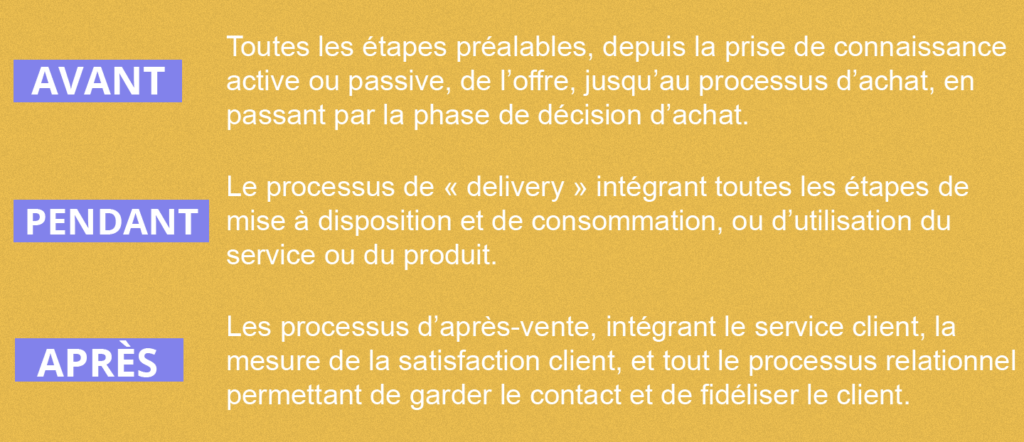
  1. Avant
    • cadrage avec la direction ;
    • collecte de données (résultats, enquêtes clients, diagnostics commerciaux) ;
    • préparation des participants (objectifs, attentes, éventuels travaux préalables).

  2. Pendant
    • travail sur des situations réelles ;
    • décisions concrètes et documentées ;
    • engagements pris individuellement et collectivement.

  3. Après
    • points de suivi réguliers ;
    • coaching individuel ou collectif sur la mise en pratique ;
    • ajustement des outils et des process ;
    • bilan d’impact quelques mois plus tard.

C’est dans ce cadre que l’intervention d’un partenaire comme Kestio prend tout son sens : conception, animation et suivi s’inscrivent dans une même logique de performance commerciale.

Conclusion

En appliquant ces 6 clés, vous transformez votre séminaire commercial en véritable levier de transformation : vos équipes comprennent mieux la stratégie, se l’approprient, et disposent de méthodes concrètes pour faire évoluer leurs résultats sur le terrain.

1.
Ne pas clarifier l’objectif du séminaire

Première erreur : se lancer dans l’organisation sans répondre clairement à la question :
« Qu’est-ce que ce séminaire doit changer concrètement pour l’entreprise et pour les équipes ? »

Sans objectif précis, on tombe vite dans un mélange de sujets : bilan de l’année, nouveaux process, lancement d’offres, actualités RH, discours inspirants, atelier innovation, team building… Résultat : beaucoup de temps passé, mais peu de décisions, peu d’engagement, peu d’impact.


À éviter :

  • un séminaire fourre-tout où tout est important… donc plus rien n’est prioritaire ;
  • des messages contradictoires ou flous ;
  • des participants qui repartent en se disant : « C’était sympa, mais on fait quoi maintenant ? ».

Bonne pratique : formuler un objectif simple et mesurable. Par exemple :

  • « Aligner l’équipe sur 3 priorités commerciales pour les 12 prochains mois » ;
  • « Faire évoluer la manière de conduire les rendez-vous clients » ;
  • « Mobiliser les managers sur leur rôle d’animation commerciale ».

Tout le reste (contenu, format, lieu, intervenants) doit découler de cet objectif.

2.
Négliger la communication : messages flous, supports illisibles

Deuxième grande erreur : sous-estimer le travail de clarification des messages.
Slides surchargées, chiffres alignés sans explication, vocabulaire interne incompréhensible, storytelling confus… c’est l’assurance de voir la salle décrocher.

Le jour J, vous n’aurez qu’une seule chance de faire passer vos messages stratégiques. Si vos supports sont brouillons, si votre discours est trop technique ou trop long, vous créez de la confusion là où vous cherchez de la mobilisation.


À éviter :

  • les présentations de 80 slides non relues ;
  • les graphiques illisibles projetés sur un écran trop petit ;
  • les interventions qui dérapent en durée ;
  • les messages tellement génériques qu’ils ne donnent aucune direction concrète.


Bonne pratique :

  • épurer les messages : 3 idées clés par séquence au maximum ;
  • bâtir des supports visuels clairs, synthétiques, pensés pour être compris de loin ;
  • tester le discours à blanc devant un petit groupe avant le séminaire ;
  • prévoir des temps d’échanges, de questions, de reformulation.


Un séminaire commercial doit rendre votre stratégie plus lisible, pas plus complexe.

3.
Jouer le « faux participatif » et décevoir les équipes

Autre piège fréquent : vouloir « impliquer » les équipes… sans réelle possibilité d’agir derrière.
On organise alors de grands ateliers collectifs où l’on demande :

  • « Quelles sont vos idées pour améliorer les résultats ? »
  • « Quelles évolutions souhaiteriez-vous dans l’organisation ? »

Sur le papier, cela paraît très vertueux. Dans les faits, si la stratégie est déjà décidée, si les marges de manœuvre sont très limitées, ces ateliers peuvent rapidement générer frustration et colère :

  • les idées ne sont pas reprises ;
  • aucune suite n’est donnée ;
  • les participants ont le sentiment qu’on a « fait semblant » de les écouter.

À éviter :

  • demander aux équipes de « refaire la stratégie » quand elle est déjà verrouillée ;
  • promettre une co-construction qui ne sera pas tenue ;
  • multiplier les post-its et les ateliers sans aucune décision concrète à l’arrivée.

Bonne pratique :

  • être transparent dès le départ sur ce qui est négociable ou non ;
  • orienter les ateliers sur la manière de mettre en œuvre la stratégie, pas sur son existence ;
  • prévoir des engagements clairs : « Sur ce que vous avez produit aujourd’hui, voici ce qui sera repris, comment et quand ».

Le vrai participatif, ce n’est pas « donner la parole pour la forme », c’est aligner les temps d’échanges sur de vraies décisions possibles.

4.
Surjouer le show et oublier le fond

L’effet « waouh » peut être très utile : un lieu inspirant, une activité marquante, une mise en scène soignée… Cela crée du souvenir, de l’émotion, de la fierté d’appartenance.
Mais si vos équipes ne retiennent que le karting, la soirée open bar ou le laser game, et pas les messages ni les décisions, c’est que vous avez sacrifié le fond à la forme.

On voit parfois des séminaires très spectaculaires sur le plan événementiel… mais très pauvres sur le plan métier :

  • peu de travail sur les pratiques commerciales ;
  • pas d’échanges sur les clients, les dossiers, les priorités ;
  • un discours stratégique survolé, noyé dans le divertissement.

À éviter :

  • un séminaire qui pourrait être exactement le même, quel que soit le contexte de l’entreprise ;
  • des activités « fun » qui n’ont aucun lien avec les enjeux commerciaux ;
  • la croyance que « si tout le monde s’est amusé, c’est que le séminaire est réussi ».

Bonne pratique :

  • utiliser le côté ludique au service de vos messages (jeux de rôles, serious games, mises en situation clients) ;
  • faire le lien explicite entre chaque activité et les enjeux de l’entreprise ;
  • garder des temps forts de travail sur la réalité du terrain : pipe commercial, processus de vente, expérience client, etc.

Le séminaire commercial n’est pas un simple voyage d’entreprise : c’est un investissement qui doit se traduire en changements concrets.

5.
Oublier de laisser une trace : aucun livrable exploitable

Autre erreur majeure : ne rien garder de ce qui se passe pendant le séminaire.
Les idées restent sur des paperboards abandonnés dans une salle, les décisions ne sont pas formalisées, les bonnes pratiques identifiées ne sont pas partagées. Après quelques jours, tout s’est évaporé.

Dans ces conditions, impossible de capitaliser : chaque séminaire repart de zéro, comme si le précédent n’avait jamais existé.

À éviter :

  • des ateliers sans compte-rendu ;
  • des plans d’actions non formalisés, dont personne ne se sent responsable ;
  • aucune diffusion aux absents ou aux nouveaux arrivants.

Bonne pratique :

  • numériser les productions : photos de paperboards, comptes-rendus synthétiques, mini-vidéos ;
  • centraliser les contenus dans un espace partagé (intranet, plateforme, drive) ;
  • désigner clairement qui fait quoi, avec quelles échéances, suite aux décisions prises pendant le séminaire ;
  • prévoir dès la conception du séminaire une séquence de restitution post-événement.

Un bon séminaire, c’est d’abord un séminaire qui laisse des traces utiles et exploitées.

6.
Mal choisir le lieu et la logistique

Le choix du lieu, de l’hébergement, des transports et de l’organisation matérielle n’est pas qu’un détail.
Il dit quelque chose de la manière dont vous considérez vos équipes… et il doit rester cohérent avec le discours tenu.

Les ratés possibles sont nombreux :

  • lieu difficile d’accès, qui épuise les participants avant même de commencer ;
  • salles trop petites, mal équipées, peu propices à l’interaction ;
  • hébergement inadapté (chambres partagées mal vécues, confort insuffisant, bruit, etc.) ;
  • décalage entre un discours de « rigueur budgétaire » et un séminaire perçu comme démesuré, ou l’inverse.

Bonne pratique :

  • choisir un lieu adapté au format (plénière, ateliers, sous-groupes) ;
  • veiller à un minimum de confort et d’intimité pour chacun ;
  • être cohérent avec la situation économique de l’entreprise : pas de grand luxe en période de crise, pas de version ultra low-cost au lendemain d’une année record ;

anticiper les temps de trajet pour éviter que le séminaire ne se transforme en marathon.

7.
Ne pas préparer l’« avant » et l’« après » séminaire

Dernière erreur, mais sans doute la plus handicapante : considérer le séminaire comme un évènement isolé, déconnecté du reste de l’année.
On arrive sur place sans préparation, on repart sans suivi.

À éviter :

  • aucune communication en amont (les participants découvrent le programme le jour J) ;
  • aucun travail préparatoire (données, cas clients, réflexions à mener) ;
  • aucun rendez-vous planifié après le séminaire pour suivre les actions décidées.


Bonne pratique :

  • communiquer l’objectif et les grandes lignes du programme avant le séminaire ;
  • envoyer, lorsque c’est pertinent, des éléments à lire ou à préparer en amont ;
  • planifier des points de suivi : réunions d’équipes, sessions de coaching, ateliers de mise en pratique ;


faire du séminaire le point de départ d’un plan d’action, et non une parenthèse sans lendemain.

Conclusion

En évitant ces 7 erreurs, vous sécurisez votre investissement et transformez votre séminaire commercial en moment structurant pour votre année : plus de clarté, plus d’engagement, plus de résultats. Et si vous souhaitez être accompagné dans cette démarche, un partenaire comme Kestio peut vous aider à concevoir, animer et prolonger l’impact de vos séminaires commerciaux.

n°1
Identifier les rôles clés en interne

La réussite du séminaire commence par une bonne répartition des rôles à l’intérieur de l’entreprise.

Le sponsor (Direction Générale / Direction Commerciale)
Il porte le sens du séminaire, donne le cap, valide les objectifs et les arbitrages. Sans sponsor véritablement impliqué, le séminaire perd en légitimité.

Les managers
Ils sont les relais essentiels entre la vision et le terrain. Ils doivent être associés en amont :

  • pour remonter les attentes du terrain ;
  • pour réagir au programme ;
  • pour préparer leur propre rôle pendant le séminaire (prise de parole, ateliers, animation de sous-groupes).

Les « ambassadeurs » dans les équipes
Impliquer quelques commerciaux ou collaborateurs influents dans la préparation permet de :

  • tester certaines idées ;
  • ajuster les formats ;
  • anticiper les réactions possibles ;
  • créer un début d’adhésion avant même le séminaire.

n°2
Distinguer l’événementiel du contenu

Beaucoup d’entreprises font appel à une agence événementielle. C’est souvent une très bonne chose pour :

Mais l’agence ne doit pas porter seule la question du contenu et de l’animation métier.
C’est là qu’intervient un autre type de partenaire : l’expert de la performance commerciale, capable de travailler sur le fond.

n°3
S’appuyer sur un partenaire expert du contenu commercial

Un cabinet spécialisé comme Kestio apporte un regard et une expertise complémentaires :

  • Clarification des objectifs et des messages
    Traduire vos enjeux de chiffre d’affaires, de marges, de conquête ou de fidélisation en un fil rouge mobilisateur et compréhensible par tous.
  • Conception pédagogique du séminaire
    Construire un parcours adapté à votre contexte : séquences plénières, ateliers, cas pratiques, jeux de rôles, co-construction, etc.
  • Animation indépendante et neutre
    Faciliter les échanges, faire émerger les tensions de manière constructive, recadrer si nécessaire, offrir un regard extérieur qui permet parfois de dire ce qu’un manager interne n’oserait pas dire.
  • Apport de méthode et d’outils
    Introduire des grilles de lecture, des techniques commerciales, des bonnes pratiques issues d’autres entreprises, pour nourrir la réflexion.

L’objectif n’est pas de « remplacer » la direction, mais de co-animer : la légitimité stratégique reste en interne, l’expertise méthodologique et pédagogique vient en renfort.

n°4
Choisir les bons intervenants

En plus du partenaire principal, le choix des intervenants – internes ou externes – est déterminant :

  • Intervenants internes : dirigeants, managers, experts métiers, chefs de produit… Ils donnent de la crédibilité et parlent la langue de l’entreprise.
  • Intervenants externes : consultants, formateurs, coachs, clients témoins, experts sectoriels… Ils apportent inspiration, benchmark, recul.


Pour chaque intervenant, posez-vous 3 questions :

Évitez les interventions « alibi » ou les discours trop généraux qui ne parlent pas du quotidien des équipes.

n°5
Construire une vraie collaboration avec vos partenaires

Savoir s’entourer, ce n’est pas empiler des prestataires. C’est organiser une collaboration structurée :

  • un cadrage commun : objectifs, messages, contraintes, budget ;
  • un calendrier partagé : jalons de préparation, validations, répétitions ;
  • des rôles clairs le jour J : qui anime quoi, qui introduit qui, qui gère les imprévus ;
  • un retour d’expérience après le séminaire : ce qui a bien fonctionné, ce qui sera ajusté la prochaine fois.

Plus vos partenaires comprennent votre culture, votre business et vos priorités, plus ils peuvent vous aider à « viser juste ».

n°6
Les bénéfices d’un bon entourage pour votre séminaire

Bien entouré, vous gagnez sur tous les plans :

Conclusion

Le séminaire commercial est un moment trop important pour être laissé au hasard. En combinant les bonnes ressources internes (direction, managers, ambassadeurs) et les bons partenaires externes (agence événementielle, cabinet d’expertise commerciale comme Kestio), vous mettez toutes les chances de votre côté pour concevoir un séminaire utile, mobilisateur et durablement impactant.

Introduction
Coût ou investissement ?

Le coaching dirigeant orienté business doit se juger à l’aune du retour sur investissement (CA, marge, prévisibilité, autonomie de l’équipe), pas seulement à son prix. Posons un cadre concret pour décider.

Tarification
Les modèles de tarification du coaching dirigeant

  • Forfait mensuel (le plus courant chez Kestio) : 2 à 4 séances/mois + suivi asynchrone + comités de pilotage.
  • Pack 90 jours : diagnostic, plan d’actions, rituels, coaching intensif.
  • Programme annuel : structuration complète de l’orga commerciale et itérations trimestrielles.


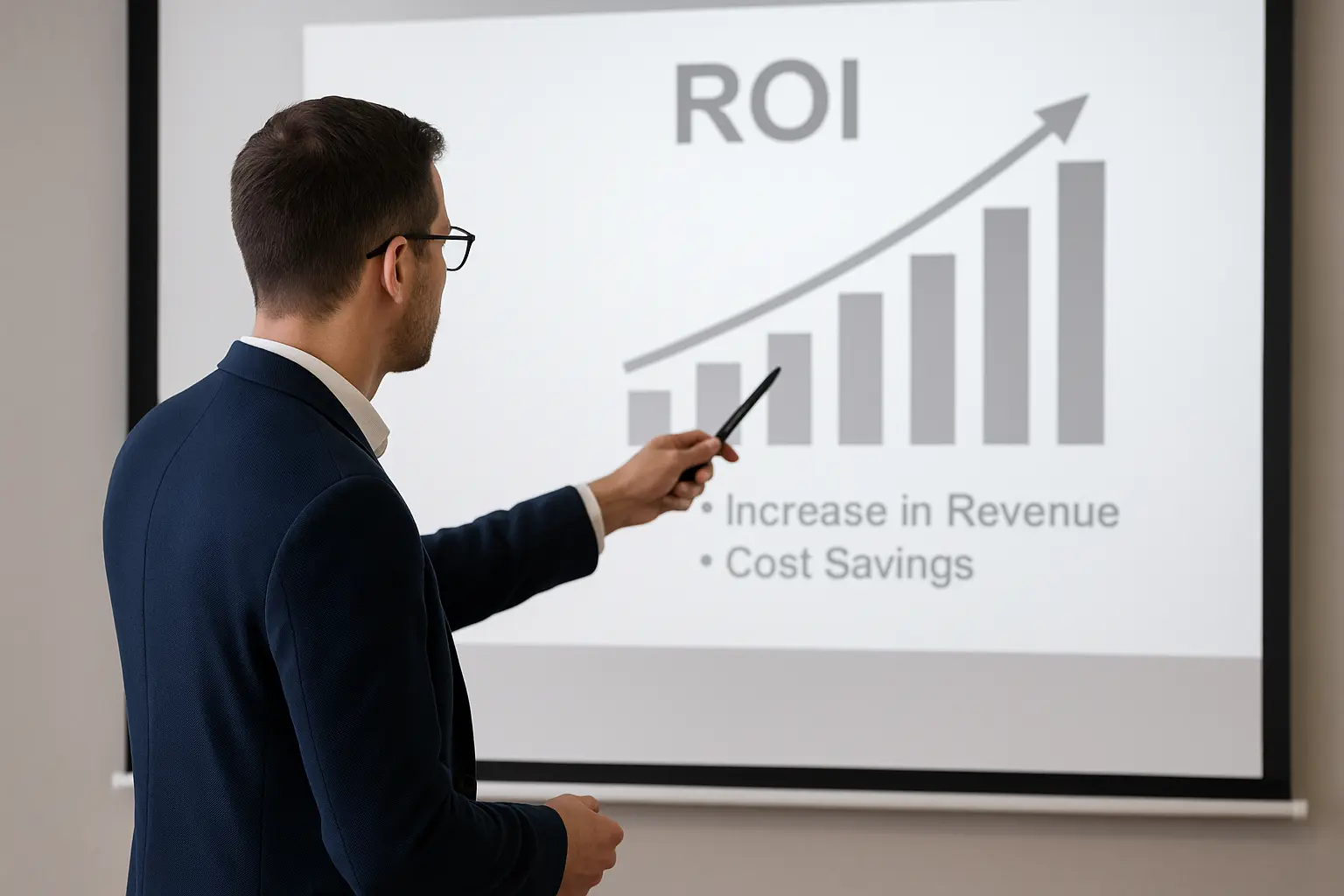
Chez Kestio, nous dimensionnons l’accompagnement en fonction de la maturité commerciale, de la taille d’équipe et des objectifs de croissance (sans afficher ici de prix figés, l’intérêt du dirigeant étant d’obtenir un ROI net supérieur à l’investissement).

ROI
Comment calculer le ROI d’un coaching dirigeant

1) Définir les gains attendus

  • Revenu : CA additionnel (nouveaux clients, upsell), marge brute
  • Productivité : cycle de vente ↓, taux de no‑show ↓, conversion ↑
  • Management : temps dirigeant libéré (jours/mois), autonomie équipes
  • Prévisibilité : forecast accuracy, pipe coverage

2) Mesurer les coûts

  • Investissement coaching (honoraires)
  • Temps interne (réunions, mise en place)
  • Outils éventuels (CRM/automation si manquants)

3) Horizon de temps

  • Quick wins (90 jours) : process, rituels, hygiène CRM, séquences outbound
  • Impact structurel (6–12 mois) : win rate, marge, ramp‑up, récurrence


Formule simple (ordre de grandeur) :
ROI = (Gains annuels – Investissement total) / Investissement total

Leviers ROI
Exemples de leviers ROI (cas anonymisés)

Grille d’aide à la décision
Êtes-vous prêt à investir ?

Cochez :

  • Nous n’avons pas de funnel clair dans le CRM
  • Prévisions de vente imprécises (>15% d’écart)
  • Pas de sales meeting efficace (≤45 min, décisions & propriétaires)
  • Pipe coverage < 3× l’objectif mensuel
  • Le dirigeant reste indispensable au closing
  • Pas de plan de prospection multicanal cadencé

Si ≥3 réponses OUI : votre ROI potentiel est élevé car les gains rapides sont atteignables sous 90 jours.

Conclusion
Pourquoi Kestio maximise votre ROI

  • Focus résultats (CA, marge, prévisibilité), pas « sentiment »
  • Coachs ex‑opérationnels du business B2B
  • Méthode process + rituels + KPI
  • Plan 90 jours puis itérations trimestrielles

Le bon moment pour investir n’est pas « plus tard ». Un accompagnement exigeant et structuré génère des gains mesurables qui excèdent l’investissement.

Introduction
Deux approches complémentaires, un seul objectif — le revenu

Beaucoup de dirigeants hésitent entre se former (apport de méthodes) et se faire coacher (mise en pratique accompagnée). Chez Kestio, nous voyons ces deux leviers comme complémentaires pour une seule finalité : améliorer la performance commerciale de votre PME.

Formation dirigeant
Quand et pourquoi ?

Objectifs. Acquérir des référentiels, des outils et des bonnes pratiques : process de vente, ICP, construction de l’offre, pricing, management commercial, CRM, prospection multicanale.


Bénéfices clés.

  • Mise à niveau rapide des connaissances
  • Outils concrets réutilisables (templates, checklists, playbooks)
  • Culture commune pour l’équipe


Limites. Sans accompagnement, la mise en œuvre est aléatoire et le retour au quotidien prend le dessus.

Coaching dirigeant orienté business
Quand et pourquoi ?

Objectifs. Transformer les méthodes en résultats à travers un plan d’actions et des rituels de pilotage. Le coach agit en sparring partner : il challenge, priorise, aide à décider.


Bénéfices clés.

  • Exécution réelle dans votre contexte (marché, équipe, cycle)
  • Arbitrages rapides, gestion des blocages, adaptation continue
  • Mesure des KPI et itérations


Limites. Moins « encyclopédique » qu’une formation ; l’apport de contenus doit être ciblé.

Le meilleur des deux mondes
La méthode Kestio

Notre approche combine modules courts (pour les méthodes) et coaching de mise en œuvre (pour l’exécution). Schéma type :

Cas d’usage

Notre approche combine modules courts (pour les méthodes) et coaching de mise en œuvre (pour l’exécution). Schéma type :

Checklist décision
Formation, coaching… ou les deux ?

Cochez ce qui est vrai chez vous :

  • Nous manquons de référentiels / outils → formation prioritaire
  • Nous avons les méthodes mais pas l’exécution → coaching prioritaire
  • Nous devons standardiser ET déployer vite → mix formation + coaching

Pour un dirigeant de PME, le meilleur choix est celui qui accélère la mise en pratique et produit du revenu prévisible. C’est exactement ce que livre l’approche Kestio.


Coaching de dirigeant par KESTIO :

Introduction
Quand la posture du dirigeant détermine le chiffre d’affaires

Dans une PME, la performance commerciale n’est pas uniquement l’affaire des vendeurs : elle reflète d’abord la clarté stratégique, l’organisation et les rituels impulsés par le dirigeant. Sans process, sans pilotage, sans alignement des équipes, la meilleure offre reste sous-exploitée. Le coaching dirigeant orienté business by Kestio vise précisément à créer ce cadre gagnant qui transforme l’effort commercial en résultats prévisibles.

Point n°1
Du flou à la clarté : aligner vision, offre et ICP

Un dirigeant coaché clarifie :

  • La proposition de valeur (pains, gains, différenciants)
  • L’ICP (Ideal Customer Profile) et les segments prioritaires
  • Le message commercial (preuves, cas clients, ROI)

Impact direct : campagnes mieux ciblées, cycles plus courts, taux de qualification en hausse.

Point n°2
Process de vente : passer d’un art à une mécaniqueProcess de vente : passer d’un art à une mécanique

Sans process commun, chacun vend « à sa manière », et la prévision devient impossible. Le coaching Kestio aide à :

  • Définir les étapes du funnel (de MQL à Won) et leurs critères d’avancement
  • Formaliser un playbook (scripts discovery, objection handling, templates de propal)
  • Outiller dans le CRM (stades, champs obligatoires, automatisations)

Impact direct : win rate en hausse, forecast accuracy améliorée, moins de deals qui « dorment ».

Point n°3
Pilotage hebdomadaire : installer des rituels qui produisent du chiffre

La performance commerciale naît de routines simples :

  • Sales meeting de 45 min/sem. (priorités, blocages, engagements)
  • 1:1 bimensuels (coaching individuel, pipeline, compétences)
  • Revues trimestrielles (KPI, process, offres)

Impact direct : cadence, responsabilisation, pipe coverage suffisant pour atteindre les objectifs.

Point n°4
Prospection industrialisée : du one-shot à la machine

Le dirigeant impulse une culture d’outbound discipliné : séquences multicanales, listes segmentées, contenus de preuve, SLA Marketing–Ventes.

Impact direct : RDV/100 leads en hausse, coût de prise de RDV en baisse, moins de dépendance aux entrées opportunistes.

Point n°5
Pricing et offres : vendre la valeur, pas la remise

Le coaching challenge l’offre : packaging good/better/best, options d’upsell, politique de remise encadrée, matrices d’arguments par persona.

Impact direct : marge brute améliorée, cycles de négo plus rapides, moins d’érosion tarifaire.

Point n°6
Équipe et rôles : du dirigeant indispensable à l’organisation autonome

Objectif : décorréler le CA de la présence du dirigeant. Actions : définition des rôles (BDR/AE/CSM), objectifs d’autonomie, pair selling transitoire, coaching de terrain.

Impact direct : signatures sans intervention du dirigeant, scalabilité de la force de vente.

Point n°7
Mesure & amélioration continue : ce qui se mesure progresse

Le coaching installe un tableau de bord :

  • Entrées de pipe / semaine
  • Taux de conversion par étape
  • Temps de cycle
  • Panier moyen & marge
  • Forecast à 30/60 jours

Impact direct : arbitrages rapides, priorisation efficace, apprentissage collectif.

L’avantage Kestio
Coachs-sparring partners, obsédés par le résultat

Notre différence : nous ne faisons ni thérapie, ni incantations. Nous coachons le dirigeant pour qu’il impulse la bonne stratégie et nous l’aidons à outiller l’organisation commerciale.

Checklist express
Votre coaching a un impact commercial si…

  • Vous avez un funnel documenté et partagé
  • Chaque opportunité a une prochaine action dans le CRM
  • Vos réunions ventes durent ≤ 45 min et débouchent sur des engagements
  • Votre pipe coverage ≥ 3× l’objectif mensuel
  • ≥ 50% des signatures se font sans vous

Un coaching dirigeant orienté business relie directement votre posture, vos méthodes et vos rituels… à votre chiffre d’affaires. Si votre croissance dépend encore trop de vous, c’est le moment d’installer une organisation commerciale qui performe sans friction.

Et si la croissance commerciale
dépendait d’abord du dirigeant ?

Dans de nombreuses PME, la croissance repose en grande partie sur l’implication personnelle du dirigeant. Pourtant, passé un certain seuil, ce modèle atteint ses limites. Le manque de structuration, les difficultés à déléguer efficacement, et l’absence d’une organisation commerciale bien huilée deviennent des freins à la performance.


C’est là que le coaching dirigeant orienté business prend tout son sens. Chez Kestio, nous ne parlons pas de coaching classique. Nous accompagnons les dirigeants comme de véritables sparring partners, avec une vision business, des méthodes opérationnelles, et un objectif clair : booster la performance commerciale durablement.

Pourquoi le dirigeant
est le premier levier de performance commerciale

Le rôle du dirigeant est central : il impulse le tempo, définit la stratégie, incarne la culture de l’entreprise. Mais trop souvent, il est absorbé par l’opérationnel et la gestion de l’urgence. Résultat : la stratégie commerciale reste floue, les équipes manquent de cap, les opportunités sont mal exploitées.


Avec un accompagnement structuré, le dirigeant peut :

Sparring partner
Une posture unique pour un coaching orienté business

Chez Kestio, le coach est un véritable expert du développement commercial, il agit comme un co-pilote stratégique qui confronte, challenge, oriente. Il connaît les réalités des PME, les cycles de vente, les organisations agiles, les outils CRM, les enjeux de pilotage.


Cette posture de sparring partner, c’est ce qui différencie fondamentalement notre approche de celle d’un coaching traditionnel, nous stimulons la réflexion et l’action en permanence.

Une méthodologie
fondée sur l’action et les résultats

Notre accompagnement repose sur des piliers concrets :

Nous ne restons jamais dans la théorie. Chaque séance débouche sur des actions concrètes, à fort impact. Et surtout, nous mesurons les résultats.

Témoignages
Des dirigeants transformés, des entreprises qui accélèrent

Marie

dirigeante d’une PME B2B service

J’ai doublé mon taux de transformation en structurant mieux mon process de vente avec mon coach Kestio. Ce n’est pas du coaching classique, c’est du pilotage stratégique appliqué à mon business.

Yassine

fondateur d’une PME tech

En 6 mois, j’ai mis en place un vrai plan de développement commercial. Aujourd’hui, je ne suis plus le seul à vendre dans la boîte, et ça change tout.

Conclusion
Le coaching dirigeant, catalyseur de performance commerciale

Le coaching dirigeant by Kestio, c’est un dispositif d’accélération business. Concret, orienté résultats, ancré dans les enjeux réels des dirigeants de PME.


Envie de passer à la vitesse supérieure ?

Introduction
Des « petites » erreurs qui coûtent très cher

Dans la plupart des PME, la croissance commerciale ne cale pas faute d’idées… mais faute de structure, de priorisation et de pilotage. Le dirigeant, happé par l’opérationnel, laisse s’installer des erreurs récurrentes qui grignotent le chiffre d’affaires mois après mois.


Le coaching dirigeant orienté business by Kestio n’a pas pour but de « mieux se connaître », mais d’augmenter la performance commerciale en corrigeant ces erreurs, en structurant l’organisation de vente et en posant des rituels simples de pilotage.

Erreur n°1
Vendre soi-même « le gros » et déléguer le reste

Symptômes. Le dirigeant concentre la fin du cycle de vente (closing), les commerciaux « nourrissent » le pipe sans transformer.


Coûts cachés. Goulot d’étranglement, délais de signature, dépendance au dirigeant, stress et perte d’opportunités.


Action Kestio. Cartographier le process de vente (stades CRM), formaliser les critères d’avancement, créer un playbook de closing accessible à l’équipe, coachings de répétition (role-play) avec feedback.


KPI. Taux de transformation par stade, durée moyenne de cycle, taux de deals closés sans intervention du dirigeant.

Erreur n°2
Un process de vente flou ou implicite

Symptômes. Chaque commercial a « sa méthode ». Les prévisions sont aléatoires.


Action Kestio. Définir un funnel commun (SQO, discovery, proposition, négociation, won/lost), conditions d’entrée/sortie, checklists par étape, modèles d’e-mails et scripts d’appel.


KPI. Conversion par étape, pipe coverage (x3/x4), forecast accuracy (écart prévision/réalisé).

Erreur n°3
Pas d’indicateurs de pilotage hebdomadaires

Symptômes. Pilotage au feeling, décisions tardives, pas de rituels.


Action Kestio. Mettre en place un tableau de bord minimal :

  • Entrées de pipe (opportunités/semaine)
  • Taux de transformation par étape
  • Panier moyen, marge
  • Temps de cycle
  • Activités par commercial (appels, RDV, démos)


Rituel. Sales meeting hebdo de 45 min, suivi individuel bimensuel.


KPI. Variation hebdo des entrées de pipe, vitesse de cycle, prévision à 30/60 jours.

Erreur n°4
CRM mal utilisé (ou pas utilisé)

Symptômes. Données incomplètes, dédoublonnage, notes dispersées.


Action Kestio. Gouvernance CRM : champs obligatoires, règles de nommage, vues standard, automatisations (rappels, relances), nettoyage mensuel.


KPI. Taux de complétude des fiches, % d’opportunités sans prochaine action, adoption par utilisateur.

Erreur n°5
Prospection opportuniste, non industrialisée

Symptômes. « On y va quand on a le temps ». Pas de rythme, ni de mix de canaux.


Action Kestio. Construire un plan de prospection multicanal (LinkedIn, e-mail ciblé, appels, contenu ROI), séquences cadencées, listes ICP/Personas, SLA marketing-ventes.


KPI. Taux de réponse, RDV/100 leads contactés, coût de prise de RDV.

Erreur n°6
Absence d’alignement Marketing–Ventes

Symptômes. Leads jugés « mauvais » par les ventes, contenus non utilisés.


Action Kestio. Comités MQL/SQL mensuels, définition partagée de l’ICP et des moments de preuve (cas clients, ROI), librairie de contenus plug-and-play pour les commerciaux.


KPI. % de MQL → SQL, utilisation des contenus en cycle, win rate sur leads Marketing vs Outbound.

Erreur n°7
Recrutement commercial tardif ou mal cadré

Symptômes. Recrutements urgents, on-boarding improvisé, ramp-up long.


Action Kestio. Scorecards par rôle, process d’entretien structuré (cas pratique, role-play), onboarding 90 jours (objectifs d’activité et de pipe), coaching hebdo.


KPI. Time-to-first-deal, quota attainment à 90/180 jours, churn commercial à 12 mois.

Erreur n°8
Pricing et offre mal packagés

Symptômes. Négociations interminables, remises systématiques.


Action Kestio. Clarifier la proposition de valeur, créer des packs d’offre (good/better/best), politique de remise encadrée, matrices d’arguments par persona.


KPI. Taux de remise moyen, marge brute, taux de multi-ventes (upsell/cross-sell).

Erreur n°9
Pas de rituels managériaux

Symptômes. Réunions longues et inefficaces, priorités fluctuantes.


Action Kestio. Installer des rituels courts :

  • Stand-up 15 min/jour (priorités & blocages)
  • Sales meeting 45 min/sem.
  • 1:1 de 45 min/quinzaine


KPI. Respect du rythme, % d’actions clôturées, progression des deals bloqués.

Erreur n°10
Le dirigeant reste « indispensable » au commerce

Symptômes. Aucune vente sans son aval, pipeline fragile pendant ses absences.


Action Kestio. Transférer la compétence : playbook, délégation du closing, pair selling temporaire, objectifs d’autonomie par commercial.


KPI. % de signatures sans intervention dirigeant, nombre de deals > seuil closés par l’équipe.

Méthodologie Kestio
Corriger, structurer, ancrer

Le vrai changement vient moins des « grands projets » que de micro-améliorations cadencées — et mesurées.

Checklist dirigeant
12 questions pour évaluer votre maturité commerciale

  • Vos étapes de vente sont-elles documentées dans le CRM ?
  • Chaque opportunité a-t-elle une prochaine action datée ?
  • Votre pipe coverage est-il ≥ 3× votre objectif mensuel ?
  • Avez-vous un rituel hebdo avec KPI stables ?
  • Les rôles de l’équipe sont-ils clairs (hunters/closers/CSM) ?
  • Votre politique de remises est-elle écrite et suivie ?
  • Vos contenus commerciaux sont-ils utilisés en cycle ?
  • Onboarding 90 jours formalisé ?
  • Forecast accuracy < 15% d’écart ?
  • % de signatures sans vous > 50% ?
  • Temps de cycle en baisse sur 3 mois ?
  • Taux de no-show < 15% ?

Conclusion
L’exécution bat l’intention

Corriger ces erreurs n’exige pas une révolution, mais une discipline de pilotage. C’est précisément le rôle de notre coaching dirigeant orienté business : vous fournir la structure, les rituels et le challenge nécessaires pour transformer vos intentions en résultats.


Prêt à éliminer les fuites dans votre pipeline et à accélérer votre croissance ?

Introduction
Un bon coach peut transformer votre business – à condition de bien le choisir

Le marché du coaching est vaste. Trop vaste. Et souvent confus. Pour un dirigeant de PME, choisir un coach n’est pas une décision anodine : il s’agit de confier ses enjeux de développement, ses doutes, ses ambitions.

Mais tous les coachs ne se valent pas. Certains se concentrent sur le développement personnel. D’autres n’ont jamais dirigé d’entreprise. D’autres encore manquent de méthode.


Chez Kestio, nous pensons qu’un dirigeant a besoin d’un coach orienté business, avec une posture de sparring partner, une compréhension fine des enjeux commerciaux, et une capacité à challenger en profondeur.

Les erreurs fréquentes
dans le choix d’un coach

Un bon coach doit vous bousculer, vous faire progresser, vous aider à passer un cap — pas vous conforter dans vos routines.

Les 5 critères clés
pour choisir un coach efficace quand on est dirigeant

1. Compréhension des enjeux business et commerciaux

Votre coach doit comprendre vos problématiques de chiffre d’affaires, d’organisation commerciale, de stratégie de développement. Il ne s’agit pas de bien-être mais de performance.

2. Expérience terrain auprès de dirigeants de PME

Un coach qui a accompagné des dizaines de dirigeants de PME connaît les vrais défis : surcharge mentale, croissance non structurée, équipe difficile à manager, etc.

3. Méthodologie claire et outils concrets

Le coaching ne peut pas être flou. Il doit s’appuyer sur des grilles de lecture, des diagnostics, des plans d’action. C’est ce qui permet d’avancer.

4. Posture de sparring partner, pas de thérapeute

Le bon coach vous challenge. Il pose les vraies questions. Il confronte. Il ne vous laisse pas dans votre zone de confort. C’est inconfortable, mais puissant.

5. Capacité à générer des résultats tangibles

Un bon coaching dirigeant se mesure :

  • En croissance de chiffre d’affaires
  • En temps libéré pour le dirigeant
  • En structuration durable de l’organisation

Pourquoi
l’approche Kestio est différente

Chez Kestio, nous avons développé une approche unique :

Ce que nous proposons, ce n’est pas du coaching introspectif. C’est du pilotage stratégique orienté résultats.

Conclusion
Choisissez un partenaire business, pas un accompagnateur passif

Le bon coach dirigeant n’est pas celui qui vous fait vous sentir bien. C’est celui qui vous aide à structurer, à piloter, à transformer.


Avec Kestio, vous bénéficiez d’un sparring partner engagé dans vos résultats.

Le piège de l’opérationnel
pour les dirigeants de PME

Dans une PME, le dirigeant est souvent au cœur de tout : ventes, gestion, RH, décisions stratégiques, suivi client. Cette implication totale est une force au démarrage, mais devient vite un frein à la croissance. À force d’être partout, on n’est plus nulle part.


Passer de l’opérationnel au stratégique est indispensable pour scaler. Mais cela ne s’improvise pas. C’est là que le coaching orienté business de Kestio intervient.

Pourquoi il est si difficile
de lâcher l’opérationnel ?

Résultat : le dirigeant éteint des feux au lieu de construire une stratégie.

Le rôle du coaching
vous faire passer de pompier à pilote

Un coach Kestio agit comme un copilote business. Il vous aide à :

Notre accompagnement repose sur des outils concrets : matrices de délégation, tableaux de bord, plans d’action trimestriels, animation managériale.

De l’urgent au prioritaire
la bascule nécessaire

Le coaching aide à faire le tri entre ce qui paraît urgent et ce qui est véritablement stratégique. Grâce à cette clarté, le dirigeant :

Coaching Kestio
une méthode pour passer à l’action

Notre approche combine :

Ce n’est pas du coaching introspectif. C’est un accompagnement opérationnel orienté résultats.

Conclusion
Votre entreprise a besoin d’un dirigeant stratège, pas exécutant

Le vrai job du dirigeant, c’est de piloter la vision, la croissance, la structuration. Le coaching Kestio vous donne les outils, les méthodes et le bon partenaire pour opérer cette transformation.


Passez à la vitesse supérieure.

Un dirigeant
ne peut pas être seul face à ses enjeux business

Dans une PME, le dirigeant est souvent celui qui décide de tout, gère tout, porte tout. Mais cette solitude décisionnelle a un prix : perte de temps, difficulté à structurer, fatigue mentale, et surtout, stagnation commerciale.

Un dirigeant performant est un dirigeant accompagné. Mais pas par n’importe qui. Pas par un coach introspectif ou un consultant abstrait. Ce qu’il lui faut, c’est un sparring partner business, un expert capable de l’aider à transformer sa vision en performance commerciale.

Le mythe
du dirigeant omniscient

Trop de dirigeants pensent devoir tout savoir, tout faire. Résultat :

Un bon accompagnement permet de casser ce mythe. Le coach Kestio devient un allié stratégique, qui challenge, structure, oriente et aide à décider.

Les vrais enjeux business que le coaching Kestio aide à traiter

1. Structuration du développement commercial

La plupart des dirigeants n’ont pas de plan de développement commercial structuré. Le coach les aide à :

  • Identifier les segments porteurs
  • Construire un pipe commercial solide
  • Formaliser un plan d’actions clair

2. Déclinaison opérationnelle de la stratégie

Une bonne idée sans exécution ne vaut rien. Le coaching aide à passer de la vision à l’action : process, rituels, outils, animation d’équipe.

3. Alignement entre dirigeant et équipe

Un dirigeant clair, structuré, soutenu par un coach, impulse une dynamique positive : plus de transparence, de cohérence, de responsabilité.

4. Gain de temps et de lucidité

En libérant de la bande passante mentale, le coach permet au dirigeant de se concentrer sur ce qui compte vraiment : les leviers de croissance.

L’approche unique de Kestio
Coaching + expertise commerciale

Chez Kestio, nous avons fait un constat : les dirigeants n’ont pas besoin de plus de théorie. Ils ont besoin de concret, de structure, de performance.


C’est pourquoi notre accompagnement combine :

Conclusion
Ne restez pas seul face à vos enjeux de croissance

Le bon coach ne vous dit pas quoi faire. Il vous aide à le clarifier, à le structurer, à le piloter. Chez Kestio, nous faisons cela avec une obsession : générer de la performance durable.


Vous êtes dirigeant de PME ? Vous voulez passer un cap ?

Le coaching
comme outil de pilotage stratégique

Chez Kestio, nous sommes convaincus que le coaching dirigeant doit être un levier de chiffre d’affaires, pas seulement de développement personnel. C’est pourquoi nous avons conçu une méthode unique, qui allie coaching stratégique, expertise commerciale et plan d’action opérationnel.


Voici les 7 bénéfices business concrets que nos clients dirigeants constatent.

1.
Structuration du process de vente

Un dirigeant accompagné revoit l’ensemble de son cycle de vente : segmentation, étapes clés, relances, taux de conversion. Résultat : plus d’efficacité, moins de pertes commerciales.

2.
Mise en place d’indicateurs de pilotage

Le coaching permet de définir des KPI clairs : nombre d’opportunités, taux de transformation, panier moyen, temps de cycle… Et surtout, de les suivre réellement chaque semaine.

3.
Clarification de la stratégie commerciale

Avec l’aide du coach, le dirigeant clarifie son positionnement, ses cibles prioritaires, ses messages clés. Il arrête de courir après tout le monde et concentre ses efforts.

4.
Renforcement du management commercial

Nous aidons les dirigeants à mettre en place de vrais rituels managériaux : réunions d’équipe efficaces, entretiens de performance, points hebdo. Cela crée une culture de la performance.

5.
Professionnalisation de la prospection et du Lead Generation

Le dirigeant apprend à construire un plan de prospection multicanal structuré, à intégrer des outils (CRM, automatisation, contenus), à former ses équipes.

6.
Délégation maîtrisée et montée en puissance des équipes

Le coach Kestio aide à définir les rôles, responsabiliser les collaborateurs, créer une organisation commerciale qui fonctionne même en l’absence du dirigeant.

7.
Génération de résultats tangibles

Au final, les dirigeants coachés par Kestio constatent :

Un accompagnement
taillé pour les dirigeants de PME ambitieuses

Notre coaching Dirigeant s’adresse à ceux qui veulent :

Conclusion
Un coaching centré sur la performance, pas sur les intentions

Avec Kestio, vous êtes accompagné par un expert de la performance commerciale. Le coaching devient un outil stratégique pour développer votre business.


Rejoignez les dirigeants qui ont pris le contrôle de leur développement commercial.

Envoyer des emails à froid ne suffit plus.

En 2025, les équipes commerciales B2B doivent s’appuyer sur les bons outils pour cibler mieux, personnaliser plus, et convertir plus vite.

Voici les 7 outils incontournables pour passer à une prospection augmentée et bâtir un pipeline solide.

Pourquoi moderniser sa prospection commerciale ?

Les attentes des prospects ont changé : ils sont mieux informés, plus sollicités, et attendent des échanges personnalisés et pertinents.

En parallèle, l’IA et l’automatisation permettent désormais d’augmenter la performance des ventes en ciblant plus finement, en gagnant du temps et en optimisant chaque interaction.

L’objectif ? Une prospection plus efficace, plus humaine, et mieux adaptée aux enjeux du B2B en 2025.

Les 7 outils indispensables pour une prospection commerciale performante en 2025.


Optimiser sa prospection grâce à l’IA : pourquoi et comment ?


La Prospection IA transforme aujourd’hui la prospection commerciale. Elle permet d’automatiser les tâches chronophages, d’enrichir les données prospects, de personnaliser les messages à grande échelle et de prioriser les leads les plus prometteurs.
Le tout, en renforçant l’efficacité des équipes commerciales et en leur permettant de se concentrer sur ce qui compte : la relation humaine et la conversion.
Voici 6 types d’outils concrets à intégrer pour passer à la vitesse supérieure.


1. Outil de sourcing et d’enrichissement de leads.


Exemples : Kaspr, Dropcontact, Apollo.io, useArtemis

Ces outils permettent d’identifier rapidement de nouveaux prospects et de compléter automatiquement leurs informations (email, téléphone, poste, entreprise…).
Fini les recherches manuelles fastidieuses : vous partez sur une base de données propre et qualifiée.


2. Outil de CRM nouvelle génération.


Exemples : Hubspot, Pipedrive, Salesforce Essentials

Un CRM moderne centralise les interactions avec vos prospects, automatise les relances et donne une vision claire du pipeline commercial.
En bonus : des fonctionnalités d’IA intégrées pour mieux prioriser vos actions et optimiser le suivi.


3. Outil de séquences multicanales automatisées.


Exemples : Lemlist, LaGrowthMachine, Outreach.io

Ces solutions permettent de concevoir des séquences de prospection combinant emails, LinkedIn, appels… de façon automatisée et personnalisée.
Vous touchez vos prospects sur plusieurs canaux, au bon moment, sans effort manuel.


4. IA générative pour la personnalisation des messages.


Exemples : ChatGPT + Zapier, Copy.ai, Lavender

Grâce à l’IA générative, vous créez des messages sur-mesure pour chaque prospect, en fonction de son profil et de ses besoins.
Résultat : plus d’engagement, plus de réponses et des échanges qui font mouche.


5. Outil de lead scoring prédictif.


Exemples : MadKudu, Cognism, Clearbit

Le lead scoring assisté par IA permet d’évaluer automatiquement le potentiel de chaque prospect.
Vous identifiez ainsi les leads les plus “chauds” et concentrez vos efforts sur ceux qui ont le plus de chances de convertir.


6. Analyse conversationnelle et coaching commercial assisté par IA.


Exemples : Gong.io, Modjo, Chorus.ai

Ces outils analysent les échanges commerciaux (appels, visios, emails) pour détecter les points forts et les axes d’amélioration.
Ils permettent de former les équipes en continu et d’optimiser l’efficacité des conversations de vente.


7. Chatbots conversationnels pour la capture et la qualification de leads.


Exemples : Drift, Intercom, Botnation

Les chatbots conversationnels interagissent en temps réel avec les visiteurs de votre site ou de vos landing pages.
Ils captent les leads, répondent aux premières questions, et qualifient automatiquement les prospects avant de les transmettre aux équipes commerciales.
Un gain de temps et un canal de plus pour générer des opportunités.


Comment choisir les bons outils pour votre prospection commerciale ?


Pas de recette unique : les bons outils dépendent avant tout de vos objectifs et de la maturité de votre équipe commerciale.
Commencez par définir ce que vous voulez optimiser : volume de leads, taux de conversion, gain de temps, personnalisation des échanges

Pensez ensuite à l’intégration avec vos outils existants (CRM, marketing automation, outils de reporting). Une prospection efficace repose sur un écosystème fluide et connecté.

Enfin, ne négligez pas l’accompagnement : pour tirer pleinement parti de ces outils, il est essentiel de former les équipes et de les aider à adopter ces nouvelles pratiques.


1.Outil de sourcing et d’enrichissement de leads : trouvez et qualifiez vos prospects B2B plus vite.


Avant de contacter un prospect, encore faut-il le trouver… et bien le connaître.

Les outils de sourcing et d’enrichissement de leads vous aident à cibler les bons contacts et à bâtir des bases de données fiables et qualifiées, essentielles pour une prospection efficace.


Kaspr : L’outil idéal pour récupérer les emails et téléphones de vos prospects LinkedIn en 1 clic.


Kaspr est un outil connecté à LinkedIn (via extension Chrome) qui permet d’extraire en un clic les emails, téléphones et informations de postes des profils. Il propose aussi des enrichissements en masse de fichiers CSV et une intégration fluide avec les CRM (HubSpot, Pipedrive, Salesforce…) pour automatiser l’alimentation des contacts.


Détail des indicateurs :

Critère Détail
Prix Free (15 crédits email + 5 téléphones/mois), Starter : €45–59/utilisateur/mois, Business : €79–99/utilisateur/mois
Facilité d’utilisation ⭐⭐⭐⭐☆ 4/5 – Interface simple, extension Chrome intuitive. Note G2 : très bon UX
Efficacité ⭐⭐⭐⭐☆ 4/5 – Données fiables et à jour ; vous accélérez le sourcing et gagnez beaucoup de temps

Dropcontact : Le SaaS français 100 % RGPD pour nettoyer et enrichir votre base CRM en continu.


Dropcontact est une solution SaaS européenne qui enrichit, nettoie, vérifie et dédoublonne automatiquement vos contacts dans votre CRM (HubSpot, Pipedrive, Salesforce…) ou via upload CSV. Contrairement aux outils basés sur des bases de données externes, il utilise des algorithmes propriétaires, garantissant une conformité totale au RGPD tout en mettant à jour en temps réel des données telles que l’email, le numéro SIREN, le titre du poste, le téléphone et le lien LinkedIn.


Critère Détail
Prix €29 pour 500 adresses trouvées, sur-mesure pour intégration CRM (enrichissement + dedupe automatique)
Facilité d’utilisation ⭐⭐⭐⭐⭐ (4,8/5) : upload CSV, extensions, intégrations plug‑and‑play, pas besoin d’intervention humaine
Efficacité ⭐⭐⭐⭐⭐ (4,7/5 via Capterra) : données fiables (emails, SIREN, poste), nettoyage automatique, fusion de doublons, gains jusqu’à 15 h/semaine selon témoignages


2. Outil de CRM nouvelle génération : centralisez votre prospection et pilotez vos opportunités.


Un CRM moderne ne se contente plus de stocker des contacts.
Il devient le cœur de votre prospection commerciale : il centralise les échanges, automatise les relances et vous aide à prioriser les leads les plus chauds pour maximiser vos conversions.


Pour approfondir le sujet, lisez notre article : Passez à la vitesse supérieure avec un CRM efficace pour votre prospection.


HubSpot : Le CRM puissant pour centraliser vos ventes et marketing sur une seule plateforme.


Résumé :
HubSpot offre un CRM gratuit, idéal pour gérer jusqu’à 1 000 contacts et suivre les interactions (emails, rendez-vous, chat) sans limite dans le temps. Pour aller plus loin, ses Sales Hub améliorés et automatisés sont disponibles en version payante, et son Marketing Hub permet de créer des campagnes, automation et landing pages intégrées.


Critère Détail
Prix Free CRM : 0 €/mois jusqu’à 1 000 contacts 

Sales Hub Starter : 9€/utilisateur/mois 

Sales Customer Platform : 9€/utilisateur/mois 

Marketing Hub Professional : 792€/mois

Facilité d’utilisation ⭐⭐⭐⭐☆ (4//5) – Interface intuitive, intégrations nombreuses, déploiement rapide même sans formation avancée
Efficacité ⭐⭐⭐⭐☆ (4.4/5) – Permet d’unifier les équipes ventes/marketing autour d’un Smart CRM doté d’outils IA, d’automatisation, de suivi des leads et de reporting performant


Cette configuration rend HubSpot très pertinent pour les PME cherchant un CRM connecté, une gestion de pipeline unifiée, et des campagnes marketing intégrées, le tout accessible dès le plan gratuit et évolutif selon vos ambitions.


Pipedrive : Le CRM simple et intuitif pour automatiser et accélérer vos ventes.


Pipedrive est un CRM en ligne qui simplifie le suivi du pipeline commercial. Il permet de générer des leads, de gérer les affaires et d’automatiser les processus de vente.
Grâce à ses outils intégrés d’IA et d’automatisation, vous gagnez du temps et vous concentrez sur l’essentiel : conclure des ventes.
Idéal pour les équipes qui veulent un outil rapide à prendre en main, évolutif, et sans complexité inutile.


Critère Détail
Prix Essentiel : 14 €/utilisateur/mois (facturation annuelle)

Avancé : 39 €/utilisateur/mois

Professionnel : 49 €/utilisateur/mois

Power : 64 €/utilisateur/mois

Entreprise : 99 €/utilisateur/mois

Facilité d’utilisation ⭐⭐⭐⭐⭐ (5/5) — Interface ultra intuitive, paramétrage rapide, adoption facile même pour des équipes peu habituées aux CRM
Efficacité ⭐⭐⭐⭐☆ (4,5/5) — Gestion fluide des pipelines, automatisations puissantes, outils d’IA pertinents pour prioriser les leads et optimiser le suivi

3. Outil de séquences multicanales automatisées : touchez vos prospects sur plusieurs canaux, au bon moment.


La prospection efficace en 2025, c’est du multicanal : email, LinkedIn, téléphone…


Les outils de séquences automatisées vous permettent de créer des parcours de prospection fluides et personnalisés, en s’appuyant sur les leviers de l’automatisation commerciale adaptée aux PME, pour augmenter vos taux de réponse et multiplier les points de contact.


Lemlist : L’outil ultime pour automatiser vos campagnes multicanales et personnaliser à grande échelle.


Résumé :
Lemlist est un outil de prospection multicanale qui permet d’automatiser l’envoi de campagnes emails, de messages LinkedIn et même d’appels téléphoniques.
Grâce à son moteur de personnalisation avancée par IA, chaque message est ultra-ciblé pour améliorer l’engagement.

Il offre aussi une base de +450 millions de prospects, du lead scoring et une parfaite intégration avec les CRM (HubSpot, Salesforce, Pipedrive).
Idéal pour scaler vos efforts de prospection sans perdre en qualité.


Critère Détail
Prix Email Pro : 69 €/mois/utilisateur (ou 55 €/mois si facturation annuelle)

Multichannel Expert : 99 €/mois/utilisateur (ou 79 €/mois annuel)

Enterprise : sur-mesure (tarif personnalisé)

Facilité d’utilisation ⭐⭐⭐⭐☆ (4,5/5) — Interface claire, prise en main rapide, nombreuses automatisations prêtes à l’emploi
Efficacité ⭐⭐⭐⭐⭐ (5/5) — Idéal pour les campagnes multicanales, personnalisation IA performante, boost de déliverabilité très apprécié par les utilisateurs


La Growth Machine : La plateforme multicanale pour automatiser votre prospection B2B et tripler vos réponses.


La Growth Machine (LGM) est une solution de prospection multicanale tout-en-un.
Elle permet de :
trouver des leads et enrichir automatiquement les contacts,
envoyer des séquences personnalisées sur LinkedIn, emails, appels, X (ex-Twitter),
gérer toutes les réponses via une boîte de réception unifiée.

La plateforme met l’accent sur la sécurité sur LinkedIn et sur une approche ABM efficace pour cibler les bons décideurs.
Très appréciée pour sa simplicité d’usage et sa puissance multicanale.


Critère Détail
Prix Basic : 50 €/mois par identité

Pro : 100 €/mois par identité

Ultimate : 150 €/mois par identité

Facilité d’utilisation ⭐⭐⭐⭐☆ (4,5/5) — Interface fluide, création de séquences intuitive, nombreuses automatisations prêtes à l’emploi
Efficacité ⭐⭐⭐⭐⭐ (5/5) — Excellente solution pour prospection multicanale, enrichissement email illimité, signaux d’intention LinkedIn, taux de réponse moyen de 24 % observé


Ces solutions permettent de concevoir des séquences de prospection combinant emails, LinkedIn, appels… de façon automatisée et personnalisée.
Vous touchez vos prospects sur plusieurs canaux, au bon moment, sans effort manuel.


4. IA générative pour la personnalisation des messages : captez l’attention avec des emails vraiment sur-mesure.


Les prospects sont inondés de messages génériques.

Grâce à l’IA générative, vous pouvez produire des emails et des messages hautement personnalisés, adaptés au contexte et aux besoins de chaque contact — un levier puissant pour booster vos taux d’ouverture et de réponse.


Copy.ai : L’IA générative sur-mesure pour industrialiser vos contenus commerciaux et marketing.


Copy.ai est une plateforme d’IA générative pensée pour accélérer les process Go-to-Market (GTM).
Elle permet de :
rédiger des emails commerciaux et marketing personnalisés,
créer du contenu à grande échelle (articles SEO, landing pages, posts réseaux sociaux),
automatiser des workflows complexes pour les équipes Sales et Marketing.

Copy.ai se distingue par sa capacité à s’adapter aux besoins des entreprises, avec un paramétrage avancé des workflows et une gestion sur-mesure des projets IA.


Critère Détail
Prix Free : 0 $ (2 000 mots, limité)

Starter : 49 $/mois (1 siège, usage illimité en chat)

Advanced : 249 $/mois (jusqu’à 5 sièges, workflows avancés, 15+ templates Sales & Marketing)

Enterprise : sur-mesure (tarification personnalisée selon besoins & intégrations CRM complexes)

Facilité d’utilisation ⭐⭐⭐☆☆ (3/5) — Plateforme puissante mais nécessite une prise en main sérieuse pour exploiter tout son potentiel. Heureusement, une démo personnalisée est proposée pour accompagner le déploiement.
Efficacité ⭐⭐⭐⭐⭐ (5/5) — Idéal pour industrialiser la personnalisation des messages commerciaux, booster la production de contenu, et automatiser des process GTM complexes (Sales enablement, ABM, CRM enrichment).


Lavender : L’IA au service de vos emails commerciaux : plus engageants, plus efficaces.


Lavender est un assistant IA qui s’intègre directement dans Gmail ou Outlook pour améliorer en temps réel vos emails de prospection.
Il analyse vos messages, propose des recommandations d’amélioration (ton, structure, pertinence), et vous aide à personnaliser votre approche grâce à des fonctionnalités avancées d’AI Email Writer et de scoring dynamique.
Très utile pour augmenter les taux d’ouverture et de réponse, sans changer vos outils habituels.


Critère Détail
Prix Basic : Gratuit (5 emails analysés/perso./mois)

Starter : 29 $/mois (illimité, support chat)

Individual Pro : 49 $/mois (illimité + support prioritaire)

Team Plan : 99 $/mois/siège (intégrations avancées + coaching + analytics)

Facilité d’utilisation ⭐⭐⭐⭐☆ (4/5) — S’installe facilement en extension Gmail / Outlook, interface fluide. Une démo personnalisée est possible pour les équipes.
Efficacité ⭐⭐⭐⭐☆ (4,5/5) — Très efficace pour booster la qualité et la personnalisation des emails de prospection, aide précieuse pour augmenter les taux de réponse.


5. Outil de lead scoring prédictif : identifiez les prospects les plus chauds en un clin d’œil.


Tous les leads n’ont pas la même valeur ni le même niveau de maturité.

Les outils de lead scoring prédictif, dopés à l’IA, analysent le comportement et les données des prospects pour vous permettre de prioriser vos efforts commerciaux et de concentrer vos actions sur les opportunités les plus prometteuses.


MadKudu : Le lead scoring prédictif pour concentrer vos efforts sur les meilleurs prospects.


MadKudu est un outil d’IA en lead scoring prédictif. Il analyse vos données internes (CRM, marketing, produit) et externes pour identifier les prospects les plus susceptibles d’acheter .
Résultat : vos équipes commerciales se focalisent sur les leads à haut potentiel au moment où il faut, ce qui augmente le taux de conversion et accélère le pipeline.


Critère Détail
Prix Sur devis : généralement adapté aux PME et ETI avec intégration CRM, scoring personnalisé. Demande de démo obligatoire pour obtenir une offre.
Facilité d’utilisation ⭐⭐⭐⭐☆ (4/5) — Intégrations fluides (Salesforce, HubSpot, Outreach), interface puissante mais nécessite un accompagnement initial pour paramétrer les modèles.
Efficacité ⭐⭐⭐⭐⭐ (5/5) — Très performant pour prioriser les leads, avec modèles personnalisables, signaux puissants et gain de temps confirmé par les utilisateurs .


Cognism : La base de données B2B enrichie pour prospecter plus vite et plus efficacement.


Cognism est une plateforme de prospection B2B qui fournit des données de contact vérifiées et enrichies (emails, téléphones mobiles, signaux d’intention, changements de poste…).
Son point fort : le Diamond Data®, des numéros de téléphone vérifiés manuellement pour garantir une qualité de contact supérieure.
Cognism s’intègre avec les principaux CRM (Salesforce, HubSpot…) et outils d’engagement.
Objectif : accélérer le sourcing de leads et améliorer la joignabilité des prospects.


Critère Détail
Prix Sur devis : dépend du nombre de licences, du volume de données et des options (Grow ou Elevate). Une démo personnalisée est obligatoire pour obtenir un tarif.
Facilité d’utilisation ⭐⭐⭐⭐☆ (4/5) — Interface fluide, intégrations CRM natives, onboarding et formation inclus pour faciliter la prise en main.
Efficacité ⭐⭐⭐⭐⭐ (5/5) — Excellente qualité de données, numéros mobiles vérifiés, signaux d’intention puissants, gros gain de temps sur le sourcing et la qualification de leads.

6. Analyse conversationnelle et coaching commercial assisté par IA : améliorez vos échanges et faites progresser vos équipes.


Chaque appel, chaque échange est une mine d’or pour progresser.

Les outils d’analyse conversationnelle décryptent vos appels, emails et visios, identifient les bonnes pratiques et fournissent des retours concrets pour aider vos commerciaux à mieux vendre et à convertir plus.


Gong.io : L’IA conversationnelle qui transforme vos échanges commerciaux en leviers de croissance.


Résumé :
Gong.io est une plateforme d’analyse conversationnelle et de Revenue Intelligence.
Elle enregistre et analyse automatiquement vos appels, visios, emails et messages pour :


  • Identifier les bonnes pratiques commerciales,
  • Détecter les signaux d’achat et risques dans les deals,
  • Coacher vos équipes en continu.

Grâce à son IA avancée, Gong permet de raccourcir les cycles de vente, d’augmenter les taux de conversion et de rendre les prévisions commerciales plus fiables.


Critère Détail
Prix Sur devis : Licence par utilisateur + frais de plateforme selon la taille de l’équipe. Devis personnalisé obligatoire.
Facilité d’utilisation ⭐⭐⭐⭐☆ (4/5) Outil très complet, nécessite un accompagnement initial pour bien exploiter tout le potentiel. Intégration fluide avec les CRM et outils de visio.
Efficacité ⭐⭐⭐⭐⭐ (5/5) Très puissant pour coacher les commerciaux, optimiser les discours de vente et fiabiliser le pipeline. Taux de résultats constatés : 4x conversion pipeline, 80 %+ email response rate.


Chorus.ai : L’analyse conversationnelle au service de la performance commerciale.


Chorus.ai (solution de ZoomInfo) est une plateforme d’intelligence conversationnelle.
Elle enregistre et analyse vos appels de vente, emails et interactions client pour :


  •  Détecter les meilleurs leviers d’engagement.
  • Optimiser les discours commerciaux.
     
  • Renforcer le coaching des équipes Sales.

Chorus permet de structurer l’apprentissage commercial, d’améliorer la prévision des ventes et de donner de la visibilité sur ce qui fait réellement gagner des deals.


Critère Détail
Prix Sur devis : modèle flexible via ZoomInfo, dépend de la taille de l’équipe et du périmètre (intégré au pack Sales/RevOps de ZoomInfo).
Facilité d’utilisation ⭐⭐⭐⭐☆ (4/5) 

Interface intuitive, intégrations natives avec CRM et outils de communication, nécessite un onboarding initial pour paramétrer les analyses.

Efficacité ⭐⭐⭐⭐⭐ (5/5) 

Très efficace pour améliorer les performances des commerciaux et rendre les processus de vente plus prédictifs. Adoption forte chez les équipes Sales B2B exigeantes.

7. Chatbots conversationnels pour la capture et la qualification de leads : générez des opportunités 24/7 sur votre site.


Votre site web est visité en continu, mais sans contact humain, de nombreuses opportunités se perdent.

Les chatbots conversationnels permettent d’engager les visiteurs en temps réel, de répondre à leurs questions clés et de qualifier automatiquement les leads pour alimenter votre CRM et votre pipeline.


Drift : Le chatbot conversationnel pour engager les visiteurs en temps réel et générer des leads qualifiés.


Drift est un outil de chat conversationnel B2B qui permet de capturer et qualifier automatiquement des leads depuis votre site web.
Grâce à ses capacités d’IA conversationnelle, il engage les visiteurs, répond à leurs questions, et redirige les leads chauds vers les équipes commerciales.
Depuis son rachat par Salesloft, Drift est parfaitement intégré à un écosystème de Revenue Intelligence, avec une forte synergie avec les outils CRM et de sales engagement.


Critère Détail
Prix Sur devis : inclus désormais dans les packages Salesloft (plans Advanced et Premier). Contact nécessaire pour obtenir une offre personnalisée.
Facilité d’utilisation ⭐⭐⭐⭐☆ (4/5)

Interface intuitive, mise en place rapide. Nécessite un brief initial pour bien aligner le chatbot sur les parcours clients.

Efficacité ⭐⭐⭐⭐☆ (4,5/5)  

Excellent pour capturer des leads en temps réel, augmenter le taux de conversion des visiteurs et accélérer la qualification des prospects. Très complémentaire à un CRM ou à un stack ABM.


Botnation : La solution française de création de chatbots pour automatiser la génération de leads.


Botnation est une plateforme française (développée à Paris et Rennes) qui permet de créer des chatbots conversationnels sans compétence technique.
Elle permet de :

  • Automatiser la capture de leads sur votre site web,
     
  • Gérer des scénarios de qualification, de support, ou d’animation commerciale,
     
  • S’intégrer facilement à votre stack (CRM, emailing, paiement…).

Compatible avec site web, Facebook Messenger, WhatsApp, Instagram, WordPress, elle offre aussi des intégrations avancées avec OpenAI, ChatGPT, Dall-E et outils de marketing automation.


Critère Détail
Prix Gratuit (construction de chatbot, sans publication)

Basic : 39 €/mois (500 utilisateurs/mois)

Pro : 59 €/mois (1 000 utilisateurs/mois)

Entreprise : à partir de 249 €/mois (offre sur-mesure avec accompagnement dédié)

Facilité d’utilisation ⭐⭐⭐⭐☆ (4/5)  

Interface no-code intuitive, prise en main rapide, assistance disponible. Convient aux équipes PME/PMI.

Efficacité ⭐⭐⭐⭐☆ (4,5/5) 

Parfait pour automatiser la qualification de leads et engager les visiteurs 24/7, excellent rapport qualité-prix pour une solution 100 % française.

L’équilibre gagnant : automatisation + relation humaine.


L’IA et l’automatisation permettent aujourd’hui de gagner un temps précieux en prospection : sourcing, enrichissement de leads, personnalisation des messages, scoring…
Mais dans le B2B, l’humain reste central pour créer la confiance, détecter les besoins réels et négocier les opportunités.

Le commercial augmenté utilise les outils pour se concentrer là où il a le plus d’impact : la relation, l’écoute et la conversion.

C’est cet équilibre qui fait la différence entre une prospection purement automatisée… et une prospection réellement performante.


Conclusion : Passez à l’action pour booster votre prospection commerciale en 2025.


Vous l’avez vu : les outils de Prospection IA et d’automatisation offrent aujourd’hui des leviers concrets pour gagner du temps, cibler mieux et convertir plus.

Mais l’essentiel reste d’orchestrer intelligemment cet écosystème et de le mettre au service d’une approche humaine et personnalisée.

  • Priorisez vos besoins
  • Choisissez les bons outils
  • Formez vos équipes

Et si vous voulez aller plus loin, les experts KESTIO peuvent vous aider à structurer une prospection augmentée, adaptée à votre maturité et vos objectifs business.

Passez à l’action dès maintenant pour faire de 2025 une année de croissance commerciale !


Comment Kestio accompagne les PME dans l’optimisation de leur prospection commerciale ?


Chez KESTIO, nous accompagnons chaque année des centaines de dirigeants de PME et leurs équipes commerciales pour structurer, tester et déployer des stratégies de prospection performantes.

Notre approche est simple : combiner les meilleurs outils de Prospection IA avec un accompagnement humain sur-mesure pour construire un canal régulier de prospection et générer un pipeline solide.

Accompagnement entreprise : un Business Developer dédié + un consultant expert travaillent avec vous pour définir vos cibles, construire vos pitchs, et piloter les campagnes de prospection.

Accompagnement individuel : coaching personnalisé pour les commerciaux et dirigeants qui souhaitent monter en compétence sur les outils et les techniques de prospection augmentée.

Formations : des parcours certifiants pour apprendre à orchestrer une prospection multicanale, tirer le meilleur parti de l’automatisation, et garder l’humain au cœur de la conversion.

Publications et événements : webinaires, livres blancs, démonstrations en live (par exemple : session de cold call avec nos experts).

Notre promesse : vous aider à passer d’une prospection artisanale à une prospection structurée, efficace et régulière, en mettant l’IA au service de l’humain.

Vous voulez en savoir plus ?
Planifiez une démo avec nos experts
Obtenez un devis personnalisé pour votre entreprise.


FAQ : les questions fréquentes sur les outils de prospection commerciale.

Quels outils sont adaptés aux PME ?

Les PME n’ont pas besoin d’une usine à gaz.
Les outils les plus adaptés sont ceux qui sont : 

  • Simples à prendre en main.
  • Interopérables avec l’existant (CRM, email).
  • Scalables selon la maturité de l’équipe.

En général, un combo gagnant pour PME serait :

  • Un outil de sourcing (ex : Kaspr, Dropcontact)
  • Un CRM simple (ex : HubSpot, Pipedrive)
  • Un outil de séquences multicanales (ex : Lemlist, LaGrowthMachine)
  • Et, en bonus, un assistant IA pour personnaliser les messages (Copy.ai, Lavender).

Quel budget prévoir ?

Petite équipe (1 à 3 commerciaux) :
Comptez environ 150 à 300 €/mois/utilisateur pour une stack complète (sourcing + CRM + séquences + IA).

Équipe en croissance (5 à 10 commerciaux) :
Budget autour de 200 à 400 €/mois/utilisateur, selon le niveau d’automatisation et les options choisies.

Accompagnement externe (type KESTIO) :
À partir de quelques centaines à quelques milliers d’euros/mois selon le degré de délégation et l’accompagnement souhaité.

Bon à savoir : la plupart des outils proposent des versions essai gratuit pour tester avant d’investir.

Quels KPIs suivre avec ces outils ?

Les outils de Prospection IA permettent de suivre très facilement les bons indicateurs :

  • Nombre de leads contactés
  • Taux d’ouverture des emails
  • Taux de réponse
  • Nombre de rendez-vous pris
  • Taux de conversion en opportunités
  • Valeur du pipeline généré
  • Cycle de vente moyen
  • Temps commercial gagné grâce à l’automatisation

Le plus important : ne pas se noyer dans la donnée. Choisissez 3 à 5 KPIs clés et suivez-les régulièrement pour piloter vos actions.

Pourquoi optimiser son fichier de prospection en B2B ?


Le rôle clé du fichier de prospection dans le pipeline commercial.


Dans un environnement B2B de plus en plus concurrentiel, disposer d’un fichier de prospection commerciale bien structuré est une condition sine qua non pour maximiser son efficacité commerciale. Ce fichier constitue le socle de toute stratégie de prospection réussie : il regroupe les informations critiques sur les entreprises à adresser, les décideurs clés, et les données contextuelles permettant de qualifier les leads.

Un fichier de qualité permet de :

  • cibler précisément les entreprises à potentiel,
  • adapter ses messages aux enjeux spécifiques de chaque cible,
  • accélérer le cycle de vente en facilitant la prise de contact et la personnalisation.

Il ne s’agit pas simplement d’une liste de contacts, mais d’un outil stratégique de pilotage du pipe commercial, utile aussi bien aux équipes marketing qu’aux commerciaux terrain ou sédentaires.


L’évolution des pratiques avec l’IA.


L’intelligence artificielle transforme en profondeur la manière de constituer, enrichir et exploiter un fichier de prospection. Elle permet notamment :

  • d’automatiser la recherche et l’enrichissement de données (données SIRENE, réseaux sociaux, signaux d’intention…),
  • de segmenter dynamiquement les prospects selon des critères comportementaux ou sectoriels,
  • d’effectuer un lead scoring intelligent pour prioriser les cibles les plus matures,
  • de déclencher automatiquement des actions de prospection personnalisées (emails, appels, messages LinkedIn).

Avec l’IA, la pertinence du fichier de prospection ne repose plus uniquement sur l’exhaustivité des données, mais sur leur actualité, leur profondeur, et leur capacité à alimenter des scénarios commerciaux efficaces.


IA et prospection commerciale B2B : ce qui change vraiment.


L’intelligence artificielle a bouleversé les codes de la prospection B2B, en offrant une puissance d’automatisation sans précédent. Mais attention : plus que jamais, la personnalisation reste la clé pour capter l’attention. 

Envoyer un message générique à 300 contacts peut générer quelques réponses, mais combien d’opportunités mieux ciblées sont ainsi perdues ? 

Le vrai levier se situe dans l’automatisation après avoir qualifié ses données. L’IA peut vous aider à identifier les bons prospects (par exemple, les animateurs de podcasts B2B qui reçoivent des invités) mais c’est la personnalisation de l’approche (nom du podcast, référence à un épisode, lien avec leur ligne éditoriale) qui déclenche la conversion. 

En clair : Utiliser l’automatisation pour libérer du temps pour vos commerciaux, la personnalisation vous fait gagner des clients. Séparément, elles sont utiles. Ensemble, elles sont redoutables.


De la donnée brute à l’intelligence commerciale.


Collecter des données ne suffit plus : tout l’enjeu est de les transformer en intelligence exploitable. Trop d’entreprises se contentent de listes de contacts issues de LinkedIn ou d’annuaires professionnels, sans réellement qualifier leur pertinence. 

Résultat ? Des messages mal ciblés, ignorés ou perçus comme du spam. L’intelligence artificielle permet aujourd’hui de filtrer, croiser, enrichir ces données brutes pour identifier les bons interlocuteurs, au bon moment, avec le bon message. 

En structurant cette donnée (secteur, rôle, comportement digital, signaux faibles) vous ne faites plus de prospection, vous entrez dans une logique d’approche stratégique. 

Ce n’est plus qui je peux contacter, mais avec qui ai-je une vraie chance d’ouvrir une conversation utile.


Comment construire un fichier de prospection B2B avec l’IA : étapes clés.


1. Ciblage et définition du ICP (Ideal Customer Profile).


Construire un bon fichier de prospection B2B avec l’IA commence toujours par une étape clé : définir précisément son Ideal Customer Profile (ICP), c’est-à-dire le type d’entreprise qui tirera le plus de valeur de votre produit ou service. 

Pour cela, il faut s’appuyer sur des données dites firmographiques : secteur d’activité, taille de l’entreprise (en nombre d’employés), chiffre d’affaires estimé, localisation géographique ou encore rythme de croissance. 

Ces critères vous permettent d’exclure d’emblée les contacts hors cible et d’automatiser intelligemment la suite. L’IA devient alors un atout puissant pour extraire ces informations, les croiser (via LinkedIn, bases de données professionnelles, etc.) et identifier rapidement les comptes les plus pertinents. 

Cette étape permet aussi de distinguer l’entreprise cible (ICP) des buyer personas, à savoir les décideurs à l’intérieur de ces structures, pour affiner encore davantage votre approche.


2. Recherche et enrichissement des données.


Une fois votre ICP défini, l’étape suivante consiste à identifier les entreprises correspondantes et à enrichir les données associées. L’intelligence artificielle permet aujourd’hui de gagner un temps précieux en croisant automatiquement plusieurs sources : LinkedIn, bases open data, annuaires professionnels, outils comme Clearbit, Dropcontact ou Apollo. 

L’objectif est double : qualifier chaque lead avec des données fiables (secteur, effectif, CA, technologies utilisées…) et identifier les bons interlocuteurs (nom, fonction, email, activité récente). 

Plus vos données sont précises, plus votre prospection est pertinente. L’IA peut également détecter des signaux faibles (recrutements, levées de fonds, publications LinkedIn) pour repérer les comptes “chauds” à contacter en priorité. C’est à cette étape que vous transformez une base brute en un levier d’intelligence commerciale.


3. Qualification automatique des leads.


Grâce à l’IA, la qualification des leads n’est plus un processus manuel et chronophage. Des outils d’automatisation intelligents permettent désormais d’analyser les données récoltées et d’attribuer un score à chaque prospect selon des critères objectifs : adéquation avec l’ICP, niveau hiérarchique du contact, engagement digital, signaux d’intention d’achat… 

Cette approche par scoring permet de prioriser les leads les plus prometteurs et d’éviter de gaspiller du temps sur des profils peu pertinents. En analysant les comportements (clics, téléchargements, interactions sur LinkedIn), l’IA affine aussi la segmentation en temps réel. 

Résultat : un tunnel de prospection plus fluide, plus réactif, et des commerciaux qui se concentrent sur les leads à forte probabilité de conversion.

4. Segmentation intelligente pour personnaliser les approches.


Une fois les leads qualifiés, l’intelligence artificielle permet de les segmenter finement en fonction de multiples variables : secteur d’activité, maturité digitale, enjeux spécifiques, comportement récent… 

Cette segmentation intelligente est essentielle pour adapter le bon message à la bonne cible. Plutôt que d’envoyer un message générique à tous, vous pouvez créer des séquences personnalisées selon les problématiques identifiées (ex : recrutement, croissance rapide, transformation digitale). 

L’IA peut également suggérer des angles d’approche pertinents à partir des données disponibles (posts LinkedIn, articles, technologies utilisées). 

Cette personnalisation à l’échelle renforce l’impact de vos campagnes, améliore les taux de réponse et installe une relation plus authentique avec vos prospects.


Quels outils d’IA utiliser pour votre prospection commerciale B2B ?


Pour optimiser votre prospection commerciale B2B, l’intelligence artificielle vous permet d’automatiser les tâches chronophages tout en personnalisant l’approche. Voici trois catégories d’outils indispensables pour gagner en efficacité à chaque étape du tunnel de prospection :

Outils d’enrichissement de base de données.

Ces outils comme Kaspr, Dropcontact ou Apollo.io permettent de détecter rapidement de nouveaux prospects et de compléter automatiquement leurs informations : email, téléphone, fonction, entreprise, etc. En un clic, vous passez d’une donnée brute à une fiche prospect qualifiée, prête à être contactée.

Outils de scoring prédictif.

Des solutions comme MadKudu, Cognism ou Clearbit analysent vos données et celles du marché pour vous indiquer quels leads sont les plus susceptibles de convertir. Vous concentrez ainsi vos efforts sur les opportunités à plus fort potentiel, et optimisez votre temps commercial.

Outils de génération de messages personnalisés.

Grâce à des IA comme Copy.ai, Lavender ou ChatGPT intégré à Zapier, vous pouvez rédiger des emails de prospection adaptés au profil et au contexte de chaque contact. Résultat : des taux d’ouverture et de réponse en forte hausse.

Pour une vue d’ensemble détaillée des meilleurs outils à intégrer dans votre stratégie de Prospection IA, consultez notre guide complet :
Les outils clés pour booster votre prospection IA B2B en 2025


Erreurs courantes à éviter dans l’automatisation de la prospection B2B.


L’automatisation permet de gagner en efficacité, mais mal utilisée, elle peut rapidement nuire à vos résultats. Voici les erreurs les plus fréquentes à éviter pour une prospection IA réellement performante :


1. Automatiser sans stratégie claire.


Lancer des séquences automatisées sans savoir à qui vous vous adressez ni pourquoi, c’est courir à l’échec. Une prospection efficace commence toujours par une stratégie bien définie : ICP, messages, objectifs commerciaux et parcours client. Sans cela, même les meilleurs outils ne serviront à rien.


2.Négliger la personnalisation.


Envoyer un message générique à des centaines de contacts ? C’est le meilleur moyen de finir en spam. L’automatisation ne doit pas tuer la personnalisation. Utilisez l’IA pour adapter vos messages à chaque cible : prénom, entreprise, secteur, besoin… Des outils comme Lavender ou Copy.ai permettent de le faire à grande échelle.


3. Bombarder de messages trop tôt.


L’IA vous permet d’aller vite, mais pas de brûler les étapes. Envoyer un message de vente dès le premier contact est souvent perçu comme intrusif. La prospection B2B efficace repose sur une montée en valeur progressive, via du contenu utile et des points de contact bien dosés.


Vers une prospection plus humaine grâce à l’IA : le rôle du commercial augmenté.


Contrairement aux idées reçues, l’intelligence artificielle ne déshumanise pas la prospection commerciale, elle la rend plus pertinente. En automatisant les tâches répétitives (enrichissement, qualification, relances), l’IA libère du temps pour ce qui compte vraiment : la relation. 


Le commercial augmenté n’est pas un robot assisté d’outils, mais un expert de l’écoute et de la personnalisation, épaulé par la technologie. Il intervient au bon moment, avec le bon message, auprès des bons interlocuteurs. 


Il connaît mieux ses prospects, adapte son discours à leurs enjeux, et peut se concentrer sur la création de valeur. Grâce à l’IA, la prospection redevient ce qu’elle aurait toujours dû être : une conversation entre humains.


FAQ : Réponses aux questions fréquentes sur la prospection commerciale B2B avec l’IA.


L’IA remplace-t-elle les commerciaux ?

Non. L’IA ne remplace pas les commerciaux, elle les complète. Elle prend en charge les tâches répétitives et chronophages (sourcing, enrichissement, scoring…), ce qui permet aux commerciaux de se concentrer sur la relation client, l’écoute active et la négociation. Le « commercial augmenté » reste au cœur du processus de vente.


Quelle est la différence entre un CRM et un outil d’IA ?

Un CRM (comme HubSpot ou Pipedrive) centralise les données clients et structure le suivi commercial. Un outil d’IA, quant à lui, va analyser, prévoir ou générer des actions : par exemple, noter les leads selon leur potentiel, générer des messages personnalisés ou recommander des actions à prioriser. Les deux sont complémentaires.


Peut-on automatiser 100 % de la prospection ?

Non, et ce n’est pas souhaitable. L’IA peut automatiser jusqu’à 70-80 % du processus (sourcing, qualification, envoi de messages…), mais la phase de contact humain reste essentielle pour comprendre les besoins réels, ajuster l’approche et bâtir une relation de confiance.


Quels sont les meilleurs KPIs pour suivre l’efficacité de cette approche ?

Voici les indicateurs clés à suivre :

  • Taux d’ouverture des emails
  • Taux de réponse
  • Nombre de rendez-vous pris
  • Taux de conversion en opportunités commerciales
  • Cycle de vente moyen
  • Temps commercial gagné grâce à l’automatisation
    Ces KPIs vous permettent de mesurer à la fois l’efficacité de l’IA et la performance humaine qui l’accompagne.

Aller plus loin : comment Kestio accompagne les PME dans leur prospection B2B augmentée.


Chez Kestio, nous aidons les PME à passer d’une prospection artisanale à une prospection structurée, régulière et performante. Grâce à une approche mêlant stratégie, outils d’IA et accompagnement humain, nous vous aidons à bâtir un canal de prospection solide, adapté à vos objectifs business.

Vous voulez structurer votre démarche et générer plus d’opportunités qualifiées ?

👉 Planifiez un échange avec un expert Kestio dès maintenant pour faire le point sur votre stratégie de prospection et découvrir comment l’IA peut devenir un véritable levier de croissance pour votre entreprise.

📩 Contactez-nous ici

Pourquoi l’activité commerciale entre dans une nouvelle ère avec l’IA ?


Pendant longtemps, les équipes commerciales ont dû composer avec des processus lourds et fragmentés : bases de données incomplètes, relances manuelles, CRM sous-exploités, manque de visibilité sur les priorités…

L’arrivée des outils d’intelligence artificielle pour les ventes change la donne.
L’IA permet désormais de :


  • Automatiser les tâches chronophages.
  • Enrichir la connaissance client.
  • Prioriser les leads avec un lead scoring prédictif.
  • Personnaliser les parcours clients à grande échelle.


C’est une véritable transformation commerciale qui s’opère : on passe d’un modèle centré sur l’effort humain à un modèle de commercial augmenté.

L’humain reste au cœur du cycle de vente B2B, mais il s’appuie sur une IA commerciale pour être plus efficace, plus pertinent et mieux aligné avec les attentes des prospects.

Résultat : une activité commerciale plus fluide, plus performante, et mieux connectée aux enjeux business d’aujourd’hui.


Les 5 leviers de transformation commerciale par l’IA.


L’IA commerciale ouvre de nouveaux horizons pour les équipes B2B.
Au-delà de la simple automatisation, elle permet de transformer en profondeur les processus de vente, de la prospection IA jusqu’à l’optimisation du pipeline commercial.

Voici les 5 leviers clés pour réussir votre transformation commerciale grâce à l’intelligence artificielle, et bâtir une activité commerciale plus performante en 2025.


1. Automatisation intelligente de la prospection.


En B2B, la prospection reste un levier majeur de développement. Mais sans outils adaptés, elle peut vite devenir chronophage et peu scalable.

Grâce à l’automatisation commerciale, les équipes peuvent désormais :


  • Industrialiser les campagnes de prospection multicanales (emails, LinkedIn, appels),
  • Personnaliser les séquences à grande échelle,
  • Suivre en temps réel les performances et ajuster les actions.


Les outils de prospection IA permettent de coupler cette automatisation à de l’intelligence prédictive : le ciblage devient plus fin, et les efforts sont concentrés sur les leads à plus fort potentiel.

Pour aller plus loin, découvrez comment l’automatisation commerciale permet aux PME de gagner en efficacité.

Résultat : un gain de temps majeur pour les commerciaux, et une prospection plus régulière, plus personnalisée et plus performante.


2. Qualification et scoring prédictif des leads.


Dans un environnement B2B où les cycles de vente peuvent être longs et complexes, la capacité à prioriser les efforts commerciaux est un levier essentiel de performance.

Le scoring prédictif des leads, dopé par l’intelligence artificielle, permet de prédire la probabilité qu’un prospect passe à l’acte d’achat.
Contrairement au scoring traditionnel basé uniquement sur des critères déclaratifs ou statiques, le scoring prédictif s’appuie sur l’analyse croisée de données comportementales, CRM et contextuelles : navigation sur le site, interactions avec les campagnes, engagement sur les contenus, historique des échanges commerciaux, signaux d’intention…


Cela permet aux équipes commerciales :

  • de concentrer leur temps sur les prospects à plus forte valeur,
  • d’optimiser les ressources allouées à chaque segment,
  • d’accélérer les cycles de vente,
  • et d’améliorer la prévisibilité du pipeline.


Le scoring prédictif devient ainsi un véritable moteur de la transformation commerciale : il aligne les équipes marketing et ventes autour de prospects communément identifiés comme prioritaires, et contribue à renforcer l’efficacité globale du processus commercial.


3. Personnalisation à grande échelle des interactions commerciales.


Dans un environnement B2B de plus en plus concurrentiel, les acheteurs attendent des interactions commerciales réellement pertinentes et contextualisées.

L’IA commerciale permet aujourd’hui d’aller bien au-delà de la simple segmentation ou de la personnalisation basique par champ dynamique.


Elle permet de mettre en œuvre une hyper-personnalisation, c’est-à-dire la capacité à adapter en temps réel les messages, les canaux et les parcours en fonction du comportement, des besoins et du contexte propre à chaque prospect.

Grâce à l’analyse avancée des données clients et prospects, et à l’automatisation des contenus, les équipes commerciales peuvent désormais :


  • personnaliser le ton, le timing et le contenu des messages,
  • adapter les scénarios de relance en fonction de l’engagement réel,
  • synchroniser les actions marketing et commerciales pour offrir une expérience cohérente sur tous les points de contact.


Cette capacité à personnaliser à grande échelle les interactions permet non seulement d’augmenter les taux de réponse et de conversion, mais aussi de renforcer la relation client sur le long terme.
Elle constitue l’un des piliers de la transformation des processus de vente B2B.


4. Optimisation continue des cycles de vente par l’analyse des données.


L’analyse avancée des données permet aujourd’hui d’optimiser en continu les processus de vente B2B.


Grâce à un fichier de prospection commercial optimisée grâce à l’IA, chaque interaction avec un prospect devient une source d’insights : comportements d’achat, signaux d’engagement, timing des décisions.

En exploitant ces données en temps réel, les équipes commerciales peuvent ajuster leur approche, fluidifier le cycle de vente et concentrer leurs efforts là où ils sont les plus efficaces.
Loin de se substituer à l’humain, l’analyse des données renforce la capacité des commerciaux à prendre des décisions éclairées, au bon moment.


5. Formation et montée en compétence des équipes via l’IA.


Dans un contexte de transformation commerciale, le développement des compétences reste un facteur clé de succès.

L’IA ne remplace pas le commercial, elle l’augmente — à condition qu’il soit formé à ces nouveaux outils et à ces nouvelles pratiques.

Aujourd’hui, l’intelligence artificielle permet de personnaliser les parcours de formation, de proposer des feedbacks en temps réel (notamment via l’analyse conversationnelle) et de renforcer le coaching commercial.

Comme le souligne cet article sur l’importance du coaching commercial pour les PME en 2025, il est essentiel d’accompagner les équipes dans cette montée en compétence continue.

L’objectif est clair : doter les commerciaux des outils et des réflexes nécessaires pour tirer pleinement parti des apports de l’IA commerciale, tout en conservant ce qui fait la valeur de l’humain dans la relation client.


IA et alignement sales & marketing : un nouveau modèle de collaboration.


L’alignement entre les équipes marketing et commerciales (ou smarketing) est depuis plusieurs années un enjeu clé pour optimiser la performance commerciale des entreprises B2B.

L’IA vient aujourd’hui renforcer cette dynamique en facilitant le partage de données, en synchronisant les parcours clients et en créant une vision unifiée du pipeline.
Ce nouveau modèle de collaboration permet de décloisonner les actions, d’assurer une meilleure qualification des leads et de fluidifier l’ensemble du cycle de vente.

Avec l’IA commerciale, le smarketing devient un levier stratégique de la transformation commerciale.


Comment l’IA fluidifie le parcours client B2B.


Dans un cycle de vente B2B, le parcours client est souvent long et complexe, jalonné de multiples points de contact, en ligne et hors ligne.
L’IA commerciale joue aujourd’hui un rôle clé pour en fluidifier chaque étape.

En centralisant et en analysant en continu les données issues du CRM, des interactions marketing et des échanges commerciaux, l’IA permet de mieux comprendre le comportement et les attentes des prospects.


Elle optimise ainsi la synchronisation entre les actions marketing et les actions de prospection ou de relance commerciale.

Le passage d’un lead marketing (MQL) à un lead qualifié pour les ventes (SQL) devient plus fluide, car basé sur des signaux d’engagement précis et actualisés.
L’IA facilite également la personnalisation des interactions tout au long du parcours, ce qui améliore l’expérience client et renforce les chances de conversion.

En bref, elle permet aux équipes alignées sales & marketing de piloter un parcours client plus cohérent, plus réactif, et plus performant.


Vers un marketing conversationnel piloté par les données.


Le marketing conversationnel s’impose aujourd’hui comme un levier stratégique pour renforcer l’expérience client et optimiser les conversions en B2B.
Il repose sur une approche plus interactive et humaine, où les échanges entre l’entreprise et ses prospects ou clients se font en temps réel via des canaux comme les chatbots, les messageries instantanées ou les live chats.

L’apport de l’IA et de l’analyse des données permet de franchir un cap. Les interactions ne sont plus uniquement réactives : elles deviennent proactives et pilotées par les signaux comportementaux détectés tout au long du parcours client.

Deux bonnes pratiques clés émergent pour intégrer efficacement cette approche :


  • Multiplier les points de contact interactifs : en étant présent sur les canaux privilégiés par les prospects (site web, WhatsApp, LinkedIn, email…), les équipes peuvent engager la conversation au bon moment.
  • Exploiter les données conversationnelles pour affiner le parcours : chaque échange enrichit la connaissance client. En croisant ces insights avec les données CRM et marketing, il devient possible de personnaliser les prochaines interactions et de mieux guider le prospect vers la conversion.


L’IA permet donc de passer d’un marketing conversationnel artisanal à un marketing conversationnel piloté par les données, plus fluide, plus personnalisé et plus efficace.


Cas d’usage concrets : comment des PME accélèrent grâce à l’IA.


Au-delà des discours, de nombreuses PME tirent déjà des bénéfices très concrets de l’IA commerciale. Voici trois exemples d’usages qui transforment leur quotidien.


Enrichissement de fichiers de prospection B2B grâce à l’IA commerciale.


Beaucoup de PME disposent de bases de contacts incomplètes ou obsolètes.
Grâce à des outils comme Dropcontact ou Kaspr, il est désormais possible d’enrichir automatiquement des fichiers de prospection : ajout d’emails vérifiés, de numéros de téléphone, de postes actualisés, ou encore de données légales (SIREN…).

Ce traitement automatisé permet de partir sur une base propre et qualifiée, sans mobiliser de ressources internes sur des tâches fastidieuses.
Résultat : les commerciaux ciblent mieux, gagnent du temps et augmentent leur taux de transformation.


Campagnes de nurturing B2B automatisées et personnalisées avec l’IA.


Une fois les prospects identifiés, l’IA permet de personnaliser et d’automatiser le nurturing.
Par exemple, des PME industrielles ou dans les services B2B utilisent aujourd’hui des outils comme HubSpot ou Lemlist, combinés à de l’IA générative, pour créer des séquences emails sur-mesure en fonction du comportement des prospects (ouverture d’emails, visite de pages, clics…).

Les campagnes sont ainsi pilotées par les données et s’ajustent en temps réel, avec des contenus toujours pertinents.
C’est un levier puissant pour garder le lien avec les prospects, même sur des cycles de vente longs.


Prédiction des opportunités commerciales B2B avec l’IA.


Grâce aux solutions de lead scoring prédictif (ex : MadKudu, Cognism), certaines PME structurent désormais leur pipeline en priorisant les leads les plus chauds.

L’IA analyse le profil et le comportement des prospects pour prédire leur probabilité de conversion.
Cela permet aux commerciaux de concentrer leur énergie là où elle est la plus rentable.
Résultat : un pipeline plus lisible, des cycles de vente raccourcis et un meilleur taux de closing.


Les erreurs à éviter dans l’adoption de l’IA commerciale.


Si l’IA commerciale ouvre des perspectives très prometteuses, son adoption n’est pas sans pièges. Certaines entreprises, en voulant aller trop vite, compromettent la qualité de leur approche commerciale. Voici deux écueils fréquents à éviter.

Trop d’automatisation, pas assez d’humain.


L’IA permet d’automatiser de nombreuses tâches : prospection, scoring, relances, contenu personnalisé… Mais attention à ne pas tomber dans l’illusion d’une prospection “100 % automatisée”.
Dans le B2B, la relation humaine reste clé pour instaurer la confiance, comprendre les besoins complexes des clients et conclure des ventes.


Le bon équilibre consiste à utiliser l’IA pour libérer du temps sur les tâches à faible valeur ajoutée, afin que les commerciaux puissent se concentrer sur ce qui fait vraiment la différence : l’écoute, l’échange et le conseil.


Sous-exploiter les outils IA en place.


Autre écueil courant : investir dans des outils d’IA commerciale performants… sans les exploiter pleinement.
Un CRM enrichi par l’IA, un scoring prédictif ou un outil d’analyse conversationnelle n’apportent de valeur que si les équipes les utilisent de façon régulière et structurée.


Cela suppose de former les équipes, de piloter les usages, et d’intégrer ces outils dans les rituels commerciaux.
La transformation commerciale est d’abord une transformation des pratiques : sans accompagnement au changement, même les meilleurs outils restent sous-utilisés.


Le rôle du commercial augmenté : quelle valeur humaine à l’ère de l’IA ?


À mesure que l’IA commerciale automatise et optimise de nombreuses tâches, le rôle des commerciaux évolue. On parle désormais de commercial augmenté : un professionnel qui s’appuie sur les outils d’IA pour se concentrer sur les dimensions les plus stratégiques et humaines de la vente.


Relation client augmentée par l’IA en B2B.


Dans un environnement B2B où les décisions d’achat sont complexes, la qualité de la relation client reste déterminante.
L’IA aide à préparer les échanges, à personnaliser les interactions, mais c’est le commercial qui crée le lien de confiance et qui porte les valeurs de l’entreprise dans la relation.


Conseil expert et IA commerciale au service de la vente B2B.


Les prospects attendent des échanges à forte valeur ajoutée.
Le commercial augmenté doit être capable d’apporter un conseil expert, de contextualiser les solutions, et de guider le client dans ses choix, en s’appuyant sur les insights générés par l’IA.


Gestion des moments-clés du cycle de vente B2B avec l’appui de l’IA.


Certaines étapes du cycle de vente nécessitent une intervention humaine : compréhension fine du besoin, négociation, levée des objections, conclusion de l’affaire.
C’est sur ces moments-clés que le commercial fait la différence. L’IA ne remplace pas ces échanges, elle les prépare et les enrichit.

En résumé, l’IA ne déshumanise pas le métier commercial : elle permet au contraire de recentrer le rôle du commercial sur ce qui a le plus de valeur pour le client et pour l’entreprise.


Comment se lancer ? Les étapes pour intégrer l’IA dans votre activité commerciale

Adopter l’IA commerciale ne se résume pas à ajouter quelques outils dans sa stack.
Pour réussir sa transformation commerciale, il est essentiel de structurer la démarche étape par étape, en tenant compte de la maturité de l’entreprise et des besoins réels du terrain. Voici comment procéder concrètement.


Audit des processus commerciaux en PME pour intégrer l’IA.


Avant tout, il est indispensable de réaliser un audit de votre processus commercial existant.
Quelles sont aujourd’hui les étapes de votre prospection, de votre suivi client, de votre closing ?
Quels outils utilisez-vous déjà ? Quelles tâches sont chronophages ou peu productives ?
Cet état des lieux permet d’identifier les points de friction, les manques de données, et les opportunités d’automatisation.


Identification des cas d’usage IA les plus pertinents en prospection B2B.


L’IA n’a pas vocation à tout transformer en un coup de baguette magique.
L’étape suivante consiste à cibler les bons cas d’usage : là où l’IA peut réellement apporter de la valeur.
Exemples : automatiser les relances, enrichir les leads, prédire le potentiel des prospects, personnaliser les messages, analyser les échanges commerciaux…
Prioriser ces cas d’usage permet de concentrer l’effort sur les leviers les plus impactants.


Choix des outils d’IA commerciale adaptés aux PME B2B.


Le marché des solutions d’IA commerciale est vaste.
Pour une PME, le bon réflexe est de choisir des outils :


  • simples à intégrer à l’écosystème existant (CRM, outils de prospection),
  • adaptés à la taille de l’équipe et à son niveau de maturité,
  • évolutifs (pour accompagner la montée en puissance).
    Exemples d’outils adaptés : CRM nouvelle génération avec IA intégrée, plateformes de séquences multicanales, solutions de lead scoring, outils d’analyse conversationnelle.


Pour aller plus loin, découvrez quels sont les 7 outils incontournables pour booster votre prospection commerciale avec l’IA.


Formation des équipes commerciales PME et conduite du changement IA.


L’intégration de l’IA commerciale ne peut réussir sans un véritable accompagnement humain.
Au-delà de la maîtrise des outils, il s’agit d’aider les équipes à faire évoluer leurs pratiques commerciales et à adopter une nouvelle posture de commercial augmenté.

Cela passe par une démarche structurée de formation et de coaching, afin que les commerciaux s’approprient progressivement les usages de l’IA, développent leurs compétences en analyse de données, et renforcent leur capacité à créer de la valeur dans la relation client.

Comme le souligne très justement cet article sur l’importance du coaching commercial pour les PME en 2025, c’est en accompagnant le changement humain que l’on transforme durablement la performance commerciale.


L’enjeu est clair : faire de l’IA un véritable allié au service des équipes, et non un facteur subi ou déconnecté du terrain.


Comment Kestio accompagne les PME dans la transformation commerciale par l’IA.


Chez KESTIO, nous accompagnons les dirigeants de PME et leurs équipes pour tirer pleinement parti des opportunités offertes par l’IA commerciale.
Notre approche est pragmatique et sur-mesure : nous combinons les meilleurs outils technologiques avec un accompagnement humain personnalisé.

Concrètement, nous intervenons sur plusieurs axes :


  • Audit et diagnostic des processus commerciaux existants
  • Identification des cas d’usage pertinents pour l’IA, adaptés à la maturité de l’entreprise
  • Sélection et déploiement des outils les plus adaptés aux PME (CRM augmenté, lead scoring, automatisation de la prospection, analyse conversationnelle…)
  • Coaching et formation des équipes pour assurer une appropriation progressive et durable des nouvelles pratiques
  • Pilotage des résultats et amélioration continue


Notre objectif : aider les PME à construire une activité commerciale augmentée, où l’IA renforce les compétences humaines sans les remplacer.
Nous croyons à une transformation progressive, alignée sur les réalités terrain de chaque entreprise.

Vous souhaitez structurer votre démarche et accélérer votre transformation commerciale ?
Nos experts sont à votre disposition pour échanger sur vos enjeux et vous proposer un accompagnement adapté.

Découvrez comment dynamiser votre prospection commerciale avec l’accompagnement Kestio.


FAQ : L’IA appliquée à l’activité commerciale en 2025

Quels outils IA pour une PME ?

Les PME n’ont pas besoin d’une “usine à gaz” pour bénéficier de l’IA commerciale.
Les outils les plus accessibles et efficaces sont :


  • un CRM nouvelle génération avec des fonctionnalités IA intégrées (ex : HubSpot, Pipedrive),
  • un outil de prospection multicanale automatisée (ex : Lemlist, LaGrowthMachine),
  • un outil de scoring prédictif ou d’enrichissement de leads (ex : MadKudu, Dropcontact),
  • un assistant de personnalisation des messages (ex : Copy.ai, Lavender),
  • et éventuellement un outil d’analyse conversationnelle (ex : Modjo, Gong.io).


Le tout en s’assurant que ces solutions s’intègrent facilement avec l’écosystème existant.


Quels ROI attendre ?

Les retours sur investissement dépendent du niveau de maturité de l’entreprise et des cas d’usage ciblés.
Sur les premières mises en œuvre, les PME constatent généralement :


  • un gain de temps commercial significatif (20 à 40 % de tâches répétitives automatisées),
  • une augmentation du taux de conversion (10 à 30 % selon les secteurs),
  • une meilleure qualité des leads traités,
  • un pilotage plus précis du pipeline.


L’important est de piloter le projet par cas d’usage et de mesurer l’impact sur les KPI commerciaux.


Faut-il remplacer son CRM ?

Pas nécessairement.
Beaucoup de CRM existants peuvent évoluer avec des modules ou des intégrations IA.
Avant d’envisager un remplacement complet, il est conseillé de vérifier :


  • si votre CRM permet l’intégration d’outils IA externes,
  • s’il dispose d’une roadmap IA cohérente,
  • s’il répond toujours aux besoins de vos équipes.


Un audit simple permet de trancher. Le remplacement ne se justifie que si votre CRM actuel freine vraiment la transformation commerciale.


Est-ce réservé aux grandes entreprises ?

Absolument pas.
Les PME sont même parmi les structures qui ont le plus à gagner avec l’IA commerciale :


  • elles peuvent automatiser des tâches qui consomment beaucoup de ressources,
  • professionnaliser rapidement leur approche commerciale,
  • et aligner plus efficacement marketing et ventes.


L’IA commerciale n’est plus un sujet réservé aux grands groupes.
Avec les bons outils et un accompagnement adapté, une PME peut parfaitement intégrer ces pratiques et en tirer des bénéfices concrets.

Demandez votre formation Augmentez de 30% la performance de vos commerciaux grâce à l’IA générative financée par l’OPCO

Communication fragmentée, objectifs divergents, manque de visibilité…

Dans de nombreuses PME, marketing et commercial avancent chacun de leur côté. Pourtant, quand ces deux équipes collaborent réellement, les résultats sont spectaculaires : plus de leads, plus de clients, et moins de perte d’énergie.

Cet article vous donne les clés concrètes pour passer d’une logique en silo à une dynamique collective performante.

Sommaire

Marketing et ventes : deux fonctions, un objectif commun.
Comprendre pourquoi ces deux équipes doivent s’aligner pour faire croître votre activité.

Le rôle du marketing : attirer, convertir, collaborer.
Analyse du marché, création de contenu, génération de leads… Le marketing pose les fondations de la relation client.

Le rôle des ventes : convaincre, conclure, fidéliser.
Les commerciaux transforment l’intérêt en signature, avec un suivi qui assure la rentabilité sur le long terme.

Pourquoi la collaboration échoue souvent.
Silos, incompréhensions, données éparpillées : les principaux freins à l’alignement marketing-commercial.

Les 5 leviers pour créer une synergie efficace.
Réunions, outils, KPI communs, co-création… Les étapes concrètes pour construire une vraie collaboration.

Ce que vous gagnez à aligner vos équipes.
Plus de conversions, moins de coûts, une meilleure expérience client et une réactivité stratégique renforcée.

Conclusion : Faites de la collaboration un levier de croissance.
Et profitez d’une heure de consulting gratuite pour aligner vos équipes et structurer votre stratégie.


Marketing vs Ventes : deux fonctions, un objectif commun.


Avant de chercher à créer une synergie entre marketing et ventes, il est essentiel de bien comprendre les spécificités de chaque fonction.

Si elles poursuivent un objectif commun, à savoir développer l’activité, leurs méthodes, leurs outils et leurs priorités diffèrent.

C’est justement la complémentarité de ces approches qui fait leur force, à condition d’être alignées.


Les 4 missions essentielles du marketing en entreprise.


Le rôle du marketing en PME ne se limite pas à “faire de la publicité”.
C’est un levier stratégique pour comprendre son marché, attirer les bons prospects et générer des opportunités commerciales concrètes.
Pour bien visualiser ce rôle, on peut le découper en quatre piliers essentiels :


1. Connaître.


Avant d’agir, il faut comprendre.
Cela passe par l’étude de marché, l’analyse concurrentielle et la définition précise des personas.

Postes concernés : Responsable marketing, chargé d’études, analyste data.


2. Attirer.


Faire venir les bons prospects au bon moment.
Cela inclut le référencement naturel (SEO), la publicité, la stratégie de contenu, les réseaux sociaux et l’email marketing.

Postes concernés : Content manager, social media manager, traffic manager, responsable acquisition.


3. Convertir.


Transformer l’intérêt en opportunité commerciale.
Cela passe par la génération de leads, le lead nurturing, l’automatisation marketing et l’optimisation des pages d’atterrissage.

Postes concernés : Marketing automation specialist, CRM manager, responsable lead generation.


4. Collaborer.


Travailler main dans la main avec les équipes commerciales.
Cela implique le partage des données, le suivi des leads, l’alignement des messages et des objectifs.

Postes concernés : Responsable marketing & commercial, chef de projet, sales enablement manager.


La fonction commerciale : moteur du développement de l’entreprise.


Le rôle des ventes dans une PME est souvent au cœur de l’activité.
Mais pour être efficace, la fonction commerciale ne peut plus avancer seule. Elle doit s’appuyer sur les données, les outils et les contenus fournis par le marketing.
Voici les quatre piliers qui structurent l’action commerciale dans une PME moderne :


1. Comprendre.


Une vente réussie commence par une bonne connaissance du client.
Cela passe par la maîtrise du persona, la compréhension du contexte d’achat et l’analyse des besoins spécifiques.

Postes concernés : Commercial terrain, inside sales, account manager.


2. Convaincre.


Transformer une prise de contact en opportunité qualifiée.
Cela implique l’écoute active, la reformulation des enjeux, la capacité à démontrer la valeur et à lever les objections.

Postes concernés : Business developer, technico-commercial, responsable grands comptes.


3. Conclure.


C’est la phase de négociation et de finalisation.
Elle nécessite une bonne gestion du cycle de vente, la maîtrise des offres et services, et un suivi rigoureux.

Postes concernés : Responsable commercial, sales manager, négociateur BtoB.


4. Fidéliser.


Avec la vente conseil, la vente ne s’arrête pas à la signature.
Le suivi client, la satisfaction, les ventes additionnelles et la recommandation font partie intégrante du rôle commercial.

Postes concernés : Customer success manager, responsable fidélisation, conseiller client.


Pourquoi le lien entre marketing et ventes est souvent rompu ?


Malgré leur interdépendance, les équipes marketing et commerciales peinent encore souvent à travailler main dans la main, en particulier dans les PME. Plusieurs freins structurels expliquent ces difficultés.


Le premier obstacle est une communication insuffisante entre les équipes, qui évoluent souvent en silos, avec peu d’échanges formels sur les attentes, les retours terrain ou les résultats. Cette déconnexion mène rapidement à une seconde problématique : des objectifs non alignés. Là où le marketing cherche à générer des leads, les ventes visent la signature rapide, sans forcément partager la même définition de ce qu’est un prospect “qualifié”.


S’ajoute à cela une utilisation de terminologies différentes, source d’incompréhensions. Par exemple, un “lead chaud” n’a pas toujours la même signification d’un service à l’autre. Enfin, le manque de partage des données clients et des insights prive chacun d’une vision globale de l’expérience prospect. Résultat : des efforts doublés, des pertes d’efficacité, et des opportunités commerciales manquées.


Pour lever ces freins, un alignement stratégique, des processus communs et des outils collaboratifs sont indispensables.


5 stratégies concrètes pour aligner marketing et ventes.


Une synergie durable entre le marketing et les ventes ne se décrète pas, elle se construit. On appelle cela le smarketing.

Voici cinq étapes concrètes issues des meilleures pratiques terrain pour aligner les deux fonctions et maximiser leur impact commun :


1. Décloisonner les équipes.


La méconnaissance mutuelle entre les services marketing et commerciaux crée souvent frustration et inefficacité. Mettre en place des réunions régulières, des temps d’échange formalisés et des retours d’expérience partagés permet d’instaurer une culture de coopération et de faire émerger des stratégies réellement centrées sur les besoins clients.

2. Co-construire les personas et messages.


Les commerciaux sont en contact direct avec le terrain. Leurs retours sont précieux pour affiner les profils types (personas), identifier les objections fréquentes et définir les bons leviers de communication. Cette collaboration permet de produire des contenus pertinents, adaptés au niveau de maturité des prospects.


3. Créer des supports réellement utiles aux ventes.


Il ne suffit pas de produire des plaquettes ou des livres blancs. Il faut créer des outils adaptés au quotidien des commerciaux : études de cas, business cases, témoignages clients… Autant de contenus concrets qui répondent aux attentes du terrain et facilitent la conversion.


4. Suivre les actions et assurer la continuité.


Un bon alignement passe aussi par la fluidité du suivi. Cela implique un CRM partagé, des alertes automatisées, une gestion rigoureuse des leads, et une approche proactive du nurturing. Le but : ne jamais laisser une opportunité sans suite, et entretenir la relation client dans la durée.


5. Mesurer les résultats avec des KPI partagés.


Enfin, la mesure de la performance ne peut plus se faire séparément. Le nombre de leads générés ou les taux de clics sont des indicateurs utiles, mais insuffisants. Il est essentiel de suivre l’impact marketing en lien direct avec le chiffre d’affaires généré, en fixant des objectifs communs dès le départ.


Synergie marketing-ventes : un levier puissant de performance commerciale.


Mettre en place une collaboration efficace entre les équipes marketing et commerciales permet d’améliorer significativement les performances globales de l’entreprise. En premier lieu, cela se traduit par une augmentation du taux de conversion des leads en clients.


Mieux qualifiés en amont, ces prospects arrivent aux équipes commerciales avec un niveau de maturité plus élevé, facilitant ainsi leur transformation en opportunités concrètes. À cela s’ajoute une amélioration notable de l’expérience client : en travaillant à partir d’une vision partagée du parcours d’achat, les équipes délivrent des messages cohérents, des réponses plus pertinentes et un accompagnement plus fluide. Résultat : une satisfaction accrue et une meilleure fidélisation.


Réactivité, cohérence, performance : les apports d’une collaboration renforcée.


Au-delà de l’aspect purement commercial, cette synergie permet aussi une optimisation des ressources. Les efforts sont mieux coordonnés, les supports mieux utilisés, les actions mieux ciblées. Cela se traduit par une réduction des coûts d’acquisition, un meilleur retour sur investissement des campagnes marketing, et une utilisation plus stratégique du temps des équipes commerciales.


Enfin, l’alignement entre marketing et ventes offre à l’entreprise une plus grande agilité face aux évolutions du marché. Les retours du terrain et les données comportementales peuvent être croisés pour ajuster rapidement les messages, adapter les offres, ou repositionner la stratégie. Dans un environnement concurrentiel, cette capacité d’adaptation est un avantage concurrentiel majeur.


Conclusion : Marketing et ventes unifiées : un avantage concurrentiel décisif


L’alignement entre le marketing et les ventes ne relève plus du simple “bon sens”, mais d’un impératif stratégique pour toute PME qui souhaite croître de manière structurée et rentable. Comme nous l’avons vu, ces deux fonctions poursuivent un objectif commun : développer l’activité. Pourtant, elles agissent souvent séparément, avec des outils, des objectifs et des méthodes distincts.

Comprendre les rôles respectifs de chaque service, identifier les freins structurels à leur collaboration, et surtout, mettre en œuvre des actions concrètes pour les faire travailler ensemble sont autant de leviers puissants pour améliorer la conversion, la fidélisation et l’efficacité globale de l’entreprise. Les bénéfices d’une telle synergie sont nombreux : meilleurs taux de transformation, réduction des coûts d’acquisition, meilleure expérience client et plus grande agilité stratégique face aux évolutions du marché.


Vous souhaitez aligner vos équipes marketing et commerciales mais ne savez pas par où commencer ?


👉 Nous vous proposons 1 heure de consulting offerte pour faire le point sur votre organisation actuelle et identifier les premières actions à mettre en place.
Un échange concret, opérationnel et sur-mesure pour enclencher une vraie dynamique de collaboration.


Prenez rendez-vous dès maintenant et passez à l’action.

Si vous n’avez pas encore intégré l’intelligence artificielle dans votre stratégie commerciale, il est temps de vous poser la bonne question : combien de temps vos concurrents ont déjà d’avance sur vous ?
L’IA est partout. Et dans la vente, elle n’est plus un “plus”, c’est un accélérateur de performance devenu incontournable. Les équipes qui l’utilisent gagnent du temps, signent plus de contrats… et s’éloignent. Vite.

Mais rassurez-vous : il n’est jamais trop tard pour bien faire. Ce guide vous explique comment utiliser l’IA de façon concrète, efficace et adaptée à votre entreprise.


Sommaire :

Introduction : Pourquoi l’IA est devenue incontournable pour les ventes
Explosion des usages, pression sur les équipes, gain de performance : le contexte et les enjeux.

Qu’est-ce que l’IA appliquée à la vente ?
Comprendre les bases, les types d’IA et leur rôle dans le cycle commercial.

Quels bénéfices concrets attendre de l’IA commerciale ?
Temps gagné, meilleure personnalisation, suivi client plus fin… et résultats mesurables.

Les outils d’IA les plus utilisés par les équipes commerciales
Les incontournables du marché et leur utilité concrète, testés et validés.

Comment intégrer l’IA dans votre stratégie de vente (même en PME)
Les étapes clés pour réussir votre transition, sans complexifier votre quotidien.

Les erreurs à éviter quand on se lance avec l’IA dans la vente
Automatiser sans personnaliser, oublier l’humain, négliger l’intégration… ce qu’il ne faut pas faire.

Ce que l’IA ne remplace pas : l’humain au cœur de la vente
Négociation, intelligence émotionnelle, adaptation… les compétences irremplaçables.

Conclusion : L’IA, un copilote, pas un pilote automatique
Et une offre de consulting gratuite pour vous aider à passer à l’action, sereinement.


IA & vente : comprendre la révolution avant de passer à côté.


L’intelligence artificielle, dans un contexte commercial, désigne des outils capables d’analyser des données clients, de repérer des opportunités et d’automatiser certaines tâches répétitives. L’objectif ? Aider vos équipes à vendre plus efficacement, en leur faisant gagner du temps et en améliorant la qualité de leurs actions.

Mais toutes les intelligences artificielles ne se ressemblent pas. L’IA classique est conçue pour analyser des données, repérer des modèles, prédire des comportements ou automatiser des actions précises (ex. : relancer un prospect après 5 jours d’inactivité).

L’IA générative, plus récente, est capable de créer du contenu original à partir d’un simple prompt : emails, scripts d’appel, propositions commerciales, etc. C’est elle qui alimente des outils comme ChatGPT, votre allié commercial et marketing, ou Jasper. Elle est particulièrement utile pour personnaliser vos échanges à grande échelle, sans repartir de zéro à chaque fois.


En résumé :

  • IA classique = analyse, automatisation, recommandations
  • IA générative = création de contenus adaptés et sur mesure

Et les deux peuvent être complémentaires dans votre stratégie commerciale.


De la prospection au closing : les IA qui transforment chaque étape du cycle de vente.


  • Analyse prédictive
    Anticipe le comportement des prospects (ex. : probabilité de conversion, moment idéal pour relancer).
  • Chatbots intelligents
    Répondent automatiquement aux questions des visiteurs sur votre site, 24h/24, et qualifient les leads en temps réel.
  • Générateurs de contenu IA
    Rédigent des emails de prospection, des messages LinkedIn, ou des scripts d’appel personnalisés en quelques secondes.
  • Automatisation des workflows
    Enchaînent automatiquement plusieurs tâches (ex. : envoyer un email après une inscription, créer un contact dans le CRM, planifier un rappel).
  • Outils d’analyse conversationnelle
    Écoutent et transcrivent les appels de vos commerciaux, identifient les objections fréquentes et proposent des axes d’amélioration.
  • Scoring intelligent des leads
    Classe automatiquement vos prospects selon leur potentiel de conversion, pour que vos équipes se concentrent sur les bons contacts.
  • CRM augmentés par l’IA
    Proposent des suggestions d’actions, détectent les deals à risque, ou pré-remplissent des champs pour faire gagner du temps.

Comment l’IA transforme la productivité de vos commerciaux au quotidien.


L’IA n’est pas là pour remplacer vos commerciaux, mais pour leur faire gagner en temps, en précision et en efficacité. En automatisant les tâches à faible valeur ajoutée et en analysant les données plus vite que n’importe quel humain, elle permet à vos équipes de se concentrer sur ce qui compte vraiment : vendre mieux, et plus.


Gain de temps sur les tâches répétitives.

Exemple : relances automatiques après une proposition commerciale non signée, saisie automatique des données dans le CRM.
Bénéfice : les commerciaux gagnent plusieurs heures par semaine, qu’ils peuvent réinvestir dans la prospection ou les RDV clients.
Outil : HubSpot, Make, Pipedrive Workflows


Personnalisation à grande échelle.

Exemple : génération automatique d’emails de prospection adaptés au profil du lead ou à son comportement (comme la visite d’une page produit).
Bénéfice : plus de réactivité, de pertinence et de taux de réponse plus élevés sans effort manuel.
Outil : Lemlist, ChatGPT intégré à une séquence, Copy.ai


Meilleur scoring et qualification de leads.

Exemple : attribution automatique d’un score aux prospects selon leur comportement (clics, visites, réponse…) et leur profil (poste, entreprise).
Bénéfice : les commerciaux savent instantanément qui appeler en priorité, et avec quel argument.
Outil : Zoho CRM, Salesforce Einstein, Brevo Lead Scoring

Suivi client renforcé.

Exemple : synthèse automatique des appels, relances programmées selon les échanges précédents, alertes en cas d’inactivité prolongée.
Bénéfice : pas d’oubli, une relation plus fluide, et une fidélisation améliorée.
Outil : Gong.io, Aircall + CRM, Otter.ai


Amélioration globale des performances commerciales.

Exemple : cycles de vente plus courts, taux de closing plus élevé, prévision des ventes plus fiable.
Bénéfice : des résultats mesurables : +20 à +30 % d’efficacité selon les cas, sans recruter plus.
Outil : Salesforce, Apollo.io, Pipedrive Insights


Zoom sur les outils IA qui transforment vraiment la performance commerciale.


Il existe aujourd’hui des centaines d’outils d’intelligence artificielle conçus pour faciliter le travail des équipes commerciales. Certains permettent de mieux prospecter, d’autres d’automatiser les relances ou d’analyser les performances. Voici les plus utilisés, et surtout les plus utiles, pour booster vos ventes sans complexifier votre quotidien.


Lemlist.


Outil d’emailing qui utilise l’IA pour personnaliser automatiquement les séquences de prospection à grande échelle.
Idéal pour : envoyer des messages qui sortent du lot sans y passer des heures.


ChatGPT, Jasper, Copy.ai.


Des générateurs de contenus boostés à l’IA, parfaits pour rédiger emails, scripts de vente, messages LinkedIn ou relances.
Idéal pour : ne jamais partir d’une page blanche et gagner du temps.


HubSpot, Salesforce Einstein.


Des CRM intelligents capables de prioriser les leads, prédire les chances de closing, générer des tâches automatiques ou analyser les performances.
Idéal pour : structurer et automatiser le suivi commercial avec précision.


Drift, Intercom, Botpress.


Des chatbots puissants qui qualifient les prospects dès leur visite sur le site, répondent aux questions fréquentes et capturent les leads 24/7.
Idéal pour : ne jamais laisser passer une opportunité, même en dehors des heures de bureau.


Gong, Chorus.


Outils d’analyse d’appels qui transforment chaque conversation en source d’apprentissage : objections fréquentes, temps de parole, engagement client…
Idéal pour : coacher ses commerciaux avec du concret et identifier ce qui marche.


Make, Zapier + IA.


Des plateformes d’automatisation qui permettent de connecter vos outils et d’automatiser vos process sans code (relances, enrichissement de fiche, scoring, etc.).
Idéal pour : gagner un temps fou sans recruter un développeur.


Commencer avec l’IA en vente : 5 pas concrets pour les petites équipes.


Bonne nouvelle : pas besoin d’être une multinationale pour profiter de l’intelligence artificielle. Même avec des moyens limités, une PME peut intégrer des outils IA à forte valeur ajoutée… à condition d’avancer avec méthode. Voici les étapes clés :


Étape 1 : Identifier les points de friction dans le cycle de vente.


Analysez le parcours commercial de vos prospects : où perdez-vous du temps ? Quelles tâches sont répétitives ou manquent de suivi ? Relances oubliées, saisie manuelle dans le CRM, appels non qualifiés… ce sont souvent là que l’IA peut intervenir.


Étape 2 : Déterminer ce qui peut être automatisé ou optimisé par l’IA.


Tout n’est pas à automatiser. L’enjeu, c’est de repérer les tâches à faible valeur ajoutée qui peuvent être déléguées à des outils : relances, qualification, analyse de données, rédaction de contenu, etc.

Étape 3 : Choisir des outils accessibles et adaptés à votre maturité digitale.


Pas besoin de Salesforce ou d’une IA surpuissante. Des solutions simples et abordables existent, même pour les petites structures (ex : HubSpot Free, Make, Lemlist…). L’essentiel, c’est que l’outil réponde à un vrai besoin.


Étape 4 : Former les équipes et intégrer progressivement.


La meilleure technologie ne sert à rien si elle n’est pas adoptée. Privilégiez une mise en place progressive, avec une formation concrète sur les usages. Montrez rapidement les gains pour favoriser l’adhésion.


Étape 5 : Mesurer les résultats et ajuster.


Fixez des KPIs clairs (temps gagné, taux de réponse, leads qualifiés, taux de closing…) et suivez l’évolution. L’IA n’est pas figée : ajustez vos scénarios en fonction des retours terrain et des performances observées.


L’IA ne fait pas tout : 5 erreurs qui ruinent vos efforts commerciaux.


L’intelligence artificielle peut faire des merveilles… mais mal utilisée, elle peut aussi nuire à votre image et à vos résultats. Voici les pièges les plus courants à éviter :


Automatiser sans personnaliser.


Envoyer des messages automatiques, c’est bien. Mais si tout sonne robotique et impersonnel, vos prospects décrochent vite. L’IA doit servir la personnalisation, pas l’effacer.


Laisser l’IA parler sans validation humaine.


Un message mal formulé, un ton inadapté, une erreur de contexte… Laisser une IA générer du contenu sans aucun contrôle peut vous faire perdre en crédibilité. Gardez toujours un œil critique.


Ne pas former les équipes.


Un outil puissant ne vaut rien sans les bons réflexes d’utilisation. Vos équipes doivent comprendre comment fonctionne l’IA, ce qu’elle fait (et ne fait pas), et comment l’utiliser intelligemment dans leur quotidien.


Surcharger les prospects d’emails générés.


Ce n’est pas parce qu’on peut automatiser 10 relances qu’il faut le faire. La qualité prime toujours sur la quantité. Trop de messages tuent l’attention… et parfois la relation.


Ne pas relier l’IA au CRM ou au pipeline de vente.


Si vos outils ne se parlent pas, vous perdez le principal intérêt de l’IA : le gain de temps et de cohérence. L’IA doit être connectée à votre CRM, vos données de vente, et vos priorités business.


Empathie, adaptation, relation : le trio que l’IA ne maîtrise pas.


L’IA impressionne. Elle automatise, prédit, rédige, analyse. Mais dans la vente, tout ne peut (et ne doit) pas être délégué à une machine. Certaines compétences humaines restent irremplaçables — et sont justement ce qui fait la différence.


La négociation stratégique.


Face à un client exigeant, hésitant ou complexe, rien ne vaut l’intuition humaine. Adapter son discours, improviser une contre-proposition, décoder les signaux faibles : c’est là que le commercial brille.


La relation long terme.


L’IA peut suivre des interactions. Mais construire une vraie relation de confiance, basée sur des échanges sincères et une connaissance fine du client, reste l’apanage de l’humain.


L’intelligence émotionnelle.


Reconnaître l’humeur d’un client, comprendre ses frustrations, apaiser ses doutes : tout cela demande une écoute active et une empathie qu’aucun algorithme ne reproduit parfaitement.


L’adaptation contextuelle.


Un client change de stratégie ? Le marché bouge ? L’humain s’ajuste en temps réel, avec agilité. L’IA, elle, suit ce pour quoi elle a été programmée.

En résumé : l’IA est un copilote puissant. Mais c’est l’humain qui garde le volant.


Conclusion : L’IA, un allié (pas un remplaçant) pour vos équipes commerciales.


L’intelligence artificielle n’est pas là pour faire disparaître le métier de commercial. Elle est là pour le renforcer, lui faire gagner du temps, de la précision, et de l’impact. En automatisant les tâches répétitives et en enrichissant la connaissance client, elle libère l’humain là où il est le plus utile : dans la relation, l’écoute, la stratégie.

Mais encore faut-il savoir par où commencer… et choisir les bons outils, au bon moment.

Besoin d’un coup de main pour y voir clair ?
Profitez d’une heure de consulting offerte avec l’un de nos experts pour identifier les premiers leviers IA adaptés à votre entreprise.

Réservez votre session ici ➜


Pourquoi l’automatisation commerciale devient indispensable

Ils ne le disent pas toujours… mais ils en rêvent.
Moins de tâches ingrates, plus de temps pour vendre.
Moins d’administratif, plus de relations client.

L’automatisation commerciale n’est pas là pour les remplacer — elle est là pour leur faciliter la vie, et vous faire gagner en efficacité. Parce qu’en 2024, les équipes commerciales sont sous pression : objectifs élevés, cycles de vente plus complexes, outils trop nombreux…

Et si vous leur rendiez 6 heures par semaine… sans recruter ?

Ce guide vous explique comment faire de l’automatisation un vrai levier de performance, pas une usine à gaz.

Sommaire

Quelles tâches peut-on automatiser dans une équipe commerciale ?
Liste des tâches les plus chronophages à déléguer aux outils

Automatiser les process, pas les relations.
Ce que vos commerciaux doivent continuer à faire eux-mêmes

5 outils pour automatiser sans exploser votre budget.
CRM, outils de signature, marketing automation, IA… le bon outil selon vos besoins

Moins d’administratif, plus de business : le vrai gain de l’automatisation.
Tous les bénéfices concrets observés sur le terrain

5 étapes simples pour transformer votre équipe commerciale
Une méthode claire et progressive, même pour les PME

Faites mieux que 80 % des PME : évitez ces erreurs courantes
Les pièges classiques à contourner pour réussir son automatisation

Conclusion : Automatisez ce qui bloque, libérez ce qui vend.


Quelles tâches peut-on automatiser dans une équipe commerciale ?


Automatiser, ce n’est pas déshumaniser. C’est se concentrer sur l’essentiel : la relation client, la stratégie commerciale, la vente. Les équipes commerciales sont aujourd’hui freinées par des tâches chronophages et répétitives, qui n’apportent ni valeur ajoutée, ni performance. Résultat : une partie de leur énergie est gaspillée, et les vraies opportunités ne sont pas toujours traitées à temps.


Grâce aux outils d’automatisation, il est désormais possible de déléguer intelligemment ces tâches à faible valeur, tout en conservant une expérience client fluide, personnalisée et réactive. De la relance automatique à la prise de rendez-vous en ligne, en passant par le suivi des devis ou la mise à jour du CRM pour la prospection, chaque minute gagnée est une minute rendue à la vente.


Faites gagner 6 heures par semaine à chaque commercial : voici comment.


Toutes les tâches répétitives qui grignotent le temps des commerciaux peuvent (et doivent) être automatisées. L’objectif n’est pas de faire “à leur place”, mais de leur permettre de se concentrer sur ce qu’ils font de mieux : vendre, convaincre, créer du lien. Voici les principales actions à automatiser pour gagner en efficacité au quotidien :


  • Relances emails / nurturing : envoi automatique de messages selon le comportement du prospect (formulaire rempli, devis non signé, inactivité…).
  • Prises de rendez-vous : intégration d’agendas intelligents (Calendly, Appointlet…) pour éviter les allers-retours par email.
  • Suivi de propositions commerciales : notifications automatiques quand un devis est ouvert, relances planifiées sans intervention manuelle.
  • Qualification de leads : scoring automatique selon l’origine, le comportement ou le profil du prospect.
  • Saisie et mise à jour CRM : ajout automatisé des contacts depuis les formulaires, enrichissement des fiches, synchronisation des données.
  • Rapports et tableaux de bord : génération automatique de rapports de performance pour piloter l’activité en temps réel.


Automatiser les process, pas les relations.


Mais même les meilleurs outils ne remplaceront jamais certaines compétences humaines clés. Voici ce qu’il vaut mieux garder entre les mains de vos commerciaux :


  • La négociation : chaque client a ses objections, son contexte, ses enjeux. C’est là que la finesse relationnelle est irremplaçable.
  • Le closing stratégique : finaliser un contrat important demande souvent une discussion sur mesure, une adaptation en temps réel.
  • La gestion des objections complexes : là où l’écoute active, l’empathie et l’intelligence émotionnelle font toute la différence.
  • La relation à long terme : entretenir une vraie relation client ne s’automatise pas, elle se cultive.


5 outils pour automatiser sans exploser votre budget.


Automatiser, oui, mais pas avec n’importe quoi. Le marché regorge d’outils… encore faut-il choisir ceux qui correspondent à vos besoins réels, à la taille de votre entreprise, et au niveau de maturité de vos équipes.

Voici une sélection des outils les plus utilisés (et utiles) pour automatiser efficacement vos processus commerciaux :


  • CRM avec automatisation intégrée : HubSpot, Pipedrive, Zoho ou Salesforce permettent d’automatiser les relances, les workflows commerciaux ou les suivis.
  • Outils de signature électronique et CPQ (Configure Price Quote) : comme PandaDoc, GetAccept ou DocuSign, pour simplifier et automatiser l’envoi, la signature et le suivi des devis.
  • Prise de rendez-vous intelligente : Calendly ou Appointlet évitent les échanges interminables pour trouver un créneau.
  • Plateformes de marketing automation : comme Brevo (ex-Sendinblue), Mailchimp ou ActiveCampaign, pour automatiser vos campagnes selon le comportement des prospects.
  • Solutions IA ou low-code : comme Make (ex-Integromat) et Airtable, ou des chatbots connectés à votre CRM, pour créer des automatisations sur mesure sans écrire une ligne de code.


Astuce PME : mieux vaut un petit outil bien utilisé qu’une usine à gaz inutilisée. Commencez simple, et faites évoluer vos outils au rythme de vos besoins.


Moins d’administratif, plus de business : le vrai gain de l’automatisation.


Automatiser les tâches répétitives permet avant tout de redonner du temps aux équipes commerciales. Moins occupés à saisir des données ou à envoyer des relances manuelles, ils peuvent se concentrer sur la prospection, la vente et la relation client, en résumé, sur ce qui crée vraiment de la valeur.

C’est aussi un excellent moyen de réduire les erreurs humaines. Un devis oublié, un mauvais destinataire, une relance mal programmée : ce sont des détails qui coûtent cher. L’automatisation sécurise le process et fiabilise les échanges.

Le suivi client devient plus fluide et plus précis. Chaque interaction est enregistrée, chaque étape est suivie automatiquement. Plus besoin de fouiller dans des fichiers Excel ou de chercher dans une boîte mail ce qui a été dit ou fait.

L’expérience côté client s’en trouve transformée. Moins d’attente, des réponses plus cohérentes, une communication mieux rythmée : tout cela renforce la perception de professionnalisme… et la conversion.

Enfin, l’automatisation simplifie le reporting et le pilotage de l’activité. Plus besoin de compiler les chiffres à la main : les tableaux de bord sont mis à jour automatiquement, prêts à guider les décisions.

Pour faire court, l’automatisation libère les commerciaux de la logistique pour les recentrer sur la performance.


5 étapes simples pour transformer votre équipe commerciale.


Mettre en place l’automatisation dans une PME ne se fait pas du jour au lendemain. Il ne s’agit pas de tout révolutionner, mais de structurer une démarche progressive, concrète et alignée avec vos priorités commerciales. En suivant quelques étapes simples, vous pouvez maximiser l’impact de vos outils, sans perturber le quotidien de vos équipes.


Étape 1 : Identifier les tâches chronophages.


Avant de foncer sur les outils, commencez par observer le quotidien de vos commerciaux. Quelles sont les tâches qu’ils répètent chaque jour ? Les relances, la saisie CRM, la planification de rendez-vous ou encore le suivi des devis sont souvent les premières sources de perte de temps. Dressez une liste précise des actions à faible valeur ajoutée qui pourraient être déléguées à une machine.


Étape 2 : Choisir les bons outils.


Une fois les tâches à automatiser identifiées, sélectionnez des outils simples, accessibles et adaptés à votre structure. Pas besoin de solutions complexes ou surdimensionnées : l’efficacité vient d’une bonne adéquation entre vos besoins et les fonctionnalités de l’outil (CRM, emails, rendez-vous, signatures, etc.). Vérifiez aussi l’interopérabilité avec vos outils actuels.


Étape 3 : Former les équipes et accompagner le changement.


Un outil, même puissant, ne sert à rien s’il n’est pas utilisé. Prenez le temps de former vos équipes, de leur expliquer l’intérêt concret de chaque automatisation, et surtout de les rassurer : il ne s’agit pas de remplacer, mais de faciliter. Misez sur une appropriation progressive, et valorisez les premiers bénéfices.


Étape 4 : Mettre en place des KPIs pour mesurer les gains.


Sans mesure, pas de progrès. Définissez des indicateurs simples et actionnables pour suivre l’impact de l’automatisation : temps gagné, nombre de relances automatiques, taux de transformation, délais de réponse… Ces KPIs vous permettront d’objectiver les résultats et de prouver le retour sur investissement.


Étape 5 : Ajuster selon les retours terrain.


L’automatisation n’est jamais figée. Récupérez les feedbacks des équipes, observez ce qui fonctionne ou non, et faites évoluer vos workflows au fil du temps. Une bonne automatisation est celle qui s’adapte à vos process réels, pas l’inverse.


Faites mieux que 80 % des PME : évitez ces erreurs courantes.


Automatiser sans objectif clair
Mettre en place des automatisations “parce que c’est tendance” est une erreur fréquente. Chaque automatisation doit répondre à un besoin précis : gagner du temps, améliorer le suivi, accélérer le cycle de vente… Sinon, vous risquez d’ajouter de la complexité inutile.


Saturer les clients de messages impersonnels
L’automatisation ne doit pas rimer avec spam. Enchaîner les relances génériques ou les newsletters trop fréquentes nuit à l’expérience client. Mieux vaut envoyer moins de messages, mais plus ciblés, basés sur les données et les comportements.


Négliger l’intégration des outils entre eux
Utiliser plusieurs outils sans les connecter entre eux crée des silos. Résultat : des doublons, des informations perdues, et des commerciaux qui passent plus de temps à recouper qu’à vendre. L’interopérabilité est clé pour une automatisation fluide.


Ne pas impliquer les équipes dans la mise en place
Une automatisation imposée sans concertation génère de la méfiance, voire du rejet. Associez vos équipes commerciales dès le départ, écoutez leurs besoins, impliquez-les dans les tests. Leur adhésion est indispensable à la réussite.


Sous-estimer la formation
Un outil même génial ne sert à rien s’il est mal utilisé. Trop de PME installent un CRM ou un outil d’automatisation… sans former vraiment les utilisateurs. La formation doit être continue, concrète et adaptée au terrain. Apprenez à surmonter les résistances de vos équipes à l’adoption d’un CRM.


Oublier d’évaluer et d’ajuster
Une automatisation n’est pas gravée dans le marbre. Sans suivi régulier ni adaptation, elle peut vite devenir contre-productive. Analysez les résultats, récoltez les retours, et ajustez vos scénarios pour rester performant.


Conclusion : Automatisez ce qui bloque, libérez ce qui vend.


L’automatisation commerciale n’est pas un luxe réservé aux grandes entreprises. C’est un levier puissant et accessible pour libérer du temps, gagner en efficacité, et recentrer vos équipes sur ce qui compte vraiment : la relation client et la vente.

Mais pour que ça fonctionne, encore faut-il avancer avec méthode : des objectifs clairs, les bons outils, une vraie implication des équipes… et un suivi rigoureux.

Vous ne savez pas par où commencer ?
Profitez d’une consultation gratuite d’une heure avec l’un de nos experts pour faire le point sur vos besoins et poser les bases d’une automatisation vraiment utile.

👉 [Prenez rendez-vous dès maintenant]


In this article, you will find:

Pourquoi le coaching commercial est essentiel pour les PME en 2025 : les défis à relever dans un environnement ultra-compétitif.
Les 5 raisons pour les PME d’adopter le coaching commercial : structurer, prospecter, fidéliser, former et performer.
Techniques modernes de prospection : comment maximiser l’impact avec une approche multicanal (LinkedIn, e-mailing, inbound, social selling).
Les clés pour structurer une stratégie commerciale performante et assurer une croissance durable.
La puissance de la vente-conseil : pourquoi la relation client est la clé de la fidélisation et de l’augmentation du panier moyen.
Le Sales Score : un diagnostic pour évaluer la santé commerciale de votre PME et identifier vos axes d’amélioration.
Découvrez le Catalogue des Formations Commerciales 2025 de Kestio pour accompagner votre croissance avec des stratégies modernes et adaptées.


1. Introduction: Sales Coaching, a Key Lever for SMEs in 2025.


In an increasingly competitive market, SMEs must structure their sales approach to avoid being left behind. Between digitalization, evolving customer expectations, and pressure on performance, selling is no longer enough; you must know how to convince and build loyalty. This is where sales coaching becomes a key lever for transforming opportunities into lasting success.


An increasingly competitive B2B environment.


The B2B world is evolving at an unprecedented speed, forcing companies, especially SMEs, to reinvent their sales approach to remain competitive.

Accelerated Digitalization: Buyers are now highly informed, compare options with a few clicks, and expect seamless, personalized, and responsive interactions. A sales cycle that is too long or poorly structured can lead to a lost opportunity in an instant.

Customer expectations are rapidly changing: The sales relationship no longer relies solely on the product or service offered but on the overall experience and perceived value. Customers want strategic partners who can support them and precisely address their challenges.

Increasing pressure on performance: Faced with stronger competition and more complex buying cycles, SMEs need to structure their sales strategy and optimize their processes to maximize their conversion rate and build long-term loyalty. Failure to adapt risks falling behind.


2. The challenges of SMEs: Every opportunity counts.


SMEs operate in an environment where every business opportunity counts. However, many encounter major obstacles that hinder their growth.

Structuring their sales strategy: Too many companies move forward without a clear process, with disorganized prospecting and irregular customer follow-up. Without a solid methodology, sales cycles lengthen, and opportunities are lost.

Improve sales performance: There is strong pressure to close more deals faster, but without appropriate support, sales teams struggle to optimize their approach, handle objections, or convert effectively. Continuous training and appropriate tools make all the difference.

Build customer loyalty: Acquiring new clients is essential, but profitability also comes from building loyalty. Offering a personalized experience, anticipating needs, and creating a relationship of trust are strategic levers for transforming a one-time client into a long-term partner.


Augmented Salesperson: The business revolution is underway.


Traditional sales methods are no longer sufficient. Digitalization, AI, marketing-sales alignment, consultative selling... the commercial landscape is evolving rapidly. Companies that do not adapt risk falling behind.


What does this white paper contain?


AI in commerce: how it is revolutionizing sales and boosting performance.
The role of marketing in 2024: from simple support to engine of commercial growth.
Consultative selling & co-construction: how to sell differently to build long-term loyalty.
Sales enablers: the tools that transform the efficiency of sales teams.


Why read this white paper?


Whether you're a manager, salesperson, or marketing manager, you'll find concrete strategies to structure your approach, maximize your sales, and align your teams.

Download it now and get a head start on sales transformation. 

 

DOWNLOAD WHITE PAPER


3. Top 5 Reasons for SMEs to Adopt Sales Coaching in 2025.


SMEs can no longer rely on an intuitive sales approach. Structuring their processes, professionalizing their prospecting, and effectively building loyalty have become imperatives to ensure their growth.

Sales coaching helps companies through this transition by giving them the tools and methods to perform sustainably.

3.1. Structure a Clear and Effective Sales Strategy.


A company in good commercial health is an organization that generates revenue in a predictable, stable, and scalable manner. However, many SMEs and mid-sized companies still operate with an opportunistic, reactive, and poorly structured approach, which weakens their growth and profitability.


Why a clear sales strategy is essential for the health of your business?


Team alignment: Without a shared commercial vision, each department advances in silos, which generates lost opportunities.
Effectiveness of actions: A well-defined strategy allows resources (human, budgetary, technological) to be allocated to the right growth levers.
Predictability of results: Thanks to an approach based on clear indicators, it becomes possible to anticipate performance and quickly correct deviations.


Keys to optimal commercial health:


A structured and repeatable sales process, to prevent performance from relying solely on a few individuals.
Well-utilized tools and data: CRM, sales enablement, and automation to increase efficiency and track the right metrics. Teach your teams to adopt a CRM seamlessly.
Strong alignment between marketing and sales, to maximize the impact of prospecting and nurturing efforts.
Agile management, allowing for real-time adaptation of the strategy based on market changes and field feedback.


A company with a well-structured sales strategy doesn't just react to the market; it controls it. To ensure the commercial health of your organization, it is essential to build a methodical and scalable approach.  

Is your company in good commercial health? Take the test!

The Sales Score is a quick and effective diagnostic tool to assess the commercial health of your organization. In just a few minutes, identify your strengths and areas for improvement to structure your growth and maximize your performance in 2025.


Why take this test?


Increase your commercial results
Optimize your marketing actions with a superior ROI
Strengthen the mobilization of your sales force around your 2025 objectives


Get your Sales Score now 

 

CTA GET SALES SCORE


3.2. Develop the Sales Skills of Your Team.


In today's rapidly changing business landscape, training is no longer optional, but a necessity. Traditional sales methods are no longer sufficient for dealing with increasingly autonomous, informed, and demanding buyers. So, how can you help your teams sell better in 2025?


-Adopting new sales techniques: Far from simple product pitches, sales representatives must master consultative selling, relationship intelligence, and a data-driven approach to convince effectively.
-Leveraging Social Selling: LinkedIn and social networks have become essential levers for capturing prospects and building a relationship of trust even before the first meeting.
-Reducing sales cycles: By training your teams to better qualify leads and use more effective closing techniques, you optimize every sales opportunity.
-Improving team retention and motivation: A well-trained sales representative is a more confident, more efficient, and less prone to turnover sales representative.


Découvrez le Catalogue des Formations Commerciales 2025 de Kestio.


Download our 2025 Training Catalog and give your sales representatives the keys to success. 

 

DOWNLOAD 2025 TRAINING CATALOGUE


3.3. The 4 pillars of modern and effective prospecting.


Multichannel prospecting: Be visible wherever your prospects are active.


Today, a prospect can discover your company via a LinkedIn post, receive a targeted email, and then be followed up with a personalized call. The challenge is to create a fluid and coherent experience across multiple channels:


LinkedIn: To create an initial point of contact and establish a relationship.
E-mailing: To send high value-added content and generate interest.
Telephone: To qualify leads and establish a direct connection.
Social Selling: To interact with prospects and build trust over time.

Inbound Marketing: Attract prospects instead of chasing them.


With inbound marketing, the logic is reversed: rather than going out to find cold prospects, we attract qualified leads through relevant and engaging content.


Blog posts & white papers: Provide answers to your target audience's challenges.
Webinars & online events: Showcase your expertise and capture leads.
LinkedIn posts and Social Selling: Build relationships and spark interest even before contacting a prospect.

LinkedIn: a powerful tool for targeted and personalized prospecting.


80% of B2B leads from social networks come from LinkedIn. However, few sales representatives really exploit its potential.


Optimize your profile to inspire confidence and demonstrate your expertise.
Use Sales Navigator to target and contact the right people.
Share relevant content to engage and nurture the relationship even before the first contact.


Smart emailing: no more spam, just hyper-personalization.


Generic emails no longer interest anyone. To capture attention and get responses, you need to:
Personalize each message: Mention specific elements related to the company or prospect.
Provide value from the first contact: Share a case study, a relevant insight, or ask a targeted question.
Automate without dehumanizing: Thanks to marketing automation, use intelligent sequences that follow the prospect's journey without overwhelming them with follow-ups.


Modern prospecting is a smart combination of several levers, orchestrated with method and agility.


4 – 2025 Sales Trends: Advisory selling, where customer relationships are built. 


A loyal customer is more profitable than a new customer, and here's why:


Reduced acquisition cost: Converting a prospect costs 5 to 7 times more than retaining an existing customer.
Increased average basket: A satisfied customer buys more often and with a higher average spend.
Word-of-mouth effect: Loyal customers become ambassadors, actively recommending your company.
Predictable revenue: A base of recurring customers ensures more stable and sustainable growth.


Discover the trends of 2025 to boost lead generation.


4.1. Improve Customer Loyalty and Relationships: The Power of Consultative Selling.


Rather than selling a product transactionally, consultative selling is based on an approach grounded in listening and value creation. It's no longer just about closing a sale, but about supporting the customer in the long term by addressing their actual problems.


4.2. The 3 pillars of consultative selling for lasting customer loyalty.


1. Understand needs to offer tailor-made solutions.


A good salesperson doesn't push a product; they listen, analyze, and guide the client towards the solution that truly meets their needs. This involves:


-Active listening and in-depth questioning to identify the client's challenges.
-A personalized approach, adapted to the specific problems of each client.
-The ability to anticipate future needs to offer solutions before a problem even arises.


2. Support the Customer Well After the Sale


Too many companies focus solely on conversion, forgetting the importance of follow-up. However, loyalty is built after the purchase:
Implementation of regular follow-up: Post-sale touchpoints, proactive check-ups, and personalized recommendations.
Continuous education: Provide useful content (guides, webinars, training) to maximize the use of the product/service.
Loyalty program or exclusive offers: Reward loyalty to strengthen engagement.


3. Turn a satisfied customer into an ambassador.


A loyal customer doesn't just come back; they talk about you. How do you encourage this word-of-mouth effect?
Create memorable experiences: Responsive and attentive customer service, small gestures that make a difference.
Encourage testimonials and reviews: A satisfied customer is your best sales argument.
Involve the customer in the relationship: Request their feedback, give them access to exclusive content, and make them a partner, not just a buyer.


Customer loyalty is not a consequence of the service provided, but a commercial strategy in its own right. Consultative selling helps build strong relationships based on trust and value creation.

Explore our sales consulting training program and learn how to turn your clients into true partners.



Watch the webinar


Conclusion: Get Ahead with Sales Coaching.


Dans un marché B2B en constante évolution, les PME ne peuvent plus se permettre d’improviser leur stratégie commerciale. La concurrence s’intensifie, les attentes des clients évoluent, et les techniques de vente doivent s’adapter. C’est là que le coaching commercial  de Kestio devient un levier essentiel.


Why invest in sales coaching today?


Structure a high-performance sales approach:
A clear and repeatable sales process to scale efficiently.
A strategy aligned with new purchasing behaviors.

Boost team performance:
Salespeople trained in new prospecting and closing techniques.
A consultative sales approach that builds loyalty as much as it converts.

Ensure sustainable growth in 2025:
Agile and data-driven sales management.
Optimal alignment between marketing and sales to maximize efficiency.


L’accompagnement Kestio, c’est une méthode agile, concrète et adaptée à chaque PME, avec un suivi permanent pour transformer vos défis en opportunités.

Dans l’univers ultra-concurrentiel de la vente, tous les commerciaux ne se ressemblent pas. Certains excellent dans la prospection et l’acquisition de nouveaux clients, tandis que d’autres brillent par leur capacité à entretenir une relation-client durable. Chaque profil joue un rôle clé dans la force de vente, influençant la stratégie commerciale d’une entreprise.


Pour mieux comprendre votre style de vente, la méthode DISC est un outil puissant. Elle classe les individus en quatre grands profils comportementaux :


Dominant (D) : Axé sur les résultats, direct et orienté challenge, comme le Commercial Challenger.
Influent (I) : Communicatif et persuasif, à l’image du Commercial Explorateur.
Stable (S) : Patient, relationnel et attentif à ses clients, proche du Commercial Relationnel.
Consciencieux (C) : Analytique et méthodique, à l’instar du Commercial Conseil.


De l’Explorateur, toujours en quête d’opportunités, au Challenger, maître de la négociation, en passant par le Relationnel et le Conseil, découvrez les 4 grands types de commerciaux et trouvez celui qui correspond le mieux à votre style ! 


In this article, you will find:


Les 4 grands types de commerciaux : Quel est votre profil ?
Découvrez comment chaque type de commercial joue un rôle clé dans la force de vente et influence la stratégie commerciale d’une entreprise.

Le Commercial Explorateur : L’Art de la Conquête
Un chasseur de nouveaux clients, dynamique et orienté résultats. Mais comment éviter de négliger le suivi et la fidélisation ?

Le Commercial Challenger : Défier pour Convaincre
Un maître de la négociation qui bouscule les croyances de ses clients. Jusqu’où aller sans créer de résistance ?

Le Commercial Relationnel : L’Architecte de la Confiance
Un expert en fidélisation et en suivi client. Mais comment éviter de se reposer sur son portefeuille existant et manquer d’initiative en prospection ?

Le Commercial Conseil : L’Expert de la Vente Stratégique
Un conseiller attentif à la création de valeur sur le long terme. Comment gagner en assurance dans la négociation et le closing ?

Comment déterminer son profil commercial ?
Auto-évaluation, feedbacks, analyse des expériences… Identifiez votre style de vente et découvrez votre profil en réalisant notre questionnaire.

Développer ses compétences commerciales en fonction de son profil
Formations, mentorat, pratiques régulières… Comment progresser et maximiser son potentiel en fonction de son style de vente ?

Faites notre test pour découvrir quel type de commercial vous êtes et comment exploiter pleinement vos talents ! 


Commercial Explorateur : L’art de conquérir sans regarder derrière.


Son ADN : Prospection, conquête, vitesse d’exécution.
Ses superpouvoirs : Persuasif, dynamique, excellent en accroche.
Son point faible : Le suivi client quasi inexistant.


Aventurier de la force de vente, le commercial explorateur est un véritable chasseur. Son objectif ? Acquérir de nouveaux clients en multipliant les opportunités commerciales. Dynamique et orienté résultats, il maîtrise l’art de la prospection et de la négociation, cherchant toujours à conclure rapidement ses ventes de produits et services.


Persuasion et Énergie : Les armes secrètes du commercial explorateur.


Persuasif et énergique, le commercial explorateur excelle dans les phrases d’accroche, sait capter l’attention et engager ses prospects efficacement. Son sens du défi le pousse à repousser ses limites pour décrocher toujours plus de contrats.


Le Suivi Client : Le talon d’Achille du commercial explorateur.


En se concentrant uniquement sur l’acquisition, le Commercial Explorateur néglige une source de revenus essentielle : les clients existants. Pourtant, fidéliser un client coûte cinq fois moins cher que d’en acquérir un nouveau. Un client satisfait peut générer du repeat business, recommander votre produit ou service, et même devenir un ambassadeur de votre marque

Are you an explorer salesperson?


CTA Take the test


Défier pour Convaincre : L’approche gagnante du commercial challenger.


Son ADN : Challenge, négociation, remise en question.
Ses superpouvoirs : Influenceur, créateur de valeur, structuration des deals.
Son point faible : Peut braquer le client en étant trop frontal.


Le Commercial Challenger ne se contente pas de répondre aux besoins exprimés par ses clients : il les pousse à repenser leurs attentes et à envisager de nouvelles opportunités. Son objectif est clair : apporter une valeur ajoutée “business” en proposant des solutions qui font réellement la différence. Contrairement aux vendeurs traditionnels, il ne craint pas de remettre en question les croyances du client pour l’amener à voir au-delà de ses propres limites.


Créer de la valeur : La force du commercial challenger.


Là où d’autres commerciaux se contentent d’écouter et de répondre aux demandes, le Challenger excelle dans l’enseignement et la guidance stratégique. Il sait structurer la conversation pour influencer les décisions et démontrer comment ses solutions peuvent transformer les enjeux business de son client. Sa capacité à créer une forte valeur perçue en fait un atout incontournable dans les cycles de vente complexes.


Aller trop loin ? Le danger de remettre tout en question.


Mais cette approche comporte un risque : vouloir trop challenger peut braquer un client. Remettre en question ses choix ou sa vision sans la bonne dose de diplomatie peut créer une résistance, voire un rejet total.

Are you a challenger salesperson?


CTA Take the test


Le Commercial Relationnel : L’architecte de la confiance.


Son ADN : Fidélisation, écoute, suivi client.
Ses superpouvoirs : Empathie, gestion des détails, réseau solide.
Son point faible : Manque de prospection active.


Le Commercial Relationnel est le gardien de la fidélisation. À l’écoute et attentif aux moindres besoins de ses clients, il construit des relations solides et durables, favorisant ainsi la croissance des comptes existants. Son approche repose sur un service irréprochable et un suivi minutieux, garantissant une satisfaction client optimale. Plus qu’un simple vendeur, il est un partenaire de confiance, toujours prêt à anticiper les attentes et à assurer une continuité dans la relation commerciale.


Créateur de Lien : La force du commercial relationnel.


Son principal atout réside dans sa capacité à instaurer un climat de confiance. Grâce à son sens du détail et son approche bienveillante, il assure un suivi impeccable et fidélise ses clients sur le long terme. Son talent pour comprendre en profondeur les enjeux de ses clients lui permet d’adapter ses propositions avec précision, renforçant ainsi leur engagement.


Trop axé sur la relation ? Le risque du manque d’initiative.


Toutefois, cette approche a ses limites. Le Commercial Relationnel peut avoir tendance à éviter la prospection et à se concentrer exclusivement sur son portefeuille existant. Cette réticence à aller chercher de nouvelles opportunités peut freiner sa performance commerciale et l’empêcher d’élargir sa base de clients. 

Are you a relationship-oriented salesperson?


CTA Take the test


Le Commercial Conseil : L’expert de la vente humaine et stratégique.


Son ADN : Analyse, pédagogie, accompagnement.
Ses superpouvoirs : Vision long terme, compréhension fine des enjeux clients.
Son point faible : Manque d’assurance en closing.


Le Commercial Conseil ne cherche pas à vendre à tout prix, mais à comprendre profondément son client pour lui proposer des solutions qui ont un réel impact sur son activité. Véritable partenaire stratégique, il s’attache à construire une relation commerciale humaine et durable, où l’échange et la confiance priment sur la transaction. Son approche repose sur une écoute active et une volonté d’apporter de la valeur sur le long terme, plutôt que de privilégier les gains immédiats.


Architecte de la Confiance : La Force du Commercial Conseil.


Grâce à son empathie naturelle et son aisance relationnelle, il sait établir des connexions solides avec ses clients. Son approche consultative fait de lui un véritable guide, capable d’aider son interlocuteur à prendre du recul et à explorer des solutions adaptées à ses enjeux. Il excelle dans la fidélisation, assurant ainsi une croissance stable et durable pour son entreprise.


Manque d’assurance ? Le risque d’un closing trop doux.


Toutefois, cette posture de conseiller peut parfois jouer contre lui. Le Commercial Conseil a tendance à privilégier la relation au détriment de la vente, ce qui peut le rendre moins percutant en négociation. 

Êtes-vous un commercial conseil ?


CTA Take the test


Comment déterminer son profil ?


Identifier son profil de commercial demande une réflexion sur ses compétences, son style de vente et ses expériences passées. Pour cela, commencez par une auto-évaluation : êtes-vous plus à l’aise avec la prospection et la conquête de nouveaux clients ou préférez-vous bâtir des relations durables ? Analysez vos succès passés, demandez des feedbacks à vos collègues et observez comment votre approche s’aligne avec les objectifs de votre entreprise.

Il n’existe pas de profil parfait, mais connaître le vôtre vous aidera à développer vos forces et à travailler sur vos axes d’amélioration. Faites notre questionnaire pour découvrir quel type de commercial vous êtes et maximisez votre potentiel !


Comment développer ses compétences commerciales en fonction de son profil ?


Une fois votre profil commercial identifié, il est essentiel de l’affiner et de progresser en continu. Pour cela, investissez dans la formation continue afin d’améliorer vos techniques de vente, de prospection ou de négociation selon vos points faibles. 

Trouvez un mentor ou échangez avec des collègues plus expérimentés pour bénéficier de leurs conseils. Appliquez régulièrement ce que vous apprenez et faites des auto-évaluations pour ajuster votre approche. Sollicitez des feedbacks clients et managers et restez à l’affût des évolutions du secteur pour toujours être au top de votre jeu ! 

In the world of sales, there is a profile that perfectly embodies the spirit of conquest: the Explorer Salesperson. Always on the move, he is motivated by prospecting, acquiring new clients, and rapidly developing his portfolio. His driving force? The challenge. He excels in making contacts, crafting impactful opening lines, and negotiating quickly.

But this constant pursuit of new opportunities has its downside. The Explorer Salesperson tends to prioritize quantity over quality and neglects follow-up with acquired clients, which can deprive them of valuable long-term opportunities. However, with a more balanced approach, they can transform their occasional successes into sustainable and explosive commercial growth.

Discover in detail his strengths, his weaknesses, and how to optimize his potential to maximize his commercial impact.


The Prospecting King: Always one step ahead of opportunities.


The Explorer Salesperson is above all a hunter. They don't back down from any challenge, know how to open doors and create opportunities where others see obstacles. Their main driver? Prospecting. They follow up calls, appointments, and reminders without getting discouraged, convinced that each exchange is a step towards a sale. Making 50 calls a day, pushing to get appointments, and multiplying sales opportunities doesn't scare them.


With an innate sense of persuasion, they have mastered their sales pitch and know how to capture attention from the first few seconds. They set the pace, drive commitment, and are not afraid to challenge their contacts to get them to consider their offers. Their results-oriented approach drives them to always seek to close a sale, making them a formidable salesperson in the initial outreach and rapid conversion phases.


However, his enthusiasm and conviction can sometimes overshadow his listening skills. Instead of seeking to thoroughly understand the client's needs, he tends to impose his point of view and deliver his arguments with an intensity that, in some cases, may lack subtlety. But with a balance between persuasion and active listening, his potential becomes limitless.


The Explorer Salesperson: A Sprinter in a Marathon.


Lack of Follow-up and Loyalty
Focused on acquisition, it often neglects existing customer follow-up, forgetting that a satisfied customer can generate recurring sales and recommendations. The result? A loss of opportunities and commercial instability.


Too Focused on Convincing, Not Enough on Listening
The Explorer masters the art of persuasion but often imposes their point of view without really listening to the client's real needs. This approach can create resistance and harm conversion.


Difficulty Structuring Their Work
Always in the moment, they prioritize action over organization. They may become scattered, juggling appointments without optimizing their sales pipeline, and forgetting to follow up with promising prospects.


How to determine if your profile is that of an Explorer Salesperson?


Are you always on the lookout for new opportunities, and is your motivation driven by challenge and conquest? Do you enjoy prospecting, convincing, and closing deals quickly? If these elements resonate with you, there is a strong chance that you are an Explorer Salesperson.


Ask yourself these questions to be sure:
Is prospecting one of your greatest strengths?
Do you prefer signing a new contract over managing long-term customer relationships?
Do you feel more comfortable opening a sale than following up on it?
Is your motivation based on immediate results and quick wins?
Do you tend to skip follow-ups after a deal is signed?


If you answered yes to several of these questions, then you very likely have the profile of an Explorer Salesperson.


Want to be sure? Take our test and discover your sales profile now! 

Are you an explorer salesperson?


CTA Take the test


Commercial Explorateur : Les pistes pour mieux performer.


Cette quête permanente de nouveaux prospects s’accompagne de défis majeurs. Sans une gestion optimisée de son travail, il peut perdre en efficacité et voir ses résultats stagner. Voyons ensemble les principales pistes pour aider le Commercial Explorateur à performer davantage.

Find a balance between prospecting and retention.


Le problème : Obsédé par l’acquisition, l’Explorateur oublie souvent ses clients existants une fois la vente conclue. Il préfère investir du temps dans la recherche de nouveaux leads plutôt que dans le suivi des clients. Résultat ? Une perte de récurrence et un manque de recommandations.


Solution : Structurer son suivi avec un CRM comme HubSpot ou Pipedrive et planifier des relances automatiques après chaque vente. Un simple appel post-vente peut suffire à créer une relation durable et générer des opportunités de revente (upsell & cross-sell).

Don't let refusals discourage you.


Le problème : La prospection implique beaucoup de rejets. Certains commerciaux explorateurs finissent par perdre confiance après une série d’échecs et ralentissent leur activité.


Solution : Accepter que chaque “non” rapproche d’un “oui”. Adopter une mentalité de résilience et analyser ses taux de conversion permet de comprendre où ajuster son pitch. Utiliser des outils comme Gong.io pour revoir ses interactions commerciales peut être un excellent moyen d’identifier les points d’amélioration.

Structure your work to avoid spreading yourself too thin.


Le problème : Trop d’énergie mal canalisée. L’Explorateur peut passer d’un prospect à un autre sans véritable plan structuré, ce qui diminue son efficacité et prolonge inutilement son cycle de vente.


Solution : Mettre en place un processus clair :

  • Bloquer des créneaux dédiés à la prospection (ex : 9h-11h chaque matin pour les appels)

  • Qualifier ses leads pour éviter de perdre du temps avec des contacts peu intéressants

  • Utiliser un pipeline de vente organisé pour suivre chaque étape du cycle de vente et éviter d’abandonner des opportunités en cours de route.


Moving from an opportunistic seller to a strategic seller.


Le problème : L’Explorateur est souvent dans une logique de vente rapide, mais manque parfois de vision stratégique pour optimiser son approche commerciale et bâtir une croissance à long terme.


Solution : Développer une approche plus stratégique en se posant les bonnes questions :

  • Quels sont les prospects qui offrent le plus de valeur sur le long terme ?

  • Quels secteurs ou types de clients ont le meilleur taux de conversion ?

  • Comment puis-je structurer mon discours pour mieux convaincre mes cibles ?

En analysant ses données de vente et en se formant sur des techniques de closing et de relation client, il peut passer un cap et générer un chiffre d’affaires plus stable et récurrent.


How to develop skills as a Prospecting Salesperson?


Prospecting is good. Converting, building loyalty, and structuring your approach is better. To optimize performance, one must refine sales techniques, improve organization, and use the right tools and methods.

What are the key skills to develop? How to avoid mistakes that limit its impact? What tools and strategies can help maximize results? 


Improve Your Performance: Skills to develop right now.


Mastering Customer Follow-up 


Why? The Explorer excels in acquisition but struggles to build loyalty. Good follow-up helps to transform a one-off into a lasting relationship.
How? Use a CRM (HubSpot, Pipedrive) to automate reminders and never lose sight of a customer.


Improve Your Active Listening 


Why? Too focused on persuasion, they risk imposing their pitch without truly understanding the client's needs.
How? Practice the open-ended questioning method and rephrase the prospect's needs before proposing a solution.


Structure Your Prospecting 


Why? An effective Explorer doesn't just do « a lot » of prospecting, they do it in a targeted manner.
How?
Identify high-potential prospects to avoid wasting time with unqualified leads.
Block out specific time slots for calls and follow-ups.


Strengthen Your Closing Techniques 


Why? They may be excellent at securing appointments, but lose deals due to a lack of structure in the closing.
How? Practice with the Inverted Closing technique:
Confirm the need → “We agree that your priority is X, correct?”
Address concerns → “What is holding you back?”
Create a sense of urgency → “If we finalize today, I can guarantee you X benefit.”


Manage Your Energy and Your Organization


Why? The Explorer can become scattered and lack structure, which leads them to lose efficiency.
How?
Use tools like Trello or Notion to plan and prioritize their actions.
Set weekly goals to maintain an effective prospecting pace without sacrificing client follow-up.


Tools and methods to advance as an Explorer Sales Representative. 


Training & Coaching: Train in new sales techniques and ask for regular feedback.

Management Tools: CRM, automation platforms, and organizational tools to optimize work.

A Clear Process: Define a prospecting, follow-up, and reminder plan to avoid improvisation.

A Progression Mindset: Accepting to refine your approach and experiment with new strategies to always improve efficiency.


Why is it important to know your sales profile?


Your sales profile is a strategic lever that allows you to optimize your performance, avoid recurring mistakes, and adapt your approach to sell more effectively.


Maximize your results.
An Explorer excels in prospecting but neglects follow-up. A Challenger influences but can alienate clients. A Relationship-builder builds loyalty but struggles to prospect. Knowing your profile means adjusting your strategy and converting more.


Better manage and motivate your team
Understanding sales profiles allows you to assign the right tasks, boost engagement, and adapt management to maximize productivity.


Build customer loyalty and serve them better.
A salesperson who adapts their approach creates a lasting relationship with their clients, strengthens trust and increases loyalty.


Avoid costly mistakes.
Ignoring one's profile means moving forward blindly. An Explorer who forgets follow-up or a Challenger who neglects listening loses opportunities.


CTA Take the test


Dans le monde de la vente, il existe un profil qui mise avant tout sur la crédibilité et la précision : le Commercial Conseil. Véritable expert de son produit ou service, il ne se contente pas de vendre, il accompagne, éclaire et guide ses clients vers la meilleure solution. Son moteur ? La valeur ajoutée et la relation de confiance. Il excelle dans l’analyse des besoins, la pédagogie et la démonstration de son expertise.


Mais cette approche pointue a aussi ses limites. Trop focalisé sur les détails techniques, il peut manquer d’impact émotionnel et avoir du mal à déclencher l’adhésion immédiate de son interlocuteur. Son obsession de la précision peut parfois ralentir la prise de décision du client ou le noyer sous trop d’informations. Pourtant, en équilibrant expertise et persuasion, il peut transformer son savoir en un puissant levier commercial et bâtir des relations solides et durables.


Découvrez ses forces, ses faiblesses et comment optimiser son potentiel pour maximiser son impact commercial.


Le Maître du Conseil : L’Expert Qui Transforme la Vente en Partenariat.


Le Commercial Conseil est avant tout un expert. Il ne se contente pas de vendre un produit ou un service, il accompagne ses clients dans une réflexion stratégique, les aidant à identifier leurs véritables besoins et à choisir la solution la plus pertinente. Son approche repose sur une connaissance approfondie de son offre et une capacité à rassurer ses interlocuteurs, notamment les clients techniques qui recherchent un discours précis et crédible.


Doté d’un sens aigu de l’analyse, il excelle dans l’art de poser les bonnes questions et de fournir des recommandations adaptées aux enjeux spécifiques de chaque client. Il préfère que les prospects viennent à lui, convaincus par la valeur technique de son produit après l’avoir découvert par eux-mêmes. Véritable consultant, il adopte une posture de partenaire de confiance, offrant bien plus qu’un simple produit : une vision et des solutions durables, appuyées sur des preuves concrètes et des données factuelles. Son argumentaire repose sur la data et les faits tangibles, permettant à ses clients de prendre des décisions objectives et rationnelles.


Son objectif n’est pas seulement de conclure une vente, mais de créer une valeur ajoutée sur le long terme. Cependant, sa passion pour la précision peut parfois freiner son impact commercial. À force de vouloir tout expliquer en détail, il peut perdre l’attention de ses interlocuteurs ou rendre son discours trop technique. Mais en trouvant le bon équilibre entre expertise et persuasion, il devient un commercial redoutable, capable de convertir par la crédibilité et de fidéliser par la confiance.


Le Commercial Conseil : Un expert qui peut manquer d’impact.


Trop de détails, pas assez d’émotion.
Passionné par son produit, le Commercial Conseil peut parfois se perdre dans les détails techniques, oubliant que la vente repose aussi sur l’émotion et la persuasion. En cherchant à tout expliquer avec précision, il risque de surcharger son client d’informations, au point de ralentir la prise de décision et de diluer son message principal.


Une posture de consultant qui peut freiner le closing.
Axé sur l’analyse et le conseil, il prend le temps de décortiquer les besoins, mais peut parfois manquer de dynamisme dans la conclusion d’un deal. À force d’informer et d’éduquer son client, il peut oublier de provoquer l’engagement, laissant la décision en suspens plutôt que d’amener naturellement vers la signature.


Un discours trop technique qui perd certains clients.
Si son expertise rassure les clients techniques, elle peut décourager ou noyer ceux qui recherchent une approche plus directe et accessible. En privilégiant l’argumentation rationnelle au détriment de la simplicité et de l’impact commercial, il risque de créer une distance avec certains prospects et de passer à côté d’opportunités.


Comment savoir si vous êtes un Commercial Conseil ?


Vous êtes un expert de votre produit et misez sur la crédibilité pour convaincre ? Vous privilégiez une approche analytique et pédagogique plutôt qu’une vente agressive ? Vous aimez aider vos clients à prendre du recul et à identifier la meilleure solution avec eux ? Si ces éléments vous parlent, il y a de fortes chances que vous soyez un Commercial Conseil.


Ask yourself these questions to be sure:

Votre connaissance approfondie de votre produit est-elle votre principal atout pour convaincre ?
Avez-vous tendance à analyser en détail les besoins du client avant de proposer une solution ?
Préférez-vous adopter une posture de consultant plutôt que de chercher à vendre à tout prix ?
Vos clients vous perçoivent-ils comme un expert capable de les guider stratégiquement ?
Avez-vous parfois du mal à simplifier votre discours et à créer un impact émotionnel dans la vente ?


Si vous avez répondu oui à plusieurs de ces questions, alors vous avez très probablement le profil d’un Commercial Conseil.


Want to be sure? Take our test and discover your sales profile now!

Êtes-vous un commercial conseil ?


CTA Take the test


Commercial Conseil : Les pistes pour mieux performer.


Son expertise technique et son approche consultative font du Commercial Conseil un atout clé pour accompagner les clients dans des décisions stratégiques. Mais s’il ne structure pas son approche commerciale, il risque de manquer d’impact et d’efficacité. Voici les pistes à explorer pour mieux performer.

Simplifier son discours pour ne pas perdre son client


Le problème : Trop concentré sur les détails techniques, le Commercial Conseil risque d’inonder son client d’informations, au point de ralentir la prise de décision ou de générer de la confusion.


Solution : Travailler son storytelling commercial pour mettre en avant les bénéfices concrets avant d’entrer dans les détails techniques. Utiliser la méthode FAB (Features, Advantages, Benefits) pour structurer ses arguments de manière plus percutante.

Gagner en impact émotionnel pour convaincre plus rapidement


Le problème : Sa posture d’expert le pousse à privilégier la logique et la rationalité, mais il manque parfois d’émotion et d’urgence dans son discours, ce qui peut freiner l’engagement du client.


Solution : Introduire plus de scénarios d’usage et de cas concrets pour aider le client à se projeter. Travailler des techniques de closing plus dynamiques, comme l’engagement progressif ou la contrainte temporelle.

Éviter d’être perçu comme un formateur plutôt qu’un vendeur


Le problème : À force de vouloir éduquer et conseiller, il peut tomber dans un rôle trop pédagogique et ne pas assez orienter la conversation vers la signature.


Solution : Passer d’une approche purement informative à une approche plus engageante, en posant des questions orientées vers l’action, en introduisant des éléments de comparaison pour faire ressortir la valeur de son offre.

Structurer son approche commerciale pour accélérer la prise de décision


Le problème : À force de vouloir explorer tous les aspects d’une solution, il peut rallonger inutilement le cycle de vente.


Solution : Définir un processus commercial plus structuré, fixer un cadre de décision clair dès le départ, limiter les détails techniques à l’essentiel et maintenir l’élan commercial avec un plan d’action post-rendez-vous.

En trouvant le bon équilibre entre expertise, clarté et persuasion, le Commercial Conseil peut transformer sa crédibilité en impact commercial durable.


Comment développer ses compétences en tant que Commercial Conseil ?


Maîtriser son produit, c’est bien. Le vendre efficacement et convaincre son client, c’est encore mieux. Pour maximiser son impact, le Commercial Conseil doit apprendre à simplifier son discours, intégrer plus de persuasion et structurer ses échanges pour accélérer la prise de décision.

Quelles sont les compétences clés à développer ?
Comment éviter les erreurs qui freinent sa performance ?
Quels outils et méthodes peuvent l’aider à mieux convertir ?


Améliorez vos performances : les compétences à travailler dès maintenant.


Simplifier son discours pour gagner en clarté. 


Pourquoi ? Un excès de détails techniques peut noyer le client et rendre la décision plus complexe qu’elle ne l’est.
Comment ?
Utiliser la méthode FAB (Features, Advantages, Benefits) pour mettre en avant les bénéfices avant les caractéristiques.
Travailler des analogies et des scénarios concrets pour rendre l’offre plus accessible et engageante.
Se limiter aux 3 points clés essentiels lors d’une présentation commerciale.


Développer un impact émotionnel pour convaincre plus rapidement. 


Pourquoi ? Se reposer uniquement sur la logique et la technique peut manquer de persuasion.
Comment ?
Intégrer plus de storytelling : expliquer comment son produit/service a changé la donne pour d’autres clients.
Poser des questions orientées action : “Qu’est-ce qui changerait concrètement si vous adoptiez cette solution ?”
Utiliser la technique de l’engagement progressif : obtenir de petits “oui” pour faciliter la signature finale.


Structurer son approche pour accélérer la décision. 


Pourquoi ? Trop d’analyse peut ralentir le cycle de vente et créer des hésitations chez le client.
Comment ?
Fixer un cadre de décision clair dès le départ : échéances, étapes clés, prochaines actions.
Introduire un sentiment d’urgence en montrant ce que le client perd à attendre.
Utiliser un plan d’action post-rendez-vous pour maintenir l’élan commercial et éviter l’inertie.


Maîtriser son closing pour transformer son expertise en signature. 


Pourquoi ? Être perçu comme un expert est une chose, convertir cet avantage en une vente est un autre défi.
Comment ?
Appliquer la technique du Closing Collaboratif : “D’après ce qu’on a vu ensemble, est-ce que cette solution vous semble être la meilleure option ?”
Travailler la levée des doutes en anticipant les objections les plus fréquentes.
Encourager un engagement concret avec une offre limitée dans le temps ou une preuve sociale forte (témoignages, chiffres concrets).


Exceller dans la création de contenu pour attirer les clients.


Le Commercial Conseil ne cherche pas à aller vers ses prospects, il veut qu’ils viennent à lui, convaincus par son expertise. Pour cela, il doit développer un personal branding fort et produire du contenu à haute valeur ajoutée.


Comment ?


Rédiger des articles de blog, études de cas et guides techniques pour démontrer son expertise et apporter des insights concrets.

Publier des posts LinkedIn percutants qui soulignent les tendances du secteur et les solutions qu’il propose.

Créer des webinaires et vidéos explicatives pour partager son savoir et capter l’attention des clients potentiels avant même qu’ils ne soient en phase d’achat.


Les outils et méthodes pour passer au niveau supérieur en tant que Commercial Conseil.


Mentorat et formation continue.
Échanger avec des mentors et des experts du secteur est une excellente façon d’acquérir des insights précieux et d’apprendre à équilibrer expertise et impact commercial.


Pratique régulière et auto-évaluation.
L’expertise technique ne suffit pas, il faut aussi la mettre en pratique. Tester de nouvelles approches, travailler ses techniques de persuasion et s’entraîner à rendre son discours plus percutant sont essentiels pour progresser. Une auto-évaluation régulière permet d’identifier ses points forts et les axes d’amélioration.


Feedback constructif et ajustements.
Demander des retours clients, collègues et managers est un levier puissant pour affiner son approche. Un Commercial Conseil doit savoir adapter son discours en fonction des retours reçus, en équilibrant rigueur technique et engagement émotionnel pour mieux convaincre.


Un coaching commercial sur-mesure.
Un accompagnement personnalisé avec un coach commercial aide à travailler ses points faibles, à rendre son approche plus dynamique et à perfectionner ses techniques de closing. Un regard externe permet d’optimiser sa posture commerciale et d’accélérer ses performances.


Why is it essential to know your sales profile?


Votre profil commercial vous permet d’optimiser vos performances, éviter les erreurs fréquentes et améliorer votre efficacité commerciale.

Maximisez vos résultats Le Commercial Conseil maîtrise son produit et convainc par son expertise, mais son approche très technique peut manquer d’impact émotionnel. Identifier votre profil vous aide à équilibrer expertise et persuasion pour mieux conclure vos ventes.

Managez mieux votre expertise Connaître votre style de vente vous permet d’exploiter pleinement vos talents. Un Commercial Conseil excelle dans les ventes complexes mais doit apprendre à simplifier son discours pour toucher efficacement tous ses interlocuteurs.

Renforcez l’expérience client Votre posture de consultant rassure vos clients sur le long terme. Toutefois, dynamiser votre approche en mettant en avant la valeur perçue plutôt que les détails techniques accélère les décisions d’achat.

Évitez les pièges du Commercial Conseil S’appuyer uniquement sur l’expertise technique limite vos résultats. Stimuler davantage l’émotion et l’engagement dans vos échanges augmente vos chances de succès face à des concurrents plus persuasifs.


Découvrez votre profil commercial en réalisant notre test dès maintenant !


CTA Take the test

In the world of sales, some salespeople stand out for their ability to create strong and lasting relationships with their clients: this is the Relational Salesperson. More than just a salesperson, he is a trusted partner, capable of establishing genuine proximity with his contacts. His driving force? Customer satisfaction and long-term development. He excels in account management, customer loyalty, and knows how to transform a one-off sale into a long-lasting business relationship.


But this strength can also be a limitation. Uncomfortable with high-pressure sales, they may avoid confrontations and lack structure in their sales approach. Their commitment to the relationship can sometimes lead them to prioritize listening over action, or neglect pure prospecting. However, by developing more proactive reflexes and structuring their sales process, they can optimize their potential and combine relationship building with sales performance.


Discover their strengths, weaknesses, and how to maximize their impact to boost their effectiveness. 


The Relational Salesperson: Sell less, get more buying.


The Relationship Salesperson is a true builder of trust. Their major asset? Their ability to create and maintain strong relationships with their clients. More than just a salesperson, they are a long-term partner who puts satisfaction and loyalty at the heart of their approach.


With active listening skills and a strong sense of customer service, they know how to anticipate expectations and offer solutions tailored to the specific needs of each contact. Their proactive approach allows them to enhance the business relationship, transforming a simple client into a loyal partner, ready to recommend their company. They prioritize networking and referrals to gain new opportunities, relying on the power of word-of-mouth and customer satisfaction to generate new business.


An expert in account management, they excel in customer follow-up, reassurance, and upselling. Their work does not stop at signing the contract: they know how to nurture the relationship, maximize satisfaction, and generate recurring sales. Their impact on the company's growth and stability is therefore considerable.

Although he is less comfortable in tense sales situations or aggressive prospecting, his ability to inspire confidence and build loyalty makes him an essential asset for any sales team.


The Relational Salesperson: The Expert in Loyalty, but at what cost?


Avoids confrontations and tense negotiations.
Focused on harmony and customer satisfaction, the Relational Salesperson may avoid difficult discussions for fear of compromising the relationship. As a result, they may hesitate to negotiate firmly, impose favorable conditions, or challenge a client on their decisions. This overly conciliatory stance can sometimes limit their commercial impact and lead them to accept disadvantageous compromises.


Dependence on their client portfolio.
Their business relies heavily on building loyalty and maintaining their network, which makes them vulnerable to market fluctuations. A change in strategy, an acquisition, or the loss of a major client can seriously impact their performance. They may also lack self-reflection, preferring to capitalize on existing relationships rather than explore new opportunities.


Difficulty prospecting and stepping outside of their comfort zone.
Unlike hunter salespeople, the Relationship-Oriented Salesperson lacks the prospecting drive. Less comfortable acquiring new clients, they may rely on their existing portfolio without actively seeking to expand it. Faced with more aggressive and daring competitors, they risk losing market share and seeing their sales growth stagnate.


To maximize their potential, they must learn to structure their approach, dare to step out of their comfort zone, and integrate more proactivity into their sales development.


How to know if you are a Relationship Salesperson?


Do you excel in account management and customer loyalty? Do you enjoy building strong relationships and ensuring regular follow-up to maximize customer satisfaction? If these elements resonate with you, there is a strong chance that you are a Relationship Salesperson.


Ask yourself these questions to be sure:

Do you prioritize long-term customer relationships over pure prospecting?
Do you feel more comfortable maintaining a portfolio of clients than acquiring new ones?
Does your strength lie in listening and anticipating needs rather than direct persuasion?
Do you prefer to develop a relationship of trust rather than pushing for a quick sale?
Do you avoid tense negotiation situations and confrontations with your clients?

If you answered yes to several of these questions, then you very likely have the profile of a Relationship Salesperson.


Want to be sure? Take our test and discover your sales profile now!

Are you a relationship-oriented salesperson?

CTA Take the test


Commercial Relationnel : Les pistes pour mieux performer.


Sa capacité à créer des relations solides est un atout majeur, mais le Commercial Relationnel doit aussi faire face à plusieurs défis qui peuvent freiner son efficacité commerciale. Sans une approche plus proactive et structurée, il risque de stagner dans son portefeuille client et de manquer des opportunités de croissance. Voici les pistes à explorer pour performer davantage.

Develop a more offensive approach.


Le problème : Axé sur la fidélisation, il peut avoir du mal à prospecter et à conquérir de nouveaux clients. Il préfère entretenir des relations existantes plutôt que d’aller chercher de nouvelles opportunités, ce qui peut limiter son expansion commerciale.


Solution : Se fixer des objectifs clairs en prospection et intégrer des outils comme LinkedIn Sales Navigator ou Apollo.io pour identifier de nouveaux clients tout en restant dans une approche relationnelle et non agressive.

Don't get caught in the trap of dependence on your portfolio


Le problème : Son business repose en grande partie sur un réseau de clients fidèles, ce qui le rend vulnérable en cas de départs, de changements de stratégie ou de crises économiques.


Solution : Diversifier ses sources de business en mettant en place une stratégie de cross-selling et d’upselling, tout en développant un pipeline de nouveaux prospects pour éviter une dépendance excessive à ses clients existants.

Structure your work and better manage your time


Le problème : Son approche centrée sur la relation peut parfois manquer de structure, avec des relances irrégulières et un suivi commercial pas toujours optimisé.


Solution : Automatiser les relances et le suivi des clients avec un CRM bien organisé (HubSpot, Salesforce) et planifier des points réguliers pour détecter de nouvelles opportunités de business avec ses clients fidèles.

Dare to confront and assert yourself more


Le problème : Soucieux de préserver la relation client, il peut éviter les discussions délicates et manquer d’impact en négociation. Cette approche trop conciliante peut l’empêcher d’obtenir des conditions plus avantageuses pour son entreprise.


Solution : Travailler ses techniques de closing et de négociation, apprendre à défendre son prix et challenger ses clients sans craindre de fragiliser la relation. Des formations en vente assertive peuvent l’aider à développer cette posture.

By better structuring their approach, integrating more prospecting, and increasing their sales impact, the Relational Salesperson can combine loyalty and performance to maximize their success.

How to develop skills as a Relationship Salesperson?


Retaining customers is good. Structuring, prospecting, and optimizing your commercial impact is even better. To maximize results, the Relational Salesperson must refine their approach, learn to step out of their comfort zone, and balance account management with acquisition.

What are the key skills to develop?
How to avoid mistakes that limit its effectiveness?
What tools and strategies can help boost performance?


Boost your skills: Areas for improvement to work on now.


Develop your ease in prospecting. 

Why? The Relationship-oriented salesperson excels in building loyalty but may lack initiative in acquiring new customers. Limiting themselves to their current portfolio can hinder their commercial growth.
How?
Define a prospecting routine with dedicated weekly slots.
Use LinkedIn Sales Navigator and qualified databases to identify new prospects suited to their relationship-building expertise.
Adopt a soft-selling approach, more natural and focused on building trust.


Structure your customer management and optimize your follow-up. 

Why? Their excellent interpersonal skills are not always enough if they lack clear processes to manage their portfolio effectively.
How?
Automate reminders and follow-ups with a CRM (HubSpot, Salesforce).
Implement a structured loyalty plan (regular check-ins, proactive updates on offers, personalized support).
Anticipate future customer needs to maximize upselling and cross-selling opportunities.


Strengthen your impact in negotiation and closing. 

Why? Anxious to preserve the relationship, they may avoid confrontations and lack assertiveness when closing.
How?
Use the "Collaborative Closing" method: rather than convincing, co-build the solution with the client so they commit naturally.
Practice assertive negotiation: defend your proposals without fear of highlighting the real value of your offer.
Train with negotiation scenarios to increase impact and confidence when facing objections.


Step outside your comfort zone and challenge your clients. 

Why? Too focused on customer satisfaction, they may sometimes avoid challenging their contacts to avoid straining the relationship.
How?
Adopt a "consultant" stance, providing strategic insights to the client instead of simply responding to their requests.
Don't hesitate to ask more challenging questions to help your client see an opportunity from a different angle.
Incorporate consultative selling techniques like SPIN Selling to guide client decisions toward more effective solutions.


Improve organization and efficiency. 

Why? Their relationship-based approach can sometimes lack structure and clear objectives, which hurts their effectiveness.
How?
Define precise KPIs (conversion rate, frequency of follow-ups, value of key accounts).
Plan actions with tools like Notion or Trello to better organize customer follow-up and opportunities.
Set portfolio expansion goals, balancing loyalty and acquisition to avoid relying solely on their current network.


Tools and methods to advance as a Relationship Sales Representative.

Management Tools: Use an effective CRM (HubSpot, Salesforce) to automate reminders and structure customer follow-up. Tools like Trello or Notion help organize actions and optimize portfolio management.

A Structured Process: Define a clear plan for loyalty, follow-up, and business development. Schedule regular check-ins with clients to identify new opportunities (upsell, cross-sell) and avoid dependence on a fixed portfolio.

A Progression Mindset: Learn to step out of your comfort zone, develop your skills in prospecting and closing, and experiment with more direct strategies to balance relationship and sales performance.

Tailored Sales Coaching 
Personalized support helps to improve one's sales approach, increase impact in negotiation, and optimize the management and expansion of one's client portfolio. An external perspective can transform a good relational salesperson into a true driver of growth.


Why is it essential to know your sales profile?


Your sales profile is key to optimizing your results, refining your approach, and avoiding common mistakes.

Capitalize on your strengths: Each profile has its strengths and challenges. The Relationship-Oriented Salesperson excels in building loyalty but may struggle with prospecting or quick closing. Identifying your profile helps you strengthen your skills while working on your weaknesses.

Strengthen your sales team Understanding sales profiles improves collaboration: a Relational profile is ideal for long-term relationships, an Explorer for rapid acquisition. Properly distributing roles boosts the efficiency of the entire team.

Build a lasting customer relationship: The Relationship-Oriented Salesperson excels at listening and building trust but must also structure their actions and proactively seize opportunities. This approach transforms each client into a loyal partner.

Avoid the Pitfalls of the Relational Approach A Relational salesperson who is too passive in prospecting or not assertive enough in closing can hinder their growth. Developing these skills is essential to becoming a complete and effective sales professional.


Want to better understand your sales style? Take our test and discover your sales profile now!


CTA Take the test


In the world of sales, there is a profile that doesn't just meet customer needs: it challenges them. The Challenger Salesperson doesn't just sell a product or service, they rethink the way their customer perceives their own business.


Methodical and analytical, he immerses himself in his prospect's ecosystem to understand their challenges in depth. His objective? To bring added value that goes beyond the simple transaction, even if it means questioning his interlocutor's certainties. He excels in complex sales cycles, perfectly mastering consultative selling techniques.


However, this approach also has its limitations. Its in-depth analysis can sometimes slow down decision-making, and its lack of commercial aggressiveness prevents it from exploiting certain opportunities. Yet, when it finds the right balance, it becomes a true business strategist, capable of transforming a simple sale into a solid and lasting partnership.


Discover its strengths, weaknesses, and how to maximize its impact to close high value-added deals.


Challenger Salesperson: The ultimate asset for closing high-value deals.


The Challenger Salesperson doesn't just sell; they transform the client's perception and redefine their business priorities. Their approach is based on an in-depth analysis of each prospect, allowing them to tailor their message and propose solutions that go far beyond the expressed needs. Strategic and results-oriented, they are interested in the real issues of their clients, anticipating their problems before they even become aware of them.


Where others are content to execute, they challenge. They don't hesitate to confront their interlocutor, question their certainties, and steer the discussion towards a more profitable or innovative perspective. Their strength? Providing tangible business value that goes beyond simple product arguments to be rooted in the client's strategic vision.


This positioning is based on three fundamental pillars:


Teach: The Challenger provides impactful insights that challenge the client's preconceived notions. Rather than waiting for the client to express a need, they anticipate their expectations by providing them with a new vision of the market and trends. They lead the client to see their needs from a new angle, often by identifying opportunities or risks that they had not yet fully perceived.


Adapt: Their approach is never standardized. They know how to adjust their approach based on the context and the specific issues of each prospect. Their goal? To offer a solution that resonates with the client's real challenges by tailoring their sales pitch in a highly targeted manner.


Control: Unlike traditional salespeople who take a passive listening approach, the Challenger confidently leads the conversation. They guide decision-making, unafraid to address difficult discussions or challenge the client's assumptions. They don't seek to please but to influence constructively.


Thanks to this approach, the Challenger triggers a realization in the prospect and leads them to reconsider their strategic choices, which significantly enhances their impact in the sales process. This method enables them to achieve the best results in complex sales cycles. They actively influence decisions, create a strong perceived value, and transform each sale into a long-term business opportunity.


The Challenger Salesperson: The Strategist Who Can Hold Themselves Back.


Risk of Slowing Down Decision-Making
Their analytical and methodical approach leads them to deeply investigate each opportunity, sometimes at the expense of responsiveness. By trying too hard to optimize their sales pitch or anticipate all objections, they can unnecessarily lengthen the sales cycle and miss faster opportunities.

Too Analytical, Not Instinctive Enough
The Challenger always seeks to understand before acting. This rigor allows them to offer ultra-personalized solutions, but it can also make them hesitant and overly cautious. In a commercial environment where speed is key, they risk being outpaced by more responsive competitors.

Lack of Commercial Aggressiveness
Focused on strategy and business value, they may be too consultative and not enough closing-oriented. They prioritize the quality of the discussion over closing the deal, which can prevent them from stepping on the gas at the right time to turn an opportunity into a concrete sale.


How to know if you are a Challenger Salesperson?


Do you thoroughly analyze each client before proposing a solution? Do you enjoy arguing, challenging conventional wisdom, and guiding the thinking of your contacts? Does your strength lie in your ability to sell through value rather than brute persuasion? If these elements resonate with you, there is a high chance that you are a Challenger Salesperson.


Ask yourself these questions to be sure:


-Before selling, do you first seek to understand your client's challenges in detail?
-Do you readily challenge their assumptions to help them see a new perspective?
-Do you prefer to convince through logic and business value rather than through emotion or urgency?
-Are you more comfortable with complex sales involving multiple stakeholders?
-Do you sometimes take too long to analyze an opportunity before taking action?


If you answered yes to several of these questions, then you very likely have the profile of a Challenger Salesperson.


Want to be sure? Take our test and discover your sales profile now!

Are you a challenger salesperson?


CTA Take the test


Commercial Challenger : Les pistes pour mieux performer.


Sa capacité à challenger les clients et à vendre par la valeur est une arme redoutable, mais elle peut aussi se retourner contre lui s’il ne parvient pas à trouver le bon équilibre. Trop d’analyse, un manque de rapidité dans la prise de décision ou une approche parfois trop consultative peuvent freiner son efficacité. Voici les pistes pour l’aider à performer davantage.

Accélérer la prise de décision sans sacrifier l’analyse

Le problème : Son approche méthodique et sa volonté de bien comprendre les enjeux du client peuvent l’amener à ralentir le processus de vente. À force de vouloir tout analyser, il risque de perdre du temps et de voir certaines opportunités lui échapper.


Solution : Fixer des deadlines internes pour ne pas sur-analyser chaque deal. Utiliser des méthodes comme le BANT (Budget, Authority, Need, Timing) pour qualifier plus rapidement les prospects et éviter de perdre du temps sur des opportunités peu rentables.

Gagner en impact commercial sans être trop consultatif


Le problème : Le Challenger est excellent pour construire des relations et challenger son client, mais il peut parfois être trop dans la pédagogie et pas assez dans l’action commerciale.


Solution : Intégrer une notion d’urgence dans ses échanges commerciaux pour accélérer le closing. Par exemple, en introduisant des offres limitées dans le temps ou en mettant en avant l’impact immédiat de la solution. Adopter une approche plus directe sur certains deals peut l’aider à conclure plus rapidement.

Trouver le bon équilibre entre argumentation et écoute


Le problème : Son envie de challenger ses interlocuteurs peut parfois être perçue comme une opposition ou une confrontation, ce qui peut braquer certains prospects.


Solution : Affiner son approche en utilisant la méthode du “questionnement socratique” : poser des questions ouvertes qui amènent naturellement le client à reconsidérer sa vision, plutôt que d’imposer une remise en question brutale.

Éviter de sous-estimer l’importance du closing


Le problème : Axé sur la réflexion et la valeur ajoutée, le Commercial Challenger peut parfois négliger la conclusion du deal.


Solution : Travailler ses techniques de closing en appliquant des stratégies comme l’engagement progressif (obtenir un premier “oui” sur un petit engagement avant d’aller vers la vente principale) ou l’utilisation de scénarios comparatifs pour rendre la décision plus évidente.

En structurant son approche, en ajoutant des leviers d’urgence et en équilibrant réflexion et action, le Challenger peut conclure plus vite… et mieux.

How to develop skills as a Challenger Salesperson?


Analyzing and challenging your client is good. But to maximize its effectiveness, the Challenger Salesperson must learn to accelerate their sales cycles, to better dose their consultative approach, and to adopt more incisive strategies. This involves optimizing their closing techniques, better managing their time, and using tools adapted to their methodology.


What are the key skills to develop?
How to avoid pitfalls that limit its effectiveness?
What tools and strategies can help close deals faster and better?


Refine your sales techniques to be more impactful.


The challenge: A Challenger salesperson excels in argumentation but can waste time over-analyzing or unnecessarily challenging their prospect. They must learn to get to the point and close more effectively.
The solution: Work on closing techniques such as the "Assumptive Close" (assuming the sale is closed and guiding the client towards signing) or the SPIN method (Situation, Problem, Implication, Need) to structure their interactions in a faster and more efficient way.


Increase speed without losing relevance.


The challenge: The Challenger's in-depth analysis is a strength, but it should not hinder the sales process. Finding the right balance between reflection and action is key.
The solution: Use frameworks like MEDDIC (Metrics, Economic Buyer, Decision Criteria, Decision Process, Identify Pain, Champion) to quickly assess the potential of a deal and avoid dwelling on unpromising opportunities.


Structure your approach to avoid over-analysis.


The challenge: By wanting to understand everything before acting, they can waste time on complex deals. A more structured approach will help them be more effective.
The solution: Implement a rapid lead qualification system (e.g., scoring prospects based on their potential) and use tools like Gong.io or Salesloft to analyze their own interactions and identify areas for improvement.


Develop a sense of timing and commercial urgency.


The challenge: The Challenger focuses on reflection, but in a commercial environment, reactivity is essential. They must learn to accelerate their prospect's decision-making.
The solution: Introduce elements of urgency into their offers (e.g., limited access to certain features, bonus for quick signing) and structure an automated follow-up plan via a CRM like HubSpot or Pipedrive.


Tools and methods to advance as a Challenger Sales Representative.


Refine your sales pitch: Train in consultative selling techniques (SPIN, MEDDIC, Insight Selling) to better influence and structure your interactions.

Optimize your Sales Management: Use a high-performance CRM (Salesforce, HubSpot) and tools like Gong.io to analyze and improve your sales conversations.

Accelerate decision-making: Define a clear framework (rapid lead qualification, structured follow-up, internal deadlines) to avoid over-analysis and shorten sales cycles.

Boost Your Closing Impact: Refine your sense of timing and urgency, experiment with more direct closing techniques, and learn to transition from contemplation to action.

Get support: A customized sales coaching helps adjust their strategy, avoid analytical blocks, and maximize their performance.


A Challenger who combines strategy and speed becomes a machine for closing high-value deals!


Why is it essential to know your sales profile?

Your sales style determines your success. By precisely understanding your profile, you capitalize on your strengths, correct your weaknesses, and increase your success rate.

Leverage your strengths: Each profile has its advantages and challenges: the Explorer excels at prospecting but neglects client follow-up. The Challenger influences forcefully but can alienate prospects. Identifying your strengths and weaknesses is key to boosting your sales results.

Effectively manage your teams Understanding sales profiles allows you to place each team member where they excel: an Explorer in prospecting, a Challenger in negotiation. The result? A motivated team and optimized sales.

Avoid Costly Mistakes Ignoring your profile means repeating the same costly errors. The Explorer risks losing clients due to a lack of follow-up, while the Challenger may lose a sale due to an overly direct approach. By anticipating these pitfalls, you maximize your effectiveness.

Discover your profile: Take our test to determine your sales type and learn how to leverage your unique style.


Mastering your profile means selling better, faster, and smarter.


CTA Take the test

Les entreprises qui structurent leur approche commerciale et mettent en place des stratégies de coaching commercial sont celles qui performent sur le long terme. Pourtant, beaucoup de PME et ETI peinent à optimiser leur prospection, à gérer efficacement leur pipeline et à fidéliser leurs clients, ce qui freine leur croissance.

In this article, you will find:

Pourquoi structurer sa stratégie de vente est essentiel ? : Les défis commerciaux des PME et ETI, les erreurs fréquentes et les bénéfices d’un process bien défini.

Le coaching commercial, un levier de croissance : Comment structurer, former et accompagner les équipes pour améliorer leur performance et maximiser leur taux de conversion.

Les 5 étapes clés pour construire une stratégie de vente performante : De la gestion du pipeline à la fidélisation, les bonnes pratiques pour optimiser chaque interaction commerciale.

Pipeline de vente : comment structurer un processus efficace ? : Définition, étapes du cycle de vente et outils indispensables (CRM, scoring des leads, automatisation des tâches).

Les meilleures stratégies de prospection multicanal : LinkedIn, inbound marketing, cold emailing, appels sortants et social selling pour toucher les bons prospects, au bon moment.

La puissance de la vente-conseil pour fidéliser ses clients : Pourquoi un client fidèle est plus rentable, comment personnaliser son approche et transformer la satisfaction client en levier de croissance.

Former ses équipes commerciales en continu : Techniques de closing, gestion des objections et impact du coaching commercial sur la motivation et la performance des équipes.

L’importance d’un CRM pour suivre et optimiser sa performance commerciale : Comment centraliser les interactions, automatiser les relances et piloter ses ventes avec précision.

Coaching commercial : pourquoi investir dès aujourd’hui ? : Scalabilité et performance commerciale, alignement marketing et ventes, optimisation du ROI pour accélérer la croissance.


1. Pourquoi structurer sa stratégie de vente est essentiel ?


​​Dans un marché ultra-compétitif, les PME et ETI doivent faire face à de nombreux défis commerciaux : pression sur la performance, évolution des comportements d’achat, concurrence accrue… Pourtant, beaucoup d’entreprises peinent à structurer efficacement leur approche commerciale, ce qui entraîne des cycles de vente trop longs, une prospection inefficace et une difficulté à fidéliser les clients.


Les erreurs les plus fréquentes ? Une absence de méthodologie claire, des commerciaux livrés à eux-mêmes, un pipeline de vente mal défini et un suivi client irrégulier. Résultat ? Des opportunités perdues, un chiffre d’affaires imprévisible et une croissance freinée.


– À l’inverse, une stratégie commerciale bien définie offre des bénéfices concrets : un processus de vente fluide et reproductible, des équipes mieux alignées, une meilleure qualification des prospects et une fidélisation accrue. Structurer ses ventes, c’est gagner en efficacité, en visibilité et en rentabilité sur le long terme.


1.1 Le coaching commercial : un levier de croissance pour les entreprises.


Les entreprises ne peuvent plus se contenter de méthodes commerciales classiques. Le coaching commercial permet de structurer, former et accompagner les équipes de vente pour améliorer leur performance et s’adapter aux nouvelles attentes du marché. Grâce à un accompagnement structuré et une formation continue, les commerciaux développent des compétences clés qui impactent directement le taux de conversion, la fidélisation client et la rentabilité.


DOWNLOAD 2025 TRAINING CATALOGUE


2. Les étapes clés pour construire une stratégie de vente performante.


De la gestion du pipeline à la fidélisation, en passant par la prospection multicanal et la formation des équipes, chaque étape joue un rôle clé dans la performance commerciale. Une approche efficace repose sur des processus clairs, des outils adaptés et un suivi rigoureux pour optimiser chaque interaction avec les clients et garantir un chiffre d’affaires prévisible et scalable.

Dans cette section, nous détaillons les étapes incontournables pour structurer une stratégie de vente performante, afin d’aider votre entreprise à prospecter plus efficacement, convertir plus rapidement et fidéliser durablement.


2.1. Structurer son pipeline de vente.


Un pipeline de vente est un processus structuré qui représente le parcours d’un prospect depuis la première interaction jusqu’à la conclusion de la vente. Il permet de visualiser l’état d’avancement des opportunités, de prioriser les actions commerciales et d’optimiser les conversions à chaque étape.

Un pipeline efficace doit être :


Clair et bien défini : Chaque étape doit être standardisée pour que l’ensemble de l’équipe commerciale suive la même approche.
Mesurable : Des indicateurs clés doivent permettre de suivre la progression des deals et d’identifier les points de friction.
Évolutif : Il doit s’adapter aux changements du marché et aux retours d’expérience des commerciaux.


Les 5 étapes du cycle de vente pour un pipeline structuré.


1. Prospection : Identifier et entrer en contact avec des leads qualifiés via des canaux variés (LinkedIn, e-mailing, appels, inbound marketing).
2. Qualification : S’assurer que le lead correspond aux critères définis (budget, besoin, timing, décisionnaire). Une mauvaise qualification entraîne des pertes de temps et une baisse du taux de conversion.
3. Proposition : Présenter une offre adaptée aux besoins du prospect, en mettant en avant la valeur perçue plutôt que les caractéristiques du produit ou service.
4. Négociation : Répondre aux objections, ajuster l’offre si nécessaire et établir une relation de confiance avec le prospect.
5. Closing : Finaliser la vente et assurer une transition fluide vers la phase d’onboarding ou de mise en œuvre.


Les outils et méthodes pour fluidifier le processus.


Un pipeline de vente efficace repose sur des outils adaptés et une méthodologie rigoureuse pour optimiser chaque étape du cycle de vente.


Outils indispensables :
CRM (Customer Relationship Management) : Centraliser toutes les interactions clients et automatiser le suivi des opportunités. Exemples : Salesforce, HubSpot, Pipedrive.
Outils de scoring et d’intelligence commerciale : Prioriser les leads les plus qualifiés et maximiser le taux de conversion.
Automatisation des tâches répétitives : Relances automatiques, segmentation des leads, suivi personnalisé.


2.2. Mettre en place une prospection multicanal efficace.


Les PME doivent combiner plusieurs canaux pour capter efficacement l’attention de leurs prospects et les convertir en clients.

Inbound marketing, social selling, cold emailing, appels sortants… chaque levier a son importance et doit être intégré dans une stratégie globale pour obtenir des résultats durables.

Prospection digitale : attirer plutôt que chasser.


La prospection digitale repose sur une approche inbound (attirer les prospects vers vous) et outbound (aller chercher activement des leads).


Inbound Marketing : devenir une référence pour vos prospects.


L’inbound marketing consiste à générer des leads qualifiés en créant du contenu à forte valeur ajoutée qui répond aux problématiques de vos prospects.


Publications LinkedIn & blog : Articles, études de cas, infographies, vidéos pédagogiques.
Livres blancs & webinaires : Offrir du contenu premium en échange d’un contact qualifié.
SEO & Lead Magnets : Optimiser votre visibilité et convertir vos visiteurs en prospects qualifiés.


LinkedIn : un levier incontournable pour la prospection B2B.


80% des leads B2B issus des réseaux sociaux proviennent de LinkedIn. Pourtant, seuls 5% des commerciaux exploitent réellement son potentiel.
Optimiser son profil pour inspirer confiance et démontrer son expertise.
Utiliser LinkedIn Sales Navigator pour cibler les bons prospects et interagir avec eux stratégiquement.
Partager du contenu engageant et commenter les publications de vos cibles pour créer un lien avant la prise de contact.


Cold emailing : privilégier la qualité à la quantité.


Contrairement aux idées reçues, le cold emailing et les appels sortants restent des outils puissants à condition d’être bien utilisés. L’objectif est de capter l’attention avec un message personnalisé et impactant.


Un email froid mal ciblé = 95% de chances d’être ignoré.
Personnalisation maximale : Mentionner un élément spécifique à l’entreprise ou au prospect.
Proposition de valeur claire : Montrer immédiatement comment vous répondez à un besoin précis.
CTA engageant : Donner une raison claire de répondre (ex : une ressource exclusive, une question ouverte).


Les bonnes pratiques des appels sortants.


Un bon appel de prospection dure moins de 2 minutes et doit capter l’intérêt dès les premières secondes.
Script agile et non robotisé : S’adapter à la réaction du prospect.
Approche question-réponse : Plutôt que de vendre, poser des questions ouvertes pour engager la conversation.
Follow-up efficace : Si le prospect n’est pas prêt maintenant, planifier un suivi plutôt que d’abandonner.


Social Selling : transformer l’engagement en opportunités commerciales.


Le social selling consiste à utiliser les réseaux sociaux pour créer et entretenir des relations commerciales avant même la première prise de contact.


Pourquoi le social selling est essentiel ?
Les acheteurs font 70% de leur parcours d’achat avant même de parler à un commercial.
Construire de la crédibilité et de la confiance grâce à une présence régulière et engageante.
Créer des points de contact naturels avant de proposer un rendez-vous.


Comment réussir son social selling ?
Engager plutôt que vendre : Laisser des commentaires pertinents sur les posts de vos prospects.
Envoyer des messages personnalisés et non automatisés : Fini les pitchs génériques, place à la conversation humaine.
Créer du contenu qui répond aux problématiques des prospects : Partager des insights, poser des questions, donner des conseils concrets.


2.3. Miser sur la vente-conseil pour fidéliser ses clients.


La vente-conseil repose sur trois piliers essentiels : une écoute active pour comprendre les besoins réels du client, une personnalisation de l’offre pour apporter une vraie valeur ajoutée, et un accompagnement post-vente pour renforcer la relation et maximiser la satisfaction. Une PME ayant adopté cette approche a augmenté son taux de réachat de 30 % en un an, prouvant que fidéliser, c’est aussi vendre mieux et plus durablement.


Watch the webinar


2.4. Les stratégies de coaching commercial en continu.


La formation continue des équipes commerciales est essentielle pour maintenir un haut niveau de performance. En maîtrisant les techniques de closing et la gestion des objections, les commerciaux augmentent leur taux de conversion. L’optimisation des rendez-vous commerciaux permet de maximiser l’impact de chaque interaction.

Enfin, le coaching commercial renforce la motivation et la confiance des équipes, ce qui se traduit par une amélioration globale des résultats. Une équipe bien formée est une équipe capable de transformer chaque opportunité en succès durable.


2.5. Suivre et optimiser sa performance commerciale grâce au CRM.


Un CRM (Customer Relationship Management) est bien plus qu’une simple base de données clients : c’est le cœur de la gestion commerciale. Il permet de centraliser toutes les interactions avec les prospects et clients, d’assurer un suivi structuré du pipeline de vente et d’optimiser les relances au bon moment. Apprenez à évitez les résistances à l’adoption d’un CRM par vos équipes.

Grâce aux données en temps réel, les commerciaux prennent des décisions plus éclairées et ajustent leur stratégie en fonction des performances. Sans CRM, une entreprise navigue à l’aveugle ; avec un CRM bien utilisé, elle transforme chaque opportunité en succès durable.


DOWNLOAD WHITE PAPER


3. Stratégie de Coaching Commercial : Pourquoi investir dès aujourd’hui ?


Les entreprises qui ne structurent pas leur stratégie de coaching commercial prennent du retard sur la concurrence. Le coaching commercial permet d’améliorer la performance des équipes, d’optimiser les processus de vente et d’aligner les efforts entre marketing et commerce.

Grâce à une méthodologie agile et des outils adaptés, les entreprises gagnent en scalabilité, maximisent leur ROI et accélèrent leur croissance durable. Investir aujourd’hui, c’est garantir un avantage concurrentiel pour demain.


Scalabilité et performance commerciale.


La croissance d’une entreprise ne repose pas seulement sur l’acquisition de nouveaux clients, mais sur sa capacité à scaler efficacement son activité commerciale. Une stratégie de vente performante doit être réplicable et optimisable pour permettre une montée en puissance sans perte d’efficacité.


Pourquoi la scalabilité est essentielle ?


Éviter la dépendance aux top-performers : Une équipe commerciale efficace ne doit pas reposer uniquement sur quelques talents, mais sur un processus structuré qui garantit des résultats cohérents.
Gagner en efficacité sans exploser les coûts : Une organisation scalable permet d’augmenter le chiffre d’affaires sans multiplier les ressources humaines et opérationnelles.
Accélérer le cycle de vente : Avec un pipeline bien défini et des outils adaptés (CRM, automatisation), chaque opportunité est traitée plus rapidement et avec plus d’impact.


Le coaching commercial joue un rôle clé dans cette scalabilité en structurant les process, en formant les équipes à des techniques éprouvées et en les aidant à exploiter les bons outils pour vendre mieux et plus vite. Une entreprise qui maîtrise sa performance commerciale peut grandir sans friction et atteindre ses objectifs de croissance durablement.


Alignement marketing et ventes.


Trop souvent, les équipes marketing et commerciales fonctionnent en silos, ce qui entraîne un manque de coordination, une perte de leads qualifiés et une baisse des taux de conversion. Pourtant, l’alignement de ces deux pôles, appelé Smarketing, est un levier stratégique puissant pour maximiser l’efficacité commerciale et accélérer la croissance.

Que peut vous apporter le smarketing ?


Générer des leads plus qualifiés : Un marketing bien ciblé permet d’attirer des prospects réellement intéressés, facilitant ainsi le travail des commerciaux.
Améliorer le taux de conversion : En partageant des données et des insights précis, les équipes commerciales peuvent adapter leur approche et répondre plus efficacement aux attentes des prospects.
Optimiser le parcours client : Une communication fluide entre marketing et ventes garantit une expérience client homogène et engageante, depuis la première interaction jusqu’à la fidélisation.


Le coaching commercial joue ici un rôle clé, en instaurant des process et des outils communs (CRM, scoring des leads, feedbacks réguliers) et en favorisant une collaboration étroite entre les deux équipes. Quand marketing et ventes travaillent ensemble, les résultats sont décuplés.


Améliorer son ROI et accélérer sa croissance.


Investir dans une stratégie commerciale performante ne doit pas être vu comme une dépense, mais comme un levier de rentabilité et de croissance accélérée. Un bon coaching commercial permet d’optimiser chaque étape du cycle de vente pour augmenter le chiffre d’affaires sans exploser les coûts.


Comment le coaching commercial améliore le ROI ?
Optimisation des ressources : En formant les équipes aux meilleures pratiques et en éliminant les actions inefficaces, chaque euro investi en prospection et en vente génère un meilleur retour.
Réduction du cycle de vente : Un processus bien structuré permet de convertir plus rapidement les prospects en clients, réduisant ainsi le coût d’acquisition.
Fidélisation des clients : Un client fidélisé coûte 5 à 7 fois moins cher qu’un nouveau client. Miser sur la vente-conseil et l’accompagnement post-vente garantit une croissance plus stable et durable.


Avec un coaching commercial efficace, les entreprises maximisent leur ROI en générant plus de ventes, plus vite, et avec moins de ressources. Un investissement qui se traduit par une croissance accélérée et une compétitivité renforcée.


Conclusion : Passez à l’action avec Kestio.


Dans un marché de plus en plus exigeant, les entreprises qui structurent leur approche commerciale et forment leurs équipes sont celles qui performent sur le long terme. Le coaching commercial n’est pas un luxe, mais un véritable accélérateur de business, permettant d’améliorer la prospection, la conversion et la fidélisation des clients.

Je veux un accompagnement sur le coaching commercial.

Faced with a constantly evolving business environment, SMEs must adapt their sales strategies to remain competitive. With digitalization, changing customer expectations, and increased competition, structuring your sales approach becomes essential.

Sales coaching is a key solution for improving the performance of sales teams, optimizing processes, and accelerating your company's growth. But how exactly can it help you? What benefits can you expect and how can you effectively integrate it into your strategy?

In this article, discover:

Sales Coaching: A strategic lever for SMEs in 2025.
Why high-performing companies rely on sales team support to stay competitive.

The concrete benefits of sales coaching.
Improved conversion rate, better structuring of sales actions, upskilling of teams... Discover how to boost your results.

The most effective coaching methods for SMEs.
Individual coaching, group training, on-the-ground support: which approaches should you prioritize based on your needs?

Integrate sales coaching into your growth strategy.
The key steps to align coaching with your sales objectives and ensure a lasting impact.

Mistakes to avoid in a sales coaching program.
Lack of follow-up, absence of clear objectives, poor adaptation to team needs. Learn how to avoid these pitfalls.

How KESTIO supports you in your sales transformation.
Coaching adapted to SMEs to improve your sales performance and achieve your goals.

1. Why Realistic Sales Goals are Essential to Your Team's Performance.


Well-defined objectives directly influence your team's motivation, guide sales actions, and enhance the effectiveness of your sales strategy. By giving your sales representatives a clear and achievable direction, you enable them to stay focused and optimize their performance.

So, how do you set sales goals that stimulate without discouraging? Discover the keys to aligning ambition and realism, boosting your team's motivation, and structuring a high-performance sales strategy.


1.1. Ambitious vs. achievable sales goals: Finding the right balance.


Setting sales goals is a strategic exercise that directly influences the motivation and performance of your team. If the goals are too ambitious, they can quickly become discouraging, leading to frustration and loss of commitment. Conversely, goals that are too easily achievable may limit the involvement of your employees and hinder the growth of your company.


1.2. The impact of objectives on employee motivation and performance.


It's natural to want to push your team to excel. However, an unrealistic goal can generate stress, loss of confidence, and increased turnover within sales teams. If your employees feel that the set goal is unattainable, they may quickly become demotivated. Read our article "What management style should you adopt to promote your team's performance?" to learn more about this topic.


Example: A goal of +50% turnover in one year in a saturated market without additional resources may be discouraging.

Conversely, an easily achievable objective does not challenge your team and can lead to a lack of motivation. Your sales representatives may adopt a passive approach, contenting themselves with the bare minimum to meet their objectives, without seeking to optimize their performance.


1.3. Why setting specific goals improves your sales strategy.


Specific objectives facilitate the organization of sales activities, alignment with marketing objectives, and monitoring through dashboards and a CRM. They also ensure better coordination between teams and optimize performance management through key indicators. 


By setting clear, measurable, and achievable goals, you give your team an effective roadmap to retain existing customers, attract new customers, and achieve your growth objectives.


2. The Infallible Method to Set Sales Goals Adapted to Your Company


Setting sales goals should not be improvised. To be effective, they must be clear, measurable, and aligned with the reality of your market. A structured approach allows you to give your team a precise direction and maximize your chances of success. 

Thanks to the SMART method, the right performance indicators, and rigorous monitoring via your CRM and dashboards, you can precisely manage your sales strategy. Discover how to structure your objectives to ensure they are achieved and accelerate your growth.


2.1. Define SMART objectives: The key to an effective sales strategy.


Ideally, set goals that are both ambitious and realistic, stimulating engagement without causing frustration. To do this:


Analyze your past performance using your CRM and dashboards to identify realistic trends.
Adapt your objectives to the market context: growth, competition, seasonality, etc.
Involve your team in defining the objectives to ensure their buy-in.
Set progressive milestones to allow for monitoring and adjust the strategy along the way.


A good sales objective must be SMART: Specific, Measurable, Achievable, Relevant, and Time-bound.


By finding this balance, you give your sales representatives a clear and motivating roadmap, while ensuring continuous progress towards your strategic ambitions. 🚀


2.2. Rely on the right indicators to manage performance.


To manage your team's performance, it's essential to track key indicators (KPIs) that truly reflect the impact of your sales efforts. These indicators vary depending on your market, your industry, and your sales model.


The KPIs to monitor depend on the specific characteristics of your company:

Setting sales goals is one thing, but it is also necessary to ensure rigorous monitoring to measure progress and adjust your strategy in real time. This is where dashboards and a high-performance CRM become essential for effectively managing your business.


CRM: A central tool for structuring your sales tracking.


B2B with a long sales cycle → Focus on lead conversion rate, the number of qualified appointments, and the average sales cycle length.
B2C or SaaS with fast sales → Importance of closing rates, customer acquisition cost (CAC), and customer lifetime value (LTV).
Ultra-competitive sector → Monitoring the number of opportunities generated, the response rate to sales actions, and the retention rate.

How to structure your follow-up process to improve performance?


Good monitoring involves clear and accessible dashboards, integrated into your CRM. These tools allow you to measure progress against set objectives in real time, quickly identify areas for improvement, and adjust the action plan if necessary.


2.3. Dashboards and CRM: Your best allies for tracking your objectives.


A good CRM (Customer Relationship Management) allows you to centralize all customer and prospect data, track the progress of opportunities, and evaluate the impact of sales activities. Thanks to it, your team has a clear view of individual and collective performance, which facilitates strategic decision-making.


Automation of prospect and customer follow-up
Analysis of sales cycles and sales team performance
Better collaboration between marketing and sales teams


Dashboards: Visualize performance to better adjust strategy.


Dashboards provide an overview of key indicators and allow you to quickly assess goal achievement. They should be simple, easy to read, and updated regularly to give your team a clear view of their progress.


Examples of indicators to track in your dashboards:
Lead conversion rate
Turnover generated per salesperson
Number of new clients signed
Average sales cycle length


DOWNLOAD WHITE PAPER


2.4. Set objectives aligned with your marketing goals and sales activities.


A misalignment between sales and marketing objectives can lead to a loss of efficiency, with poorly qualified leads, a low conversion rate, and a dispersion of efforts. By coordinating these two poles, you ensure a smooth and effective approach to the customer journey.


Example of alignment:


Marketing objective: Generate 500 qualified leads per month via inbound marketing.
Commercial objective: Convert 20% of these leads into new customers via targeted commercial actions.


Each sales objective must be accompanied by concrete actions that enable the achievement of the desired results.


Prospecting and qualification: Implementation of an emailing and social selling strategy to contact leads generated by marketing.
Opportunity tracking: Using the CRM to prioritize the most engaged prospects.
Closing optimization: Sales actions tailored to customer segments identified by marketing.


By integrating smarketing into your strategy and translating them into clear sales actions, you create a high-performing ecosystem where every effort contributes to the company's growth.


3. How to Engage and Motivate Your Employees to Achieve Set Goals?


Setting sales goals is one thing, but ensuring your team is fully committed to achieving them is another. Employee motivation plays a key role in the success of your sales strategy. By transforming goals into stimulating challenges, adopting inspiring management, and implementing appropriate rewards, you create an environment conducive to performance and achieving results. Discover how to boost your team's engagement and maximize its sales effectiveness.


3.1. Transform sales objectives into motivating challenges for your team.


A sales objective should not be perceived as a constraint, but as a stimulating challenge that pushes your team to excel. To avoid weariness and maintain a high level of engagement, it is essential to make achieving objectives motivating and rewarding.

Sales representatives are more engaged when they understand the direct impact of their efforts on the company's growth. Explain to them the 'why' behind each objective, linking it to the overall vision and expected results.


Example: Instead of saying, “You must sign 10 new clients this month,” present it as “By achieving this goal, you contribute to the company's expansion and open the door to new career opportunities.”


3.2. The role of management: Encourage, support, and boost performance.


Motivation primarily comes from valuing efforts. A salesperson who feels recognized is more engaged and performs better.


Best practices:
– Publicly congratulate successes, even partial ones.
– Give regular feedback, both constructive and encouraging.
– Celebrate small victories to maintain a positive dynamic.


Example: Organize a weekly meeting to highlight top performers and share best practices.


The manager must also support the upskilling of their team by offering support tailored to each salesperson.


Best practices:
– Organize individual coaching sessions to identify areas for improvement.
– Implement regular training (sales techniques, CRM tools, sales pitch).
– Encourage mutual support between employees by promoting the sharing of experiences.


Example: A salesperson struggling with closing could benefit from a specific workshop led by an expert colleague.


3.3. Rewards and incentives: How to stimulate the achievement of sales goals.


An ambitious goal may seem daunting if it is not broken down into intermediate steps. Set weekly or daily mini-goals to maintain momentum and celebrate each progression. But how do you engage your sales team beyond compensation levers? 


Example: Transforming a goal of 100 sales in a quarter into 8 sales per week, which seems more achievable and motivating.


Internal challenges foster engagement and motivation. Organize sales contests with rankings, badges, or rewards to recognize individual performance.


Example: A "Best Conversion Rate of the Month" or "Top Closer of the Week" contest with public recognition and rewards.


4. Build a concrete action plan to achieve your business goals.


Having clear sales objectives is not enough: they must also be translated into concrete and measurable actions. A structured action plan makes it possible to prioritize efforts, adapt the strategy according to the results, and find the right balance between retaining existing customers and acquiring new customers. Discover how to transform your ambitions into tangible results through effective execution.


4.1. Break down objectives into operational sales actions.


A sales objective is only valuable if it is translated into concrete actions. To ensure its achievement, it is essential to break it down into precise, measurable, and achievable tasks for your team.


1. Transform objectives into actionable steps.


Each overall objective must be broken down into specific sales actions that your sales representatives can execute daily.


Example:
Objective: Sign 20 new clients in three months.
Sales Actions:
– Contact 50 qualified prospects per week via email and LinkedIn.
– Make 10 prospecting calls per day.
– Organize 5 weekly sales appointments.


Then, it goes without saying that each salesperson has their own strengths and expertise. Distributing tasks based on individual skills and specializations optimizes performance.


Example: Entrust LinkedIn prospecting to sales representatives comfortable with social selling, and cold calls to those who excel at telephone pitching.


4.2. Monitoring and Adjustment: Adapt your action plan based on results.


A sales action plan should never be set in stone.Markets evolve, performances vary, and unforeseen events occur: it is therefore essential to regularly adjust your strategy based on the results obtained.

If certain results are not achieved, it is crucial to analyze the causes and readjust sales activities.


Example:
If the email response rate is low → Optimize subject lines and personalize messages.
If sales representatives are securing few appointments → Enhance coaching on the prospecting pitch.


Performance analysis should be followed by concrete adjustments to maximize sales effectiveness.


Best practices:
– Organize weekly performance reviews to identify areas for improvement.
– Test and adjust prospecting channels (e-mailing, LinkedIn, calls, etc.).
– Reallocate resources based on the most profitable opportunities.


4.3. Retain your existing customers while developing new customer acquisition.


An effective sales strategy is not solely based on acquiring new customers: retaining your existing customers is just as essential to ensure sustainable growth. Finding the right balance between these two levers allows you to optimize your profitability and maximize your revenue.

Retaining a customer costs 5 to 7 times less than acquiring a new one. A loyal customer buys more often, recommends your company, and generates a better ROI.


Actions to build customer loyalty:
– Implement personalized and regular follow-up.
– Offer exclusive offers and customer benefits.
– Use your CRM to anticipate their needs and follow up at the right time.
– Request opinions and feedback to improve your offer and strengthen customer relationships.


I want support with sales coaching!


5. The 5 Mistakes Preventing You From Reaching Your Sales Goals.


Even with a good strategy, certain errors can hinder your team's performance and compromise the achievement of your sales goals. Lack of clarity, absence of follow-up, misalignment with the market... These pitfalls are common but avoidable! To create an elite sales team, discover the 5 most frequent errors and how to correct them to maximize your results.


5.1. Setting overly vague objectives: Why precision is crucial.


A vague objective like "increase sales" or "find more customers" provides neither a clear direction nor measurable indicators. Without precision, your team risks spreading itself thin and lacking efficiency.


Example of a vague vs. precise objective:
"Gain more clients this quarter."
- "Sign 10 new B2B clients in three months via LinkedIn and email."


A clear and measurable objective is an achievable objective!


5.2. Underestimating the importance of data and indicators.


Steering a sales strategy without relying on precise data is like navigating blindly. Without clear indicators, it’s impossible to measure the effectiveness of implemented actions or optimize your team's performance.


Examples of key indicators to monitor:

Conversion rate of prospects into customers

Customer Acquisition Cost (CAC)

Number of sales appointments generated


5.3. Failing to align sales objectives with market reality.


Setting sales goals without considering the reality of the market often leads to unrealistic expectations and demotivation of teams. An in-depth analysis of the economic context, competition, and customer behavior is essential to define achievable goals. 


For example, aiming for +50% growth in a slowing sector may prove unrealistic, while an overly conservative goal in a booming market may hinder your progress. By aligning your ambitions with concrete data and market trends, you ensure your team has a motivating and realistic roadmap.


5.4. Forgetting to monitor and adapt objectives along the way.


A sales objective should not be fixed: it must evolve based on the results obtained, feedback from the field, and market fluctuations. Without regular monitoring, you risk missing out on opportunities for optimization or persisting in an ineffective direction. 


Implementing periodic reviews, analyzing key KPIs, and adjusting the strategy in real-time optimizes performance and maintains team engagement. Good follow-up, via dashboards and a CRM, transforms objectives into a real engine for growth.


5.5. Neglecting the motivation and commitment of employees.


Neglecting the motivation and engagement of your employees can directly impact the achievement of your sales goals. Even the clearest and most realistic goals will not be achieved if your team does not feel involved and supported. It is essential to create an environment where each member feels valued and recognized for their efforts.

Providing regular feedback, offering motivating rewards, and involving sales representatives in the goal-setting process helps maintain a high level of engagement and performance. A motivated team is a high-performing team!  


7. Conclusion: Take Action and Make Your Sales Goals a Driver of Growth.


Setting realistic and motivating sales goals is the key to a successful sales strategy. By combining clear objectives, rigorous monitoring, and involved management, you empower your team to achieve (and even exceed) its ambitions.

To achieve this:
Define specific goals aligned with your market.
Break them down into concrete and measurable sales actions.
Track your performance using the right indicators and adjust your strategy in real time.
Engage and motivate your employees to transform them into true growth drivers.

It's time to take action! By applying these best practices, your sales goals will no longer be mere numbers, but real drivers of growth for your company.


DOWNLOAD WHITE PAPER


Fini le temps où une seule méthode suffisait pour prospecter efficacement. Aujourd’hui, les PME doivent multiplier les points de contact via la prospection multicanale pour capter l’attention de prospects ultra-sollicités et maximiser leurs chances de conversion.

La prospection multicanale combine intelligemment e-mailing, LinkedIn, appels téléphoniques, inbound marketing et publicité digitale pour atteindre le bon prospect, au bon moment, avec le bon message. Résultat : un meilleur engagement, des cycles de vente plus courts et une fidélisation renforcée.

Mais comment structurer une approche efficace sans s’éparpiller ? Quels canaux privilégier selon votre secteur d’activité ?

In this article:

Pourquoi la prospection multicanale est essentielle aux PME.
Les limites de la prospection classique et les opportunités offertes par une approche combinant e-mailing, LinkedIn, appels, inbound marketing…

Les impacts d’une stratégie multicanale bien structurée.
Comment cette approche optimise l’acquisition de prospects, accélère la conversion et renforce la fidélisation client.

Quels canaux utiliser selon votre secteur d’activité ?
Les meilleures pratiques pour les cycles de vente longs (SaaS, consulting, industrie) ou courts (services, commerce, formation).

Les étapes clés pour une prospection multicanale performante.
De la définition de votre prospect idéal (ICP) à l’automatisation de votre prospection pour générer des leads qualifiés en continu.

Les outils et l’automatisation pour gagner en efficacité.
Comment un CRM, l’e-mailing automatisé et le social selling boostent votre prospection et améliorent votre ROI.

Les erreurs à éviter pour une prospection efficace.
Messages impersonnels, manque de suivi, absence de coordination entre marketing et commercial… les pièges à contourner.

1. Pourquoi la Prospection Multicanale Révolutionne la Stratégie Commerciale des PME.


Les PME ne peuvent plus compter sur une prospection classique limitée à l’e-mailing ou aux appels téléphoniques. Ces approches, trop linéaires, peinent à capter l’attention de prospects ultra-sollicités.

Avec la prospection multicanale, l’entreprise multiplie les points de contact (e-mailing, LinkedIn, appels, inbound marketing…) pour toucher le bon prospect, au bon moment, avec le bon message


Résultat : un meilleur taux d’engagement et une fidélisation accrue.


Mais attention, toutes les PME ne doivent pas utiliser les mêmes canaux. Le choix dépend du secteur d’activité et du type de prospects visés. Adapter sa stratégie est donc essentiel pour maximiser son impact.


1.1. Prospection classique vs. prospection multicanale : Pourquoi votre PME doit évoluer.


La prospection classique repose souvent sur un canal unique : cold calling, e-mailing de masse ou démarchage physique. Si ces méthodes ont longtemps fonctionné, elles atteignent aujourd’hui leurs limites face à des prospects sursollicités et des cycles d’achat plus complexes.


À l’inverse, une stratégie de prospection multicanale combine plusieurs points de contact (e-mail, LinkedIn, téléphone, inbound marketing…) pour multiplier les opportunités d’engagement. 

Le bon canal, au bon moment, permet d’augmenter le taux de réponse et de guider le prospect jusqu’à la conversion.


Pour une PME, adopter cette approche, c’est gagner en efficacité commerciale et s’assurer que chaque prospect reçoit un message pertinent adapté à son niveau de maturité dans le parcours d’achat.


1.2. L’impact d’une stratégie multicanale sur l’acquisition et la fidélisation des prospects B2B.


Une prospection multicanale bien structurée ne se contente pas de générer des leads, elle permet aussi de les convertir plus rapidement et de les fidéliser sur le long terme.


En combinant plusieurs canaux (e-mailing, LinkedIn, appels téléphoniques, contenus inbound…), les PME maximisent leurs chances de toucher leurs prospects là où ils sont actifs et d’augmenter leur taux de réponse. Un prospect qui ne réagit pas à un e-mail pourra être relancé sur LinkedIn ou via un appel, évitant ainsi de le perdre trop tôt dans le cycle de vente.


Côté fidélisation, une communication régulière et adaptée à chaque canal renforce la relation avec le client, créant un sentiment de proximité et de confiance qui favorise la rétention et les ventes additionnelles.


1.3. PME et prospection : Comment adapter ses canaux en fonction de son secteur d’activité.


Toutes les PME n’ont pas les mêmes cibles ni les mêmes cycles de vente. Une stratégie de prospection efficace doit tenir compte du secteur d’activité pour choisir les canaux les plus pertinents.


  • B2B avec des cycles de décision longs (consulting, logiciels SaaS, industrie) : privilégier LinkedIn, l’e-mailing personnalisé et le contenu inbound pour éduquer les prospects avant la prise de contact.
  • B2B avec des cycles courts (services aux entreprises, commerce, formation) : combiner cold calling, e-mailing et publicité digitale pour générer des leads rapidement.
  • Secteurs techniques ou spécialisés : utiliser les webinaires, le social selling et les études de cas pour asseoir son expertise et convaincre plus facilement.


Une prospection multicanale bien ciblée permet d’adresser le bon message, au bon moment, sur le bon canal, et ainsi maximiser son impact commercial.


2. Construire une Stratégie de Prospection Multicanale qui Génère des Leads Qualifiés.


Une prospection multicanale efficace repose sur une approche structurée qui optimise chaque interaction avec vos prospects. Pour maximiser vos résultats, il est essentiel de :


  • Définir précisément votre prospect idéal (ICP) afin de cibler les bonnes entreprises et les bons décideurs.
  • Choisir les canaux adaptés à votre secteur d’activité pour maximiser l’impact de votre prospection.
  • Combiner différentes approches (Inbound, e-mailing, LinkedIn, appels) pour créer un parcours fluide et efficace.
  • Automatiser certaines tâches pour gagner du temps et améliorer la productivité de vos équipes commerciales.
  • Analyser et optimiser vos performances en continu afin d’ajuster votre stratégie et améliorer votre retour sur investissement (ROI).


En appliquant ces étapes, votre PME pourra générer des leads qualifiés, améliorer son taux de conversion et structurer une stratégie commerciale durable.


2.1. Définir son prospect idéal (ICP) : La base d’une prospection efficace.


Un ICP (Ideal Customer Profile) permet de cibler les prospects les plus susceptibles de convertir. Il se définit en fonction de critères précis :


  • Données démographiques : taille d’entreprise, secteur d’activité, localisation.
  • Critères économiques : chiffre d’affaires, budget alloué à votre solution.
  • Besoins et pain points : quels problèmes votre offre résout ?
  • Profil des décideurs : fonction, niveau hiérarchique, canaux de communication préférés.


Un ICP bien défini permet d’optimiser vos efforts et d’adresser des messages plus pertinents à vos prospects.


2.2. Quels canaux privilégier selon votre secteur d’activité pour maximiser les conversions ?


Le choix des canaux dépend du secteur d’activité et du cycle de vente :


  • B2B avec des cycles longs (SaaS, consulting, industrie) : LinkedIn, e-mailing, inbound marketing.
  • B2B avec des cycles courts (services, commerce, formation) : cold calling, publicité digitale, e-mailing automatisé.
  • Secteurs techniques ou spécialisés : webinaires, cas clients, contenus experts.


L’essentiel est d’adopter une approche hybride, combinant plusieurs canaux selon la maturité du prospect.


2.3. De l’Inbound au Cold Calling : Comment combiner e-mailing, LinkedIn et appels commerciaux.


Une prospection multicanale réussie repose sur une séquence cohérente :


  1. Inbound marketing : Attirez des prospects avec des contenus engageants (articles, livres blancs, webinaires).
  2. E-mailing personnalisé : Contactez les prospects avec des messages adaptés à leur besoin.
  3. Social selling (LinkedIn) : Engagez vos prospects via des interactions et du contenu ciblé.
  4. Cold calling : Finalisez la prise de contact avec un appel stratégique.


L’objectif est de créer plusieurs points de contact pour maximiser les chances de conversion.

2.4. Automatiser sa prospection pour générer des leads sans effort.


L’automatisation permet de gagner du temps et d’améliorer l’efficacité commerciale :


  • E-mails et relances automatiques avec des outils comme Lemlist ou Woodpecker.
  • CRM intelligent pour suivre les prospects et prioriser les opportunités (HubSpot, Pipedrive).
  • Scraping et enrichissement de données (PhantomBuster, Dropcontact) pour cibler les bons contacts.
  • Scénarios automatisés (LinkedIn + e-mail + relance téléphonique) pour fluidifier le parcours prospect.


Un bon équilibre entre automatisation et personnalisation maximise l’impact de votre prospection.


2.5. Mesurer et optimiser ses performances pour un ROI maximal.


Sans analyse, impossible d’améliorer sa prospection. Les KPI à suivre :


  • Taux d’ouverture et de réponse des e-mails : ajuste le contenu et l’objet si nécessaire.
  • Taux de conversion par canal : identifie les leviers les plus performants.
  • Durée moyenne du cycle de vente : optimise les étapes pour accélérer la conversion.
  • Nombre de rendez-vous générés par canal : mesure l’efficacité des actions mises en place.


L’analyse régulière permet d’ajuster sa stratégie, d’éliminer les canaux peu rentables et d’améliorer son ROI en continu.


3. Les Canaux Indispensables pour une Prospection Multicanale Performante en B2B.


Utiliser plusieurs canaux de prospection permet d’atteindre ses prospects à différents moments de leur parcours d’achat et d’optimiser les chances de conversion. Mais pour être efficace, il faut savoir quel canal activer, quand et comment.


L’e-mailing B2B reste un levier puissant pour engager les prospects, tandis que le social selling sur LinkedIn et Twitter permet d’instaurer une relation plus naturelle. Le cold calling, bien utilisé, reste un moyen direct et efficace pour déclencher des rendez-vous. En parallèle, l’inbound marketing attire des prospects qualifiés grâce à du contenu pertinent, et la publicité digitale et le retargeting permettent de capter des leads à forte intention d’achat.


Chaque canal a ses spécificités : l’enjeu est de les combiner intelligemment pour maximiser l’impact de votre prospection B2B.


3.1. E-mailing B2B : Comment rédiger des séquences qui transforment vos prospects en clients.


L’e-mailing reste l’un des canaux les plus performants en prospection B2B, à condition de structurer des séquences percutantes et personnalisées. Un bon e-mail doit capter l’attention, susciter l’intérêt et inciter à l’action, sans tomber dans l’approche agressive ou impersonnelle.


1. Construire une séquence d’e-mails efficace.


Une séquence d’e-mails permet de toucher le prospect plusieurs fois avec un message évolutif :


  1. Premier e-mail : L’accroche
    • Objet court et impactant
    • Présentation rapide du problème du prospect
    • Proposition de valeur claire
    • Call-to-action (prise de rendez-vous, téléchargement d’un contenu…)
  2. Relance n°1 : Apport de valeur
    • Partage d’un contenu pertinent (étude de cas, article, webinaire)
    • Explication de comment votre solution répond à son besoin
    • Invitation à échanger
  3. Relance n°2 : Approche plus directe
    • Rappel du premier message
    • Mise en avant d’un bénéfice clé
    • Proposition d’un rendez-vous rapide
  4. Relance finale : Dernière opportunité
    • Ton plus direct et court
    • Proposition d’une alternative (essai gratuit, démonstration, échange rapide)
    • FOMO (Fear of Missing Out) : mise en avant d’une opportunité limitée


2. Personnalisation : Clé de l’efficacité.


Un e-mail de prospection ne doit pas ressembler à un message générique envoyé en masse. Chaque e-mail doit être personnalisé avec :
– Le nom et la fonction du destinataire
– Une référence à son entreprise ou secteur
– Une accroche sur un problème spécifique qu’il rencontre
– Un ton humain et naturel, sans jargon commercial excessif


3. Les erreurs à éviter


Un objet trop long ou trop générique
Un e-mail trop centré sur votre produit au lieu du besoin du prospect
Un texte trop long sans mise en avant des points clés
Un manque de suivi après le premier envoi


4. Les outils pour automatiser et optimiser ses e-mails B2B.


Pour maximiser votre efficacité, utilisez des outils d’e-mailing comme :


  • Lemlist : Personnalisation avancée et suivi des ouvertures
  • Woodpecker : Automatisation des séquences et gestion des relances
  • HubSpot : CRM et gestion des campagnes d’e-mailing intégrées


3.2. Social Selling : Exploitez LinkedIn et Twitter pour une prospection plus efficace.


Le social selling sur LinkedIn et Twitter permet aux PME B2B de capter l’attention des prospects avant même la prise de contact directe. Plutôt que d’envoyer des messages à froid, cette approche consiste à créer de la visibilité et instaurer une relation de confiance en interagissant avec des décideurs via des contenus pertinents et des échanges stratégiques. 


LinkedIn est idéal pour cibler des dirigeants, responsables commerciaux ou acheteurs, tandis que Twitter fonctionne bien dans les secteurs tech, SaaS et marketing, où l’actualité et les discussions publiques sont clés. En intégrant le social selling à votre stratégie, vous chauffez vos prospects en amont, rendant ensuite vos e-mails ou appels plus naturels et mieux reçus.


3.3. Cold Calling : Les nouvelles techniques pour capter l’attention et déclencher des rendez-vous.


Le cold calling, souvent perçu comme intrusif, reste un levier puissant lorsqu’il est bien exécuté. Plutôt que de décrocher son téléphone sans préparation, les nouvelles approches privilégient une prospection ciblée et personnalisée, où chaque appel s’intègre dans une stratégie multicanale. En amont, les prospects ont déjà été exposés via e-mailing, LinkedIn ou contenu inbound, rendant l’échange plus naturel et pertinent. 


Cette méthode est particulièrement efficace pour les cycles de vente courts, les PME en B2B et les secteurs où la prise de décision est rapide (services, formation, logiciels). Bien préparé et structuré, le cold calling permet d’engager le dialogue, de valider l’intérêt et de décrocher des rendez-vous qualifiés plus rapidement.


3.4. L’Inbound Marketing : Transformer votre contenu en machine à générer des prospects.


L’inbound marketing permet d’attirer naturellement des prospects qualifiés en leur offrant du contenu à forte valeur ajoutée. Deux leviers majeurs se démarquent : le SEO et les réseaux sociaux. Le SEO (articles de blog, études de cas, livres blancs) assure une visibilité durable en attirant des prospects via Google, mais demande un travail de fond et du temps pour générer du trafic. 


À l’inverse, les réseaux sociaux (LinkedIn, Twitter, YouTube) permettent une diffusion rapide et interactive de contenus engageants, mais nécessitent une animation constante. En combinant ces deux approches, une PME peut capter l’attention sur le court terme via les réseaux sociaux, tout en bâtissant une audience stable grâce au SEO, transformant ainsi son contenu en véritable machine à générer des prospects.


3.5. Publicité digitale et retargeting : Accélérez votre acquisition avec des campagnes ultra-ciblées.


La publicité digitale et le retargeting sont des accélérateurs puissants pour la prospection multicanale, permettant d’atteindre rapidement des prospects qualifiés. Contrairement aux stratégies organiques, elles offrent un contrôle précis du ciblage (secteur, fonction, comportement) et un effet immédiat sur l’acquisition de leads. 


LinkedIn Ads, Google Ads et Meta Ads permettent de toucher des audiences stratégiques, tandis que le retargeting maintient la visibilité auprès des prospects déjà exposés à votre marque. Mais le succès repose sur une itération constante : tester différents formats (carrousel, vidéo, lead ads), ajuster les messages et les offres, et analyser les performances pour maximiser le ROI. Plus vous testez, plus vous optimisez votre budget et augmentez vos conversions.


4. Outils et Automatisation : Gagnez du Temps et Boostez votre Prospection Multicanale.


Une prospection efficace repose sur des process bien structurés et des outils adaptés pour maximiser l’impact de chaque action. Le CRM permet d’organiser et suivre les opportunités, l’e-mailing automatisé améliore l’engagement des prospects, et l’enrichissement de données cible les bons contacts avec précision. Le reporting et l’analyse aident à ajuster la stratégie, tandis que l’automatisation et l’IA optimisent les efforts commerciaux pour un gain de temps considérable. Bien utilisés, ces outils transforment la prospection en un mécanisme fluide et scalable.


4.1. CRM et gestion des prospects : Comment structurer et suivre efficacement vos opportunités.


Un CRM (Customer Relationship Management) est un outil essentiel pour structurer et piloter sa prospection multicanale. Il permet de centraliser les informations, d’automatiser le suivi des leads et d’optimiser la gestion des opportunités commerciales.

Attention cependant a bien préparer auprès de vos équipes l’arrivée d’un CRM. 


1. Pourquoi un CRM est indispensable en prospection multicanale ?


Organisation des contacts : Toutes les interactions avec les prospects sont stockées au même endroit.
Suivi des opportunités : Visualisation claire de l’avancement des leads dans le pipeline de vente.
Automatisation des tâches : Relances, notifications, scoring des leads pour prioriser les actions.
Collaboration optimisée : Alignement des équipes marketing et commerciales sur les prospects actifs.

2. Comment structurer son CRM pour une gestion efficace ?


  • Créer des étapes de pipeline claires : Ex. Prospects → Contact établi → Proposition envoyée → Négociation → Clôturé.
  • Attribuer des critères précis à chaque lead (secteur, taille d’entreprise, niveau d’intérêt).
  • Automatiser les relances via des séquences personnalisées (e-mails, appels, messages LinkedIn).
  • Utiliser un scoring des leads pour prioriser les prospects avec le plus fort potentiel.


3. Quels CRM utiliser pour une PME ?


  • HubSpot CRM : Gratuit, simple et efficace pour les petites structures.
  • Pipedrive : Idéal pour un suivi commercial visuel et intuitif.
  • Salesforce : Puissant mais plus adapté aux entreprises en croissance.


DOWNLOAD WHITE PAPER


4.2. E-mailing automatisé : Les meilleures solutions pour engager et relancer vos leads.


L’automatisation de l’e-mailing permet de maintenir l’engagement des prospects sans effort grâce à des séquences programmées. Plutôt que d’envoyer des e-mails manuellement, les outils automatisés assurent un suivi régulier et personnalisé, augmentant ainsi les taux de réponse et de conversion.


1. Pourquoi automatiser l’e-mailing ?


Gagner du temps : Relances et suivis gérés automatiquement.
Maximiser l’engagement : Envoi de messages adaptés au comportement du prospect.
Augmenter la conversion : Suivi structuré avec des e-mails ciblés et progressifs.


2. Les meilleurs outils d’automatisation.


  • Lemlist : E-mails ultra-personnalisés et séquences automatisées.
  • Woodpecker : Idéal pour la prospection B2B.
  • HubSpot : Intégré à un CRM pour un suivi complet.


4.3. Enrichissement de données : Trouver et cibler les bons prospects sans perdre de temps.


L’enrichissement de données permet d’identifier et de qualifier rapidement les bons prospects en récupérant des informations clés comme leur fonction, leur secteur ou la taille de leur entreprise. En automatisant cette tâche, vous évitez de perdre du temps avec des contacts non pertinents et pouvez personnaliser vos messages pour augmenter vos taux de réponse

1. Quels outils d’enrichissement de données utiliser pour une PME ?


Des outils comme Dropcontact, Lusha ou Kaspr facilitent cette démarche en intégrant directement ces données dans votre CRM, rendant votre prospection plus ciblée et efficace.


4.4. Reporting et analyse : Mesurer l’efficacité de chaque canal et ajuster sa stratégie de prospection.


Le reporting et l’analyse sont essentiels pour optimiser sa prospection multicanale. Suivre les KPIs clés (taux d’ouverture des e-mails, taux de réponse, conversion par canal) permet d’identifier ce qui fonctionne et d’ajuster sa stratégie en conséquence. Sans mesure précise, impossible d’améliorer son ROI. 


1. Quels outils d’analyse de données utiliser pour une PME ?


Des outils comme Google Data Studio, HubSpot ou Klipfolio offrent une vision claire des performances, facilitant la prise de décision et l’optimisation continue des actions commerciales.


4.5. Automatisation et IA : Le futur de la prospection commerciale B2B.


L’automatisation et l’intelligence artificielle révolutionnent la prospection B2B en permettant aux entreprises de gagner du temps, d’optimiser leur ciblage et de personnaliser leurs actions à grande échelle. Grâce à ces technologies, les équipes commerciales peuvent automatiser des tâches chronophages tout en maintenant un haut niveau d’engagement avec leurs prospects.


1. Automatiser la gestion des leads et des relances.


Les outils comme Make et Airtable permettent de créer des workflows automatisés qui connectent différentes plateformes (CRM, e-mailing, LinkedIn, reporting). Par exemple :


  • Lorsqu’un lead remplit un formulaire, il est automatiquement ajouté à Airtable et assigné à un commercial.
  • Un scénario Make déclenche ensuite une séquence d’e-mails et de relances LinkedIn en fonction de son comportement.
  • Les résultats sont suivis en temps réel dans un tableau de bord Airtable pour ajuster la stratégie.


2. L’IA pour une prospection plus intelligente.


L’intelligence artificielle permet d’aller encore plus loin en analysant les données des prospects pour :

  • Prédire les leads les plus susceptibles de convertir (lead scoring).
  • Personnaliser les messages en fonction du profil et des interactions passées.
  • Automatiser l’envoi de contenus adaptés selon la maturité du prospect.


3. Vers une prospection plus efficace et moins chronophage.


En intégrant automatisation et IA, les PME peuvent structurer une prospection plus fluide, plus ciblée et plus performante, tout en libérant du temps pour les actions à forte valeur ajoutée, comme les appels de qualification et la négociation.


5. Les 5 Pièges qui Ruinent votre Stratégie de Prospection Multicanale.


Mettre en place une prospection multicanale est une excellente approche pour maximiser votre acquisition de prospects B2B. Cependant, certaines erreurs peuvent rapidement compromettre vos efforts et nuire à vos résultats. Messages impersonnels, manque de suivi, absence de synergie entre les équipes… Ces pièges sont plus fréquents qu’on ne le pense et peuvent entraîner une perte d’efficacité commerciale.


Découvrez les 5 erreurs les plus courantes et nos conseils pour les éviter afin d’optimiser votre stratégie de prospection et maximiser votre taux de conversion. 


5.1. Envoyer des messages génériques : Pourquoi la personnalisation est essentielle.


Un message générique est immédiatement perçu comme un démarchage standard et n’apporte aucune valeur au prospect. Pour capter son attention, il faut aller au-delà du simple prénom et parler directement de ses enjeux spécifiques. Une approche hyper-personnalisée repose sur :


  • L’identification des problématiques réelles du prospect en fonction de son secteur et de son rôle.
  • L’intégration de références précises (un challenge qu’il rencontre, une actualité de son entreprise, une tendance de son marché).
  • Une proposition de valeur ultra-ciblée, expliquant concrètement comment vous pouvez résoudre son problème.


En démontrant une connaissance approfondie de son contexte, vous créez un échange pertinent et maximisez vos chances d’obtenir une réponse.


5.2. Utiliser trop de canaux sans stratégie claire : Comment éviter l’éparpillement.


Utiliser trop de canaux sans une stratégie claire dilue les efforts et crée une communication incohérente. Chaque canal doit avoir un rôle précis dans le parcours du prospect : LinkedIn pour établir un premier contact, l’e-mailing pour approfondir la relation, le téléphone pour finaliser un échange. 


Sans cette structure, les messages deviennent redondants ou mal synchronisés, réduisant l’impact de la prospection. Il est essentiel de prioriser les canaux les plus efficaces selon son secteur et d’aligner les actions pour éviter de noyer le prospect sous des sollicitations désorganisées. Une approche bien cadrée permet de gagner en efficacité et d’optimiser les conversions.


5.3. Manquer de suivi et de relance : L’erreur qui fait fuir vos prospects.


Un prospect rarement convertit dès le premier contact. Sans suivi ni relance, vous laissez filer des opportunités précieuses. Beaucoup d’entreprises abandonnent trop vite, alors qu’un prospect a souvent besoin de plusieurs interactions avant de prendre une décision


Une relance bien structurée (e-mail, message LinkedIn, appel) montre votre engagement et maintient votre offre dans son esprit. Le secret réside dans un équilibre entre persistance et pertinence : une relance trop agressive fait fuir, une absence de suivi vous rend invisible. Un bon timing et un message adapté augmentent considérablement vos chances de conversion.


5.4. Ne pas aligner marketing et commercial : Comment créer une prospection efficace et cohérente.


Un manque d’alignement entre marketing et commercial crée des frictions et nuit à l’efficacité de la prospection. Le smarketing (sales + marketing) vise à synchroniser ces deux équipes pour maximiser la conversion des leads. Le marketing doit fournir des prospects qualifiés via des contenus adaptés et des campagnes ciblées, tandis que le commercial doit exploiter ces leads efficacement avec un suivi structuré. 


Sans cette coordination, le marketing attire des contacts non pertinents ou les commerciaux traitent mal des leads pourtant qualifiés. Une stratégie commune (définition des MQL et SQL, suivi des performances, retours terrain) garantit une prospection fluide, cohérente et performante.


5.5. Négliger l’analyse des performances : Pourquoi piloter vos KPI est indispensable.


Négliger l’analyse des performances, c’est avancer à l’aveugle et risquer d’investir du temps et des ressources dans des actions inefficaces. Suivre les bons KPI (taux d’ouverture des e-mails, taux de réponse, coût d’acquisition, conversion par canal) permet d’identifier ce qui fonctionne et d’ajuster sa stratégie en continu.


Sans cette approche data-driven, on répète les mêmes erreurs et on manque des opportunités d’optimisation. Une prospection efficace repose sur un pilotage précis des résultats, afin de concentrer ses efforts sur les canaux et techniques les plus performants.


6. Conclusion : Comment Passer à l’Action et Faire de la Prospection Multicanale un Levier de Croissance.


La prospection multicanale n’est plus une option, mais une nécessité pour les PME qui veulent se démarquer dans un environnement B2B de plus en plus concurrentiel. En combinant intelligemment e-mailing, LinkedIn, appels commerciaux, inbound marketing et publicité digitale, vous maximisez vos chances d’atteindre vos prospects au bon moment, avec le bon message et sur le bon canal.

 

Bouton - Dynamiser sa prospection commerciale

Adopting a CRM in an SME is a key step to improve customer management, optimize sales, and accelerate the digitalization of processes. This transition can be accompanied by resistance to change from teams, often due to fear of the unknown or increased workload. Inaction is a trap for small and medium-sized businesses.

To avoid these pitfalls and ensure successful implementation, it is crucial to follow a structured approach and involve all stakeholders.

In this article, we explore the essential steps to successfully integrate your CRM, remove obstacles and resistance, and make your tool a lever for transforming your SME's digitalization.


In this article:

Sales Coaching: Why is it crucial for SMEs in 2025?
Discover the current challenges of small and medium-sized enterprises and how coaching can boost their competitiveness.

The tangible benefits of sales coaching
Improved sales performance, structured processes, and enhanced team skills. Focus on the direct impacts.

The most effective coaching methods for SMEs
Individual coaching, group training, on-the-ground support: which approaches should be prioritized?

How to integrate sales coaching into your growth strategy?
Key steps, monitoring indicators, and best practices to ensure a lasting impact.

[Case Study] An SME that doubled its turnover thanks to coaching.
Discover how a company structured its sales force and optimized its prospecting with the help of KESTIO.

Mistakes to avoid in a sales coaching program.
Lack of alignment with the sales strategy, absence of follow-up, vague objectives. Pitfalls to avoid.

How KESTIO supports you in your sales transformation.
Coaching adapted to SMEs to improve your sales performance and achieve your goals.

Download our exclusive guide to structure your approach to sales coaching and take action today!


1. CRM in SMEs: An essential tool to structure your growth.


A CRM (Customer Relationship Management) is more than just a technological tool; it's a strategic lever for SME digitalization. By centralizing customer and prospect data, it optimizes sales processes and strengthens internal collaboration. However, CRM adoption can sometimes encounter resistance to change, making its deployment a key challenge in CRM project management. Why is this system so essential for an SME, and how can its success be ensured?


1.1. The obstacles to SME performance and how to overcome them.


SMEs often have to deal with:


  • Limited resources
    SMEs rarely have a dedicated team to manage complex databases or implement tools such as a CRM. The lack of time and qualified personnel can lead to resistance to change, with teams perceiving the CRM as an additional workload rather than a driver of efficiency. Good CRM project management, accompanied by tailored CRM training, is essential to overcome this obstacle.
  • A proliferation of isolated tools
    Emails, Excel files, handwritten notes: these isolated solutions lack coherence and make it difficult to get an overview of customers and prospects. Theadoption of a CRM allows you to centralize this data and simplify processes. However, this transition requires structured project management to integrate these fragmented tools into a unified platform.
  • A need for increased efficiency
    SMEs are constantly looking to save time while increasing their performance. Implementing a well-configured CRM can automate repetitive tasks and offer precise insights to guide efforts. However, without adapted CRM training and change management support, adoption is likely to be partial, thus limiting its potential.


A CRM centralizes all this information and automates processes.


1.2. How a CRM can transform your SME.


A well-adopted CRM offers numerous advantages:

  • Better organization of customer data: All information is accessible in one place.
  • Tracking of sales opportunities: Each stage of the sales cycle is visible and measurable.
  • Improved customer relations: Follow-ups are better targeted, and interactions are more personalized.
  • Increased productivity: Fewer administrative tasks, more time for selling.

Example: An SME specializing in B2B services reduced its sales cycle by 20% thanks to the use of HubSpot CRM, with rigorous lead monitoring.


2. Why SMEs are still hesitant to integrate a CRM.


Although the advantages of a CRM are undeniable, its adoption within an SME can be a real challenge due to various resistances to change. These resistances, often psychological or organizational, can hinder implementation and limit the potential of this tool, which is nevertheless essential for the digitalization of SMEs.


2.1. Common causes of resistance to change.


  • Fear of complexity: Users fear that the CRM will be difficult to understand and use. This apprehension is common in SMEs where teams lack the time to train on new tools.
  • Key to Success: CRM Training
    Tailored training, starting with simple features before introducing more advanced tools, can dispel this fear. The goal is to show that a CRM is not an insurmountable challenge but a tool that can be learned progressively.
  • Practical solution: Intuitive interface
    Opt for a CRM with a user-friendly interface and offer step-by-step tutorials. Sports comparisons can be useful here: learning to use a CRM is like training before a match – every effort counts towards better performance.
  • Fear of being overworked: Many see a CRM as an additional burden rather than a tool to lighten their workload. This perception often stems from a lack of communication about the project's objectives.
  • Key to Success: CRM Project Management
    Involve teams from the planning phase so they understand how the CRM can simplify their work, such as automating data entry or sending reminders for client follow-ups.
  • Practical solution: Highlighting the gains
    Show concrete examples where the CRM reduces repetitive efforts (for example, automatic report generation or centralization of customer data).
  • Deep-rooted habits: In SMEs, traditional methods such as Excel files or handwritten notes are often seen as sufficient. Changing these habits can be a challenge.
  • Key to Success: SME Digitalization Awareness
    Explain how current methods limit the company's growth and why digitalization is essential to stay competitive. Use concrete examples, such as data loss due to unshared files or poorly synchronized information.
  • Practical solution: Gradual transition
    Implement the CRM in stages, starting with minimal usage (for example, contact management) before extending its use to other features.
  • Lack of understanding of benefits: Teams often don't understand how the CRM will improve their daily work or help the company achieve its goals.
  • Key to Success: Clear Communication of Benefits
    Explain that CRM is not just a tool, but a lever for:

    • Simplifying administrative tasks.
    • Optimize customer follow-up.
    • Provide a global view of sales performance.
  • Practical solution: Demonstrations and measurable results
    Offer practical demonstrations and show figures that illustrate the benefits, such as time saved or the increase in conversion rate after adopting the CRM.


2.2. The dangers of deploying a CRM without a strategy.


The adoption of a CRM represents a strategic step in the digitalization of SMEs, but without proper planning, it can quickly turn into a failure. Poor preparation not only leads to resistance to change among teams but also to financial and operational losses. Here are the main risks associated with poorly planned adoption and how to avoid them.


  • Partial or ineffective use of the CRM: When teams are not sufficiently trained, or the project lacks clarity, the CRM is likely to be underutilized. The most useful features, such as data centralization or task automation, remain unexploited.
  • Consequences:
    • Sales representatives continue to juggle isolated tools (Excel, emails), diluting the benefits of digitalization.
    • The company does not see a return on investment, fueling distrust of digital tools.
  • Solution: CRM Training
    Offer training tailored to the specific needs of the teams to enable them to master the key features of the CRM.
  • A complete rejection of the tool, with a return to old methods: The absence of good CRM project management and change management can lead to a complete rejection of the tool. Employees, unconvinced or poorly informed, prefer to return to their old methods.
  • Consequences:
    • Fragmentation of processes, with information scattered between the CRM and manual files.
    • Loss of time and frustration for teams, which can harm their motivation and productivity.
  • Solution: CRM project management
    Involve the teams from the beginning of the project to identify their needs and integrate them into the implementation process. This promotes their buy-in and commitment.
  • A loss of investment in both financial and human resources: adopting a CRM represents a cost, both in terms of tools, training, and time. Poor preparation can turn this investment into a waste if the tool is not adopted or used correctly.
  • Consequences:
    • Budgets wasted on an unused tool.
    • Time wasted on deployment and subsequent corrections, which delays the expected benefits.
  • Solution: Gradual digitalization
    Plan the CRM integration in stages. Test the tool with a pilot team before deploying it to the entire company. Measure the results to adjust your strategy.


3. How to ensure the success of your CRM from deployment.


The adoption of a CRM in an SME is a strategic process that requires a well-structured project management approach to fully leverage your CRM. To overcome resistance to change and maximize benefits, a methodical and participative approach is essential. Here are the essential steps to achieve this.


3.1. Define your priorities: The first step towards an effective CRM.


Before even choosing a CRM, it is crucial to:

  • Analyze your current processes :
    • What are the weaknesses in your current customer management?
    • Are you wasting time searching for information scattered across different tools?
    • Do your teams lack visibility into the progress of opportunities or customer follow-ups?
    • What repetitive tasks could you automate to save time?
  • Involve end users
    • What frustrations do your teams encounter daily?
    • What tools or methods do they currently use to manage leads and customers?
    • What types of features would they find most useful in a CRM (contact management, opportunity tracking, reporting)?
    • How can you integrate them into the selection and implementation process to strengthen their commitment?
  • Define clear objectives
    • What main problem do you want to solve with a CRM (tracking time, conversion rate, data centralization)?
    • What performance indicators will you track to evaluate the success of the CRM?
    • What concrete results do you hope to achieve within three to six months of its adoption?
    • How will you prioritize features based on your team's needs?

Tip: List the essential features for your SME, such as lead management, follow-up automation, or integration with your existing tools.


3.2. Select a CRM tailored to your company: Best practices.


Not all CRM solutions are created equal. For SMEs, prioritize a tool that:

  • Easy to get started: An intuitive interface to reduce the learning curve.
  • Scalable: Adapts to the growth of your company.
  • Compatible with your existing tools: Emailing, marketing automation, etc.

Examples of CRMs for SMEs:

  • HubSpot CRM: Free and intuitive, ideal for getting started.
  • Pipedrive: Designed for sales pipeline management.
  • Zoho CRM: Affordable and flexible.


3.3. Involve users: The key to a successful transition.


To avoid resistance to change, the involvement of end-users is essential:

  • Clearly communicate the benefits: Explain how the CRM will make their work easier.
  • Organize participatory workshops: Have them contribute to the configuration of the tool.
  • Appoint ambassadors: Identify team members to promote the tool to their colleagues.


3.4. Plan CRM training to maximize its use.


The CRM training is crucial to ensure successful adoption. Here's how to structure it:


  • Initial training: On basic functionalities, adapted to everyone's role.
  • Continuous training: To deepen advanced functionalities and integrate updates.
  • Accessible support: Offer guides, tutorial videos, or access to customer service.


Tip: Organize follow-up sessions 3 months after implementation to answer questions and adjust practices.


3.5. Optimize your CRM with targeted personalization.


A generic CRM can seem daunting. Simplify its use by:

  • Configuring personalized dashboards for each role.
  • Automating repetitive tasks, such as sending reminders or updating statuses.
  • Integrating the relevant fields for your activity.


3.6. Monitor KPIs and refine your CRM usage.


Once the CRM is in place, track key indicators to evaluate its effectiveness:

  • Team usage rate: How many members are actively using the CRM?
  • Average time to complete tasks: Have you gained efficiency?
  • Improvement of commercial results: Conversion rate, turnover generated.

Example: An SME measured a 30% increase in its client appointments by using the CRM to automate reminders.


4. Change in business: Transform resistance into opportunities.


Resistance to change is a natural reaction when new methods, tools, or processes are introduced within an organization. Whether it's a CRM, a digital transformation, or an internal reorganization, these resistances often reflect concerns about the unknown. However, with adapted approaches, it is possible to transform these obstacles into opportunities to strengthen team engagement.


4.1. Adopt transparent communication.


Explain clearly:

  • Why the CRM is implemented.
  • The benefits for each user (time savings, improved performance).
  • How it integrates into the company's overall vision.

4.2. Reward good practices.


To encourage adoption, implement rewards and incentives:

  • Publicly recognize salespeople who actively use the tool.
  • Offer non-financial benefits (e.g., an extra day of remote work).


4.3. Test and adjust gradually.


Avoid deploying the CRM across the entire company all at once. Instead, opt for a phased approach:

  1. Test the tool with a small pilot group.
  2. Analyze feedback and adjust features or processes.
  3. Deploy to all teams once the tool is optimized.


5. Case study: How a small business successfully adopted its CRM.


Initial situation: An SME in the distribution sector faced disorganized customer data and inefficient manual tracking. Sales representatives were skeptical about the introduction of a CRM.


Actions Implemented:

  1. Choose a simple CRM (Pipedrive) that is compatible with existing tools.
  2. Tailor-made training to explain the functionalities useful in everyday life.
  3. Pilot phase with two sales representatives to identify areas for improvement.
  4. Performance tracking via KPIs such as usage rate and the number of leads tracked.


Results:

  • An adoption rate of 85% within the first three months.
  • A 25% reduction in time spent on administrative tasks.
  • A 15% increase in lead conversion rates.


Conclusion: Make Sales Coaching a Growth Accelerator for Your SME.


Successfully adopting your CRM in a small to medium-sized enterprise (SME) requires careful planning, transparent communication, and tailored training. By involving your teams from the outset and addressing concerns through collaborative approaches, you can transform your CRM into an indispensable tool for your SME's digitalization and reach new heights.

At KESTIO, we support SMEs in CRM project management, from tool selection to successful deployment. Contact us for personalized advice and accelerate your transformation.


DOWNLOAD WHITE PAPER


Coaching commercial : Une méthode clé pour booster vos équipes de vente.


Le coaching commercial est une méthode d’accompagnement visant à améliorer les compétences, la motivation et l’engagement des équipes de vente. Contrairement à une simple formation ponctuelle, le coaching s’inscrit dans une démarche continue, adaptée aux besoins individuels et collectifs. 

Contrairement aux formations ponctuelles, le coaching s’adapte aux besoins spécifiques de chaque commercial, permettant ainsi une amélioration constante des performances. Un programme de coaching efficace aide les commerciaux à identifier et à surmonter leurs faiblesses, favorisant ainsi une appropriation de leurs performances et une réussite durable.


In this article, you will find:


Coaching commercial : Pourquoi cette méthode continue est essentielle pour améliorer les performances et l’engagement des équipes de vente.
Les piliers du coaching : Comment renforcer les compétences techniques et humaines de vos commerciaux pour maximiser leur efficacité.
Techniques de motivation : Stratégies concrètes pour booster la confiance, l’implication et la fidélité de vos vendeurs.
Outils indispensables : CRM, plateformes de formation et solutions collaboratives pour structurer et optimiser votre coaching.
Les erreurs à éviter : Les pièges les plus courants du coaching commercial et comment les contourner pour garantir des résultats.
Indicateurs clés : Les KPI à suivre pour mesurer l’impact du coaching sur la performance et ajuster vos stratégies.
Étude de cas inspirante : Une PME qui a augmenté son chiffre d’affaires de 25 % grâce à un programme de coaching structuré.

Découvrez dans cet article des conseils pratiques, des outils efficaces et des exemples concrets pour transformer votre équipe de vente en moteur de croissance !


1.1. Les piliers du coaching commercial pour des équipes engagées et performantes.


Un coaching commercial efficace repose sur des fondations solides, conçues pour répondre à la fois aux besoins techniques et humains des équipes de vente. Il ne s’agit pas seulement d’améliorer les performances individuelles, mais de créer une dynamique collective durable et alignée avec les objectifs stratégiques de l’entreprise. Voici les principaux axes d’un coaching réussi :


  • Renforcer les compétences techniques (prospection, négociation, closing).
  • Développer des soft skills comme l’écoute active ou la gestion du stress.
  • Favoriser une meilleure compréhension des objectifs de l’entreprise.
  • Créer une culture de motivation commerciale et de progrès constant.


1.2. Le coaching, catalyseur de motivation et de succès commercial.


Le coaching commercial va bien au-delà de la simple transmission de compétences : il agit comme un véritable levier pour booster à la fois la motivation et les résultats des équipes de vente

En valorisant les collaborateurs et en les accompagnant dans leur développement, le coaching crée une dynamique positive qui renforce l’efficacité individuelle, la cohésion collective et la fidélité à l’entreprise. 


Voici comment cette approche peut transformer vos équipes :


  • Amélioration des performances individuelles : Les commerciaux atteignent leurs objectifs plus facilement.
  • Renforcement de la confiance en soi : Le coaching aide les vendeurs à se sentir plus compétents.
  • Augmentation de la fidélité des collaborateurs : Les commerciaux coachés se sentent valorisés et soutenus, ce qui réduit le turnover.
  • Création d’un cercle vertueux : Des commerciaux motivés inspirent leurs collègues, améliorant l’ambiance et les résultats collectifs.


Exemple concret : Une PME ayant introduit un programme de coaching individuel a constaté une augmentation de 20 % des ventes et une réduction de 15 % des départs volontaires en un an.


2. Les piliers d’un coaching commercial efficace.


Pour booster l’engagement des équipes de vente, un coaching efficace doit reposer sur des bases solides.

Pour maximiser l’engagement et les résultats, le coaching doit s’adapter aux spécificités de chaque individu tout en renforçant la cohésion d’équipe.

Qu’il s’agisse d’améliorer des compétences techniques, de développer des soft skills ou de stimuler la motivation, les piliers d’un coaching efficace sont les fondements qui garantissent une transformation durable et mesurable des performances commerciales.

Lisez notre article si vous souhaitez comprendre quel management adapter pour favoriser la performance de votre équipe commerciale.

Dans cette section, nous explorerons comment identifier les besoins de vos équipes, mettre en place une approche progressive et intégrer des techniques d’engagement pour des résultats optimaux.


2.1. Analyser les besoins pour personnaliser le coaching commercial.


Chaque commercial a des besoins spécifiques en fonction de son expérience, de ses forces et de ses axes d’amélioration. Le coaching doit donc être personnalisé.


Étapes clés :

  1. Évaluer les compétences actuelles à l’aide d’auto-évaluations ou d’entretiens.
  2. Identifier les points à travailler : prospection, gestion des objections, closing, etc.
  3. Fixer des objectifs clairs et atteignables.


Astuce : Utilisez un CRM pour analyser les données de performance et détecter les lacunes dans le processus de vente.


2.2. Adoptez une méthodologie progressive pour transformer vos équipes.


Un coaching efficace ne se fait pas en une seule session. Il doit être progressif et structuré :


  • Coaching individuel : Travail sur des problématiques spécifiques à chaque commercial.
  • Coaching collectif : Sessions collaboratives pour renforcer la cohésion et partager les meilleures pratiques.
  • Suivi régulier : Des points mensuels pour mesurer les progrès et ajuster les objectifs.


2.3. Stimulez l’implication avec des techniques d’engagement performantes.


Le coaching doit inclure des techniques d’engagement pour stimuler les équipes :


  • Mise en situation : Jeux de rôle pour simuler des appels ou des rendez-vous.
  • Feedback constructif : Soulignez les points forts avant d’aborder les axes d’amélioration.
  • Reconnaissance des progrès : Félicitez les commerciaux pour leurs efforts et leurs succès.


Exemple : Lors d’un coaching sur la gestion des objections, un manager peut organiser un jeu de rôle où chaque participant doit répondre à une objection courante, suivi d’un feedback immédiat.


Les méthodes clés pour motiver vos équipes de vente avec le coaching.


Le succès d’un coaching commercial repose sur des techniques de motivation commerciale bien définies.


3.1. Stimulez la réflexion de vos commerciaux avec les bonnes questions.


Le coaching ne consiste pas à donner des réponses toutes faites, mais à guider les commerciaux vers leurs propres solutions. Voici quelques exemples de questions puissantes :


  • “Quelles sont les principales difficultés que tu rencontres actuellement ?”
  • “Quels outils ou méthodes pourraient t’aider à surmonter ces défis ?”
  • “Que pourrais-tu faire différemment lors de ton prochain rendez-vous ?”


Astuce : Posez des questions ouvertes pour encourager la réflexion et l’auto-analyse.


3.2. Utiliser des indicateurs de performance pour guider le coaching.


Dans le coaching commercial, les données ne sont pas seulement des chiffres : elles sont des outils précieux pour comprendre les forces, les faiblesses et les opportunités d’amélioration de vos équipes. Les indicateurs de performance, ou KPI (Key Performance Indicators), permettent de guider le coaching de manière précise et ciblée, en se basant sur des résultats concrets et mesurables.

Ces données offrent une vision claire des performances individuelles et collectives, aidant ainsi à identifier les points à travailler. 

Par exemple, un faible taux de conversion peut indiquer des lacunes dans la gestion des objections ou la présentation des solutions, tandis qu’une durée de cycle de vente trop longue peut révéler un besoin de simplification des processus.


Voici les principaux indicateurs à surveiller et comment les intégrer dans votre approche de coaching pour maximiser l’impact.

  • Nombre de rendez-vous pris.
  • Taux de conversion des leads en opportunités.
  • Chiffre d’affaires généré par commercial.
  • Durée moyenne des cycles de vente.


Exemple : Si un commercial a un faible taux de conversion lors des rendez-vous, concentrez le coaching sur la manière de poser les bonnes questions et de présenter l’offre.


3.3. L’art de développer la confiance grâce à des techniques d’affirmation.


Un commercial performant est avant tout un commercial confiant. Pour renforcer cette confiance :


  • Encouragez les commerciaux à célébrer leurs succès, même les petits.


Chaque réussite, qu’elle soit grande ou petite, mérite d’être reconnue. Qu’il s’agisse d’un appel particulièrement réussi, d’une objection bien gérée ou d’un objectif atteint, ces victoires doivent être mises en lumière. Cela permet aux commerciaux de se focaliser sur leurs progrès plutôt que sur leurs éventuelles erreurs, renforçant ainsi leur sentiment d’accomplissement.


Exemple concret : Organisez un moment hebdomadaire pour que chaque membre de l’équipe partage un succès récent, qu’il soit individuel ou collectif.


  • Partagez des exemples de réussite d’autres membres de l’équipe.


Voir des collègues réussir est une source d’inspiration et de motivation. Cela montre que les défis peuvent être surmontés et que les objectifs sont atteignables. Ces exemples créent également une dynamique d’apprentissage où les commerciaux peuvent s’inspirer des bonnes pratiques de leurs pairs.


Exemple concret : Lors des réunions d’équipe, invitez un commercial à présenter une expérience réussie et les étapes qui ont conduit à ce succès.


  • Rappelez-leur leurs compétences et leur valeur ajoutée.


Une “boîte à succès” est un outil simple mais puissant pour encourager les commerciaux à noter leurs meilleures réalisations chaque semaine. Cela les incite à se concentrer sur le positif et à reconnaître leurs propres progrès.

Exemple concret : Fournissez une boîte physique ou virtuelle où chaque commercial peut ajouter une note sur une réalisation dont il est fier. À la fin de la semaine ou du mois, revoyez ensemble ces succès pour célébrer les efforts de chacun.


3.4. Motivation et bienveillance : L’impact d’une approche constructive.


Un bon coach inspire et motive plutôt qu’il ne critique. Voici comment maintenir une dynamique positive :


  • Reformulez les erreurs comme des opportunités d’apprentissage.


Plutôt que de souligner une erreur de manière négative, présentez-la comme une étape normale du processus d’apprentissage. Cela aide le commercial à se détacher de l’échec et à se concentrer sur ce qu’il peut en tirer.


Exemple concret : Si un commercial perd un client potentiel en raison d’une objection mal gérée, reformulez en disant :
“Cette situation est une occasion parfaite pour travailler sur ta gestion des objections. Que pourrions-nous faire différemment la prochaine fois ?”


  • Insistez sur les progrès réalisés.


Mettre en avant les progrès, même petits, est essentiel pour maintenir la motivation. En soulignant ce qui a été accompli, le commercial ressent un sentiment de valorisation et est encouragé à continuer sur cette lancée.


Astuce : Commencez chaque session de coaching par une rétrospective des réussites récentes, aussi modestes soient-elles, avant d’aborder les axes d’amélioration.


  • Fixez des défis motivants plutôt que des contraintes écrasantes.


Les objectifs ambitieux sont stimulants lorsqu’ils sont présentés comme des défis à relever plutôt que comme des obligations. Cela permet de transformer la pression en une source de motivation.


Exemple concret : Plutôt que de dire “Tu dois atteindre un taux de conversion de 30 % ce mois-ci”, formulez :
“Et si nous travaillions ensemble pour améliorer ton taux de conversion à 30 % ? Voici quelques stratégies pour y parvenir.”

Adopter une approche positive, c’est cultiver un état d’esprit constructif où les erreurs deviennent des opportunités, les progrès sont célébrés, et les défis sont des sources de motivation. Cette méthode contribue à renforcer l’engagement et la confiance de vos équipes, tout en créant un environnement propice à l’apprentissage et à la réussite.


4. Simplifiez et personnalisez votre coaching avec les bons outils.


Le coaching commercial ne repose pas uniquement sur les compétences humaines : des outils numériques peuvent également maximiser son impact.


4.1. Le CRM pour suivre les performances.


Un CRM comme HubSpot ou Salesforce permet de centraliser les données de performance et d’identifier rapidement les domaines à améliorer :

  • Suivi des KPI individuels.
  • Analyse des opportunités perdues.
  • Historique des interactions avec les clients.


Pour en savoir plus, téléchargez notre livre blanc : Comment passer à la vente conseil à l’ère du digital.


4.2. Les outils collaboratifs essentiels pour un coaching commercial fluide.


Pour les sessions de coaching collectif, utilisez des outils comme :

  • Zoom ou Microsoft Teams : Pour organiser des ateliers à distance.
  • Miro ou Notion : Pour partager des idées et travailler sur des cas pratiques.


4.3. Les plateformes de formation en ligne en complément.


Proposez des modules d’apprentissage en ligne pour compléter les sessions de coaching :

  • LinkedIn Learning pour les techniques de vente.
  • Coursera ou Udemy pour les soft skills comme la négociation ou la gestion du stress.
  • KESTIO LIVE ! Pour combiner au même endroit le coaching et le contenu dédié à la performance commerciale


5. Comment mesurer l’impact du coaching sur l’engagement commercial ?


L’un des défis du coaching est de démontrer son impact concret sur les équipes de vente. Voici comment évaluer son efficacité.


5.1. Suivre les progrès des commerciaux.


Créez des fiches de suivi pour chaque participant, incluant :

  • Les objectifs définis au début du coaching.

Chaque fiche de suivi doit commencer par une liste claire des objectifs fixés au début du coaching. Ces objectifs peuvent inclure des compétences spécifiques à développer, des résultats chiffrés ou des comportements à améliorer.


Exemple :

  • Améliorer le taux de conversion des leads de 20 % à 30 %.
  • Renforcer les compétences en gestion des objections
  • Les progrès observés à chaque session.


Notez les améliorations visibles et les efforts fournis par le commercial lors de chaque session. Cela permet de valoriser les succès, aussi petits soient-ils, et de maintenir la motivation.


Astuce : Intégrez une section pour les retours du commercial lui-même, afin qu’il exprime son ressenti et ses apprentissages.


  • Les performances avant et après le coaching.


Mesurez les résultats concrets en analysant les KPI pertinents avant et après la mise en place du coaching. Cela peut inclure :

  • L’évolution du chiffre d’affaires généré.
  • La durée moyenne des cycles de vente.
  • Le nombre de nouveaux clients acquis.


Exemple : Si un commercial a vu son taux de conversion passer de 15 % à 25 % après plusieurs sessions, cela prouve l’efficacité du coaching.


5.2. Optimisez votre coaching en vous appuyant sur les KPI de l’équipe.


Comparez les performances de l’équipe avant et après la mise en place du coaching :


  • Augmentation du chiffre d’affaires global.
  • Amélioration des taux de conversion.
  • Réduction du cycle de vente.

5.3. Valorisez les retours des commerciaux pour affiner votre stratégie.


Interrogez les commerciaux sur leur expérience du coaching :


  • Quelles compétences ont-ils le plus améliorées ?
  • En quoi le coaching les aide-t-il au quotidien ?
  • Quels ajustements pourraient être faits pour maximiser l’impact ?


6. Étude de cas : Une PME qui booste ses ventes grâce au coaching.


Situation initiale : Une PME dans le secteur des services B2B constatait un faible engagement de ses commerciaux et une stagnation des ventes.


Solutions mises en place :

  1. Coaching individuel mensuel pour identifier les blocages spécifiques.
  2. Sessions collectives axées sur la prospection et la gestion des objections.
  3. Introduction d’un CRM pour un suivi rigoureux des performances.


Results:

  • Augmentation de 25 % du chiffre d’affaires en 6 mois.
  • Engagement des équipes renforcé, mesuré par une hausse de la satisfaction interne de 40 %.
  • Une meilleure rétention des commerciaux, avec un turnover réduit de moitié.


Conclusion : Coaching Commercial, transformez Vos Équipes en Acteurs de la Performance.


Un coaching commercial efficace est un levier puissant pour stimuler l’engagement commercial et transformer vos équipes de vente en forces motrices de la performance. En adoptant une démarche structurée, en personnalisant l’accompagnement et en utilisant des outils adaptés, vous pouvez maximiser l’impact de vos efforts et atteindre vos objectifs avec succès.

Chez KESTIO, nous proposons des solutions de coaching commercial sur mesure pour accompagner vos équipes commerciales et booster leur engagement. Contactez-nous pour découvrir comment transformer vos commerciaux en ambassadeurs de votre succès.


DOWNLOAD 2025 TRAINING CATALOGUE


La motivation des équipes de vente est l’un des leviers les plus puissants pour atteindre et dépasser les objectifs de vente. Il n’est pourtant pas toujours facile de maintenir un engagement commercial durable dans des environnements de travail exigeants et compétitifs. En 2025, les managers se doivent d’adopter des approches modernes et éprouvées pour inspirer leurs équipes et maximiser leur performance.

Dans cet article, découvrez 7 stratégies de motivation qui fonctionnent vraiment pour dynamiser vos commerciaux, renforcer leur engagement et les aider à exceller dans leurs activités.


Les objectifs qui boostent la performance : Comment définir des objectifs clairs et atteignables pour engager vos commerciaux.
Stratégies de récompense : Des incitations personnalisées et des concours pour dynamiser vos équipes.
Les outils indispensables : CRM, programmes de formation et leads qualifiés pour faciliter le travail des commerciaux.
Esprit d’équipe : Les bonnes pratiques pour renforcer la collaboration et la cohésion.
Suivi des résultats : Les indicateurs clés pour mesurer l’engagement et ajuster vos stratégies.
Étude de cas inspirante : Une PME qui a boosté ses ventes grâce à des initiatives motivantes.


Prêt à transformer la motivation de vos équipes en levier de croissance ? Lisez la suite pour découvrir des solutions concrètes et applicables dès maintenant ! 


1. Des objectifs qui motivent : Stimulez l’engagement et la productivité.


L’un des piliers essentiels pour maintenir la motivation de votre équipe réside dans la définition d’objectifs clairs, précis et surtout, atteignables. Ces objectifs de vente doivent être non seulement réalistes, mais également suffisamment stimulants pour engager vos collaborateurs dans une dynamique de dépassement de soi. 


En intégrant des stratégies de vente adaptées, vous pouvez transformer ces objectifs en véritables moteurs de l’engagement commercial. Une équipe qui comprend parfaitement ce qu’on attend d’elle et qui perçoit la valeur de ses contributions sera naturellement plus motivée.


1.1. Objectifs SMAR(P)T : La méthode pour booster vos performances commerciales.


Les objectifs doivent être :


  • Spécifiques : Un objectif clair comme “augmenter les ventes de 15 % dans le secteur X”.
  • Mesurables : Fournissez des indicateurs précis pour suivre les progrès.
  • Atteignables : Un équilibre entre défi et réalisme est essentiel.
  • Pertinents : Alignés avec les priorités stratégiques de l’entreprise.
  • Temporellement définis : Fixez des échéances claires.


Exemple : Une équipe peut viser 10 nouveaux clients par trimestre avec un panier moyen supérieur à 5 000 €.


1.2. Diviser les objectifs, multiplier les performances.


Ne visez pas uniquement les résultats annuels ! Les objectifs annuels sont essentiels, mais souvent trop abstraits à court terme. 


Segmentez ces objectifs en étapes mensuelles ou hebdomadaires afin de maintenir la dynamique des équipes commerciales au quotidien. Les commerciaux ressentent une satisfaction immédiate lorsqu’ils atteignent des étapes intermédiaires, car ces petites victoires renforcent leur sentiment d’accomplissement et leur motivation. En segmentant les objectifs globaux en étapes plus petites et atteignables, vous leur permettez de visualiser leur progression et de rester engagés tout au long du processus. 


Chaque étape réussie apporte de la reconnaissance et motive à relever les prochains défis. Cela crée un cercle vertueux où chaque petit succès renforce leur confiance et leur envie de progresser. Cette méthode aide à atteindre les objectifs tout en augmentant leur implication dans l’équipe et leur engagement dans les ventes.


Astuce : Associez des objectifs collectifs et individuels pour stimuler la collaboration.


2. Un programme de récompenses pour dynamiser vos performances commerciales.


Les récompenses et incitations sont des leviers puissants pour stimuler la motivation d’une équipe. Elles jouent sur le besoin fondamental de reconnaissance et de valorisation, des éléments essentiels pour renforcer l’engagement commercial.


Lorsqu’un commercial voit ses efforts récompensés, qu’il s’agisse de primes financières, de félicitations publiques ou d’avantages spécifiques, cela crée un lien clair entre les résultats obtenus et l’investissement personnel. Ces récompenses agissent aussi comme un catalyseur dans les stratégies de vente, en motivant les collaborateurs à atteindre, voire à dépasser leurs objectifs de vente.


En diversifiant les types d’incitations (financières, symboliques ou pratiques), on favorise une dynamique positive où chaque succès renforce l’envie de se surpasser. Ce système bien structuré contribue non seulement à améliorer les performances individuelles, mais aussi à consolider l’esprit d’équipe et à instaurer une culture de la réussite au sein de l’entreprise.


2.1. Récompenses personnalisées : Laissez chaque commercial trouver son plaisir.


Une approche unique ne suffit pas, car chaque commercial est motivé par des choses différentes. Pour maximiser l’impact des récompenses, il est essentiel de connaître vos collaborateurs : qu’est-ce qui les passionne ? Qu’est-ce qui les motive au quotidien ? Cette compréhension permet de proposer des récompenses personnalisées adaptées à leurs besoins et aspirations.


  • Pour les amateurs de loisirs : Offrez des expériences telles qu’un bon pour un dîner, des places pour un événement sportif, ou un abonnement à une plateforme de streaming.
  • Pour les orientés carrière : Proposez des formations spécialisées, un mentorat privilégié ou une opportunité de gérer un projet important.
  • Pour les motivés par la reconnaissance : Organisez une remise de prix publique, un message de félicitations partagé avec toute l’équipe, ou une mention spéciale dans une newsletter interne.
  • Pour les pragmatiques : Préférez des récompenses financières, des primes au résultat, ou des bons cadeaux à utiliser librement.


En adaptant les incitations à chaque profil, vous montrez que vous valorisez l’unicité de chacun et renforcez ainsi leur motivation et leur engagement envers l’équipe. Une telle approche favorise une dynamique positive, où chaque membre se sent reconnu et encouragé à se surpasser.


Exemple : Offrez un voyage ou un dîner étoilé pour les meilleurs performeurs.


2.2. La gamification au service de la vente : Créez des challenges captivants.


Les concours sont une méthode ludique et efficace pour stimuler vos équipes tout en favorisant une saine compétition. Voici quelques exemples supplémentaires pour diversifier vos initiatives :


  • Concours de prospection : Récompensez celui qui contacte le plus grand nombre de prospects qualifiés sur une période donnée.
  • Défi des produits spécifiques : Attribuez des points pour chaque vente d’un produit ou service clé à promouvoir.
  • Challenge de fidélisation : Récompensez le commercial qui obtient le plus grand nombre de renouvellements ou de clients récurrents.
  • Compétition de créativité : Offrez une récompense à celui qui propose les meilleures idées pour améliorer les pitchs de vente ou attirer des clients. La vente offre des similitudes innatendues avec les échecs. 
  • Défi par équipe : Divisez votre force de vente en équipes et lancez un concours pour atteindre des objectifs collectifs.
  • Concours des clients satisfaits : Primez le commercial avec le plus d’avis positifs ou de retours clients enthousiastes.


Astuce : Favorisez des concours où tous peuvent briller en alternant les objectifs, pas seulement les meilleurs vendeurs.


3. Allégez les contraintes de vos équipes grâce à des outils adaptés. 


Même les commerciaux les plus motivés peuvent être freinés par un manque d’outils adaptés ou des processus inefficaces, ce qui impacte directement leur motivation d’équipe et leur engagement commercial. Pour maximiser leur efficacité et soutenir vos stratégies de vente, il est essentiel de leur fournir des outils modernes et des ressources pratiques. Des CRM intuitifs, des plateformes d’analyse de performance ou encore des outils d’automatisation leur permettent de se concentrer sur leur cœur de métier : atteindre leurs objectifs de vente et conclure des affaires.


Pour en savoir plus sur le sujet, vous pouvez télécharger notre livre blanc : comment passer à la vente conseil à l’ère du digital ?


3.1. Investir dans un CRM performant.


Un CRM bien choisi permet de :


  1. Suivre les opportunités et relances, en centralisant les informations sur les prospects et clients pour ne jamais manquer une étape clé.
  2. Automatiser certaines tâches administratives, comme l’envoi de rappels, la gestion des emails ou la mise à jour des données, permettant aux commerciaux de se concentrer sur les ventes.
  3. Mesurer les performances, en fournissant des rapports clairs et détaillés pour évaluer les progrès par rapport aux objectifs de vente et affiner les stratégies.


Exemple de CRM : HubSpot, Pipedrive, ou Salesforce Essentials.


DOWNLOAD WHITE PAPER


3.2. Développez vos talents avec des programmes de formation continue.


Les formations sont un levier puissant pour optimiser les performances de vos équipes commerciales. Elles ne se contentent pas de transmettre des connaissances : elles permettent d’acquérir des compétences clés en prospection ou négociation, d’intégrer les dernières tendances du marché et de maîtriser de nouveaux outils technologiques.


En renforçant à la fois la confiance et l’efficacité des commerciaux, elles jouent un rôle central dans l’atteinte des objectifs et la compétitivité de votre entreprise. Une équipe formée est une équipe mieux préparée à relever les défis et à saisir les opportunités.


Les formations permettent de :

  • Développer de nouvelles compétences en prospection ou négociation.
  • Rester à jour sur les tendances du marché et les outils technologiques.
  • Renforcer la confiance et l’efficacité des commerciaux.


Astuce : Combinez des formations en présentiel avec des modules en ligne pour s’adapter aux emplois du temps de vos commerciaux.


DOWNLOAD 2025 TRAINING CATALOGUE


3.3. Accélérez vos résultats avec des leads bien ciblés.


Les commerciaux perdent souvent un temps précieux sur des leads peu prometteurs, ce qui peut nuire à leur motivation d’équipe et diminuer leur engagement commercial. Apprenez à faire gagner 50 % de temps de travail à vos commerciaux.


Pour optimiser leur efficacité et leur satisfaction, il est essentiel d’adopter des stratégies de vente centrées sur la qualité plutôt que sur la quantité. En collaborant étroitement avec l’équipe marketing, vous pouvez mettre en place des processus pour identifier et fournir des leads qualifiés, prêts à être contactés.


4. Faites de la reconnaissance un pilier de votre culture d’entreprise.


La reconnaissance est l’un des moyens les plus simples et efficaces pour booster la motivation de l’équipe et maintenir un haut niveau d’engagement commercial. En valorisant les efforts et les réussites, qu’ils soient individuels ou collectifs, vous créez un environnement où chaque membre se sent apprécié et soutenu dans l’atteinte des objectifs de vente.


4.1. Créez une dynamique positive en célébrant chaque étape franchie.


Ne vous limitez pas à féliciter les gros contrats. Appréciez également les efforts et les progrès individuels ou collectifs, comme :


  • Une excellente présentation commerciale : Qu’elle ait permis de convaincre un prospect ou simplement démontré une grande maîtrise du sujet.
  • Une amélioration significative : Par exemple, un commercial qui augmente son taux de conversion ou améliore son suivi client.
  • Un premier contrat signé : Célébrez les premières réussites, qui sont des étapes marquantes dans la carrière d’un commercial.
  • Une initiative audacieuse : Comme la création d’une nouvelle approche ou d’un outil de prospection original. Félicitez un commercial capable d’obtenir plus de rendez-vous avec moins d’efforts.
  • Une contribution au travail d’équipe : Soutenir un collègue dans une négociation difficile ou partager des astuces efficaces.
  • Le dépassement d’un objectif partiel : Même si l’objectif final n’a pas encore été atteint, valorisez les étapes franchies.


Exemple concret : Organisez un déjeuner d’équipe pour célébrer un trimestre réussi.

4.2. Le feedback bienveillant : Un catalyseur pour des performances optimales.


Un feedback régulier aide les commerciaux à progresser en renforçant leurs points forts et en adressant leurs défis. Voici d’autres exemples pour le faire efficacement :


  • Personnalisez le feedback : Adaptez vos remarques à chaque commercial en tenant compte de sa personnalité, de ses objectifs et de son style de travail.
  • Utilisez des exemples concrets : Illustrez vos retours avec des situations spécifiques (par exemple : « Lors de ta dernière présentation, ta clarté sur les bénéfices du produit a marqué le client. »).
  • Posez des questions ouvertes : Stimulez l’auto-réflexion avec des questions comme « Que penses-tu de ta dernière interaction client ? » ou « Que ferais-tu différemment ? ».
  • Valorisez les efforts, pas seulement les résultats : Félicitez un commercial pour une prospection intense même si elle n’a pas encore abouti.


Fixez des objectifs mesurables suite au feedback : Par exemple, « Améliorer ton taux de conversion de 10 % sur les trois prochains mois. »


5. Libérez le potentiel créatif de votre équipe grâce à l’autonomie.


Les commerciaux sont souvent plus engagés lorsqu’ils sentent qu’ils ont un contrôle sur leur travail. Donnez-leur l’espace pour prendre des décisions.


5.1. Fixer un cadre clair


Offrez une structure claire pour guider vos commerciaux, tout en leur laissant la liberté de choisir comment atteindre leurs objectifs de vente. En fixant des lignes directrices solides et des outils adaptés, vous créez un cadre sécurisant qui favorise la motivation d’équipe. Cependant, en leur permettant de prendre des décisions sur la manière de mener leurs actions, vous stimulez leur autonomie et leur créativité. Par exemple :


  • Proposez des templates d’email ou de messages : Encouragez-les à les adapter selon le profil du prospect ou leur propre style.
  • Organisez des sessions de brainstorming : Permettez à l’équipe de proposer des approches nouvelles pour répondre aux objections courantes ou pour aborder des clients difficiles.
  • Laissez-leur expérimenter des méthodes alternatives : Par exemple, tester un nouveau format de présentation ou une autre approche dans les réunions clients.
  • Donnez de la flexibilité dans la gestion du temps : Autorisez les commerciaux à organiser leur emploi du temps en fonction des moments où ils se sentent les plus productifs.


Permettez la création de mini-projets : Donnez-leur l’opportunité de lancer une initiative, comme tester un marché de niche ou un segment de clientèle spécifique.


5.2. Faites de la prise d’initiative un pilier de la réussite collective.


Lorsque vos commerciaux proposent des idées ou des approches nouvelles, écoutez-les et testez-les. Cela renforce leur sentiment d’appartenance et leur motivation.


  • Lancer une campagne pilote : Autorisez un commercial à concevoir et tester une campagne marketing spécifique pour un segment de clientèle qu’il a identifié.
  • Personnaliser les outils : Laissez-les proposer des ajustements à un script de vente ou à un argumentaire en fonction de leur expérience terrain.
  • Introduire un nouveau produit : Permettez à un commercial de diriger le lancement d’un produit ou service auprès d’un groupe restreint de prospects.
  • Proposer des améliorations internes : Encouragez-les à suggérer des changements dans le processus de vente ou dans l’utilisation des outils CRM.


Créer des contenus spécifiques : Donnez-leur la liberté de produire des vidéos, articles ou présentations qui reflètent leur vision du produit et répondent aux besoins des clients.


6. Inspirez la coopération pour des résultats exceptionnels.


Un environnement collaboratif renforce non seulement la motivation de l’équipe, mais aussi la qualité des résultats. En encourageant la coopération entre les membres, vous créez une dynamique où chacun partage ses compétences et ses idées pour atteindre plus efficacement les objectifs de vente. Les échanges réguliers permettent d’identifier des solutions innovantes et d’ajuster les stratégies de vente en fonction des retours du terrain, tout en renforçant la cohésion du groupe.


6.1. Organiser des événements d’équipe


Créez des moments où vos commerciaux peuvent se connecter :


  • Sessions de brainstorming collectives : Réunissez l’équipe pour réfléchir à des stratégies innovantes ou résoudre des problématiques spécifiques.
  • Défis d’équipe : Organisez des concours ou challenges où les commerciaux doivent collaborer pour atteindre un objectif commun.
  • Formations collectives : Proposez des ateliers ou des sessions de formation en groupe pour apprendre ensemble et renforcer la cohésion.
  • Partages de succès : Dédié un moment chaque semaine pour que chaque membre partage ses victoires et bonnes pratiques avec l’équipe.
  • Mentorat croisé : Associez les commerciaux expérimentés avec les nouveaux pour des échanges de compétences et d’expériences.


Astuce : Intégrez des moments de reconnaissance collective lors de ces événements.


6.2. La force des duos : Allier complémentarité et montée en compétence.


Associer des commerciaux juniors avec des commerciaux seniors est une stratégie de vente puissante qui favorise à la fois le partage des connaissances et le développement des compétences. En créant des binômes ou des relations de mentorat, vous instaurez un environnement d’apprentissage mutuel qui stimule la motivation de l’équipe et renforce leur engagement commercial.


Exemple : Un binôme peut travailler ensemble sur des comptes clés pour maximiser les chances de succès.


6.3. Coaching commercial : le moteur de la motivation et de la performance.


L’engagement des équipes passe par un coaching commercial de qualité. En individuel ou en groupe, il permet de maintenir une dynamique positive, d’aligner les objectifs et de booster la motivation. Un bon coaching, ce n’est pas juste transmettre des techniques de vente, c’est créer un environnement où chacun se sent soutenu, challengé et reconnu. En renforçant les compétences et en donnant des repères concrets, il transforme les efforts en résultats et soude l’équipe autour d’une vision commune.

7. Motivez vos équipes avec un suivi instantané des résultats.


La motivation d’une équipe de vente est un élément dynamique qui évolue en fonction des défis, des réussites et des conditions de travail. Pour maintenir un haut niveau de performance et un engagement commercial durable, il est essentiel de mettre en place des indicateurs clés permettant de suivre son évolution.


7.1. Mesurer l’engagement commercial.


Voici quelques indicateurs pour évaluer la motivation de votre équipe :


  • Taux d’engagement dans les outils collaboratifs : Fréquence d’utilisation des CRM, plateformes de chat, ou tableaux de bord partagés.
  • Temps moyen de réponse aux prospects : Un temps de réponse rapide peut refléter une forte implication.
  • Nombre de leads qualifiés générés : Mesure l’effort en prospection et la qualité des contacts établis.
  • Participation aux formations ou ateliers : Taux de présence et d’engagement actif lors des sessions de formation.
  • Feedback clients : Nombre de retours positifs ou de mentions directes des commerciaux par les clients.


Taux de propositions envoyées : Indique l’avancée dans le processus de vente et l’effort consenti.


7.2. Écoutez pour progresser : L’impact des enquêtes sur vos équipes.


Demandez à vos commerciaux ce qui les motive ou ce qui pourrait être amélioré. Voici des exemple de questions à intégrer à vos enquêtes de satisfaction :


  • Quels outils ou ressources vous manquent pour atteindre vos objectifs ?
  • Comment évaluez-vous la communication au sein de l’équipe ?
  • Avez-vous des idées pour améliorer nos processus de vente ?
  • Quelles formations ou compétences aimeriez-vous développer ?
  • Vous sentez-vous soutenu dans l’atteinte de vos objectifs ? Pourquoi ?
  • Quel type de feedback trouvez-vous le plus utile ?


Astuce : Analysez les résultats pour identifier les axes d’amélioration et ajustez vos stratégies.


Étude de cas : Une PME qui motive ses commerciaux efficacement.


Prenons l’exemple d’une PME dans le secteur de la distribution :


  • Problème initial : Les commerciaux étaient démotivés en raison d’un manque de reconnaissance et d’outils adaptés.
  • Stratégies mises en place :
    • Mise en place d’un concours trimestriel avec des récompenses attractives.
    • Introduction de formations régulières sur les techniques de vente et d’un CRM performant.
    • Organisation d’un déjeuner mensuel pour célébrer les petites victoires.
  • Résultats :
    • Augmentation de 20 % du chiffre d’affaires en un an.
    • Meilleur engagement des commerciaux avec une réduction du turnover.


Conclusion : Boostez la motivation commerciale : Des stratégies sur mesure pour des résultats durables.


La motivation des équipes de vente repose sur une combinaison de stratégies bien pensées, adaptées aux besoins et aspirations des commerciaux. Fixer des objectifs de vente stimulants, offrir des récompenses et incitations variées, et créer un environnement collaboratif sont autant de leviers pour renforcer l’engagement commercial et optimiser les performances.

Chez KESTIO, nous accompagnons les PME dans l’élaboration de stratégies de motivation adaptées pour leurs équipes commerciales. Contactez-nous pour découvrir comment dynamiser votre force de vente et atteindre vos objectifs.


CTA GET SALES SCORE


Vous souhaitez évaluer la santé commerciale de votre entreprise et identifier vos axes d’amélioration ? Le Score Salesforce vous apporte une analyse détaillée de vos processus de vente et de votre stratégie marketing pour maximiser vos résultats.

Ce diagnostic vous permet de :
Optimiser votre prospection et fidélisation pour accroître vos ventes.
Maximiser votre ROI marketing en adoptant les stratégies et outils les plus efficaces.

Prenez une longueur d’avance et transformez vos performances dès aujourd’hui !

Dans un environnement commercial de plus en plus compétitif, se contenter de vendre un produit ou un service ne suffit plus. Les entreprises doivent adopter une approche client centrée sur la création de valeur, où chaque interaction devient une opportunité d’accompagner, de conseiller et de bâtir une relation de confiance.

C’est ici qu’intervient la vente conseil : bien au-delà de l’acte de vendre, la vente conseil consiste à comprendre les besoins spécifiques du client, à résoudre ses problématiques et à offrir des solutions sur-mesure, adaptées à ses besoins. Cette approche renforce non seulement la satisfaction, mais aussi la fidélisation client, en transformant les interactions en véritables partenariats à long terme.


In this article, you will find:


Vente traditionnelle vs vente conseil : Comprendre les différences fondamentales et pourquoi l’approche conseil est essentielle dans un marché compétitif.

Les clés de la vente conseil : Poser les bonnes questions, apporter des solutions personnalisées et construire une relation de confiance avec vos clients.

Créer de la valeur : Comment transformer vos interactions en partenariats durables grâce à une approche centrée sur la valeur perçue.

Les outils indispensables : CRM, calculatrices de ROI et plateformes de démonstration pour optimiser vos processus de vente.

Fidéliser grâce à la vente conseil : Techniques et stratégies pour transformer vos clients satisfaits en ambassadeurs de votre marque.

Étude de cas : Comment une PME a boosté son taux de réachat de 30 % grâce à l’écoute active, la personnalisation et un suivi proactif.

Rejoignez nos formations : Découvrez comment maîtriser la vente conseil et augmenter vos performances commerciales dès aujourd’hui.


1. Qu’est-ce que la vente conseil et pourquoi est-elle essentielle ?


La vente conseil est une approche commerciale qui place le client au cœur du processus. Plutôt que de se concentrer uniquement sur les caractéristiques du produit ou service, cette méthode cherche à comprendre les besoins du client, à y répondre de manière personnalisée et à offrir des solutions qui génèrent une véritable valeur ajoutée.


1.1. Vendre ou conseiller : Les deux approches qui façonnent la relation client.


Approche :

  • Vente traditionnelle : Se concentre sur la promotion des produits ou services de l’entreprise, en mettant en avant leurs caractéristiques et avantages.
  • Vente conseil : Adopte une démarche centrée sur le client, cherchant à comprendre ses besoins spécifiques pour proposer des solutions personnalisées.


Relation avec le client :

  • Vente traditionnelle : Interaction souvent limitée à la transaction, avec un objectif de vente immédiate.
  • Vente conseil : Établit une relation de confiance à long terme, positionnant le vendeur comme un partenaire stratégique du client.


Processus de vente :

  • Vente traditionnelle : Suit un schéma standardisé, avec une présentation uniforme des produits ou services à tous les clients.
  • Vente conseil : Personnalise le processus de vente en fonction des spécificités et des attentes de chaque client, offrant des solutions sur mesure.


Objectif principal :

  • Vente traditionnelle : Atteindre des objectifs de vente prédéfinis, souvent quantitatifs.
  • Vente conseil : Apporter une valeur ajoutée au client, en répondant précisément à ses problématiques et en contribuant à son succès.


Rôle du vendeur :

  • Vente traditionnelle : Agit principalement comme un représentant des produits ou services de l’entreprise.
  • Vente conseil : Se positionne en tant qu’expert et conseiller, aidant le client à identifier et à mettre en œuvre les meilleures solutions pour ses besoins.


Exemple


Vente traditionnelle : Le produit est présenté comme une liste de fonctionnalités :
“Notre logiciel inclut un tableau de bord, une fonction d’automatisation, et 10 autres outils.”

Vente conseil : Le produit est présenté comme une solution spécifique :
“Votre besoin est de gagner du temps et d’analyser vos données efficacement. Voici comment notre logiciel peut répondre à ces deux points.”

La vente conseil transforme un simple produit en une solution adaptée au contexte du client, rendant la proposition plus pertinente, engageante et différenciante. Cette approche maximise les chances de conversion et de fidélisation.


Si vous êtes intéressé par la vente-conseil, vous pouvez suivre notre webinaire sur le sujet : Les 5 étapes pour transformer vos commerciaux en experts de la vente conseil.


1.2. Les bénéfices durables d’une approche orientée client.


Adopter une stratégie de vente conseil ne se limite pas à conclure des transactions : cela transforme la manière dont les clients perçoivent votre entreprise. En plaçant leurs besoins au centre des interactions, cette approche apporte des avantages qui dépassent largement le simple acte de vente. Voici pourquoi elle représente un levier stratégique incontournable :


  • Création de valeur perçue : Le client ne voit pas seulement un produit, mais une solution à ses problèmes.
  • Renforcement de la fidélisation client : Une relation basée sur la confiance encourage les clients à rester fidèles.
  • Différenciation sur le marché : Dans un environnement saturé, la vente conseil permet de se démarquer.


2. Les éléments essentiels pour réussir avec la vente conseil.


Pour adopter une approche de vente augmentée, il est essentiel de maîtriser les bases de la vente conseil.


2.1. Écouter pour mieux répondre : Identifier les attentes clients.


La première étape consiste à poser les bonnes questions pour identifier :


  • Les objectifs du client.
  • Les défis qu’il rencontre.
  • Les priorités qu’il souhaite traiter en premier.


Technique clé : Utilisez des questions ouvertes comme :


  • “Quels sont les principaux enjeux auxquels vous faites face actuellement ?”
  • “Si vous aviez une solution idéale, à quoi ressemblerait-elle ?”


2.2. Proposer des solutions uniques pour chaque client.


Une fois les besoins identifiés, la vente conseil consiste à proposer des solutions sur-mesure :

  • Montrez comment votre offre répond spécifiquement aux besoins exprimés.
  • Adaptez votre discours en fonction des priorités du client.


Exemple : Un fournisseur d’équipements de bureau peut suggérer des solutions ergonomiques spécifiques à une entreprise souhaitant améliorer le bien-être de ses salariés.


2.3. Éducation client : Créer de la valeur par la pédagogie.


Dans la vente conseil, le commercial joue aussi un rôle d’éducateur. Cela signifie :

  • Aider le client à comprendre ses propres besoins.
  • Présenter des idées ou solutions auxquelles il n’avait pas pensé.

Astuce : Utilisez des études de cas ou des démonstrations pour illustrer vos propos.


2.4. Générer de la fidélité en misant sur la transparence et la fiabilité.


La confiance est la clé de la fidélisation. Voici comment la renforcer :

  • Soyez transparent sur ce que votre offre peut ou ne peut pas faire.
  • Respectez vos engagements (délais, qualité, suivi).
  • Communiquez régulièrement avec le client, même après la vente.


3. Maximisez la valeur perçue par une approche personnalisée et proactive.


La création de valeur est le cœur de la vente conseil. Elle repose sur trois piliers principaux : comprendre, personnaliser et anticiper.

La première étape consiste à poser les bonnes questions pour identifier les véritables besoins et enjeux du client. Cela implique une écoute active et l’utilisation de questions ouvertes telles que :


  • “Quels sont vos principaux objectifs à court et long terme ?”
  • “Quels défis rencontrez-vous actuellement dans votre secteur d’activité ?”


Comprendre les motivations et les freins permet de bâtir une base solide pour offrir une solution pertinente et adaptée.

Une fois les besoins identifiés, il est essentiel de proposer des réponses sur-mesure. La personnalisation montre au client qu’il est écouté et valorisé. Par exemple :


  • Au lieu de proposer une solution standard, adaptez votre offre aux spécificités exprimées par le client.
  • Illustrez vos propos avec des cas concrets ou des démonstrations qui correspondent directement à ses attentes.


Cette approche augmente la valeur perçue et renforce la satisfaction du client.

L’anticipation consiste à aller au-delà des attentes exprimées pour identifier des opportunités et des solutions auxquelles le client n’avait pas encore pensé. Cela peut se faire en :


  • Analysant les tendances du marché pour proposer des innovations.
  • Utilisant des outils comme les CRM pour détecter des besoins latents ou émergents.


Par exemple, suggérer des services complémentaires avant même qu’un problème ne survienne montre au client que vous êtes proactif et engagé dans sa réussite.


3.1. Apprendre à repérer les priorités qui importent vraiment aux clients.


La valeur perçue par le client peut être de différents types :


  • Économique : Réduction des coûts ou augmentation de la rentabilité.
  • Opérationnelle : Gain de temps ou simplification des processus.
  • Émotionnelle : Amélioration de l’expérience ou réduction du stress.


Exemple concret : Un logiciel de gestion peut créer de la valeur en automatisant des tâches administratives, permettant ainsi à l’entreprise de se concentrer sur son cœur de métier.


3.2. Les secrets d’une expérience client exceptionnelle.


La valeur ne réside pas seulement dans le produit, mais aussi dans l’expérience globale offerte au client :


  • Simplifiez les interactions : Facilitez l’accès aux informations, aux devis et au support.
  • Surprenez le client : Offrez des bonus ou des attentions inattendues.


Exemple : Envoyer un guide ou une ressource supplémentaire après une réunion commerciale peut renforcer l’engagement du client.


3.3. Mieux comprendre demain : Anticiper les besoins futurs de vos clients.


Une approche proactive permet de renforcer la relation client :


  • Analysez les tendances du marché pour anticiper les besoins émergents.
  • Proposez des solutions avant même que le client n’exprime un besoin.


Astuce : Utilisez des outils comme les CRM pour analyser les données clients et identifier des opportunités de cross-selling ou up-selling.

4. Optimisez votre stratégie avec les meilleurs outils de vente conseil.


Adopter une démarche de vente augmentée nécessite des outils adaptés pour optimiser chaque étape du processus.


Découvrez les stratégies incontournables pour booster votre génération de leads en 2025. 


4.1. CRM : Un allié essentiel pour centraliser les informations clients.


Un CRM peut être très efficace pour la prospection, mais est aussi indispensable pour suivre les interactions et personnaliser l’approche :


  • Centralisez les données (historique des échanges, préférences, projets en cours).
  • Automatisez les relances et le suivi.
  • Analysez les performances pour ajuster vos actions.


Exemple de CRM : HubSpot, Salesforce, ou Pipedrive.


4.2. Les technologies clés pour une vente efficace et ciblée.


Ces outils renforcent votre capacité à convaincre et à démontrer votre valeur :


  • Solutions de présentation : PowerPoint, Prezi, ou Canva.
  • Plateformes de démonstration : Vidéos explicatives ou démonstrations en direct.
  • Calculatrices de ROI : Montrez l’impact économique de votre offre.


4.3. Équipes performantes, clients satisfaits : L’impact de la formation continue.


Pour maîtriser la vente conseil, vos équipes doivent être régulièrement formées :


  • Techniques de questionnement et d’écoute active.
  • Analyse des besoins clients.
  • Utilisation des outils numériques pour personnaliser les offres.


5. Fidélisez vos clients en créant de la valeur à chaque interaction.


La fidélisation client est le prolongement naturel de la vente conseil. En créant de la valeur et en maintenant une relation active, vous transformez vos clients en ambassadeurs de votre marque. Le client doit être heureux d’échanger avec votre commercial, convaincu qu’il obtiendra des éléments précieux pour prendre des décisions éclairées et avancer dans ses projets.


5.1. Suivi post-vente : Assurez la satisfaction et renforcez la fidélité.


Le suivi est essentiel pour montrer à vos clients qu’ils comptent pour vous :


  • Planifiez des points réguliers pour évaluer leur satisfaction.
  • Proposez des ajustements ou des améliorations si nécessaire.

5.2. Fidélisez durablement vos clients avec des récompenses adaptées.


Les programmes de fidélité renforcent l’engagement :


  • Offrez des avantages exclusifs aux clients réguliers (remises, contenus premium).
  • Proposez des récompenses pour les recommandations.


5.3. Faites évoluer votre offre grâce aux feedbacks de vos clients.


Les clients fidèles sont vos meilleurs conseillers. Interrogez-les régulièrement pour comprendre leurs attentes et améliorer vos services.

Exemple : Envoyez un questionnaire après chaque projet pour identifier les points forts et les axes d’amélioration.


6. Étude de cas : Une PME qui adopte la vente conseil avec succès.


Prenons l’exemple d’une PME dans le secteur des équipements industriels :


  • Problème initial : Une approche transactionnelle limitant la fidélisation des clients.
  • Solutions mises en place :
    • Formation des commerciaux à l’écoute active et à la personnalisation des offres.
    • Intégration d’un CRM pour centraliser les données clients.
    • Mise en place de rendez-vous de suivi trimestriels.
  • Résultats :
    • Augmentation de 30 % du taux de réachat en un an.
    • Une satisfaction client améliorée, mesurée via des enquêtes post-vente.


Conclusion : La vente conseil, une stratégie gagnante pour fidéliser et se démarquer.


La vente conseil représente bien plus qu’une simple technique commerciale : c’est une philosophie qui place le client et ses besoins au centre des interactions. En adoptant une approche basée sur la création de valeur, les entreprises peuvent renforcer leur fidélisation client, développer des relations durables et se démarquer dans un marché compétitif.

Chez KESTIO, nous accompagnons les entreprises dans la mise en œuvre de stratégies de vente augmentée pour optimiser leurs performances commerciales. Contactez-nous pour transformer vos interactions commerciales et fidéliser vos clients grâce à une approche centrée sur la valeur.


DOWNLOAD WHITE PAPER


Le monde des PME est exigeant, et piloter une équipe de vente performante est un enjeu stratégique majeur permettant d’assurer une croissance durable et atteindre les objectifs commerciaux. 

Le management commercial, c’est bien plus que de simplement définir des objectifs : cela englobe également la capacité à motiver les équipes, à organiser efficacement les ressources communes, et à suivre de près les performances de chacun pour optimiser les résultats.

Les petites et moyennes entreprises ont des défis spécifiques qui nécessitent une approche adaptée tenant compte des contraintes de ressources, de temps et de marché. Une bonne gestion de ses commerciaux repose sur des pratiques bien définies, comme l’instauration d’une communication claire, la mise en place d’outils de suivi, et la création d’un environnement propice à l’atteinte des résultats.


Dans cet article, vous trouverez : 

  • Management commercial : Pourquoi il est essentiel pour transformer vos objectifs stratégiques en actions concrètes et résultats mesurables.
  • Motivation des équipes : Les meilleures pratiques pour libérer le potentiel de vos commerciaux grâce à la reconnaissance, l’autonomie et la formation continue.
  • Structuration d’une équipe performante : Comment recruter les bons profils, définir des rôles clairs et optimiser les processus de vente.
  • Suivi des performances : Les indicateurs clés (KPI) pour mesurer et ajuster efficacement les efforts commerciaux de votre PME.
  • Outils modernes : CRM, plateformes de formation et outils collaboratifs pour maximiser l’efficacité et simplifier la gestion des équipes.
  • Étude de cas inspirante : Comment une PME a boosté son chiffre d’affaires de 25 % en optimisant son management commercial.


Prêt à optimiser vos ventes et structurer une équipe gagnante ? Lisez la suite pour découvrir comment transformer votre stratégie commerciale en succès durable.


1. De la stratégie à l’action : Optimisez le management commercial de votre PME.


Le management commercial représente le lien stratégique entre la vision globale de l’entreprise et l’exécution des actions sur le terrain, jouant ainsi un rôle central dans la croissance et la réussite des PME. Dans un environnement où la compétition est rude et où les ressources sont souvent limitées, il est indispensable de mettre en place un pilotage efficace des équipes de vente afin de maximiser vos performances commerciales.


1.1 Transformez vos objectifs stratégiques en succès commerciaux concrets.


Au sein d’une PME, vous jouez en tant que manager commercial un rôle pivot en orchestrant les efforts de vente et en veillant à l’alignement entre la stratégie de l’entreprise et son exécution sur le terrain. Il est important d’assumer plusieurs responsabilités clés pour garantir une performance commerciale optimale et atteindre les objectifs fixés par la direction. 

Pour être plus précis, un manager commercial doit : 


  • Comprendre les objectifs globaux de l’entreprise.
  • Les traduire en actions concrètes pour l’équipe de vente.
  • S’assurer que chaque membre de l’équipe comprend son rôle dans la réussite globale.


Exemple : Si l’objectif est de conquérir un nouveau marché, le manager commercial doit définir une stratégie de prospection adaptée, identifier les cibles prioritaires et structurer les étapes représente une étape cruciale à la conquête de ce nouveau marché.


1.2 Transformer l’ordinaire en extraordinaire : Libérez le potentiel de vos commerciaux.


Avoir des commerciaux motivés est un levier fondamental pour garantir une performance commerciale optimale. Et dans une PME, où les ressources financières sont souvent limitées, il est crucial de mettre en œuvre des stratégies efficaces et créatives, souvent non financières, pour maintenir un niveau élevé d’engagement et d’enthousiasme au sein de vos équipes de vente. Voici quelques approches pour motiver vos commerciaux tout en optimisant l’organisation de votre PME :


  • Reconnaissance des efforts et résultats :
    • Mettez en place des rituels de reconnaissance : Par exemple, organisez des réunions hebdomadaires ou mensuelles pour mettre en avant les réussites de chacun.
      • Personnalisez vos remerciements : Un simple “merci” accompagné de détails spécifiques sur l’effort ou la réalisation valorisée peut avoir un impact énorme.
      • Proposez des récompenses symboliques : Une mention spéciale dans un mail d’équipe, un trophée interne ou même une journée de télétravail offerte peuvent suffire à maintenir une ambiance positive.


  • Autonomie dans les tâches.
    • Encouragez la prise d’initiative : Donnez-leur la possibilité de tester de nouvelles stratégies ou d’adapter leur discours en fonction de leurs expériences sur le terrain.
    • Fixez des objectifs clairs mais flexibles : Orientez vos commerciaux avec des objectifs précis, mais laissez-leur la liberté de choisir comment les atteindre.
    • Responsabilisez-les dans les prises de décision : Par exemple, impliquez-les dans le choix des prospects à cibler ou dans la planification des priorités commerciales.


  • Perspectives d’évolution et formations.
    • Investissez dans des formations régulières : Qu’il s’agisse de perfectionner leurs compétences en vente, d’apprendre de nouvelles techniques ou de maîtriser des outils numériques, les formations montrent que vous vous souciez de leur progression.
    • Proposez un plan de carrière clair : Même dans une PME, il est possible d’identifier des étapes d’évolution, comme devenir responsable d’équipe ou expert dans un domaine particulier.
    • Misez sur le mentorat et le coaching : Offrez un accompagnement personnalisé pour aider chaque commercial à identifier ses forces et à travailler sur ses axes d’amélioration.


1.3. Conquérir avec précision : Mesurez, ajustez, réussissez.


Un bon management commercial repose sur un suivi rigoureux des indicateurs de performance (KPIs). Ces indicateurs sont essentiels pour maximiser la performance commerciale tout en alignant les actions de l’équipe de vente sur les objectifs de l’entreprise. 

Dans une PME, vos ressources sont souvent limitées. Cette démarche permet donc d’optimiser l’efficience de votre équipe, de la piloter de manière proactive et d’ajuster les stratégies en temps réel.


  • Combien de nouveaux clients sont signés chaque mois ?
  • Quels sont les taux de conversion par commercial ?
  • Quelle est la durée moyenne du cycle de vente ?


Outil utile : Un CRM permet de centraliser ces données et de suivre les performances individuelles et collectives.


DOWNLOAD WHITE PAPER


2. Optimisez vos ventes : Structurez une équipe gagnante en PME.


Organiser une équipe de vente performante nécessite une approche méthodique tenant compte des particularités de votre entreprise, notamment la taille et les ressources limitées propres à votre PME. Avec une bonne organisation vous pouvez optimiser la performance commerciale, maximiser l’efficience des commerciaux, et garantir une meilleure allocation des ressources pour atteindre les objectifs fixés.

Voici les étapes clés pour structurer une équipe de vente efficace :


2.1. Attirer les meilleurs : Recruter pour construire une équipe performante.


Le recrutement est une étape critique, surtout en PME. Car chaque commercial doit avoir un impact significatif sur les résultats. Voici ce que vous devez rechercher :


  • Compétences techniques
    • CRM (Customer Relationship Management) : Savoir utiliser des outils comme Salesforce ou HubSpot pour gérer efficacement les leads, suivre les opportunités et organiser les interactions clients.
    • Logiciels de prospection : Connaissance des outils comme LinkedIn Sales Navigator ou des solutions d’automatisation pour identifier et approcher des prospects de manière stratégique.
    • Analyse des données : Comprendre et exploiter les données de performance pour affiner leurs actions commerciales.


Ces compétences techniques permettent non seulement de faire gagner du temps à vos commerciaux, mais aussi d’améliorer la productivité et l’efficacité des équipes commerciales.


  • Aptitudes relationnelles
    • L’empathie permet de se mettre à la place du client et d’adopter une approche personnalisée.
    • La capacité à convaincre repose sur un argumentaire clair et une présentation adaptée, mais aussi sur la construction de relations de confiance.
    • Pourquoi c’est important : Dans un monde où les clients recherchent de plus en plus de personnalisation, la capacité à comprendre leurs attentes est un atout essentiel pour conclure des ventes.


  • Alignement culturel
    • Partage des valeurs : Le candidat doit comprendre et incarner les valeurs fondamentales de l’entreprise, qu’il s’agisse de transparence, d’innovation ou de service client.
    • Vision commune : Il est important que le commercial se projette dans la mission et les objectifs stratégiques de l’entreprise.
    • Esprit d’équipe : Travailler en synergie avec le reste de l’équipe pour contribuer à une dynamique positive.
      Un commercial aligné avec la culture de l’entreprise sera plus motivé, impliqué et résilient face aux défis.


Astuce : Utilisez des mises en situation pendant le processus de recrutement pour évaluer la capacité des candidats à gérer des cas réels.


2.2. Une organisation claire : Les rôles bien définis pour des performances accrues.


Une équipe performante repose sur une répartition claire des responsabilités :


  • Prospecteurs
    • Rechercher des opportunités : Identifier de nouveaux clients à partir de bases de données, de recherches sur Internet ou d’outils de prospection comme LinkedIn Sales Navigator.
    • Qualifier les leads : Vérifier que les prospects identifiés correspondent bien au profil du client idéal de l’entreprise.
    • Préparer le terrain : Transmettre aux commerciaux les informations clés pour maximiser leurs chances de conclure une vente.


  • Commerciaux sédentaires
    • Négocier et vendre à distance : Convertir les prospects fournis par les prospecteurs en clients en utilisant des outils comme les CRM ou les logiciels de visioconférence.
    • Assurer un suivi personnalisé : Maintenir une relation avec les clients existants pour fidéliser et identifier de nouvelles opportunités.
    • Collaborer avec d’autres équipes : Travailler en synergie avec les équipes marketing pour créer des offres adaptées et pertinentes.


  • Commerciaux terrain
    • Visiter les clients : Rencontrer physiquement les prospects ou clients pour mieux comprendre leurs besoins spécifiques et établir une relation de confiance.
    • Personnaliser l’approche : Proposer des solutions sur mesure, souvent pour des produits ou services impliquant des cycles de vente plus longs.
    • Négocier des contrats complexes : S’assurer que les termes des ventes répondent aux attentes des deux parties.


En PME, les ressources humaines et organisationnelles étant souvent limitées, les rôles au sein de l’équipe commerciale peuvent être cumulatifs. 

Un commercial peut, par exemple, être en charge à la fois de la prospection et de la gestion des clients existants. Cependant, pour garantir une performance commerciale optimale et éviter la confusion ou la perte d’efficacité, il est essentiel de fixer des attentes claires pour chaque poste.


2.3. Organisez votre succès : Les étapes essentielles d’un processus de vente efficace.


Un processus de vente bien défini est essentiel pour garantir que les commerciaux restent alignés sur les objectifs de l’entreprise, tout en maximisant leur efficacité. Dans une PME, où les ressources sont souvent limitées, structurer ce processus permet de rationaliser les efforts, d’optimiser le temps de travail, et de garantir une performance commerciale durable. Voici les étapes clés pour concevoir un processus de vente efficace :


  • Prospecting
    • Objectif : Trouver des prospects qui correspondent au profil client idéal (ICP – Ideal Customer Profile).
    • Méthode : Utilisation d’outils comme LinkedIn Sales Navigator, des bases de données commerciales (par exemple, Kompass ou Apollo.io) ou encore des CRM enrichis.
    • Résultat attendu : Une liste de prospects potentiellement intéressés par vos produits ou services.


  • Qualification
    • Objectif : Prioriser les prospects les plus prometteurs pour optimiser le temps et les ressources commerciales.
    • Méthode : Modèle BANT (Budget, Authority, Need, Timeline) : Vérifiez si le prospect a le budget, l’autorité décisionnelle, un besoin identifié et un calendrier d’achat défini.
    • Résultat attendu : Une shortlist de prospects qualifiés, prêts à recevoir une proposition commerciale.


  • Proposition commerciale
    • Objectif : Convaincre le prospect de choisir votre produit ou service en mettant en avant la valeur ajoutée et les bénéfices.
    • Méthode : Personnalisation de l’offre : Adapter votre proposition aux problématiques spécifiques du client pour montrer que vous comprenez ses besoins.
    • Résultat attendu : Un accord verbal ou écrit pour avancer vers la conclusion.


  • Conclusion
    • Objectif : Finaliser l’accord tout en garantissant la satisfaction du client pour favoriser sa fidélisation.
    • Assurer un suivi post-vente immédiat : Accueil personnalisé, confirmation de la commande et explication des prochaines étapes.
    • Résultat attendu : Un client satisfait, prêt à recommander votre produit ou service et à collaborer à long terme.


Outil recommandé : Un CRM comme HubSpot ou Pipedrive peut guider les commerciaux à travers ces étapes.


2.4. Favoriser la collaboration : Clé de la réussite pour votre équipe commerciale.


En PME, les équipes étant souvent réduites, une collaboration étroite entre les commerciaux, le marketing, et parfois même les dirigeants est essentielle pour optimiser la performance commerciale et maximiser les résultats. Cela s’appelle le Smarketing, où comment allier vos équipes marketing et commerciales. Cette synergie permet de mieux aligner les efforts, d’utiliser efficacement les ressources disponibles, et de répondre aux défis spécifiques des petites et moyennes entreprises. Pour favoriser cette dynamique, il est crucial d’encourager :

  • Les réunions régulières pour partager les succès et les défis.
  • Le partage d’informations via un CRM ou des outils collaboratifs comme Slack ou Trello.
  • Le travail en binôme pour les opportunités complexes.


3. Piloter avec succès : Les bases d’un management commercial impactant.


Un bon manager commercial joue un rôle déterminant dans la réussite de l’équipe de vente et la réalisation des objectifs de l’entreprise. En PME, son rôle dépasse largement celui d’un simple superviseur. Il doit inspirer, guider, et soutenir ses équipes, tout en veillant à aligner leurs efforts sur les priorités stratégiques. Voici les pratiques clés pour piloter efficacement une équipe de vente et optimiser la performance commerciale :


3.1. Fixer des objectifs SMART.

Les objectifs doivent être :

  • Spécifiques : Ex. “Signer 10 nouveaux clients ce trimestre.”
  • Mesurables : Assurez-vous qu’ils soient quantifiables.
  • Atteignables : Les objectifs irréalistes démotivent.
  • Pertinents : Alignés avec la stratégie globale.
  • Temporellement définis : Fixez des délais clairs.


3.2. Bilan et action : Évaluer les performances pour atteindre vos objectifs.


Analyser régulièrement les résultats de votre équipe de vente est une pratique essentielle pour optimiser la performance commerciale et maintenir une dynamique positive au sein de votre PME. Ce suivi rigoureux permet de valoriser les commerciaux les plus performants, de les motiver davantage, tout en identifiant les obstacles rencontrés par d’autres pour leur offrir un accompagnement adapté. Voici comment procéder efficacement :

  • Récompenser et valoriser les commerciaux les plus performants : 
    • Récompenses non financières : Remises de trophées internes, mise en avant dans les communications internes ou externes, félicitations publiques lors de réunions.
    • Opportunités professionnelles : Offrir des formations avancées, des responsabilités accrues ou un accès privilégié à des projets stratégiques.
    • Reconnaissance individuelle : Une conversation personnelle pour souligner leur impact et leur importance pour l’équipe peut être très motivante.


  • Surmonter les obstacles rencontrés par certains membres de l’équipe, pour les aider à progresser.
    • Échanges réguliers : Organisez des entretiens individuels pour comprendre les défis spécifiques, qu’ils soient liés à un manque de compétences, des objectifs trop ambitieux ou un besoin de ressources supplémentaires.
    • Formations adaptées : Proposez des formations sur mesure pour combler les lacunes identifiées, par exemple en techniques de vente, gestion des objections ou maîtrise d’outils numériques.
    • Mentorat et coaching : Assignez un mentor ou un coaching commercial de qualité pour un engagement des équipes et accompagner les membres en difficulté et leur donner des conseils pratiques basés sur l’expérience.
    • Réévaluation des objectifs : Si nécessaire, ajustez les attentes pour qu’elles restent motivantes sans devenir décourageantes.


KPI à suivre :

  • Les taux de conversion par commercial : Le taux de conversion mesure la capacité d’un commercial à transformer un prospect en client. Cet indicateur est essentiel pour évaluer l’efficacité individuelle et détecter les points forts ou les axes d’amélioration.
  • Le chiffre d’affaires généré : Analysez non seulement le montant brut généré, mais aussi la rentabilité associée (coût des ventes, marge brute). Tenez aussi compte des cycles de vente : certains secteurs ou produits nécessitent plus de temps pour générer du chiffre d’affaires.
  • Le nombre de leads contactés : Un nombre élevé de leads contactés peut indiquer une activité commerciale soutenue, mais nécessite d’être analysé conjointement au taux de conversion pour en évaluer l’efficacité.


3.3. Coaching personnalisé : Convertissez les obstacles en opportunités


Le coaching est un outil puissant pour développer les compétences des commerciaux, renforcer leur performance commerciale, et les aider à relever les défis spécifiques de leur rôle. En PME, où les équipes se doivent d’être polyvalentes, le coaching joue un rôle clé dans l’optimisation des ressources humaines et la réalisation des objectifs. Voici comment procéder efficacement :


  • Feedback individuel : Analysez les forces et faiblesses de chaque commercial.
  • Jeux de rôle : Mettez vos commerciaux en situation pour renforcer leurs compétences en négociation.
  • Formations spécifiques : Par exemple, sur l’utilisation des outils de prospection.


Exemple concret : Une PME spécialisée dans les services B2B peut organiser une simulation de rendez-vous client pour entraîner ses commerciaux à poser les bonnes questions.


3.4. Le succès partagé : Renforcez l’engagement en valorisant vos équipes.


La reconnaissance est un levier essentiel pour maintenir la motivation et l’engagement de vos équipes commerciales. En PME, où les ressources peuvent être limitées, valoriser les efforts et les succès de vos commerciaux est un moyen puissant d’optimiser leur performance commerciale sans recourir uniquement à des incentives financiers. Voici quelques idées pour intégrer la reconnaissance dans votre management commercial et encourager une dynamique positive :


  • Mettez en avant les succès lors des réunions.
  • Proposez des récompenses non financières (journée de télétravail, reconnaissance publique).
  • Valorisez les efforts, même lorsque les résultats ne sont pas encore visibles.


4. Manager 2.0 : Adoptez des solutions modernes pour piloter vos commerciaux.


Les outils technologiques jouent un rôle central dans la gestion moderne d’une équipe commerciale. Ils permettent de simplifier les tâches administratives, d’optimiser les processus et d’améliorer la performance commerciale en fournissant des données claires et exploitables. Pour une PME, ces outils sont d’autant plus précieux qu’ils permettent de maximiser l’efficacité avec des ressources limitées. Découvrez 7 stratégies pour remédier à une équipe démotivée.

Voici les indispensables pour gérer et piloter efficacement une équipe de vente :


4.1. CRM et performance : Transformez vos données en décisions stratégiques.


Un CRM est essentiel pour :

  • Suivre l’avancement des opportunités.
  • Centraliser les données clients et prospects.
  • Générer des rapports pour mesurer les performances.

Exemples de CRM adaptés aux PME :

  • HubSpot CRM : Gratuit et facile à utiliser.
  • Pipedrive : Idéal pour les petites équipes.
  • Zoho CRM : Solution complète et abordable.

4.2. Fluidifiez le travail d’équipe grâce aux outils de communication avancés.


Les outils collaboratifs jouent un rôle clé dans la gestion moderne des équipes commerciales en permettant de fluidifier les échanges, de renforcer la cohésion et d’optimiser les performances commerciales. En PME, ces outils deviennent indispensables pour améliorer la communication, faciliter le partage d’informations et aligner les efforts sur les objectifs. Voici comment les intégrer efficacement :

  • Slack : Communication en temps réel.
  • Trello ou Asana : Gestion des tâches et suivi des projets.


4.3. Modernisez l’apprentissage : Les meilleurs outils pour une formation continue réussie.


Moderniser l’apprentissage passe par l’intégration de plateformes numériques comme LinkedIn Learning ou Coursera, qui offrent un accès flexible et varié à des formations adaptées aux besoins spécifiques de vos commerciaux. Ces outils permettent de personnaliser les parcours d’apprentissage en fonction des compétences à développer, qu’il s’agisse de prospection, de storytelling ou de leadership.

En proposant des contenus régulièrement mis à jour et des certifications reconnues, ces plateformes stimulent la motivation des équipes tout en renforçant leur expertise. De plus, elles s’intègrent facilement à votre stratégie de formation globale, combinant flexibilité et efficacité pour soutenir la montée en compétence de vos collaborateurs et, par conséquent, améliorer les performances commerciales.


5. Étude de cas : Une PME qui optimise son management commercial.


Prenons l’exemple d’une PME dans le secteur des technologies de l’information :


  • Problème initial : Une équipe de vente démotivée, avec des objectifs peu clairs et des résultats en baisse.
  • Solutions mises en place :
    • Introduction d’un CRM (HubSpot) pour structurer le pipeline commerciale.
    • Révision des objectifs avec des indicateurs SMART.
    • Organisation de sessions de coaching hebdomadaires.
  • Résultats :
    • Augmentation de 25 % du chiffre d’affaires en six mois.
    • Meilleur engagement des commerciaux grâce à une culture de la reconnaissance.


Conclusion – Management commercial en PME : de la stratégie à l’exécution, les clés pour une équipe de vente performante


Le management commercial en PME repose sur une combinaison de bonnes pratiques, d’outils adaptés, et d’une vision claire des objectifs. En suivant les conseils de cet article, vous serez en mesure de piloter une équipe de vente performante, d’optimiser la gestion des commerciaux, et d’atteindre vos objectifs de performance commerciale.

Chez KESTIO, nous accompagnons les PME dans la mise en place de stratégies de management commercial efficaces et adaptées à leurs besoins. Contactez-nous pour découvrir comment booster la performance de votre équipe de vente.


DOWNLOAD WHITE PAPER


Ce livre blanc décrypte le concept du “commercial augmenté”, une approche moderne de la vente qui intègre la digitalisation, l’intelligence artificielle et une collaboration renforcée avec les clients. Il souligne le rôle essentiel du marketing dans la performance commerciale, l’impact des sales enablers (outils technologiques) et l’évolution des stratégies de vente vers une démarche plus data-driven et analytique.

Si vous êtes une PME, optimiser la génération de leads ne se limite plus à multiplier les actions de prospection, mais consiste à mettre en place une stratégie bien pensée. Il s’agit de cibler les bonnes personnes, au bon moment, en utilisant les meilleures pratiques 2025 pour capter l’attention et engager vos prospects de manière efficace. En intégrant des outils performants et une approche basée sur l’analyse des données, vous pouvez non seulement améliorer votre optimisation de la prospection, mais aussi atteindre vos objectifs commerciaux plus rapidement. Une stratégie claire et des actions ciblées sont essentielles pour transformer des prospects qualifiés en clients fidèles, tout en renforçant la compétitivité de votre entreprise.


In this article, you will find:


Buyer Persona : Comprendre vos cibles pour une prospection plus efficace grâce à des outils comme MakeMyPersona et Xtensio.
Créer du contenu engageant : Les formats essentiels (blogs, webinars, guides) pour capter et fidéliser votre audience en 2025.
Réseaux sociaux : Exploiter LinkedIn, Instagram, TikTok et YouTube pour maximiser vos campagnes de génération de leads.
Marketing automatisé : Simplifier vos campagnes grâce à des outils comme HubSpot et ActiveCampaign pour gagner du temps et optimiser vos ressources.
Optimiser votre site web : Transformer votre site en une machine à convertir grâce à des landing pages dédiées et des pop-ups intelligents.
Technologies performantes : Outils et tendances (hyper-personnalisation, IA, vidéos courtes) pour simplifier et optimiser votre prospection.
Étude de cas : Une PME booste ses leads de 30 % grâce à des stratégies innovantes et des outils modernes.


En appliquant ces leviers et tendances clés, vous aurez toutes les cartes en main pour attirer des prospects qualifiés et renforcer votre compétitivité en 2025.


6 leviers indispensables pour optimiser votre génération de leads en 2025.


En 2025, la génération de leads reste un pilier essentiel pour la croissance des entreprises. Que ce soit grâce à une meilleure connaissance de votre audience, des contenus engageants ou des outils performants, ces leviers vous aideront à attirer et convertir efficacement vos prospects. Découvrez comment maximiser votre stratégie avec ces conseils clés.


1 : Buyer Persona : la clé pour viser juste et convertir davantage.


La mise en place d’une génération de leads efficace commence par une compréhension précise de votre audience. Vous devez savoir à qui vous parlez. Alors, pour y voir plus clair, posez-vous ces questions :

  • Qui sont mes clients idéaux ?
  • Quels sont leurs besoins, défis et objectifs ?
  • Où se trouvent-ils (géographiquement mais aussi sur quelles platerformes en ligne) ?


Outil utile : Utilisez des outils comme MakeMyPersona ou Xtensio pour créer des profils détaillés de vos cibles et affiner votre stratégie de génération de leads. Ces outils vous permettent de définir clairement les caractéristiques démographiques, les comportements, les besoins et les motivations de vos prospects. En ayant une vision précise de vos buyer personas, vous pouvez personnaliser vos actions de prospection et aligner vos messages sur les attentes spécifiques de votre audience.


Exemple : Une PME qui vend des solutions SaaS pourrait cibler des directeurs informatiques dans des entreprises de 50 à 200 salariés ayant des problèmes de gestion des données.


DOWNLOAD WHITE PAPER


2. Créez du contenu qui capte et fidélise votre audience.


En 2025, le contenu reste roi. Produire des contenus pertinents est l’un des moyens les plus efficaces pour optimiser la génération de leads et attirer des prospects qualifiés. En intégrant les meilleures pratiques 2025, les PME peuvent concevoir une stratégie de contenu qui soutient leurs efforts de prospection commerciale tout en augmentant leur visibilité auprès des bonnes audiences. Voici quelques types de contenus à privilégier pour atteindre vos objectifs commerciaux :


  • Articles de blog optimisés pour le SEO.
  • Webinars pour engager vos prospects et démontrer votre expertise.
  • Livrets blancs ou guides pratiques pour éduquer votre audience.


Conseil : Intégrer des appels à l’action (CTA) clairs et efficaces dans tous vos contenus est une étape essentielle pour optimiser la génération de leads et guider vos prospects tout au long de leur parcours d’achat. En utilisant des meilleures pratiques 2025, chaque CTA doit être conçu pour s’aligner sur vos objectifs et encourager une action précise, qu’il s’agisse de télécharger un guide, de demander une démo ou de s’inscrire à une newsletter.


3. Les réseaux sociaux : votre atout pour booster la prospection.


Les réseaux sociaux sont un levier incontournable pour générer des leads et renforcer votre présence en ligne. En 2025, certaines plateformes se démarquent particulièrement pour aider les PME à optimiser leur stratégie et atteindre leurs objectifs commerciaux. Voici les plateformes clés à exploiter :


  • LinkedIn : Idéal pour le B2B, LinkedIn reste une plateforme phare pour toucher des décideurs, établir des relations professionnelles et partager des contenus à forte valeur ajoutée.
  • Facebook et Instagram : Parfait pour les entreprises qui ciblent des TPE ou des consommateurs. Avec ses fonctionnalités visuelles et ses formats interactifs comme les Reels, Instagram est parfait pour engager votre audience et mettre en avant vos produits ou services.
  • TikTok et YouTube : En plein essor, TikTok et Youtube permettent aux PME d’atteindre un public jeune et de gagner en visibilité grâce à des contenus créatifs et authentiques.


Astuce : Utilisez les fonctionnalités publicitaires des réseaux sociaux pour maximiser vos efforts de génération de leads et atteindre précisément vos prospects idéaux. Les plateformes comme LinkedIn, Facebook, Instagram, et TikTok offrent des outils performants pour affiner vos campagnes en fonction des données démographiques, des intérêts ou du comportement en ligne de votre audience.


4. Gagnez du temps et des leads grâce au marketing automatisé.


L’automatisation est essentielle pour maximiser l’efficacité de vos efforts et optimiser vos ressources. Les outils de marketing automation offrent une multitude d’avantages pour simplifier et améliorer vos campagnes. Ils permettent notamment de :


  • Planifier et personnaliser vos campagnes.
  • Relancer automatiquement les prospects qui interagissent avec vos contenus.
  • Mesurer les performances de vos actions en temps réel.


Quelques outils recommandés pour automatiser vos campagnes :


  • HubSpot Marketing Hub : Pour gérer vos campagnes de bout en bout.
  • ActiveCampaign : Pour automatiser les emails et les workflows.


5. Passez à la vitesse supérieure avec un site web pensé pour la conversion.


Votre site web est souvent le premier point de contact entre un prospect et votre entreprise, ce qui en fait un outil clé pour la génération de leads et l’atteinte de vos objectifs commerciaux. En appliquant les meilleures pratiques 2025, vous pouvez transformer votre site en une véritable machine à convertir. Voici comment l’optimiser :


  • Créer des landing pages dédiées avec un formulaire clair et une proposition de valeur attractive.
  • Améliorer la vitesse de chargement : 53 % des visiteurs quittent un site qui met plus de 3 secondes à se charger.
  • Utiliser des pop-ups intelligents pour capturer les coordonnées des visiteurs.


Exemple concret : Une PME spécialisée dans les formations commerciales peut exploiter une landing page dédiée pour optimiser la génération de leads et attirer des participants qualifiés à un webinar gratuit.


6. Simplifiez et optimisez votre prospection avec les dernières technologies.


En 2025, la technologie est un atout incontournable pour optimiser la prospection commerciale et maximiser la génération de leads. Les PME peuvent s’appuyer sur des outils performants pour structurer leurs efforts et atteindre leurs objectifs avec précision. Voici quelques solutions clés à considérer :


  • LinkedIn Sales Navigator : Exploitez les fonctionnalités avancées pour identifier des prospects, entrer en contact avec eux et personnaliser vos approches. Apprenez à maximiser le ROI de vos Linkedin Ads en suivant ces 4 conseils.
  • Lusha ou Kaspr : Simplifiez la collecte de données de contact précises et accélérez vos efforts de prospection.
  • Phantombuster : Pour automatiser la collecte d’informations sur vos leads.


2. Comment aligner marketing et vente pour maximiser les résultats ?


Un des défis fréquents des PME est le manque d’alignement entre les équipes marketing et commerciales, ce qui peut freiner la génération de leads et limiter l’efficacité des actions de prospection. Pourtant, cet alignement est essentiel pour optimiser les efforts, garantir une collaboration fluide et, surtout, atteindre vos objectifs commerciaux. Le terme de Smarketing définit le fait d’allier vos équipes marketing et commerciales. 

Pour relever ce défi, il est crucial de mettre en place une stratégie unifiée, basée sur les meilleures pratiques 2025, qui favorise la communication et la synergie entre les deux équipes. Cela passe par :


1. Définissez des objectifs communs.


Assurez-vous que vos équipes marketing et vente travaillent vers les mêmes objectifs :


  • Combien de leads doivent être générés chaque mois ?
  • Quel est le taux de conversion attendu ?
  • Quel chiffre d’affaires doit être atteint grâce à ces leads ?


Astuce : Mettez en place un SLA (Service Level Agreement) entre les équipes marketing et commerciales pour formaliser vos objectifs et renforcer l’alignement stratégique. Ce document constitue un accord clair qui définit les responsabilités, les attentes et les métriques clés pour chaque équipe, tout en créant une base solide pour une collaboration efficace.


2. Mettez en place un CRM partagé.


Un CRM est un outil incontournable pour les entreprises qui souhaitent optimiser leur génération de leads et améliorer leur prospection. En centralisant toutes les informations sur vos prospects et clients, un CRM facilite la collaboration entre les équipes marketing et commerciales, tout en aidant votre PME à atteindre ses objectifs commerciaux. Voici les bénéfices clés :


  • Suivi des interactions avec les prospects.
  • Transmission fluide des leads qualifiés de l’équipe marketing à l’équipe commerciale.
  • Analyse des performances pour ajuster vos campagnes.


Exemples de CRM adaptés aux PME :


  • HubSpot CRM : Idéal pour les petites entreprises.
  • Zoho CRM: Affordable and flexible.
  • Salesforce Essentials : Une solution robuste pour les PME en croissance.


3. Analysez les données pour ajuster vos efforts.


L’analyse des données est un élément crucial de l’optimisation de la prospection. Voici quelques KPI à suivre :


  • Nombre de leads générés par source (site web, réseaux sociaux, etc.).
  • Taux de conversion des leads en opportunités qualifiées.
  • Coût par lead (CPL).
  • ROI des campagnes marketing.


Exemple concret : Une PME constatant un faible taux de conversion depuis ses campagnes LinkedIn peut adopter plusieurs approches pour optimiser ses résultats et améliorer sa génération de leads


3. Les tendances de la génération de leads en 2025.


En 2025, les PME doivent s’adapter aux évolutions du marketing digital pour maximiser leur génération de leads et renforcer leur compétitivité. Les meilleures pratiques continuent d’évoluer, mettant en lumière plusieurs tendances clés qui transforment la manière dont les entreprises conçoivent leur stratégie de prospection. Voici celles à surveiller pour optimiser vos efforts et atteindre vos objectifs commerciaux :


1. L’hyper-personnalisation.


Les prospects recherchent des interactions sur mesure. En 2025, les PME intègrent des outils d’analyse de données et d’automatisation pour personnaliser chaque point de contact, des publicités aux e-mails, et ainsi améliorer leur optimisation de la prospection.


  • Des emails adaptés à leurs besoins spécifiques.
  • Des contenus recommandés en fonction de leur comportement sur votre site.
  • Des publicités ciblées qui reflètent leurs centres d’intérêt.


Astuce : Utilisez l’IA et l’automatisation pour personnaliser à grande échelle.


2. L’utilisation de l’IA et du machine learning.


L’intelligence artificielle révolutionne la génération de leads. Par exemple :

  • Analyse des données pour identifier les prospects les plus prometteurs.
  • Chatbots pour interagir avec les visiteurs de votre site en temps réel.
  • Optimisation des campagnes publicitaires grâce à des algorithmes prédictifs.


Astuce : Faites de ChatGPT votre allié commercial et marketing !


3. La montée en puissance des vidéos courtes.


Les vidéos courtes, comme celles diffusées sur TikTok ou Instagram Reels, s’imposent en 2025 comme un format incontournable pour optimiser la génération de leads. Leur nature dynamique et engageante en fait un outil puissant pour capter rapidement l’attention des prospects et stimuler leur intérêt. Ces formats sont particulièrement efficaces pour les PME souhaitant maximiser leur optimisation de prospection et atteindre des audiences variées.


Conseil : Créez des vidéos éducatives ou engageantes pour attirer vos cibles.


4. Étude de cas : Une PME booste ses leads grâce à des stratégies innovantes.


Prenons l’exemple d’une PME dans le secteur des services B2B :

  • Problème initial : Les campagnes marketing ne génèrent pas assez de leads qualifiés.
  • Solutions mises en place :
    • Création d’un contenu optimisé SEO pour attirer des prospects organiques.
    • Automatisation des campagnes email via HubSpot.
    • Utilisation de LinkedIn Sales Navigator pour identifier des décideurs.
  • Résultats :
    • Augmentation de 30 % des leads générés en 6 mois.
    • Réduction du coût par lead de 25 %.


Conclusion : L’optimisation de lead devient obligatoire en 2025.


En 2025, optimiser la génération de leads est plus qu’une nécessité : c’est une condition pour rester compétitif. En suivant les meilleures pratiques décrites dans cet article, les PME peuvent aligner leurs efforts de marketing et de vente, exploiter les technologies modernes, et atteindre leurs objectifs commerciaux avec efficacité.


DOWNLOAD WHITE PAPER


Ce livre blanc explore le concept du “commercial augmenté”, une nouvelle approche de la vente qui s’appuie sur la digitalisation, l’intelligence artificielle et la co-construction avec les clients. Il met en avant le rôle clé du marketing dans la stratégie commerciale, l’importance des sales enablers (outils technologiques) et l’évolution des pratiques de vente vers un modèle plus stratégique et analytique.

Sales prospecting is a fundamental pillar of business growth, but it remains a challenge for many SMEs. Identifying the right leads, effectively managing opportunities, and converting prospects into customers requires suitable tools. This is where a CRM (Customer Relationship Management) plays a crucial role. More than just a tool, a well-chosen and well-used CRM can transform your sales prospecting into an optimized, predictive, and efficient process.

In this article, explore how a CRM can transform your sales activities. From centralizing customer data to automating repetitive tasks, discover the benefits of a powerful tool to improve lead management, optimize your sales pipeline, and boost collaboration between your teams.


In this article, you will find:


What is a CRM and why do you need one: Discover how this tool centralizes your data, improves your organization, and boosts your conversion rates.
What you lose without an effective CRM: An overview of the challenges and missed opportunities without an optimized system.
The positive impacts of a CRM: Data centralization, task automation, and structured follow-up for effective sales prospecting.
Using structured reporting: Performance analysis to adjust and optimize your sales strategies.
Collaboration between teams: How a CRM aligns your marketing and sales efforts to maximize impact.
How to choose the right CRM solution: Criteria, tool comparison, and tips for SMEs.
Implementing a CRM effectively: Key steps to integrate a CRM into your sales cycle, from configuration to follow-up.
Inspiring case study: An SME boosts its prospecting and reduces its sales cycles thanks to a well-structured CRM.
Common mistakes to avoid: Pitfalls to avoid to exploit the full potential of your CRM.


1. What is a CRM and why do you need one?


A CRM, or Customer Relationship Management software, is an essential tool for centralizing and organizing all data relating to your prospects and customers. 

This mainly includes:


  • Information about contacts and companies
  • Past and future sales interactions (emails, calls, meetings).
  • Sales activities and tasks
  • Managing marketing campaigns
  • The status of business opportunities in the sales cycle.
  • Tracking customer requests and complaints


In addition to this centralization, a CRM facilitates the monitoring of prospects, improves collaboration between marketing and sales teams, and automates repetitive tasks such as reminders or status updates. By offering a clear and unified view of your customer relationships, it becomes a real lever to optimize your prospecting efforts, improve your conversion rate and build customer loyalty.

But what are the concrete benefits of a CRM for boosting your commercial activity?


What you lose in prospecting without an effective CRM.


Perhaps you are still managing your prospecting using Excel sheets, emails, or handwritten notes. This often leads to:


  • Loss of key information (such as the needs expressed by a prospect),
  • A lack of visibility into the sales pipeline, that is, business opportunities,
  • Missed opportunities due to poor follow-up.


With a CRM, you have a powerful tool that allows you to centralize all your customer data in one place, structure your sales processes to make them more consistent, and automate repetitive tasks such as reminders or status management. 

This helps you work in a more organized manner, reduce human errors, and dedicate more time to high value-added activities, thereby significantly improving your overall efficiency.


DOWNLOAD WHITE PAPER


2. The positive impacts of a CRM on your sales prospecting.


A well-implemented and well-configured CRM becomes a true catalyst for revolutionizing your sales prospecting activities. Here's how: 


1. Centralize your data.


A CRM gathers all your prospecting data in one place, offering clear and accessible organization. Thanks to this, you can:


  • Gain a comprehensive overview of your prospects and clients.
  • Easily find the information needed to follow up with a contact.
  • Share data between team members.


Concrete Example: If a prospect expresses interest in your product at a trade show, the CRM allows you to immediately record this information and schedule an automated follow-up.


2. Have a Structured Follow-Up of Your Opportunities


Thanks to a CRM, each lead, is associated with a clear stage in your sales pipeline (prospecting, qualification, negotiation, etc.). This allows you to:


  • Identify current opportunities and their conversion potential.
  • Focus your efforts on the most promising leads.
  • Reduce sales cycles through rigorous monitoring.


Key benefit: Every opportunity is exploited; nothing falls through the cracks.


3. Automate repetitive tasks.


Effective prospecting involves many repetitive tasks, such as:


  • Sending personalized follow-up messages: Ensure regular follow-up with your prospects through reminders tailored to their needs and progress in the sales cycle.
  • Simplified appointment scheduling: Easily schedule meetings or calls, taking into account the availability of your team and prospects, while avoiding unnecessary back-and-forth communication.
  • Automatic lead status updates: Maintain a clear overview of each opportunity's progress by automatically updating information as interactions occur. This allows your team to stay aligned and effectively prioritize their actions.


A CRM automates these tasks, freeing up time for high value-added activities.

Example: With HubSpot, an SME can automate email follow-ups by programming a specific sequence for each new lead, ensuring regular and effective monitoring without manual effort.


4. Use structured reporting to manage your sales.


CRM solutions for SMEs offer advanced reporting features. Thanks to this, you can track:


  • Lead conversion rate: Measure the percentage of prospects who turn into customers, a key indicator of the effectiveness of your sales strategy.
  • Number of new opportunities generated: Track the quantity of qualified leads entering your pipeline to assess the performance of your prospecting efforts.
  • Average time to convert a prospect: Analyze the average time it takes for a prospect to go from the first interaction to the close of the sale, a crucial element for optimizing your sales cycles.


This data is essential for adjusting your prospecting strategy and identifying areas for improvement.


5. Improve collaboration between teams.


A CRM also promotes collaboration between your marketing and sales teams by aligning their efforts. Here are two examples:


  • Marketing attracts and qualifies prospects through targeted and engaging campaigns.
  • Sales representatives take over to convert these leads into customers, adapting their approach to the identified needs.
  • Customer Relationship Managers or Customer Success follow up and support customers once the products or services have been sold.


With a CRM, all information is accessible in real time, preventing silos and data loss. To delve deeper into this topic, we invite you to read our article: 3 keys to fully leveraging your CRM.


3. Choose the right CRM solution for your SME.


All companies have unique CRM needs, depending on their size, industry, and sales goals. What works for a large company may not be suitable for an SME. That's why it's essential to choose a CRM solution that is specifically tailored to your operational needs, available resources, and ambitions. Here are the key steps to identify and select the ideal tool for your SME:


1. Identify your specific needs.


Before choosing a CRM, ask yourself the right questions:


  • How many leads and prospects do you manage each month? 
  • Do you need integration with existing tools (email, marketing automation, ERP)?
  • What is the size of your sales team?


Example: A small SME with a sales team of three people will not need the same functionalities as a company with 50 salespeople.


2. Compare Popular CRM Solutions


There are over 180 CRM solutions on the market with diverse features, some of which are specialized for specific industries. Here is an overview of the CRM solutions for SMEs that are best suited for sales prospecting:


  • HubSpot CRM: A free and intuitive solution, perfect for SMEs wishing to start with a simple but effective tool, while offering scalable options for growth.
  • Pipedrive: Specifically designed for pipeline management, this tool stands out for its ease of use and clear interface, ideal for prioritizing and tracking your opportunities.
  • Zoho CRM: A complete solution with advanced prospecting features, ideal for companies looking for a versatile and customizable tool.
  • Salesforce Essentials: A streamlined version of Salesforce, designed for rapidly growing SMEs looking to benefit from robust features and scale quickly.


To choose your CRM wisely, you can follow our dedicated webinar: 5 questions to ask to choose your CRM well.


3. Choose a scalable solution.


Your company is growing, and your needs are evolving. Choose a CRM that can adapt to your future needs, such as adding users or integrating new features.

Tip: Opt for a cloud-based solution, which offers flexibility and regular updates.


4. Steps to implement a CRM for your prospecting.


A CRM, however powerful, cannot do everything on its own: its effectiveness relies on careful implementation and optimized use. To maximize its impact, it is essential to follow a well-structured process. Here are the key steps to follow to guarantee successful implementation and take full advantage of its functionalities.


1. Involve your teams from the beginning.


Above all, a CRM is a tool for your teams. Make sure they understand its benefits and are involved from the outset.

Example: Organize workshops to gather their business needs by functional block (Leads, Accounts, Contacts, Activities, Opportunities, etc.) to clearly define the required functionalities for the future CRM.


2. Configure a Process Adapted to Your Sales Cycle


The CRM should reflect your actual sales cycle. For example:


  • Step 1: Lead Generation for Prospecting Activities
    Define how leads – or sales opportunities – should be integrated into your CRM. Some CRMs automatically manage the conversion of a Lead to "Company – Contact – Opportunity."
  • Step 2: Lead Processing
    Analyze each prospect to determine their assignment and the actions to be taken by marketing and/or sales teams.
  • Step 3: Lead Conversion and Opportunity Creation
    Define the rules and automations for rapid lead processing and precise tracking of the sales cycle.
  • Step 4: Opportunity Tracking
    Define the different phases of the opportunity and the business rules for transitioning from one phase to the next.


Practical Tip: Work with sales representatives to define clear criteria for each stage. Don't forget to adapt your CRM to your industry.


3. Automate tasks from the outset.


Identify repetitive tasks that can be automated, such as reminders or updating lead statuses.

Tip: Test the automation features on a small sample before deploying them on a large scale.


4. Train your teams.


No matter how efficient a CRM is, it becomes useless if your teams don't know how to use it properly. To take full advantage of it, it is essential to invest in suitable training. These sessions will enable your employees to understand the key functionalities, quickly adopt the tool, and use it effectively on a daily basis to maximize your sales performance. Learn how to overcome your teams' resistance to adopting a CRM. 


5. Measure and continuously improve.


Once the CRM is in place, regularly analyze your data to adjust your processes. For example:


  • If leads are stagnating in the qualification phase, review your criteria or sales pitch.
  • If sales cycles are too long, identify the steps that are slowing down the process.


5. Case study: How a small business boosted its prospecting with a CRM.


Let's take the example of an SME in the professional training sector:


  • Initial problem: Sales representatives waste time searching for lead information and miss opportunities due to a lack of follow-ups.
  • Solution: Implementation of HubSpot CRM with an adapted pipeline and automatic sequences to follow up with prospects.


Results: In six months, the SME doubled its number of qualified leads and reduced its sales cycle by 25%.


6. Common mistakes to avoid with a CRM.


To maximize the benefits of your CRM, avoid these common mistakes:


  1. Overloading the CRM with unnecessary fields: Too much information to fill in makes the tool cumbersome and discourages your sales teams from using it regularly, which reduces its effectiveness.
  2. Failure to update data: Obsolete or incomplete information compromises the reliability of the CRM and prevents informed decision-making.


Neglecting user training: Without proper training, your teams will not be able to fully exploit the features of the CRM, rendering even the best tool ineffective.


Conclusion: An optimized CRM changes your life.


A well-chosen and well-used CRM can transform your sales prospecting. From lead management to performance analysis and task automation, it provides a robust platform to optimize your sales transformation and generate effective prospecting.

At KESTIO, we assist SMEs in selecting, implementing, and optimizing their CRM to maximize their sales performance. Contact us to discover how we can help you transform your prospecting processes with CRM solutions tailored to your SME. 


DOWNLOAD WHITE PAPER


This white paper offers a comprehensive guide to successfully implementing a CRM in your company. It draws on the experiences of 150 companies to identify the expected benefits, common resistances, and key success factors. The study highlights the importance of adapted support, particularly to overcome the reluctance of sales teams and ensure effective CRM adoption.

Savoir gérer son pipeline de vente est un enjeu stratégique pour toute PME qui souhaite optimiser ses performances commerciales. Le pipeline de vente est un véritable outil de pilotage permettant d’identifier les étapes critiques du processus de vente, d’allouer les ressources au bon moment et au bon endroit, et d’accroître le chiffre d’affaires de manière prévisible.


In this article, you will find:


Pipeline de vente : l’outil indispensable pour transformer vos prospects en clients et prédire votre chiffre d’affaires.
Les 5 étapes essentielles pour structurer un pipeline efficace, de la prospection à la conclusion.
Les KPI incontournables pour analyser et optimiser vos performances commerciales.
Les outils indispensables (CRM, prospection, reporting) pour simplifier la gestion de votre pipeline.
Les erreurs fréquentes à éviter pour maximiser votre efficacité et vos résultats.
Les pratiques gagnantes pour prioriser vos opportunités, automatiser les tâches et apprendre de vos échecs.
Étude de cas inspirante : Une PME qui a boosté son chiffre d’affaires de 40 % grâce à un pipeline bien structuré.


À chaque étape, découvrez des conseils pratiques et des exemples concrets pour transformer votre pipeline en un levier de croissance puissant !


1. Pipeline de vente : l’outil indispensable pour transformer vos prospects en clients !


Le pipeline de vente, c’est une représentation visuelle du cumul des opportunités renseignées selon leurs étapes que traverse un prospect pour devenir votre client. Le pipeline sert de guide aux équipes commerciales pour suivre l’évolution des opportunités, prioriser leurs efforts et mesurer leurs performances.


Les bénéfices d’un pipeline bien structuré.


Structurer efficacement votre pipeline de vente, c’est profiter de nombreux avantages :


  • Visibilité accrue : Vous avez ainsi une vision claire de la répartition de vos prospects à chaque étape du cycle de vente.
  • Prédictibilité du chiffre d’affaires : Anticipez vos revenus grâce à une estimation précise de vos opportunités en cours.
  • Amélioration des performances commerciales : Vos commerciaux savent exactement quelles actions entreprendre et où focaliser leurs efforts.
  • Meilleure collaboration inter-équipe : Marketing et ventes, enfin alignés pour générer des leads hautement qualifiés.


Exemple concret : Une PME IT a doublé son chiffre d’affaires en structurant son pipeline, réduisant le cycle de vente de 20 % et boostant son taux de conversion de 150 %.


2. Les 5 étapes essentielles pour structurer un pipeline de vente.


Créer un pipeline de vente efficace ne se fait pas au hasard. Voici les 5 étapes clés pour le structurer de manière optimale :


Étape 1 : Définissez les étapes de votre cycle de vente.


Chaque entreprise a son cycle de vente unique, mais voici une structure classique qui a fait ses preuves : 


Prospection – Identification : Trouvez vos leads via campagnes marketing, salons ou prospection directe.

Qualification : Assurez-vous que le prospect est qualifié et a un besoin réel.

Présentation – Proposition : Montrez votre offre avec des démonstrations, devis ou présentations.

Négociation : Ajustez les termes et conditions pour convaincre.

Conclusion : Finalisez avec une signature et démarrez l’onboarding client.


Conseils pratiques :

  • Définissez avec vos équipes commerciales les étapes pour garantir qu’elles soient réalistes et applicables au quotidien. Il faut donc un nombre limité d’étapes ( 4 à 6 maximum).
  • Vous pouvez segmenter vos étapes en sous-catégories si votre cycle de vente comporte plusieurs niveaux. Cela facilite le suivi et la gestion.


Étape 2 : Établissez des critères clairs pour chaque étape.


Chaque étape doit avoir des critères précis pour éviter toute confusion. Par exemple :


  • Phase Qualification : Le contact a exprimé un intérêt explicite, possède un budget et prend des décisions. Vous êtes dans la phase de vérifier si vous avez les capacités de gagner l’affaire et si vous souhaitez présenter une proposition commerciale.
  • Proposition envoyée : Le devis a été formalisé, transmis au prospect, et une relance a été soigneusement programmée pour assurer un suivi efficace.


Pourquoi est-ce important ?
Des critères clairs évitent les opportunités stagnantes dans le pipeline, garantissant un suivi fluide et efficace.


Étape 3 : Évaluez la valeur et la probabilité des opportunités.


Pour chaque opportunité, vous devez évaluer :


  • La valeur potentielle : Quel est le montant que ce prospect pourrait générer s’il devient client ?
  • La probabilité de succès : Quelle est la probabilité que cette opportunité se concrétise ?


Méthode à appliquer : Classez vos opportunités en fonction de leur probabilité, par exemple :


  • Opportunité en étape de prospection : 10 % de probabilité.
  • Opportunité en négociation : 60 % de probabilité.


Cela vous permet de calculer précisément le chiffre d’affaires prévisionnel et d’orienter vos efforts de manière stratégique, en concentrant vos ressources sur les opportunités les plus prometteuses.

Il est important de disposer pour chaque opportunité des informations suivantes :


  • la date prévisionnelle de signature
  • le montant estimé de l’affaire
  • l’étape de l’opportunité
  • le propriétaire de l’opportunité au sein de votre entreprise
  • le contact référent – commanditaire chez le client
  • le statut de l’opportunité ( en cours, en suspens, terminé, perdu, gagné)


Étape 4 : Mesurez les indicateurs clés.


Les KPI (indicateurs de performance clés) sont essentiels pour piloter votre pipeline. Voici les plus importants :


  • Volume des opportunités : Combien d’opportunités avez-vous dans chaque étape ? Quelle est la forme de votre pipeline ? 
  • Durée moyenne du cycle de vente : Combien de temps s’écoule entre la première prise de contact et la signature ?
  • Taux de conversion par étape : Quel pourcentage d’opportunités passe à l’étape suivante ?
  • Montant moyen par opportunité : Quelle est la valeur moyenne d’un deal ?


Bonnes pratiques :
Analysez vos KPI régulièrement pour détecter les blocages dans votre pipeline. Par exemple, si vous remarquez que peu d’opportunités passent de la phase de qualification à celle de négociation, cela peut indiquer que votre ciblage n’est pas optrimal et ne correspond pas à votre proposition de valeur. Dans ce cas, il pourrait être nécessaire de le réviser pour mieux répondre aux attentes des prospects et améliorer vos conversions.


Étape 5 : Mettez en place un processus de suivi rigoureux.


Un pipeline efficace nécessite un suivi régulier :


  • Organisez des réunions hebdomadaires avec votre équipe pour passer en revue les opportunités en cours: le global des opportunités en nombre et en valeur absolue et pondérée, ainsi que les Tops Opportunités en valeur.
  • Planifiez des relances systématiques pour chaque opportunité.
  • Nettoyez votre pipeline régulièrement en retirant les opportunités stagnantes ou non qualifiées.


Règle d’or : Ne laissez jamais une opportunité sans une “prochaine action” clairement planifiée. C’est la clé pour maintenir votre pipeline dynamique et efficace !


3. Optimisez votre pipeline de vente avec des pratiques gagnantes !


Structurer un pipeline, c’est bien. Optimiser son pipeline en continu, c’est mieux ! Voici les pratiques incontournables pour y parvenir :

1. Prioriser les opportunités à fort potentiel.


Toutes les opportunités ne méritent pas le même niveau d’effort. Identifiez celles qui présentent :


  • Un besoin clairement exprimé.
  • Un décideur identifié.
  • Un budget alloué.


Outil indispensable : La méthode BANT (Budget, Authority, Need, Timeline) vous aide à qualifier vos prospects efficacement en évaluant leur budget, leur pouvoir décisionnel, leurs besoins réels et leur échéance d’achat. Une approche clé pour identifier les opportunités les plus prometteuses !


2. Automatiser les tâches répétitives.


Les tâches administratives consomment une grande partie du temps des commerciaux. Pourquoi ne pas automatiser certaines d’entre elles ?


Idées d’automatisations :


  • Envoi de rappels pour les relances.
  • Notifications instantanées lorsque vos prospects interagissent avec vos emails.
  • Synchronisation automatique des données entre vos outils (CRM, emails, etc.).


Exemple concret : Avec un outil comme HubSpot, vous pouvez programmer des séquences de suivi et laisser l’automatisation faire le reste. Faites gagner du temps à vos commerciaux et concentrez-vous sur ce qui compte vraiment : conclure des ventes ! 


3. Analyser les opportunités perdues.


Chaque opportunité perdue est une occasion d’apprendre. Posez-vous ces questions :

  • Pourquoi le prospect a-t-il renoncé ?
  • Était-ce un problème de timing, de prix ou de produit ?
  • Votre offre était-elle mal positionnée ?

Documentez ces enseignements pour ajuster et affiner vos processus, afin de maximiser vos chances lors des prochaines opportunités.


4. Former régulièrement vos équipes commerciales.


Un pipeline efficace repose sur des commerciaux bien formés. Investissez dans des sessions de formation sur :

  • Les techniques de vente modernes.
  • L’utilisation des outils CRM.
  • La gestion du temps et des priorités.


4. Les outils indispensables pour structurer et gérer votre pipeline.


L’utilisation d’outils adaptés est un levier clé pour simplifier la gestion de votre pipeline tout en renforçant son efficacité. Ces outils permettent d’automatiser les tâches répétitives, de suivre les opportunités en temps réel et d’améliorer la collaboration entre vos équipes.


1. CRM (Customer Relationship Management).


Un CRM est indispensable pour suivre vos opportunités. Il permet de :


  • Visualiser les étapes du pipeline.
  • Automatiser les relances et les rappels.
  • Générer des rapports détaillés sur vos performances.


Exemples de CRM adaptés aux PME :


  • HubSpot CRM : Gratuit et facile à prendre en main.
  • Pipedrive : Conçu pour la gestion des pipelines avec des fonctionnalités de reporting.
  • Salesforce : Une solution robuste, idéale pour les entreprises en forte croissance.


2. Outils de prospection.


Ces outils facilitent l’entrée de leads dans votre pipeline :


  • LinkedIn Sales Navigator : Idéal pour identifier des prospects qualifiés.
  • Lusha ou Kaspr : Pour enrichir vos données de contact.
  • Phantombuster : Pour automatiser certaines tâches de prospection.


3. Outils d’analyse et de reporting.


Une analyse fine de vos données est essentielle pour améliorer vos performances :

  • Google Data Studio : Créez des tableaux de bord personnalisés.
  • Tableau : Idéal pour des analyses avancées.
  • Klipfolio : Pour un reporting visuel et interactif.


4. Outils de collaboration.


Assurez une collaboration fluide entre vos équipes :

  • Slack : Pour une communication rapide et efficace.
  • Trello ou Asana : Pour gérer les tâches liées aux opportunités.


5. Les erreurs fréquentes à éviter lors de la structuration de son pipeline.


Même avec un pipeline bien structuré, certaines erreurs peuvent freiner vos performances. Voici les plus courantes :


  • Pipeline surchargé : Un excès d’opportunités non qualifiées peut fausser vos prévisions.
  • Manque de suivi : Une opportunité laissée sans action est une opportunité perdue.
  • Absence d’analyse post-vente : Ne pas tirer de leçons de vos succès et échecs vous prive d’améliorations précieuses pour vos futures actions.


6. Étude de cas : Une PME qui transforme son pipeline en moteur de croissance.


Illustrons cela avec l’exemple concret d’une PME spécialisée dans les services aux entreprises.

Pour optimiser son pipeline de vente, elle a adopté trois actions clés :


  • Déploiement de HubSpot CRM : Cet outil leur a permis de centraliser le suivi des opportunités et d’automatiser les tâches administratives.
  • Formation BANT pour les commerciaux : Une méthode structurée pour qualifier efficacement les prospects et se concentrer sur les plus prometteurs.
  • Analyse des opportunités perdues : Chaque échec a été étudié en détail pour comprendre les points de blocage et améliorer les processus de qualification.


Les résultats parlent d’eux-mêmes : en seulement 12 mois, cette PME a vu son chiffre d’affaires bondir de 40 %, tout en réduisant son cycle de vente de 25 %. Une réussite qui prouve l’impact direct d’une gestion optimisée du pipeline.


Conclusion : Comment bien structurer son pipeline ?


Structurer un pipeline de vente efficace est une étape clé pour booster durablement votre chiffre d’affaires. Cela passe par une méthodologie rigoureuse, des outils adaptés et des pratiques éprouvées pour maximiser vos résultats.

En suivant les conseils partagés dans cet article, vous pouvez non seulement simplifier la gestion de vos opportunités, mais aussi transformer vos efforts commerciaux en succès concrets et mesurables.

Chez KESTIO, nous aidons les PME à optimiser leur performance commerciale grâce à des stratégies sur-mesure et des outils performants. Contactez-nous dès aujourd’hui pour découvrir comment structurer et perfectionner votre pipeline de vente pour atteindre vos objectifs.


CTA GET SALES SCORE


Le Sales Score est un diagnostic permettant d’évaluer la santé commerciale de votre organisation. Grâce à une analyse approfondie de vos processus de vente et de votre efficacité marketing, il identifie vos leviers d’action prioritaires pour :

Accroître vos résultats commerciaux en optimisant votre stratégie de prospection et de fidélisation.
Maximiser votre ROI marketing en adaptant vos actions aux dernières tendances et outils performants.
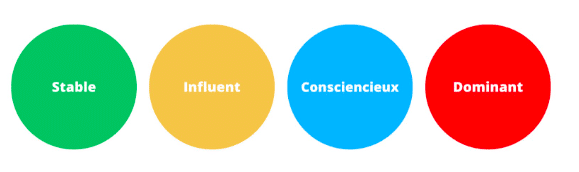
Before fully enjoying your vacation, we want to help you prepare for your return in the best possible way.


Discover our 6 essential keys to assess your summer activities, learn from them, and prepare for a successful return to work.


To end this last newsletter before the summer break on a high note, KESTIO has an exceptional offer for you. We offer you the opportunity to schedule a session with one of our Executive Committee members upon your return. This session will be specially designed to help you prepare for the resumption of activities and address the topic of your choice.


Take advantage of this unique opportunity to benefit from expert advice and start the next season with confidence.

KEY #1: Lay the foundation for your sales strategy

While it may seem obvious, a clear sales strategy for all sales teams is a prerequisite for controlling development and achieving objectives.


Many leaders still believe that recruiting a 'good salesperson' is the solution to achieving sales performance... 


Unfortunately, it's not that easy, as other components come into play.

Are you sure you took them into account when establishing your sales strategy for the new business year?


    • Objectives and monitoring indicators: Set clear performance goals and define associated measurement indicators to assess their achievement throughout the year. 📈


    • Means and resources: Determine the resources needed to acquire and retain your customers, including sales channels, marketing activities, and lead flows. ✅


    • Priority targets and allocation of efforts: Segment your customers and prospects based on their development potential, then allocate sales efforts in a way that is appropriate for each segment. 🎯

KEY #2 - Organize an impactful seminar

After a well-deserved vacation, the return to work is the perfect opportunity to bring your teams together and strengthen cohesion within your company. Seminars play a vital role in developing company culture and fostering a sense of belonging among employees.


Take the time to plan this event and create a memorable experience for all your employees.

KEY #3 – Optimize your sales productivity through automation

In a high-performing sales activity, some time-consuming tasks are essential but can be optimized through automation

    • Be present and generate conversations
      on social networks by using automation tools to optimize prospecting on LinkedIn, detect your targets and save time thanks to the automatic sending of messages.


    • Take advantage of an essential prospecting tool
      to get contacts and their details by accessing millions of verified emails and phone numbers of your prospects.


    • Use automated scheduling software
      to easily schedule appointments with your prospects and customers, by giving a third party access to your available time slots.


    • Explore a leading prospecting automation tool
       that allows you to prospect by sending email sequences, find prospect contact information, automate contact initiations, and increase your appointments.


By discovering these automation tools, you will be able to save valuable time and significantly improve your commercial productivity.

KEY #4 - Optimize your copywriting to generate more leads

68% of online buyers appreciate reading content published by a company they are interested in.

By refining the copywriting of your content, you maximize the impact of your Inbound Marketing strategy. You will attract qualified leads and create lasting relationships with your prospects. 

To effectively craft your copywriting and generate quality leads:

    • Know your target audience: Understand their needs and adapt your tone and language accordingly.


    • Use catchy titles: Spark interest with impactful titles.


    • Use CTAs: Guide prospects towards conversion by using clear and compelling CTAs.


    • Provide valuable content: Offer relevant information and showcase your expertise to build trust.


By putting these copywriting principles into practice, you will significantly improve your ability to generate quality leads and establish strong relationships with your prospects.

Key 5: Personalize your approach for relevant customer engagement

As a sales professional, you know it's essential to understand and communicate effectively with your customers. Each customer is unique, and to establish a solid relationship, it is crucial to adapt your approach to their profile.


To be truly customer-centric, adopt a sales approach oriented towards coaching

Instead of focusing solely on collecting information and presenting products, initiate constructive questioning and envision the future with the client. Emphasize generating interest and creating value.


To do this, you can use the DISC model, a behavioral analysis tool that identifies four basic emotional styles. Each client has a unique combination of these styles, and by understanding their profile, you can personalize your approach to meet their specific needs. This will allow you to establish a better connection with your clients and optimize your sales interactions.

Marketing automation on LinkedIn: a winning formula to boost your sales!

Did you know that 80% of B2B Leads generated on social media come from LinkedIn?

Too often considered a marketing channel, LinkedIn is still very rarely used by salespeople.


However, to create a global customer journey, it is essential that Marketing and Sales do not operate in silos. Sales and marketing teams must be involved on all channels where the target is located and at each stage of the journey.
A salesperson must therefore be able to use LinkedIn as a lever in their sales strategy.


Are you ready to seize this opportunity?


In this newsletter, we will share with you the key steps to:


    • Having an optimized and persuasive LinkedIn profile
    • Create engaging content to spark the interest of your prospects
    • Engage prospects on LinkedIn effectively

Don't miss this opportunity to discover how to sell with LinkedIn. 

KEY #1 – Optimize your profile

The prerequisites for getting started on LinkedIn are simple: optimize your profile


However, the common mistake we see is a profile that looks more like a resume than a true sales or service offer.


It is essential to completely transform your profile in order to present how you can become an indispensable resource for your contacts.


    • Make sure your profile picture is easily recognizable and reflects your professionalism. 💻
  •  
    • Use a striking banner that represents your company, a promise, a slogan, or reassurance elements. 🌟
  •  
    • Your title is crucial: it is the first element that your target notices. Address them directly and specify what you offer to solve their problems or achieve their goals. 🎯
  •  
    • Test different variations of your title and check their visibility on computers and smartphones.💡

KEY #2 - Offer attractive content

Creating content on LinkedIn is an important step to strengthen your presence and attract the attention of your audience. 

Content curation

Find relevant articles for your target audience and share them, adding a short comment explaining why you are sharing them.

Add your title here

Select relevant topics and create posts with engaging visuals to capture your audience's interest.

Create personalized videos

For even more impactful content, don't hesitate to create videos where you put yourself in real-world situations and bring added value to your audience.


By working on your personal branding, highlight yourself as a person rather than hiding behind your company. 


KEY #3 – Engage your prospects on LinkedIn

Engaging prospects on LinkedIn is crucial for establishing solid relationships and generating opportunities. Here are some effective strategies to foster interaction and develop trusting relationships:


Personalize your invitations
: When you invite someone to join your network, take the time to personalize your message by explaining why you want to connect with that person. 💬


Use private messaging: To go beyond collective interactions, private messaging is a powerful and relevant tool. It allows you to get in direct contact with anyone on LinkedIn, without needing a phone number or email address. 📩


Be authentic: Authenticity is essential on social media, especially on LinkedIn. Make sure you are aligned with your professional and personal identity. This will build trust and foster lasting relationships. 🔍


Combine online and offline presence: To maximize your impact, combine your presence on LinkedIn with real-world interactions. After a professional meeting, for example, consider continuing the relationship by connecting on LinkedIn. This will allow you to stay in touch and plan future meetings. 🤝


Work hand in hand with marketing: Is there a webinar whose subject may interest your contact? Take the opportunity to invite them personally! 🎥


To guide you in creating an impactful LinkedIn connection message and test your knowledge on the subject, click on the button below.

STEP #4: Expert Tip

32%

Seulement 32% des entreprises mesurent l’efficacité de leur 
entonnoir de vente

 pour leur prospection.


Malgré ce chiffre, l’efficacité de l’entonnoir de vente n’est plus à prouver.


Pour accroître l’intérêt de vos prospects dès le premier contact et améliorer votre parcours de vente, il vous faut un entonnoir de vente optimisé, c’est-à-dire une vision claire de l’ensemble des phases commerciales qui vont accompagner votre prospect, du premier contact à la signature.


L’entonnoir de vente vous permet de :


    • Détenir une vision globale de vos prospects 👀
    • Optimiser votre prospection 🚀
    • Connaître vos points faibles pour les challenger 📈


Cet outil primordial permet d’organiser le suivi d’une transformation.

Cependant, l’entonnoir de vente comprend plusieurs étapes qu’il est important de bien préparer afin de l’utiliser au maximum de ses capacités et augmenter ainsi votre taux de transformation :


    1. Prospecting
    2. La découverte
    3. The proposal
    4. La négociation
    5. La signature
    6. Le démarrage
    7. La fidélisation


L’entonnoir de vente est un outil essentiel pour suivre la qualité du parcours des prospects, mais aussi la quantité de clients qui arrivent à la fin de l’entonnoir, et surtout, le pourcentage de prospects qui se perdent d’une phase à l’autre.


De la saisie de l’intégralité des informations à la réalisation des remontées du pipeline en passant par le challenge des étapes, respecter certains points est important pour que cet outil soit efficace.

Nous vous livrons dans cette newsletter nos clés de réussite pour construire un entonnoir de vente optimisé. 🗝

Saleforce

CLÉ N°1 - Saisissez toute l'information

Pour que votre entonnoir de vente soit efficace, il est important de saisir l’intégralité des informations à votre disposition et de le tenir à jour constamment.


Êtes-vous sûr de le faire ?

N’avez vous pas déjà échangé avec un prospect avec des outils alternatifs (comme des mails) et inséré toutes les informations dans votre CRM qu’une fois la signature du contrat ?


C’est une pratique à éviter !


Il est important que les données soient mises à jour régulièrement afin d’avoir une vision précise de l’avancement de vos objectifs.


Le pipeline actif, pour utiliser un jargon technique, représente l’ensemble de vos prospects et donne une vision claire de votre activité commerciale.

Les données en temps réel vous permettront de juger la quantité d’opportunités. Avoir une bonne vision de son pipeline actif permet de garder une cohérence entre le nombre d’opportunités et les objectifs :


    • Avec peu de prospects dans l’entonnoir de vente, vos objectifs seront plus difficilement atteints.
    • Au contraire, avoir trop d’opportunités risque de dégrader la qualité de travail de vos commerciaux.


Ces données vous permettent d’ajuster votre stratégie au fur et à mesure afin que la quantité de prospects dans votre pipeline actif soit toujours alignée avec vos objectifs.


Vous ne connaissez pas la quantité d’opportunités idéale pour votre business ? Chez Kestio, nous mettons à votre disposition un outil vous aidant à définir un business flow adapté à vos besoins. Téléchargez-le, vos commerciaux vous remercieront !

CLÉ N°2 - Réalisez une remontée de pipeline

Pour un entonnoir de vente optimisé, il est important de mettre en place des temps d’analyse, mensuel ou trimestriel en fonction de vos cycles de vente. C’est ce qu’on appelle une remontée de pipeline.


Cette prise de recul permet dans un premier de s’assurer que les clients ayant signé un contrat ont bien commencé à utiliser votre produit ou service. Il est en effet possible qu’il n’ait pas été pris en charge par le customer service success qui s’occupe de l’onboarding par exemple.


Une fois que cette étape réalisée, il faut remonter les étapes unes à unes.


On commence par les clients en attente de signature, cela afin de s’assurer qu’il ne reste aucun blocage et comprendre comment il est possible de mieux les accompagner dans cette dernière étape forcément cruciale.

On remonte ainsi chaque étape de l’entonnoir. Ce moment permet de débriefer avec le client, identifier d’éventuels points bloquants et discuter des possibles modalités de collaboration.


Cela permet également d’analyser toutes les opportunités en phase de découverte et d’identifier les prospects avec le plus de potentiel en fonction de la qualité des échanges.

L’entonnoir de vente, une boussole pour vous guider

En connaissant la valeur de chaque prospect, vous aurez une vision claire de toutes les négociations en cours. L’entonnoir de vente agit comme une boussole guidant le déploiement de vos efforts.


La remontée de pipeline est le travail qui vous permet de tirer le maximum de profit de votre entonnoir de vente. C’est le moment où vous identifiez les points à optimiser et consolidez vos points forts.


Vous souhaitez en savoir plus sur la remontée de pipeline ? Jetez justement un œil à la capsule interactive que nous avons réalisée afin d’approfondir le sujet et devenir un expert !


CLÉ N°3 - Manager sur les bonnes étapes

Une dernière clé pour les managers commerciaux ! 🗝
Si l’entonnoir de vente aide principalement les commerciaux, il permet également aux managers d’atteindre leurs objectifs.


La clé est de challenger vos commerciaux sur la 
phase de découverte
.


Il est important d’y passer au moins 80% du temps imparti. Même s’il est souvent plus intuitif de se concentrer sur la phase de proposition, il n’y a finalement que très peu de chances de modifier la trajectoire d’une proposition déjà envoyée.


Les dés sont jetés. 🎲


En revanche, lors de la phase de découverte, toutes les options sont encore ouvertes et il est alors possible d’optimiser son entonnoir de vente.

Créez de la valeur lors des premiers échanges

Ce travail est redoutable pour optimiser votre temps et augmenter votre taux de conversion lors de la phase de proposition.


Quelles sont les questions pertinentes à poser ? Comment identifier les conditions favorables à l’achat et les informations qui n’ont pas encore été obtenues ?


Toutes ces questions doivent être posées afin d’avoir une phase de découverte optimale et permettre au prospect de mettre un doigt dans l’engrenage.


C’est en créant de la valeur lors des premiers échanges que vous allez avoir le plus d’impact sur le taux de signature final.


Pour comprendre comment initier une dynamique de management efficace auprès de vos commerciaux, vous pouvez échanger avec un membre de notre équipe. Il vous guidera dans cette démarche essentielle pour la mise en place d’un entonnoir de vente.

STEP #5: Expert Tip

79%.

79% of prospects are willing to share their contact information in exchange for participating in a webinar!*


Having flourished during lockdowns and the cancellation of physical events, webinars have now established themselves as a key communication and lead acquisition channel.


Whether you want to:

  • Generate new leads 🧲
  • Develop your visibility ⭐️
  • Establish your expertise 💡
  • Connect with your target audience 🤝

Carrying out a webinar is the perfect exercise for you!


However, organizing this type of event involves key steps: choosing your theme, communicating your conference, distributing the replay...
How can you ensure the success of each of these steps?


Today, we're sharing our keys to success! 🗝️

*DemandGen, 2021

STEP #1 - Choosing the theme

To ensure the success of your webinar, it is essential to carefully select the theme you will be addressing.


Avoid the temptation to include too much content! Although you have a lot of information to share, it is better to define a specific theme. Do not skim over the topics and focus on the quality of the content you offer, rather than the quantity.


To achieve this, be sure to consider the following elements when choosing your theme:


  1. Relevance to your target audience: The primary consideration when choosing a topic is to consider the interests and needs of your target audience.
    Ask questions such as: What topics interest my audience? What problems are they trying to solve? By identifying your audience's needs, you can select a topic that sparks their interest and engagement. The more relevant the topic is to your prospects, the more likely they are to participate in your webinar.


2. Positioning Yourself as an Expert : Choosing the right theme allows you to position yourself as an expert in your field. Opt for a topic in which you have solid expertise and that allows you to share in-depth knowledge. When you present a webinar on a subject that you master, you establish your credibility and strengthen your reputation as an expert, which can generate trust and interest in your event.


3. Competitive Differentiation: It is essential to choose a theme that stands out from the competition. Research what topics have already been covered in similar webinars and identify opportunities to offer something new, unique, or innovative. By offering an original perspective or addressing a less explored aspect of a topic, you will pique the interest of potential participants looking for fresh and different information.


4. Alignment with your objectives: The chosen theme must be in harmony with the objectives you want to achieve with your webinar. Whether it's to promote a product, share knowledge, generate leads, or strengthen your brand, make sure the selected theme aligns with these objectives. It should serve your overall strategy and contribute to achieving the desired results.


5. Long-term repercussions : The choice of topic can also have long-term repercussions on your business. If you regularly organize webinars on a specific subject, this can create a certain loyalty and attract a recurring audience that is interested in your field. In addition, it can contribute to building a community around your brand and establishing lasting relationships with your audience.


Don't know which issues to choose for your future webinars?
We can help! We offer you a free 20-minute working session with our Marketing Director to identify relevant themes that are in line with your expertise and challenges.

STEP #2 - Communication

To optimally promote your webinar and maximize the number of participants, it is crucial to use multiple communication channels and implement adequate planning.

Indeed, diversifying communication channels allows you to reach a wide audience!


At the center of your different communication channels: a landing page featuring your registration form

Then use targeted emails to invite your existing contact list or create pop-ups on your website to attract the attention of your visitors.


In parallel, leverage social media to share engaging content.
On LinkedIn, prioritize the video format or create a dedicated event to reach people outside your database!


Each communication channel has its own specific characteristics and can reach different audience segments. By diversifying your channels, you increase your chances of reaching a wider audience and optimizing your conversion rate.

Work on your copywriting

The copywriting is essential to creating impactful communications that capture your target audience's interest! For your webinar communications, you can use the  SOAR method  :

Situation:

Identify the situation or challenge your audience faces.


Obstacle:
Highlight the obstacle preventing them from reaching their goals.


Action:

Present your webinar as the action to take to overcome this obstacle


Result:

Highlight the results they can achieve by participating in your event

⚠️ Warning, once participants have registered, continue to communicate with them to maintain their engagement. Send reminder emails, generally 2 to 3, to remind them of the date and time of the webinar. Also, consider creating an event in their calendar with all the relevant information, such as the theme, date, time, and connection link. This will facilitate their planning and reduce the risk of forgetting!


By following these tips, you can effectively increase the number of participants in your webinar.

Don't forget to analyze the results of your promotional efforts!


Chez Kestio, nous organisons en moyenne une trentaine de webinars par an avec plus de 100 inscriptions en moyenne. Nous pouvons ainsi vous accompagner dans la mise en place et l’organisation de votre webinar !

STEP #3 - The live event

After attracting enough prospects (and customers) to your webinar, make way for the live event!


One watchword during your event: interactivity.

Your webinar should not be a simple online conference where your presenter recites their content, without any interaction with the participants.
Even if you don't see them, you have an audience in front of you during your live event! Don't forget this and interact with them.


Most webinar solutions (Livementor, WebinarJam, GoToWebinar, etc.) offer polling tools. Polls are a relevant way to break the ice at the beginning of a webinar and encourage your listeners to interact with you. Throughout the webinar, don't be afraid to interact directly with your audience. Ask them questions, ask for their feedback, and actively involve them in your webinar!

To achieve this, we advise you to have a moderator who can collect all the questions and comments from your participants. Their role will also be to encourage them to react to your presentation.


Some webinar formats are designed to be more interactive than others.
If your primary goal is to engage with your audience, consider these different formats:


  • Webinar in pairs or in a team, in order to involve different experts on the same subject.


  • Q&A session to gather all your prospects' questions about your issue.


  • Experience feedback so you can put yourself in your persona's shoes.


  • Interactive webinar where you involve participants in your event live.


In the end, webinars and sales are not so different!
In both cases, you need to question your audience as best as possible in order to share the solutions that are best suited to their problems.

Pour vous aider à initier cette dynamique d’échange lors de vos webinars, nous vous partageons justement un webinar dédié à l’art du « Kestionnement » (comme Kestio 😉).


The parallel between sales and webinars is then easy to draw!

STEP #4: Follow-up with prospects

As you've seen, hosting a webinar is the perfect opportunity to interact directly with your audience.
But webinars allow you to go further than that and to identify prospects who are genuinely interested in your offer and therefore likely to become customers.


To achieve this, consider a Call to Action!

In the context of a webinar, your Call To Action can be:


    • Access to the presentation support or the replay of your conference 🔁
    • Downloading additional content related to the topic (such as a white paper) 📚
    • Performing a demonstration of your tool ⚒️
    • A direct exchange with a member of your team 💬


To carry out these different actions, your prospect will have to complete a form asking for their contact details.
As a reminder, 79% of prospects are willing to share their contact details in exchange for participation in a webinar!


The goal ? Communicate to your sales team the different prospects who have completed your CTA, and therefore are interested in your solution, so that your salespeople can interact with them.


To ensure the success of your Call to Action, your marketing and sales process must be as clear as possible: 


    • Distribution of the CTA at the most opportune moment (most often, at the conclusion of the webinar) ⏰
    • Calling warm prospects in the days following the event 🔥
    • Call pitch linked to the established Call to Action 📝
    • Exchanging emails after the call ✉️


Collaboration between your marketing and sales teams will be essential for properly qualifying your prospects. Your marketing team must provide as much information as possible regarding the webinar topic and the promoted CTA, so that your sales representatives can be as relevant as possible during their interactions. Your sales team should be able to quickly contact the prospects identified during the event so that they do not forget the various topics discussed during the webinar.


How do you ensure that your marketing and sales organizations are well-aligned?
Download our diagnostic, which provides you with a score out of 5 based on various criteria (lead processing, revenue generated, etc.). 

STEP #5: Expert Tip

Quel est le lien entre AirbnbDropboxHotmail et LinkedIn ? 🤔


Ces entreprises ont toutes les quatre mis en place des campagnes de Growth Hacking
 pour augmenter leur nombre de clients !

Ainsi, pour développer leur croissance…


    • Airbnb a proposé à ses premiers utilisateurs de copier leurs annonces sur Graiglist, équivalent américain du Bon Coin possédant une forte audience, pour détourner le trafic du site vers leurs annonces et donc augmenter leur nombre de visiteurs ! 
    • Dropbox a mise en place un système de parrainage en échange de stockage supplémentaire gratuit
    • Hotmail a intégré une signature d’e-mail automatique pour chaque utilisateur, indiquant “PS: I love you. Get your free email at Hotmail » afin d’attirer l’intention du lecteur et faire connaitre leur solution d’e-mailing
    • LinkedIn a proposé à ses utilisateurs d’importer leurs contacts d’autres plateformes et ainsi les inciter à rejoindre le réseau social professionnel


ÉTAPE N°1 - Le brainstorming

Vous l’avez vu, le Growth Hacking repose sur des idées peu conventionnelles, sortant des sentiers battus ! L’étape du brainstorming est alors indispensable pour trouver LA méthode qui vous aidera à développer votre croissance. 🧠


Pour vous aider à cadrer votre recherche et développer vos idées, utilisez le “framework AARRR
Également connu sous le nom de « Pirate Funnel » 🏴‍☠️, cet outil regroupe les différentes étapes du cycle de vie de votre utilisateur. Chaque lettre de l’acronyme AARRR représente une étape spécifique de ce parcours :

  • Acquisition : Cette étape consiste à attirer l’attention de votre public cible, de l’inciter à découvrir votre produit ou service et à rejoindre votre base d’utilisateurs 🚨
 
  • Activation : L’objectif est d’amener votre utilisateur à réaliser une première action démontrant son engagement pour votre produit ou service (inscription, utilisation d’une fonctionnalité, ou toute autre action qui prouve qu’il a trouvé de la valeur dans ce que vous offrez !) 🤝
 
  • Rétention : L’objectif est de maintenir l’engagement de votre utilisateur, de lui offrir une expérience positive et de le fidéliser pour qu’il continue à utiliser votre produit ou service ✌️
 
  • Revenu : Cette étape se concentre sur la génération de revenus grâce à vos utilisateurs ou clients. L’objectif est de monétiser votre base d’utilisateurs et de maximiser les revenus. 💰
 
  • Référence (ou recommandation ou referral) : Cette étape vise à encourager vos utilisateurs satisfaits à recommander votre produit ou service à d’autres (via du parrainage, du partage sur les réseaux sociaux, des témoignages…) 🗣️

En ayant cette chronologie en tête, vous pourrez identifier quelle étape est prioritaire pour votre croissance et ainsi développer des idées répondant à vos enjeux !


Pour vous aider dans cette démarche, téléchargez notre matrice AARRR pour lister vos actions et les données nécessaires afin de mesurer leur réussite.

ÉTAPE N°2 - La priorisation

Le terme Growth Hacking a été inventé par Sean Ellis en 2010, à l’époque en charge du marketing chez Dropbox. Alors qu’il voulait quitter l’entreprise et trouver son remplaçant, Sean a considéré que le mot « marketeur » ne correspondait pas suffisamment à son activité, et a ainsi inventé le terme « growth hacker » dont son seul et unique objectif est : la croissance de l’entreprise !


En plus d’inventer la notion de Growth Hacking, Sean Ellis a également mis au point la méthode de priorisation ICE.


Cette technique (acronyme pour ImpactConfidence et Ease) permet d’évaluer et prioriser vos idées précédemment trouvées lors du brainstorming, selon 3 critères :


    • L’impact : Il s’agit de mesurer le potentiel impact de l’idée sur la croissance de votre entreprise, en estimant l’ampleur des bénéfices attendus (augmentation des revenus, de la base d’utilisateurs, des conversions…) 💥


    • La confiance  (confidence) : Ce critère évalue le niveau de confiance que vous avez dans la réussite de l’idée, soit la probabilité que l’initiative fonctionne en se basant sur des données, des tests précédents, des connaissances du secteur, etc. 🏆


    • La facilité 
      (ease) : Il s’agit d’évaluer la facilité avec laquelle votre idée peut être mise en œuvre, en considérant les ressources nécessaires, le temps, les compétences requises, les contraintes techniques… 🛠️


Chaque critère est évalué sur une échelle de 1 à 10. Une fois que chaque critère est noté, les scores sont multipliés ensemble pour obtenir une note globale.


La méthode ICE vous permet donc de prioriser vos idées et de concentrer vos efforts et ressources sur les initiatives les plus aptes à favoriser la croissance de votre entreprise !


Téléchargez dès maintenant notre matrice ICE pour évaluer la pertinence de vos initiatives !

ÉTAPE N°3 - L'exécution

Une fois votre idée retenue, il faut la mettre en œuvre !


La particularité du Growth Hacking est que vous ne pouvez pas être sûr.e de ce qui va fonctionner (malgré la phase de priorisation) !
Le plus important dans cette démarche est donc la fréquence avec laquelle vous aller effectuer vos tests, car c’est ce volume qui vous permettra d’identifier ce qui s’avère fructueux pour votre entreprise.


Plus vous mènerez de tests, plus vous collecterez de données et plus vous aurez de chances de découvrir des tactiques de croissance efficaces !


Chaque test, même s’il ne donne pas les résultats escomptés, vous apporte des informations précieuses sur le comportement de vos utilisateurs, les canaux de conversion et les stratégies à privilégier. La fréquence des tests vous permet d’itérer rapidement, d’ajuster vos approches et d’optimiser vos efforts de croissance.


Afin de transformer vos idées en résultats concrets, la méthodologie est clé ! 
Pour chaque initiative, il vous faudra définir :


    • L’objectif de la démarche 🎯
    • Une description précise du test 📝
    • L’hypothèse liée à l’initiative ❓
    • Comment on la vérifie et mesure 📐
    • Ce qui permet de valider le test ✅


Une fois ces critères définis, développez un plan d’action clair et détaillé. Allouez les ressources nécessaires, que ce soit en termes de personnel, de budget ou de technologie. Définissez des délais réalistes et suivez attentivement les progrès. Pour cela, mettez en place une équipe dédiée ou un responsable pour superviser l’exécution de chaque initiative.


Vous n’avez pas les ressources ou le temps nécessaire pour cela ? Nous pouvons vous accompagner dans cette démarche !


Découvrez notre plateforme interactive, regroupant contenus et expertise pour vous aider à initier une dynamique de Growth Hacking dans votre organisation.

  • Programme personnalisé de progression


  • +1000 contenus (trames, guides, templates, vidéos, tutos)


  • Espace privé & chat Questions-Réponses


  • Webinars et événements exclusifs

ÉTAPE N°4 : L'analyse

De nombreux marketeurs pensent qu’une démarche de test se clôture à l’exécution.
Grave erreur ! ⚠️

La phase d’analyse est l’une des plus importantes pour étudier les résultats de votre initiative et ne pas faire de conclusion hâtive, amenant à reproduire les mêmes erreurs.


À l’issue de l’exécution de votre initiative, examinez donc attentivement les données récoltées et comparez-les aux objectifs que vous vous étiez fixés. Cela vous permettra de juger de la réussite de votre démarche de Growth Hacking.
Utilisez ces informations pour ajuster vos stratégies, améliorer les processus et itérer sur les initiatives existantes.


L’analyse continue vous permettra de comprendre ce qui fonctionne, d’optimiser vos tactiques et de maximiser la croissance de votre entreprise.
Car le Growth Hacking doit être perçu comme un cercle vertueux d’apprentissage ! 
Si une idée s’est avérée être un échec, cela ne signifie pas qu’elle doit être abandonnée sans réflexion. Au contraire, cette initiative peut être affinée pour ensuite être replacée dans votre démarche de Growth Hacking, prête à être testée à nouveau !


Vous l’aurez compris, le Growth Jacking ne consiste pas simplement à proposer tout type d’idées et de les réaliser le plus rapidement possible. Cette démarche de développement de croissance nécessite une méthodologie précise, du temps dédié et des expertises concrètes.


Chez Kestio, nous utilisons cette méthodologie de test au quotidien, en interne comme auprès de nos clients.
Nous pouvons donc vous accompagner pour mettre en place une démarche de Growth Hacking dans votre organisation !
Si vous souhaitez échanger avec nous à ce sujet, complétez ce formulaire de contact.


Marketing automation to increase your sales... while reducing your expenses!

Companies using marketing automation solutions see an average increase of 14.5% in their sales, while observing a 12% decrease in their marketing expenses.

Marketing automation can be a key asset for your productivity!

What is marketing automation?

Marketing automation refers to the methods and tools used to automate repetitive marketing tasks and to manage campaigns more efficiently and in a personalized way


With a marketing automation solution, you can ensure that your campaigns are triggered by specific prospect or customer behavior and are tailored to their needs!

This can include actions such as:


    • The automatic sending of personalized emails based on the stage of your prospect's purchasing journey 📧
  •  
    • Automated advertising campaign management 📰
  •  
    • Segmentation and scoring of your prospect and customer base according to qualification criteria 👥
  •  
    • The automatic transmission of your warm leads to your sales team 📞


In summary, marketing automation allows you to create more personalized, effective, and consistent marketing experiences for your prospects and customers, while enabling more efficient campaign management!


Today, we are sharing 4 steps to follow to initiate a marketing automation approach in your organization!

*Invesp, 2023

STEP #1 - Define your campaign objective

To ensure the success of your marketing automation campaign, first make sure that it aligns well with your overall marketing strategy and that it is not an isolated action.


The objective of your marketing automation operation must be clearly identified and consistent with your other marketing objectives. 


To define it, use the SMART method. Your goal must be:


    • Specific 🎯
    • Measurable 📐
    • Achievable ✊
    • Realistic ⚒️
    • Defined in time ⏱️

Let's take an example!

Your SMART objective for a marketing automation campaign will be:

increase the number of qualified leads by 20% over the next three months thanks to an email nurturing campaign.

Specific: The objective is specific because it aims to increase the number of qualified leads, not the total number of leads, through an email nurturing campaign.
Measurable: The objective is measurable because it is possible to track the number of qualified leads during the campaign and measure the 20% increase compared to the number of qualified leads before this campaign.
Achievable: The objective is attainable because a 20% increase is reasonable and achievable if the campaign is well planned and executed.
Realistic: The objective is realistic because it is based on data and realistic business goals. It is also aligned with the resources and budget available for the marketing automation campaign.
Defined in time: The objective is defined in time because it is linked to a period of three months. This allows measuring the impact of the nurturing campaign over a defined period and tracking the results over time.

To help you determine your SMART objective for your marketing automation campaign, we are sharing our dedicated template!


Download and complete it to ensure your campaign meets every success criterion.

KEY #2 - Segment your database

The second key to using marketing automation in your interactions with prospects is to segment your database.


This step involves defining your targets and segmenting them according to different criteria to send them personalized messages tailored to their needs and preferences.


1/ Identify and analyze the behaviors of customers and prospects 🔍

Analyzing the behavior of customers and prospects is a crucial first step in segmenting the database. It allows you to understand their needs, motivations, and expectations.


This analysis can be based on demographic data such as profession, type of structure, company size, or sector of activity. It can also take into account behavioral data such as purchasing habits, areas of interest, interactions with your company, etc.


2/ Create personas to personalize messages 👩🏻‍💼 

Once you have identified the different profiles of your customers and prospects, you can create personas, which are fictional characters representing each profile.


These personas will help you personalize the messages you send to your targets based on their needs and preferences. Personas can be used to tailor the content of your communications.


 3/ Segment based on needs and behaviors 🎯 

Behavioral criteria are particularly useful for segmenting the database in marketing automation.


They take into account the actions that customers and prospects have taken on your website, on social networks, by e-mail or other communication channels.


To learn more about targeting your audiences, you can watch our webinar on the subject. Click on the button below!

KEY #3 - Create scenarios and workflows

Once you have segmented your database, it is important to create scenarios and workflows for each category of prospects and clients identified.


This step involves establishing an action plan for each of these segments and addressing the behaviors and issues of the previously identified targets.


Scenarios should be composed of several sequences of events that will guide your prospects towards conversion. It is recommended to start with simple scenarios and not multiply the steps and content, in order to properly control the conversion cycle.


To help you build these scenarios, it is recommended to create workflows. Workflows are sets of automated actions triggered by one or more actions of your prospects. A workflow systematically consists of a trigger and conditions.

In summary, creating scenarios and workflows is essential for automating your marketing actions. This will allow you to guide your prospects towards conversion in a personalized and effective manner.


If you would like assistance in creating your first scenarios and workflows, click on the button below for a 30-minute session with Nicolas Boissard, Marketing Director of KESTIO.

KEY #4: Expert advice - Lead scoring

Are you familiar with "Smarketing?"

This term, born from the combination of the words "Sales" and "Marketing", refers to the balance and collaboration around common goals between the sales and marketing departments of a company.

Because marketing and sales are often presented as the sworn enemies of an organization!


The sales team complains about the poor quality of leads generated by marketing... while the marketing team accuses the sales representatives of not processing their leads quickly enough!

But when these two departments are no longer in agreement, the productivity of the entire company suffers.  


According to a study by Forrester Research, companies with misaligned marketing and sales teams experience an annual revenue loss of approximately 10%*.

How to move away from a siloed approach to create a real synergy between sales and marketing?


Today, we are sharing our 4 keys to success!

*Marketing Enablement Improves Business Outcomes — Show Me The Value, Forrester Research, 2022

KEY #1 - Use a CRM

By using a CRM, teams can track all interactions with customers and prospects in real time, allowing them to better understand their needs and preferences.


This deeper understanding of clients and prospects enables marketing and sales teams to better adjust their strategy in real-time, based on the results obtained.


In addition, by tracking the results of each marketing action, it is possible to associate an ROI with each of them, which is essential to measure the effectiveness of each campaign.

Better understanding

Using a CRM is also an effective way to strengthen collaboration between marketing and sales teams.


By sharing information about customers and prospects, teams can better understand the needs and preferences of prospects, which allows them to better advise them and offer solutions tailored to their needs.

Additional opportunities

By working together, teams can improve the quality of service offered to customers and prospects, strengthen loyalty, and increase sales.


This relationship of trust between clients and the company also helps to generate additional business opportunities and strengthen the company's reputation.

If you would like an expert to help you optimize your teams' use of your CRM, click on the button below. 


The objective of this exchange is to provide you with the keys to initiate change.

KEY #2 - Monitor your metrics

To ensure effective collaboration between marketing and sales teams, it's essential to have clear and precise metrics to measure the results of each action.


Indeed, these metrics allow for a better understanding of the impact of marketing actions on sales and for better adjusting strategies based on the results obtained.


From a marketing perspective, it's important to track the number of leads needed to achieve the company's revenue goals.

This metric helps to better understand the effectiveness of marketing actions and to adjust strategies based on the results obtained.


On the sales side, it is important to measure the responsiveness and quality of lead follow-up and appointment scheduling.

This metric measures the quality of lead follow-up and identifies areas for improvement to better meet customer needs.


Additionally, it's important to monitor the conversion rate of leads into customers to measure the effectiveness of each stage in the sales process.


For example, if a company generates 100 leads per month but only manages to convert 10% of them into customers, it is important to understand why the other leads were not converted into customers. This metric helps to better understand the points to improve in order to better convert leads into customers.


Finally, it is important to measure the acquisition cost of each customer to better understand the effectiveness of marketing and sales activities.


For example, if the company spent 10,000 euros on advertising to generate 100 leads and ultimately acquired 5 new customers, the acquisition cost per customer is 2,000 euros. 

This metric helps to better understand the profitability of each marketing and sales action and to adjust strategies accordingly.


Not sure which metrics to track? Start by working on your Business Flow to identify the number of leads needed to achieve your goals.


Click the button below to download our Business Flow construction template.

KEY #3 - Bring your teams together

Once these metrics are defined, communicate them regularly to your marketing and sales teams so that they are ingrained in their daily routine.


To achieve this, team meetings are an excellent tool!

Bringing your two departments together effectively aligns them on a common strategy for :


    • Your clients
    • Your offers
    • Your campaigns
    • Your results


To offer attractive content that meets the needs of your prospects, your marketers need feedback and sales arguments from your sales representatives. And your sales representatives need to be aware of all current marketing campaigns to ensure a smooth customer buying cycle.


Organize regular meeting times between your sales and marketing teams to foster their collaboration:


    • Meetings to launch the week and review objectives and priorities 🎯
    • Brainstorming workshops where your two teams can exchange ideas and address a common problem 🧠
    • Cross-training to upskill your employees in complementary areas of expertise 📚
    • Team building activities to strengthen team cohesion 🤝


Company seminars allow you to bring together all the activities necessary for your teams to collaborate!


These are important moments for the life of your company because they strengthen your corporate culture and the sense of belonging of your employees.

May is the perfect time to start organizing your back-to-work seminar!


We are sharing with you our white paper dedicated to the subject, which gathers the errors to avoid and the keys to follow to ensure the success of your event.

KEY #4: Expert advice

2/3 des entreprises ne réalisent pas de suivi commercial régulier.*

Cela vous paraît élevé ?
Reprenez par exemple votre dernier devis client. Avez-vous bien pensé à relancer votre prospect après plusieurs jours sans réponse ?


Pour assurer le bon suivi de votre activité, l’utilisation d’un pipe commercial est essentielle. 


💡 Un pipe ou pipeline commercial est un outil permettant de visualiser l’ensemble de vos étapes de vente afin de suivre vos clients dans leur cycle de vente.
Cet outil vous permet d’obtenir à la fois une vision globale de toutes vos opportunités en cours ainsi qu’une vision individuelle sur chacune de vos étapes.


Le pipeline commercial vous permet également de centraliser toutes les informations liées à vos opportunités : 


    • À quelle étape de vente se trouvent-elles ? 🔢
    • Quel est le taux de conversion entre les différentes étapes ? 📈
    • Quel canal d’acquisition convertit le mieux ? 🧲
    • Quelle est la répartition des opportunités par commercial ? 🧑‍💼


Mais comment centraliser toutes ces informations sous un seul et unique outil ?
Comment embarquer toute votre équipe sur ce projet de suivi commercial ?


Aujourd’hui, nous vous livrons 4 clés pour mettre en place un pipe commercial performant.

*Marketing Sherpa, 2021

CLÉ N°1 - Les étapes de vente

Votre pipe commercial regroupe donc toutes vos étapes de vente.
Mais celles-ci sont-elles clairement définies ? Sont-elles en adéquation avec les attentes de vos clients ?


Pour obtenir des étapes de vente pertinentes et assurer la fluidité de votre pipeline commercial, mettez-vous à la place de votre prospect !

Allez plus loin en vous demandant même : « Comment est-ce que mon client va résoudre

son problème ? ». 


Car ce qui intéresse votre prospect n’est pas directement votre produit ou votre service mais la résolution de son problème.


Votre offre intervient comme solution pour résoudre cet enjeu.

Identifiez ainsi toutes les étapes par lesquelles votre client va passer pour répondre à sa problématique :


    • De la recherche d’informations 🔎
    • À l’analyse de son problème 🤔
    • À l’identification de solutions 💪
    • À la prise de décision 🤝


Vous pourrez alors définir ses étapes d’achat associées et par conséquent, les étapes de vente correspondantes dans votre pipe !


Votre stratégie de vente sera ainsi adaptée aux enjeux de vos prospects et vous pourrez répondre à leurs besoins spécifiques sur chacune des étapes de vente.


Mais l’identification des étapes de réflexion de vos prospects nécessite une réelle expertise.
Nous pouvons vous accompagner sur cet enjeu !


Si vous souhaitez définir les étapes de votre pipeline commercial avec un de nos experts, cliquez sur le bouton ci-dessous !

CLÉ N°2 - La conduite de changement

La mise en place d’un pipe commercial efficace est un processus complexe qui nécessite une conduite du changement rigoureuse. L’une des clés de réussite de ce processus est la mise en place d’un CRM et la règle selon laquelle tout ce qui n’est pas dans le CRM n’existe pas.


Cette règle est extrêmement importante car elle permet de s’assurer que toutes les informations relatives aux prospects, aux clients et aux opportunités commerciales sont stockées et accessibles à tous les membres de l’équipe commerciale dans un seul outil commun.


En effet, l’utilisation de trop nombreux outils pour gérer les informations commerciales peut limiter l’usage du CRM et rendre difficile la mise en place du pipe commercial.


Cependant, cette conduite du changement peut être difficile à mettre en place car elle implique souvent un changement de comportement et de processus de travail.

Quelques conseils pour sensibiliser vos équipes :

Pour mener à bien ce projet de conduite de changement, nous pouvons vous accompagner en aidant vos équipes à optimiser l’usage de votre CRM. Découvrez notre formation dédiée !

CLÉ N°3 - La phase de découverte

80% du closing dépend de la phase de qualification ! 


La phase de qualification est une étape essentielle de votre pipeline commercial pour convertir un prospect en client.
En effet, elle est cruciale pour comprendre les enjeux, les besoins et les préoccupations de votre prospect.


La phase de découverte permet de vous assurer que vous avez récupéré toutes les informations nécessaires pour comprendre la problématique et proposer une solution adaptée. 


En investissant davantage de temps et d’efforts dans cette phase, vous pourrez aider le prospect à prendre conscience de la nécessité de résoudre son problème.

Si la phase de découverte est bien réalisée, votre interlocuteur sera plus enclin à passer à l’achat. Vous aurez ainsi des taux de transformation au moment de la proposition beaucoup plus élevés.


En revanche, une découverte limitée peut amener à une proposition de qualité, mais qui ne répond pas aux besoins réels du client. Dans ce cas, votre client ne sera pas enclin à acheter la solution proposée.


En somme, la phase de qualification est cruciale pour votre pipe commercial et votre conversion de prospect en client. Pour être certain de poser les bonnes questions lors de cette phase de découverte, cliquez sur le bouton ci-dessous pour visionner le replay de notre webinar sur l’art du kestionnement.

KEY #4: Expert advice

7,2.

On average, it takes more than 7 meetings to successfully complete a complex sale, with no fewer than 6 different stakeholders!*


But what exactly is a complex sale?


A so-called complex sale is characterized by two aspects:

    • The complexity of the product or service offered, thus requiring a long sales cycle to clearly define the benefits of the product or service for the prospect.
    • The complexity of the buying environment: a multitude of stakeholders, both internally and within the prospect's organization, all having a role to play in the purchasing decision. Complex sales is a real team sport!


But how do you assess your ability to win a complex sale?
How do you mobilize the different stakeholders to ensure the success of your sale?


Today, we are sharing our 3 keys to success. 

*Source: Nomination 2021

KEY #1 - Identify the Components

What do a game of chess and a complex sale have in common?
In both cases, there are behavioral rules and tactics to win the game! Each move represents a cost and must produce the desired outcome.


This analogy to the game of chess is at the heart of our approach to complex sales, the Chessboard Method.

In the Chessboard Method, we compare the stakeholders in a complex sale to the pieces in a game of chess. Knight, Rook, Queen, King... they all have their own specific characteristics and roles to play!

Therefore, the first key to succeeding in complex sales is to clearly identify the role of each of your contacts and their position on the board.


This analysis work will allow you to:

    • Know when and how to address each contact
    • Leverage each element to successfully complete your sale
    • Better anticipate and define the best action at each stage of the game


However, this account analysis exercise requires a precise methodology and tools.
Our complex sales training, based on the Chessboard Method, provides you with the methods to successfully approach your prospects.


Upon completion of this training, your sales representatives will be able to identify the various stakeholders in a decision and manage the stages of progress of their deals.


To learn more about the Chessboard Method, visit our dedicated page.

KEY #2 - Have allies

To win a complex sale, it is crucial to have one or more contacts interested in your service or product. This ally on the client's side will allow you to have access to factual data that will help you identify the issues and context.

Having allies during your sales is therefore a key success factor! 


This requires identifying and understanding the dynamics of the players involved (based on behavioral and relational aspects).


At Kestio, we help you define a strategy (that's the overall plan) and adopt a tactic (that's adapting to the field, to the unexpected). To learn more, you can talk to one of our experts on complex sales.


KEY #3 - Balance the power dynamic

In the world of complex sales, it is essential to know how to balance the power dynamic to reach a mutually beneficial agreement. Like in a game of chess, the winner is not the one who is on the defensive, but the one who leads the game.


To establish a healthy and balanced power dynamic with your client, mastering your craft is crucial. You need to feel like you're bringing something important to the table to turn the tide and take control of the sale. If you don't master your craft, you risk being at the mercy of the situation.


It is important not to seek to dominate or be dominated in the seller/buyer relationship. The goal is for both parties to feel confident enough to exchange freely.


Assertiveness is key to balancing the business relationship with your prospect. It will allow you to clearly explain the importance of the exchange.

Two crucial tips

    • It is important to have strong self-esteem and good self-assertion to strike a fair balance in the relationship with the client, without forcing or being aggressive.
    • It is essential to have absolute certainty that your product or service provides strong added value to your customers.

How to operate to structure such an approach and converge everyone's efforts?


KESTIO provides an answer through a webinar drawing an analogy with the series 'The Queen's Gambit'. By combining behavioral rules and analysis methods to make the right decisions, you will be able to overcome all potential obstacles during your complex sales processes.

You can discover our dedicated webinar via the link below.

KEY #4: Expert advice

Chaque seconde, 3 nouvelles personnes s’inscrivent sur LinkedIn*.

Votre client idéal y est sûrement déjà présent !

LinkedIn Ads représente ainsi un outil pertinent pour être visible auprès de votre cible et générer une première interaction avec elle.


Mais la gestion des publicités sur LinkedIn peut s’avérer complexe, entre :

  • Le ciblage des leads 🎯
  • La gestion du budget 💰
  • Le suivi des indicateurs 📊


Aujourd’hui, nous vous présentons le fonctionnement de LinkedIn Ads et nous vous partageons 3 clés pour optimiser le taux de conversion de vos publicités !

*BDM, 2023

CLÉ N°1 - Travaillez votre ciblage

Le ciblage est un élément crucial pour réussir une campagne publicitaire sur LinkedIn. 


En effet, en choisissant les critères de ciblage adaptés, vous pouvez vous assurer que votre annonce est diffusée uniquement auprès des personnes susceptibles d’être intéressées par votre offre. Cela permet non seulement de maximiser l’efficacité de votre campagne, mais aussi de réduire les coûts en évitant de gaspiller de l’argent sur des leads qui ne sont pas pertinents pour votre entreprise.

Définition des critère de ciblage

Pour optimiser votre audience, il est important de définir des critères de ciblage précis dès la création de votre campagne :


    • Zone géographique
    • Effectif de l’entreprise
    • Secteur d’activité
    • Caractéristiques du persona que vous souhaitez cibler : le poste, le niveau hiérarchique et le niveau d’expérience.


Ces critères vous permettront de toucher une audience qualifiée et pertinente pour votre offre. En complétant cela, LinkedIn estime le pourcentage de public cible, ce qui donne alors un premier aperçu de l’audience potentielle de la campagne. De cette façon, vous serez en mesure d’effectuer les premiers ajustements, en excluant par exemple certains critères et/ou en incluant d’autres auxquels vous n’aurez pas pensé.

Analyse des KPI

Lorsque votre campagne est en cours, LinkedIn fournit des KPI pour mesurer les performances de votre annonce. En analysant ces données quotidiennement, vous pouvez ajuster à nouveau votre audience en travaillant sur les critères qui correspondent mieux à votre cible. Il est important de surveiller régulièrement vos performances pour optimiser continuellement votre audience et maximiser l’efficacité de votre campagne.


Si vous souhaitez découvrir comment optimiser le ciblage de vos campagnes publicitaires sur LinkedIn, nous vous invitons à réaliser une démo de 20 minutes avec notre expert LinkedIn Ads

CLÉ N°2 - Faites de l’A/B testing

LinkedIn offre plusieurs formats d’annonces publicitaires pour permettre aux annonceurs d’atteindre différents objectifs marketing. Parmi eux, on retrouve les formats suivants.

En général, les campagnes les plus simples sont les plus adaptées à la génération de leads, tandis que les campagnes plus élaborées fonctionnent mieux pour la notoriété. Cependant, il est important de tester plusieurs publicités pour chaque campagne afin d’optimiser les résultats. LinkedIn recommande d’avoir au moins quatre publicités pour chaque campagne.


    • Il est possible de laisser l’algorithme de LinkedIn décider quelle publicité fonctionne le mieux en se basant sur les résultats de chaque publicité.
  •  
    • Cependant, il est également possible de gérer soi-même la publication des publicités en surveillant quotidiennement leurs performances. Si une publicité génère moins de leads, vous pourrez la remplacer, la couper ou changer le copywriting pour l’optimiser.


En bref, il est important d’utiliser les différents formats d’annonces publicitaires de LinkedIn en fonction de vos objectifs marketing et de réaliser des tests pour favoriser les résultats de vos campagnes publicitaires.


Cliquez sur le bouton ci-dessous pour télécharger notre check-list indispensable pour optimiser le copywriting de vos campagnes publicitaires sur LinkedIn.

CLÉ N°3 - Optimisez votre budget

Une fois votre ciblage défini et vos différents contenus créés, votre campagne LinkedIn Ads peut être diffusée !
Rentre alors un critère primordial pour la réussite de vos publicités : le budget alloué. 💰


La gestion du budget représente un enjeu fort pour les entreprises que nous accompagnons.
Nombre d’entre elles ont peur d’investir de l’argent dès le début de la campagne et préfèrent tester au fur et à mesure avec de petites sommes.
Or, ce n’est pas la stratégie à adopter sur LinkedIn Ads !


Pour lancer pleinement vos publicités, il est nécessaire que le budget alloué lors du premier mois soit le même que celui des autres mois.
Le mois de lancement ne doit pas être minimisé en terme de budget. Nous vous conseillons de dépenser le même montant que pour un mois « classique » où la campagne fonctionne pleinement et génère des leads.
Cela permettra d’être bien identifié par l’algorithme de LinkedIn et d’être vu par l’ensemble de votre audience dès le début de votre campagne, et ainsi d’optimiser vos taux de conversion.


Mais pas de panique, votre budget ne risque pas de s’envoler ! 💸
Vous avez la possibilité de définir un budget maximal à ne pas dépasser sur l’ensemble de votre campagne. Grâce à cela, vous pourrez ensuite modifier et optimiser le montant journalier de chaque publicité, en fonction du montant de l’enveloppe définie dans votre budget maximal.


Vous l’aurez compris, la gestion de votre budget LinkedIn Ads n’est pas une mince affaire !

Pour en apprendre davantage sur les optimisations possibles, nous vous invitons à visionner le replay du webinar animé par Anne-Charlotte Jean, Responsable Data & Acquisition de Kestio. Elle vous présentera notre méthode pour déployer et suivre vos campagnes et vous livrera nos secrets pour optimiser le taux de conversion de vos publicités !


Le replay est disponible sur notre plateforme Kestio.live, qui vous donne accès à plus de 1 000 contenus digitaux et à des webinars exclusifs 

KEY #4: Expert advice

When we think about commercial negotiation, we often envision a communication approach based primarily on the salesperson's skills, such as active listening or the ability to respond to objections.

It's essential but not enough.

Because in many cases, this will result in discounts, conflicts, tensions, failure to negotiate at all, and ultimately accepting the buyer's conditions.

Commercial negotiation must be a structured approach based on 3 key concepts that we will present to you:

    • Defining objectives 🎯
    • Concessions / Counterparts 💬
    • Understanding the interests 🔍

KEY #1 – Define your objectives

The success of a negotiation largely depends on the quality of its preparation. Before starting any negotiation, it is important to clearly define your objectives and determine how to achieve them.

Specifically, how to prepare?


This work is not about your entire offer, but about each point of the offer: the price, the length of commitment, etc.

Once these elements have been defined, it is necessary to do the same analysis for the person in front of you.

By applying the same reasoning to the stakeholder, you will obtain the probable zone of agreementwhich is called ZOPA – that is, the area between your respective opening and resistance points in which you can find a point of agreement.

Obviously, the smaller this zone, the more difficult it will be to find a point of agreement. Conversely, the larger it is, the more likely you are to reach an agreement.

This work is fundamental and must be carried out throughout the negotiation process, with updates as information is gathered.

To best prepare you for your sales negotiation, we offer a FREE 30-minute session to define your opening offer, your target, and your breaking point.


Button: Sign up for a coaching session


KEY #2 – Prepare your counter-offers/concessions

Concessions and counterparts are essential in any business negotiation. 

Everyone must be prepared to achieve their objectives while enabling the other party to reach theirs. You need to be able to exchange efforts by making concessions and requesting something in return.

Before a sales negotiation, it's important to list the concessions you can make and the counter-offers you want to obtain. Concessions and counter-offers always go hand in hand, so you should ask for a counter-offer every time you grant a concession.

Furthermore, in the way you phrase things, it's preferable to make it a prerequisite that the effort is first validated by the stakeholder.

To secure this essential part of any good negotiation, there is a preparation phase to identify concessions and trade-offs, and an extremely precise way of formulating that ensures the concession and the trade-off are respected by both parties. This allows you to effectively play the concessions and trade-offs game.


In this case, you have exchanged a contract duration on one side for a discount on the other, but in the way you formulated it, you made it a prerequisite that the effort be validated first by the stakeholder.

A concession is a benefit granted to the other party, to which they are attached. The counterparty is a benefit obtained, to which you are attached.

There are several steps to follow to get something in return during a business negotiation. Dominique Seguin, General Manager of KESTIO, elaborates on them in the webinar « Négocier Zen ». Click below to watch the replay


Button: Watch the webinar on zen negotiation


KEY #3 – Identify interests

The last important key in business negotiation is to understand that interests are not positions.

This distinction is particularly important because positions are often visible elements, while interests are hidden. You may already know this, but there are many similarities between sales and chess.


A second crucial element is to separate people from problems. Anglo-Saxon cultures find it easier to focus on problems without blaming individuals.

In French culture, there is often a tendency to associate the problem with the person. This can create tension and make negotiation more difficult. It is therefore important to remain logical and set emotions aside in order to maintain a structured and collaborative exchange. To learn more, you can read our article: The 5 tips inspired by good salespeople to sell your project.

Do you want to go further to improve your negotiation skills? We have gathered the 5 golden rules of a good sales negotiation for you. Click on the button below to watch our video and then test your knowledge via a quiz.


Button: Test your negotiation knowledge with a quiz


KEY #4: Expert advice


5 days.

It took ChatGPT 5 days to reach one million users in December 2022.*
In comparison, Facebook reached the same number in 10 months and Netflix in 3 and a half years!


You probably haven't been able to escape the real craze surrounding this conversational artificial intelligence.
By asking it a simple question, ChatGPT will search for and gather as much information as possible available on the web in order to provide you with the most appropriate answer.
This chatbot thus offers an infinite number of usage opportunities to its users.


But a few months after this effervescence, what can we retain from ChatGPT? How can you really use it in your daily life to optimize your sales and marketing performance?


We use it daily at KESTIO and want to share our experience with you because it can save you a lot of time and help you with key marketing and sales activities!

*Source: Sam Altman, 2022

KEY #1 - Mastering the "Prompt"

As we explained, ChatGPT is a conversational artificial intelligence. Its operation is based on the question or request that you share with it.

If, during your trials with the chatbot, you were disappointed with the answers obtained, it may be because your initial request was not clear enough!

Our advice for maximizing the features of ChatGPT is to carefully craft your requests. This is known as "prompt engineering."

The request you make to ChatGPT is thus called a "prompt." 🔍

Sharing a good 'prompt' with ChatGPT starts with giving it context.
Do you want the tool to respond to you as...


    • Marketing specialist?
    • SEO Expert?
    • Professional in the IT services sector?

By providing as much context as possible in your search, you guide ChatGPT towards the type of response you expect.
Also, don't hesitate to specify the format and length of the expected result. 🛠

Example of a request

As a content manager for a CRM solution company, can you write a 150-word article on the different types of CRMs that exist?

If, despite these recommendations, you are not satisfied with the answer obtained, do not hesitate to refine your request by adding new instructions and indicating to the tool how it could correct itself.
Based on machine learning, ChatGPT will take your feedback into account to adjust its proposal!


ChatGPT's goal is to replicate a conversation with a human. You simply need to tell it what kind of human you want it to be!


To help you optimize your queries, discover our webinar dedicated to the art of questioning.
Because when facing ChatGPT, as when facing a prospect, questioning is key!

KEY #2 - Improve your marketing performance

How to use ChatGPT in marketing roles to improve your company's performance?


In reality, ChatGPT will allow you to SAVE TIME!


The first way the tool can be used to improve marketing performance is in writing.
ChatGPT can help marketing professionals by providing them with a solid foundation for content creation.


✒️ Textual writing: articles, emails, social media posts, content ideas, titles, subject lines, monitoring a topic, SEO keyword research, text enrichment, simplifying a topic, or reformulation, etc.


The quality of the response provided by artificial intelligence depends on the relevance and clarity of the prompt (the request).


Be sure to position the tool as a specialist in the activity, for example by asking questions such as:

The second way ChatGPT can be used to improve marketing performance is through understanding personas.

It can help marketing professionals better understand the personas they are targeting by providing answers to specific questions about their behaviors.
For example: "As a marketing specialist, what are the challenges for Marketing Directors in industrial companies?"

⚠️ It is important to note that the use of ChatGPT should not be considered as a simple replication or copy of its content.
Instead, it can serve as a framework and structure for content creation, which can then be personalized with the author's point of view and convictions!

Content creation is a discipline that requires expertise and, above all, time.
At KESTIO, we support you to help you optimize your time and increase your productivity and visibility!


Click the button below for a 15-minute discussion with

A digital presence expert. 👇🏻

KEY #3 - Improve your sales performance

ChatGPT can significantly impact sales performance by helping you better understand your target's challenges and prepare for your sales meetings effectively.


🎯 Indeed, by asking questions about the profession, the activity or the specific challenges of the company's market target, you can obtain useful information to better understand the needs.


This will enable sales representatives to prepare their presentations and provide more relevant solutions tailored to the client's specific needs. 💥


For example, by asking questions such as:

ChatGPT is therefore useful for helping sales professionals to write emails, sales proposals, or even work on a call script.


As a conversational assistant, artificial intelligence can help professionals save time and provide more personalized solutions, which can lead to an overall improvement in sales performance. 💬


To take your sales preparation further, we suggest watching our video "Checklist of Sales Meeting Steps", followed by a quiz on the topic. Click below to learn more! 🎲

KEY #4: Expert advice

32%.

32% of French SMEs do not use CRM software*. Many companies still use Excel, their emails or shared files for customer relationship management.


What about you?

*Independant.io, 2022

Using a CRM is therefore a strategic issue for acquiring and retaining new customers.


However, among the companies we support, many tell us about the difficulty of getting their teams to adopt their CRM solution.


Today, we're sharing 3 keys to initiating change management within your organization to optimize the use of your CRM!

KEY #1 - Communicate Internally

What do your employees gain by using your CRM? What does the CRM bring them?


The effective use of CRM by your internal teams can bring many advantages to the company, such as time savings, better management of customer data, better internal collaboration, and increased sales. However, for internal teams to use the CRM effectively, it is important that internal communication is optimized.

Internal communication is essential to raise awareness and overcome team resistance to using the CRM.

Your teams may be reluctant to use a new tool if they don't understand how it can help them in their daily work. By explaining the benefits of using the CRM and showing how it can help them manage their work more effectively, its use can be greatly optimized.


At the same time, it is important to train teams on how to use the tool and to communicate regularly on new features and CRM updates.


Finally, don't forget to have a person in the company who is the point of contact for the tool who can manage questions and upskill employees. This person must have a good business knowledge to understand the issues of users and a technical mastery to configure the CRM.


If you are looking to optimize the use of your CRM and benefit from all the advantages it can bring to your business, it may be helpful to talk to an expert in the field. They can help you educate your employees on how to use the CRM and train your teams, while ensuring ongoing technical support.


Click the button below to discuss your CRM needs and see how we can help you maximize your return on investment.

KEY #2 - Gather feedback

The people who use your CRM daily are best placed to identify ways to optimize your solution.


So, collect their testimonials!

Question your salespeople, your marketing teams, your Customer Success teams... all regular users of your tool:

This information gathering will allow you to list the strengths of your CRM and the various optimizations to implement.


The key for you: a better use of your CRM on different aspects:

  • Improved customer satisfaction: By using the tool daily, your teams can identify how it can truly meet the needs of your customers.


  • Productivity optimization & cost reduction: Through this feedback, you can distinguish the features that slow down your employees and consume unnecessary resources. This way, you can allocate more budget to the CRM features that truly help your teams!


  • Innovation: User feedback can help you identify market trends and the future needs of your customers.


If, after your « user feedback », more negative than positive points emerge, it may be necessary for you to consider a change of CRM tool. To do this, discover our webinar giving you 5 questions to ask yourself in order to choose your CRM well!

KEY #3 - Get involved

The involvement of company management is essential to optimize the use of the CRM by internal teams. It is important that you consider the CRM as an integral part of your company's strategy and not as a simple tool used by your sales team.


To ensure that the CRM is used effectively, you must allocate a budget for deployment, implementation, and user training. It is also important to anticipate the impact on users in terms of costs, processes, and resources. 


By measuring the impact on users, you can better understand the resources needed for a successful CRM implementation.

It is essential to plan an annual budget to ensure continued use of your CRM, as well as to allow your employees to be trained on the new features of the tool. This ensures regular and effective use of the CRM.


If you want to learn more about optimizing the use of CRM in your company, download our free study compiling feedback from over 150 companies that have implemented a CRM project.


Click below to download the study now!

KEY #4: Expert advice

35%.

Amazon generates 35% of its revenue through upselling!*


Cross-selling and up-selling can thus represent a real growth lever for your company, even if you are not a web giant!

*Source: The Future of Commerce

Cross-selling and up-selling, what is it?

Cross-selling is a sales technique that consists of offering a customer to buy products or services that complement those they have already purchased or are in the process of purchasing.

Without even realizing it, you encounter these techniques every day! "And with this?" when you buy your baguette, "As a maxi best-of menu?" when you order your favorite hamburger...


However, cross-selling and up-selling are not only applicable to the B to C sector.
This sales strategy can be applied in B to B, regardless of the sector or size of your company.

KEY #1 - Information Gathering

After several exchanges with your client, you often think you know them. You even sometimes know their next vacation destination!
But in reality, your client rarely shares more strategic information specific to the operation of their company. However, this type of information is necessary in a cross- and up-selling strategy.

You should therefore take advantage of already being in contact with your client to gather as much useful information for your sale as possible.


By collecting as much data as possible on your contact, their company, and their environment, you will identify their objectives and weaknesses preventing them from achieving their goaland you can then demonstrate how your new offer could solve their problems!
This information gathering will help you create awareness in your client's mind: an awareness between what they are currently doing and what they could be doing, and therefore an awareness of new needs!


To do this, it is necessary to go beyond the simple functional need expressed by your contact.
Head towards the "Why?" of their action, challenge them!
You will then be able to question the initial plan conceived by your client in order to offer them a more suitable solution, and thus sell more and provide more value!

For example, for a professional training organization:

A Sales Director who uses Excel files for their customer relationship management will not necessarily be aware that their organization could be optimized. The current situation suits them!
It is by questioning them about their practices that you can suggest that training on a CRM tool will have a better ROI than simple Excel training. An awareness in their mind can thus be created!


To gather the most information about your contact and encourage them to question their habits and needs, various sales techniques and marketing tools exist.
At KESTIO, we particularly educate our clients on the art of questioning to spark awareness in their prospects. We also use various data enrichment tools to obtain relevant information during our interactions.
If you'd like to learn more about these methods and tools, we invite you to discuss this topic with us!

KEY #2 - Added value

The second key to promoting cross-selling and up-selling is to offer a perspective of added value that complements a service already accessible to the client. In other words, it is necessary to highlight the ROI by showcasing the potential gain.

Situational Exercise & Example

For example, if you offer a solution that solves a major problem, such as the time wasted by a manager manually distributing alerts, you can show how your solution can improve productivity, process, and overall results.


By giving concrete examples of how your solution can help solve your client's problems, you can convince them of the importance of your offer. Continuing with our example, you can explain how the solution's settings allow alerts to be automatically dispatched to people according to certain criteria, which leads to better customer satisfaction thanks to faster alert processing and better distribution of work among employees.


In summary, the key here is to show your client how your additional solution can bring real added value to their business, by enabling them to accomplish more, optimize their time, and better distribute their work.

We previously explained how to initiate this process during the webinar on Thursday, March 16th at 2 PM. This webinar focused on techniques to implement a cross- and up-selling strategy. Click the button below to review the webinar.

KEY #3 - Personalization

Adapt your speech to the profile of your interlocutor! It is important to understand that each customer is different and has specific needs. To be successful in selling effectively, it is essential to know the customer's personality profile in order to present the cross and up-sell from the right angle.


The advantage of cross-selling and up-selling is that you know your client better, you have had several meetings with them, and you potentially work with them. Therefore, you should leverage this knowledge of their profile and tailor your arguments by highlighting the most relevant points for the person in front of you.


For example, if we rely on the personality styles of the DISC model, which presents 4 main emotions through a composition of colors:


  • D – Dominance
  • I – Influence
  • S – Stability
  • C – Compliance


For example, the proposal of an automated prospecting service will differ depending on the profiles. For a blue profile, we will emphasize the improvement of the process; for a red profile, we will insist on better achievement of objectives; while for a green profile, we will highlight a better experience for the employees.


In addition to understanding the client's personality profile, it's important to continuously gather information to understand their organizational structure, their objectives, and any gaps your solution can fill. From a sales perspective, information is always key!

Ultimately, there are two levels to consider in order to sell effectively:

  • What needs to be done to attract the customer's attention? 
  • Once they're interested, what do we need to do to tip the decision?


Want to learn more about the DISC model to tailor your communication to your audience's profile and better understand their thinking, feeling, and operating modes? Click the button below to watch our webinar on the DISC profile.

KEY #4: Expert advice

7,2.

On average, it takes more than 7 meetings to successfully complete a complex sale, with no fewer than 6 different stakeholders!*


But what exactly is a complex sale?


A so-called complex sale is characterized by two aspects:


  • The complexity of the product or service offered, thus requiring a long sales cycle to clearly define the benefits of the product or service for the prospect.
  • The complexity of the buying environment: a multitude of stakeholders, both internally and within the prospect's organization, all having a role to play in the purchasing decision. Complex sales is a real team sport!


But how do you assess your ability to win a complex sale?
How do you mobilize the different stakeholders to ensure the success of your sale?


Today, we are sharing our 3 keys to success. 

*Source: Nomination 2021

KEY #1 - Identify the Components

What do a game of chess and a complex sale have in common?
In both cases, there are behavioral rules and tactics to win the game! Each move represents a cost and must produce the desired outcome.


This analogy to the game of chess is at the heart of our approach to complex sales, the Chessboard Method.

In the Chessboard Method, we compare the stakeholders in a complex sale to the pieces in a game of chess. Knight, Rook, Queen, King... they all have their own specific characteristics and roles to play!

However, this account analysis exercise requires a precise methodology and tools.
Our complex sales training, based on the Chessboard Method, provides you with the methods to successfully approach your prospects.


À l’issue de cette formation, vos commerciaux seront à même de déceler les différentes parties prenantes d’une décision et de gérer les étapes de progression de leurs affaires.


To learn more about the Chessboard Method, visit our dedicated page.

KEY #2 - Have allies

Pour gagner une vente complexe, il est crucial d’avoir un ou plusieurs interlocuteurs intéressés par votre service ou produit. Cet allié du côté du client vous permettra d’avoir accès à des données factuelles qui vous aideront à identifier les enjeux et le contexte.

Having allies during your sales is therefore a key success factor! 

This requires identifying and understanding the dynamics of the players involved (based on behavioral and relational aspects).


At Kestio, we help you define a strategy (that's the overall plan) and adopt a tactic (that's adapting to the field, to the unexpected). To learn more, you can talk to one of our experts on complex sales.

KEY #3 - Balance the power dynamic

Deux conseils cruciaux :

  • It is important to have strong self-esteem and good self-assertion to strike a fair balance in the relationship with the client, without forcing or being aggressive.


  • It is essential to have absolute certainty that your product or service provides strong added value to your customers.

How to operate to structure such an approach and converge everyone's efforts?


Kestio apporte une réponse à travers un webinar faisant l’analogie avec la série « Le jeu de la Dame ». En associant les règles comportementales et les méthodes d’analyse pour prendre les bonnes décisions, vous serez en capacité de surmonter tous les obstacles potentiels lors de vos ventes complexes.

You can discover our dedicated webinar via the link below.

KEY #4: Expert advice

80% of users of a Marketing Automation solution report an increase in the number of leads generated*.

For many of the companies we support, generating new leads is one of the main objectives. Is this the case for you too?


Are you using Marketing Automation solutions?
Behind this term lies a set of tools that allow you to automate many marketing and sales actions, which are often time-consuming: data enrichment, emailing, content production, opportunity tracking, etc.


Today, we present 4 ways to use Marketing Automation to develop your sales.

*Source: Invesp, 2022

KEY #1 - Optimizing Your Processes

Your teams' days are likely filled with numerous repetitive tasks that add no value: updating prospect information, writing follow-up emails, tracking transactions, etc. 

By using Marketing Automation tools, your employees can automate these tasks and free up time for actions with real added value, focused on business.
Saving time and money is guaranteed!


However, Marketing Automation is not exclusively reserved for sales functions!
The management functions of your company can also benefit from the advantages of these tools thanks to the centralization of all your actions and thus your performances: number of new prospects, conversion rate, number of new customers, turnover generated, etc.

CRM solutions

The CRM (Customer Relationship Management) solutions address these challenges of automation and performance monitoring.
However, to ensure the effectiveness of this type of tool, you must choose a CRM that meets your needs. How do you choose your software?

To help you make the right choice and succeed with your CRM project, we are sharing our dedicated webinar, hosted by Dominique Seguin and Nicolas Boissard, respectively CEO and Marketing Director of KESTIO.

KEY #2 - An improved purchasing journey

Segment your target audience

Marketing automation allows you to segment your target audience and send targeted messages and ads based on the prospect's stage in the sales funnel. 

You can target prospects who have downloaded specific content or simply viewed your services to send them a personalized message that will have a real impact. This helps you establish a more personal relationship with your target audience.

Personalize your scenarios.

By using your prospects' data (demographics, behavior, purchase history, etc.), you can create specific customer segments and tailor your marketing strategy accordingly. For example, you can send personalized automated email campaigns and create workflows.


Workflows are automated scenarios composed of several marketing actions aimed at prompting the prospect to perform a specific action. You can choose to trigger the workflow in different ways, such as subscribing to your newsletter, downloading a white paper, interacting on a landing page, or participating in a webinar.


For example, you can create a welcome workflow for new subscribers to guide them in using your product, or a workflow for prospects who have downloaded a white paper or completed a free trial to encourage them to make an appointment with your sales representative.


In short, marketing automation allows you to reach customers in a personalized way through different channels, depending on the workflows (emails, chats, social networks, phone calls, etc.). The goal is to strengthen the customer relationship by offering a smoother and more personalized buying experience. 

To help you surround yourself with the best tools, download our
Sales Enablers Guide!

KEY #3 - Data analysis

Through advanced data analysis, your company can collect and analyze information on prospect behaviors and preferences, enabling them to determine the best tactics to achieve their marketing objectives.

Data analysis is particularly important for lead nurturing!

Lead nurturing is an automated campaign process designed to build a trusting relationship with prospects. Companies provide relevant and useful content at the right time throughout the buying journey.

This technique allows BtoB companies with a long buying cycle to cultivate the relationship with prospects. The content offered must therefore be of high quality, personalized, and provide added value, to reach a more advanced stage in their buying process.

Lead scoring to identify the maturity level of leads!

You can use the data collected to assign scores to each prospect based on criteria such as online behavior, interactions with marketing campaigns, and demographic data. The scores help you prioritize the most qualified prospects and target them accordingly.

What data is worth analyzing?

In summary, marketing automation gives you an overview of the strategy to adopt to optimize your sales. It allows you to know where you need to go and how to get there.

KEY #4: Expert advice

Ask a leader if their company's sales strategy is clear to their employees, and they will tell you "yes!" without any hesitation.
Now, ask one of their sales representatives if they know why they need to get 5 appointments per week, and the answer will be much less clear!

This difference in perception reflects a challenge you likely face: getting your teams to buy into your sales strategy.
Achieving your goals depends on your employees implementing your company strategy.

How then to make your teams perceive the benefits of this strategy and implement it in the field?

*Source: Forbes survey

KEY #1 – Translate your strategy into actions

One of the most frequent mistakes when discussing sales strategy with sales representatives is focusing solely on the results achieved.
Why? Because you can no longer influence the results! They only represent the visible part of the sales activity.

However, you can influence the various commercial actions that lead to these results.
Implementing a Commercial Action Plan will allow you to define 3 essential levers for your commercial activity, reflecting your strategy:


By focusing on the sales activities of your teams, you provide your sales representatives with two key elements: a clear understanding of your strategy and concrete ways to achieve the established goals.

Because it's one thing to ask your sales representatives to sell 5,000 units of your flagship product... It's quite another for your teams to achieve that goal.
By detailing the steps in your sales process and associating them with concrete sales activities, you help your employees identify their strengths and areas for improvement.


To enable your teams to optimize their sales efforts, we share our “Go/No go” scoring table.

This tool, to be completed daily, helps you select the opportunities with the most potential thanks to various criteria covering the main stages of a sales process!


Download the scoring table

KEY #2 – Enhance your resources

Today, customer expectations have greatly evolved in terms of sales. Influenced by technological changes and purchasing habits, customers are increasingly demanding and have expectations that include:

  • A personalized experience: sales representatives must identify unique needs by providing added value.
  • Real-time communication: customers want to be able to communicate with sales representatives quickly and efficiently.
  • Transparency : sales representatives must be transparent about the products and services they sell, including prices and conditions.
  • In-depth knowledge: Sales representatives must have in-depth knowledge of the products and services they sell, including the advantages and disadvantages.

From this perspective, it's important for sales representatives to adapt to these new expectations in order to maintain their relevance and competitiveness in the market. Therefore, promote the resources you make available to sales representatives so that they can implement the sales strategy in the field.

List these resources with two objectives: firstly, to make them known to your sales representatives so they can take ownership of them, and secondly, to boost their motivation by showing them that the company is investing to give them the means to achieve the targeted results.

Examples of resources:


At Kestio, our digital learning team offers interactive and engaging training modules to meet the personalized expectations of our clients. If this still seems unclear to you, watch a video presenting our approach.

And if you are interested, you can chat with one of our digital learning experts! 


Talk to a digital
learning expert

KEY #3 – Work on your mindset

The mindset of sales teams plays a key role in achieving their goals. A positive attitude can lead to successful negotiations and customer satisfaction.

The manager's role will be to give a positive boost to their team, by celebrating successes and offering positive prospects for the future. This can be accomplished by asking the team about their victories of the week, by exchanging on the new things that have worked, by being empathetic with the team members and by seeking out the unspoken.

Link the sales strategy and objectives for the coming months to the victories won over the past year by asking yourself the following questions:

  • What lessons have you learned from it?
  • How are these leveraged in the current strategy?
  • How can you duplicate them or draw inspiration from them to build a scalable model from the variables observed on a certain scale?


Webinar – Which motivational levers to adopt for
each employee?

KEY #4: Expert advice


10%,

A company loses an average of 10% of its customers each year! While the causes may vary (no longer a need to be met, disappointment with the service, departure for the competition, etc.), the result is the same: your company must find a solution to compensate for these departures and not lose revenue.

Knowing the investment required to acquire new customers, reactivating your former customers is a strategic approach! Even if they no longer use your services, they are already familiar with your company, your expertise, and your working methods.

They will be more inclined to collaborate with you again for a future project. Today, we are giving you the steps to follow to reactivate your former clients!

*Source: Harvard Business School

STEP #1 – Identify your lost customers


To implement an effective customer reactivation campaign, you must be able to clearly identify which customers have left your company.

To achieve this, the daily use of a CRM will be essential. It will allow you to obtain a comprehensive view of your clients' history: when were their last transactions? How did your last interactions go?

By using the various targeting filters in your CRM, particularly on the date of activity of your customers, you will be able to identify your inactive customers.
And thanks to the contact data collected for each customer, you will be able to personalize your reactivation campaigns according to their expectations.

If you need help identifying your lost customers within your CRM, check out our special CRM “KESTIO Questions-Answers” webinar!


Discover the webinar
"Kestions-Réponses" CRM


Thanks to your CRM, you will be able to calculate your attrition rate.

Also known as 'churn rate,' the attrition rate refers to the percentage of customers lost relative to your total number of customers.

Once the extent of your attrition rate has been measured, you can investigate the reasons for these departures and implement your recapture strategy!

💥 STEP #2 – Refine your value proposition

An essential step in a relevant marketing approach, the value proposition is the simple and precise formulation of the added value of a product or service as perceived by the customer.

In other words, it demonstrates the profitability (savings achieved, revenue generated) of the proposed solution and alleviates concerns about the risks associated with the project. By making your proposal unique, it allows you to stand out from your competitors and facilitate your client's purchasing process.

If the value proposition is not clearly identified by the customer, it may be the cause of its loss. If you are in this case, it is therefore essential to rework the wording.

How to build your value proposition?


Does your target audience understand your offer? 

Are its differences clear? 

Are the members of your company able to talk about it easily?

These are the questions that help identify whether your value proposition is effective!


Download the value
Proposition canvas

🤝🏻 STEP #3 – Focus on relationship marketing

The cost of acquiring a new customer is higher than that of reactivating old customers. It may be more effective for companies to recover lost customers. For this, relationship marketing appears as an interesting strategy to reconnect and develop a privileged and lasting relationship.

The goal will be to understand the specific needs of customers, their preferences, and their behaviors, to encourage them to trust you again and ensure the future of exceptional customer service.

There are several methods for implementing a relationship marketing strategy
to win back lost customers:

  • Customer segmentation: Use the data you have on your lost customers to segment them into groups, based on their needs, purchasing behaviors, and preferences. This will allow you to tailor your recapture strategy to each group.
  • Personalized communication : respond to specific needs, via social networks or emailing campaigns.
  • Loyalty program: consider setting up a loyalty program to reward returning customers and/or a referral system.
  • Customer service: Offer impeccable customer service to your lost customers by providing quick and effective responses to their requests.
  • Customer feedbackidentify areas for improvement by sending out satisfaction surveys or implementing call campaigns.

By using these relationship marketing techniques to win back lost customers, you can also improve your retention rate and reduce the costs of acquiring new customers.


Talk to a relational
Marketing expert

💡 STEP N°4: Expert advice


3.7 appointments per week.

French sales representatives obtain an average of fewer than 4 client appointments per week*.


Between...

  • The difficulty in obtaining the right contacts 👥
  • The fear of making cold calls 🥶
  • Lack of time ⏱️
  • The lack of connection between marketing and sales actions 🤝


Prospecting is a heavily dreaded step, wearing in the long term and often leading to disappointing results.


At Kestio, to remedy this, we have built our own marketing and sales prospecting process, deployed internally and with our clients.


The result? An average of between 0.5 and 1.5 appointments booked per hour of prospecting!


In this article, we'll give you 4 keys to this process so you can get more appointments… with less effort!

*Source: Hello Work study

KEY #1 - Hyper-segmentation

Sales is not an exact science, infinitely replicable!


You've probably reused a pitch that worked with one prospect during a conversation with a very different prospect, thinking you'd succeed... In the end, it resulted in failure!


Personalizing your approach is key to successful prospecting.
The more personalized your message, the better your chances of capturing your audience's interest.


To do this, go back to basics: your targets and personas!
During each of your prospecting sessions, you must be focused on a unique type of company and a unique persona, deploying a pitch adapted to their challenges and issues.

By carrying out this targeting and persona work, you will focus your efforts on the prospects most likely to be interested in your offer, because they have problems that you can solve.

 Are you familiar with Sparklane?  

To help you implement this hyper-segmentation, surround yourself with intelligent Lead Generation tools.

A tool like Sparklane, for example, allows you to leverage company news to tailor your pitch and justify your call.


Sparklane automatically generates contact files that meet specific criteria you've configured:


  • Change of direction
  • Creation of a subsidiary
  • Launch of a new product
  • New website deployed...

This is beneficial for both you and your teams: you no longer waste time building a high-quality prospect file, and you improve the relevance of your message by addressing current issues to your prospect. You're knocking on the right door at the right time!


If you would like to know more about how Sparklane works, you can watch our demonstration of the tool.

KEY #2 - Visibility

Cold calling involves contacting prospects who have not expressly requested to be contacted. This marketing and sales activity can be improved by working on visibility with the marketing teams. 


To increase the chances of success during calling sessions, it's important to consider two key elements.

Implementing retargeting on social networks is an effective technique to increase visibility with the target audience who will be called. By using tools such as LinkedIn Campaign Manager, it is possible to target a specific prospecting list with a targeted advertisement on LinkedIn.

It is also important to personalize messages according to the personality of the target and to capitalize on current events or company activity. 


There are also tools that allow you to  set up automated sequences to increase contact points and save time.


By using these techniques and working in collaboration with marketing teams, companies can increase their performance during telephone prospecting sessions.

KEY #3 - Activity sequencing

One of the main steps in the sales prospecting process is sequencing activities. It is a key element for maximizing productivity in the sales prospecting process. 


Indeed, the more focused we are, the better results we achieve. It is therefore important to focus on calls and the pitch, without being destabilized by other tasks.


It is therefore wise to plan prospecting activities in advance of call sessions to optimize the time spent on this exercise.

In short, sequencing activities is essential to focus on the most important tasks! 


And to help you prepare your pitch, we have prepared an interactive presentation of the essential elements, followed by a quiz to test your knowledge!

KEY #4: Expert advice


Before wrapping your gifts and preparing your Christmas Eve meal, we would like to share 6 tips to help you take stock of the past year and best prepare for 2023!

🎄 KEY N°1 - Update your positioning

This end of the year is the perfect time to take a step back before the rush. 

of the return!


Gain perspective on your organization, your offer, your positioning, your strategy, etc.

Even if these different elements seem to be mastered by your employees, redefining them will allow you to ensure that they are well aligned with your purpose and your objectives for the coming year.

🎁 KEY N°2 - Bring your teams together

A new year means new opportunities for meeting and building cohesion with your teams!


Seminars represent significant milestones in the life of your company. They help develop your corporate culture while fostering a sense of belonging among your teams.


Key elements for a successful seminar:

    • Your seminar must have a very specific objective to be as impactful as possible.
    • It must be consistent with your company's current situation, especially financially.
    • It should enable you to initiate fundamental changes or reiterate your organization's priorities.


Are you organizing a seminar in 2023?


Discover other keys to success in our white paper dedicated to this topic!

❄️ KEY N°3 - Analyze your CRM data

The new year is a great time to implement corrective actions and improve your sales performance. Indeed, your entire environment is evolving, and consequently, your business model must also evolve to remain relevant


To do this, your CRM will be your best friend for managing and evaluating the commercial and marketing effectiveness of your company.

Too many indicators kill the indicators!

We have selected the key performance indicators to monitor in order to extract relevant insights: 

This list is not exhaustive; other indicators may be added depending on your environment and organization.


To learn more about CRM data analysis, feel free to read our article on the subject!

🎅 KEY N°4 - Generate leads with LinkedIn Ads

Did you know that 72% of B2B buyers gather information via social networks before making a purchase decision?


Leads generated through LinkedIn Ads represent a real opportunity generator for your company! For this to become a lever for acquisition, there are several elements to consider:

What is the minimum duration of an advertisement? What is the cost per prospect?

What targeting should be implemented? Watch our webinar on the subject to learn more!

☃️ KEY N°5 - Have a solid call script

We cannot stress enough that there is no room for improvisation when it comes to performing in sales. One of the essential tools to help you when prospecting by telephone is the call script.  

How to build an engaging and relevant call script?

Evoke emotion:  To do this, it is essential to know your target audience well, including their habits, fears, and needs.


Adapt to your client: try to adapt your marketing strategy and your sales pitch to capture their interest and gain their trust.


Highlight a unique selling proposition: base it on an element that your prospect will not find with your competitor.


Work as much on the content as on the form: it is essential to fully assimilate the pitch to be perfectly comfortable.


Offer personalized solutions: Try to tailor your responses to the issues your prospect is facing and follow the natural flow of the discussion.

🎉 KEY N°6: Expert advice

D’après vous, quels sont les principaux leviers pour engager vos collaborateurs ? Vous songez en premier lieu à la rémunération ? 


En réalité, le salaire n’est plus le premier levier de motivation de vos équipes ! En effet, selon une étude réalisée en 2022*, le sens donné à son travail et l’intérêt pour les missions apparaissent en tête de liste pour 97% des répondants .


De nouveaux critères sont apparus ces dernières années, tels que le sens du travail réalisé, la reconnaissance de ses paires ou encore les possibilités d’évolution.


Alors face à ces évolutions, comment développer la motivation de vos collaborateurs ?

* Baromètre RH par Kelio

CLÉ N°1 : Responsabilisez vos collaborateurs

Gmail, Google Map, Chrome, Google Talk, Adwords… le point commun de ces inventions Google ? Elles ont toutes été inventées à l’initiative propre des employés de l’entreprise !


En effet, Google applique depuis plusieurs années la « règle des 20% » : chaque salarié peut consacrer un jour de sa semaine de travail (soit 20% de son temps) au développement d’un projet lui tenant à cœur, en totale autonomie. De quoi se réveiller avec le sourire !

Mais pour pouvoir responsabiliser vos collaborateurs, ceux-ci doivent avoir accès à des méthodes et ressources leur permettant de monter en compétences !


Si la formation représente un levier non négligeable de développement des acquis, d’autres solutions existent, tels que le « blended learning » ou la mise à disposition en libre accès des outils et ressources, permettant de répondre à des besoins précis en temps réel ! 


Via l’application Kestio, vous pouvez notamment accéder à plus de 800 contenus vidéos, outils, templates, canevas… à exploiter dans votre quotidien. 


À la clé : une responsabilisation de vos équipes grâce à une montée en compétences adaptée à leurs enjeux !

CLÉ N°2 : Adaptez votre communication

« Mon équipe n’a pas l’air motivée ! » 


En tant que manager, avez-vous déjà prononcé ces paroles ? Adaptez-vous vos méthodes de management au profil de votre interlocuteur ?


Ce n’est plus à prouver, pour avoir une équipe efficace pleine de motivation au travail, il faut savoir communiquer avec elle ! Chaque personne est différente, il faut donc adapter la communication selon le profil de la personne, cela sert également à comprendre le client, son mode de pensée, de ressenti et de fonctionnement !

Les styles de personnalité selon le Modèle DISC

L’analyse comportementale Puzzle DISC est fondée sur les théories de William M. Marston. Cette méthode mesure 4 émotions basiques qui ont une importance dans notre vie et notre survie  :


  • D – Dominance : personne dirigée vers l’action, proactive, tout en étant factuelle et rapide.


  • I – Influence : personne influente orientée vers l’action, dynamique et qui sait communiquer.


  • S – Stabilité : personne dirigée vers les autres, qui s’adapte à son environnement, pense à son équipe et cherche à ce que tout le monde soit d’accord.


  • C – Conformité: personne orientée vers les faits, la logique, sait prendre du recul et analysée une situation donnée.


Représentée par un puzzle car chaque individu a une composante de chacune de ces 4 couleurs, en quantité plus ou moins importante.

Pourquoi demander à votre équipe
d’établir leur profil DISC ?

KEY #3: Expert advice

3 keys to optimizing your prospecting

1%,

C’est le taux de transformation en prospection téléphonique “à froid”.

Mais ce taux atteint les 14% lorsque la prospection est travaillée en amont et adaptée à sa cible !

Les chiffres soulignent la nécessité de construire un processus de prospection solide.

CLÉ N°1 : préparez le terrain

“La préparation représente 90% du succès d’un échange “

En prospection, c’est la même chose. Vous aurez beau avoir l’offre la plus travaillée possible, si vous ne contactez pas les bonnes personnes avec les bons arguments, vous ne vendrez pas !


Pour créer un fichier de prospection de qualité, vous devez ainsi définir une cible précise : à qui s’adresse votre offre ? Qui a besoin de votre solution ?


Une fois votre ciblage réalisé, assurez-vous de la qualité de vos données…

Mais la majorité des entreprises manque de ressources et de temps pour développer un tel fichier de prospection.


C’est pourquoi nous avons créé un parcours dédié à la prospection dans notre application Kestio.


En collaboration avec un expert en prospection, vous définissez votre cible et développez un script d’appel adapté. Puis, nos Data Analysts construisent un fichier de prospection et nos Business Developers réalisent les sessions de prospection.


À la clé pour vous : l’élaboration d’un processus de prospection solide sans avoir à mobiliser vos ressources en interne !

CLÉ N°2 : préparez-vous !

Certains pratiquent l’activité de prospection téléphonique comme un amateur du dimanche, d’autres à haut niveau et avec une ambition élevée. Cela se ressent et se constate dans les résultats !

Un exercice périlleux ! 

­

Tout commence par la certitude absolue que votre produit ou service est exceptionnel. En cas de doute, ayez en tête vos succès avec vos clients actuels et s’il y a de la résistance, le prospect n’a simplement pas perçu la valeur ajoutée de votre proposition. 


Votre état d’esprit joue donc un rôle considérable dans ce jeu commercial !

Vous souhaitez être efficace ?

Construisez un script d’appel engageant ! 

Il est un point de référence indispensable pour prospecter par téléphone. Il permet de respecter une structure et d’avoir des éléments sur lesquels vous appuyer pour convaincre votre prospect. Pour cela, entrainez-vous avec des collègues et/ou des experts dans ce domaine !

CLÉ N°3 : le tips de l'expert

74% of B2B buyers conduct online research before making a professional purchase.


Your prospects, who previously favored face-to-face and telephone contact, now prefer responsiveness and the plurality of possibilities offered by the web!

Thanks to the internet, each person has autonomous access to advice regarding their problems as well as information on the products and services that interest them.


It is therefore vital for your company's development to be visible online in order to attract the attention of your prospects and convert them into customers!
But how do you develop your digital presence?

*Forrester Study 2021

KEY #1: Outbound Marketing

Being visible on the internet means being easily findable and identifiable on the various meeting points of your prospects, such as search engines, websites and social networks.


To achieve this, use OUTBOUND MARKETING tools!
Outbound Marketing allows you to broadcast your advertising messages on a large scale. When well-managed, this type of communication from the company to the consumer ensures visibility and awareness among your prospects!

Various Outbound Marketing actions:

    • SEA (Search Engine Advertising) or paid search: advertising displayed on search engines, by bidding on a keyword that will be searched by your prospects.
 
    • Display: advertising broadcast on websites via the rental of dedicated advertising spaces. This works in the same way as advertisements in magazines!
 
    • Social Ads: advertising broadcast on social networks. Social Ads can take many forms (text, image, video, etc.) on many platforms (Facebook, Instagram, Twitter, LinkedIn, etc.). To learn about the best methods to adopt in social ads, check out our webinar dedicated to LinkedIn Ads!

However, implementing an outbound marketing strategy requires real work in targeting, choosing channels, and monitoring campaigns to ensure their effectiveness without having to spend your entire marketing budget!


That's why we offer you a 30-minute discussion with one of our marketing experts to define and/or optimize your advertising campaign strategy together. 

What matters most to businesses today is being visible when potential leads are in the research phase. Marketing offers companies a new approach, allowing them to position themselves as 'interesting rather than interested,' which is INBOUND MARKETING!

What if you focused on being interesting rather than trying to be interested?

As you'll have understood, inbound marketing is the strategy of attracting customers to you by offering them content tailored to their issues.


Distributing content to attract prospects and generate leads is easy to state, but requires a methodological approach to be truly effective. A well-thought-out strategy that combines objective, editorial line, skills, resources, and planning will always perform better. The challenge for the Inbound strategy is to find the right content for the right target at the right time in their decision cycle.


The inbound marketing strategy is divided into 4 distinct stages:
1.Attract new Internet users with content geared towards the target audience.
2.Convert Internet users into leads using a call to action.
3.Close a sale by talking about your offer and your solution.
4. Retain customers by turning them into advocates.

What questions should you ask yourself to be identified as a valuable source of information by your target audience?

To be visible when the client needs you, increase your efforts by:     


Social networks: use social networks to better understand your target audience, disseminate information, share your expertise, and engage with your prospects and customers. 


SEO (Search Engine Optimization): an SEO strategy is necessary to position yourself on specific keywords and improve your ranking on search engines (especially Google). 


– The webinar: This is an online conference open to the public. A webinar is an excellent tool for providing high-quality, precise content on a specific topic.  Click here to find out how to organize a webinar!

KEY #3: Expert advice

45 %.

Less than one in two sales representatives prospected every week in 2022*.
However, commercial prospecting remains one of the essential ways for companies to develop and maintain their competitive advantage.


The new year is a particularly opportune time for commercial prospecting. Companies have a clearer vision of their objectives and needs for the coming year and are more actively seeking new suppliers or collaborators to achieve their ambitions!


However, to succeed in your prospecting, certain steps must be respected!

That's why we're giving you our 6 keys to follow for effective prospecting today.

*New Deal The Lead Shop Study 2022

💪 STEP #1 – Define your objectives

Prospecting requires preparation.
If poorly framed, this exercise can be counterproductive for your company!


It is therefore necessary for you and your team to have clear objectives in mind before picking up the phone:

These different indicators will allow you to define a clear direction for your team's efforts! You will be able to assess the effectiveness of your prospecting and the areas where your employees can improve.


To help you define your own objectives, we invite you to discover our webinar dedicated to this topic.

🎯 STEP N°2 - Target your prospects

While it may be tempting to contact as many people as possible, choosing a specific target is one of the keys to successful prospecting!


Targeting allows you to focus your efforts on the prospects most likely to be interested in your products or services. You thus increase the effectiveness of your prospecting and reduce your costs by avoiding contacting people less receptive to your message.
Good targeting also helps to personalize your interactions, by using the most relevant messages for your target and by offering the offers best suited to their needs.


But what criteria should you choose to carry out your targeting?


Discover our targeting criteria grid, combining information related to your contact but also to their company to best define your target!

☎️ STEP N°3 - Increase the efficiency of your calls

The key to a good telephone prospecting strategy is good organization!
During your phone call sessions, it is essential to dedicate yourself entirely to this single task. Why? To maintain momentum and optimize your efforts.

Are you familiar with Ringover?

Ringover, as its name suggests, is a communication solution that simplifies the classic telephone system to save time, by bringing together all its functionalities on a platform that allows you to:


  • Make calls using only a Wifi connection 🌐
  • Chain calls intelligently, without needing to type the numbers 📞
  • Personalize your interactions with your contacts 🤝
  • Manage your activity with advanced statistics on your call sessions 📈
  • Train your teams through double listening and call recording 🧑‍🎓


In short, this is a tool that eliminates all manual tasks without any real added value to gain efficiency!

💥 STEP #4 – Perfect your opening

In summary, a hook consists of:

🧠 STEP #5 – Utilize cognitive biases

Cognitive biases are a distortion in the cognitive processing of information, a systematic deviation from logical and rational thinking in relation to reality. In short, working on cognitive biases means working on the ability to get a person to react differently.


Addressing cognitive biases can enhance the sales approach, particularly during the opening of a conversation or to address objections and manage potential resistance. When properly understood, they can significantly impact decision-making. 

Examples of cognitive biases:

  • Proximity  
  • Accountability 
  • Anchoring


Do you want to discover the cognitive biases useful in prospecting? 

💡 STEP N°6: Expert advice

21%.

Only 21% of marketing leads become customers.*

Because while lead generation and prospecting are not easy, the efforts required to acquire new customers don't stop there!

The various exchanges between your sales representatives and your prospects represent a key moment in your sales process.


Your sales representatives need to convince your prospects to collaborate. If they aren't satisfied, your prospects can decide at any time not to use your services or products!

How to convert your prospects into clients?


Questioning, presenting arguments, power dynamics, etc. Numerous techniques exist to ensure your sales meetings run smoothly and guarantee a better conversion rate!
Discover 3 of them today.

KEY #1: Adapt your sales pitch

The argument is a valuable ally in improving your sales effectiveness. Personalized to the person you are talking to, it helps convince your prospects by activating their emotional trigger.


While this tool can be a relevant technique to help you develop your sales strategy, it can sometimes be difficult to develop an effective argument alone and without any method. 

The CAP method

An effective sales pitch must be able to answer all the questions your prospect asks themselves. Therefore, work on the technical characteristics of your product, its strengths, its weaknesses, its commercial characteristics... This will allow you to put forward the necessary arguments and anticipate your interlocutor's objections or questions.


The CAP methodology helps determine the characteristics of an offer to develop effective sales arguments.

It is based on 3 essential aspects:

The SONCAS method

The SONCAS method, theorized by Jean-Denis Larrabet, is based on the psychological aspect of prospects.


This technique presents 6 major motivators to use to encourage your prospect to buy:

Security – Pride – Novelty – Comfort – Money – Friendliness


Do you want to discover the characteristics of each lever and how to exploit them during your commercial exchanges?


Download our analysis grid combining the Features, Advantages, Proof, and Benefits (FAB) and SONCAS (Security, Pride, Novelty, Comfort, Money, Sympathy) methods to complete during your interactions to identify your contact's profile!

A rock-solid sales pitch thanks to CAP SONCAS!

Far too many salespeople present the same sales pitch to their prospects, and often the result is not very successful.


By combining the two sales techniques CAP (Features, Advantages, Proof) and SONCAS (Security, Pride, Novelty, Comfort, Money, Sympathy), sales teams increase their closing rate by deploying sales arguments tailored to the prospect's profile and their issues!

KEY #2: The art of questioning

While a good salesperson must be able to answer all of their prospect's questions, they must also know how to ask the right questions in order to obtain the maximum amount of information, enabling them to make the most appropriate sales proposal for the needs of their contact!


To master the art of sales questioning, your employees can use the SPIN Selling method.


This technique is based on 4 main types of questions that make your prospect aware, by themselves, of their real need to buy (or not) your product or solution.
With this method, the prospect becomes an active participant in their purchase!

The 4 types of SPIN Selling questions:

Ask your prospect about:


    • Their Situation to define the context in which they are placed 
 
    • Their Problems to make them aware of the difficulties they are encountering
 
    • Highlight the impacts of these issues to make him realize the potential consequences if no action is taken.
 
    • Their “Need for Pay off ”, or needs to be met to make them aware of the benefits they can obtain when the problem is resolved. 

Once awareness has been triggered by the right questions asked thanks to SPIN, all that remains for your salesperson to do is highlight the benefits that your offer brings, based on what your client has told you.

Your chances of closing the sale will be significantly increased!


After the theory, are you ready to put it into practice? Discuss with our sales method experts and test the effectiveness of your questioning!

KEY #3: Expert Advice

7 times more expensive!

Acquiring a new customer costs 7 times more than retaining one.*


While acquiring new prospects is necessary for the successful development of your company, customer loyalty should also be a primary focus for you.

Indeed, investing in generating new leads without ensuring that they stay with you once they become customers is like trying to fill a leaky bathtub.
At best, you'll need a continuous supply of new prospects to compensate for the loss of your customers.
At worst, your investments won't be enough to maintain this balance, and your number of customers will fall!

What key elements should you focus on to ensure customer loyalty?

KEY #1 - Listen to Your Customers

But to know if your customers are satisfied (or not) with your services and products, you have to listen to them!
Because the "voice of your customers" is what you have most precious! Their feedback can allow you...


– To improve your customer experience
– To identify problems before they worsen
– To optimize the targeting and content of your marketing and sales strategy
– To evaluate your new ideas before launching them


Therefore, all departments of your company can benefit from customer feedback!
How do you gather their opinions?

Voice of Customer

The "Voice of Customer" refers to a methodology for gathering the needs and opinions of your customers throughout their journey.
The objective of this approach is to easily and regularly collect feedback from your customers in order to initiate optimizations!


Discover the key questions to ask yourself to initiate a Voice of Customer strategy in your organization:

Want to start this process in your company? We can help! 


At KESTIO, our Customer Success teams conduct customer satisfaction surveys every year using this Voice of Customer methodology.


Result? A customer satisfaction score of 9.34/10 in 2022. 


Speak with a member of our team to begin the initial steps of this process!

KEY #2 - Customer Experience: the little extra that makes all the difference!

Customer Experience is one of the elements that allows you to optimize Customer Satisfaction. Based on perception and feeling, customer experience is more difficult to measure for each customer. To improve it, you must put yourself in the customer's shoes and understand what they are experiencing, or better, directly observe them in a relationship situation with the organization.

 What is the customer journey? 

It is a succession of points of contact with the customer. A point of contact is defined as an interaction between the customer and the company, via a specific channel, whether physical or digital. 


The interaction can be informational or transactional, and triggered either by the company (push) or by the customer (pull). This includes reading an online or magazine advertisement, receiving a promotional email, visiting the company's website, entering a store, calling customer service, receiving a package, receiving an order confirmation email, receiving an invoice, etc. Note: depending on its customer types, the company may offer different customer journeys!

The 3 main phases of the customer journey:

For example, SNCF has worked extensively on Customer Experience in recent years. It has facilitated the customer journey by increasing the number of contact points allowing users to purchase tickets through their preferred channel: the website, the mobile application for smartphone users, the call center, ticket counters for customers who need advice, kiosks at stations, etc. 


At the same time, it also works on emotion and comfort to create preference among its customers: welcome aboard trains, TGV magazines or others in first class, Grands Voyageurs reception areas, etc. So many services that should improve the Customer Experience from a global point of view over the entire journey.

5 tips to improve your customer journey:

KEY #3: Expert Advice

50% of salespeople's time is spent
on clients with no potential.

This figure reflects a real problem of alignment between a company's commercial strategy and the actions of its sales representatives.


How to build a sales action plan adapted to your strategy AND your teams?

KEY #1: Where do we start?

As a leader, director, or manager, you often think you know your company inside out and don't need to take stock to define your future sales action plan. But this is a mistake!


Conducting an "assessment" of your organization is a crucial step to ensure your plan aligns with your company's resources and performance.
We strongly advise completing this phase of introspection before defining the targets, actions, and sales cycle of your plan!


If the inimitable "SWOT" bores you, discover the "SpeedBoat" method!

Using the image of a boat, identify your organization's objective, resources, motivations, and obstacles:

Our advice: carry out this exercise with your teams to develop your collective intelligence and involve your employees!


However, gaining this perspective can be complex for people within the company.
The presence of an external perspective helps to frame this retrospective and reveals new elements of analysis!


That's why at KESTIO, we start our support programs by conducting a diagnostic of your sales organization.
In direct collaboration with you, your KESTIO expert has reviewed your practices through various interviews, questionnaires, and data analyses.


The outcome: identification of your growth opportunities and areas for improvement, and the development of a personalized program to leverage these drivers!

KEY #2: How do we get there?

A 'Business Flow' is a tree structure, usable collectively or individually, allowing you to link and compare the implementation of your actions. In other words, it's the roadmap that will allow you to achieve your goal!

What is it? 


This simple and powerful tool allows you to define your main objective, which will be divided between the development and retention of active customers and the development of new customers.

For active clients, it will be interesting to focus on:


    • Revenue from ongoing projects

    • New projects


For new clients, the "Business Flow" helps establish assumptions about the number of leads from different acquisition channels (to be adapted based on the channels you will use):


    • Incoming leads « online »    

    • Incoming leads from referrers

    • Incoming leads from networks

    •  Recommendations of entrants

    •  Prospecting campaigns for incoming leads

Why use this tool?

KEY #3: Expert advice

59% of a salesperson's time is not spent on selling*.


Information gathering on prospects, administrative tasks, sales tracking


So, how can you save your sales representatives time and optimize their performance?

*Sales Insights Lab Study

KEY #1: Equip yourself with the right tools

These are all steps that a salesperson must master! But they are not alone in this process... Thanks to the advent of marketing automation and Sales Enablement, many solutions have emerged to make life easier for your sales teams!


These different tools mainly function during the lead generation and prospecting phase, a step that does not represent the real added value of your sales representatives.


Chez Kestio, nos équipes utilisent au quotidien différents outils d’automatisation tels que :


  • Sparklane: Ultra-targeted lead generation!
  • Dataananas: sending personalized emails.
  • Ringover: Optimize your sales team's prospecting sessions.


With over 2,000 marketing automation solutions available in Europe in 2022, you're sure to find a tool that addresses your specific challenges!


But to help you find the rare gem, we have prepared a guide presenting 14 solutions, which can be downloaded for free by clicking here:

KEY #2: Use a CRM

Implementing a CRM (Customer Relation Management) strategy is a valuable asset for companies. 


Between lead generation, return on investment optimization and increased turnover... It offers numerous opportunities that make it an essential element to ensure the good development of companies and best support for sales teams

Improve your sales performance

A CRM strategy can help significantly improve the productivity of your sales representatives.


This is possible, in particular, through the use of software such as Salesforce, Microsoft Dynamics CRM, or Zoho CRM, etc. These provide, for example, the ability to work offline or via a mobile application.


The fully customizable nature of these CRM tools allows sales teams to save time by automating certain processes, such as data entry, allowing them to focus on their expertise: SALES!


How to choose your CRM software?

By taking these three criteria into account, you will be able to choose the best tool for your customer portfolio management strategy. 


Et si cela reste toujours flou pour vous, sachez que Kestio peut vous aider à choisir la solution la plus pertinente pour vous.

KEY #3: Expert advice

Et vous, êtes-vous « accro » à vos meilleurs commerciaux ?

De quoi parle-t-on quand on évoque la menace d’une « trop forte dépendance à ses meilleurs commerciaux » ?

Il ne s’agit pas ici d’addiction (malgré ce titre de paragraphe un peu provocateur !) mais bien de la notion de dépendance au sens premier, définie comme « un rapport de liaison étroite entre quelque chose et ce qui le conditionne ». 

En d’autres termes :

Vous pouvez (et devez !) vous considérer comme dépendant de vos meilleurs commerciaux si un faible nombre de membres de votre équipe commerciale représente à lui seul une part vitale de votre chiffre d’affaire.

La question à vous poser est donc : y a-t-il parmi mes commerciaux un ou plusieurs membres dont le départ ou l’invalidité mettrait directement et dangereusement à mal la rentabilité de mon entreprise ?

Si la réponse est oui, vous avez tout intérêt à faire évoluer la situation (et à lire la suite de cet article !) pour rester maître de votre réussite commerciale !


Les dangers de la dépendance envers quelques commerciaux

Dans la pratique, il est courant d’observer des écarts de résultat entre les membres d’une équipe commerciale.

Lorsqu’on évalue la performance des commerciaux (uniquement) sur la base du chiffre d’affaire généré, voici le type de répartition que l’on observe le plus souvent :

    •  5 à 10 % de commerciaux « sur-performants », dont les résultats se situent très nettement au-dessus de la moyenne de l’équipe
    •  80 à 90 % de commerciaux « dans la moyenne » des résultats attendus et de ceux réalisés par leurs collègues
    •  5 à 10 % de commerciaux en « sous-performance » par rapport aux autres (à l’instant T ou plus durablement)

La situation commence à s’avérer inquiétante, lorsque la catégorie des « sur-performers » porte à elle seule 30 à 40% de votre chiffre d’affaires.


Vous entrez alors en zone de risques :

    •  Risque économique, d’abord : en cas de défaillance de leur part, la pérennité de votre entreprise peut être dangereusement mise à mal.
    •  Risque RH, ensuite : crainte de perdre l’un de ces précieux « piliers », difficulté à retrouver quelqu’un « d’aussi bon » en cas de départ, et sentiment d’inégalité (concurrence, jalousies…) au sein de l’équipe.


Alors, comment éviter d’aboutir à ce type de situation, ou en sortir si vous vous y trouvez actuellement ?


Discover KESTIO webinars, where we discuss

All topics related to sales performance with our experts: 

Fabien Comtet, CEO

Dominique Seguin, CEO

Nicolas Boissard, Marketing Director


Talents individuels et efficacité collective


          1. DÉFINIR « DES POSTES » AU SEIN DE L’ÉQUIPE COMMERCIALE

Vous pensez que tous vos commerciaux ne peuvent pas être des performers, et vous vous êtes résignés à cette idée ?

Et si ce n’était en définitive qu’une question de point de vue ?

C’est vrai, vos commerciaux ne performent pas tous, tout le temps, sur tous les plans et dans tous les contextes, mais en réalité ce sont TOUS de potentiels performers :  dans certains domaines et sous certaines conditions… qu’il faudra découvrir pour permettre à leurs points forts de s’exprimer et de se développer.

Définissez un process commercial bien segmenté dont l’efficacité ne reposera pas sur la maîtrise de l’ensemble des étapes par quelques individus particulièrement talentueux.

Concentrez-vous plutôt sur la maîtrise d’une à deux étapes bien définies par chacun d’entre eux.

Vous pourrez alors les affecter prioritairement – voire exclusivement – aux phases de votre process de vente sur lesquelles ils excellent : nourrir le fichier prospects, générer des leads, qualifier les opportunités, construire les propositions commerciales…

En bref, et pour employer une métaphore footbalistique : pour faire gagner l’équipe, mieux vaut distinguer les défenseurs des attaquants, et éviter de cantonner votre avant-centre dans les cages en lui demandant d’arrêter les buts adverses (il risque d’en souffrir… et le résultat du match, de s’en ressentir) !


          2. JOUER COLLECTIF

Cette répartition claire et précise des rôles individuels permet in fine de viser la plus grande efficacité collective.

Le découpage des tâches et l’affectation des rôles en fonction des talents et affinités vous assurent un haut niveau d’efficience à chaque étape et le meilleur résultat global au final, là où auparavant, chaque commercial devait maîtriser l’ensemble de la chaîne et se trouvait fortement pénalisé par les étapes pour lesquelles il avait moins d’aisance.

Pour que cette stratégie porte ses fruits, cependant, l’ensemble doit fonctionner de façon fluide et cohérente, ce qui suppose de travailler sur l’esprit d’équipe !

Diffusez une culture de la réussite collective en favorisant la confiance, le partage de bonnes pratiques, le « mentorat » entre collaborateurs, la solidarité dans l’action, et la communication interne.

Évitez de survaloriser un membre de l’équipe pour ses résultat individuels en oubliant les autres : non seulement cela pourrait nuire à l’équilibre général de l’équipe (en favorisant les jalousies et tensions), mais cela pourrait aussi générer d’autres effets pervers, comme l’amener à se recentrer son sur son intérêt individuel, ou le rendre plus « vulnérable » aux difficultés futures.

Le meilleur d’un jour n’est pas forcément celui du lendemain, et il est préférable de valoriser les réussites, les initiatives positives et les efforts (individuels et collectifs) que les personnes.


          3. FAIRE EN SORTE QUE CHACUN SE SENTE UN CHAMPION

L’intérêt d’une telle organisation caractérisée par des rôles individuels clairs au sein d’une tactique de jeu collective efficace, quand elle « fonctionne à plein », c’est de permettre à chacun de se sentir un champion.

Cela suppose d’adopter un nouveau point de vue sur la notion même de « performance » et de changer de perspective sur ce qu’elle recouvre : si l’on considère que le chiffre d’affaire directement généré n’est pas la seule façon de créer de la valeur pour l’entreprise (alimenter un fichier de prospects qualifiés est essentiel à la réussite des étapes suivantes du process de vente, et ce fichier en tant que tel représente un véritable capital pour l’entreprise, par exemple), alors le chiffre de vente n’est plus le seul axe de performance à évaluer. Et ceux qui produisent d’autres formes de valeur que celle-ci peuvent également prendre place au « tableau d’honneur » !

Cela amène en définitive les managers commerciaux à remplacer la survalorisation des « Performers » individuels par la recherche des profils que l’on appelle les « A Players »

Ces derniers sont caractérisés par leur capacité à :

    •      Percevoir les opportunités et les saisir
    •      Accepter de se remettre en question
    •      Faire preuve d’humilité et avoir conscience de l’aspect éphémère des succès
    •      Trouver en eux-mêmes leurs ressources et s’auto-motiver
    •      Transmettre aux autres, partager et « jouer collectif »


Bref, là où auparavant vous étiez focalisé sur les chiffres réalisés par vos commerciaux, accordez aujourd’hui une grande partie de votre attention à leur état d’esprit.

Ainsi, la charge globale sera plus équitablement répartie entre tous les membres de l’équipage, et le navire sera beaucoup moins soumis aux aléas individuels !


To discover more about using specialized and adapted tools to adopt, check out this webinar on optimizing the performance of your commercial asset:

And the results speak for themselves: in just a few months, we managed to save our sales representatives 50% of their working time! They now dedicate this time exclusively to selling, finally freed from the less interesting tasks. This provides a triple benefit for the company: optimizing salary costs, increasing sales, and improving the motivation of sales representatives. Would you also like to optimize your sales representatives' working time?


Here are 3 key steps on how to save them valuable time, for both them and you.


STEP 1: Specify your objectives

First and foremost, it's important to specify the objective you wish to achieve by optimizing your sales team's working time. This will directly impact the choice of levers to activate subsequently: the stage of the sales cycle concerned, the nature of the tasks to be "lightened", the new processing method adopted for these tasks, etc.

Generally, optimizing the working time of sales representatives falls under one of these 3 objectives:


« DO AS MUCH WITH LESS »:

Are you, for example, forced to manage a constant workload with fewer salespeople, following the unexpected departure of a member of your sales team.

The other team members must then divide the absent salesperson's client portfolio and the corresponding workload among themselves. To prevent them from putting these new accounts on the back burner or neglecting their current clients due to lack of time, it is necessary to relieve them of some of their daily tasks.


« DO MORE WITH AS MUCH »:

Do you want your sales representatives to be able to dedicate time to a new strategic priority, alongside their usual activities?

For example, your company is launching a brand new offer that you are betting heavily on. You want your sales representatives to "go all out" on this offer, and on the targets it addresses. Since their other activities have not disappeared, they will have to find a way to free up time in their usual schedule…


« DO BETTER WITH AS MUCH »:

Have you identified that you regularly lose opportunities due to the disorganization of your sales representatives, and you want them to remain as focused as possible on their core business and your customers.

Have you noticed, for example, that your salespeople spend up to 50% of their time on tasks other than selling (searching for data to enrich their contact files, following up with prospects after a missed appointment, sending follow-up emails, updating the CRM, etc.)?

Not only do these tasks take up a lot of their time (time they don't spend selling), but this time is also costly for you, even though many of these tasks don't require the skills of a salesperson!

Once your main objective is clarified, it's time to move on to step two and identify the priority areas for optimization that will allow you to achieve it. 


STEP 2: Identify areas for optimization

To identify the levers for optimizing your salespeople's working time with the greatest impact, a preliminary inventory of their daily tasks is essential.

Several methods can be used to carry out this inventory:

  • Start from a typical day in the life of a salesperson and note one by one all the tasks performed during the day.
  • Start from the key stages of the sales cycle (lead generation, prospecting, discovery, closing...) and list all the operations attached to them.

Once your list (as exhaustive as possible) is established, you can assess the potential for optimization of each activity.

This evaluation is based on 4 criteria:

  •   The average task duration (short / medium / high)
  •   Usual frequency (daily / weekly / monthly)
  •   Estimated complexity (low / medium / high)
  •   The sales representative's "added value" in their performance (low / medium / high)

For example, you could assign a degree of "potential for optimization" from 1 to 3 to the task, based on each of these criteria, to then obtain an overall score, as in the example shown below: 


potential_optimization_sales_task


The longer and more frequent it is, the more beneficial it is to optimize the time spent on a task, as the impact of this optimization on the overall working time of your sales representatives will be greater.

But don't stop at these two criteria alone: the degree of complexity of a task and the added value brought by the salesperson in its realization are also to be taken into account. The higher these two values are, in fact, the more difficult the task will be to delegate or automate. And therefore, the less you should consider it as a priority in your optimization process.

In our example, three tasks stand out as having a high potential for optimization: qualifying the prospect file, making an appointment with a prospect after a missed first appointment, and sending follow-up emails after an appointment.

Once your priority areas for optimization are defined, all that remains is to define how you can reduce the time spent by sales representatives on each of these tasks. This is the purpose of step 3.


STEP 3: Optimize the sales process

Regardless of the areas for improvement identified, you generally have several options available to optimize the time your sales representatives spend on these tasks.

They mainly fall into 3 categories:


INTERNAL REORGANIZATION:

It involves redistributing certain tasks internally – usually according to a logic of "specialization" – to maximize efficiency.

A purely administrative task, such as entering sales representatives' travel expenses, for example, can be reassigned to the administrative team. Or, entering customer information into the CRM can be entrusted to the sales administration team.


OUTSOURCING:

You can also choose to outsource certain tasks (preferably the most time-consuming ones and those for which salespeople bring the least added value).

This is the case with qualifying contact files, for example. Indeed, many companies specialize in collecting and enriching qualified data to populate prospecting files.


AUTOMATION:

Finally, we can also automate certain tasks, or even certain stages of the sales process. When possible, this option is often the most effective and the least expensive, since it no longer requires any human resources once it is set up.

Various tools can be used for this purpose, depending on the task to be automated: tools linked to the sales representatives' calendars to facilitate appointment scheduling, to their mailbox to set up automated workflows, to their accounts on social networks to automate the publication of posts on LinkedIn / Facebook or Twitter, for example.

However, CRM remains the leader in this area, as it generally combines all these possibilities and options into a single tool, allowing for centralized monitoring of these different actions.


In our case, it is a mix of these three options (depending on the tasks to be optimized) that has allowed us to achieve the enviable result of 50% of our sales representatives' working time being re-allocated to sales!

You will find more details on our internal optimization approach in the article "Optimize your sales process: stop paying your sales representatives not to sell!" published previously on this blog. You can draw inspiration from it to save your sales representatives time and optimize your sales efficiency. So, when are you going to start?


Is optimization your watchword? Then discover in this webinar how to maximize the performance of your sales representatives by saving them 50% of their time:


Faced with this situation, some employers end up resigning themselves and abandoning their recruitment project or choosing profiles that do not fully meet their expectations. However, alternatives to recruiting a new salesperson exist, and they may even prove more profitable for your company. Here are some of them.

1. Improve the sales efficiency of your current team

Did you know that the average conversion rate for sales representatives in the B2B sector is around 10%? This means that 90% of the working time of sales representatives is spent on deals that are destined to be lost!

This is enough to make business leaders feel dizzy... The good news is that it is entirely possible to significantly improve this result, as we prove daily in the field.

Aiming for an average success rate of 30% on commercial proposals is entirely realistic, even in B2B, and it's a desirable minimum.

If your sales representatives are not at this level today, there's no need to recruit new ones to boost your growth: you already have considerable room for improvement with the same human resources (and therefore salary costs)!

We generally manage to significantly improve the success rates of our clients by supporting their sales teams in their progress, particularly in 2 areas: the quality of targeting and the quality of sales actions carried out with their prospects.

The advantage of such an approach is that it not only increases your turnover, but also, and more importantly, optimizes your profitability, which a new hire would not necessarily have achieved.

2. Opting for a more segmented sales organization.

Here's what we most often observe with our clients regarding sales organization: the salesperson is multi-tasking and handles the entire sales chain, from lead generation to closing, including appointment setting, needs analysis, commercial proposal creation, and follow-ups.

This organization presents several disadvantages:

  • On the one hand, versatility can lead to a certain 'scattering' between the various tasks and therefore a loss of efficiency.
  • Furthermore, it is rare to find sales professionals who are proficient in all these tasks, which complicates the search for the ideal candidate.
  • Finally, not all of these tasks offer the same level of interest to an "experienced" salesperson, which can encourage talent turnover.

Formalizing and segmenting the sales process by breaking it down into different phases, then distributing these phases among several people according to their skills and inclinations, is often much more effective.

This generally leads to a significant productivity gain, as each person is focused on a single type of task, gradually gaining experience, speed, and efficiency.

We generally advise breaking down the sales process into at least four phases (identifying prospects, making appointments, conducting interviews and preparing the sales proposal, for example), and then assigning each of these phases to a team member, without exceeding two phases per person.

This type of organization can, in some cases, "spare" you an additional recruitment, thanks to the productivity gains achieved. Failing that, and at a minimum, it simplifies your recruitment process by narrowing the range of skills required for each position.


Discover KESTIO webinars, where we discuss

All topics related to sales performance with our experts:

Fabien Comtet, CEO

Dominique Seguin, CEO

Nicolas Boissard, Marketing Director


Access our webinars


3. Use substitute or supplementary sales forces.

Another alternative to hiring versatile salaried sales representatives is to use an outsourced sales force: a specialized company (in telephone prospecting, for example), or a freelance business developer.

Using external sales forces has several advantages: with a lower cost price than a permanent recruitment, it can be stopped more simply and is generally accompanied by a commitment to results.

It also offers more flexibility: external sales representatives can intervene permanently or occasionally, on a part-time basis, provide reinforcement during a period of high workload, or be dedicated to a particular target...

Compared to hiring a permanent employee, it represents a financial saving and a controlled risk.

Another advantage of this approach is that the outsourced tasks are generally the least complex (generating contact files, telephone prospecting, etc.), which allows the permanent sales team to concentrate on tasks with 'higher added value'.

However, to be effective, the use of an outsourced sales force must:

  • Focus on a well-defined scope and follow an established, internally controlled process
  • Ensure regular monitoring of key performance indicators via a CRM or ad hoc dashboards.
  • Rely on sales support tools designed and validated internally: sales book, standard emails, references and arguments per target, etc.)

This implies having well-documented your sales cycle, but also demonstrating a certain agility to ensure a smooth handover between external and internal teams.

At one of our clients, this strategy made it possible to optimally manage an activity marked by strong seasonality, by reducing the number of permanent recruitments initially planned from 5 to 2, to achieve a higher objective!

4. Retain your current sales representatives!

The three alternative solutions we have just presented aim to address the business development situations that motivate a large proportion of sales recruitment projects. Another part of these recruitment projects is, however, linked to the sometimes significant turnover observed in these positions.

Since the demand from companies for experienced sales profiles is significantly higher than the supply, market conditions favor talent volatility: 38% of salespeople have received job offers without actively searching, according to a study on sales employment conducted by Stepstone.3

To retain your sales representatives in general, and the best among them in particular, it is therefore essential to value the sales function as such.

Compensation is obviously an important motivator, but competition is fierce in this area as well: salespeople's salaries are 57% higher than the average salary in France, according to a study by the Uptoo firm4

To stand out, ensure that your sales representatives' daily work is interesting and stimulating: high-quality working environment and conditions, effective tools, a clear and relevant sales action plan, a management style that promotes personal growth, internal opportunities for advancement, recognition of initiatives and successes... All these elements matter to your employees and encourage their long-term commitment!

By working on all or part of these 4 areas, you can significantly reduce the number of sales recruitments to be carried out for your company, while effectively meeting your growth and sales development objectives.

To stay competitive and maximize your chances of converting leads into future customers, it is important to optimize the performance of your commercial assets. Find out how by watching this webinar:

1: According to the 2018 talent shortage survey conducted by ManPowerGroup: http://www.manpowergroup.fr/penurie-talents-recrutement-2018/

2: Source ParisJob: https://www.parisjob.com/actualites/commercial-chiffres-paris.htmls://www.parisjob.com/actualites/commercial-chiffres-paris.html

3 : Quoted by France Info : https://www.francetvinfo.fr/replay-radio/c-est-mon-boulot/la-grande-penurie-de-commerciaux_1766077.html

Alors ? Un danger pour la performance des commerciaux à combattre à tous prix les routines ?

Pas sûr ! Si elles cachent parfois un manque de motivation, une perte de confiance ou encore un déficit de compétences, certaines routines servent aussi à structurer et baliser l’activité commerciale. Elles deviennent les repères fixes d’une activité par nature mobile, des passages obligés qu’il faut savoir identifier pour rester maître de son temps.


On distingue généralement deux types de routines. Il y a d’abord celles à combattre, celles qui enferment les commerciaux dans des logiques contre productives, qui les freinent dans leurs actions commerciales. Et il y a surtout celles à entretenir, qui doivent devenir des marqueurs, celles qui conduisent à une meilleure efficience dans la relation client. L’enjeu pour le manager ? Les identifier et en faire un outil de management !

Sachez repérer les routines « négatives » !

Parmi les routines contre-productives pour la performance des commerciaux on trouvera bien évidemment les petits rites que chacun aime souvent suivre, au début ou pendant la journée : prendre un café, vérifier ses mails, surfer sur ses sites favoris… Ceux-ci sont récurrents, mais représentent un temps qui ne pénalise pas réellement fortement l’activité. Il faut plutôt les voir comme des sas qui permettent de passer d’un environnement personnel à un environnement professionnel.


En revanche d’autres habitudes peuvent être prises et devenir clairement contre-productives. Comme par exemple celle qui consiste à rester dans un emploi du temps subi sur les tâches de back office. Vous l’avez déjà vécu ?

Un commercial qui va s’enfermer dans une surcharge de devis à faire, qui va accepter systématiquement tous ses mails entrants et les gérer dans la foulée, qui va solliciter son manager, ses collègues à tout bout de champs… Résultat ?

Le job essentiel n’est pas fait : les routines surinvestissent le temps disponible et il ne reste rien pour exploiter les opportunités commerciales, chercher des prospects, vendre.


Autre exemple avec le téléphone…

Le commercial est un routinier de l’échange téléphonique qui devient un réflexe pour faire avancer ses dossiers et génère de nombreuses routines négatives liées aux modes de communication. Qui n’a pas vu un commercial rester dans une logique purement réactive, c’est-à-dire attendre les appels entrant pour proposer un rendez-vous ou une action ?

Le commercial s’enferme alors dans une attitude qui l’empêche de conduire, de piloter la relation dans l’intérêt du client et l’évolution favorable de leur business. Il n’optimise alors ni son temps ni sa performance, et il augmente de plus le risque de voir la relation se déliter. Les routines téléphoniques l’empêchent de prendre du recul sur son action. Pire ! Elles lui donnent l’illusion qu’il est totalement actif et contributeur alors qu’il n’en est rien.

Encouragez les routines efficientes !

Il existe heureusement des routines bénéfiques que les commerciaux peuvent et même doivent intégrer dans leur activité : consulter le CRM quotidiennement, suivre ses indicateurs d’activité, s’informer sur l’actualité des clients…

Le commercial efficace sait mettre en place ces routines. Non pas pour combler des trous d’activité, mais au contraire pour s’assurer de ne rien rater et plus encore garder le lead sur la conduite des relations et la bonne fin de ses opportunités. Répétitif comme le protocole avant le décollage d’un avion ou l’échauffement du sportif avant sa compétition, il garantit la performance.


D’autres routines positives peuvent être activées dans le cas de dossiers difficiles par exemple. Elles permettent de ne pas fuir le problème, de rester dans une dynamique positive, efficiente.

Qu’il s’agisse de solliciter un expert interne ou son manager, consulter l’intranet, peu importe du moment qu’une routine réflexe existe pour franchir la difficulté. Qu’elle ne soit pas en place, et c’est la porte ouverte aux comportements contre-productifs !


Développer ces routines, c’est capitaliser sur la connaissance, planifier et optimiser son temps, s’appuyer sur des repères simples et fiables pour maîtriser sa performance.

Et c’est pourquoi un coach doit intervenir pour s’assurer que ces routines structurantes sont bien connues des équipes et effectivement en place.


On peut considérer que chacun est potentiellement sous l’influence de routines positives et négatives. L’enjeu pour le manager c’est donc de pouvoir les identifier afin d’agir de la bonne manière et au bon endroit.


Les routines contre-productives donneront l’occasion d’une action managériale riche, avec d’abord un dialogue pour la prise de conscience avant de voir ensuite comment les abandonner ou les remplacer par de meilleures.

Par exemple habituer son commercial à se poser les bonnes questions avant d’agir : quelle est la meilleure action à mener maintenant ? Combien de temps y consacrer et de quelle manière ?


Quant aux habitudes positives elles permettent de poser avec le commercial les éléments de sa conduite autonome du portefeuille et de son emploi du temps, d’aller vers une attitude et des pratiques vertueuses. Le manager peut ainsi créer avec son équipe des points de convergence, des repères routiniers et partagés qui créent des référents communs pour être encore plus efficaces, individuellement et collectivement.


C’est un axe de travail fort pour le manager et son équipe. Une manière positive de se retrouver et de progresser. Faire sortir ses collaborateurs de leurs routines solitaires, c’est aussi créer une dynamique de pratiques communes et alimenter la montée en compétences.


L’accompagnement collaboratif KestioLive permet au manager de travailler efficacement dans cette direction. Aider le manager à se poser la question de sa connaissance réelle des routines de son équipe à un niveau collectif et individuel. Trouver comment identifier et casser les routines négatives sur la durée et faciliter la prise de conscience de leur impact sur les résultats ; mettre en évidence les routines positives, en favoriser le partage et l’appropriation par chacun au bénéfice de la performance collective.


Saviez-vous que 95% de votre réussite est liée à votre état d’esprit? Afin d’apprendre à gérer sa charge emotionnelle plus efficacement, découvrez la méthode de la Triade dans ce webinar : Comment gérer sa charge émotionnelle avec efficacité ? 

How to develop a multi-channel approach while strengthening your brand?

 The omnichannel customer experience must reflect the brand's identity.

A real challenge, at a time when customer behaviors are evolving and becoming more complex with the advent of the omnichannel customer journey

This trend compels companies – Customer Relations and/or Marketing departments – to precisely define the desired customer experience in line with the identity and values of their brand.


Today, at each stage of their customers' journey, companies must implement everything that will create a successful customer experience to maximize the chances of building loyalty.


Faced with all the parameters on which companies must act to ensure a high qualitative level for this customer experience, it is sometimes complex to prioritize efforts. The equation is all the more complicated since the advent of digital technology and the generalization of the multi-channel customer journey, which multiplies the points of contact and the actions to be put in place... We are now faced with truly cumbersome decision-making matrices.


Decision-makers are then torn between meeting the fundamental needs of everyone and offering a personalized experience with a few priority segments. How to choose? What criteria should be considered?

Ensure consistency across all your action plans, broken down by target or channel

For KESTIO, the answer to this dilemma lies in the brand, its promise, and its values.


By integrating brand-specific elements into the customer experience, you move beyond basic needs and make the customer experience unique and attributable to that brand.

Thus, in the same way that a customer recognizes a product or service from a brand to which they are loyal, they will recognize the experience they will have with it! The brand: the foundation of a strong and differentiating customer experience.


That's why, at KESTIO, we support companies that develop a strong customer approach to help them align: Customer Journey, Customer Relationship, and Customer Experience.

 Through the definition of identity markers, we deploy a methodology that brings a strong coherence to the experienced experience, regardless of the complexity of the journeys, channels, or segmentation.


When Marketing and/or Customer Relations Departments seek our expertise on this subject, we assist companies in defining and deploying their brand's Relational Identity.


If for many years, brands have understood the need to guarantee the consistency of the signs emitted in communication through a graphic charter, they now want to go further, and guarantee the consistency of the signs emitted through an identity charter of the customer experience.


This work not only strengthens customer loyalty but also enhances the BRAND, an intangible asset that is the foundation of value creation in the company.

Would you like to know more, benefit from feedback on this subject? Leave us your contact details, we will be happy to answer your questions.

Discover KESTIO System in 2 minutes!

Pour devenir un véritable levier d’amélioration des résultats, le pilotage commercial doit non seulement s’appuyer sur les bons indicateurs clés de performance, mais aussi être utilisé comme un outil d’aide à la décision et un déclencheur d’actions.

Voici comment passer du traditionnel « relevé des compteurs » à un échange dynamique et utile, en temps réel, permettant d’améliorer concrètement les performances de vos commerciaux.

La mesure des performances des commerciaux : un enjeu majeur

Pour commencer, il est utile de rappeler l’importance du suivi des résultats des commerciaux pour votre activité, et de revenir sur sa vocation même.

J’observe en effet sur le terrain que dans de nombreux cas, ce suivi est effectué selon une fréquence et des modalités qui ont été pensées essentiellement pour s’assurer que les objectifs quantitatifs seront bien atteints sur la prochaine échéance.

Or, si c’est un point majeur, bien sûr, les enjeux du suivi commercial vont bien au-delà, et ils sont multiples. Bien mené, ce dernier permet notamment de :

  • Disposer d’une vision complète de la situation commerciale à l’instant T, et de prévisions fiables pour les mois à venir
  • Faire apparaître les éventuels besoins d’ajustement par rapport à la stratégie commerciale définie
  • Identifier les points de difficulté individuels et/ou collectifs et en comprendre les causes sous-jacentes
  • Analyser les facteurs de succès pour les dupliquer et transmettre les bonnes pratiques en interne

Autrement dit, le suivi des performances des commerciaux, lorsqu’il est bien effectué et utilisé à bon escient, permet de prendre des décisions éclairées et d’agir en temps réel sur les leviers qui produiront les résultats commerciaux de votre entreprise. Pour en savoir plus, vous pouvez consulter notre article sur le guide des managers ambitieux. 


De l’importance du choix des indicateurs clés de performance…

Pour y parvenir, cependant, il faut garder à l’esprit une règle simple :

En matière de performance commerciale, on ne peut améliorer que ce que l’on évalue !


Une évidence qu’il est parfois utile de rappeler, car la tendance générale consiste à se focaliser sur les indicateurs quantitatifs de résultat (chiffre d’affaire, taux de marge, nouveaux clients acquis…) qui ont le mérite d’être les plus simples à mesurer et à suivre, parfois au détriment d’indicateurs qualitatifs tout aussi essentiels, relatifs aux « moyens » d’atteindre ces résultats (volume des leads et des opportunités détectées, adéquation entre « l’effort commercial » voulu par segment client et le réalisé, adéquation des opportunités détectées par rapport aux critères de ciblage, taux de transformation, etc…).


J’ai déjà observé ce cas de figure chez un client qui ne comprenait pas pourquoi les taux de transformation de ses commerciaux étaient faibles, faute de s’être intéressé de plus près à la qualité de leur ciblage : ses vendeurs, dont les objectifs étaient fixés en nombre de rendez-vous à réaliser, menaient pour les atteindre des entretiens avec des prospects qui ne correspondaient pas à leur cible, faisant ainsi chuter leur efficacité globale !


Dans le domaine du pilotage commercial, le risque principal est donc de « passer à côté » d’une information clé ou de mal interpréter les résultats obtenus faute de vision globale, et d’en tirer des conclusions erronées qui vous feront prendre de mauvaises décisions par la suite.


… à celle des modalités de suivi et d’analyse 

Au-delà du choix des KPI (indicateurs clés de performance) en tant que tels, la fréquence et les modalités de suivi ont également leur importance :


  • Si vous vous contentez de « relever les compteurs » à la fin de chaque mois ou trimestre, par exemple, cela revient à constater une situation a posteriorien vous privant de la possibilité d’infléchir les résultats observés s’ils s’avèrent négatifs.
  • De la même façon, si vous analysez les résultats d’une période donnée sans les mettre en perspective dans le temps, vous risquez d’avoir une vision fausse, ou en tout cas partielle, de la performance effective de vos commerciaux.


Un pipeline commercial très peu alimenté en nouvelles opportunités peut venir relativiser un objectif mensuel atteint « haut la main » par un commercial, par exemple, ou a contrario, un pipeline « plein de promesses » compenser un résultat mensuel en berne.

Je souhaite être accompagné dans le suivi de mes commerciaux

Utiliser le suivi des commerciaux comme un véritable levier d’amélioration des performances

Alors, quelles sont les bonnes pratiques en matière de monitoring de la performance des commerciaux ?

En voici six qui me semblent déterminantes :


1. Définir des indicateurs « quanti » et « quali » pour chaque étape du cycle de vente :

La vente est un process. Au moment d’établir vos tableaux de bord, prenez le temps d’identifier l’ensemble des indicateurs pertinents à suivre pour chaque étape du cycle de vente (génération des leads, qualification de l’opportunité, proposition commerciale, négociation et closing), sur le plan qualitatif comme sur le plan quantitatif.


Voici par exemple les KPI que vous pouvez suivre :

  • Sur l’étape génération des leads : Volume (nombre de nouveaux leads générés) + Qualité des leads (correspondance avec les critères de la cible définie)
  • Sur l’étape qualification des opportunités : Volume (nombre d’opportunités détectées) + Valeur brute potentielle de l’opportunité + Taux de transformation prévisionnel. Cela vous permettra d’obtenir une « Valeur nette pondérée » pour chaque opportunité (Valeur brute x Taux de transformation prévisionnel).

Sur le plan qualitatif, vous pouvez établir une grille de scoring de l’opportunité précisant les éléments d’informations dont le commercial doit disposer à ce stade pour considérer une opportunité comme suffisamment « qualifiée » (par ex. : organisation interne du client, décisionnaires, enjeux et points de tensions…).


2. Analyser les résultats à la lumière du modèle commercial

En fonction de votre contexte, et surtout, de votre modèle commercial, les résultats observés appellent une interprétation différente.


Si vous réalisez l’essentiel de vos ventes à distance sur une prestation très standardisée, vous aurez probablement un taux de transformation peu élevé, mais un volume très important de devis réalisés en ligne ou suite à un simple entretien téléphonique.

Les contenus du recueil d’informations client et les relances de devis seront alors des éléments clés pour améliorer la performance.

Si vous vendez un service complexe et très spécifique à une clientèle de grands comptes, les opportunités seront beaucoup moins nombreuses, mais un travail de qualification et de co-construction avec le client sera déterminant pour obtenir des taux de transformation et un panier moyen beaucoup plus élevés.


Dans le premier cas, vous considèrerez peut-être que 25% est un très bon taux de transformation, alors que dans le second, vous le qualifierez plutôt de mauvais.


Pour aller plus loin, découvrez le webinar, animé par Laurence Bonhomme, sur les leviers de motivation des collaborateurs.

Webinar : Quels leviers de motivation adopter pour chaque collaborateur

3. Adopter une vision dynamique des résultats

N’oubliez pas, également, que les résultats observés doivent s’analyser et être mis en perspective dans le temps, comme évoqué plus haut dans l’exemple d’un commercial présentant un mauvais CA mensuel assorti d’un pipeline très prometteur.

La notion de temporalité intervient également dans l’analyse des étapes du cycle de vente : ces dernières doivent être franchies dans un certain timing, faute de quoi la probabilité pour qu’une opportunité se réalise baisse progressivement.

Il est donc important que vos commerciaux renseignent dans votre CRM la date à laquelle ils identifient une opportunité et qu’ils identifient le passage d’une étape à l’autre du process de vente, en mettant à jour le montant estimé de l’opportunité (qui s’affine au cours du temps) et le taux de probabilité que la vente aboutisse favorablement.

La fiabilisation de ce taux de probabilité doit reposer sur des critères objectifs partagés entre les commerciaux.

Théoriquement, plus une opportunité se rapproche de l’étape du closing, plus le taux de transformation espéré doit augmenter. Si ce n’est pas le cas, c’est qu’il y a un problème dans le process de vente et cette donnée doit vous alerter.


4. Évaluer – et améliorer si nécessaire – la fiabilité des données utilisées

Il est utile également de vérifier dans le temps le réalisme des hypothèses avancées par les commerciaux lorsqu’ils évaluent le montant prévisionnel d’une opportunité ou leurs chances de l’emporter.

Si l’écart avec la réalité constatée est trop important, en effet, cela risque de fausser votre pilotage et vos décisions, avec parfois un impact lourd (ces prévisions sont notamment utilisées pour planifier les commandes de stock ou la mise en production de marchandises…).


5. Identifier et expliquer les écarts de résultats entre commerciaux

De la même façon, les écarts de résultat entre les commerciaux (sur le C.A., le panier moyen ou le taux de transformation, par exemple) doivent être relevés et étudiés : sont-ils nombreux ou rares, importants ou peu significatifs… ?

Lorsqu’ils existent, ils doivent être analysés et expliqués : la différence de C.A. entre deux commerciaux s’explique-t-elle par un écart de séniorité / d’expérience ? Par la nature de leurs cibles ? Des caractéristiques liées à la zone géographique sur laquelle ils interviennent ? Si ce n’est pas le cas, vous devrez vous demander quelle difficulté ou lacune cela révèle pour le commercial concerné afin de trouver un moyen de les résoudre.


6. Mixer revues commerciales individuelle et collective

Enfin, la situation que j’observe le plus couramment sur le terrain est la suivante : les commerciaux effectuent un reporting individuel régulier fondé sur des indicateurs quantitatifs (C.A., marge, nombre de RDV, taux de transformation…), et leur manager anime une revue commerciale collective hebdomadaire durant laquelle les résultats des différents commerciaux sont passés au crible.


Il est souvent beaucoup plus productif d’organiser des revues commerciales individuelles pour détecter les éventuelles difficultés d’un commercial ou pour l’accompagner efficacement dans le traitement de ses opportunités, et de réserver les temps collectifs à l’évocation des succès, au partage de bonnes pratiques ou encore à l’analyse des difficultés rencontrées sur une affaire quand elles peuvent servir d’exemple pour favoriser la résolution des suivantes.


Effectuer le suivi de vos commerciaux selon ces 6 grands principes vous permettra de développer une vision à la fois globale et précise de la situation commerciale de votre entreprise « en temps » réel, et d’en tirer le meilleur parti en termes de : prise de décision, mise en œuvre d’actions d’ajustement, et in fine, d’amélioration des performances.


Comment gérer votre équipe commerciale dans une situation difficile?

Découvrez dans ce webinar animé par Dominique Seguin, Directeur Général de KESTIO, les 4 clés pour reprendre le contrôle de la situation.

Découvrez également nos formations management pour aller plus loin dans la gestion de vos équipes commerciales.


bouton : je découvre les formations management


Thanks to this white paper, you will not only be able to build an effective business model but also implement it in the field using your CRM and sustain it over time. In short, guaranteed performance boost!

What will you find in this white paper?

This white paper is the result of our collaboration with KOBAN.

You have undoubtedly followed our joint series, which consisted of 6 articles published alternately on our two respective blogs. At the end of this series, we wanted to offer you a 'compilation' in order to have a complete and integrated vision for building and optimizing your business model.


As a reminder, a business model describes the optimal sales organization, that is, how to achieve the best possible balance between priority targets, the actions to be implemented towards them, and the resources to achieve this. In short, the business model is necessary for the proper functioning of your company and helps to increase the efficiency and ROI of your sales activities.

This white paper will help you build such a model and translate it operationally into your CRM tool. Everything you need to know to implement it on a daily basis and succeed in optimizing it continuously.

As we told you last week1, a business model is not fixed in time. On the contrary, its ambition is to evolve and improve: indeed, your customers change, working methods change, your company changes, your salespeople change... Finally, as you will have understood, your entire environment evolves - and consequently - your business model must also evolve to remain relevant.


How to analyze my model?

If you have followed our series from the beginning, you are applying your sales model to the letter in your CRM. This also means that all the data painstakingly collected during this period is centralized and usable

And precisely, you "only" have to exploit this data!


Following the definition of your business model, you were able to define the indicators to follow in order to know the impact of the actions implemented, make relevant adjustments and strengthen the success factors. You will therefore need one or more dashboards to have a precise view of these different indicators.


Ideally, you should have a CRM tool that allows you to customize these dashboards to highlight the analyses you need. Fortunately, with Koban, for example, you can customize your dashboards with the necessary indicators. 


Perform a daily analysis.

As KESTIO mentioned in the previous article, the goal is not to analyze your entire business model every day and make significant changes in the first week of implementation. 

But still, we like to have a daily view of the main indicators (KPIs), just in case.

These "flash figures," as we like to call them at Koban, are a good alternative. They represent the KPIs that you decide to track daily: number of opportunities won, number of opportunities lost, time spent, conversion rate, costs of opportunities, etc. They are calculated automatically and in real time. And very often, it is at this precise moment that we are very happy to have invested in a CRM (those who have experienced pivot tables will understand!). 


The little bonus in all of this? You can display these flash figures right on your homepage (among other places), which allows you to have a direct view by monitoring the proper execution of your business model on a daily basis and to be very reactive in adjusting elements with low impactif needed.


These indicators can be both common or individual to measure the performance of each of your sales representatives. This is very important as a manager. 


These indicators also allow you to manage your sales model on a daily basis and implement small corrective actions before it's too late. For example, you notice that your sales representative X is very far from his monthly targets. You can then schedule time with him to manage him and understand what is "holding him back." 


Conduct a more in-depth analysis - The "ANALYSIS" Module.

Beyond daily monitoring, you can – in fact, you mustmanage and evaluate sales effectiveness and the sales effort provided by the company (in other words, your business model). To do this, your CRM will once again be your best friend. 


Let's take the example of Koban and its specific analysis module. It allows you, among other things, to analyze all your data by creating personalized dashboards: pie charts, curves, tables, histograms, etc. 


You can analyze almost everything very easily. More comprehensive than flash figures, dashboards really allow you to highlight relevant analyses: what worked in your model / what worked less well / which segment generates the most revenue / a summary table of sales for each of your sales representatives, etc. Because just as "working a lot" does not necessarily mean "earning money", it is necessary for any company, small or large, to calculate the effectiveness and profitability of its commercial actions in order to focus effort on the best actions.


But remember, your CRM isn't just for managing sales activities; it's also for your marketing efforts to generate qualified leads for your sales team. This data should be an integral part of your analysis to identify areas for improvement and optimization, such as the conversion rate of leads from marketing, the number of prospects generated by marketing, etc. The goal is to compare all sales and marketing data to identify areas for improvement.


Let's not forget that the goal of all this is to evolve your business model.


We cannot stress enough that a business model is forged over time through experience and feedback. It will never be fixed. Hence the importance of having a tool that centralizes all your data and allows you to keep the history in order to compare and challenge the data. This is how you will improve performance, and consequently, increase revenue. 


Key indicators not to be missed 

Well, obviously too many indicators kill the indicators. The risk is getting lost in a pile of useless studies and not coming up with any relevant analysis. With KESTIO, we have selected the indicators that you must - at a minimum - follow if you want to extract relevant analyses. Of course, other indicators will need to be added depending on your environment and organization: 

  • CUSTOMER ACQUISITION COST

This one is truly The must-have!

Customer acquisition cost is the average amount spent to convert a prospect into a customer. This investment can include marketing expenses as well as the cost of time spent by the sales representative to convert the prospect into a customer.


Your business model is largely based on the customer segments to prioritize in order to generate the most margin. But to do this, you have to take into account the cost of customer acquisition.

Indeed, if I realize that my "Gold" clients cost me almost as much money as they bring in (because I have a high acquisition cost), this may lead me to review certain elements of my business model: if, at the same time, my "Silver" clients are certainly less interesting in terms of "pure" revenue, but cost me almost nothing in acquisition compared to what they bring me (thanks to a low acquisition cost), this ultimately makes them more interesting than expected...


What do I do? Clearly, we would be tempted to switch the "Gold" clients to "Silver" and vice versa. 

Understand that your "GOLD" clients may have had a lower acquisition cost when your business model was set up, but again, the environment evolves as well as your costs... Hence the importance of analyzing your model after a certain time and implementing appropriate corrective actions. 


  • SALES EFFORT BY TARGET

This indicator allows you to optimize your sales representatives' time. Thanks to it, you can judge the effort of each sales representative on a type of target. You can also make a comparison between your sales representatives, to see who allocates their effort best. This is not to "monitor" your sales representatives. But it is interesting to know, for example, that sales representative A has made an average of 10 physical appointments on a target while sales representative B has made 15 for the same result. 


Beyond that, it allows you to identify the targets on which your sales representatives are allocating far too much effort for little result and, conversely, those for which you are not devoting enough effort. As a result, you can adjust your business model accordingly (if necessary).


  • SALES CONVERSION RATE

The conversion rate helps identify the performance of a salesperson or team in converting a prospect into a customer.

You can not only analyze the overall conversion rate (i.e., for all your sales representatives), but also the individual conversion rate (i.e., sales representative by sales representative). Again, this is not to "spy" on your sales representatives, but rather to identify the sources that hinder development and thus implement appropriate actions. 


  • AVERAGE BASKET PER ACCOUNT TYPE

The average basket defines the average amount spent by each customer. This indicator can be tracked per order or for a given period, for the entire lifetime of the customer. It allows you to identify on which customer segment the average purchase basket is the highest, for example – or conversely – on which customer segment the average purchase basket is the lowest. 


  • NUMBER OF OPPORTUNITIES CREATED

The number of opportunities created is a simple indicator to track the effectiveness of marketing and sales.


Indeed, a high number of opportunities created will reflect several things: 

  • Marketing generates a lot of qualified leads
  • And/or do your salespeople have opportunities with existing clients or through a channel other than marketing (word-of-mouth, client recommendations, etc.)?

In short, your sales and marketing teams are well aligned and doing a good job!


On the contrary, a small number of opportunities created will force you to analyze other indicators. In particular, where do the opportunities come from?


Do they come from marketing or from the sales representatives themselves?

As a result, you'll know which channel to focus on to generate more opportunities. 

Again, this list is by no means exhaustive (we are thinking in particular of indicators linked to margin!). These are "standard" indicators that any company can analyze to develop its business model. But there will obviously be other indicators to take into account depending on your internal strategy and your environment


So, we've reached the end of this joint series between Koban and KESTIO... We hope you enjoyed it and, above all, that these articles have helped you! In any case, we have greatly enjoyed combining our skills and visions to offer you a complete and operational methodology. 


And to go further, we have even more surprises in store for you very soon, including a summary white paper and a webinar to discuss the topic with you live and answer your questions directly! 


To learn more about CRMs and help you with your projects, find all of our methods and tools here:

1 : Did you miss the previous episodes? Don't panic! Treat yourself to a little catch-up session:


Article 1: What is a business model and how do you build one?

Article 2: How to translate your sales strategy into a CRM tool?

Article 3: 3 key points for building an effective business model

Article 4: Structuring and optimizing your business model in your CRM

Article 5: How to effectively deploy your business model


KESTIO and KOBAN, it's a partnership that feels natural: the former supports SMEs in their commercial development through an online sales coaching platform for leaders, managers and sales representatives; the latter helps them to effectively deploy their strategy and commercial actions by generating maximum ROI, via a high-performance CRM solution.


From this meeting was born an idea (which became a desire, then a reality): to combine our skills and visions to support you in defining and implementing your business model!

Thanks to our previous articles, you have all the keys in hand to build your business model, translate it operationally into your CRM tool, and apply it daily. 


This week, we're continuing our momentum by discovering how to successfully structure your sales model and data in your CRM. Indeed, a good sales model can only last if it is based on accessible, relevant, reliable, and usable data! Here's how to make sure they are.


Collect and structure data in your CRM.

The problem with data is that it can change very quickly, and it often needs to be enriched to remain relevant.

Let's take a simple example: employee turnover in a company.

How many responses have you already received to your emails indicating that the contact has "left the company, etc." This is why updating your data is ESSENTIAL, and even VITAL, to sustain your business model.


COLLECT DATA VIA THE CRM

We have already discussed the importance of using relevant data for the proper functioning of your business model. Aside from centralizing all your available data, your CRM tool will allow you to automatically collect very interesting data.


Firstly, some data is easily accessible and available, but not worth entering manually: "generic" data such as turnover, for example, is tedious and time-consuming to enter manually. Fortunately, you can automate the receipt of this type of data via connectors with external sites (such as Corporama). This allows you to automatically retrieve a lot of information and frees up your sales representatives to focus on more "sensitive" information. 


In addition to receiving "external" data, you're sure to have internal data in your company that's present in other tools (customer invoicing, production tool, etc.). It may be worthwhile to "bring up" some of this information into your CRM to make the data accessible and usable. 

Similarly, by synchronizing your CRM with your information system, you will be able to import the information it contains into other tools, thus avoiding tedious and error-prone double entries. The goal is for relevant information to benefit everyone. 


Secondly, a CRM tool will allow you to collect so-called 'personal' data on your customers' / prospects' behaviors. Thanks to the marketing part of your tool, your customers / prospects will be tracked in order to collect information automatically, allowing you to see for each contact: 

  • The pages of the site he visited – when – and how many times
  • If they have opened your quote.
  • If they have read the latest email the salesperson sent them.
  • If it's a return visit (i.e., if a prospect returns to your site after X amount of time) 
  • If they have opened, read, or clicked on a button in an email campaign. 
  • Etc…

In short, this is data that you would not have been able to collect without a tool that does it automatically for you. And this data is very valuable for salespeople. It allows them to judge the level of interest of a contact, their "potential", and thus to refine and enrich your customer knowledge. A "Bronze" customer who reads all your new product emails, clicks on ALL your buttons, and visits your service presentation pages may deserve to be re-qualified as a "Silver" customer? Or at least, it's worth taking a closer look...


Finally, there is the data collected directly by your sales representatives. They are an invaluable source for feeding the CRM with information that you will not find anywhere else (number of machine tools installed, internal validation process, etc.). This data is very heterogeneous and will have to be made usable.

However, we know that sales representatives are often very busy and (sometimes) don't take the time to enter all the data into the CRM. Yet, they know your customers best... To overcome this problem, we can easily add mandatory fields when a sales representative creates a new record. This is quite practical when it comes to data that is essential to the proper functioning of your business model and we realize after 6 months that no one has filled in this field!


STRUCTURE YOUR DATA WITH A CRM 

Once again, having data is good, but it is still necessary that this data is centralized, structured and usable. Without this, your business model may not last long...

That's perfect, your CRM is precisely there for that: to centralize data on a single platform and make it accessible.


CRMs offer many practical tips to assist you in this process. Take the example of Koban (with all objectivity, of course! : ))

  • You have X contacts on an account record. Perfect, but not all contacts are created equal... Indeed, you're not going to chase up the accountant for your quote, nor the marketing manager for an unpaid invoice. To avoid this kind of mishandling, our CRM displays tags above each contact indicating whether they are the billing contact, the decision-maker, etc. 

  • Another scenario is that you may want to enter information that is specific to your environment and therefore does not exist 'out-of-the-box' in your tool. Fortunately, any good CRM allows you to add custom fields or objects that you can display on your customer's record.

Let's take a very concrete example: you sell printers to your customers. Some of them have several machines in the company. It is therefore important that you have a clear and direct view of the machine fleet on each of your customer records. In this case, you can create a custom field dedicated to this information and display it in your contact records to collect this data via your sales representatives and make it accessible and usable for your future actions (marketing campaign, segmentation of your base, etc.).


Structure your business model

SALES PROCESSES 

Your business model necessarily integrates the management of the sales cycle and the various processes. And that's a good thing, because a good sales tool is there to help you generate more revenue, and more efficiently. 


In your CRM, you will be able to implement your sales process according to the segmentation defined by the commercial model (by type of client, by market, by type of offer, etc.). This process, built around the stages of the sales cycle, will allow you to group together all commercial opportunities of the same nature, to monitor their evolution in the commercial process and to easily identify the opportunities that you should prioritize (for example by classifying them by segments: Gold, Silver and Bronze). This gives you a clear and direct view of all your current opportunities, with their probability of success and their level of progress. 


The CRM will act as a true assistant for sales representatives, enabling them to monitor all their sales activities, ensure no opportunity is missed, and focus their efforts on the most promising ones (defined according to your business model, of course).

INTERNAL COMMUNICATION


Last important point, communication!


Yes, your business model is based on data but also on its proper execution by your teams.

The goal is to have all your teams working hand in hand and on the same wavelength. No more situations where each salesperson is the only one who holds (in their head) the knowledge of the clients they are in charge of, or where salespeople and marketers don't speak the same language!


Your CRM tool will help you overcome these difficulties and improve internal communication, thereby facilitating the execution of the business model on a daily basis. 


Firstly, you obviously have the entire history of your actions / appointments / calls, etc. on your client files, as well as a "comments" field allowing you to add notes, or specific / important points that will be accessible to all users. Are you on vacation for two weeks?


Does a "GOLD" customer contact you during this time? No problem, your colleague can easily take over thanks to the history of actions and your comments on the record!


But that's not all; there are many other features that allow you to improve data communication within your company. The news feed, which includes all the important actions to stay informed every minute of the day, the ability to attach documents to your files... 


In short, your CRM tool will support the deployment of your sales model by allowing you to centralize and leverage all your data and by structuring your sales processes.

All this, of course, with one goal: to facilitate the work of your teams, who will be able to rely on a relevant tool to monitor sales activity on a daily basis!


To learn more about CRMs and help you with your projects, find all of our methods and tools here:

1 : And for those who wish to (re-)discover the previous articles in this series, written in collaboration by KESTIO and KOBAN, it's here:

Article 1: What is a business model and how do you build one?

Article 2: 3 key points for building an effective business model


KESTIO and KOBAN, it's a partnership that feels natural: the former supports SMEs in their commercial development through an online sales coaching platform for leaders, managers and sales representatives; the latter helps them to effectively deploy their strategy and commercial actions by generating maximum ROI, via a high-performance CRM solution.

From this meeting was born an idea (which became a desire, then a reality): to combine our skills and visions to support you in defining and implementing your business model!

Last week, KESTIO discussed on the Koban blog the importance of an optimized business model to increase the efficiency and ROI of your sales activities.

But after clearly defining this model, it still needs to be translated operationally into a suitable tool to track the process daily. And this part can seem quite abstract for people who aren't used to working with a CRM.

 As you'll have understood, this week we're going to talk about CRM and, more specifically, how to translate your previously defined business model into a tool such as Koban. 

1. A CRM tool for a segmented and actionable database

You have very well defined your customer/prospect segments, but now you need to be able to exploit them. For this, you need a tool that allows you to centralize your data in order to then carry out a clear and precise segmentation.

Theory is great, but how does it work in practice? 

  • A good CRM allows you to centralize your entire database on a single platform and segment it initially with 'statuses'. The most common statuses are 'customers', 'prospects', 'competitors', etc. The special thing about Koban, for example, is that you can personalize your statuses according to your environment and strategy, which makes your database clearer for you and your employees.

For example, you can create the categories "hot prospects", "cold prospects", "former clients" or any other that seems commercially useful to you. 

  • TAGS: On each record, you can add tags to segment your database more precisely. Tags are like labels you place “on the heads” of your customers/prospects. For example, you can create a tag category for “industry” or “potential.” This allows you to identify all customers whose tag is equal to “Gold” or “Bronze.” This is very useful for launching highly targeted and personalized sales and/or marketing campaigns.

2. A CRM tool to organize your activity.

You have your strategy, you have your segmented and usable database. It's time to take action!

Indeed, you have defined a list of actions based on your segments; the goal now is not to forget to do them...

Any self-respecting CRM allows you to create customizable action types based on your strategy. You can create as many as you want: task, phone call, email, in-person meeting, phone meeting, video conference, demo, client visit, etc.

The little extra at Koban: you assign a color to each type of action. This way, once in your calendar, you have a very visual rendering that gives you an idea of what your day will be like! Of course, you have access to your colleagues' calendars if you need to make an appointment for them or assign them an action.

3. A CRM tool to save time and automate low value-added tasks.

We all agree on one point: the goal is to save your salespeople as much time as possible so that they can focus on the most profitable customer segments. To do this, CRM and marketing have a role to play.

Does automation resonate with you? 

SALES AUTOMATION

You have defined high-potential segments and others with fewer stakes that you can easily identify using your centralized and segmented database.

The goal is to let salespeople handle the most interesting segments and leave the others to... automation (or more precisely, to marketing).

To do this, your CRM will allow you to set up automated scenarios (generally composed of a series of pre-defined emails) that aim to spark your contact's interest, maintain contact without being intrusive, and drive conversion.

This frees up a lot of time for sales representatives and, above all, avoids cold calls, which are very often a waste of time (and therefore money). Not only do the responses go directly to the assigned sales representative, but the results of your 'prospecting' emails are directly linked to the prospect's record (when they read the email, if they clicked, etc.). Thus, if the internet user has shown enough interest, the marketing teams can easily or automatically pass the lead on to a sales representative, who will have their entire history. 


DAILY AUTOMATIONS

Beyond automated scenarios, you can set up numerous automations that save time and, above all, prevent you from forgetting reminders or appointments. Yes, a salesperson's brain is full, and it can happen that they forget... 

For example, you can set an automatic action in the sales representatives' calendar at the end of each appointment, such as: "send product sheet". Or, schedule recurring visits to your "OR" clients every 4 months. The time slot will be blocked in the calendar, which reduces the risk of forgetting or constantly postponing! 

LEAD SCORING

Okay, now we're going to move on to some more advanced features, but they are very worthwhile! To explain it to you very briefly, you can track your website (record visits to your site) and assign points to each page of your site.

As a result, a user will visit your pages and accumulate points as they browse. The goal? To assess their interest and determine if they are "ready" to be directly passed on to the sales force. 

Below a defined threshold of points, the user will only receive emails via an automated marketing scenario. On the other hand, above the defined score, the user will be assigned to a dedicated salesperson because they have shown a strong interest in your products / services!

These are just very brief examples of everything you can do and automate in a CRM tool like Koban. These examples illustrate the importance of supporting your business model with features like these to increase your profitability and productivity on a daily basis. 

To learn more about CRMs and help you with your projects, find all of our methods and tools here:

1 : And for those who wish to (re-)discover the first article, written by KESTIO and published on the KOBAN website, it's here: What is a sales model and how do you build it?


KESTIO and KOBAN, it's a partnership that feels natural: the former supports SMEs in their commercial development through an online sales coaching platform for leaders, managers and sales representatives; the latter helps them to effectively deploy their strategy and commercial actions by generating maximum ROI, via a high-performance CRM solution.

From this meeting was born an idea (which became a desire, then a reality): to combine our skills and visions to support you in defining and implementing your business model!

What if these hours were simply misused (at least in part)?

One of the causes to consider is indeed the lack of structuring of the sales chain, which can cause a loss of efficiency and sometimes significant hidden costs. We at KESTIO know something about this, since we ourselves faced this internally before readjusting our sales process by optimizing it.

Here's how, and with what results.

1. What does "optimizing your sales process" mean, and why should you do it?

This involves seeking the best cost/result ratio at each stage of your sales process, to achieve optimal performance!

There are at least 2 reasons to do so:

  • The current economic climate encourages optimizing the return on investment of each action implemented: tight market, no "natural" growth, therefore a greater commercial effort to provide, a tendency to lower sales prices and increase distribution costs... The companies that fare best are therefore those that manage to preserve their margins, and optimizing marketing costs contributes very directly to this!
  • Many companies have not yet truly organized their sales function. However, studies show that at least 40% of salespeople's time on average is spent on "doing administrative work"1. In other words, 40% of your sales payroll is not focused on what creates the most value, namely interactions with prospects and customers! Considering that a salesperson is (sometimes very) expensive and difficult to recruit and retain, it is essential that they focus primarily on their core business…

2. A real-world example of sales process optimization.

Here's an example directly from our own experience at KESTIO to illustrate how a seemingly insignificant activity can quickly become very costly if you don't adopt this approach to reduce its impact.

INITIAL CONTEXT:

  •  At KESTIO, we have been working for some time with 3 in-house sales representatives in charge of handling the first appointments (qualification of needs) with our prospects.
  • Across all their telephone appointments, we observe a rate of approximately 20% of 'no-shows' (which is a good rate compared to averages observed elsewhere).
  • With 10 appointments scheduled per day per sales representative, this results in a potential of 30 clients per week (2 per day x 3 sales representatives x 5 days per week) to contact again, solely to schedule a new appointment…
  • This represented (until we changed our process) 1 to 2 hours of work per week for each salesperson, which, for 3 salespeople, totaled up to 24 hours per month (or 3 working days) spent on a task with no added value!

When you know the salary cost of an experienced salesperson and calculate what this simple position represents annually, it encourages reflection... 


THE SOLUTION IMPLEMENTED:

That's why we decided to implement an automated workflow system: the prospect who misses the appointment automatically receives an email offering 3 new time slots, and if necessary, a reminder a few days later.

This system now allows us to re-book 80% of missed appointments, and the remaining 20% are followed up with a phone call by a specialized provider.

Implementing this simple workflow has allowed us to save several thousand euros per year, while creating better working conditions for our sales representatives, who now spend most of their time practicing the profession they love and are skilled in.

And this example represents only one element among many others on which it is possible to act to benefit from a positive leverage effect!


To identify all potential areas for improvement, it is necessary to ask, for each action implemented, what is the appropriate level of effort to produce in relation to the expected result and the potential generated.


3. How to implement such an approach within your company?

To do this, start by reviewing each step of your sales chain (prospecting, qualification, sales proposal, closing, etc.) by analyzing the tasks attached to them in light of this key question: "Given the same result, what is the most efficient (fastest, least expensive, etc.) way to accomplish this task?"


Based on this, you can build an effective sales system by applying this method:


  1. Identify potential areas for optimization. For example: time spent by sales representatives on administrative tasks.
  2. Share best practices within the team. For example: sharing a tool allowing prospects to access available slots in the salespeople's calendars in real-time, without seeing the details of their agenda.
  3. Define an optimized process. For example: building an automated workflow to follow up with prospects who were unable to attend their phone appointment (integrating the use of the tool mentioned above).
  4. Test and improve the defined process. For example: improve the wording of the standard follow-up email. Please note: always modify only one element of the process at a time to analyze the impact of each change.
  5. Generalize and disseminate the optimized process to the entire team for implementation and feedback (continuous improvement loop).

Following this approach for your entire sales process will allow you to build an optimized sales operating model and thus reduce all losses related to uncontrolled factors, to ultimately improve your sales results.

Focus primarily on high-impact and easily achievable areas for improvement (in short, optimize the optimization process itself! 😉)

As you progress, you will improve the performance of your entire sales chain to spend better and less, while increasing the interest in the missions entrusted to your teams!


Want to optimize your sales team's time? In this webinar, learn how to refine your targeting and use appropriate tools to double the number of sales appointments you get per month:

1 : An IKO System study on sales representatives' working time dating from 2013 even put the proportion of this working time spent on what they called "non-sales" at 59% at the time!

L’impact du management sur l’efficience des équipes a suscité de nombreuses recherches. Ces dernières ont confirmé le rôle important du leadership dans l’atteinte des résultats, et son influence directe sur le niveau d’engagement des collaborateurs.1 

Dès lors, les différents « styles de management » et leurs effets induits sur la vie des équipes ont été l’objet d’une attention particulière. Cela a notamment permis la formalisation de plusieurs typologies d’attitudes managériales (nous y reviendront un peu plus bas). 


Comment décliner ces connaissances en applications concrètes sur le terrain, pour adopter les attitudes managériales les plus favorables à la réussite de votre équipe dans le domaine commercial ?


L’impact du management sur la performance commerciale

1. Définir un cadre garantissant les conditions de la performance

De façon opérationnelle, le dirigeant ou le manager commercial intervient sur de nombreux éléments qui ont un impact direct sur les résultats :

  • La définition des objectifs opérationnels : Quel chiffre d’affaire ? Sur quelles offres ? A destination de quelles cibles ? Etc…
  •  La construction du modèle d’organisation commerciale : Quelle sont les étapes du cycle de vente ? Quelle est la répartition des rôles entre les différents membres de l’équipe ? Etc…
  • Sa déclinaison en plans d’action individuels : Quel type d’actions mener ? Sur quels comptes ? Etc…
  • L’allocation des efforts et ressources : Quel temps, compétences, ressources humaines, moyens financiers ou logistiques… allouer à chaque action ou objectif ? Etc..
  • L’animation de la collaboration entre les membres de l’équipe : Quels sont les « rites » permettant les échanges collectifs ? Quel en est le rythme ? Comment, et par qui sont-ils animés ? Etc…
  • Et enfin, le pilotage et le suivi des actions commerciales : Quels indicateurs (quantitatifs et qualitatifs) de mesure de la performance adopter ? Comment les suivre et les piloter (mode d’évaluation, fréquence et modalités du suivi…) Etc…

Il crée ainsi un cadre d’action qui conditionne l’atteinte des résultats.

Au-delà de ce cadre, qui est essentiel, le manager porte également la responsabilité de créer les conditions favorables au développement de la performance de son équipe, en agissant sur ses deux principales composantes : les compétences et la motivation.

2. Manager « l’équation de la performance »

Les compétences et la motivation déterminent à la fois la performance et le degré d’autonomie des membres d’une équipe.

Dans le domaine de l’efficacité marketing et commerciale, manager une équipe c’est donc avant tout piloter ce que l’on appelle « l’Équation de la Performance », qui peut être formulée ainsi :

PERFORMANCE = Compétences x Motivation (individuelles et collectives)


De ce point de vue, le rôle du manager consiste à :

  • S’assurer que chaque collaborateur possède l’ensemble des compétences nécessaires à sa réussite au sein de sa fonction, ou soit en mesure de les acquérir
  • Évaluer régulièrement le niveau de motivation individuel et collectif des membres de l’équipe et l’évolution de ce dernier
  • Créer les conditions favorables à un développement durable des compétences et de la motivation, tant sur le plan individuel que collectif

L’attention portée aux deux plans (individuel et collectif) est un élément essentiel de l’équation, car les membres de l’équipe agissent en synergie, et l’efficacité globale représente plus que la somme des efficacités individuelles (dans une équipe qui fonctionne bien), tout comme (a contrario), une équipe qui dysfonctionne peut annihiler les efforts des individus les plus efficaces et motivés…


Comment développer un management favorisant la performance ?

 1. « Connais-toi toi-même »

Connaître les différentes typologies d’attitudes managériales permet au manager de se situer personnellement par rapport à elles, c’est-à-dire :

  •   D’identifier son « style dominant » au naturel, en d’autres termes le type de management qui correspond le mieux à sa personnalité et vers lequel il tend majoritairement
  •   De prendre conscience des autres approches possibles pour se donner des marges de choix, élargir la palette de ses outils et faire évoluer ce style, durablement ou plus ponctuellement, en réponse à des contextes, des situations ou des profils de collaborateurs spécifiques.

La typologie la plus connue est celle des 4 styles de management  (directif, persuasif, participatif et délégatif), sur laquelle la littérature abonde. On peut également citer les 4 types de leadership proposés dans l’étude de l’EDHEC Business School intitulée « La révolution du leadership », dont l’approche est complémentaire.

Il est donc utile que le manager connaisse ces typologies et se soit interrogé sur sa pratique à la lumière de cette grille d’analyse.


Au-delà de ces références de bases, plusieurs outils peuvent l’aider dans cette perspective : le profil 4Colors (ou méthode DISC), le Feedback 360°, le coaching, les groupes de co-développement entre pairs


Il doit notamment se poser ces 5 questions clés :

  • Quel style j’utilise le plus ? (le plus souvent, le plus naturellement)
  • Est-il adapté à mon équipe ?  Au contexte actuel de mon entreprise ?
  • Quels résultats produit-il ?
  • A quel niveau me permet-il de favoriser la meilleure performance des différents profils présents au sein de mon équipe ?
  • Qu’est-ce que je voudrais améliorer ?

Il n’existe aucun style de management meilleur que les autres ou plus favorable à la performance a priori et dans tous les contextes !


L’essentiel pour le manager est donc d’identifier les composantes de son style de management et de les évaluer constamment, en situation et au regard du contexte (objectifs, culture d’entreprise, situations rencontrées, variété des profils de ses collaborateurs…), pour agir en conscience dans un objectif d’amélioration des performances de l’ équipe.


2. Déployer le bon style managérial dans les 8 missions du manager

Lorsque le manager est parvenu à une meilleure connaissance de lui-même, il est en capacité d’adapter son style managérial au gré des situations, de ses interlocuteurs, et de l’évolution de leur relation dans le temps.


Par exemple, il pourra adopter un style directif face à un collaborateur présentant un faible niveau de compétences pour obtenir plus rapidement des résultats de sa part, et faire évoluer son attitude vers un style plus persuasif, voire participatif au fur et à mesure de l’autonomisation de ce même collaborateur dans le temps.

Ou développer un management de type participatif, voire délégatif la majeure partie du temps vis-à-vis de son équipe, mais adopter temporairement un style directif dans moment de crise nécessitant des prises de décisions rapides et un passage à l’action immédiat.

Cette connaissance de lui-même donne au manager la capacité de choisir et « doser » en conscience les compétences à activer, dans tous les aspects de sa fonction.


Nous les appelons, chez KESTIO, les « 8 missions du manager » :

  •     Anticiper
  •     Décider
  •     Organiser
  •     Animer
  •     Communiquer
  •     Résoudre
  •     Piloter
  •     Performer

Par exemple, sur l’axe « décider », le manager “éclairé” définira le mode de prise de décision non pas en fonction de sa seule personnalité, mais au regard des effets produits sur l’équipe : s’il observe qu’une tendance personnelle à vouloir tout contrôler a pour effet de démobiliser son équipe qui souffre de ne pouvoir prendre aucune initiative, il adaptera son fonctionnement dans l’intérêt de la performance de l’équipe.

Ou sur l’axe « communiquer », il développera plus ou moins l’écoute et le recueil d’avis auprès de son équipe ou les réunions collectives, en fonction du style de management pour lequel il a décidé d’opter et qui lui semble le plus à même d’assurer les conditions de l’efficacité.


Prendre du recul sur soi-même et développer son intelligence relationnelle sont donc des clés qui permettent au manager de prendre les bonnes décisions face à chaque situation et de mettre en œuvre à tout moment les dispositifs les plus favorables à la réussite individuelle et collective de son équipe.


Comment réorienter les efforts de ses commerciaux dans le contexte actuel ? Découvrez dans ce webinar les clés pour manager en favorisant la performance de votre équipe.


1 : Pour un tour d’horizon des différentes études de référence sur le sujet, voir par exemple :

Le mémoire d’expertise « La performance des équipes de travail : quel rôle de la fonction RH ? », Université Paris Dauphine, octobre 2016

https://mbarh.dauphine.fr/fileadmin/mediatheque/site/mba_rh/pdf/Travaux_anciens/MEMOIRE_MBA_RH13_performance_des_equipes_role_de_la_fonction_RH_102016.pdf

Ou encore l’étude de Paul Langevin « Quels facteurs de performance pour quels types d’équipe ? L’avis des managers », HAL (archives ouvertes), Mai 2004. https://halshs.archives-ouvertes.fr/halshs-00594005/document

Today, financial incentives alone are not enough to motivate sales teams due to recruitment challenges and high turnover. To ensure your sales teams perform at their best and remain committed long-term, it's essential to provide meaning in their work, opportunities to take initiative, and the chance to be part of a collective endeavor. These factors are now crucial for sales professionals.


Motivation is not activated by pressing a button!

The question of sales representatives' commitment calls for a prerequisite tinged with humility:

"You can't motivate someone; you can only create the right conditions for a person to activate their own drive."


This may seem obvious, but it qualifies certain prevailing discourses offering "turnkey" solutions for generating engagement within sales teams (from mobile apps to team-building activities, to incentives of all kinds).


Let's be clear, while these solutions can have a real training effect and stimulate the involvement of a sales team in the short term, the notion of engagement appeals to the deep motivations of individuals, and these motivations have evolved in recent years.


The concept of "meaning" and values are increasingly important, especially among younger generations.

We are seeing a general shift in the priorities of employees, including in the sales sector: less focused on money as an end in itself or on attributes of power, employees today place increasing importance on the meaning of their work and the values conveyed by the company in which they do it, or plan to enter.


This is particularly true of the younger generation entering the job market today, as highlighted in the latest Universum1 study, which reveals a growing attachment among students to criteria related to CSR, ethics, and equality in their career choices:

"1 in 3 students think ethics is an important subject (especially in Business), and 26% consider the ethical principles of companies important."


This is also evidenced by the success of the Student Manifesto for an Ecological Awakening, launched by students from leading schools, including HEC, in which they say they are ready to boycott companies that do not commit to ecology, even if it means earning less.


Money no longer buys happiness... or at least, engagement!

While it's important to acknowledge the nuanced significance of values and ethics in career choices (as the same study indicates that, beyond what people say, business school students still predominantly choose their first jobs based on companies offering high earning potential and strong CV credentials), it's crucial to remember that financial considerations are no longer the sole determining factor, and salespeople are now driven by a variety of motivations.

Beyond ethics, several criteria have become essential in salespeople's career choices, including: having an immediate impact on the company, experiencing collective "professional challenges", and being autonomous in their work.


So, how do you integrate this evolution of sales representatives' aspirations into your management style?


New levers for sales team engagement

Here are several areas you can work on to encourage engagement from your sales teams and develop your company's attractiveness:

  •      Focus on the company's values and purpose: Feeling useful is crucial for engagement! And to contribute to this, there's nothing like defining your company's mission, giving meaning to its actions, and highlighting its positive impact on society. This is what Simon Sinek calls the 'Golden Circle', which corresponds to the 'WHY?' in his clear diagram describing what makes a company much more attractive and commercially successful than another.
  •   Promote autonomy and initiative: Encouraging initiative means allowing your sales representatives to participate in decisions that concern them and to be involved in the organization of their daily work (for example, by asking them to define the means to be implemented to achieve their objectives). This also involves letting them experiment (a new pitch, a new sequence of emails, the operation of a new CRM tool, etc.) within a defined framework (objectives, time, etc.) by trusting them and giving them the right to make mistakes.
  •   Develop "Coopetition" and the sharing of best practices: In a constantly evolving environment, the playing field is constantly changing, and what is best at one moment is not necessarily best the next! Therefore, promoting the sharing of best practices internally is a good way to value the best performers while ensuring that everything does not rest on their shoulders. To do this, you can encourage the establishment of times during which a member of the sales team will train their colleagues on a tool, a technique, or an approach that they apply with better results than others. Thus, the group will benefit from both the benefits of emulation and those of collaboration, and everyone will have the opportunity to highlight their strengths.


A change of posture for managers

While these levers are based on values and give pride of place to collaborative approaches, activating them is not necessarily idealistic and is not 'free' for companies: not only is it a factor of team engagement and stability, but implementing these levers is conducive to agility and innovation, and therefore ultimately to the sustainability and performance of your company.


However, it implies a real change in posture, which can be counter-intuitive for many managers: the "inherited" management styles of recent decades were largely based on a "command and control" logic.

Today, it's about placing greater value on 'doing better' than on 'doing good,' even if it takes more time initially.


By shifting the role of employees from executing systems designed upstream and often applied in a « top-down » manner to reflection and initiative-taking, a significant evolution in the role of managers is induced. Their mission now consists of building a secure and stimulating framework, creating trust, and fostering skills development.


Much more in a 'coach' position and in a support logic, they question and listen to their teams without necessarily wanting to know everything, to help them find the best solutions themselves.


From now on, the competence of sales managers is no longer evaluated by the quality of their answers, but by that of their questions!


A less obvious approach to activate than just the financial lever, certainly, but one that also gives meaning and value to the mission of sales managers themselves!


Are you facing a crisis situation? Have you considered repositioning your commercial action? To find out how, watch this webinar:


  1. Universum 2019 annual survey on "The major career trends of students in Business and Engineering Schools." A summary of the results can be consulted via this link: http://www.datapressepremium.com/rmdiff/2010661/Communique_presse_V4_09042019.pdf

It also impacts employee engagement. In a context of generational renewal of sales teams and managerial evolution, how do you ensure that you set goals that are ambitious, realistic, and sustainably motivating for your sales forces?


Setting sales representatives' objectives: a strategic topic

Let's first clear up a fairly common misunderstanding.

No, defining individual sales targets does not only consist of setting the turnover that each of them must achieve in order to qualify for a commission!


  • Firstly, the criteria considered to evaluate their effective contribution to the company's objectives can be multiple: margin generated, percentage of sales achieved on a particular offer or target, number of new customers signed, etc.
  • Secondly, their level of engagement can also be measured by the resources used to achieve it: number of new prospects identified, number of telephone or in-person appointments made, number of sales proposals sent, conversion rate, etc.
  • Lastly, objectives can include a collective component and promote cooperation, in addition to individual performance: conditioning variable compensation on achieving a collective revenue threshold beforehand, taking into account the working time spent on internal projects, etc.

It is therefore a real strategic issue involving choices whose impact is not only financial but also managerial: employee engagement and team operating methods partially depend on it.


5 best practices for defining sales objectives

1. Involve the sales team in the reflection

The most common pitfall on this subject is reusing the previous year's model and applying it identically, without questioning its effectiveness. It is useful to plan a consultation phase with the sales team on the subject: get their opinion, their feedback from the field regarding the system already in place, and any suggestions for improvement they may have. Present your own ideas for development before implementing them, in order to test their reaction to the options being considered.

Taking these feedbacks into account ensures greater buy-in from sales representatives to the objectives you will present to them later.

Consulting them does not mean involving them in the final decision, but it is useful to know their perception and to integrate it into your thinking, among other criteria that relate to a more global vision of the company.

2. Define operating variable elements.

As we saw earlier, there are potentially many criteria that can be considered in defining sales objectives.

Remember that each of these criteria must then be regularly monitored and will factor into the calculation of the sales team's variable compensation. You will therefore have to make choices, otherwise you risk creating a complex and unmanageable system!

Select your criteria (preferably at least 2, and no more than 4) and define their weighting according to the importance you give them.

The incentive system you propose must guarantee the motivation and engagement of your sales representatives over time. For example, you can combine a results objective (achieve €500,000 in sales during the year) with a means objective (schedule 8 prospect appointments per week, etc.).

3. Perform a preliminary simulation of the planned system

The best way to ensure the operational aspect of the selected criteria and to verify the overall consistency of the planned system is to test it. Realizing during the year that the system is not working satisfactorily could have serious consequences for the company.

Based on the figures available for year N, perform simulations to verify that:

  • the data necessary for establishing the variables are available (already tracked in your current tracking system, or if not, easily / quickly accessible)
  • the calculation of multi-criteria and weighted factors is simple to perform (not a complex process)
  • The results obtained are consistent (no significant deviation from the current system).

Also, verify that these results are motivating for your sales representatives! Aim for 70% to 80% of the team (at a minimum) to achieve their sales targets and receive satisfactory bonuses.

Discover KESTIO webinars, where we discuss

All topics related to sales performance with our experts: 

Fabien Comtet, CEO

Dominique Seguin, CEO

Nicolas Boissard, Marketing Director


4. Establish 'fair' criteria

For objectives to be perceived as "fair" and generate lasting commitment, they should be defined based on criteria that directly depend on the actions of the sales representatives: number of appointments secured, deals won, etc.

Exclude external factors or third-party interventions as much as possible: within the framework of new business models, in particular, Marketing can intervene on all or part of the stages of the sales cycle; it will therefore be necessary to distinguish it from the actions directly attributable to sales representatives.

Also, as far as possible, adopt a qualitative approach: sending out as many sales proposals as possible, for example, should not necessarily become an end in itself; combining it with a notion of conversion rate allows you to more accurately measure the quality of the work done.

Depending on the situation, it may also be important to consider certain disparities (between junior and senior sales representatives, geographical territories covered, account development and pure acquisition, etc.) to reward not only the results obtained but more broadly the efforts mobilized.

5. Communicate in two stages

Once your system is established in a coherent, efficient, and 'fair' manner, don't neglect the (crucial) step of presenting it to the sales team members!

Plan your communication in two stages:

  • A collective presentation to the team, which should explain how it works, inform the team of the criteria taken into consideration, and highlight the overall coherence of the system with regard to the company's objectives (financial, strategic, etc.) and the reality on the ground.
  • Individual discussion time with each member of the sales team, to specify individual objectives in detail for each person, and answer any questions raised.

Sales representatives should be able to get a clear idea of the variable compensation they can expect, and translate the objectives thus set into action priorities and concrete organizational elements.


Also, remember to specify how key data will be tracked (weekly reporting, CRM tracking, etc.) and how often the results will be evaluated.


If the defined system adheres to these best practices and is regularly monitored and effectively managed once implemented, you maximize the chances that your sales representatives will actively commit to achieving their objectives and results!


To go further, discover in our webinar, 4 keys to regain control in a difficult situation: 

 Do you want to implement this approach to support the action of your sales representatives and generate a measurable ROI via your marketing actions? If so, you're probably wondering where to start... So, here are 5 steps on how to create your sales funnel, using the tools and resources already in place in your company.


1. Take stock of your current marketing tools

Start by taking stock of your current marketing tools and communication actions already in place.

Objective: Start from the existing situation to deploy your new lead generation actions as quickly as possible – and at the lowest cost.


To carry out this inventory, ask yourself these questions:

  • What communication materials and marketing tools do you already use? Website, blog, emailing solution, pages on social networks, YouTube channel...
  • What actions do you implement through these channels to interact with your prospects? Publishing 2 articles per month on your blog, sending a monthly newsletter, distributing 2 posts per week on social networks... Do not limit this inventory to your web tools alone, and take into account all communication actions that allow you to get in touch with new prospects. This also includes your events (trade shows or conferences), for example.

  • With what results? How are these results evaluated / tracked? How do you measure the impact of your marketing actions today? Based on what criteria? For example: do you track the evolution of traffic on your website? Of certain pages in particular? Do you know how many prospects have contacted you via the website in the last 6 months? How many people have subscribed to your newsletter?

You can then use this data to amplify certain actions in place or coordinate them more effectively, with the aim of generating leads.


2. Define Your Priority Objectives

Next, define a more precise objective than the very general one of "generating leads": which offer do you want to focus your efforts on primarily?


Again, avoid an objective that is too broad or vague: a good prospect is not someone to whom you will necessarily be able to sell all of your products or services, but rather someone to whom you have the best chance of selling at least one of them to start with. And to design your sales funnel, you must define which one.


If your offers are diversified, you will gradually implement multiple sales funnels to cover the entire "spectrum."

Because in web marketing logic, you attract your prospects based on an identified interest in a topic (which generally corresponds to a problem to solve or a goal to achieve).


You can define the priority offer to which your sales funnel and marketing campaigns will be dedicated based on various criteria, for example:

  • by identifying the one that is the most profitable for you (in order to maximize your margins),
  • or the one you consider best positioned in your market (to generate the most volume),
  • or even a new offer that you have just launched (to combine: acquisition of new customers and cross-selling to your current customers)

This choice will then guide the definition of your targets and the content to use (or produce) to attract them to you, and then maintain the relationship with them.


3. Refocus on the expectations of your 'buyer persona'.

A lead is an identified contact (with a name and contact information), but it's more than that: always ask yourself what profile a contact must meet to be a valid prospect.


 To define it, answer these questions:

  • What are the target audiences for your offer? What company size, what type of position within the company (if you are in BtoB). What age category, gender, or socio-professional category (if you are in BtoC).

  • What is the typical profile of your ideal client (Buyer Persona)? What are their objectives, desires, or problems related to the offer you are providing? What obstacles are likely to complicate their purchase, and how can you help them overcome these obstacles? What are their purchasing habits and preferred communication channels?

  • What are their "interest drivers"? What are their aspirations, key issues, difficulties to resolve? What queries are they likely to type into search engines to find answers?

All these elements of in-depth knowledge of your prospects will then allow you to design the most appropriate marketing actions to attract and convince them.


Discover KESTIO webinars, where we discuss

All topics related to sales performance with our experts: 

Fabien Comtet, CEO

Dominique Seguin, CEO

Nicolas Boissard, Marketing Director


4. Define the marketing actions to implement

You now have all the elements in hand to design your 'sales funnel' properly!


In line with the defined priority offer and the "drivers of interest" of your Buyer Persona, you can: define the theme of your lead magnet – content designed to attract your prospects (EBook, self-assessment, etc.) – and imagine your workflow, the sequence of emails that will maintain the relationship with your prospects and nurture their interest in your offer.


Based on the marketing tools and campaigns already in place, you will now be able to coordinate your actions to make them converge towards the same objective, for example:

  • Define the topics of your blog articles or conferences related to the theme of the lead magnet and the interests of your buyer personas.
  • insert at the bottom of these articles and at the end of your conference materials a call-to-action designed to send your prospects to this lead magnet
  • Share these articles via your newsletter with your customer contact base and subscribers.
  • Promote these articles and your lead magnet via posts on social networks...

Thus, all your actions will actively contribute to creating a flow of qualified visitors to your lead magnet, to identify your prospects' contacts and achieve your objective.

This is the key point of your lead generation scenario. Next, you will need to maintain and nurture the relationship with your prospects to support the work of the sales representatives.


5. Deploy an initial scenario using an agile approach.

The implementation of this approach is an iterative process.


Implement an initial scenario using a 'test and learn' approach, closely monitoring your indicators to quickly assess its effectiveness and the achievement of your set objectives.


Based on the observed results, constantly improve this scenario, or stop it if it proves ineffective, after identifying the points that need to be reworked: should a new lead magnet be produced? Contact identified prospects more quickly? Offer them content that better meets their expectations? Generate more inbound traffic to the lead magnet?


Once you master an effective initial sales funnel, you can adapt it for other offers and thus multiply the leads generated!


Adopt a tool tailored to your business and expectations: choose the right CRM. To better understand its usefulness and choose a suitable CRM, watch this webinar:

[I]: Rediscover our articles on this subject:

But do you know how to leverage these tools to generate leads? To actively contribute to your sales activity, these tools must be linked to a web marketing strategy, and their use must be planned in a coordinated manner.

Here are 3 examples of effective 'sales funnels' to generate leads using your web tools.


[Reminder] What is a “sales funnel”?

If you have read our article “What if your website (finally) generated leads?”, the concept of a “sales funnel” holds no secrets for you!


If not, here's a quick summary: 

In web marketing, a "sales funnel" is a "scenario" that you have planned in advance to guide your various contacts (physical or web) to key pages of your website, in order to turn them into identified prospects.


 It is based on 3 key elements:

  • Attractive content for your prospects, or LEAD MAGNET
  • An entry point to identify them, called LANDING PAGE
  • And an email sequence designed to turn them into QUALIFIED LEADS.


How does it help to "generate leads"?

A sales funnel is built to encourage interactions with your potential prospects, once you have captured them and directed them to your website: a click, a visit to a key page, the submission of a form, etc.

The goal is to move them from the status of “unidentified visitor” to that of “identified visitor” (with a name and contact), and then transform them into “qualified leads.”


A 'qualified lead' is a contact with whom you are able to initiate a commercial exchange, that is to say: someone at whom you have detected an interest in your offer, and whose direct contact details you possess (email + telephone).

The scenario implemented involves using your web tools strategically and in a coordinated manner to enable you to validate these 2 key points.


3 examples of effective web “sales funnels”

Let's take the case of a (fictional) consulting company in the field of Customer Experience.


Here are 3 example scenarios that can be implemented to generate leads:

SCENARIO 1 – Self-assessment questionnaire

This scenario is one of the fastest and least expensive to implement. Ideal for a first approach in a 'sales funnel' logic.

  • LEAD MAGNET: Self-assessment

A potential prospect visits the company's website and reads a blog article, for example: '3 Inspiring Companies in Customer Experience.' A Call-To-Action (CTA) at the bottom of the article invites them to complete an online self-assessment on the topic. For example: 'Evaluate the quality of the Customer Experience delivered by your company.'

  • LANDING PAGE: Questionnaire page

The interested visitor clicks on the CTA, which redirects them to an online questionnaire. (To start, you can create your web questionnaires with a free tool, such as Google Forms).

Participation in the questionnaire requires filling in mandatory fields to receive the results: Name + Email address, and possibly optional fields: Function + Company + Phone number. (Don't forget the mandatory GDPR notices)


  • EMAIL SEQUENCE: Summary of results

Two days after participating in the self-assessment, the company emails the participant a summary of the results, along with a proposal for a phone call to discuss these results and, for example, define a short-term improvement plan.


  • LEAD QUALIFICATION: Appointment Scheduling

 If the participant confirms the proposed phone appointment, their status changes to "qualified lead," and their contact information is forwarded to a sales representative!


SCENARIO 2 – Thematic Ebook

This scenario, which takes a little longer to implement, allows you to gradually establish a relationship with a newly identified contact and build the company's legitimacy in their eyes. 


Discover KESTIO webinars, where we discuss

All topics related to sales performance with our experts: 

Fabien Comtet, CEO

Dominique Seguin, CEO

Nicolas Boissard, Marketing Director


  • LEAD MAGNET: EBook

A LinkedIn Ads campaign targeting 'Customer Experience Directors' on LinkedIn generates a qualified flow of visitors to an Ebook with attractive content for this audience.

For example, a 15-page report on "Customer Experience Champions".


  • LANDING PAGE: Download page

Interested visitors are directed to a dedicated page, which includes a download form with mandatory fields to receive the link to the Ebook: Name + Email address, and optional fields: Job Title + Company + Phone number. (Without forgetting the mandatory GDPR notices). 

  • EMAIL SEQUENCE: Self-assessment

 Email 1 – Sent to people who downloaded the Ebook

An initial email sent 2 days later invites them to complete an online self-assessment of their company's Customer Experience.

The participant chooses between 2 options:

Option 1 

Receive a summary of the results by email

Option 2 

Be contacted by phone for a personalized presentation of the results


Email 2 – Sent to people who answered the online questionnaire

A second email is sent 2 days later, containing:

Option 1 

a summary of the results in PDF format with a "Call-to-Action" (CTA) encouraging them to make an appointment for a free consultation.

Option 2

An offer of an appointment for the results restitution interview, after which the summary will be sent to them.


  • LEAD QUALIFICATION: Appointment Scheduling

If the participant confirms the proposed phone appointment, their status changes to "qualified lead," and their contact information is forwarded to a sales representative.


SCENARIO 3 – Conference material

As illustrated in this 3rd example, a web-based lead generation scenario can also integrate one (or more) physical touchpoint(s)!


  • LEAD MAGNET: Conference material

The company's director is hosting a conference on the theme of "The New Challenges of Customer Experience."

At the end of his presentation, he invites participants to download the presentation material.


  • LANDING PAGE: Download page

 The conference material download page includes a form to fill out to receive the material, with the required fields: Name + Email address, and optional fields: Function + Company + Phone number.

  • EMAIL SEQUENCE: Satisfaction questionnaire

 Email 1 – Sent on D+2 to people who downloaded the support material

An initial message invites them to complete an online satisfaction questionnaire about the conference.

After completing the questionnaire, respondents can request a call back from an expert to define their priorities in terms of Customer Experience.


Email 2 – Sent on D+2 to people who answered the questionnaire

 If the respondent has not requested a call back after completing the questionnaire, a new email is sent to them 2 days later to offer a personalized consultation again.


  • LEAD QUALIFICATION: Appointment Scheduling

If the participant confirms the proposed phone appointment (at step 1 or step 2 of the email sequence), their status changes to "qualified lead," and their contact information is forwarded to a sales representative.

Each of these 3 scenarios allowed the company to identify new contacts via its website and transform some of them into qualified leads that it transmitted to its sales representatives!

In addition, the chances of conversion with these prospects are greatly increased, because:

  • These individuals are already familiar with the company.
  • The company has gained a certain legitimacy in their eyes.
  • Sales representatives have precise information about their profile (obtained via the form, questionnaire, and interview)

Many variations of these scenarios are possible, depending on your business sector, your offers, the profile of your prospects, and the marketing tools you have. Start by deploying a 1st scenario in “test & learn” mode to generate your first leads. You can then adapt them for each of your offers and scale up!


To develop your company's communication tools, consider webinars!

The webinar allows you to highlight attractive content and thus promote the company's activity.

However, it requires a few rules: in this webinar, learn how to organize a webinar that generates more participants and leads for you.

But are you sure you've considered all the components of an effective sales strategy when establishing your annual strategy?

Does it include all the components of the "go to market" strategy for your product or service offering, meaning a coherent guideline that aligns: objectives, resources, allocated resources, and the resulting operational organization?

A reminder of the key points that ensure you have defined an efficient sales strategy and that give you every chance of achieving your objectives.


Results objectives and their monitoring indicators

Have you set performance goals (and you've done well!)? This implies monitoring and managing their achievement throughout the year to ensure you reach them. How?

By defining the associated measurement indicators, and therefore the corresponding KPIs to evaluate them: "Outputs" indicators on the expected results and "Inputs" indicators on the activities expected to achieve them.


The resources 

Closely linked to the targeted customer or prospect segments, the resources dedicated to acquisition and retention are also a key element to define precisely: preferred sales channels and revenue streams expected per channel, marketing and communication resources deployed, lead flow expected to reach the level of commercial activity defined with regard to the final objectives.


Priority targets, based on potential criteria

The scope of intervention of the sales teams is a key input for reflection. Segmenting customers and prospects is a necessity. Are your customers classified according to criteria such as turnover level or margin generated? Is there an assessment of their development potential over the year?


Discover KESTIO webinars, where we discuss

All topics related to sales performance with our experts: 

Fabien Comtet, CEO

Dominique Seguin, CEO

Nicolas Boissard, Marketing Director


The level of commercial effort to be applied to each of these segments

Effort allocation then involves determining the coverage and sales pressure on these segments.

Therefore, the various types of actions to be carried out in the sales process (calls, discovery meetings, presentations, training, etc.) and the allocation of resources and sales time per action across different segments will be adjusted. Failure to define this at the strategy level means that each salesperson will decide how to allocate their efforts according to their own criteria. Are you willing to take that risk?


The optimal sales organization

Formalizing the strategy also involves making choices about sales organization: should teams be specialized in different segments, or should we rely on different types of employees depending on the stage of the sales process?


Client visits have a cost, and the time spent on pre-sales impacts commercial profitability.

This is why some companies might, for example, entrust lead detection and opportunity qualification to inside sales teams, while assigning the needs discovery phases through to contractualization to field sales representatives.


If all the points raised have been addressed when you defined YOUR sales strategy, you have laid a solid foundation and created the right conditions from the start to give yourself the best chance of success. The next step is to break down this sales strategy into operational action plans and effectively manage them to ensure that the objectives are achieved.


To stay competitive and maximize your chances of converting leads into future customers, it is important to optimize the performance of your commercial assets. Find out how by watching this webinar…

So, how do you definitively put an end to meetings that no one wants to attend anymore?


Here are 6 'worst-case scenarios' to avoid, and our tips for replacing them with useful, effective, and motivating meetings.


 1. The mountain that gave birth to a mouse.

The meeting was convened to address a generic theme: for example, the new European regulation affecting our sector.

People talk a lot and for a long time, everyone gives their more or less informed opinion, but no decision is made, no action is taken. The key information could have been transmitted before the meeting, and that would have been more effective. After a while, many wonder why they are there. Moreover, no one really knows what the expected outcome was. That's the problem.


Our advice: 

Always set one or more concrete and precise objective(s) for your meeting, for example: prepare or validate a decision, define an action plan, take stock of a project, collectively inform about a decision, or share best practices internally, etc. The meeting will be successful if you and the participants have made tangible progress on your topic by the time it ends.


2. The all-out brawl (like a showdown at the OK Corral).

Sometimes, a topic discussed during a meeting can provoke conflicting reactions. While expressing different points of view is generally desirable, and often leads to the best solutions, it can become quite burdensome when it turns into a heated debate or even a head-on confrontation. Poorly facilitated and unstructured, the debate can drag on or become confrontational, with the risk that everyone ultimately sticks to their positions and tension solidifies, making the meeting completely unproductive.


Our advice: 

Take note of objections without necessarily addressing them all immediately or reacting impulsively. If a point of agreement cannot be quickly found, do not let a debate develop between opposing positions, and continue with the agenda. Simply define when and how the issue will be resolved. 


3. The 'one-man show'. 

Does this sound familiar? It's the kind of meeting where attendees are treated as mere spectators, conducted in a top-down fashion in front of passive, if not captive, listeners. 

While the facilitator is certainly very happy to have an audience to admire their talents or applaud their ideas, they are nevertheless depriving themselves of the richness of the team's contributions on their subject, or the relevance of the feedback on the project they are presenting... And that is rarely a good idea! 


Our advice: 

A meeting is neither a lecture nor a presentation! It's a collective working session to which all participants have been invited to be active contributors. Invite all relevant and/or competent individuals, and encourage active and balanced participation from everyone towards a goal known and understood by all. Even when it's a "presentation", plan for interactions with your audience to encourage participants to project themselves into action and implement the shared elements.


4. The never-ending loop (like the movie "Groundhog Day")

This is the (far too) routine meeting. It always takes place at the same frequency (every month, every week, etc.), at the same time, with the same people, and its format never changes. A typical example: first, the month's figures are presented, then the next month's objectives, and finally, a round-table discussion on the 'status of current actions.' The risk with this type of meeting is that after a while, you don't really know what it's for anymore, and above all, it's incredibly boring! As a result, everyone tries to find the best excuse to avoid it, and for those who remain, it's a chore...


Our advice: 

It is sometimes useful to schedule "regular" meetings, a weekly check-in for example. In this case, favor a short format with dynamic content and highly interactive.

For all other scenarios, always ask yourself what format and facilitation method will be most effective for the meeting to produce what you expect, and “vary the pleasures” (metaplan workshop, brainstorming, world café, etc.)!


5.     The parenthesis that goes on forever

Sometimes, during a meeting, one of the participants addresses the group about a situation specific to them, or the facilitator focuses on a point that concerns only a minority of them. If this digression goes on for too long, it can generate several negative effects: either the other participants intervene without being asked, positioning themselves as 'judges' or 'arbitrators' of their colleagues on a subject that is not their responsibility; or, not being concerned, they lose their attention for a long time, and good luck getting them back on track with the rest of the agenda! Not only is the particular case not dealt with in good conditions, but it is a real waste of time for the whole group.


Our advice: 

In meetings, if there are multiple topics to cover, use the following guideline: "to be invited, each participant must be interested in at least 70% of the topics discussed during the meeting, and to be put on the agenda, each topic to be discussed must concern at least 70% of the participants invited." Specific cases and subsidiary topics raised during the meeting should be noted for later discussion in an appropriate setting.


6.     Absence makes the heart grow fonder

A subject is being addressed that concerns several departments with a direct impact on the activity of each. However, not all were invited to the meeting, or the meeting was held despite the impossibility for some invitees to be present on that date. As a result, no decision can be firmly validated, or the decisions will go against the wishes of those absent, and/or it will be necessary to spend more time providing a detailed report to those absent after the meeting, in compensation. It's a double whammy for everyone!


Our advice: 

Only organize a meeting if it is useful and necessary, and when it is, ensure it's effective: choose the right format, the right timing, and ensure the presence of all individuals whose contribution is necessary. When it's difficult to gather everyone, prioritize document sharing and online collaborative solutions to move topics forward, rather than multiplying meetings and email exchanges within a small group.


By avoiding these 6 most frequent "disaster scenarios" (we could add others, such as "The clandestine", who improvise in groups of three in a corner of the office and disturb all members of the open space in the process! 😉 ), you will restore your meetings to their true purpose: to be a space for sharing ideas and an effective and useful collaborative work time, in which "the productivity of the whole represents more than that of the sum of the parts." And your employees will rediscover the pleasure of participating!


Did you know that 95% of your success is linked to your state of mind? To learn how to manage your emotional load more effectively, discover the Triad method in this webinar:

To prevent your sales representatives from interpreting it in their own way, gradually deviating from it, or even completely disregarding it, it is necessary to translate this commercial strategy into operational directives and effectively manage its implementation.

To achieve this, be vigilant on these 4 essential points.


Develop an individual commercial action plan with each salesperson  

Defining a clear commercial strategy and presenting it to your team is necessary, but not enough to ensure its effective implementation during the year. This is the purpose of the commercial action plans defined at the individual level.


They are generally co-constructed by the salesperson and their manager, and re-evaluated or updated on a regular basis: annually, semi-annually, quarterly, or monthly (this is then referred to as a MAP, for monthly action plan).

This co-creation is the key to engagement for each salesperson. The frequency can be chosen based on the sales cycle of your products and services, or according to the management style adopted.


Some companies, for example, define annual action plans and then weight the objectives monthly or quarterly according to the seasonality of their business.

For example, a digital services company can generate 50% of its annual revenue in a single four-month period, during which the majority of its subscriptions are renewed.


Each salesperson must have an operational action plan that includes the key data necessary for their daily activity, on points such as: targeting, intensity and the nature of sales actions, in order to have the means to achieve the defined objectives.


Ensure that this individual action plan accurately reflects the business strategy. 

This sales action plan is the operational implementation of the sales strategy defined beforehand. It must therefore reflect it and translate it on an individual scale, taking into account the allocation of sales efforts on your targets, whether in coverage or sales pressure, and the sales organization you have opted for.


If the commercial strategy determines, for example, that 35% of the overall turnover must be achieved on segment A of the customer base and 25% on segment B, two different translations are possible in the individual action plan of one of the sales representatives:


  • either they must generate 35% of their revenue from segment A and 25% from segment B themselves (within an organization that distributes the client portfolio by geographic area, for example);
  • or they must generate 100% of their revenue from segment A, with other sales representatives responsible for segment B (in the case of an organization with sales representatives specialized by client segments).


Hence the importance of defining the action plan at the individual level, to ensure that the concrete application of the commercial strategy does not lead to multiple, or even divergent, interpretations!


Clearly define the activities to be carried out with your sales representatives

To avoid any risky improvisation on the part of your sales representatives, define precisely with them and for each:

  • the targets on which they will work (type of accounts, meeting precise targeting criteria, or even a list of named accounts, and types of contacts targeted within the accounts)
  • the type of commercial actions to be carried out, at each stage of the sales process (leads to be processed, calls, physical appointments, quotes or commercial proposals, follow-up, etc.), in front or back office
  • the frequency and intensity of these actions, per customer segment (for example, 8 calls and 3 annual appointments for prospects attached to customer segment A)


From a more qualitative point of view, also specify the sales methods to be implemented at each stage of the sales process (for example: company pitch, type of questions to ask in a discovery meeting) and the expected results for each of them (data to be collected during a discovery meeting, elements to be validated to qualify an opportunity during a sales meeting, etc.).


Regular check-ins between salespeople and their manager are essential to communicate these guidelines and monitor their implementation. They allow to identify discrepancies with what is expected, to address difficulties encountered in the field, and to refine the sales tools used (call script, interview guide, standard report to be saved in the CRM, etc.).

The frequency (monthly, quarterly, etc.) and the degree of 'formality' of these follow-up meetings are to be defined according to the level of support you deem necessary; the latter may vary depending on the company's managerial culture and the level of seniority of the sales representatives, in particular.


Regularly analyze the indicators and adjust the system if necessary

As a leader, you are responsible for adhering to the sales strategy and achieving objectives. To do this, it is important to have a global vision of your company's sales situation in real-time so you can manage actions without waiting to know the final result of the fiscal year. 


Equip yourself with the appropriate management tools, including dashboards, to analyze KPIs (key performance indicators) and monitor the actions taken by your sales representatives. This will allow you to detect necessary adjustments and implement them, if necessary. 


Managing your team's sales pipeline, in particular, is a key element in ensuring reliable future revenue. The number, value and quality of the opportunities identified, their creation date and their level of progress in the sales process are all parameters to be analyzed. 

Similarly, if the conversion rates of your salespeople show significant differences for the same product range, this should alert you and prompt you to investigate the cause.


Finally, sales achieved and revenue (in volume, value, by type of products/services, by customer targets, etc.) are, of course, essential performance indicators to measure.

Your sales strategy indicates how you want to structure your development. Analyzing key performance indicators allows you to validate its deployment and adjust operational action plans, without waiting to know the result in terms of orders taken or customer billing! 


Adhering to these 4 key considerations will allow you to effectively manage the deployment of your sales strategy at the operational level, thereby optimizing your chances of achieving your set objectives.


To stay competitive and maximize your chances of converting leads into future customers, it is important to optimize the performance of your commercial assets. Find out how by watching this webinar:

Pour cela, elle doit être expliquée clairement, et traduite non seulement en objectifs chiffrés, mais également en activités et moyens concrets permettant de réaliser ces objectifs.


Voici 5 conseils pour vous assurer que votre stratégie commerciale sera pleinement appliquée sur le terrain.


Distinguez la stratégie commerciale de la stratégie globale de l’entreprise


Petit test : demandez à un dirigeant si la stratégie commerciale de son entreprise est claire pour ses équipes. Sa réponse sera sûrement un « oui » sans détours. Puis, demandez à l’un de ses commerciaux s’il sait pour quelle raison il doit réaliser 5 rendez-vous par semaine. La plupart du temps, il ne saura pas vous expliquer son objectif !


Cet écart de perception entre dirigeant et commerciaux tient souvent à un simple manque d’explication et de partage de la stratégie commerciale et du plan d’action qui en découle.


Bien sûr, il est important de présenter la stratégie globale pour donner de la perspective et relier l’action des commerciaux à la vie de l’entreprise dans son ensemble : lancement de nouveaux produits, projet de développement à l’international, objectifs de croissance… sont autant de sujets qui concernent votre équipe commerciale.


Pour autant, assurez-vous de bien la distinguer de la stratégie commerciale à proprement parler et de faire un vrai focus sur la seconde, tout en la rattachant à la première. Et surtout, faites en sorte de traiter l’ensemble des questions qui animent les commerciaux en leur donnant les éléments concrets qui leur permettront d’agir efficacement par la suite.


Faites le lien entre l’objectif de CA et les activités commerciales terrain

Pour cela, prenez le temps de faire le lien entre l’objectif de résultat commercial défini et sa traduction concrète pour les commerciaux : en objectif de résultat individuel d’abord, puis en niveau d’intensité commerciale à fournir, c’est-à-dire en nature et fréquence des activités commerciales à mettre en œuvre.

Par exemple, 1 journée par semaine consacrée à la prospection, 5 rendez-vous obtenus par journée de prospection, ou 3 rendez-vous clients réalisés par semaine…


Partagez le raisonnement qui vous a amené à fixer les objectifs commerciaux 

Détaillez les étapes du processus de vente et expliquez les hypothèses qui ont été prises (nombre de leads, taux de transformation, ventes réalisés…) pour amener aux objectifs présentés. Ainsi, vous leur donnerez du sens et les points de référence.


Autre point essentiel :  au-delà des chiffres et hypothèses de calcul, prenez le temps de définir les actions commerciales attendues d’un point de vue qualitatif.

Selon le contexte, par exemple, le terme générique de « rendez-vous » peut recouvrir des réalités très différentes : 30 minutes d’échange téléphonique de découverte, 1h30 d’atelier de travail en approche « vente-conseil », ou encore 45 minutes de démonstration en ligne d’une solution… Fixez les objectifs de ces actions en conséquence et définissez les compétences à mettre en œuvre pour les mener à bien.


Traduisez les « objectifs de vente produit » en « actions commerciales client »

De la même manière, n’oubliez pas de traduire les objectifs de vente par produit (généralement fixés par la Direction Marketing) en actions commerciales « orientées clients ».


C’est une chose de dire à vos commerciaux qu’ils doivent avoir vendu 10 000 exemplaires de l’un de vos produits phares dans les 6 premiers mois de l’année, ou de fixer comme objectif que l’une de vos gammes représente 40 % du CA généré… c’en est une autre d’y parvenir pour les équipes concernées.


Pour mettre toutes les chances de leur côté – et du vôtre -, assurez-vous de leur donner les moyens de réussir, en définissant le plan d’action commercial correspondant et surtout en le rattachant à ce qui fait le cœur de l’activité quotidienne de vos commerciaux : vos clients ! 


Définissez les cibles de clients à prospecter en priorité, décrivez leurs attentes et les points forts de votre offre au regard de ces attentes et dressez l’argumentaire commercial à développer… Bref, traduisez la « stratégie produit » en outils commerciaux opérationnels, rattachés à la réalité des clients auxquels votre équipe commerciale est confrontée.


Valorisez les moyens à la disposition de vos commerciaux pour réussir

Dans la même perspective, valorisez les ressources que vous mettez à la disposition des commerciaux pour leur permettre d’atteindre leurs objectifs : budget, temps, ressources humaines, outils…


Ces ressources peuvent être de diverses natures : achat de fichiers de prospection segmentés et qualifiés, campagnes marketing de génération de leads, nouveau site web attractif, fonctionnalités CRM performantes, session de formation de coaching commercial


Dressez la liste de ces ressources avec deux objectifs : d’une part, les faire connaitre à vos commerciaux pour qu’ils s’en emparent activement, et d’autre part, booster leur motivation en leur montrant que l’entreprise investit pour leur donner les moyens d’atteindre les résultats visés.


Inspirez-vous des victoires de l’année précédente et capitalisez sur les réussites

Enfin, rattachez la stratégie commerciale et les objectifs des prochains mois aux victoires remportées sur l’année écoulée.


  • What lessons have you learned from it?
  • How are these leveraged in the current strategy?
  • How can you duplicate them or draw inspiration from them to build a scalable model from the variables observed on a certain scale?


Repartir de vos précédentes réussites commerciales est une bonne façon de faire apparaître la cohérence de votre stratégie et d’établir une continuité positive. C’est aussi un moyen de valoriser la contribution de vos commerciaux et de diffuser les bonnes pratiques en interne.

Tous ces éléments favorisent une bonne appropriation de votre stratégie commerciale par vos équipes, vous garantissant ainsi une mise en œuvre effective qui lui permettra de porter ses fruits.

To go further and learn more about targeting and building a customer file, you can also watch our webinar:

Si oui, cet article devrait vous faire changer de perspective.

Le meilleur moyen de devenir le principal instigateur de votre réussite commerciale, c’est de structurer un système commercial dont l’équilibre repose principalement sur votre stratégie et sur votre organisation, pour minimiser l’impact des aléas conjoncturels sur votre activité.


Quinze années d’accompagnement des entreprises dans le développement de leur performance commerciale nous ont permis d’identifier 6 principaux leviers pour y parvenir.

Voici lesquels, et surtout, comment les activer.


1. Définissez une stratégie commerciale porteuse et structurante

Bien souvent, les entreprises structurent progressivement leur activité commerciale au cours du temps et au gré des opportunités. Si cela peut dans certains cas porter de bons résultats, ce n’est pas gage de durabilité pour votre réussite commerciale


Le risque à procéder ainsi, c’est de se rendre trop dépendant de la conjoncture, ou du talent individuel de vos commerciaux : quid de vos résultats, si la demande baisse brusquement sur votre marché, si un nouveau concurrent se montre ultra offensif sur les prix, ou encore, si votre meilleur commercial quitte le navire ? 

En tant que dirigeant et/ou responsable commercial, votre meilleur moyen de vous préserver de ces aléas est d’ agir stratégiquement sur les variables sur lesquelles vous avez la main.  En particulier, sur 2 axes :

  • Le type d’activités commerciales menées (génération de leads, prise de rendez-vous, découverte…)
  • Les ressources allouées à ces actions (temps, personnes, budget)


Une stratégie commerciale d’entreprise n’est pas le fruit de plans d’actions individuels auto-définis par ses commerciaux, c’est le contraire !


Donnez une ligne directrice claire, traduisez-la en objectifs chiffrés (nombre de leads générés, nombre de rendez-vous réalisés, nombre de ventes, proportions de nouveaux clients…) et enfin, déclinez-la en plans d’action individuelsavec vos commerciaux.


2. Développez les compétences et le niveau d’engagement de vos commerciaux 

Pour atteindre vos objectifs commerciaux, recruter des vendeurs compétents est un bon point de départ, mais votre rôle ne s’arrête pas là ! Les entreprises qui réussissent le mieux sont celles qui considèrent le développement des compétences et l’amélioration continue de leurs équipes commerciales comme faisant partie intégrante de leurs responsabilités managériales. 


Lorsque vous recrutez un commercial, il maîtrise généralement les techniques et méthodes de vente, mais cela n’empêche qu’il a besoin d’accompagnement sur au moins deux aspects :


  • La connaissance de votre offre (produits/services, gammes…) et de son positionnement spécifique (prix, cibles, identité de marque…)
  • L’évolution constante des modes de vente (social selling, inbound marketing, vente conseil…) et des outils utilisés (CRM, applis…)


Plus vos équipes seront formées et compétentes sur ces différents plans, plus elles seront efficaces et autonomes dans la réalisation de leurs objectifs. 


Un autre élément déterminant pour votre activité dépend directement de votre mode de management : le développement de l’engagement de vos collaborateurs. 

Dans ce domaine, 2 points sont particulièrement importants :  


  • Partagez régulièrement avec votre équipe la stratégie commerciale définie
  • Pilotez activement et effectivement sa mise en œuvre : co-définition des plans d’action individuels, suivi des indicateurs d’atteinte des objectifs, identification des points d’amélioration…


Sur ce dernier point, évitez de vous enfermer dans une posture de « contrôle » : privilégiez une approche de type « coaching », basée sur un dialogue régulier et constructifavec vos commerciaux pour les soutenir dans la réalisation de leurs objectifs. Plus efficace qu’une évaluation périodique fondée sur la seule analyse de leurs chiffres, elle est aussi beaucoup plus favorable à leur engagement vis-à-vis de votre entreprise et à leur motivation !


3. Identifiez et déployez le processus de vente optimal

Menez une réflexion permanente sur les (meilleurs) moyens d’obtenir des contacts de clients potentiels pour votre entreprise et de convertir ces leads en ventes effectives. Identifiez et analysez les étapes successives menant à une vente, afin de définir le meilleur traitement à leur appliquer pour en améliorer l’efficacité et en faire baisser le coût.


  •  Quelles interactions avez-vous avec vos prospects ?
  • A quel moment interviennent-elles ?
  • Quel est le meilleur moyen de rendre ces interactions commercialement contributives ?


Ces questions vous permettront de définir les moyens, outils et méthodes à mettre en œuvre et le système offrant le meilleur rendement. Notamment, quel « mix » vous adopterez entre actions marketing et commerciales, ou encore entre ressources internes et prestataires externes.


Un point qui est loin d’être anodin : sur le terrain, on observe un rapport pouvant aller de 1 à 20 entre les différentes méthodes d’acquisition de leads ! En fonction des entreprises et du mix adopté, le coût de revient du « rendez-vous 1 » (entretien commercial de découverte) varie de 20 € à 400 €, par exemple. 


Discover KESTIO webinars, where we discuss

All topics related to sales performance with our experts: 

Fabien Comtet, CEO

Dominique Seguin, CEO

Nicolas Boissard, Marketing Director


4. Créez une dynamique commerciale à l’échelle de toute l’entreprise

Assurez-vous que tous vos collaborateurs se sentent investis d’une responsabilité et d’un rôle précis dans le développement commercial de votre entreprise.


Concrètement, cela consiste d’abord à les sensibiliser au sujet en leur faisant prendre conscience de l’impact de leur travail sur le succès global de l’entreprise par exemple, l’efficacité du service logistique a une incidence directe sur le nombre de livraisons facturées dans le mois, celle du Marketing sur le nombre de leads transmis aux commerciaux… 

Puis, définissez avec les différentes composantes de l’équipe (service commercial, logistique, administratif, relation client…) les actions et moyens à mettre en œuvre pour participer efficacement à la réussite commerciale de l’entreprise.

Cela peut consister à : garantir la qualité des services délivrés, optimiser des process, diffuser une image valorisante de l’entreprise auprès de ses clients… 


L’essentiel est de développer et transmettre en interne une culture de type « Everybody sells ! » (tout le monde vend). N’oubliez pas de formaliser et documenter ces engagements d’équipe (charte qualité, process interne, pitch d’entreprise, bonnes pratiques de relation client…) : cela vous permettra de les diffuser efficacement, de les « ancrer » et de les faire évoluer dans le temps .


5. Utilisez les outils digitaux qui simplifieront (réellement) la vie de vos équipes

Plus que jamais, la connaissance client est au cœur de l’effort commercial et représente un précieux capital. C’est pourquoi l’apport des outils digitaux dans ce domaine peut s’avérer déterminant pour l’efficacité globale de votre système commercial. 

On pense en premier lieu aux outils CRMqui permettent l’historisation des données relatives à vos clients et prospects, et le suivi des actions des commerciaux.


Mais il peut s’agir également d’applications dédiées à l’efficacité commerciale, telles que :

  • les trackeurs d’email comme Tilkee ou CloseMoreDeals qui vous informent en temps réel des ouvertures et pages lues sur vos propales envoyées par email,
  • les outils de génération de leads, tel que Swabbl, qui exploite les contacts des membres de votre équipe sur les réseaux sociaux,
  • ou encore les outils de scoring d’intérêt, comme GetQuantyqui analyse le comportement de vos visiteurs web pour les transformer en leads qualifiés. 
  •  

Il faut y ajouter les réseaux sociaux et leurs extensions dédiées à la prospection, comme LinkedIn Sales Navigator et enfin, les solutions digitales de Business Intelligence, parmi lesquelles Sparklane.

L’attention des éditeurs de ces solutions se focalise depuis quelques années sur le Marketing automation, et le suivi des interactions en ligne avec vos prospects. 


La tendance actuelle est donc de migrer d’une logique originelle fondée sur la « gestion des contacts » vers une orientation « génération et qualification des leads », qui représente un enjeu majeur pour vous aujourd’hui.


6. Placez vos clients au cœur de votre réussite commerciale

Enfin, dernier levier essentiel à la solidité et à la résilience de votre système commercial : faire en sorte que vos clients deviennent vos premiers ambassadeurs ! 


Dans ce domaine, une question doit constamment guider vos choix stratégiques et animer vos collaborateurs : « Est-ce que l’expérience que le client est en train de vivre avec notre entreprise va l’amener à nous recommander ? ».


Inspirez-vous d’entreprises passées maîtres dans l’art de rendre leur solutions « virales », comme Trello, Uber ou Sellsy.  Elles travaillent systématiquement sur la question des usages de leur solution en partant des attentes de leurs cibles et mettent tout en œuvre pour satisfaire leurs clients, et inciter ces derniers à les recommander à leur propre réseau. 

Grâce à « l’effet recommandation » ainsi généré, elles facilitent considérablement le travail de leurs commerciaux : la barrière de la « confiance » et de la « légitimité » étant déjà franchie auprès de leurs prospects, ils peuvent se concentrer sur l’étape de la transformation et du closing, s’économisant au passage les parties « génération et qualification des leads » et « démonstration de l’intérêt de la solution » !Un gain de temps et d’effort commercial considérable, qui représente aussi une économie financière (on en revient à notre 3 ème levier… ! 🙂 ).


L’activation pleine et entière des 6 leviers que nous venons d’évoquer vous permet de rester à l’initiative et de limiter l’impact des facteurs externes sur vos résultats. Elle appelle une animation continue de la part d’un dirigeant doté d’une vision globale et prenant la pleine responsabilité de ses succès comme de ses échecs. Autrement dit, vous aurez recours à un 7èmelevier qui sera votre « baguette magique » : le leadership commercial !

Pour aller plus loin, découvrez dans notre webinar, animé par Dominique Seguin pour apprendre à Négocier zen, les clés d’une démarche raisonnée.

Designed to integrate perfectly into your daily life as an entrepreneur and support you in your development

Beyond the "recommendation" effect, developing and nurturing a customer community has many advantages, including being a real lever for innovation and effectively supplementing customer service. Some sectors, such as fashion and mass retail, have not been mistaken.

What if software vendors decided to take inspiration from it to boost their business?

Here is everything your customer community could do for you.


1. Make people want to choose your solution

From TripAdvisor to Trust Pilot, it is difficult today to choose a product or make a purchase without first putting the brand through the wringer of comparison sites and customer reviews! The software world is obviously no exception, with platforms like appvizer, to name just one.

The difficulty is that you have no control over what happens on these platforms...


 Creating and nurturing your own customer community means offering your biggest fans a space to express how much they appreciate you.


 And that's already pretty good. At least, judging by the results of a clothing brand like ASOS, which, for example, observed a 45% increase in spontaneous mentions of its brand among the "ASOS Insiders"...


2. Ensure the success of your upcoming modules.

Another good aspect of customer communities is that they are a true goldmine of inspiration and good ideas to fuel internal innovation and guide R&D investments.


The toy brand LEGO, for example, has developed a strategy via social networks and its LEGO Ideas platform to identify its future bestsellers. The selection of new models to be marketed is carried out through a consultative and collaborative process, which notably led to the Beatles' "Yellow Submarine" model!

Others, like Decathlon, go even further in co-designing their products with their community of customers, establishing direct collaboration between development teams and users, who sometimes offer very specific ideas on how to solve a technical problem or an unsatisfactory use case.


 Software vendors are generally comfortable in this area, as developers are often highly involved with users to resolve bugs or limitations and take note of change requests.


3. Test and improve your new applications.

Similarly, Société Générale has chosen to rely on its customers to create "le LAB" a community of beta testers that allows it to optimize the operation of its mobile application.

As soon as the bank wants to integrate a new feature into the app, the developers first put it online in the LAB. Users can then try it out in preview and give their feedback.

They can also give their opinion on the design, color, etc. The goal is to develop the solution that most closely matches the needs and expectations of its customers.


4. Nurture interest in your solution

As we've already mentioned, customer communities are also excellent channels for visibility, awareness, credibility, and influence!


By involving their customers in the design of their products, LEGO and Decathlon not only ensure that they "meet their audience" upon release, but they also create a real teasing of the future product and thus generate a strong anticipation effect around it!


Without going that far, sometimes it's enough to reward your best customers for their loyalty or their frequent use of your solution to create a buzz around your brand: this is what the start-up Tilkee perfectly achieved by sending its "Black Card" to its 100 best customers, which was well relayed on social networks.

5. Effectively support your users

Finally, customer communities are a real asset in terms of Customer Care. User forums sometimes prove to be more responsive than support teams, and your dedicated users are the best Happiness Managers!


The most active mutual aid communities can come from unexpected sectors: every day, for example, more than a hundred questions receive an average of four answers from enthusiasts on the online fishing equipment sales site pecheurs.com!


The community support chats of SNCF (French National Railway Company) and BlaBlaCar are run by experienced users, with a proven positive impact on the conversion rates observed on their sites!

 One of our clients, a manufacturer of photovoltaic panels, found that their customer community on WhatsApp became their best support system and achieved immediate success with their products' installer craftsmen: the speed and relevance of the answers provided were unmatched in resolving their clients' technical difficulties. This allowed them to quickly identify areas for product improvement.


These approaches can be widely applied in the software publishing sector and contribute to your growth.

In all cases, the success of a customer community should not be left to chance and relies on compliance with a few good practices and key steps:


  1. Define a goal for your community: what should it contribute (to my company and its members)?
  2. Define a target (What type of customers? How to identify them? How to "recruit" them? How to "retain" them?)
  3. Choosing the channel: social networks, specialized platform...? (Which channel will be the most relevant to engage this community? Ensuring that its members autonomously keep it active?)
  4. Define transparent rules (for facilitation, participation/contribution).
  5. Reward and recognize the most active customers (points/benefits systems, gift vouchers, highlighting, rewards...)
  6. Establish an effective internal organization to animate the community and use the feedback generated (improvement of products / services, customer relations)


The examples cited in this article are largely inspired by these sources:

https://www.pellerin-formation.com/7-marques-qui-ont-su-creer-de-nouveaux-services-produits-en-impliquant-leur-communaute/

https://potion.social/fr/blog/communaute-de-clients-4-exemples-concrets/

Examples (and a comparison) of platforms dedicated to managing online communities:

https://www.feverbee.com/communityplatforms/

To go further and learn more about targeting and building a customer file, you can also watch our webinar:

1 But these are not the only commercial merits of customer loyalty for software publishers: because not only does the length of the subscription determine the level of profitability of the service, but its effect can be literally multiplied, by relying on two commercial weapons that have proven themselves: Up Selling and Cross Selling.


Sales representatives, the new champions of customer loyalty

Let's first quickly revisit the evolution of the sales role since the advent of the SaaS model. As we've seen in our previous articles, the function of salespeople has considerably evolved in recent years:


  • Marketing and customer service (via sponsorship operations) now provide them with the majority of leads, and even nurture them to bring them to maturity.
  • Above all, their role no longer stops at the point of sale of the solution, and now extends far beyond!


Extending the traditional 'sales funnel', we could now add a second, inverted funnel: that of amplifying, at the customer's end, the revenue generated by the sale of the subscription, by activating a key lever: development within the account itself.


In other words, salespeople have become the new champions of customer loyalty!

Or more precisely, the effective commercial use of the work done to ensure the solution's long-term success with the client, largely carried out by Customer Success Managers with the support of the Support team. To achieve this, they have two main tools at their disposal: Cross-Selling and Up-Selling.


Cross Selling and Up Selling : The 2 sides of the gold medal

Regardless of the sector, the business model of software vendors is now very often based on the following pricing method:

Monthly subscription cost (per user) x Number of users of the solution

For a publisher, there are therefore two levers to improve the revenue generated with a client:

1. An "Add-Ons" type of logic: adding new functionalities outside the initial scope

Then we will talk about CROSS SELLING.


 For example, a ticketing software publisher can offer, beyond the "standard" ticketing administration functionalities (reservations, multi-rate management, ticket issuing, etc.), optional modules covering ancillary functionalities, such as Marketing (sending SMS or emails to customers, for example) or CRM (management and tracking of customer data).

This allows them to expand the number of potential users of their solution at their client's site, here from the reception/ticketing team to the teams: sales, marketing, and even administrative.

2. An "Upgrade" type of logic : adding options or superior functionalities within the same scope.

Then we will talk about UP SELLING.


 To stay within the context of a ticketing management solution, the publisher will offer, for example, the management of pre-sales via a network of external distributors, multi-channel sales management, or the issuing of dematerialized tickets on mobile devices. In the context of a marketing emailing platform, this could involve specific functionalities (automated scenario) or simply managing a larger sending base (higher number of contacts).


This allows the publisher to increase the subscription price, and thus generate higher revenue with a constant number of users.


In the first case, it is therefore about extending the scope covered by the solution.

In the second case, it involves offering more advanced services (increasing the depth of the offer, in a way) within the current scope. In both cases, this requires the ability to offer modules or functionalities that complement those already in place.


With a strong focus on identifying strategic functionalities that will resonate with customers and open doors to new markets. 

 A point of vigilance, strategically: it's up to you to properly assess your ability to 'step outside' your core business and correctly meet customer requirements for less familiar functionalities! This requires defining and implementing an appropriate strategy: internalizing skills or partnering with an expert player/publisher, for example.

If this aspect is well managed, the impact of this customer capitalization on your MRR2 and the resulting competitive advantage can prove decisive. More than ever, customer loyalty has therefore become a commercial function in its own right!


1: Read our article on this topic:

Define the right business model : the great challenge for software vendors !


2 : For "Monthly Recurring Revenue"

Adopt a tool tailored to your business and expectations: choose the right CRM. To better understand its usefulness and choose a suitable CRM, watch this webinar:

Lead generation and digital selling tools (websites, social networks, sales automation, etc.) have matured and proven their effectiveness. However, they have also begun to show their limitations, as evidenced by the debate around "Content Shock" in the Web Marketing sphere.

Now that these sales methods have become the norm, only those who have mastered the art of using them have a chance of succeeding.

And if this thought gives you – like many others – a few cold sweats, here is some advice to survive the internet lead generation arena.


1. Review the weapons at your disposal

As previously mentioned, Marketing now plays a role in most stages of the sales funnel (revisit our article on sales organization for software companies).

In other words, you'd better make sure you have a 'killer' marketing strategy if you want your prospects to choose YOUR SaaS software solution over your neighbor's (and on the web, ALL your competitors are your neighbors!).


The first step in your preparation as a « gladiator of lead generation » is therefore to review the weapons already in your possession, to get an idea of your chances of survival and to « upgrade » them:


  • What tools and channels do you already use: website, social networks, emailing campaigns...?
  • How are they used: how often? with what content?
  • What volume of visitors or subscribers do they generate?
  • What are the sales-related outcomes?


Conduct this assessment without complacency or sentimentality: the better you know your weaknesses, the more likely you will be to correct them.


2. Refine Your Positioning and Know Your Target Audience

Once this initial assessment of your Web Marketing tools has been carried out, it is essential, in order to use them as effectively as possible, to start with your competitors and your targets: to use your weapons wisely, there's nothing better than knowing who you're dealing with...


  • What are the characteristics of your market on the web, its opportunities and risks?
  • Who are your main competitors, and what is their web marketing and sales strategy?
  • Which clients do you want to attract and convince first, using your Lead Generation tools?


This last point should be related to your "Gold, Silver, and Bronze" targets, defined during the construction of your commercial model. And because you are here in a Marketing logic and approach, you will convert these targets with generic outlines (type of company, turnover volume, etc.) into "Buyer Personas", endowed with human and personalized traits.1


3. Develop a "warrior" strategy.

Once you know which Buyer Personas you're targeting, everything becomes clearer: how you're going to talk to them, through which channels, and most importantly: what to say to them!


Address their concerns, show them what problems you will solve for them and what benefits they will gain; in short, let them know what they will gain thanks to YOUR solution. This will first create trust, and then the desire to work with you.


Does that seem a little too simple? You're right.

There's no point in knowing how to speak well if your prospects never give you their number to call them back!


An effective Web Marketing strategy relies on a well-defined scenario, which first ATTRACTS visitors related to your target audience, but also then CONVERTS them into identified and qualified prospects – meaning you have their contact information and nurture their interest in your services – and finally, SELL your solution!


For your scenarios to produce results, you must first have a clear vision on these different points:

  • Towards which objective will you direct the flow of your visitors (the « contact » page of your site, the « demo request » landing page, etc.)?
  • How does the transition from one channel (web or otherwise) to another happen for your visitors?
  • How do you identify their level of interest in your solution?


This will allow you to define a content strategy that meets your objectives: that is, to plan the production and distribution of your "lead magnets" (attractive content that encourages a visitor to leave their contact information) and the "calls to action" that accompany them: downloading a technical sheet or a white paper, completing an online assessment, requesting a demo, etc.


4. Don't let chance decide the outcome of the battle

Implementing an Inbound Marketing strategy requires working in an agile manner (we will come back to this shortly), but it is not managed "by instinct" – quite the opposite!


To be effective, lead generation via Web Marketing tools must be guided by specific objectives and rely on the careful monitoring of pre-defined indicators.


In connection with your sales funnel, define quantifiable objectives and corresponding KPIs.

For example (in simplified mode):

QUANTIFIED OBJECTIVE OF:

Traffic generated

Volume of identified visitors

 Number of leads passed on to sales representatives

Revenue generated

KPI:

Number of unique visitors to the site

Number of contacts generated via the contact field

Number of qualified prospects obtained 

Cumulative revenue from sales made on transmitted leads


It is essential to track these figures via dedicated monitoring tools (SEO tools, dashboards, etc.).

And to do this, score your leads: each time a step is completed in qualifying a contact (identification, obtaining a phone number, etc.), a new "score" is assigned to them, bringing them closer to the lead being passed on to the sales team.


Scoring also relies on 'rich information' relating to the profile and behavior of your visitors (job title, areas of interest, level of autonomy in the purchasing decision, etc.) that you have obtained via online interactions and recorded in a CRM tool, for example.  


5. Learn from your failures and celebrate your successes.

Let's be honest: deploying a Lead Generation web strategy from start to finish, from its definition to its implementation, is a long process and sometimes fraught with pitfalls. This is especially true when it comes to automating processes and interfacing the various tools used (CRM, marketing automation solution, SEO tools, etc.).


That's why you should start modestly, allow yourself to implement actions gradually, and deploy your scenarios iteratively.


It is possible to start by testing "short" loops with a limited number of contents: 1 lead magnet, 2 articles and 1 infographic (or video) to feed your first email series, for example. This allows you to "get the hang of" content production and its distribution tools, to test processes in agile mode and to generate your first identified leads.


Early wins fuel motivation and always bring their share of instructive mistakes.


Depending on your resources – and provided you have not skipped the evaluation of your tools, the definition of your personas, and the formalization of your objectives – it may be more effective to start simply and gradually increase power, than to want to build a complex system or immediately start with expensive tools that will need to be amortized.

The Gladiator who wins the fight is not always the one who had the best weapons at the start: more often, it's the one who knows his opponent well and uses his own to the best of his ability once in the arena!


1. In marketing, a persona is a fictional character representing a target group or segment. They are generally given a first name and social and psychological characteristics. For example: Sabrina, 40 years old, 2 children, urban, senior executive, closely follows fashion, travels by metro, enjoys trail running, etc. Personas are used, among other things, for developing website content and optimizing customer journeys, but also, originally, for designing the product and service offering itself.

Adopt a tool tailored to your business and expectations: choose the right CRM. To better understand its usefulness and choose a suitable CRM, watch this webinar:

This is why sales representatives dedicate a lot of time and energy to them, with unfortunately very low success rates, most of the time.


So, what are the secrets to success for publishers who win their calls for tenders?


1. They maintain a privileged relationship with their Key Accounts

The primary key to success in maximizing your chances in your responses to calls for tenders is to initiate and then continuously maintain a quality relationship with your key account prospects.


If you have worked – as we hope! – on your sales model, you know who your gold, silver, and bronze clients are. And you have considered the allocation of your sales resources (distribution of working time and assignment of accounts) based on this classification, that is, by prioritizing your gold targets, then silver, and finally bronze. As a result, your sales representatives have begun to identify the key contacts within these accounts and establish lasting relationships with them.


Objective: to create and establish trust in order to gather valuable information about the internal organization and the strategic issues of the moment for the company.


Marketing can effectively support them in this task by producing « tailor-made » content to nurture a personalized relationship in a logic of « value creation » with their contacts (articles or infographics corresponding to their centers of interest, for example).


It's also a good way to stay top of mind and ensure you're 'on their radar' when they choose companies to consult for a new project!


2. They Know the 'Playing Field' of the Call for Tenders Perfectly

It is this long-term relationship of trust that allows sales representatives to work on another key point to improve their conversion rate with major accounts: account mapping. This is one of the key elements of Method 1, and an essential point when you want to control your sales process and stop making your sales results depend mainly on the "luck" factor or uncontrolled external factors, as Caroline Jurado, CEO and founder of the start-up Linkky, points out in her testimonial about our collaboration.

Internal organization, influencers and decision-makers within the account, apparent and invisible relationships, specific or collective internal issues, priority objectives, sector constraints and market context…

These elements of detailed prospect knowledge allow you to understand their expectations (conscious or unconscious...) and target the offers that best suit them.

And also, as we will see later, to construct the discourse to which they will be most receptive.


This is a step that should not be overlooked, with one key point to keep in mind: account mapping is never static. It evolves not only over time and with internal changes, but also differs for each deal. It should therefore be reconsidered for each new call for tenders: the sales director may have been your best internal advocate when implementing a CRM solution, but may turn out to be a staunch opponent when implementing new marketing tools, if the latter calls into question the working habits of their team, for example!


3. They ensure they always stay one step ahead.

Another determining factor in any major account sale, but even more so when it takes place within the framework of a call for tenders: having privileged and priority access to information!


Since the legal framework for calls for tenders is extremely regulated, once the consultation has been launched, many constraints restrict the actions of salespeople: a single, imposed contact person, a duty of confidentiality regarding the other companies consulted and their positioning, a prohibition on directly contacting decision-makers, extreme formalism in the call for proposals and responses, etc.

In fact, the only effective way to influence the outcome of a call for tenders by refining the relevance of your commercial response is before its official publication!


Consider that if you discover the call for tenders the day you receive it in your mailbox, you already start with a serious handicap, because you have very few commercial levers to act on, and they are not the most encouraging (the price...).

Those who understand this devote a lot of attention and energy to points 1 and 2 mentioned above, especially for this reason. If a relationship of trust exists and if exchanges are regular, there is a good chance that you will hear about a consultation while it is still only at the project stage... However, it is at this moment - and only at this moment! - that you will be able to obtain key information from the various internal contacts most familiar with the file.


4. They know how to make a difference...

If you have integrated the first 3 points into your sales methods and your sales organization, then you have tools that will allow you to differentiate yourself from your competitors: you have an idea of the planned budget, the internal organizational constraints impacting the project's execution, the key stakeholders and their expectations, and the arguments of the internal project "opponents," etc.


And from then on, you are able to "play your cards" in the best possible way and determine in a relevant way: the offers and services to highlight, the type of support to offer the client, your price positioning, and more generally, your sales tactics for this deal.


Last point – and not least –:

you are able to construct the discourse that will be effective with your interlocutors.

Presenting an offer that matches the client's expectations has certainly allowed you to pass the pre-selection stage. That's good. But it's useless if you're not the best afterwards, at the oral presentation stage!


It is during this final stage, which determines the ultimate outcome of the consultation, that the sales approach, patiently developed from the beginning, becomes fully meaningful and bears fruit: the detailed knowledge of the account and its key contacts that your sales representatives have acquired over the preceding months will allow you to develop an original narrative around your solutions and to focus on the points that will resonate most with your contacts.


Knowing their personal challenges, you can even afford to turn your contacts into « allies » during your presentation by inviting them to express themselves, give their opinion, and « co-build » the choice of solution with you during your presentation.


What better way to make them want to work with you than to involve them in choosing options and getting them to envision the rest of the project with you?


In any case, this is an approach that has enabled many of our clients to significantly improve their conversion rates and the amount of business won!

Time is a valuable resource, and your sales representatives are short on it. In this webinar, KESTIO explains how to save them 50% of their time:

It's high time for you now to take action and translate this great strategy into effective field practices to achieve your goals.


Don't know where to start? KESTIO guides you with the 5 key questions you need to ask yourself at this stage.


1. What will be your marketing and sales mix?

The distribution of roles between marketing and sales is an issue to be addressed carefully and well in advance: with the development of SaaS offerings and the increasing digitalization of sales methods (Inbound Marketing, Social Selling, Sales Automation, etc.), the share of resources allocated to marketing is constantly increasing (the 1 to 2 ratio between marketing and sales is reversing).


It is absolutely necessary to have a clear vision of the stages of your sales funnel and to differentiate between those that fall under marketing and those that fall under the action of your sales representatives.


2. Should You Prioritize Inside Sales Representatives or Field Sales Representatives? 

 This is an essential aspect of your sales organization, and it depends primarily on the nature of your offer and its distribution method.


 If you sell perpetual licenses with maintenance subscriptions, you will most likely opt for a partner network capable of managing the installation and follow-up. And in this case, you will mainly need field sales representatives to meet them, supported.


 And in many cases, you will have to manage the cohabitation of these 2 models and determine all the more precisely the account allocation criteria and the allocation of sales forces that results between your inside and field sales representatives.


 3. What skills should your sales representatives master?

It is also useful to ask yourself about the skills that your sales representatives will need to master. In direct connection with the first two points mentioned, but also depending on the profile of your customers, you will thus determine the sales methods, techniques and tools to implement.


According to the latest EY-Syntech study, the two main clients of software publishers in France today are the banking and industrial sectors. If this is your case, your sales representatives must be well-versed in "Key Account" sales methods, such as the Chessboard Method, and complex sales.


The public sector ranks 3rd in this classification. If it is one of your priority targets, your sales team should focus on mastering the tender process and the associated sales techniques.


In a predominantly digital sales model, the role of salespeople is very different: with qualified contacts identified and nurtured upstream by marketing, "Inside Sales" essentially has the role of refining the qualification of needs, guiding the client in the choice of options, creating ambassadors for the solution within the client's organization, or even mapping out the decision-making powers.  


Customer loyalty is also becoming increasingly important. We are also seeing the emergence of new sales roles, such as Customer Success Managers (CSMs), who are responsible for ensuring the quality of the Customer Experience.


In any case, a consultative sales approach – based on demonstrating the ROI of your solutions – is beneficial in your sector to showcase the value you bring.

These are all elements to keep in mind when implementing an HR plan (recruitment, training plan, etc.) in line with your business strategy.


4. Are you planning to expand your sales internationally?

 Another key consideration for organizing your sales force is the proportion of revenue generated internationally and the strategic importance of international clients to your company.


While French publishers still generate a very large majority of their sales domestically2, the share of overall revenue generated outside of France continues to increase, particularly driven by SMEs and start-ups resolutely focused on international markets from their inception, such as Criteo or Allegorithmic, for example.


A point that significantly impacts the sales organization to adopt for these companies: once the strategic geographic areas have been identified, you can determine whether your dedicated sales force operates from within France or directly on-site. Consider all the resulting factors: whether or not to establish a physical, relocated branch, the country's social and commercial legislation, and the opportunity to favor an English-speaking 'master version' of your solutions over a French-speaking one.


And from the point of view of your sales organization stricto sensu: adapting your promise and sales arguments into several languages and according to local cultures, the need to homogenize sales processes, sharing information between potential subsidiaries, deploying a CRM internationally, implementing cross-border management and steering...


5. What will your performance indicators be?

The last crucial point for your sales organization: its management, and therefore the monitoring and analysis of results. Indeed, the choice of key performance indicators and their analysis determine:

    • The effectiveness of managing your sales activity
    • Calculating the compensation of your sales representatives (a sensitive subject, to say the least!).
    • The type of sales management adopted


And therefore, more generally: achieving the objectives that you have set for yourself! The current evolution of sales methods is reflected in the choice of KPIs present in the reporting.


Today, the 5 main indicators tracked by software vendors are:


    1. The distribution of revenue by type of sales: licenses, SaaS subscriptions, or support/maintenance (on average today, almost 1/3 for each!)
    2. New orders recorded: the « booking » 
    3. The evolution of monthly recurring revenue, or MRR
    4. The revenue per country
    5. The « churn rate » or attrition rate (contract non-renewal rate)


 It is noted that two of them (MRR and churn rate) are directly correlated to the development of SaaS. In this new model, reducing and maintaining churn between 0 and 1% becomes a goal to achieve in order to ensure the profitability of the system as a whole.


Considering that customer acquisition costs are 5 to 25 times higher (depending on the sector) than the cost of customer retention... this indeed encourages paying particular attention to customer loyalty and the commercial levers that support it!


Booking remains essential, as evidenced by the choice of this criterion as the basis for calculating variable compensation for sales representatives by 34% of software vendors (compared to 26% for revenue generated).


Addressing these 5 key questions will allow you to define the best sales organization with regard to your objectives and the strategy defined upstream. And to have a clear vision on how you will manage it and ensure its effectiveness over time!

To stay competitive and maximize your chances of converting leads into future customers, it is important to optimize the performance of your commercial assets. Find out how by watching this webinar:

Identifying the different stages that lead to a sale and defining the best internal organization to achieve it raises many questions. It's never a simple matter... And it's even less so for software vendors, whose economic and commercial model is currently being questioned as never before.


From "On Premise" to "SaaS": after the technological leap, take the plunge at the commercial level

 Defining a company's business model is like designing a car's engine: if you neglect this step, you can provide it with all the fuel in the world afterward, but it is unlikely to move forward or win races!

In other words, to place your solution at the top of the « EY-Syntech top 250 » and before recruiting an army of salespeople ready to fight, make sure you know what they will have to do, and in what order!


An objective that is by no means insignificant in the specific context of software publishers...

While the advent of the Cloud was initially seen as a technological challenge with a strong business impact (developing or migrating solutions to SaaS mode), this was not its only impact.


The progressive shift from the "On-Premise" model (based on license sales, often accompanied by a maintenance service subscription) to the "SaaS" model (on a monthly subscription basis) has profoundly disrupted the economics of companies in the sector.

The impact on their cash flow has been enormous: where previously they could count on significant cash inflows from the sale and then rely on a long-term "annuity" through maintenance and updates, they now have to wait 3 to 4 years for a SaaS solution sold on subscription to achieve a turnover equivalent to that of its "On Premise" version!

The time it takes to make a solution profitable on the market is not the same as before! Especially since you also have to cover the R&D costs of this transition.


A new economic model has therefore been established. However, publishers have not always fully grasped the evolution that this also implies at the commercial level... Yet, in this area too, making the shift represents a real challenge.


What is the best sales organization for a software vendor today?

Of course, not all publishers are equal in terms of integrating the Cloud into their offering and their maturity on the subject of commercial transition that accompanies it. It is difficult to compare the situation of new "born in the cloud" entrants who rely heavily on their technological advantage with that of established players who have embraced the transition along the way...

What is certain is that even if 'On Premise' still largely dominates today (in terms of the overall turnover generated by the sector in France), the trend towards switching to SaaS is significant and irreversible.


And you don't sell a subscription to a SaaS solution in the same way as a licensed software: the characteristics (technical, usage, etc.) of the product sold are not the same, and neither are the sales arguments. The pricing structures are completely different. The priority is gradually shifting from acquisition to customer loyalty. And online demos are changing the relationship with the buyer.


 The digitization of sales methods has gone hand in hand with that of the offer, and it does not only affect the world of software publishers.We have gradually witnessed the emergence of business models in which (Inbound) Marketing and Sales Automation occupy a prominent place. But paradoxically, publishers are not necessarily the most advanced on the subject... The famous syndrome of the "cobbler's children have no shoes"!

With few exceptions (pure Cloud players), the transition is gradual and the mixed model (both on the solutions sold and on the sales methods themselves) is even constantly evolving. With all the risks and uncertainties that this entails...


Software vendors, therefore, face the need to rethink their business model on a case-by-case basis. To do this, they need to answer many questions, including:


    • On which offers should we focus the most commercial effort (SaaS, Licenses, Maintenance, etc.)? 


 Defining priority customer targets, in particular, is a point to which it is useful to devote a lot of attention. Contrary to the intuitive approach that one might have in the first place (assigning "Gold" status to customers who have generated the largest sales revenue to date), a methodical and structured approach aims to cross-reference several criteria (company size, revenue generated, projects detected, etc.) in order to determine the development potential that each customer represents for you, the probability that you have of selling your products and services to them in the future. And to establish the ranking of your targets based on this criterion.


Taking some time to define a typology of clients as "Gold, Silver, and Bronze" will subsequently save you a great deal of efficiency in sales prospecting, improve the conversion rate of pursued deals, and therefore, ultimately, in generated revenue... At the same time, this work will form the basis of a clear and coherent distribution of the portfolio of prospects and clients among your various sales representatives.

This fundamental process must be structured and methodical to ensure the right choices are made. Ideally, these choices should be tested with iterative feedback between practical application and decision-making.


C’est ce que la solution KESTIO Live vous propose : une approche complète sur l’ensemble des axes de réflexion, une méthodologie structurée pour éviter les « trous dans la raquette » et un accompagnement dans la durée pour mettre en œuvre la stratégie définie et la faire évoluer au plus près de vos besoins et objectifs.


Once this definition work has been carried out, setting up an effective sales organization becomes much more obvious (this is what you will discover in our next article). And your car can start the race with the best chances!


To go further and learn more about the concept of social selling, and the various communication tools, you can watch this webinar:

Ce contexte encourageant s’accompagne néanmoins d’importants défis à relever pour les éditeurs français de logiciels, tant dans le domaine technique que d’un point de vue RH ou commercial.


C’est particulièrement vrai pour les start-ups et PME du secteur, dont la réalité diffère sensiblement de celle des grands acteurs historiques.


1. Tirer parti de la croissance actuelle face aux leaders du secteur

L’édition de logiciels connaît une croissance significative et confirmée ces dernières années, de l’ordre de 10% par an et jusqu’à 16,5 % en 2017sous l’effet conjugué de tendances qui tirent le marché : cloud computing, mobilité, gestion de l’expérience client, Big Data et sécurité du SI en tête.2


Cette bonne nouvelle pour l’ensemble des acteurs du secteur ne doit cependant pas masquer une autre réalité, qui est l’extrême concentration de ce marché : 7% des éditeurs représentent à eux seuls 70% du CA global généré.


Dès lors, tirer le meilleur parti de ces nouvelles parts de marché à prendre est un enjeu majeur pour les start-ups et PME du secteur.


2. Se développer à l’international

Autre tendance clé du secteur : les Français passent à l’attaque et s’internationalisent ! Avec une différence considérable en fonction de la taille de l’entreprise, cependant : si les grands éditeurs comme Dassault Systèmes et Ubisoft sont résolument tournés vers l’international – avec respectivement 91 % et 92 % de leur chiffre d’affaires à l’étranger -, il n’en va pas de même pour les start-ups et PME du secteur dont 75 à 83 % du CA reste encore réalisé en France.


Cependant, plus du tiers des éditeurs de l’hexagone est déjà implanté aux États-Unis et la part croissante de chiffre d’affaires global du secteur réalisé hors de France s’explique aussi par l’émergence de start-ups tournées dès leur création vers l’international.


Les perspectives de développement considérables offertes par l’internationalisation incitent donc les PME du secteur à envisager un déploiement au-delà de nos frontières.


3. Recruter et fidéliser les meilleurs développeurs

La croissance du secteur s’accompagne de la création de nombreux emplois, notamment sur le volet R&D. La maîtrise du savoir-faire et la dimension stratégique de l’innovation sont primordiales pour les éditeurs, et les entreprises se confrontent aujourd’hui à une véritable « pénurie » de talents sur ces postes clés, qu’elles choisissent majoritairement de conserver en France.


Il s’agit donc non seulement de repérer et d’attirer les meilleurs développeurs, mais également de les fidéliser, en leur proposant des perspectives motivantes à court, moyens et long terme, notamment par le biais de la rémunération, de l’intéressement et de l’entrée au capital.


D’où la nécessité encore plus grande de développer un projet d’entreprise offrant des perspectives de développement attrayantes et sécurisantes !


4. Financer les investissements R&D

Si elle fait partie de l’ADN des éditeurs de logiciels, l’innovation reste une gageure économique pour les entreprises les plus jeunes et/ou dont le CA annuel ne dépasse pas 10 millions d’euros : elle nécessite d’investir massivement dans la R&D, non seulement lors de la phase de pré-commercialisation, mais aussi durant toute la phase d’exploitation commerciale des solutions.


Or, le financement de l’innovation reste encore majoritairement internalisé (auto financement ou endettement), ce qui impacte directement la rentabilité des éditeurs de logiciels. L’engouement des marchés pour le secteur reste en effet timide en France, malgré l’existence d’outils dédiés (FCPI, PEA PME…), et les programmes de recherche Européens semblent complexes et inaccessibles pour les PME. Les crédits d’impôts (CIR et CII) et l’accès simplifié aux marchés publics demeurent donc les mesures publiques plébiscitées par les éditeurs.


Une problématique financière que les dirigeants du secteur doivent intégrer dans leur vision stratégique en favorisant les contrats assurant un apport important de trésorerie.


5. Affiner leur modèle économique et commercial

Le secteur est également traversé depuis plusieurs années par une tendance de fond : la disparition progressive du modèle des logiciels On-Premise au profit des solutions SaaS.

87% des éditeurs de logiciels proposent désormais tout ou une partie de leur offre en mode Saas.


Depuis 2010, la part du CA global des éditeurs de logiciels issue de l’activité SaaS n’a cessé d’augmenter, atteignant 32 % en 2016. Aujourd’hui, les éditeurs de logiciels français font le choix de se concentrer sur cette activité, quelle que soit leur taille, mais c’est particulièrement vrai pour les start-ups.3 


Une transformation technologique importante (adaptation et développement de services pour le web, hébergement sécurisé des solutions et des données…) qui pose aussi question sur le plan commercial : le passage du modèle sous licence perpétuelle à une logique d’abonnement à durée déterminée modifie en profondeur les modes de vente.


Cette évolution induit des process commerciaux au sein desquels le marketing prend une nouvelle place, déterminante.

Dans ce contexte, il est incontournable pour vous, dirigeant de PME du secteur, de :

    • Mettre en place une organisation commerciale performante
    • Piloter efficacement vos équipes commerciales, en France comme à l’international
    • Identifier et prospecter efficacement vos comptes clés
    • Intégrer pleinement la dimension marketing dans vos process de vente


Autant de défis qui viennent s’ajouter à vos nombreuses préoccupations stratégiques (évolutions technologiques, financement de l’innovation, recrutements, vision et développement de l’entreprise …) et qui vous semblent parfois éloignés de vos savoir-faire principaux et de votre « zone de confort ».


Raison de plus pour ne pas les négliger et pour vous faire épauler sur ces sujets, qui sont déterminants pour le succès actuel et futur de votre entreprise !


Nous sommes là pour vous y aider : c’est la vocation de KESTIO Live et l’objectif de la série d’ articles à venir, à paraître chaque semaine sur ce blog !

To discover more about using specialized and adapted tools to adopt, check out this webinar on optimizing the performance of your commercial asset:

The company, which has been in existence for over 20 years, distributes products from other manufacturers in related ranges, targeting medical analysis laboratories and hospitals, with a sales and customer relations team of around ten people. Its headquarters are in Puteaux and an operational unit is located in the Var.


Sylvie Saurine, Director of Operations, oversees sales administration, purchasing and inventory, technical support, regulatory compliance, and tenders. She testifies to the contribution of KESTIO to the use of the Salesforce CRM solution, a market leader: "We installed Salesforce in 2015 but experienced difficulties in setting it up. Without advice and support genuinely focused on our uses, and following some disappointments with our service providers, we called on KESTIO to make good use of the tool."

KESTIO: How did the mission start?

Sylvie SaurineWe started our collaboration with KESTIO with two days of face-to-face training with the sales teams.

The goal was to put them back in the general context of the company and to propose a common knowledge base on business processes, the use of a CRM, objectives, and common interests.


Then, we started regular online support with the KESTIO teams to train the Salesforce CRM project managers: the sales, marketing, and operations departments. This format allowed us to effectively address everyone's specific needs.

For example, the creation of certain fields or the import of ERP data with additional tools such as Dataloader, parameter setting evolutions. We discovered functionalities, uses, and optimized very quickly. We are on a rhythm of 1 to 2 sessions per month, which we each take in turn according to needs.


KESTIO: Is it enough for your needs?

Sylvie Saurine : For the moment, yes.

To be honest, we appreciate the relationship of trust and being able to go at our own pace, without being pushed to consume services and days. For example, we have had a session with three people without the bill being tripled! It's a long-term relationship, to help us grow. 


The consultants' goal is to make us autonomous, which is very nice. They are also very available: one day we had an emergency regarding an import issue, and the solution was found the same day.

KESTIO: What about the proposed support solution, via video conference?

Sylvie Saurine : From a technical point of view, the video session works very well.


We receive a connection link that we simply activate. We communicate without any problems and can even share documents. For us, who are spread between the Var and the Paris region, we inevitably save a lot of time, so it's a real performance gain.


KESTIO: Are the results following?

Sylvie Saurine : We still have a lot of work to do, but we are already seeing better use of the Salesforce tool by the entire team.


In fact, regular follow-up with KESTIO ensures that the CRM topic remains at the top of the pile and does not get diluted in the daily routine. As a result: we move forward and it boosts us!

Thank you very much for your feedback!

To learn more about CRM solutions and help you with your projects, find all of our methods and tools here:

Even professions that traditionally don't engage in prospecting, such as lawyers and notaries, are increasingly seeking ways to attract new clients!

However, there are ways to optimize your actions and attract customers without (too much) effort!


To know, to like, to trust!

Being known, being appreciated, and having a capital of trust, these are the three indicators that must be greenlit to successfully conclude a sales conversation. Also, if you want to minimize your prospecting efforts, you will primarily seek to engage in a commercial approach with a target that already trusts you, that already knows you, or with whom you will be recommended.


To achieve this, you need to rely on your networks, whether online or offline. If your goal is to find new clients in a relatively short time while minimizing effort, it's best to start with those who already appreciate you!


8 tips to attract your customers effortlessly

1. Take stock! List the people you are or have been in contact with, classify them by relationship history, and identify those who could become clients. Don't forget that you may have relationships in your network, even close ones (friends, sports, cultural contexts, etc.) who may never have considered what you can offer them professionally, simply because that was not the context of your meeting. And yet...


2. Adopt an attraction approach: this involves meeting your contact to get to know them better, making contact, warming up the relationship, and sharing information. Be interesting before being interested!


3. Look for connectors, those who have a culture of networking and connecting people. Because getting in touch with them also allows you to access their network. They are quite easy to identify: just look at how they came to you. These connectors are relationship pointers, they like it, they function like "hubs"!


4. Multiply contacts. At each meeting you have, ask for a recommendation, 1 or 2 names that you can contact on behalf of your contact! If you have 10 lunches, you potentially end up with twenty names!


5. Restart an impactful approach, that is, think about what you can give in return, seek reciprocity. Being too self-centered is counterproductive and would attack the bond of trust.


6. Set yourself some benchmarks not of results but of means. For example, the time spent per week, the number of contacts, lunches...


7. Prepare the ingredients for success! Know how to pitch your product or service offer, prepare a brochure, a website or at least a business card. Be ready!


8. Adopt a follow-up approach: even if it doesn't lead to an immediate sale, maintain a relationship of trust.


Online: volume with less effort

With digital technology, the relationship between effort and efficiency is changing significantly: social networks, especially LinkedIn (see our article '4 tips to increase sales with social selling'), the professional network, allow your actions to be reproduced infinitely and without additional cost. In the real world, you can do at best 200, 220 lunches per year. With digital, there is no limit. 

With a well-crafted post offering interesting content, you can reach your entire first-degree network or even your second-degree network, resulting in a rapid impact on 500 to 2,000 people ! Of course, it's less engaging than a lunch meeting, but repetition will help you increase the 'to know', 'to like', and finally 'to trust' indicators.


We can see it clearly: while attracting customers effortlessly isn't possible, doing it at a lower cost is still feasible if you do it the right way!

The advent of new technologies has enabled the evolution of business in many areas, especially in communication and prospecting. To optimize business activity, it is essential to integrate these new prospecting methods into your strategy. Find out how with this webinar:

In other words: I can easily picture my company and my offer, so my prospects can too! That's possible, but not certain: therefore, I should make sure I am visible and not just assume it.


To do this, there are 6 key points to respect.


1- Plan, anticipate, forecast 

Increasing my visibility to clients requires strategic thinking to determine the most effective actions, allocate resources, and organize efforts. It's important to lead these actions rather than be controlled by them.


To properly answer questions during this phase, I need to know my prospects well, specifically where they are, how they gather information, and what type of information they need.


2- Act online and offline

To effectively increase my visibility to prospects, I choose online and offline actions. Regarding digital strategies, this involves identifying visited sites, main types of searches, variables based on age, social networks, the existence of blogs and influencers (especially in BtoC markets), etc.


Regarding the physical world, I identify events such as trade shows, conferences, traditional media, professional networks, etc.

The next step is a combination of the available and most suitable options to be visible. There are really no good or bad choices in absolute terms: what matters is aligning actions with the strategy, the marketing and sales plan: participating in a trade show or a round table, hosting a conference, being active and interacting on sites visited by prospects, producing articles...


3- Adapt my speech

The perception of what I say varies depending on the medium. Therefore, I will not communicate the same thing or in the same way if I am hosting a conference or posting content on Instagram.


Therefore, I need to adapt my approach. But be careful: adapting does not mean changing. The editorial and identity markers must remain present. Adapting my message also means positioning the volume slider in the right place, in other words, ensuring the message is sufficiently audible (quantity and quality of messages). 


4- Consistent actions to increase their impact

Imagine a trade show in November, with a booth and a presentation on a topic likely to interest target prospects. To increase impact and visibility, I plan an action before the show on available media to prepare the ground. But I also work during and after the event to develop awareness.


Thus, I benefit from the online/offline leverage effect: an Internet user may want to come and see the stand at the show for a real exchange, or a prospect who has attended the conference may want to contact you afterwards via the site. 


5- Don't forget traditional materials

The digitalization of the economy tends to make people forget about traditional media. However, they remain very effective if integrated into an overall system: local or professional press, billboards, flyers... are media that should be used tactically.

In connection with the trade show mentioned in the previous point, I can, for example, arrange to have articles on the topic covered before and after the event, plan an advertising insert in a professional publication, etc.


6- Temporality

Develop my visibility and a regular action, strategic and tactical, which, theoretically, never stops.


Firstly, because there are always new prospects to make myself known to, and secondly, to not leave the field entirely open to competitors. 


Ce qui va me permettre d’être véritablement visible par les prospects, c’est donc la rémanence, la persistance, c’est la répétition. Pour Fabien Comtet, CEO chez Kestio, « la maison n’est jamais rangée définitivement, autrement dit : il faut prévoir d’être toujours actif pour être efficace ».


The deployment over time ultimately allows you to become ingrained in people's minds and be seen as one of the key service providers. Thus, if a prospect attends a particular trade show, reads a specific magazine, and visits a certain website, I need to be present on all three platforms regularly, because the goal is not only to be visible, but to be visible in the long term. 

To develop your company's communication tools, consider webinars! Webinars highlight attractive content and promote the company's activities. However, they require some rules: in this webinar, learn how to organize a webinar that generates more participants and leads.

Some questions...
Is it the client who brings in the most revenue, or the one with the most potential?
Is it the profile you address most often, or a segment of clients you would like to strategically develop?
Is it the client who brings you a lot of business or the one with the highest margin?
Is it the most loyal client, or the one who negotiates your rates the least?
Is it the client with the best reputation or the one who recommends you the most?


Behind these options lies the question of strategy and tactics, and their projection into the future. The definition of the ideal client does not exist definitively; it corresponds to a specific objective at a given moment.


In other words, defining the ideal client requires a multi-level and dynamic analysis over time.


The ideal client: a strategic perspective.

Depending on the current strategy and the objective pursued, the value of each client will vary based on their potential to meet this objective. We recently supported an SME that was looking to strengthen its position in its market and was in a conquest mode, which defined a specific ideal client, different from the one corresponding to a loyalty strategy, for example. Does the company want to develop its offer on a new market? Develop a new offer? On a new segment?… As we can see, before talking about the ideal client, it is necessary to specify the strategy.


To best define your strategic positioning, it is necessary, first, to consider the company's strengths in each of the potential market segments: its expertise, its brand image, its product range, the quality of its commercial relationship, its ability to control prices, deadlines, the adequacy of the sales force... In a second step, it is necessary to cross-reference with attractiveness criteria for each of the identified segments (opportunities, constraints, potential turnover, profitability, intensity of competition, etc.) to finally be able to specify the tactical approach.


The ideal client: a tactical approach.

Strategy is the overall plan, tactics are adapting to the situation. Thus, once the target segment is identified, and the prospect/client portfolio is established, finer segmentation can be carried out to help you organize actions.


L’approche que nous appelons chez Kestio le « Sales Model » permet, au sein d’un segment stratégique, de préciser des segments « tactiques » en fonction de la « valeur » des comptes cibles.


The ideal client, or more precisely the client value, is the result of a complex formula, based on variables specific to the company, its activity, its market, and its current ambition, which allows for better prioritization of accounts, and therefore to define and manage  the allocation of marketing and sales efforts in the best possible conditions.

From clients that sales representatives need to visit at least twice a month to clients for whom we will simply manage the relationship remotely, a scale is put in place according to customer value, to treat the entire market with the level of investment required to obtain an ROI.


Chez Kestio Live,  nous avons donc tendance à parler non pas du client idéal, mais bien DES clients idéaux !

To go further and learn more about targeting and building a customer file, you can also watch our webinar:

  1. : Source Invox
  2. : Social Media Guidelines, Orange, http://www.orange.com/sirius/smg/FR_Guides_Medias_Sociaux.pdf

Les utilisateurs de cette solution définissent les thématiques et planifient les campagnes de questions auprès de leurs collaborateurs. Une manière simple et agile pour récolter des indicateurs de performances, aider à la décision en termes de management et de gestion.


Créée en juin 2016 la startup comprend 5 collaborateurs et voit son CA doubler chaque mois. Une levée de fonds est en cours.

Caroline Jurado, CEO et fondatrice, a connu Kestio Live lors d’une conférence sur les processus de vente complexes. Ciblant principalement les grandes organisations, elle a pris conscience qu’il lui fallait monter en compétences commerciales pour aller chercher d’autres clients que les early adopters.

Kestio : Quels éléments vous ont fait prendre conscience de l’apport potentiel de méthodes commerciales ?

Caroline Jurado : Linkky commercialise son offre principalement auprès de grands groupes, donc sur des comptes complexes qui réclament des processus élaborés. Je souhaitais que l’entreprise devienne performante d’un point de vue commercial. En fait je me suis rendue compte que les contrats que nous signions étaient de toutes manière gagnés d’avance et qu’en revanche nous buttions dès qu’il y avait une difficulté. J’avais besoin de comprendre nos prospects, leur démarche, leurs enjeux, comment ils fonctionnaient. En fait, l’activité commerciale ne se résume pas à du feeling et une aisance orale. Il y a beaucoup plus de techniques et de méthodes que ce qu’on imagine.


Kestio : Comment s’est mis en place la mission ?

Caroline Jurado : Nous avons démarré très fort, à raison d’une heure par semaine pendant 3 mois. La priorité a porté sur les comptes en cours qui traînaient et que je n’arrivais pas à conclure. Très vite, j’ai pu les rattraper ! Ce qui a bien fonctionné c’est vraiment la dimension opérationnelle. Nous avons immédiatement abordé des questions concrètes, des cas pratiques, très loin des théories vues en salles. Ensuite nous avons abordé la Méthode de l’Echiquier, qui est une approche très pragmatique, avec une méthode qui structure. Nous travaillons sur un scoring d’opportunités qui mixe les points clés par décisionnaires, les enjeux.

Ce principe permet de classer les prospects et de valider la qualité des qualifications avant de décider où et comment orienter nos actions.


Kestio : Comment s’est instaurée la relation avec la consultante ?

Caroline Jurado : Laurence ne fait pas à ma place ; elle m’aide à réfléchir, elle me donne les clés. La méthode est très bien rodée et adaptée aux petites structures comme Linkky. Au lieu de passer une journée en salle avec une surcharge d’informations, nous passons une heure par semaine sur mes interrogations du moment. Ce mode d’organisation permet de digérer les apprentissages et de les mettre en pratique. J’ai depuis recruté une commerciale et nous pouvons partir sur une base commune ; j’ai pu la former, lui expliquer la méthode, les difficultés etc.  

Kestio : Les entretiens à distance sont donc efficaces ?

Caroline Jurado : Absolument. Je n’ai d’ailleurs pas rencontré Laurence physiquement. La visio apporte un gain de temps et des économies sans être préjudiciable à l’efficacité. De mon point de vue il n’y a aucune perte au niveau qualité.

Kestio : Et maintenant ?

Caroline Jurado : Nous arrivons à la fin des trois premiers mois. Comme nous avons progressé très rapidement sur la performance commerciale, je vais poursuive à raison de 2 séances par mois et alterner avec d’autres thématiques comme notre stratégie inbound.

Merci pour ce témoignage !

Intéressé(e) par notre plateforme KESTIO LIVE ? 

D’autres axes de travail peuvent-ils améliorer votre performance commerciale ?

Get a free analysis of your company's marketing and sales performance by clicking on the following link:

Explanations


A good approach is sequenced in 4 stages:


  • Attract
  • Convert
  • Sell
  • Build loyalty


Attracting: The message, or rather the content that will be distributed, must be adapted not to the sender's offer (i.e., a self-centered view – "we make the most beautiful plastic molds") but to the current topics of prospects and customers (i.e., a view turned towards external problems – "plastic molds are revolutionizing the market").


The challenge for the Inbound strategy is to find the right content for the right target at the right time in their decision cycle.


Converting: To do this, through its publications, it is necessary to be identified as one of the solutions to address the prospect's problem. It's about making them want to go further in relation to the proposed result (and not the solution) and encouraging the user to act by means of a "call to action" for example (download a White Paper, subscribe to a newsletter,...).


The challenge for the Inbound strategy is to find the right setting for the conversion stage: the website must allow you to collect information about the visitor to continue the interaction, nurture the prospect, and make them want to go further. 


Selling: At this stage, we finally have the right to talk about our offer and present our solution! It must be demonstrated that it responds perfectly and better than others to the needs, and according to the way the customer wishes to treat them.


The challenge for the Inbound strategy remains to provide leads that are sufficiently qualified and identified as "ready", and to ensure immediate commercial handling for the transformation. 


Building Loyalty: We can build on previous work by transforming customers into advocates, maintaining the relational link, and identifying other needs.


The challenge for the Inbound strategy is to capitalize on acquired customers and create a kind of echo chamber to amplify the distribution of your own content. However, be careful: the race for likes and shares is not an end in itself; the challenge remains to be heard by your target audience


Discover KESTIO webinars, where we discuss

All topics related to sales performance with our experts: 

Fabien Comtet, CEO

Dominique Seguin, CEO

Nicolas Boissard, Marketing Director


Key elements to being truly effective:

To be as visible as possible, especially when the client needs it, increase the actions that bring in audience: SEO, social networks, recommendations, etc.
The idea is to be identified as an interesting and useful source of information, which allows you to create an enriching relationship and become attractive.


Question your content in relation to your targets. It is better to start from their issues, their problems, their ambitions. It is also according to the stage they are in (becoming aware of a symptom, looking for a solution, selecting a product or service, etc.) that the content must be adapted. To reinforce your positioning, nothing prevents you from relaying related information: a regulatory change, a trade show, a technological innovation, etc. Ask yourself about the format, to be adapted according to the target and the stage. The formats available are numerous today and technology facilitates implementation: articles, case studies, videos, infographics, white papers, configurators, eBooks, templates, webinars, slideshares... 


Treat content as a company asset and respect the 5 steps to work on it properly:


  • Plan (the communication plan: for whom, which stage, which channel, which format)
  • Build (the content).
  • Distribute (choose channels, social networks, etc.)
  • Analyze (results, test content, titles, colors, etc.)
  • Repeat what works well, and reuse content in multiple adapted formats. 


Finally, structure the approach within the company: this is an important process for revenue growth, a complex approach that is continuously improved and cannot be done spontaneously and on an ad hoc basis. It is therefore necessary to mobilize internal and external resources so that the dynamic remains active and produces results.


Content production, making your brand a media, that is to say a relevant resource capable of aggregating prospects and generating leads, clearly consists of changing the way of doing things. It's giving yourself the opportunity to do business with contacts who a priori want to. As we can see, this approach must be able to mobilize widely internally, around marketing, sales and communication to be really effective.


The webinar is an Inbound Marketing tool that has become essential today: through its audience and content, it generates numerous leads. Find out how in this webinar:

Want to learn more?


However, if CRM were as simple a tool as its definition suggests, why is the range of products offered on the market so extensive? Are all CRMs the same?


Certainly not. Does the difference lie in the functional coverage or the software's user-friendliness? Perhaps... Beyond the benefit of integrating a CRM into your information system, it's important to understand the necessity of adapting the tool to your specific industry.


From one company to another, business processes differ, and it is not possible to shoehorn all companies into the same software... To be effective, a CRM must first correspond to your activity. A CRM must be adapted to your current but also future organization.

Our partner, the CRM solution provider KOBAN details this week the right questions to ask when choosing the right CRM for your business.


What is a CRM for?

CRM is primarily a tool, not a magic wand. If the effectiveness of such a tool still needs to be demonstrated today, it is more due to a failure to adopt it than to choosing the right tool for the organization. According to the latest study by Nomination*, the specific CRM developed internally comes in third place in terms of equipment for SMEs. And yet, the level of user dissatisfaction is high... Proof that, however well a CRM may be suited to an organization, it remains poorly perceived and therefore poorly used.


Most often resulting from an initiative by senior management, CRM equipment is part of the company's overall strategy. The standard CRM functionalities must then respond to a motivation to improve the management of commercial activity.


The goal is clear: to structure the activity. However, not all CRMs are created equal. From the simplest to the most complete, the functionalities range from managing a portfolio of deals to managing customer/prospect relationships, covering all billing, sales management, and marketing processes. At all user levels, from the marketing department to the sales force, including the manager, CRM boosts growth through increased efficiency in prospecting and acquiring new customers.


Since CRM primarily serves to manage commercial activity, the corresponding functionalities are standard: commercial process, sales pipeline, collaborative calendar, messaging, geolocation... all these are ways to improve the daily efficiency of the sales force.

In practice, commercial processes can differ from one sector of activity to another. For example, a real estate developer will not apply the same sales actions as an industrial company. This is because neither the clientele nor the products sold are identical, and the prospecting methods will also be different. A CRM, which gathers all the techniques used by the sales force to track and manage customers, will have various channels to interact with contacts. The concept of CRM has therefore gradually expanded to meet the more current needs of existing customers, integrating multi-channel communication, data collection, and analysis.


Choosing the right "type" of CRM

As we've seen, whether simple or complex, a CRM tool is first and foremost about functionalities. When choosing a CRM system, it's easy to list the functionalities required for an organization. Faced with a very wide range of options, it's important to choose the type of CRM before the CRM itself.


The evolution of uses implies multi-channel customer relationship management. However, CRM functionalities extended to digital channels, through the collection and analysis of data for scoring or profiling purposes, are not offered in standard CRMs but in so-called analytical CRMs. Analytical CRM is used to discover customer behavior patterns, to determine targets, potential for additional sales, customer lifetime value, etc. Similarly, by definition, CRM allows you to manage the customer relationship, not the prospect relationship. Prospect relationship management consists of defining a relational process for managing prospects inspired by customer relationship management practices, on the model of PRM (prospect relationship management). The actions are different due to an obvious difference between the customer and prospect status.


These are all functionalities for different uses and types of CRM. It's clear that the SAAS model has greatly contributed to democratizing CRM by making it more technically and financially accessible for businesses in all sectors. The downside is the quest for the most complete tool possible at the lowest cost. However, each sector has specific functional needs…


Why are certain CRMs suited to some sectors and not others?

Let's take two sectors of activity: hospitality and transport. At first glance, everything sets them apart, and if they were to equip themselves with a CRM, the choice would be different for each. But what are the differences between them? The clientele? The sales process? The product? The hotel business involves notions of reservation, personnel management, stocks... Transport, on the other hand, involves the management of times, costs, delivery... Specific functionalities for each activity but... ultimately, isn't this more a question of a "language" specific to the sector rather than functionalities of a CRM?


As a reminder, in the strict sense, CRM allows you to manage customer relationships. In a more extended version, that is, adding Marketing functionalities for example, we should then speak of a "Suite". To add reservation or cash register management, we will talk about "integration". Having a CRM that is 100% adapted to its organization means talking either about "specific" or "personalization." When a CRM is only adapted to a single organizational model intended for a sector of activity, then we speak of a "vertical". Can a standard CRM adapt to several sectors or several organizations? Yes, fortunately. Because it is not so much the management of the customer relationship that differs from one sector to another, but the commercial management.


Choosing the right CRM is above all choosing the CRM adapted to your sales processes, taking into account the type of customer (or contacts) to be managed. Commerce in a BtoB context does not imply the same organization as in a BtoC context. In a BtoB context, customer relationship management software allows you to centralize and then improve customer knowledge, and offer products and services tailored to their expectations. Sales management and channels are different for managing a customer base of individuals. Individuals will tend to use digital, mobile and more generally Internet channels for their purchases. The buying journey can be either direct, indirect or both. Most CRM software is not suitable for BtoC due to the difference in management between a marketing department and its prospect base (mainly loyalty), and a sales department more oriented towards customers.


A scalable and customizable CRM, really?

You have the right 'type' of CRM, adapted to your sector of activity; now you need to find the CRM adapted to your organization. The mistake would be to go in search of the tool that corresponds to 100%. Because this tool does not exist, or you will have to have it developed to measure, which represents a cost. The appropriate tool is the one that you can customize and that will evolve with your company.


Most customer relationship management software is customizable: fields, sales process, sales pipeline, etc., so that they are perfectly adapted to the specific needs of your company.

However, personalization doesn't stop at simply adding or modifying fields. Personalization must go further by offering relevant settings that take into account the company's overall "business" dimension. A practically "tailor-made" setting that will "make your data speak". Each company and each sector of activity does not use the same data. From one company to another, the need is different. If we take our examples of the hotel industry versus transport, they use different indicators: the occupancy rate for the hotel industry and the tonnage transported per kilometer for transport... So many specific indicators that do not imply the same CRM settings.


Similarly, CRM customization implies the ability to integrate into a complete information system. Because a CRM allows you to manage customer relationships with its own specific functionalities, by linking it to your production tool or accounting software, you are able to cover all of your business processes without data loss. For a CRM to be functional and effective, it needs to be constantly fed with fresh, quality data from your system or third-party applications, thus becoming a true decision-making tool.


When defining a CRM project, evaluating the functional scope through specifications is essential, but to choose the right CRM, it is essential to look further. Understanding the company's business is essential to be able to list all the needs that a CRM must meet. This step guarantees the perfect match between the software and the company's processes and organization.


A CRM is not just a data repository; it primarily allows you to analyze your activity to better manage it. A CRM is a tool that must be able to adapt to the current needs and future evolutions of a company. Choosing a scalable solution is therefore essential to support development in a new market or the redesign of a business process, for example. The stakes can be considerable for an organization if the company's strategy is not taken into account at the start of the project.


To learn more about CRMs and help you with your projects, find all of our methods and tools here:

*Study conducted in November 2017 by Nomination with 427 contacts in commercial, marketing, and general management roles. Companies from all sectors based in France (27% micro-enterprises, 32% SMEs, 22% intermediate-sized enterprises, 19% large companies)


More information on KOBAN, a Management, CRM and Marketing solution, by clicking on the following button:

Why?

Simply because behaviors have radically changed due to the digitalization of the economy. The internet has profoundly altered the relationships between sellers and buyers, and the latter no longer tolerate intrusive sales pressure...even if they still want information.


They will look for this information easily and independently online, at their own pace and convenience. What matters today is being visible when these potential leads are in the research phase. Thanks to the internet, marketing offers companies new tools and, above all, a new way of operating that allows them to position themselves as interesting rather than interested.

This is Inbound Marketing


Why Adopt an Inbound Marketing Strategy?

From the sales representatives' point of view, it is now counterproductive to go looking for contacts or leads. It's a huge amount of time invested for a more than random result, regardless of the sales representative's skills and motivation, based primarily on volume, in other words, the number of outbound calls. It's a tiring, time-consuming activity with low added value that exhausts sales representatives! A sales representative should invest their time where they bring added value: converting leads into customers. Better than a long speech, here are 10 key figures to rethink your vision of traditional marketing:


    1. 68% of online buyers like to spend time reading content published by a company that interests them. (The CMA)
    2. 80% of decision-makers in the industry sector prefer to get information about a company through a blog article rather than an advertisement. (Content Marketing Institute)
    3. 83% of online buyers find their suppliers on Google. (MarketingSherpa)
    4. In the USA, 84% of BtoB CEOs use social networks to gather information about a company before making their purchasing decision, and 56% of buyers consult the blog of the company selling the products they are interested in. (Salesforlife)
    5. 89% of B2B buyers do online research before contacting a company, with an average of 7 to 9 searches on Google. (Google)
    6. 66% of BtoB marketing managers believe that content production is effective when this content is then distributed via various channels: social networks, blogs, public events...(Kapost)
    7. Leads generated via Inbound Marketing cost 61% less on average than qualified leads generated by traditional techniques (outbound marketing). (HubSpot)
    8. Leads that continue to be supported in a conversion funnel then spend 47% more than leads that have not been supported. (The Annuitas Group)
    9. Properly structured and executed inbound marketing techniques are 10 times more effective in terms of lead conversion than outbound marketing techniques. (Gartner)
    10. 34% of salespeople believe that prospecting is the most difficult task they have to perform. (Hubspot)


 So why adopt an Inbound Marketing strategy? Because that's what customers want and it's the best ROI for you!    


What is Inbound Marketing?

 Inbound Marketing consists of organizing a reverse flow, that is, creating the conditions to generate inbound contacts, leads. In response to the trends described in the first part of this article, it is about attracting customers to you. It is an approach that allows you to create contact in a less aggressive way and especially at the right time with the right person, which will make your commercial strategy more effective. 


In this approach, marketing has a more profound impact on the sales funnel. It's no longer limited to creating awareness and interest; it extends to intention and even evaluation, i.e., lead generation. It encourages prospects to take action, for example, through "call to action" buttons on a website.


We can clearly see that this marketing strategy opens up a wide range of actions that can also impact the internal organization of the company by bringing marketing and sales closer together.

A topic we will address several times, with a focus very soon on how to implement this strategy and the key points for being effective.


In the meantime, we invite you to follow the various articles that we will be offering on topics related to sales performance on this blog or via our newsletter (KESTIO Insights).


The webinar is an Inbound Marketing tool that has become essential today: through its audience and content, it generates numerous leads. Find out how in this webinar:

A boon for a company!

The idea is to be present on social media by sharing relevant content that sparks the interest of users as they search for information. This approach, driven by the company, does not mix personal and professional content, as we saw in the first post on the subject, "4 tips to increase sales with social selling." It is implemented and managed by marketing and is part of the perspective of generating inbound leads. To exist on social networks, there are three levels of actions that correspond to three levels of involvement:


Reacting to other users' posts (likes, comments, shares, etc.); consumes few resources, generates few results, and maintains activity.

Choosing curation, a practice that involves selecting, editing, and sharing the most relevant content on the internet for a given query or topic; consumes slightly more resources, provides visibility, but does not contribute to building an identity.

Producing your own content: This consumes a lot of resources and requires a strategy, but it delivers significant results.


This third point deserves more attention. To succeed, there are indeed a few rules to follow:

 1 > Be interesting

To attract attention and be perceived as a valuable resource providing useful content, it's better to talk about what interests the other person than about oneself, therefore addressing the topics on which the company is an expert from the point of view of the potential client. In other words, prefer "How office furniture improves productivity" to "We sell offices at the best value for money." 

2 > Know your target

To effectively target your audience, you need to know them. We will discuss "personas" or "buyer personas." Ideally, marketing and sales departments should work together to describe these targets by addressing the following topics: Their profiles, their career paths, their responsibilities, their objectives, their challenges, their stresses, their constraints, the projects they are working on, their decision-making processes, their types of beliefs, their constraints, what is important to them... It is understood that we are describing here a typical profile that does not exist per se, a bit like the "average person" in statistics. However, by specifying these points, we will better visualize the target, the collaborators will have a shared representation, and we will become more audible thanks to adapted content.  

We can do this work for each type of clientele.

3 > List the topics

It is then necessary to work on the editorial line, to find the points of convergence (form and substance) between the company's offer and the expectations of the targeted internet users. At this stage, it is interesting to organize a brainstorming session between employees, produce as many content themes as possible on post-it notes, with a very broad exploratory work, then make a synthesis by asking each person for the 10 most important ones. This shortlist becomes the backbone of the editorial line. An exercise to be repeated every 6 months, which must mix topical themes and cold subjects. From the chosen themes, all that remains is to come up with article topics and organize the production.

 4 > Write the content

For writing, two solutions are possible.

Either the workload is shared among several writers, but not everyone is comfortable with writing. In this case, it is still necessary to designate an editorial manager to validate the articles and ensure a certain consistency. 

Soit un rédacteur interne ou externe qui pourra se charger d’interviewer les experts pour produire ensuite le contenu. Cette solution a été retenue par Kestio. Il s’agit ensuite de varier les formats pour apporter de la diversité et intéresser encore plus largement sa cible avec des formats longs (articles…), des témoignages, des infographies…


This is how a company, a startup or even an SME, can initiate quality communication with its potential targets and then trigger commercial conversations.

Eventually, digital tools will allow us to verify the effectiveness of what is produced and ensure proper alignment between the output and the concerns of web users. We will be able to measure the impact and audience by looking at interactions with shares, comments, and then refine as needed.


To develop your company's communication tools, consider webinars! Webinars highlight attractive content and promote the company's activities. However, they require some rules: in this webinar, learn how to organize a webinar that generates more participants and leads.

Kestio Live est la première plateforme d’expertises qui fournit des outils pour accompagner les dirigeants des PME et des startups sur leurs enjeux commerciaux et marketing.


Il s’agit d’un moyen très pertinent pour les dirigeants d’acquérir toutes les informations pour structurer et moderniser le processus et mieux faire du business. La performance commerciale demande aujourd’hui une maîtrise parfaite de tous les ingrédients tout au long de la chaîne pour obtenir des résultats au niveau attendu et avec des coûts optimisés. En effet, les clients ont changé et sont de plus en plus réticents aux démarches commerciales traditionnelles.


Kestio regroupe toutes les expertises (anciens Directeurs commerciaux, Marketing, coachs, consultants CRM, Web, Digital) et la solution digitalisée pour venir en aide aux dirigeants des PME et accélérer leur croissance.


*BFM Business est la 1ère chaîne française d’information économique et financière en continu, avec des conseils pour vos finances par des personnalités de référence dans le domaine de l’économie, des interviews exclusives de patrons, de politiques et d’experts. Rendez-vous sur le canal 46 de la TV SFR et en replay sur bfmbusiness.com.


Discover KESTIO webinars, where we discuss

All topics related to sales performance with our experts: 

Fabien Comtet, CEO

Dominique Seguin, CEO

Nicolas Boissard, Marketing Director


Le Social Selling c’est donc une vitrine digitale visible par son audience directe et indirecte.

Pour créer et développer ces liens, il faut une approche long terme, structurée, active, organisée et tournée vers la cible et ses enjeux.

Et respecter les étapes-clés.


4 étapes incontournables pour un Social Selling gagnant


1 : Soigner son profil

Le profil c’est la vitrine qui expose la valeur ajoutée que l’on propose. Il mêle du contenu personnel (mais d’un point de vue professionnel) avec celui de l’entreprise (un exemple ici :www.linkedin.com/in/dominiqueseguin ).


L’objectif est d’être crédible et attractif : il est nécessaire de soigner cette présentation et de faire attention à la photo, à la présentation des expériences, des motivations. Le ton doit être sincère, le contenu complet et pertinent, authentique, chaque information devant être utile, intéressante afin de donner envie d’entrer en contact.  Sur la forme il faut partir des besoins du visiteur. Par exemple préférer « J’aide les commerciaux à transformer les leads » à « je forme aux techniques de ventes », ou encore « j’aide les dirigeants à analyser leurs chiffres et prendre des décisions » sera plus percutant que « je suis contrôleur de gestion ».


Le profil, c’est une vitrine statique qui doit donner envie d’entrer dans la boutique et qui est tournée bénéfices pour son audience !


2 : Développer ses contacts

Deuxième étape : connecter tout l’écosystème, de près ou de loin (ce qui se fera d’autant plus facilement que le profil est de qualité) et déployer à partir de ce point central un maximum de connexions, comme des ronds dans l’eau.


Il faut chercher partout dans son réseau, ses relations professionnelles, amicales, ses partenaires, ses fournisseurs, ses rencontres etc. Dans l’absolu il n’y a pas de limites, hormis celles imposées par les plateformes des réseaux sociaux.

Développer ses contacts réclame une logique de quantité : à partir du moment ou on dispose d’un point d’entrée, on connecte.


3 : Passer du statique au dynamique

Il s’agit d’être actif, d’animer son réseau en adoptant une stratégie de contenu que l’on va diffuser auprès de son audience, soit en autoproduction soit en curation (comme relayer une information vue sur le web). Interagir sera aussi important, c’est-à-dire commenter et partager des contenus de votre propre réseau.

Pour tout ça mieux vaut avoir sinon une ligne éditoriale du moins un axe cohérent, comme par exemple partager des éléments intéressants qui vont aider vos contacts à atteindre leurs propres objectifs, grâce à votre production.


Le Social Selling est un outil de communication qui permet d’être présent dans l’esprit de vos contacts et des contacts de vos contacts sans avoir besoin d’être présent ou de gérer un planning d’appels téléphoniques. Soyez inspirant autant qu’inspiré, développez votre présence en tant que personne plutôt qu’en tant que marque.


4 : Entrer dans une logique de conversation commerciale

On peut alors passer au « to trust », entrer dans une logique « one to one ».

Après avoir créé le « to like » et le « to know », les conditions sont réunies pour générer des conversations commerciales tout en restant totalement et sincèrement décentré sur son interlocuteur c’est-à-dire, comme on l’a vu, en restant en mode intéressant plutôt qu’intéressé.


Passer à la vitesse supérieure !

Le Social Selling est un outil puissant qui permet de communiquer du « one to many » au « one to one », autrement dit qui rapproche respectivement le marketing et le commercial.


Knowing how to reposition your company's activity can be vital in a difficult situation. Discover the different stages of this process in this webinar:

Autrement dit : un site internet doit être vu comme une machine à fabriquer du contact entrant.

Cependant, il arrive que cet objectif ne soit pas atteint. Parce que le profil des visiteurs n’est pas dans la cible. Parce que le site ne réussit pas à faire interagir les internautes. Parce que le contenu ne correspond pas aux attentes. Parce qu’il est trop statique. Parce qu’il ne fidélise pas… et si c’est le cas, il faut vite revoir sa copie : c’est du business qui s’évapore ! 


Avant toute chose, il est nécessaire de garder en tête deux principes clés de manière à comprendre comment le digital a inversé la manière de voir:


  • Demande VS Offre

Il faut bien comprendre que les médias digitaux sont d’abord des supports qui répondent à la demande, là où les médias classiques (télé, radio, presse,…) mais également les actions commerciales et de communication sortantes restent des supports d’offre.


«  J’ai besoin d’un nouvel outil CRM, je cherche sur le web la meilleure solution » : internet va répondre à ma demande


« -Je reçois un appel entrant ou un e-mail me proposant un outil CRM, je vais éventuellement l’étudier si j’ai du temps alors que ce n’est pas ma demande initiale » : je suis soumis à une offre. 


Entre ces deux approches, on voit bien que le process est inversé et qu’il est primordial aujourd’hui d’être suffisamment attractif pour être identifié dans le premier exemple. En conséquence, deux prérequis sont incontournables pour exister sur Internet : d’abord être vu par ceux qui cherchent mon produit ou mon service, ensuite être suffisamment attractif pour qu’ils choisissent mon offre.

  • Content Vs Design

Aujourd’hui, si la qualité graphique et le design méritent un minimum d’attention, reste qu’ils ne sont pas des éléments différenciants. D’abord parce que les standards disponibles sur le marché permettent largement de développer des sites navigables, ensuite parce que les internautes ne viennent plus admirer des réalisations techniques : ils cherchent du vrai contenu ! Aussi, une fois le minimum requis atteint, mieux vaut se concentrer sur le contenu et l’animation du site pour développer son attractivité et en faire un outil efficace.


L’attractivité : De quoi parle-t-on ?

Il existe deux notions importantes pour un site : la fréquentation et la conversion. La fréquentation est un indicateur quantitatif qui mesure le volume de visiteurs. La conversion est plutôt un indicateur qualitatif qui indique le nombre d’actions effectuées par un internaute sur le site.


On mesure le quantitatif et le qualitatif  grâce aux indicateurs de navigation du site qui permettent d’identifier les contenus les plus pertinents, à la fois dans leur fond et leur forme. Pour le référencement, un test facile consiste à vérifier les résultats sur certains mots-clés. 

Un site avec un gros trafic mais peu de conversions sera réputé inefficace : son éditeur n’en retirera aucun retour, très peu de leads. En revanche un site avec peu de trafic mais beaucoup de conversions ne permettra pas de développer un gros chiffre par manque de visiteurs.

L’attractivité utile à la stratégie commerciale, celle qui permet de générer des leads entrant pour les équipes commerciales se trouve donc à la croisée de ces deux indicateurs, et il y a quatre étapes pour y parvenir !


4 étapes pour une stratégie d’attractivité gagnante

1. Définir la cible, décrire les personas

Quand on ne sait pas qui on cherche, on a peu de chance de le trouver ! Aussi, pour espérer avoir un site efficace, faut-il avant tout qualifier sa cible, décrire les profils-type des clients (on utilise souvent le terme de « persona »). En précisant les personas, on répond à la question de leurs besoins, de leurs attentes, de leurs demandes.  On décrit le cœur de cible en passant en revue tout ce qui peut être caractéristique : l’âge, le sexe, la CSP, la localisation, les centres d’intérêts…Une des clés réside donc dans l’adéquation entre la cible et le mix fond/forme du site.


2. Utiliser le parcours d’achat client

Le parcours d’achat d’un client se découpe en 4 grandes phases :

    • La prise de conscience
    • La considération
    • L’achat 
    • L’usage 


Il est nécessaire de définir précisément le contenu et les canaux utilisés pour chaque interaction. En effet, l’objectif diffère à chacune des étapes et pour être efficace, il faut s’adapter. Pour la prise de conscience par exemple une information courte mais impactante en homepage ou landing page marquera l’esprit du futur client !


3. Créer du contenu

L’attractivité d’un site est directement liée à la qualité du contenu qui est proposé. Ainsi, l’inbound marketing consiste à diffuser une production éditoriale de qualité, ciblée et régulière, avec une valeur ajoutée perçue par l’internaute. Cette valeur fidélise et contribue à la génération de leads. Bien évidemment, cette stratégie réclame des ressources, en temps et en compétences rédactionnelles. 


4. Diffuser le contenu

Une fois le contenu rédigé, les personas et la phase du parcours d’achat défini, la dernière étape consiste à diffuser le web content. Loin d’être anodine, cette étape est importante car même de qualité, un contenu souffrant d’une mauvaise diffusion verra sa portée et son impact considérablement réduits. Aussi, pour chaque contenu à diffuser, il est nécessaire de bien définir :


  • le meilleur canal pour atteindre le persona au moment recherché du cycle d’achat.
  • les canaux secondaires permettant d’augmenter la visibilité du contenu (par exemple les réseaux sociaux)


 5. Associer marketing et commercial 

Pour mieux visualiser les enjeux, on peut imaginer le site web comme un stand dans un salon professionnel. Si on veut rentabiliser l’investissement du stand, il doit être bien placé (référencement), pertinent (avec une offre cohérente et lisible par les visiteurs), attractif (avec un design qui attire), intéressant (avec de l’information pertinente pour les visiteurs) avec des animateurs, des commerciaux qui rendent le stand dynamique (animation du site). Les possibilités offertes par le digital sont tellement larges et complexes que de nombreux métiers se sont développés autour d’internet. Et dans une certaine mesure on ne peut plus tout faire soi-même.

La 1ère étape pour assurer le succès de cette démarche est d’avoir une organisation commerciale intégrant pleinement les évolutions et spécificités du digital. Est-ce le cas pour vous ?


Is optimization your watchword? Then discover in this webinar how to maximize the performance of your sales representatives by saving them 50% of their time:

The effectiveness of traditional methods for gathering information and securing appointments has decreased threefold in under a decade. In the 2000s, a day of calls would yield a minimum of two to three appointments.


Today, it's clear that most salespeople who make cold calls barely get one positive response!

Why? Because the internet has profoundly changed behavior! With search engines, prospects themselves carry out their initial information search and have access to almost all available offers. They no longer need salespeople to get information.


However, the challenges of sales management for the company remain the same: how to obtain enough contacts with prospects? How to maintain reasonable sales costs to continue to develop profitably?


To answer these questions, a new approach has been developed: with "lead generation".


Literally, « lead » means « track ». It is a term initially used in CRM software and which, in practice, now refers to a sales lead. Lead generation is all the actions taken to identify potential customers.


Your market today consists of hundreds or thousands of buyers who, from the moment they have identified their problems and needs, will begin searching for information using the most practical and cost-effective tool: the internet. All these Internet users, as long as they have not clicked on your site, are unknown and invisible to you. You know that they exist, that at some point they will have a need that you can meet, but for now you do not know them! The challenge is therefore to get in front of their radar during their research phase and turn them from anonymous visitors into active visitors on your site. For this, two prerequisites are necessary:


  •  first, be well referenced and well identified so that, whatever the user's search methods, they end up on your site (see our article on the attractiveness of websites on this subject),
  • Next, offer attractive content in order to increase opportunities to obtain information from the visitor and encourage them to interact.


To generate leads, you should focus on high-quality and targeted content that positions you as a key "Consulting" player in your sector and geographical area. By doing so, you increase the chances of multiple visits, as users will associate you with their "favorites." You will generate leads that are in various stages of progression. First, there's the "unknown lead," which is limited to a location or even an IP address, but lacks sufficient qualifications to be useful. The second is the "identified lead," where we know, for example, their email address or phone number. The third is the "qualified lead," who has increased their activity: a higher number of pages visited, several articles read, multiple visits, and has provided usable information. At this stage, if this lead is passed on to a salesperson, it can become a prospect.


To encourage visitors to take action, you must  create triggers so that they leave their contact information or even express their needs. White papers, webinars, video conferences, online questionnaires to conduct a free audit... there are many solutions that must be defined according to your market and the specific needs of your clientele. After several visits, reassured by the quality of the content and the match between the offer and their needs, the user will become an active visitor.

Generating a lead means converting a contact from an unknown to a qualified status.


The problem for companies today revolves around the management of three strategic phases.

It is clear in this new approach that the preliminary work to capture contacts mobilizes significant resources (technical mastery, available time, monitoring, information sharing, etc.).

Lead generation doesn't stop at qualifying a prospect. There are three key phases to this sales strategy that companies must master.

  1. The "lead acquisition", which consists of qualifying the lead through scenarios, specific targeted actions, and which we have described above.
  2. Lead nurturing involves creating and developing a strong connection by engaging the lead, prompting reactions, offering content, and inviting them to offline events. The key is to find the right balance, avoiding being too pushy or not engaging enough. The connection should be a dynamic but not overly strained thread.
  3. Lead conversion is the critical moment when the salesperson comes into play. This is a delicate stage because it involves direct interaction and requires the right sales skills, the right attitude, and the right distance to avoid mistakes.


Management and monitoring

Of course, all these steps happen simultaneously. At any given moment, a company has leads, prospects, and customers, a whole volume of contacts at different stages of progress, with a lot of data to manage. All of this creates a complex and constantly moving environment that requires new skills and a different approach, a new perspective.


KESTIO Live, with its pragmatic and tailored approach, helps SMEs structure a customized Lead Generation strategy and be effective in three key phases. First, we help define buyer personas, then develop the most effective interaction scenarios, and finally, assist in managing the entire process with regular contact that emphasizes long-term monitoring and performance.


Adopt a tool tailored to your business and expectations: choose the right CRM. To better understand its usefulness and choose a suitable CRM, watch this webinar:

" It's not enough to be talented to be a salesperson »

Arnaud Guérin and Renaud Allioux, co-founders of Earthcube © Earthcube


EarthCube is a startup created in 2016. It develops satellite monitoring services for factories, pipelines and other industrial sites, both for malicious acts and natural accidents.

The Toulouse-based company has a staff of 15 employees, including 3 sales representatives.

It has just concluded a fundraising of 3 million euros to support the commercial development of its solutions for automating and improving the processing and analysis of satellite images.

Arnaud Guerin, un des deux fondateurs et CEO de la startup, contacte Kestio Live sur recommandation afin d’optimiser toute la démarche commerciale.

Kestio : Comment avez-vous démarré la collaboration avec Kestio ?

Arnaud Guérin:  In our sector, with a technical and innovative offer, the sales process is very complex, with upstream and downstream phases that require excellent preparation. We quickly understood that we needed to review our sales management and that our sales process needed to be organized and structured to meet the demands of our market. But also, we had neither the skills nor the internal resources to carry out this project successfully. To be immediately effective and not « learn on the job », we therefore chose to seek external expertise. Furthermore, we also wanted specific training on certain very specific steps such as information gathering, mapping key players, etc.

Kestio : Quelle était votre problématique du point de vue développement commercial ? 

Arnaud Guérin : Pour la mise en route et construire un premier socle commun de connaissances nous avons travaillé via des cessions de 2 à 3 heures en présentiel, resserrées dans le temps, avec l’ensemble de l’équipe commerciale. Nous avons notamment abordé le sujet du customer discovery et adopté la Méthode de l’Echiquier, particulièrement adaptée aux process de ventes complexes et qui permet notamment d’améliorer le taux de transformation en portant les efforts là où existe le potentiel. Pour nous, l’apport a été fondamental : nous n’avions pas de culture de la vente à proprement parler et nous nous sommes rendu compte qu’il ne suffisait pas d’être talentueux pour exercer ce métier mais qu’au contraire il s’appuyait sur de vraies compétences techniques, sur de la méthode. Kestio Live nous a apporté théorie et pratique, mais c’est aussi le suivi régulier qui permet l’ancrage de la stratégie commerciale, le changement des habitudes.

Kestio : Par rapport à vos objectifs initiaux la formule répond-elle à vos attentes ?

Arnaud Guérin : Kestio permet de rester dans le cadre, de ne pas perdre le fil. Le principe de rendez-vous téléphoniques ou en visio-conférence fait que les sujets abordés sont toujours actifs, et ainsi la progression est constante. Contrairement à ce qui peut se passer dans le cas des formations en salle qui mobilisent de grandes plages horaires et où les sujets abordés se diluent rapidement dans le quotidien sitôt revenu au bureau, nous constatons que la dynamique d’apprentissage reste opérationnelle. Et la formule est très souple : le créneau est utilisé par un des trois commerciaux selon les besoins, voire par deux.

Kestio : Plus sûrement que des gros blocs de formation ?

Arnaud Guérin : Oui, et nous allons maintenir cette tension positive pour notre performance commerciale. Progressivement nous devenons plus autonomes mais à force de descendre dans le pipe nous découvrons aussi de nouvelles problématiques. Et notre actualité joue aussi sur les thèmes abordés. Des questions comme « comment se préparer pour un salon ? » ou « comment répondre à un client qui demande un mois gratuit ? » émergent régulièrement et nous les abordons directement avec Kestio. On se retrouve au fil du temps avec une boîte à outils qui nous permet de gagner en productivité. Un de nos enjeux aujourd’hui est de disposer d’une plate-forme commune afin que chacun puisse se mettre à jour au fur et à mesure de son arrivée dans l’entreprise.

Thank you for your testimonial!

What are your areas for improvement in sales performance? Get initial answers by taking your free sales dynamic score by clicking the button below:

We are convinced that he masters not one, not two, but (almost) all the tricks of the trade and that, with a hide tanned by years of meetings and negotiations of all kinds, he carries a guarantee of success and commercial performance, a passport to exceeding objectives!


What if things weren't that simple? Is the senior sales representative always really performing well? What are their weaknesses? What balance of power does it bring? In short...how do you manage a senior sales representative?

Not necessarily competent, sometimes exhausted, often more resistant to change, the senior salesperson is above all a specific profile that should be approached with care to make them a real asset.


A senior employee isn't necessarily effective!

In sports, just because you have 10 years of experience doesn't mean you become a Zidane or a Michael Jordan. Conversely, you can be young and very successful. It's exactly the same in sales professions: "senior" does not necessarily rhyme with "competence" and "autonomy."


A sales manager recently shared an anecdote about a 45-year-old salesperson with 20 years of experience, who was quite successful. The salesperson was transferred, at their request, to another region, and there, disaster struck: they couldn't achieve anything anymore. No more prospects, no more appointments, no more sales. Despite their knowledge and experience, the person was completely stuck!


The mistake is believing that a senior employee knows everything and hiding behind this certainty ("beware of belief traps") without seeing the reality of the situation. You have to take the time to assess their skills, identify what's missing, and see how the person works. They may not necessarily know how to organize themselves, find their prospects, manage their time, or adopt new tools. A senior employee always has areas for improvement, but may sometimes have less desire to fill them, perhaps less motivation, which should further encourage the manager to be attentive.


Worse, a senior salesperson will often find it difficult to share their struggles. Where a junior is in the learning phase and shows enthusiasm, the senior will quickly feel illegitimate, challenged, and their self-esteem will be weakened. In the case of our reassigned salesperson, for more than 6 months they hid behind reassuring words, claiming to be discovering a new market. But that wasn't the problem...


From pure management

With a senior employee, you're often in a situation of pure management. To revisit the story of our transformed salesperson, after a period of careful observation and consistently poor results, the manager focuses on finding a solution. He analyzes factual elements, remains assertive, treats the salesperson as an equal, and offers a mirror effect. After a period of discussion, he understands: the methods in the new region are different. The senior employee was used to having appointments made for them, whereas in their new position, they have to do it themselves. They have to hunt for leads, but they don't know how! Conscious and unconscious barriers related to their senior status prevent them from expressing their difficulties. They felt they didn't deserve their salary, felt like they were disappointing, and didn't dare ask for help. Negative spiral.


In this example, the manager was able to support their sales representative with empathy. Once the diagnosis was made and motivation confirmed, all that remained was to propose a corrective plan, provide perspective, and provide support!


Motivation is a particularly important point in the management of senior sales representatives. Sales remain one of the most difficult professions. Motivation is attacked daily by refusals, you have to start from scratch with each prospect, without any certainty. A senior, with his years of experience, can end up becoming demotivated. Therefore, the manager must be able to identify the problems of his sales representative and, more than with another, pay attention and know his way of working. He must determine what makes people tick: remuneration, recognition, challenge...

However, be aware that one common bias when dealing with a senior person is to lose objectivity, be impressed, be afraid, and ultimately not be clear in the exchange. This can lead to miscommunication and create an engagement problem.


The senior salesperson, a champion of immobility?

The senior, with their career behind them, will potentially have more reservations about being challenged. They will tend to rely on certainties, on their habits, and will find it more difficult to make the effort to fill their gaps (which they will find it difficult to recognize). It can even become a kind of posture over time: 'I've always done it this way, I'm too old to change!'


A senior employee can more easily compensate for a weakness with their strengths compared to a junior employee. These strengths are often genuine assets to capitalize on but are rarely sufficient in the face of the current evolution of sales approaches. As for the areas for improvement, the manager must work with their employee to bring them up to the minimum required level.

We are also going to have generational problems. Social selling, for example, can become a contentious issue when a young person is comfortable with it and a senior person is lost.


Leverage experience.

Of course, managers should not neglect a high-performing senior salesperson. In this situation, the instinct is to stop monitoring them, reassured by their figures, and therefore invest time in juniors or salespeople who are struggling more: this is a mistake. In the long run, this can be perceived by the salesperson as a lack of recognition, leading to a loss of motivation. It is essential to remain attentive and precise, and to leverage their performance to share it within the team.

In a mentoring approach, you can rely on senior staff to support and reassure. KESTIO is currently working for a CEO who manages a team of 5 sales representatives, one of whom generates 50% of the revenue. He wants to appoint him as manager, which places an obligation on the sales representative to succeed, both in relation to the others and to himself, but also for the CEO who would lose his best salesperson if he did not succeed in this evolution!

In this case, KESTIO supports the salesperson to develop their skills as a manager.

KESTIO, with its short and pragmatic approach, distributed over time, facilitates this management in small increments to maintain the right balance within the team between generations. KESTIO provides regular action in the right place.


The senior is also a bit of the memory. Their ability to bring anecdotes, stories, to create links and a common and shared knowledge will strengthen the team. It is up to the manager to activate this dimension.


To stay competitive and maximize your chances of converting leads into future customers, it is important to optimize the performance of your commercial assets. Find out how by watching this webinar:

However, Inbound Marketing isn't just about content creation: an effective strategy requires implementing rigorous tools and processes to attract people seeking information on your areas of expertise, demonstrate your expert status, and, above all, encourage them to take action (contact form, booking, order).

Here are the key points and major steps to follow to develop a lead generation strategy around content production:


1. Define specific targets for your content

The first step before embarking on content production, and even before defining which topics you want to address, is to define your target audiences. Simple? Not always. You know your customers through your CRM software and databases, but a content strategy may not target the same type of people. You should take this opportunity to rethink your targets, or, if you keep the same ones, to refine them.


Inbound Marketing can help you reach a different clientele. You can deliberately choose to address certain functions within the company or certain sectors of activity neglected on offline channels. Define your priorities. In light of the identified target profiles, you must then imagine adapted content and make it coincide with the interests of these targets. The questions you need to ask at this stage are: what subjects interest your targets? How will you "keep" them on the site? What are their preferred communication tools? On which social networks are they present?


2. Equip yourself with a publication schedule and an editorial charter.

You've outlined your target audience and identified the key topics to present to them. Now, you need to define an editorial charter and publication schedule:

    • Who is the expert on which subject? Who can (should) speak on a topic? Define your experts and their fields of action, and how they will transmit their knowledge. Will they write the content themselves? Will they be written by an external web editor, an agency, or by a single person internally?
    • What tone will you adopt? What order will the topics follow? What will your publishing pace be? You need a battle plan with a 'tunnel' vision of your publications. The more precise your vision of the weeks ahead, the smoother the creation process will be.


Please note that defining a publication schedule and an editorial charter does not mean setting a strategy in stone and never revisiting it. Keep in mind that current events, an unforeseen event, or a major event in your sector can impact your content. Thus, a very precise vision beyond three months is not necessary.


3. Optimize your SEO

Of course, producing quality content on your favorite topics will positively contribute to your natural referencing. But that's not enough! Behind websites with good search engine optimization lies extensive technical optimization: the choice of a server, a domain name, the prioritization of content, or the writing of meta tags... A search engine optimization audit of your site can help you optimize these technical elements. It is necessary to monitor the evolution of your search engine optimization regularly, as the ranking algorithms are constantly changing.


This technical optimization of your site is essential to ensure the success of your Inbound Marketing strategy in the long term. There's no point in producing quality content that no one will find. Moreover, in the absence of visibility, your desire to produce content will wane due to lack of results.


4. Bring your content to life with a communication process

Once content is published on your website, its digital life begins. Then define your communication process around this content: how to promote it? Which channel will be the most effective to reach the targets defined previously? Mailing, newsletter, sharing on social networks?


Should an article be revealed in full or in parts? Should certain platforms be used for teasing? It is essential to consider this process of relaying articles, as it largely determines the success of your Inbound Marketing strategy.


5.    Be interesting... but above all, « engaging »!

If you think a topic isn't captivating enough or won't hold the readers' attention, change your approach and try to find a relevant angle. Article titles and illustrations are the primary drivers of reader engagement.


Also, always keep some information up your sleeve. Provide useful material without giving everything away. Address specific and limited topics that meet your target audience's concerns in a logical progression. Always allow them the opportunity to learn more, either by subscribing to your newsletter or your company page on social media, or by participating in a webinar... Or even by contacting you directly by email or phone. In short, make sure you create a relationship with your readers and generate interactions with them so that they enter your "funnel": only then will your (quality) content become real lead generators!


The webinar is an inbound communication tool that has become essential today: through its audience and content, it generates numerous leads. Find out how in this webinar:

Ils sont nés dans un monde digital, réfléchissent différemment, sont naturellement connectés, mélangent les genres, peuvent finir tôt un jour et travailler tard un week end, … il y en a même qui bossent en tongues !


Cette génération, qui aura le pouvoir dans une quinzaine d’année et a fait son entrée dans les entreprises au milieu des années 2000, peut-elle être managée comme les précédentes ? Et sinon comment s’y prendre ? Comment l’entreprise peut-elle évoluer ? Y-a-t-il une opportunité à saisir ?


Les premiers nés dans un monde digital

Les Millénials constituent la première génération née dans le monde des nouvelles technologies, de la connaissance accessible et gratuite. Nés entre 1980 et 2000, ils ont une aisance intuitive de l’usage des outils dont ils n’ont même pas conscience tellement ils baignent dans leur environnement naturel. Manager les Millenials…est-ce si différent ? Quelles sont leurs attentes, leurs codes ? 


Pour cette génération, le référentiel temps est l’instant. L’espace-temps est court, immédiat, et donc à l’opposé du temps du monde professionnel qui évolue dans un temps long et répétitif. Et c’est encore plus vrai pour les fonctions commerciales qui réclament souvent des tâches ingrates (installer une relation, construire un portefeuille, segmenter un marché…). Pour un Millénials, l’immédiateté est naturelle : « Je poste une photo, j’ai des likes trois heures plus tard »,« je rencontre des personnes lors d’une soirée, j’ai de nouveaux amis Facebook ou LinkedIn le lendemain ».

Dans ce contexte, faire entrer cette génération dans les codes de l’entreprises demande une attention particulière et les managers devront adapter leurs méthodes.


Comment manager les Millenials ?

Nous avons identifié quatre pistes pour faciliter l’épanouissement et la performance des Millénials dans les fonctions commerciales:


1 : donner du sens à leur travail.

Cette génération a besoin de sens. Il leur faut évoluer dans des entreprises dont ils comprennent le rôle et l’impact en tant qu’actrices et parties prenantes de l’écosystème citoyen. Contrairement aux générations précédentes, ils travaillent plus par désir que par nécessité, il faut donc expliciter les objectifs et les valeurs de l’entreprise pour les attirer et les retenir… Les managers doivent décrire la cathédrale construite tous ensemble plutôt que le mur confié à chacun.


2 : installer une situation ascendante d’apprentissage.

Les postures de « sachant », la vérité descendante, voilà de quoi créer des situations de blocage. Habitués à naviguer, ils savent apprendre seuls, aller chercher la connaissance. « Vous avez 4 heures pour apprendre tel sujet avec les moyens que vous voulez » sera plus efficace qu’une information descendante. Dans les modules de formation se développent d’ailleurs les apprentissages inversés : ils cherchent, puis on valide et on répond à leurs questions. Ils ont intégré que leur formation durerait toute leur vie. Cette génération va mettre fin à la séquence apprentissage/travail/loisir-retraite et va préférer faire tout en même temps dans un espace-temps perméable. Cette approche poussera les entreprises restées dans des logiques séquentielles à modifier leurs façons de faire. La formation par exemple gagnera à être diffusée en petites touches concrètes dans le temps plutôt qu’organisée autour de gros blocs rigides de plusieurs jours.


3 : les mettre dans leur zone de confort

La fonction commerciale comprend de nombreuses séquences de travail relativement ingrates comme par exemple la prospection téléphonique : ces passages obligés sont très compliqués pour eux. Une solution consiste à les maintenir dans une zone de confort : découper les tâches, associer une réflexion marketing, créer un enjeu collectif pour mobiliser leur énergie. L’idée consiste à diluer les parties pénibles dans un contexte plus gérable pour eux en valorisant le volet apprentissage et la dimension collective. Par exemple le volume d’appels sortants peut être partagé dans l’équipe et l’objectif devenir commun.


4 : favoriser un environnement de travail collaboratif

Le métier de commercial est plutôt individualiste. Pour une génération qui pense communauté et agit en mode collectif, la dimension individuelle ne prend pas. Le manager doit donc s’appliquer à développer des logiques collaboratives, des objectifs communs, imaginer des équipes. Ceci implique de prévoir des actions qui se conduisent en groupe et des indicateurs qui privilégient l’effort collectif. La construction du portefeuille par exemple peut leur être confiée. Il l’accepteront plus facilement s’ils la co-construisent (« bottom up ») que si elle leur est imposée par la hiérarchie (« bottom down »). Les formations aujourd’hui des profils 25-35 ans sont en pédagogie inversée . On mesure l’implication améliorée des participants.


D’une manière générale il ne faut pas perdre de vue qu’il s’agit là d’une évolution du management, de même qu’on ne manageait pas de la même manière en 1950 et en 1990 ! La logique « top down », très verticale, n’est plus vraiment efficace et le sera de moins en moins. Si les rituels de management restent parce que l’activité doit être pilotée (entretiens, bilan, plans d’actions…), leur forme doit s’adapter et évoluer vers une posture et une démarche de coaching, plus horizontale. Le manager doit donc aussi être ouvert aux propositions. Les Millénials savent que leur monde change et qu’ils sont en perpétuel apprentissage : ils sont donc ouverts au dialogue et au partage de connaissances.


L’entreprise doit faire comme avec le reste de ses collaborateurs : les intégrer et les former, mais surtout les considérer pour leurs qualités et ce qu’ils peuvent apporter à l’entreprise. C’est une chance à saisir pour évoluer et devenir plus performant.

"Cela ne fait aucun sens d’embaucher des talents puis de leur dire ce qu’ils doivent faire. Nous enrôlons des gens intelligents afin qu’ils nous disent ce que nous devons faire"
Steve Jobs
Créateur de Apple


Alors les Millénials sont probablement une chance pour les entreprises qui sauront apprendre d’eux.

Time is a valuable resource, and your sales representatives are short on it. In this webinar, KESTIO explains how to save them 50% of their time:


You can also consult our innovative approaches to support leaders and managers in this change: 

Il en devient le Directeur Général en 2016 et se fixe comme objectif de restructurer le service commercial afin de gagner en efficacité et d’adresser d’autres segments de marché comme les parcs à thèmes, les musées et les stades.

Kestio intervient dans ce contexte.


Kestio : Comment s’est déroulée la prise de contact avec kestio ?

Sébastien Vergnon : En fait nous avions répondu favorablement à une proposition d’audit sur notre organisation commerciale. Les résultats ont été sans appel ! Notre mode de fonctionnement, hérité de notre histoire, n’était plus adapté au marché ni à nos objectifs. Nous menions des actions commerciales plutôt routinières et opportunistes qui ne nous permettaient pas de faire progresser nos parts de marché. Comme nous l’a expliqué Fabien Comtet, « tous nos moteurs de l’efficacité commerciale n’étaient pas allumés ! ». L’avantage d’un regard extérieur tient dans ce qu’il apporte une autre parole, un autre cadre.

Kestio : Comment avez-vous exploité les résultats de l’audit ?

Sébastien Vergnon : Tout d’abord les livrables apportaient des éléments factuels et chiffrés indiscutables qui ont nourri notre vision empirique de la situation. A partir de là, nous avons pu faire le tri, travailler sur ce qui fonctionnait, ce quil fallait améliorerce qui devait être supprimé et enfin ce qui était à créer. Nous nous sommes réorganisés et nous avons ensuite planifié des formations en utilisant notamment la méthode de l’échiquier.

Kestio : Et vous ne vous êtes pas arrêtés là !

Sébastien Vergnon : Effectivement. Suite à ma formation puis celle des commerciaux, nous avons eu envie d’aller plus loin, de poursuivre le changement interne de l’entreprise, et surtout de garder un accompagnement dans le temps pour ne pas nous perdre et ne pas prendre le risque de laisser les vieilles habitudes reprendre le dessus.

Kestio : Vous recherchiez une forme de coaching…

Sébastien Vergnon : Exactement. Une fois la stratégie précisée et l’entreprise réorganisée en conséquence avec des responsabilités redéfinies, nous avons démarré la formation KestioLive avec la mise en place d’un Plan d’Action Mensuel pour chaque collaborateur. Et effectivement le suivi régulier a démontré tout son intérêt. J’ai pu construire les outils avec un expert, adapter une trame fournie par Kestio, et même simuler un entretien qui m’a permis de me familiariser avec le wording. Le tout en plusieurs étapes : je n’ai donc rien perdu en cours de route de ma dynamique initiale !

Kestio : Du point de vue utilisateur, quel est l’avantage d’un business coaching online ?

Sébastien VergnonHabituellement, dans des formations classiques ou du coaching traditionnel, on passe beaucoup de temps sur la théorie. Généralement, j’arrive assez bien à saisir l’idée, mais la mise en pratique ensuite est plus complexe. Avec KestioLive on garde le lien entre l’idée de départ et sa réalisation. La posture change également. Nous ne sommes pas dans une logique « voici ce qu’il faut faire » mais dans une interrogation adaptative « de quoi avez-vous besoin ? ». Je me sens également challengé avec bienveillance, et donc sécurisé.

Kestio : Pourquoi avoir choisi Kestio ?

Sébastien VergnonJ’ai choisi Kestio pour pouvoir mener à bien le changement dans l’entreprise. J’étais d’accord avec les livrables de l’audit mais je n’avais pas les moyens, dans une PME de 28 personnes, de les mettre en place seul. Avec KestioLive je suis juste à l’intersection entre mes besoins et mes moyens.

Kestio : Concrètement, comment allez-vous utiliser le service ?

Sébastien VergnonA raison de deux entretiens mensuels. Les thématiques sont définies à l’avance de manière à ce que l’expert Kestio puisse les préparer. La visio permet de partager les documents sur lesquels nous travaillons, mais il arrive fréquemment que le téléphone suffise.

Kestio : Donc Kestio intervient régulièrement dans la conduite du changement des équipes ?

Sébastien VergnonOui, on est pas seulement à distance finalement. Nous avons organisé notre premier séminaire en octobre 2017. Nous l’avons construit avec l’aide des experts Kestio ce qui a permis de bien condenser et optimiser la journée et nous avons bénéficié d’interventions pendant le séminaire ce qui a également apporté du contenu. Le résultat était au-delà de nos espérances. Les équipes, un peu sceptiques au départ, constatent que les choses bougent et que les résultats commencent à se faire sentir. Nous allons donc poursuivre encore un moment, pour éviter de poser les mêmes questions dans 10 ans !

Thank you for your testimonial!


Etes vous prêt à lancer cette démarche au sein de votre société ? Lancez-vous dès maintenant en obtenant gratuitement votre score de Dynamique Commerciale en cliquant sur ce lien : 

Significant business development potential is emerging, provided that you are able to evolve in methods, strategy, and customer relations.

So how can these professions, used to managing inbound calls, take advantage of this opportunity? What organization should be planned?What are the winning strategies?


The change in legislation results from the convergence of three factors:

– the government's desire to establish a competitive environment in order to lower costs for the public,

– technological innovation which makes it possible to work differently and save on low value-added tasks, with a reduction in production costs and reliable results,

– the behavior of consumers, who need information and are increasingly independent in their research and comparisons.

The rules will therefore evolve, and for lawyers, notaries and accountants, who have always been part of the triptych of "receiving an incoming call / performing the service / invoicing", this is a real revolution that will take place, a 180° paradigm shift! And therefore great development opportunities for those who know how to adapt to their new environment!


Moving from needs to commercial development challenges

To benefit from it, the key will be to move from an approach centered on customer needs to a posture that takes into account the issues as a whole. In other words, we can no longer simply respond to what the customer expresses. Rather, it will be a matter of putting the request back into its general context in order to take into account other factors, to add additional elements to the mere expression of needs and to bring the applicant, the customer, towards an enriched service.


Where, for example, a chartered accountant used to meet the need for VAT returns, payroll preparation, and tax package filing, tomorrow they will need to consider their client's sector of activity, their competitive environment, and their characteristics to offer optimized management solutions. As we can see, this reversal of the relationship represents a significant potential for additional sales, provided that the players are able to develop their ability to advise in a refined and relevant manner. This change will require a lot of internal work, reflection, and strategic analysis to differentiate their offer in terms of substance and form, and to move from a passive to an active sales mode.


How to solicit feedback from your clients?

Clearly,  prospecting will not come naturally, as it is not part of the culture or habits of the professions concerned. That being said, before seeking market share, it is first necessary to work on your own client portfolio.


The first step will therefore be to segment it in order to identify those that are most relevant in terms of business potential and commercial development. This will require defining and characterizing the client who is most aligned with the service offering of the firm or practice. And then to initiate proactive action with each of them in order to better understand their respective contexts and propose offers before the client has expressed a need. A lawyer, for example, can easily increase their volume of contacts with their clients. Mathematically, by concentrating time on those with the highest potential, they give themselves every chance to develop their turnover.


The firms and studies that can create opportunities and pretexts for good sales conversations will therefore have every chance of increasing the average basket size of active customers.


Learn to manage customer relationships!

For these professions, the main risk lies in clients fleeing to more competitive providers. However, the clientele is not spread across multiple providers, except perhaps for lawyers' clients. A client who leaves means 100% of their budget is lost! It is therefore imperative to generate and strengthen contact points and align with client needs. And since the services, being regulated, are substantially the same, the difference will also be made by the ability to cultivate client relationships.


To retain their active clients and offer a competitive service, firms and studies should seek to identify low value-added tasks in order to produce cheaper and faster (technology makes this easy today; for example, a notary should no longer have to sign the hundred pages of a sales contract other than electronically!). By remaining efficient on these offers, they maintain a point of contact to then bring the client to high value-added services.


However, addressing client relationships also means discussing client experience. This means that beyond targeting and client knowledge, lawyers, notaries, and accountants will need to revisit how they offer their services to clients for their business development.


The challenge? To move the customer from "I am satisfied" to "Wow! What I'm being offered is unique!"

This approach is already well-established in retail and non-legal B2B activities. Today, tools, techniques, and methods are available to ensure success. For notaries, lawyers, and accountants aiming to leverage this new framework to truly grow their business, the goal is to adopt these resources as quickly as possible to structure their commercial development.


Et cela ne se fera pas en quelques jours de formation dans une salle. C’est au contraire une évolution qui réclame une action durable et régulière. Kestio répond précisément à ce besoin de pilotage continu, pragmatique, et permet non seulement de travailler en amont sur le fond mais également de rendre opérant les changements pour les inscrire dans la durée. Ses experts maîtrisent toute la chaîne de valeur de la relation commerciale et le format court et régulier garantit l’imprégnation des bonnes pratiques et la réussite d’une conduite du changement annoncée !

Ready to get started? Get your free Sales Dynamic Score now by clicking on this link: 

Created in 2010, the company has experienced strong growth and now has 340 employees spread across 5 agencies. The company has been ranked as a "Great Place to Work" for the past two years. While SQUAD relies on solid growth, its leaders want to evolve to seek more added value; it is in this context of change that KESTIO's commercial performance support comes in.

KESTIO: How did you hear about KESTIO?

Marc Brua: Through the recruitment firm Up Too who put us in contact. It was in 2015 and we were dealing with a problem: how to sell more value! We had the technical capabilities to respond to ambitious projects, but we did not have the right tools to qualify projects and map our market.

KESTIO: In other words, you were looking to evolve your offer?

Marc Brua: In concrete terms, we have an IT services company type of business where we sell consulting days, but our recognized technical expertise can allow us to move towards higher value-added and visibility missions with our clients and prospects. The goal for us was to move upmarket from a commercial point of view, to better identify the projects on which we could position ourselves in order to bring more added value.

KESTIO: What KESTIO system did you propose?

Marc BruaWe brought all of our sales representatives together for three days for sales training with the Chessboard method. And we fully benefited from the support we put in place. Each sales representative was followed for 8 to 10 months, with a monthly interview, via video conference or telephone, on the methods and techniques seen during the training. This structure made it possible to continue in daily operations what had been seen in theory during the training.

This is the support we were looking for, the connection that allows us to change behaviors profoundly and sustainably. After more than a year, we can say that this investment has paid off and the entire team has benefited from it.

KESTIO: How did she react?

Marc Brua : As the turnover was constantly increasing, the sales team had not attended any training for some time. They, therefore, appreciated being able to benefit from a session. The method proposed by KESTIO had a strong impact on the entire team, and everyone was able to enhance their techniques and processes. Afterwards, everyone could have gone back to their daily routine with their habits. However, the monthly follow-up clearly helped to avoid falling into this trap.

This remote and regular support system addresses the recurring problem of classroom training where theoretical knowledge fades once back in the field. This is what makes the difference today: continuing the effort with practical contributions to consolidate changes. The KESTIO Live approach consultants are attentive and involved, enabling each sales representative to truly change their dimension. What's powerful is that everyone has progressed, each at their own pace.

KESTIO: Where are you today?

Marc Brua:

Since the sales training using the Chessboard method, we have expanded the team, and five sales representatives have become managers. Consequently, we once again called upon KESTIO for KESTIO LIVE monitoring for six to eight months to ensure the practical acquisition of management methods. On this topic, unlike the first, we are also working on steering tools that KESTIO provided us with and that we have adapted to our situation.

We are at the beginning of the program, but we are confident. And the five managers benefiting from this offer are now used to the operating mode and therefore even more available to take advantage of it.

This remote and regular support system addresses the recurring issue of classroom training, where theoretical knowledge often fades once back in the field. This is what makes the difference today: continuing the effort with practical contributions to consolidate changes. The KESTIO approach consultants are attentive and involved, enabling each salesperson to truly reach their full potential. The great thing is that everyone has progressed, each at their own pace.


Thank you for your testimonial!

Are you also interested in this approach? 

Discover the keys to evolving your CONSULTATIVE SELLING approach: 

Mais se concentrer uniquement sur les résultats est-il suffisant ? Comment sont-ils construits ? Qu’y a-t-il en amont des résultats ? Quels sont les moyens d’action ? Quels sont les moteurs qui construisent la performance ? Sur quoi agir ?


Un client se plaignait il y a peu du manque d’efficacité de ses commerciaux et pensait qu’il devait investir dans leur formation. Le problème est qu’il n’avait aucun moyen d’être sûr que c’était là le bon levier d’action ! Peut-être était-ce une question d’outils ? Ou de motivation ? Ou d’allocation de temps sur les bonnes cibles ?


Dans le management et le pilotage de l’activité commerciale, il est fondamental d’établir le bon diagnostic afin d’appliquer la bonne solution. C’est un peu comme pour une douleur au dos qui serait la conséquence d’une mauvaise posture : l’ostéopathe va manipuler la jambe car agir sur le dos n’aurait aucun effet bénéfique à long terme. C’est une vision systémique. Et cette vision systémique s’applique pleinement à la performance commerciale, laquelle doit être vue comme un ensemble dans le dispositif du management commerciale. Les composantes de l’efficacité commerciale sont nombreuses et une analyse globale est nécessaire pour s’assurer non seulement d’identifier les points de progrès, mais également de les traiter dans le bon ordre en fonction des enjeux et des impacts entre eux.


Par exemple affiner la stratégie commerciale impactera les plans d’action marketing et commercial, qui peuvent impacter la motivation, voire aussi le contenu des formations, l’organisation de l’administration des ventes, etc.

Mettre en place un outil CRM impactera le management de ventes, les règles de gestion commerciales, et soulèvera aussi des sujets de motivation et de formation.


Mes moteurs commerciaux sont-ils bien allumés ?

Face à des résultats décevants il ne faut pas non plus se cacher derrière des excuses exogènes sur lesquelles on ne peut pas agir et qui de toute manière ne sont que de « fausses barbes » : le marché est tendu, la concurrence a lancé une nouvelle offre, c’est la période des vacances etc.


En revanche, le manager dispose de sept leviers d’action, sept moteurs qui doivent bien fonctionner afin que la performance commerciale soit au rendez-vous :

    1. Une stratégie commerciale claire et partagée avec les équipes,
    2. Un plan marketing multicanal détaillé et au service de la stratégie,
    3. Un plan d’action commercial qui traduit de manière détaillée la stratégie commerciale en activités quantifiées et ciblées,
    4. Un pilotage des plan d’action commercial et des processus et méthodes clairement établies
    5. Un programme de recrutement et de management des équipes qui intègre motivation et développement permanent des compétences,
    6. Un système d’information structuré et performant (CRM),
    7. Un support administratif et technique efficace.


Il y a là un ensemble complexe mais concret et opérationnel qui permet de passer d’une connaissance et d’un mode d’action intuitifs vers une démarche structurée et pragmatique. Faire la bonne analyse, vérifier l’état de chaque moteur, et savoir agir dans le bon ordre, avec le bon niveau de priorité et de la bonne manière. Si tous ces moteurs de l’efficacité commerciale sont bien allumés, les résultats suivront !


Et cela ne peut pas se faire ponctuellement, par à-coup, uniquement lors de séminaires commerciaux par exemple. C’est au contraire une action durable et régulière. Kestio répond précisément à ce besoin de pilotage continu, connecté au terrain et à la réalité du moment, appuyé sur la vision globale du système !

C’est parce que « la maison n’est jamais rangée de manière définitive » que le manager a besoin de vérifier si ses moteurs de l’efficacité commerciale tournent rond !


Knowing how to reposition your company's activity can be vital in a difficult situation. Discover the different stages of this process in this webinar:


Découvrez nos approches innovantes pour accompagner les dirigeants et managers dans cette démarche d’efficacité commerciale :

However, seeking to convert prospects puts salespeople in an effort zone, a less comfortable space than managing existing clients.

This is where a salesperson's competitive spirit becomes essential to fuel the determination to initiate new relationships with prospects and guide them to a final positive decision. Some approach sales like an amateur on a Sunday, while others operate at a high level with significant ambition.


The spirit of competition, a state of mind

The first point to have the right attitude is to be proud of the product or service you have to offer. The effective hunter will do this all the more easily if they are convinced of the value of their approach! It's about managing to overcome your natural inhibitions to build relationships with strangers who haven't asked for anything and don't need anything in principle!


If a salesperson isn't firmly convinced of their product's value, they'll eventually burn out from the inevitable setbacks they'll face before successfully acquiring additional clients. Mentally, a top-performing salesperson prepares themselves by focusing on all the satisfied customers who are happy to purchase their product or service. In other words, they need to motivate themselves by shifting from a « I'm going to be a bother » attitude to a deep conviction: « I'm going to provide my prospect with a benefit, a service ». This positive mental routine is a key to success, simple and incredibly effective!


It's actually about changing one's mindset, a mental shift, in order to transform an unrewarding and difficult activity into a positive attitude capable of making one's company shine. The hunter salesperson keeps in mind that selling is a joyful game where you always win in the end.


The goal of prospecting is to get an appointment (Discover or rediscover our infographic on the sales appointment here), an exchange, a first meeting. If the salesperson maintains a positive attitude and a competitive spirit, they will be able to prepare to bypass or overcome defense systems, especially the reception desk or switchboard. They will not lose sight of their goal: to sell only the appointment, and will bounce back from refusal to refusal until they succeed!


Every competitor relies on a strategy.

Next, an effective salesperson adopts a strategic, thoughtful approach to increase efficiency. They start by defining the profile of their ideal client. From this, they deduce the relevant criteria to segment their target market and extract from their database the addresses of prospects potentially interested in their product.


From there, much like a top athlete who has spent hours watching their opponents, they identify as many options as possible to reach the determined target within the market in order to maximize their chances of initiating sales conversations and signing a client. Attentive to their market, the sales representative with a conquering spirit remains alert, vigilant, and seeks to identify weak signals likely to lead to receptive prospects.


Strategy also involves organization. Maintaining control over your activities and optimizing your effort and output is key to long-term success. It starts by blocking out prospecting slots in your calendar, time slots during which you do not check emails or answer incoming calls. Eliminate any external distractions that allow you to escape! With this approach, you maintain control and act according to your own objectives. If you leave your phone available, you give others the opportunity to use your time to satisfy their own objectives.


It is recommended to organize around 3-hour blocks to guarantee impact and progress without fearing wear and tear. Prospecting for half an hour here and there does not allow you to get into a good dynamic. By organizing in this way, the salesperson will also integrate the idea that commercial prospecting towards new clients is not the adjustment variable for the rest of the activity but an essential!


Developing the spirit of a high-level competitor actually consists, beyond the technical aspects and the right posture to adopt, of developing the playful aspect. It's a bit like a skier above a mogul field. For most people, moguls are obstacles, preventing them from skiing in circles. For a specialist, they become landmarks around which to turn!


Finally, having the spirit of a competitor means having fun and loving the game! Loving the techniques to get around obstacles! This change of posture requires training, regular coaching, like any top athlete.


To impart the skills of good coaches to managers, or to restore the taste and spirit of high-level competition to sales representatives, we invite you to discover KESTIO coaching, dedicated to entrepreneurs and SMEs.

To advance in sales practices and enter the Digital Age:

One might think that Social Selling is naturally becoming essential in the marketing and sales landscape… However, this is far from being obvious.

Indeed, the culture that prevails within many companies is opposed to the very philosophy of social networks. Discover the contradictory injunctions of Social Selling and the fundamental transformation required to use this formidable lever.


1. Social Selling & Social Media: the « globalized and open one-to-one »

The infinite possibilities offered by social networks, which are « globalized » and « open », are based on new communication rules and a certain number of « values » conveyed by these new media. Which ones?

    • First, "trust": each member can publicly speak and widely disseminate what they want to their contacts. The company, its organization, and internal rules must therefore be based on the same principle! Have confidence in the ability of individuals to demonstrate responsibility in their speaking, the exchanges they make in their own name and on behalf of the company. It's impossible to imagine motivating a salesperson to speak to THEIR network while controlling what they're going to say!
    • Next, individual initiative: on social networks, everyone is a media outlet, and anyone can take the initiative, both in developing their network and in speaking out. And this is regardless of their function and level of responsibility in the organization. It is better, as Orange does for example, to offer its employees a guide to Social Media best practices giving them reference points and very concrete practical advice, to enable them to make the most of social networks without harming their image or that of the company.Accompany rather than control, therefore.
    • Finally, "social" sharing: social networks are based on a collaborative approach and on the notion of "community." Asking a question, requesting a service / help on a subject, sharing an experience, getting in touch with people around the same subjects of interest, gathering contributions around a cause... so many powerful actions that social networks make possible immediately, but whose results are not always directly measurable in immediate commercial results. Using social networks from a business perspective therefore requires setting up new indicators to measure this commercial performance, which were previously in the marketing domain.


2. Social Selling and organization: "Hierarchy and silos" versus "initiative and collaboration"

And it is clear that the organization that prevails today in many companies and the current functioning of marketing and sales departments is actually quite radically opposed to these principles:


    • 90% of companies are organized according to models defined in the 60s: a hierarchical organization, marked by a logic based on "command and control": clearly defined responsibilities, actions to be carried out, and control measures to ensure these actions are properly executed. In this context, it is difficult for managers to imagine their sales representatives speaking autonomously on their behalf and on behalf of the company... It is also difficult for the sales representatives themselves to take initiative without fearing potential negative feedback from their management or the marketing department regarding their social media activity!
    • Within this type of organization, marketing departments have often tended, until now, to apply their old operating models to the new social media: marketing initiates campaigns, produces content, and positions itself as the guarantor of message integrity. Sales representatives are then "used" as simple "channels" or relays for disseminating the brand's messages, conceived upstream. However, we know that this doesn't work! When a sales representative's page relays the same content as the Corporate page word for word, their network quickly notices and simply turns away from them.
    • Similarly, in terms of sales management, the last two decades have been marked by the implementation of measurement processes designed to optimize overall performance and ensure that the activities carried out by each person corresponded to what had been defined. The new measurement indicators specific to social networks are therefore confronted with the measurement of the effectiveness of commercial processes as it has been conceived until now... and this can bother some sales managers, especially when the salesperson spends a significant amount of time on it: building their profile, making it attractive, developing their network, identifying and following up on interesting prospects, it takes time!


It is therefore urgent to change the paradigm as Social Selling invites us to do! How? Why not start by trusting your sales representatives! For example, by implementing the necessary measures to train your teams and support them; or by supporting positive individual initiatives and by disseminating good practices internally...in short, by giving them the means to appropriately adopt social networks.


To develop your company's communication tools, consider webinars! Webinars highlight attractive content and promote the company's activities. However, they require some rules: in this webinar, learn how to organize a webinar that generates more participants and leads.

Sources:

  1. : Source Invox
  2. : Social Media Guidelines, Orange, http://www.orange.com/sirius/smg/FR_Guides_Medias_Sociaux.pdf

To understand the driving forces and identify which levers to pull to improve sales performance: knowing when, where, and how to act are the keys you'll discover in this article!


The engine is stalling; make sure you're fixing the right parts!

Have you clearly established your sales strategy?

How do you coordinate your marketing and sales resources to achieve your business goals? How does lead generation work? Is the customer and prospect portfolio well segmented? Do salespeople know who to visit as a priority? How often? On which product(s)? Do they know the high-margin customers...? Defining your sales strategy and sharing it helps align and focus team efforts in a coherent and effective manner, maximizing ROI and reducing the risk of missing out on interesting business!

Do you provide real business support to your teams? Not during appointments, but before.

If the answer to this question is no, you will exhaust your team! The ability of a sales management team to implement a lead generation system is now an integral part of the result! Today, direct prospecting (Outbound) activities, which are proving to be less and less effective, are gradually disappearing in favor of attraction activities (Inbound). Your website, through lead generation, gives the team a boost and prevents it from becoming exhausted.

How is the commercial action plan defined in your company?

The sales action plan is the operational translation, applied to the teams, of the commercial strategy. It is a roadmap that revolves around three axes:

  • The volume of activity (of each salesperson), i.e. the number of appointments, telephone contacts, proposals, sales, etc.
  • Focusing your efforts means aligning your activities with priority segments (hence the value of having customer segmentation!).
  • And finally, the quality of the activity, that is, the means that ensure the conversion rate.

What if it came from you? Honestly?

You have a strategy, a marketing plan, an annual action plan and the results are not following? Then, the most frequent cause is the lack of application in the operational implementation. Commercial performance also depends on the active and constructive role of commercial management: putting it all together, getting the engine running and staying attentive to know where and when to act. With managerial arrangements, simple and up-to-date dashboards, frequent exchanges, a supporting posture, he makes sure that the team moves forward!

What is the current level of each member of your team? Not in absolute terms, but right now.

To succeed, each salesperson on your team must have three optimized “energy reserves” to maintain a positive dynamic.

  • First, expertise: their offer, their products, their company, but also their market, their competitors, their customers, etc.
  • Then the business skill: that is to say, mastering sales and negotiation techniques, being able to adapt one's know-how and interpersonal skills, etc.
  • Finally, intrinsic and extrinsic motivation: driven of course by remuneration, but above all by recognition, a taste for challenge, the atmosphere and team spirit, its inclusion in the meaning and ambition of the company...

How is customer information structured to enhance performance?

There is a lot of talk about data today, and while this topic concerns the general public, it also applies to your client portfolio! Information allows you to build your sales strategy more effectively upstream, refine individual knowledge of each client, and manage actions downstream. Whether it's an Excel spreadsheet to start with or a CRM to have a real tool, capturing, organizing, and exploiting client information is essential for sales performance!

Finally, do you have effective support?

This support is, in a way, the back office, all the resources implemented to help marketing and sales teams focus on their core business. They are of 3 main types:

    • Sales administration, with order management, invoicing, follow-up, etc.
    • Marketing professions, including specialists in digital marketing and research, etc.
    • Customer service, which will maintain the quality of the relationship, but also provide useful information to maintain or develop the level of sales among your active customers...


Sales performance is therefore based on a set of 7 levers that constitute a system. Here, we can clearly see how they fit together and how a failure impacts the whole system.

An 8th lever predominates over the other 7: do you know which one?

…….YOU! What is your own dynamic beyond your role as facilitator? If you observe your functioning like a doctor examining a patient's body: are you more "Head" (analytical), Heart (emotional and relational), Hands (directive), or Feet (always running, action, action!)? Understand your own functioning with perspective and objectivity, and the other 7 levers will more easily align with you.


But sometimes there is not enough time to take a step back and act on all the levers. KESTIO precisely allows you, at the right pace, to guide actions and ensure that the engines are running smoothly, within the overall vision of the system!


To go further, you can download our White Paper: HOMO SAPIENS COMMERCIALIS: the salesperson in the Digital Age

You can also explore our innovative approaches to support leaders, managers, project managers, and sales representatives within startups and SMEs through this change: 

The answer is obviously yes, except that… today's XEROX method is nothing like the XEROX method from 30 years ago! Beyond this sales school that made more than one salesperson dream, salespeople must adapt to a new environment, to a context where prospects, competitors, exchanges, tools, suppliers have significantly changed and reshaped the way of doing this key job for the survival of a company.


If, in the collective unconscious, XEROX's sales teams occupy a special place (that of a model of efficiency and performance complementing its commercial strategy), it is because the company, in its commercial management, was a pioneer in formalizing the sales process, in moving from the intuitive approach of the sales representative to the structured and reproducible approach of the salesperson. But also because it knew how to adapt! To understand what this profession requires today, let's draw inspiration from the practices of the best salespeople we support throughout the year, who show us how to maintain their level of performance in the age of multi-channel sales.


With "consultative selling" methods, the salesperson focused their entire interview on understanding their client's problems and gradually built the link with the products/services they could offer. 


The salesperson's objective became, through the exercise of questioning (already with the famous "open questions"), to reveal the need and propose the solution to quickly validate the sale.

In 2017, customers no longer necessarily turn to the sales channel to understand their needs and find solutions, but to the internet, supplier and professional networks, trade shows, etc. They have direct and easy access to numerous sources of information and offers. Prospects can therefore seek comparative elements, form an idea, and define their needs independently, at their own pace, and whenever they wish. So, what can be the value of the salesperson in this context and during their interactions with the customer?


Bring a unique point of view and convictions

For greater sales performance, the salesperson must adopt a posture that is less oriented towards the products they have to sell and instead favors sincere and detached listening. Today, for the client to agree to be accompanied, it is important that the seller can understand their challenges in their own markets. They must step back to understand how the client seeks to maintain their position and advance it in their market environment. This implies an economic culture on sectoral trends in order to challenge the client's vision.


Through an open discussion driven by convictions, the salesperson will build an approach aimed at offering a point of view on the market, sharing potential risks identified in the sector, and helping their client consider alternatives. In other words, the salesperson must always master the tools of dialogue to build a rich and open conversation but also strengthen their ability to support their clients to enable them to make the best investment choices.

A good salesperson will seek to better understand their prospect's environment, offer insights, and become a consultant who challenges established positions. Therefore, their primary focus is no longer solely on their own sales targets but on their ability to offer innovative and unconventional perspectives to help their client make the best choices.


Provide value

The direct consequence of this posture encourages the salesperson to bring more value, making their job more rewarding.

In a complex environment where employees in a purchasing situation cannot analyze and have an expert view on all subjects, today's salesperson must be able to position themselves as a resource capable of helping them, challenging them, and guiding them towards the right decisions! This is how the profession is evolving. The new generation salesperson is shifting to an approach where they achieve their objectives because they are the result of their consulting and expert actions to capture the client's attention. Insofar as the salesperson is no longer the only point of entry for the prospect, it is essential that they focus on what they bring to the table. Let's not forget that a 3-minute demo video will always have more impact than a sales pitch.

To achieve this, the salesperson must be able to change their way of seeing and doing things, broaden their scope in order to provide their prospect with relevant and well-reasoned advice. And if they succeed in anticipating market developments and thus give their prospect a head start, it's a win!


We can clearly see that the profession is becoming more complete and complex. It is necessary to master the traditional methods in terms of organization, rigor, discipline, mentality, pace, knowledge and technical mastery (the stages of the interview remain a common thread), but it is also necessary to know how to activate differentiated responses and points of view adapted to the buyer. Salespeople who perform in a sustainable way are those who have been able to focus on the customer's interest, who have made them successful in their own market.


How will your sales representatives develop these new skills? This requires a long-term change management approach to strengthen your teams and enable them to become a key differentiator in your multi-channel go-to-market strategy.

To go further, you can download our White Paper: HOMO SAPIENS COMMERCIALIS: the salesperson in the Digital Age

You can also consult our innovative approaches to support leaders and managers in this change: 

Your goal is simple: a client who has a pleasant and distinctive experience compared to your competitors is highly likely to become a loyal customer, or even a brand ambassador. Customer journey, as the path taken by all stakeholders, Customer experience, a distinctive travel experience for your brand. 

How to achieve this goal? To answer this question, let's compare the different types of Experiences that you can define and offer to your customers and their impact on your customers' feelings.


The Ultimate Customer Experience

To begin, let's explore the simplified model (inspired by the one we offer as part of our exclusive CX Dynamics© method) of an a priori "ideal" customer journey.

Your entire customer journey is located in the enchantment zone. You are truly attentive to them and constantly surprise them at every point of interaction.


Ah! The sweet dream of all Customer Experience managers…!


Unfortunately, this Experience is very difficult to maintain in the long term: from your company's perspective, the efforts deployed to reach this level of service are likely to generate costs that could potentially erode your margin. Or, you'll have to charge a premium for all these services... Which, from the customer's perspective, risks producing a perverse effect: they will quickly be convinced that they are paying for this level of service and that the Experience offered is not exceptional, but normal from that point of view! Their perception will therefore gradually fall into the "neutral" zone as your interactions progress.


So, if this sales strategy isn't the Holy Grail, what Customer Experience should you aim for?

Before going any further, it is necessary to make a digression on the difference between the Experienced Experience and the Memorized Experience. To illustrate this subject, it is interesting to look at a 1996 psychological study that examined the perception of pain (rated from 0 to 10) by different patients.


Here is an excerpt from the study:

Pain levels as described by 2 patients during a surgical procedure.

Anyone of sound mind would prefer the experience of Patient A over that of Patient B: an intervention that causes the same level of pain (a peak of 8), but lasts much less time.

However, when patients were asked to rate the average level of pain they felt after the procedure, it had nothing to do with an average of the different peaks.

The average described by each patient was more like the highest peak and the last moment of the operation.

Thus, even if Patient B's operation was longer, and therefore certainly less pleasant than Patient A's, Patient B retains a less "violent" memory of the procedure (we wouldn't go so far as to say more pleasant...).

This phenomenon, highlighted by Nobel laureate Daniel Kahneman, is known as the 'peak-end rule': the way individuals remember an experience is linked to its most intense moment and its ending. This digression sheds new light on what the customer experience should be like to be best remembered (and therefore lead the customer to be loyal and become your ambassador).


Discover KESTIO webinars, where we discuss

All topics related to sales performance with our experts: 

Fabien Comtet, CEO

Dominique Seguin, CEO

Nicolas Boissard, Marketing Director

The dangers of a Neutral Experience

In light of this study, one might think that a "neutral" experience is enough to ensure a good level of customer loyalty. However, this is not the case, as we will see, and for several reasons.


A neutral customer experience is often what most customers experience. It does not allow them to be loyal and at the first opportunity pushed by the competition, they will gladly consume elsewhere.

In addition, if an obstacle occurs during the process, they will retain a vivid image of this obstacle, and you will very likely have lost them for good.


Target key moments to delight the customer

As you will have understood, it becomes particularly important to ensure 1 (or even 2 or 3) key moments throughout the journey where you will delight your customers.

Firstly, to differentiate yourself from your competitors, and secondly, to prevent the slightest problem from causing you to lose your customers permanently.

In this example, the customer is very likely to overlook a rather disastrous purchase experience and be pleased to have purchased a product that satisfies them every day.


Regarding the Importance of After-Sales Service

The "peak-end rule" theory also explains why it is very important to have an efficient after-sales service. This is potentially the last step in their journey, which will greatly affect their perception of the overall quality of the Customer Experience you have offered them.

Moreover, when we conduct workshops on this and ask people in the room to give us real-life examples of positive Customer Experience, 80% of customers tell an anecdote with a problem brilliantly (or surprisingly) resolved by customer service.


And do you know why?
Because it always makes a good story to tell.


From Storytelling of the Customer Experience

All the stories we are used to seeing and hearing since we were little include a hero who starts from a rather flat (neutral) initial situation, goes through a moment of great difficulty (disenchantment), but ends with a happy ending (moment of delight).

The story is often even more successful if a mini moment of enchantment precedes the great disillusionment.


For your customers to remember the Experience you have given them and for them to tell their loved ones about it, it is therefore useful to design your journey according to this scenario.

Of course, we are not talking about creating moments of disappointment along the way, but about identifying the main stages where a disappointing experience can occur in order to counter it as quickly and effectively as possible so that your customers have a nice story to tell. :)


Did you know that 95% of your success is linked to your state of mind? To learn how to manage your emotional load more effectively, discover the Triad method in this webinar:


This article uses (in a simplified version) modeling from KESTIO's exclusive CX Dynamics© methodology to measure the quality of the Customer Experience throughout the journey.

It was inspired by a Smashing Magazine article.

A strong digital customer experience has become a key factor in conversion. Today, over 80% of consumers research online before making a purchase. To capture their attention and guide them through to the point of purchase, your digital setup (website, social media, mobile app) must meet their expectations at each stage of their journey. 

At the risk of missing out on a major tool for improving Customer experience, and therefore transforming leads into customers! Are you one of these brands? To help you check quickly, we've put together a checklist of customer expectations that your digital setup absolutely must meet. 

Here are the 5 fundamentals not to be overlooked.


1. Have clear product information

Your digital system must first and foremost respond to the searches of Internet users preparing to make a purchase.

This is of course if they are searching for your brand or products, but also if they are doing a more generic search on the types of products you sell.

80% of Internet users state that they use the internet to find information before buying a product or service… a score that reaches 87% in the Paris region and 92% among liberal professions and senior executives, according to a study carried out by Ifop in December 2014, entitled “The impact of e-reputation on the purchasing process”.1


Consumers must be able to to find rich and relevant information about the products or services that interest them on your site and through your pages on social networks. Information that will help them make the right choice, online or in store.

Most websites fulfill this « duty of information » and present their products and services, but is this presentation really useful and does it contribute to conversion? Is the product sheet complete enough, with a structured argument and concrete elements? Is the price clearly displayed? And if it is not, is a redirection to a quote request planned? Can the visitor easily access informative content to help them make their decision (customer reviews, product tests, use cases, etc.)? For an e-commerce site, are the delivery and return conditions visible and understandable, including from mobile browsing?

Enrich your product sheets to improve the digital customer experience

A simple description with a standard photo is no longer sufficient. Today, a key aspect of optimizing user experience lies in the ability to support the client's projection: helping them understand the concrete benefits of using the product, creating an emotional connection, and guiding them through a smooth and engaging digital customer journey.

In this logic, the product page should not be an endpoint, but a lever within a broader digital strategy. It can be enhanced with complementary formats such as video tutorials on YouTube, thematic blog articles shared on social networks, or even inspiration galleries on Pinterest. All of this content supports a structured conversion funnel, fueled by an effective CRM and a logic of continuous personalization.

Finally, by combining these elements with an approach focused on customer satisfaction and an omnichannel customer service, you increase the chances of supporting the user at each stage of their reflection and therefore transforming them into a loyal customer.


Discover our white paper on CUSTOMER EXPERIENCE:

Why your company needs to address this issue? 

Download the white paper

2. Contact customer service quickly

Having a contact to easily reach customer service in case of questions or problems seems obvious... and yet, it sometimes feels like an obstacle course on certain websites! So much so that one sometimes wonders if it is not intentional! Proceeding in this way would be a very bad calculation on the part of brands: it is not enough to "hide" the telephone number or email address of customer service to escape questions and other discontent. On the contrary, there's nothing like it to fuel customer impatience and frustration!

Especially today, in a context where the multiplicity of possible contact channels has made it essential in the eyes of users and customers to have an easy and immediate way to contact a brand.


'While online shoppers are attached to traditional means of contact, they still want to have a choice when it comes to customer service,' explains a CCM Benchmark / iAdvize study from April 2015.2


Online shoppers particularly appreciate the usefulness of real-time assistance methods to help them during critical stages of the purchasing process: payment issues, difficulties with identification, or problems completing the order form.

Facilitate online customer support to streamline the purchasing process

Let's not forget: most of the time, when a customer visits a brand's website, in addition to wanting to buy/find out about a product, it's because they are looking for help. The first step to helping them necessarily involves a frequently asked questions (FAQ) section, which, if well done, will avoid a certain number of calls to your customer service department.

Similarly, being able to download documentation about your products or access tutorials (video or otherwise) will avoid a number of direct calls or requests on social networks.

Implement an omnichannel customer service that is visible and responsive.

Ideally, offer clients a choice in how they contact you, and clearly specify this, as IKEA or Michel et Augustin do on their contact pages.


Once these basics are in place, you can offer a way to contact your customer service directly: email, phone, chat or social media. Make the available channels immediately visible and easily accessible. Clearly explain who will receive the email or who will answer the phone. Confirm that a request has been received and announce how long it will take to process it. In most cases, this "educational" approach is sufficient or greatly contributes to lowering the tension level of a dissatisfied customer!


Finally, don't neglect social networks. If you have a presence on Facebook or Twitter, make sure that the person in charge of these accounts (ideally your Community Manager) can quickly forward requests internally, according to an effective and formalized process to allow a quick and relevant response, and a shared and « historicized » follow-up. You can also create a Facebook page or a Twitter account dedicated to customer service, so as not to mix engagement conversations and customer service conversations.


 3. Benefit from all services on your mobile

In 2016, offering a mobile-friendly version of your website became an essential prerequisite. Why? Because 1 in 3 people worldwide now owns a smartphone.

More importantly:


"Traffic from mobile devices has recently overtaken that of computerstoday more than 50% of internet searches are carried out from a mobile device (smartphone or tablet).3


Your customers are therefore looking for your products and consulting your site or online content half the time from their personal phones!

And there is nothing more frustrating on a mobile than a site that is slow to load and display with tiny buttons that are impossible to click... It has therefore become difficult to do without a site adapted for consultation from a mobile device, especially for e-tailers.

Optimize mobile navigation for a seamless customer experience

Meeting this expectation of your customers requires paying particular attention to the information hierarchy, the image formats used, the page loading time, and the ability to perform key operations (such as online payment or downloading high value content) from a mobile device.

Search engines (such as Google or Bing) now offer specific tools that allow you to quickly and easily test the compatibility of your website with mobile devices.

Responsive design or mobile application: which solution should be preferred?

Not everyone has the ability or resources to create a second version of their website specifically adapted for mobile viewing. The simplest, most effective, and least expensive approach is to design your main site with a « responsive design » : its content and presentation will automatically adapt to the device being used.


You can also offer your customers a mobile application. This should have a real added value compared to your website, and in particular provide solutions to customer needs in a mobile context. For it to be downloaded and used, your customer must also find it beneficial to use regularly. If the service offered by your application is a "one-shot" service, then it is better to implement it on your site in responsive design, optimizing the referencing of the page linked to this service.


4. Easily find the nearest point of sale

Your website, whether it is an e-commerce site or a showcase site, should serve as a bridge between your online and physical presence.


Before making a purchase on the Internet, more than 77% of 18-24 year olds admit to evaluating or trying the product directly in a store. The figure is 79% among 25-34 year olds.1


Conversely, before making a purchase in store, 73% of French respondents consult online consumer reviews on blogs, forums or consumer sites.

In short, physical points of sale and websites are more connected than ever and do not cannibalize each other.

Connecting website and point of sale for a coherent customer experience

It is therefore important to provide a list of your points of sale, or if you do not distribute your products yourself, a list of your distributors. Ideally, and in keeping with the logic of presence and use in a mobile context, helping your customers to quickly locate the point of sale closest to their current position represents a real value-added service.

Geolocation and mobile services: helping customers find your store

You have probably already had to geolocate your stores on Google Maps. But today, beyond giving access to the complete and interactive map of your stores, it is also useful to be referenced by the many mobile applications allowing you to automatically receive on your mobile the current promotions of a store when you are nearby (Groupon City Deal), or to accumulate points/bonuses upon entering a store (Shopkick). Or even, to compare prices for the same product in all the stores that sell it near your current position (Géocompare)!


5. Benefit from a personalized and, if possible, « augmented » experience

When customer information is clear and structured, contact is simple, mobile navigation is optimized, and store locations are easily found, a major differentiating factor for your site will be to integrate "personalized" features.

Personalization: a powerful lever to enrich the digital customer experience

Recognizing your client upon arrival on the site by greeting them by their first name, or prioritizing the display of product offers for which they have already shown interest, are all elements that allow you to re-create « proximity » online.

My FeelBack, for example, thanks a person by their first name and cites the name of their company in its message displayed after downloading one of its white papers.

Cultivate unique client relationships through tailor-made features

You can also offer content that adapts to the profile and browsing history, send a personalized message with a specific promotion following an "abandoned cart", or create spaces reserved for "premium" customers, allowing them to access value-added content...

Or even offer a "different experience" thanks to an original design, unique messages, as the Michel et Augustin website does well, for example.


Or simply offer them the opportunity to subscribe to a thematic mailing list, allowing them to receive key information in advance (e.g., the launch of season ticket sales for a football team's matches).

Such features improve the user experience, allow you to further refine your performance, and above all, offer a strong and memorable emotional impact for your customers.

But before considering deploying this final stage of the digital rocket, don't forget the fundamentals detailed in this article: to generate the 'wow' effect by anticipating your clients' conscious expectations, you must first meet their primary expectations on the essential points!


Client Experience White Paper


Was this article helpful to you? Share it 🙂


  1. The impact of e-reputation on the purchasing process, IFOP, December 2014
  2. Online purchasing behaviors and customer engagement, CCM Benchmark – IAdvize, April 2015
  3. Uses and expectations of hyper-connected French people, Google – IPSOS, 2015

You've likely implemented best practices and drawn inspiration from leading models to consistently satisfy your customers. Perhaps, like 80% of businesses, you believe you offer 'superior or excellent' service quality to your customers...


The problem is that only 8% of your customers agree! (Lee Resources study). Enough said!

There is a real gap between your vision of satisfaction and the concrete perception of your customers.

How to ensure you really satisfy them? KESTIO offers you a list of four major fundamentals to master for an efficient customer experience.


1 – Truly understand your customers

What is customer satisfaction? It's the customer's assessment of the service provided by the company. When the customer feels that the quality of service meets or exceeds their expectations, everything is fine. Customer satisfaction is therefore determined by their own expectations and their evaluation of the commercial performance they perceive from the service. Not all your customers have the same expectations of you, nor do they have the same view of the efforts you make for them. Thus, a relationship identical in every respect will not be judged in the same way by two customers.


Having made this preamble, we can see how essential it is to know your customers well. Not in a general way, but on the contrary in a more detailed, individualized way. Depending on who they are, what they experience, and what they expect from the brand, a customer will not have the same judgment about your service. Having a "customer-centric" approach, placing customer knowledge at the heart of your efforts, is therefore essential to improve your satisfaction score.


Studies such as focus groups, customer surveys but also feedback from employees in direct contact with your customers, provide an initial vision of these elements. Tools such as personas, the study of expectations, or the definition of customer journeys are all useful approaches to share and keep the customer focus. Better still, having framework documents and compiling information from the field is essential to... structure your listening approach!


2 – Listen to your customers!

The evaluation of the quality of service (both real and perceived) inevitably involves... listening! Are you making efforts to structure your sales pitch? Do you have internal procedures for your approaches to clients, for your points of exchange? That's good. But also remember to listen to your customers. Why is this listening effort so crucial? Because nearly 98% of negative experiences do not result in any complaints. Customer "complaints" are therefore far from representing the level of satisfaction of all your customers. A low volume of complaints is not a sufficient indicator to prove that your customers are satisfied with your services. A restaurant that does not have (or has few) comments on a customer review platform does not necessarily inspire confidence. The same goes for your company.

It is therefore important to implement a comprehensive listening system that corresponds to your company. You need to find the right moments, the right questioning themes, and the right associated media and channels. What matters above all is that the elements captured are recorded effectively to be used. Listening alone is not useful. The feedback must then be used to change your habits, evolve behaviors, or even your products and services! These evolutions or considerations must also be visible to the customer to enhance their intervention.


3 – Place satisfaction at the heart of your effectiveness

Placing customer satisfaction at the heart of your organization and making it a driver of team efficiency and motivation is an innovative challenge for your sales strategy. It is not recommended to isolate customer satisfaction measurement and treat it as just another indicator monitored sporadically. Instead, making the information gathered from customers usable and concrete is essential. This openness allows you to:


    • Managing teams and raising awareness of customer culture throughout the company. Sharing indicators, which leads to an adaptation of the remuneration system, makes it possible, for example, to involve everyone in the efforts required.
    • Manage and enhance a consistent quality approach and processes through your sales management. With open data, the effort is collective, and the solutions adapt and correct themselves based on customer feedback. We don't operate in isolation but as part of a genuine 'team' serving the customer.
    • Optimize marketing campaigns through more precise targeting (specific emails to dissatisfied customers to win them back, promoting satisfied customers who know your quality, etc.);
    • Develop an offer that is truly and constantly adapted to the target through increased customer knowledge. The better you know your customers, the better you can identify their needs, and therefore optimize all the key indicators (conversion rate, order rate, recommendation rate, average basket).


4 – Use appropriate tools

Good customer satisfaction monitoring also involves choosing the right tools. Tools for measuring, collecting, and processing information, but also for sharing data. Good dashboards, easily readable and available, will help you streamline exchanges and make customer satisfaction that famous shared indicator, seen by all.


The selection and implementation of tools is a separate topic that we will develop in a dedicated article soon! Stay tuned!


To explore this topic further, we invite you to discover and download our White Paper:

Client Experience White Paper

Like a long, two-day meeting? Between these two somewhat exaggerated extremes, you probably want your company seminars to be a productive time that contributes positively to team life and allows team members to bond. This event is always a significant investment for your company, so it's important to use it wisely!


To help you achieve this goal, here are some easy-to-apply tips that will allow you to start on a good foundation for maintaining your sales performance (An infographic to summarize, followed by an article to go a little further).

Nous reprendrons, au long de cet article, les différents points résumés dans cette infographie réalisée par Kestio

1. Define a clear and unique objective for your corporate seminar

Before diving headfirst into the logistical organization of your company seminar and the production of animation materials, take the time to reflect and clearly define the objective you set for this particular seminar: is it about communicating new strategic directions? Allowing team members to get to know each other to work better together? Undertaking an ambitious shift in the definition of your service offering? Updating the skills of your employees to establish commercial excellence?


Take the time to ask yourself these key questions before designing the content of the seminar: who do you want to address? What main message do you want to convey (in one sentence)? What result should this seminar ideally produce?


2. Encourage Active Team Participation

The annual company seminar is a symbolically strong moment in the life of the team and a unique opportunity to bring all its members together and exchange collectively on key subjects for the company. Nothing is more damaging to the group dynamic than to animate it in the manner of a lecture, with leaders who speak and collaborators who take notes without participating, expressing their opinions or communicating their ideas. More than ever, take care of your communication, and your sales management must think 'collaborative'!


Offer clear, visually appealing presentation materials and concise texts. Prepare your speech if necessary so that it is dynamic and encourages buy-in. Finally, and above all, promote participatory formats (workshops, quizzes, etc.).


 3. Give meaning to the activities and framework offered.

Seminars are generally an opportunity to offer team members a moment that is out of the ordinary, to allow them to get to know each other, to relax and create common "good memories". You can also approach these more informal moments of relaxation as an additional opportunity to convey a strong message related to the main objective of your seminar: as Victor Hugo said, "form is content that rises to the surface"! Be aware of the unconscious impact of the chosen location and proposed activities.


Choose a venue that aligns with the mindset you want to convey (convivial, intimate, studious, original, etc.). Opt for an activity related to the seminar's objective (improvisational theater for the ability to adapt, escape game for collective intelligence, etc.).


4. Put into practice the ideas generated during your corporate seminar

The company seminar is often a fairly intense moment in terms of exchanging ideas and producing avenues for reflection and action to redefine your sales strategy. It would be a real shame if the energy and proposals born from this shared team moment were forgotten upon returning to daily life and remained a dead letter! Formalize the fruit of these exchanges, preferably in collaborative mode and on shared media... And above all, translate the proposals validated with the team into concrete actions. If the ideas raised have no concrete impact on the reality back in the office, the teams will not maintain their commitment.


Keep track of product ideas and suggestions during discussions, round tables, and workshops. Ensure they are accessible and known to everyone afterward. Make sure the decisions made translate into tangible actions as quickly as possible.


5. Offer a shared vision and new perspectives.

For team engagement to be real, during the seminar and in the months that follow, it is essential that the content is based on a solid "foundation" and a shared vision: the company's value proposition, strategic vision, customer commitment, company culture and identity, etc. These elements must be known to the team and make sense to everyone in order to generate collective momentum. Also, take advantage of the seminar to call on external speakers (lecturers, trainers, etc.) offering an original approach to develop new skills internally.


Work on the foundational elements of your company identity and the accompanying narrative, using a « storytelling » approach to add depth and encourage ownership. Invite external speakers to create new perspectives!


To go further, download the COMMERCIAL SEMINAR white paper:

Sales Seminar White Paper


KESTIO is a company specializing in services and solutions for improving Customer Performance. For over 10 years, we have been helping companies secure and sustainably increase their revenue by acting on all the levers that allow them to acquire and retain their customers.

Other articles that may interest you:

In order to effectively meet the strong ambition of international development of his start-up Wisembly, Andrei Vestemeanu – partner and co-founder – called on KESTIO to train his team of 10 sales representatives and optimize his sales organization in order to improve his conversion rates.


Feedback on the results of this approach.


1- The initial objective: from sales team training to sales organization optimization

A. Vestemeanu: Wisembly is a start-up that publishes a collaborative solution for preparing and facilitating meetings allowing companies that use it to increase productivity by making their meetings more efficient and engaging through digital tools. Founded 6 years ago, the company now has over 600 clients across 5 continents and works with 80% of companies listed on the CAC 40. It already has around forty employees and 2 offices in Paris and London.


“Initially, I contacted KESTIO to train our sales representatives in complex sales methods, with the idea of giving them a common foundation and a consistent way of operating within the team.”


During our discussions, we quickly realized that beyond this question, it would also be beneficial to work on the "sales organization" aspect prior to this training action to have an optimal impact on our results.


On the subject of opportunity conversion, for example, a diagnosis conducted by the consultant allowed us to observe a transformation rate of 20% (between the number of discoveries and the number of signatures). This means that 80% of commercial time was previously spent losing!


2- The main stages of the support: diagnosis, optimization of the sales organization, training and coaching of salespeople

The KESTIO consultant (Dominique SEGUIN, editor's note) first carried out our "Sales Diag" : he conducted interviews or had questionnaires completed by all the members of the team concerned (Associate Directors, sales representatives, Marketing and HR managers), to learn about our organization and analyze it against a grid of pre-established criteria.


“The objective was to evaluate the effectiveness of our current sales organization and identify the priority areas for improvement.”


This allowed him to formulate a number of concrete recommendations, which were presented to us during a feedback meeting. The areas for improvement identified included, for example, the segmentation of our client portfolio into "gold, silver, and bronze" clients based on their potential.


Based on this, in particular, we were then able to define the right "commercial intensity" (in frequency, time, and resources) to allocate to our clients, the right "mix" between physical, telephone, and video meetings (to reduce travel time) based on a better analysis of the stakes of each commercial meeting.

Based on this initial analysis, we then organized 2 workshop-style work meetings between the 3 Associate Directors and the Sales Director to precisely define the outlines of the target organization towards which we are evolving in our sales management.

About a month after this work, we implemented the sales training:

    • 2 days of training in the Chessboard Method© for the 10 sales representatives, in the presence of the 3 partners
    • Then there are individual coaching sessions (remote, for salespeople based in London), at a rate of one 1-hour session per month for each salesperson.


These sessions allow everyone to consult with the advisor based on their needs. They can focus on a particular deal to receive support in investigating the account or review the fundamentals of the method.

The Sales Director is present during the coaching sessions. After the sessions, we systematically conduct a global debrief involving the Sales Director, the consultant, and myself.

This allows us to share insights on management support and areas of focus adopted after the coaching session to continue supporting the sales representative between sessions and reinforcing skills.


3- Results produced: better allocation of sales resources, increased sales team productivity, and optimized conversion rates.

During the Sales Diag, we observed that the contact strategy was essentially based on physical appointments. However, in the age of multi-channel, it is possible to develop more efficient and less costly strategies. We therefore started to carry out the discovery phase by telephone.


“By transferring this activity to a telephone channel, we have doubled the number of weekly contacts with the same resource scope, which is the equivalent in productivity to 6 additional sales representatives without any extra costs!”


Furthermore, to meet the goal of improving conversion rates, we developed a GO/NO GO grid with the help of KESTIO. Combined with the implementation of complex sales training (Chessboard Method), this now allows us to more quickly identify opportunities that will not succeed because they do not meet the necessary conditions.


“This time, previously wasted on poorly qualified opportunities, has been transferred to prospecting and more in-depth work dedicated to opportunities with a higher probability of success, to further optimize our chances of winning these deals.”


From a more general point of view, we have clarified and refined the segmentation of our client portfolio, and we now have a common nomenclature for everyone to discuss deals: this streamlines exchanges, promotes dialogue, and mutual understanding. We function better as a team.

Individually, the initial level of understanding varies from person to person, which is why individual support is essential. We regularly need to revisit the basics of the method.


Regarding sales organization, we are now able to best allocate available resources based on the priorities that have been defined. This will be particularly useful for acquiring new clients and continuing our international development!


To delve deeper into the topic of sales performance:

KESTIO is a company specializing in services and solutions for improving Customer Performance. For over 10 years, we have been helping companies secure and sustainably increase their revenue by acting on all the levers that allow them to acquire and retain their customers.


Other articles from our blog that may interest you:

If you regularly follow this blog, you know that our managers and consultants publish business-oriented advice and best practice articles for young start-up leaders on the excellent online media Les Echos START: (re)-discover our previous 2 articles “Start-ups: 5 tips inspired by (good) salespeople to sell your project” and “4 key steps to (sell) yourself on social networks”. Here is the third article in our series, proposed by Fabien COMTET – founder and director of KESTIO, to support start-ups during the – sometimes critical – phase of commercial growth.


Is your startup's sales activity starting to reach a significant business volume and experiencing very rapid growth in your sales performance? This is very good news, and the moment when your greatest dreams finally come true! It's also, paradoxically, a critical moment that can be fatal in some cases: when the commercial stakes become higher, the internal organization through its sales management is directly impacted, and the need to structure your sales development quickly becomes apparent. Where until now, a fairly "instinctive" sales approach and the opportunistic activation of the individual networks of the founding members may have been sufficient, it is now necessary to think of a more sustainable model that can be "duplicated" for the new arrivals that the team will certainly welcome...

Don't panic, a takeoff is always good news, and this phase can be very well managed with a little anticipation and by following these few tips:


1 – Identify your sales success stories

Using success stories, which have enabled the startup to develop, is a good starting point for structuring its sales efforts.


2 – Involve all employees in creating a profile of the ideal customer

In moving from the status of a human-scale startup to that of a larger and more structured company, it is possible that the first employees no longer fully recognize themselves in the new way of operating. Involving them actively is necessary, so as not to see certain key members leave.


3 – Define the right sales “method” and identify what's missing

The right sales method should emerge from experiences lived internally and can then be compared to external best practices. In that order. Not the reverse.


4 – Equip yourself with the right tools for each stage

When a startup becomes a larger company, the reflex is often to turn to dedicated (and costly) customer relationship management software. Mistake! There are now many free or nearly free tools available, and it is not essential to start immediately with very complex solutions.


Read the full article « Help, my start-up is taking off! Keys to a successful business expansion» on Les ECHOS Start website.


You can find out your level of commercial momentum with our tool, SCORE 7. Take the test for free in one click on the link below:

KESTIO is a company specializing in services and solutions for improving Customer Performance. For over 10 years, we have been helping companies secure and sustainably increase their revenue by acting on all the levers that allow them to acquire and retain their customers.

Other articles related to this topic published on our blog:


1-Could you briefly introduce your business and your clients?

We help brands grow by activating their consumers, turning them into true « brand ambassadors », in order to benefit from this incredible power of recommendation and generate in fine more deals.

The community that we lead contributes to promoting these products in various ways: for example, by making suggestions for improvement to the brand, by posting customer reviews on the internet, or by simply making these products known around them through simple word-of-mouth.


Our motto: "Who better to talk about a product than a satisfied customer?"


We advocate a 'real-life' marketing approach (as opposed to mass advertising), where success is based on the quality of the products and their alignment with customer expectations.

Our clients include major FMCG brands (Procter & Gamble, Nestlé, Unilever, Nivea, Coca Cola...), High Tech (Samsung, HTC, Sony...) and small appliances (Braun, Bosch, Philips, IRobot...).

I am in charge of defining and implementing the sales strategy on the French market with our clients, partners, and specifiers.


2- Why did you call on KESTIO, and with what objectives regarding lead conversion?

The training and support project with KESTIO originated from an analysis of our sales cycle: like any sales manager, I initially asked myself 'how to increase the conversion rate of our sales team' to win more deals.

I then focused on the different stages of our sales cycle and our conversion funnel (targeting, prospecting, conversion, etc.) to identify areas for improvement at each stage and positively impact our sales performance.

Based on this analysis, I initially contacted KESTIO to implement a training program focused on the closing stage. However, through discussions with Dominique SEGUIN, which took place within a global support approach, the reflection broadened and took a different direction.


I had expressed an objective like: 'go from 10 conversions for 100 prospects to 20 conversions for 100 prospects'. You led me to consider things from a new angle by expressing this objective differently: 'go from 10 conversions for 100 prospects to 20 deals won by only working on 60 prospects'.


This is the strength of your approach and the Chessboard Method, which relies both on better targeting and on a new way of approaching prospecting to leave nothing to chance and optimize the conversion rate.


3- What system have you implemented with KESTIO to improve lead processing and win more deals?

Together, with the KESTIO consultant, we designed the training and support system and defined the pace for the training sessions and coaching follow-up.


In practice, we first implemented 3 fairly intensive training days. We scheduled them over about a month and a half, in order to allow some time between sessions to allow for an initial application of the principles discussed.

This time has proven useful for integrating the concepts taught, as some of them are quite disruptive and really require changing one's approach, radically shifting one's posture, especially in one's relationship with clients, and therefore questioning so-called 'acquired' knowledge or habits.


I had warned my sales representatives about the rather 'disruptive' aspect of the Method in order to prepare them to welcome this change favorably. This point really contributed to the success of the training, I think : the sales representatives immediately got involved in a very voluntary way in the process and really changed their practices and applied the method, immediately after the training.

Secondly, the implementation of "coaching" and monitoring sessions – at a rate of 1.5 hours per month for each salesperson for 3 months – has helped to embed these new practices.

This personalized support over time also seems to me to be one of the keys to the success of this approach. I even think it would have been useful to extend this very beneficial 'coaching' stage to our sales representatives.


4- What results did this training produce? Did it help you achieve your lead conversion goals?

The training is recent, and I don't yet have enough perspective on the commercial results in terms of conversion rates.

Already, the attitude of our sales representatives and the way they support our customers have considerably evolved, which is very promising.


The new concepts discovered in training have become so obvious that you sometimes wonder how you could have done things differently before!


Today, for example, all salespeople practice note-taking in 'verbatim' mode during their sales meetings, and we exchange information based on richer and more objective data.

The vocabulary of sales representatives has changed: the use of common concepts not only helps them individually in how they handle deals, but also makes their interactions smoother.

Their relationship with customers has evolved: there has been a very strong awareness around the idea that this relationship must be balanced, that the effort provided must be proportional.


Much like in dating, you also need to know how to 'play hard to get'! Don't systematically trigger a meeting or send a proposal; the desire needs to be genuine and shared.


Sales representatives manage their schedules differently; it's no longer about the "appointment marathon," and, above all, they approach these appointments with a different mindset.

As a result, we have optimized the sales cycle and are truly focused on the customers who really need it, to support them in their decision cycle.

In terms of management, the method also has an impact on the monitoring and management style of sales representatives: during my monthly "business reviews" with each sales representative, I use new monitoring points, shared with all sales representatives and comparable from one deal to another.


The « scoring sheet » allows you to gauge the level of qualification of an opportunity in an objective and structured way, it forces you to remain attentive to the points of vigilance inherent in the method: have we identified all the decision-makers, the budget, the decision timeline, etc.?


Previously, we sometimes tended to rely on the salesperson's 'feeling' about a deal. Now, we have a completely different analysis of deals!


This new sales approach aligns perfectly with our strategic goals for the coming months: to stand out in an increasingly competitive market, increase the value of our support to our clients and prospects, and continue to optimize our sales cycle.


To go further, discover your company's sales and marketing performance score:

KESTIO is a company specializing in services and solutions for improving Customer Performance. For over 10 years, we have been helping companies secure and sustainably increase their revenue by acting on all the levers that allow them to acquire and retain their customers.


Also, discover our webinars that may interest you:

Discover KESTIO webinars, where we discuss

All topics related to sales performance with our experts: 

Fabien Comtet, CEO

Dominique Seguin, CEO

Nicolas Boissard, Marketing Director

Voici donc le second article à destination des startupers né de cette jeune collaboration,  proposé cette fois-ci par Fabien COMTET – fondateur et dirigeant de KESTIO – sur le thème “5 conseils de commerciaux pour vendre votre projet”.


Les commerciaux chevronnés le savent mieux que quiconque : pour vendre votre projet (ou vos produits et services) et vous différencier face à vos concurrents, vous devez activer le “cerveau droit” de vos interlocuteurs (siège des émotions) plutôt que le gauche (le cerveau dit “rationnel”). Le corollaire, c’est que vous devez être à l’écoute de leurs attentes et de leur ressenti, comprendre ce qui fait écho chez vos prospects, clients ou partenaires potentiels… et établir rapidement une relation de collaboration avec eux.

Exit l’argumentaire produit, donc, et place à l’écoute active et à la co-construction !


Voici les 5 astuces à retenir pour mieux vendre vos projets de l’article ” 5 astuces inspirées des (bons) commerciaux pour vendre son projet “ publié sur Les Echos Start :


1.   Dépassez la conviction, et suscitez l’émotion
2.   Arrêtez de parler : questionnez et écoutez
3.   Adaptez le ton à votre interlocuteur
4.   Démarquez-vous pour retenir l’attention
 5.   Misez sur la co-construction


Also read other articles related to this topic published on our blog:

Enfin, pour aller plus loin sur le sujet de la performance commerciale, téléchargez notre livre blanc “Homos Sapiens Commercialis” dédié aux méthodes commerciales et aux opportunités à l’ère du Digital :

So how do you do it?


Why not simply step back and take a fresh look at your sales activity? In the current environment, with the social tools available, do all salespeople necessarily need to be in the field? Aren't the costs of visits prohibitive? Can't we make the strategic choice of a sedentary sales force? Asking the question is already answering it. A choice already made by many sales managers. Moreover, the real question is rather about "how?"


In this approach, we're not talking about an offshore call center or an inexperienced hotline. We're talking about real, experienced sales representatives, trained in remote sales techniques, who know the product inside and out and use high-performance tracking tools.

We're talking about men and women with solid field experience, bringing real added value, knowing how to understand the client's needs, provide answers, and make a difference.


Of course, there are many upstream questions, as it is not only a matter of creating a new team with different methods, but also of redefining the distribution of roles between field and office-based sales representatives, and even with the marketing team:

    • Do inside sales representatives support field sales representatives or work independently?
    • Are they focused on the prospect base or the customer base?
    • Are they only doing account monitoring or also sales?
    • Are the current tools suitable?
    • How to determine team size?
    • How to position it?
    • The manager...?


It's to prepare the ground well and to respond pragmatically to all these questions that we support sales managers in this upstream phase of definition and construction. Initially, to estimate the ROI of such a project, then to define its operational dimensions and, sometimes, to ensure its implementation.

Also, if the equation seems complex, don't hesitate to reconsider your assumptions about salespeople: being present in the office can make them extremely profitable!


To discover more about using specialized and adapted tools to adopt, check out this webinar on optimizing the performance of your commercial asset:

Are you tired of your sales representatives ignoring the essential relational techniques for their success?


To enable you to raise your teams' awareness of good relationship practices, the importance of active listening, and effective questioning techniques, we have created this infographic for you, presenting "the 6 deadly sins of listening in a sales meeting" and offering ways to remedy them!

Share with your sales teams, post near the coffee machine, and apply liberally!


Was this article helpful to you? Share it! It's the best way to thank us 🙂

Is optimization your watchword? Then discover in this webinar how to maximize the performance of your sales representatives by saving them 50% of their time:

KESTIO is a consulting and training company specializing in Commercial Performance and Customer Experience.

For over 10 years, we have been helping companies and their leaders – from SMEs to large corporations – improve their profitability by activating all levers of customer acquisition and loyalty.


Other articles that might interest you:

1. Les séminaires commerciaux sont des clés dans la vie d’entreprise

Pourquoi les séminaires commerciaux sont-ils des événements aussi importants ?


D’abord, parce que le séminaire commercial sert des objectifs stratégiques pour la Direction Générale et Commerciale, comme par exemple : mobiliser et motiver les commerciaux, présenter les objectifs commerciaux de l’année, et aussi bien sûr, créer les meilleures conditions pour s’assurer de les atteindre et pour viser une meilleur performance commerciale.


Ensuite, parce que c’est un moment exceptionnel : le séminaire commercial est organisé une à 2 fois par an, et c’est l’une des rares occasions pour l’entreprise de réunir tous ses commerciaux et managers. C’est donc une opportunité unique de créer une vraie dynamique de groupe, et cette dynamique est essentielle à la motivation de chacun pour atteindre ses résultats.


Enfin, parce qu’il représente un véritable investissement pour l’entreprise, à la fois financier et humain. Côté financier, le budget qui lui est consacré est souvent assez conséquent (hébergement, restauration, transport, activités team building…pour tous les membres de l’équipe). Côté humain, il doit être préparé soigneusement, car son impact sur la dynamique de groupe est important, et cela demande de consacrer du temps et de l’énergie à cette phase de préparation.


2. Vous ne pouvez donc pas vous permettre de rater vos séminaires commerciaux ! Et pourtant, cela n’arrive pas qu’aux autres…. 

Dans la pratique, les écueils rencontrés sur le terrain sont nombreux, et parfois lourds de conséquences. Nos clients nous décrivent parfois des séminaires « catastrophes » au cours desquels des tensions se sont fait jour au sein de l’équipe, la présentation des orientations stratégiques a donné lieu à des débats internes « animés », ou tout simplement n’a pas soulevé l’enthousiasme escompté…


Résultat : une année qui commence sur de mauvaises bases, une motivation des équipes en berne, des difficultés à venir pour le management qui va devoir « remonter la pente » et une sérieuse inquiétude sur la réalisation des objectifs


Les difficultés rencontrées par les organisateurs des séminaires commerciaux sont de différentes natures :

    • Le séminaire ne permet pas de générer l’adhésion souhaitée autour des orientations stratégiques de l’entreprise
    • La Direction Commerciale ou la DRH consacrent énormément de temps à l’organisation du séminaire au détriment de leurs autres priorités
    • Le programme du séminaire est sensiblement le même d’une année sur l’autre, et les collaborateurs les plus fidèles n’en perçoivent plus vraiment l’intérêt


3. Alors, comment s’assurer de « réussir son séminaire commercial » ?

On nous pose souvent la question, car nous animons régulièrement des séminaires commerciaux pour nos clients depuis maintenant plus de 10 ans.

C’est pourquoi nous avons décidé de rédiger un livre blanc de 30 pages entièrement dédié à ce sujet, dans lequel vous trouverez des pistes concrètes et retours d’expérience pour vous aider à organiser votre prochain séminaire commercial.

Notamment des réponses à ces questions que vous vous posez sûrement :


    • Quel contenu donner à mon séminaire commercial ?
    • Comment animer mon séminaire pour faire un moment stimulant et mémorable pour les commerciaux et leurs managers ?
    • Comment faire passer des messages clés à l’ensemble de l’équipe à l’occasion du séminaire ?
    • Comment mobiliser les équipes pour garantir l’atteinte des objectifs annuels 


Nous avons souhaité vous proposer une approche pragmatique et méthodique, fondée sur les bonnes pratiques issues des séminaires commerciaux animés depuis 10 ans chez nos clients comme : LAGARDERE PUBLICITE, BOLLORE LOGISTICS, SANOFI, ou APRR.


Want to optimize your sales team's time? In this webinar, learn how to refine your targeting and use appropriate tools to double the number of sales appointments you get per month:

KESTIO had the pleasure of being approached by Les ECHOS Start, a new media outlet of the ECHOS group aimed at supporting future Decision Makers in their various projects – particularly in their desire to undertake or set up a start-up – to regularly provide them with advice on how to sell and good business practices. As the first result of this brand new collaboration, here is an article for start-ups proposed by Dominique SEGUIN, partner at KESTIO, on the fundamentals of social selling.


Searching for a job, maintaining relationships with your professional network or with "influencers" in your sector of activity, recruiting employees, monitoring topics related to your professional expertise... These uses of networks are well known to all. They can also prove to be extremely effective in the commercial field and help you very concretely to develop the activity of your company, by allowing you to forge a strong link with your customers or prospects. So how do you effectively activate and develop this commercial potential of "pro" social networks? Instructions for use. 


1. Build a "good profile" and develop your personal branding
2. Develop your network, it's your most valuable asset
3. Bet on recommendation: friends of my friends are my friends!
4. Be active and reactive

To read the full article “4 key steps to sell (yourself) on social media” on Les ECHOS Start website:

Was this article helpful to you? If you want to learn more, download our free white paper "How to switch to consultative selling in the digital age" to discover new commercial methods to use in the digital age! 

Pour la partie organisation logistique et hébergement, vous avez probablement déjà fait appel à un prestataire externe pour gagner du temps et être sûr de faire les bons choix.


Mais avez-vous déjà pensé à solliciter un intervenant spécialisé (formateur, coach, conférencier) pour vous aider à concevoir et animer votre séminaire? Cette opportunité est encore souvent méconnue ou peu activée par les entreprises et leurs dirigeants. Elle offre pourtant de multiples avantages et procure un bénéfice immédiat quant à la mobilisation des équipes ou encore l’apport de compétences.


Découvrez dans son intégralité l’article de Dominique SEGUIN (Directeur associé, KESTIO Paris) publié sur le blog de MyEvent :


Séminaire commercial : pourquoi faire appel à un intervenant spécialisé ?

Découvrez aussi notre livre blanc “Séminaire commercial : Fabuleuse opportunité ou moment à haut risque” 

KESTIO est une société de conseil et de formation en Performance Commerciale et Expérience Client.

Notre mission : aider les sociétés à accroître leurs résultats et améliorer leur rentabilité en optimisant la conquête et la fidélisation de leurs clients. Cela passe notamment par la formation des équipes commerciales au meilleures techniques de vente et de négociation.

Depuis 10 ans, nous animons très régulièrement des séminaires commerciaux pour nos clients, notamment : Lagardère Publicité, Bolloré Logistics, SANOFI, APRR, Jaeger-Lecoultre et Marchon Eyewear.


Nos expertises séminaire commercial : 

– Ingénierie pédagogique (conception du contenu, des supports et du dispositif d’animation, en accord avec vos objectifs et le public du séminaire)
– Organisation et animation (animation de workshops et formations : techniques de vente, ventes grands comptes, relation client, management commercial…)
– Solutions exclusives d’animation : en parallèle des diverses techniques d’animation proposées (workshop interactif, quizz, animations vidéo…), nous proposons des solutions exclusives de type « serious game » : Kestio System(c)

C’est aussi un moment rare et précieux dans la vie de l’entreprise, car il constitue souvent l’unique opportunité de réunir l’ensemble de la force commerciale (équipe de vente, managers, directeurs commerciaux) et parce qu’il représente un investissement financier parfois conséquent. Autant de raisons qui font du séminaire commercial de rentrée un moment à fort enjeu ! Attention, cependant : c’est aussi un moment à haut risque et vous pouvez passer totalement à côté de vos objectifs, si vous négligez sa préparation… A l’approche de l’événement, petit tour d’horizon des principaux écueils à éviter.


1. Ne pas soigner ses supports de présentation :

Votre séminaire commercial approche et vous avez préparé un support ambitieux, rempli d’informations et de chiffres clés pour expliquer la stratégie commerciale à N+1, mais vous vous êtes un peu noyé dans les graphiques et vous n’êtes pas un as de la mise en page…


Le risque : le jour J, en pleine présentation, vous apercevoir que votre discours suscite l’incompréhension ou l’ennui, et vous retrouver face à des visages perplexes et des soupirs agacés, ou pire, vous apercevoir que les messages transmis ont été compris de travers et que le lancement de votre nouvelle stratégie commerciale annoncé à grand renfort de slides powerpoint part sur de mauvaises bases… !


►► Des slides légers et clairs, contenant uniquement les informations clés et laissant la part belle à l’animation orale seront vos meilleurs alliés. Pensez aussi aux images pleine page accompagnées de mots clés ou d’anecdotes marquantes, qui marquent les esprits et facilitent la mémorisation !


2. Confondre animation de séminaire et cours magistral

Bonne nouvelle : vous n’êtes pas du genre à avoir les mains moites ou le cœur qui bat la chamade quand vous devez prendre la parole en public, et vous pourriez parler pendant des heures de vos enjeux business et du plan d’action commercial, car ces sujetsvous passionnent. C’est une vraie qualité pour animer votre séminaire commercial… à condition toutefois de laisser de la place aux autres !


Le risque : vouloir tout dire, assommer votre auditoire, et surtout ne laisser aucune place aux questions ou remarques (donc, à la participation active) des membres de votre équipe. Une façon malheureusement très efficace de plomber l’ambiance malgré votre enthousiasme sincère, et de vous priver de l’adhésion de vos collaborateurs…


►► Un débit maîtrisé laissant la place à des moments de silence permettra à votre auditoire de mieux vous suivre et de réagir. Pensez également à varier le ton, et n’hésitez pas à insister sur les termes et idées clés. Prévoyez  des questions destinées à faire réagir vos auditeurs et à vous assurer de leur bonne compréhension.


3. Mal choisir le thème de son atelier participatif

On ne risque pas de vous surprendre à tomber dans l’écueil précédent : vous êtes extrêmement sensible à la dynamique de groupe et à l’aspect participatif de vos réunions. Super ! D’ailleurs, vous avez prévu de demander à votre équipe de dresser une liste de toutes les propositions qui leur viennent à l’esprit pour améliorer les résultats l’année prochaine, ou des points d’amélioration potentiels dans l’organisation commerciale de l’entreprise.


Le risque : générer des débats collectifs « un peu trop animés » (voir réellement tendus) autour des orientations à prendre, ou des déceptions et malentendus, si aucune des propositions exprimées n’est ensuite jugée digne d’être retenue et appliquée dans la pratique au niveau de l’entreprise.


►► Gardez à l’esprit qu’en invitant votre équipe à donner son avis, vous prenez un engagement tacite : celui de prendre cet avis en compte par la suite. Ne les invitez donc pas à « refaire la stratégie » si cette dernière est déjà définie et non négociable, mais plutôt à imaginer quelle part ils pourront y prendre et comment ils vont la décliner dès demain dans leur pratique quotidienne !


4. Choisir le mauvais « écrin » pour votre séminaire commercial

Bien que cet aspect ne relève probablement pas de votre périmètre, les écueils liés à l’organisation logistique de votre séminaire ont également leur importance, et doivent à ce titre faire l’objet de votre considération : proposer des conditions d’hébergement décevantes à vos collaborateurs peut considérablement gâcher la fête ou pire, leur donner le sentiment d’être déconsidérés, dans un moment à forte charge symbolique.


►► Cela ne signifie pas que vous devez forcément avoir les moyens de leur offrir un voyage à Las Vegas : une cabane dans les arbres peut aussi constituer un lieu d’exception… C’est surtout l’intention qui compte, mais veillez quand même à ce qu’un minimum de confort et d’intimité soit assurés ! Evitez aussi que le lieu de rassemblement soit d’un accès difficile pour les participants, et qu’ils ne retiennent du séminaire que leurs ennuis de transport (grève des trains, trajet à rallonge, départ à 4h du matin pour arriver à l’heure…).


5. Mal doser l’ingrédient « émotion »

Dans le même registre, prévoir une activité team building « à haut risque » sous prétexte que cela crée des liens peut s’avérer contre-productif si la moitié de l’équipe refuse catégoriquement d’y participer. Pensez-y avant de réserver un vol d’initiation à la chute libre pour 75 personnes !

Evitez aussi la soirée festive qui déborde un peu trop, si vous devez le regretter le lendemain : le séminaire peut être un moment de vraie détente, mais on reste dans un cadre professionnel, et les anecdotes amusantes sur les participants peuvent aussi devenir de véritables « boulets » à long terme pour ceux qui en sont l’objet !


►► Adoptez un « dosage » des ingrédients festifs conforme à la culture de votre entreprise, et n’invitez pas vos collaborateurs à enflammer le dancefloor jusqu’au bout de la nuit si vous leur avez concocté un programme ultra-studieux pour le lendemain !


Cet article vous a été utile?  Téléchargez notre dossier spécial “SÉMINAIRE COMMERCIAL”. 

Vous pourrez découvrir les 5 clés de succès pour réussir vos séminaires de rentrée : 

  • Définir les objectifs du séminaire et les messages clés que vous souhaitez transmettre à vos équipes
  • Concevoir des supports d’animation efficaces et originaux pour susciter l’intérêt et convaincre
  • Imaginer et mettre en oeuvre un dispositif d’animation qui assure la participation active de vos collaborateurs
  • Garantir la cohérence entre les enjeux du séminaire et son organisation (destination, hébergement, activités)


In a turbulent market – that of radio advertising – which has been structurally declining year after year for almost 10 years, the Lagardère Publicité group (Europe 1, Elle, Gulli, etc.) has made the strategic choice to move from selling advertising space to designing increasingly diversified global offers, tailored to the needs of their clients. This is a very strategic evolution of its business model, which is beginning to bear fruit, but also represents a small revolution for the group's sales teams; the latter must develop specific, specialized skills in 'complex sales' to convince major account clients whose decision cycles are long and involve numerous stakeholders: decision-makers, internal and/or intermediary influencers (media, advertising, or event agencies), etc.! And move from a product/brand orientation to a questioning approach oriented towards 'client issues'!

Franck GODIN, Radio Sales Director at Lagardère Publicité, at the head of a team of around twenty sales representatives in charge of the group's 3 emblematic stations (Europe 1, Virgin Radio and RFM), discusses the system implemented with KESTIO to develop the skills of his sales teams. A system subsequently extended to more than 100 sales representatives from the Lagardère group.


1. What triggered your decision to implement sales training?

Franck Godin: Initially, the objective was primarily to acquire new clients: after a complicated period and in a market context that has been quite tense for the media in general for 10 years, we wanted to return to growth and conquest in our market, and we did not hesitate to review our business model for this.

It's not easy, considering that the radio sector – although less affected than the print media and billboards by the difficulties linked to the massive arrival of digital technology on the advertising market – has been experiencing a structural decline in its revenues for several years.


We have more than 500 customers. The renewal rate of our customers is around a third per year on the advertising space purchases, and almost double on the "special operations" (which include an event component, editor's note). The stakes are therefore high.


Our strategy must also guarantee our margins to increase profitability: this relies, among other things, on the development of new integrated offers, based on the very rich possibilities offered by our different media brands. We are constantly creating new solutions, in collaboration with different internal teams and according to the needs of our clients.


The job of a salesperson in our field has therefore evolved considerably in recent years: from sellers of advertising space, salespeople have become sellers of global solutions around a media brand.


We called on KESTIO to support the development of our teams' skills and the implementation of this new way of doing business: we are now dealing with much more complex sales, so we had to build a different sales model.


2. How Did the Collaboration with KESTIO Go? What Training Program Was Implemented?

F.G.: Initially, KESTIO intervened at Lagardère to lead a sales seminar for 45 people (the 20 sales representatives from the radio team, plus the creative and marketing teams).


Subsequently, a 2-day training session on the Chessboard Method was initiated with the team of 20 radio sales representatives, to set the stage and provide the fundamentals of the method.

This was followed by support in the form of individual coaching for a period of one year, at a rate of 2 hours per month, conducted by 4 KESTIO consultants.

Such sales support represents a significant investment, so we started with the seminar as a first step before moving on to the training courses afterward.


Ultimately, the project grew significantly: we presented KESTIO solutions to the human resources department, and the training was extended to all Lagardère Publicité sales staff (press, digital, and TV), totaling around one hundred employees.


 3. What objectives have you set for yourself with this training activity?

F.G.: The initial objective was simply to increase the sales representatives' ability to acquire new business.


Next, we moved towards the idea of strengthening the coverage of the « good contacts » by our sales teams, that is, to be able to address not only the Communications Director, our traditional contact, but also other players involved in the decision or prescribers (for example, the CSR manager on an event project related to the environment) and of course all the intermediaries in the chain: media, creative, advertising agencies, etc.

On certain deals, we have up to 4 intermediaries or service providers involved, in addition to our client, each giving their opinion on the final purchase decision!


Beyond the number of clients, we also wanted to increase the share of "special operations" in our turnover (the differentiating operations for our clients, but also the event-driven operations).


All this requires developing an in-depth knowledge of our customers, moving closer to them, and gathering information about their organization and their business challenges.

It's easier said than done, KESTIO's intervention helped us progress and embed these practices thanks to a very individualized approach for each employee.


4. Are you already seeing results from these actions? What are the main benefits?

F.G.: First of all, we measured a real awareness on the part of the sales teams. Initially, the training seemed quite confusing to them.

A salesperson even confided in me after the first training module that they felt like they had to "learn to walk again." The image is powerful, but there was a real phase of destabilization.


Once this was over, the sales representatives naturally began to apply the method. Today, they have a much better understanding of our customers and their needs.

We apply the method to our clients and to the intermediaries already mentioned, with the result that the rate of completion is increasing on the famous complex systems (special operations), because we know how to adapt and be responsive with all the stakeholders in the decision chain.


This improved understanding of our clients' challenges, combined with the diversification of our offerings, also allows us to convince new advertisers.

We are more effective in overall sales strategy: we are fortunate to have a wide range of offers, so it's up to us to find the solution that fits our clients, based on our deep understanding of their challenges.


From a managerial standpoint, the training has also shifted our practices: individual coaching-style sessions based on questioning have been established and systematized between managers and their team members. These individual sessions perfectly complement team meetings.

The involvement of managers in the process is essential to support this transformation of sales practices. It should be integrated as much as possible upstream.


5. What's next? What are the main challenges you face?

F.G.: We now have a strong focus on sustaining the results of these actions: after having passed a milestone with regard to special operations on the group's three stations (Europe 1, Virgin Radio, RFM), the aim is now to confirm this result over time.

Our main challenge is also to integrate digital more into our media recommendations. We need to convince our clients to use the digital levers integrated into radio systems in their operations.


We still have one step to take to systematize the use of digital tools, and the possibilities are real, for example with a site like Europe1.fr, which is consulted by more than 5 million people per month, on which we can imagine rich and innovative content.


Finally, we also need to convince clients to repeat operations from one year to the next, and have a real support strategy. We are in a profession where clients are highly solicited, we must continue to work on the notion of client effort, by developing our listening skills through open questions, by precisely identifying the contacts, and by being able to approach them intelligently, in short, by having a more systematic approach based on the methods that KESTIO has taught us.

To achieve this, sales teams will continue the process with an increasingly "customer-centric" approach.


Did you enjoy this article? Help us spread the word by sharing it on social media. It's the best way to thank us! :)

To delve deeper into the evolution of commercial practices in the digital age, download our white paper:

The selection criteria and the vast range of solutions made possible through technology and expertise discourage even the most motivated. However, it is still possible to navigate this jungle successfully with the right guide.


Choosing a CRM solution primarily means addressing a triple challenge:


• First, address business challenges, which means: support the deployment of the sales policy, improve customer knowledge, develop new processes to enhance customer relations, effectively integrate customer data, etc.

• Next, integrate history and anticipate future developments, meaning be sustainable and compatible with the existing information system.

• Finally, respect the budgetary framework and schedule, in other words, remain consistent with actual needs.


So how can you succeed in this challenge and choose the best solution while respecting your constraints?

Best practices suggest organizing a call for tenders based on comprehensive specifications. However, this already represents an investment of time (and therefore money) that will require resources for drafting, distribution, candidate evaluation, and then selection. This is not always compatible with cost and time constraints.


Furthermore, the number of solutions available on the market complicates things (220 solutions identified in 2013). Between general-purpose solutions that are more or less open, innovative challengers, specialized experts, or even reliable values that are not necessarily finely adapted to your specific needs, you are sometimes forced to make a very broad call for tenders or choices that limit the relevance of the responses.

We believe that there are solutions to your specific problems (functional and technical), to your context (knowledge of the business, size of the company) and with which you will want to move forward.


The best solution on the market from the point of view of existing comparative analyses is not necessarily the most effective for you. The best solution does not exist in absolute terms: it is relative to your own situation.

That's why we built the CRM Quick Choice approach based on a benchmark of the 20 most relevant CRM solutions on the market, and a database updated each year. It meets two objectives:

• Formalize a CRM needs assessment based on our functional map of 300 items,

• Automatically filter your best shortlist from all existing solutions.


Over 2 to 5 days, and based on workshops with the business teams, we gather your expectations and needs (from the most common to the most specific), using our exclusive "CRM Functional Map" tool, reviewing over 300 functional items.
These workshops are also moments of exchange, during which we present the possibilities offered by CRM solutions, challenge your needs, and contribute to evolving your vision of CRM uses.
To identify the most suitable CRM solutions, we use our knowledge base, updated each year on over 20 listed tools. Thus, by comparing our ratings and the levels of expectation expressed in the workshops, you are assured of having a pre-selection of relevant solutions.
The final choice is always based on the fit with the project team, the budget, and the ergonomics, which allows for more than convincing feedback: 100% of the applicants on our short-list offer a suitable solution!

To learn more about CRMs and help you with your projects, find all of our methods and tools here:

This is an essential and solid foundation on which to build your action. However, the hardest part remains: ensuring that this strategy is deployed as effectively as possible in the field to bear fruit and achieve your target results. 3 major levers are available to you in this area: team engagement, the translation of your strategy into operational action plans, and the implementation of effective management. What do they consist of?


Guarantee a high level of engagement from your teams

To engage means getting your teams to decide to carry out concrete operational actions, that are effective and measurable. The level of engagement of your managerial and sales teams depends on various non-exclusive factors. How to operate to act favorably on this commitment?


First, by sharing the defined strategy: present this strategy to your teams, clearly explaining the why, the what, and the areas of work defined to involve them in its implementation.

But engaging also means listening to your teams about their motivations and obstacles, in order to address these obstacles, and to strongly involve them in developing the actions to be taken.

Finally, don't lose sight of the fact that you must also "create desire", beyond the constraints, by proposing an inspiring ambition! Annual seminars, in particular, are key moments to act on the commitment of sales teams effectively (we have dedicated an article to best practices for successful seminars and engaging teams)


Translate the commercial strategy into operational action plans

Sales action plans serve as the roadmap for your employees. They determine the key moments of the year (sales seasonality, trade shows, contract renewals, etc.) and the precise planning of actions, resources, and tools to be implemented on a weekly, or at the very least, monthly basis.


They serve as the operational link to the commercial strategy defined upstream: number of opportunities to identify, frequency of visits per customer or prospect segment, type of visit to conduct (needs discovery, identification of decision-makers, closing, etc.).


They ensure the practical implementation in the field of the expected level of effort, coverage, and commercial pressure on their portfolio.

To ensure the implementation and scope of these action plans, however, one last point is crucial: their management, and therefore the management style implemented.


Implement effective sales management.

What are the components of a sales management approach that ensures the effective deployment of your strategy and the implementation of action plans?


    • Monitoring actions and supporting sales representatives: segmenting accounts in the CRM, planning actions, creating reports and monitoring coverage and sales pressure dashboards, associated with conducting regular individual interviews and co-constructing progress plans to improve results.
    • Results analysis: monitoring and managing KPIs. For example, during the sales pipeline review, track and analyze volume, value, and time spent on opportunities to optimize the allocation of sales effort.
    • Regular coaching and training of sales representatives: developing the performance of sales representatives by focusing on skills and competencies. Field support and coaching sessions, in particular, lead to demonstrable results. (Read our article on field coaching on this topic).


It is necessary to act on all of these levers to ensure an effective deployment of the commercial strategy that you have defined and to secure the achievement of your objectives. In some cases, however, it is complex for Sales Directors to act on all of these factors in a coordinated manner, for example in a context of strong pressure on their market. That's why we offer support programs to act successively or globally on each of these levers, in order to accelerate the implementation of actions and optimize their results.


Adopt a tool tailored to your business and expectations: choose the right CRM. To better understand its usefulness and choose a suitable CRM, watch this webinar:

Indeed, with millions of registered members (LinkedIn announced that it had exceeded 11 million members in France at the beginning of 2016 [i], thus surpassing Viadeo), it is possible to find your targets and engage with them. How do you conduct your prospecting on social networks? Do you have a strategy in place? If you are a sales manager, how do you guide your teams to help them use this platform? To succeed in digital prospecting, it is essential to have a structured approach.
Discover in this article (the first episode in our series on "social selling") some "keys" to transforming a simple contact into a future client.


1- To prospect with LinkedIn, start by targeting your contacts and stop chasing after connections

Unfortunately, this is a reality, and too many salespeople are adding people they don't know on LinkedIn left and right. What do you hope to achieve by doing this? The law of numbers! Out of 100 people added, one of them will eventually do business with us! Unfortunately, it doesn't really work that way. Worse, frantically adding contacts and competing to be "the one with the most connections" damages your image with your contacts. A salesperson from an unknown company who has 5,000 contacts? These are all signs of heavy-handed prospecting and the promise of unwanted advertising messages. Help!


Adding contacts on the fly, or conducting a basic search and adding people who seem relevant in a few seconds, or "look good," is not a strategy. What happens after this untargeted addition? Generally, nothing. Sending an advertising message right away doesn't work either. In reality, we are bordering on SPAM, the opposite of an engaging conversational approach. Indeed, approving a contact request does not signify an immediate need for a product/service. Some people are looking for help, others are observing, and some are in an advanced purchasing process.


To send the right message from the start, you need to find a communication angle that initiates the relationship and helps contacts build their thinking, regardless of their level of knowledge of your company. You have to support them whatever stage of their research they are at, without rushing them.

We understand it well here, the challenge is not to have one more contact, it is to have one more reader who considers you as an asset for his reflection, one more person to whom you can provide an answer.

In practice:

    • You shouldn't just randomly connect on social networks. Whenever possible, you should favor a mutual contact who can make the introduction.
    • Always write a message explaining why you want to be connected with someone. There is nothing worse than an unmotivated request, which has no basis.


2- Get approval for a contact request on LinkedIn

As we have just seen, you can use networking through a mutual contact, who introduces you to a person, or choose to directly contact another user. In either case, use the InMail function, which are internal LinkedIn messages.

In practice:

    • " Pitch » your request so that your contact sees the benefit of accepting it for them ;
    • Ask yourself the right questions before writing a message: what problems might this person encounter, what could help them produce more value for their own clients, help them in their daily life...


The contact request is accepted? The work is not finished. On the contrary! Once "connected" via your network or via an InMail, you must not contact the newly added person intrusively.


Build your relationship steadily by helping your new contact and providing them with value, focused on their objectives, not yours.


Offer them a white paper, a customer testimonial, or a relevant article. This is where marketing managers have a key role to play alongside sales representatives, by providing well-thought-out communication materials so that the contacts gleaned on LinkedIn enter the engagement funnel in the best possible way.


Build your credibility and legitimacy, and be seen as an expert. Be patient. You are often in it for the long haul here, not using a pushy approach like traditional outbound prospecting to secure a meeting in minutes. A well-selected LinkedIn contact can bring you business several weeks or months after the first interaction.


Remember, it's far more effective to have fewer contacts with a high conversion rate by building a quality online conversation, rather than sending out dozens of invitations that yield no results!


Discover soon on this blog the following episodes of our series on social selling, which will teach you:

    • What are LinkedIn groups (really) for and how to run yours
    • How to develop a sales approach that is "interesting, not interested" and disseminate quality content adapted to your targets.
    • How to develop and foster an engaged community around your brand values


To go further and learn more about the concept of social selling and the various communication tools, you can watch this webinar:

KESTIO regularly trains the sales teams of many companies in digital prospecting (social selling), particularly in mastering LinkedIn, which is the preferred social network for business leaders and therefore the most suitable for BtoB prospecting.


Rediscover our previous articles on this topic:

[i] http://www.journaldunet.com/ebusiness/le-net/1172473-linkedin-atteint-11-millions-de-membres-en-france/

Levelling of quality downwards, loss of product value and increased pressure on suppliers (On this point, see in particular our previous article Stop the price cuts... Focus on Customer Experience!). Generating profits through increased turnover and improved customer retention: this is sustainable, and it requires focusing on your customer experience. Today, companies that make profits and generate overall value are those that have understood that the customer is their primary asset, and therefore the primary lever to activate.


Wondering how to become a part of it? To achieve this, here are 5 tips to follow, based on the analysis of the winning strategies developed by leading companies in the field of Customer Experience. On your marks, get set... Perform!


1. Personalize the customer experience through intelligent data utilization.

Brands have never had access to as much customer information as they do today. The 'Big Data' buzzword refers to the vast amount of data that companies accumulate, which is still clearly underutilized.


An eConsultancy study conducted in 2015[I] reveals that nearly 80% of consumers say that brands do not know them as individuals.


How to change this observation? By taking ownership of this data and using it to enhance the customer experience. Here are some tips to guide you:

    • Establish multi-channel campaigns that are no longer solely designed based on the messages the brand wants to convey, but based on data derived from customer knowledge.
    • Carry out individualized nurturing by paying attention to behaviors, purchasing patterns, and interactions.
    • Involve your customers in product design, solicit their suggestions, and ask for their feedback on prototypes, using collaborative platforms and social networks.
    • Continuously improve the customer experience by leveraging the numerous methods of listening to and analyzing the voice of the customer now available: semantic analysis of comments made on social networks, real-time on-site observation, satisfaction surveys and cold statistics, predictive analysis of behavioral data, etc.


This personalization effort must be combined with an effort to rethink the messages and marketing pressure you will exert. Personalizing the customer experience increases the trust your customers place in you, and therefore their loyalty.


2. Be "responsive": master multi-channel to adapt to customer choices.

Consumers today have the possibility to access your products and services wherever they want, at the time they want, through the channel of their choice. Multichannel is no longer an option, but a reality.

Therefore, your entire company and all of your services must become "responsive"[II]:

    • Your strategy, first and foremost: adapt your offer according to the demands and new uses of your customers. Test small series, adjust and multiply.
    • Your customer service, of course: after-sales service and technical support must be consistent (in terms of discourse and identity) and easily accessible by all means: from the website to the telephone, via chat, video tutorials and paper instructions. Adapt the messages and service delivery according to the media, but always with a concern for overall consistency of the customer experience.
    • Your services, finally: your customers like to order online and pick up in store or vice versa? Give them this option. Only a third of brands (34%) allow their customers to start a journey on one channel and finish it on another[III]. However, this practice is essential for better fluidity of the customer journey.


3. Foster a community of clients

Your customers are eager to be involved and want to share their experience! Don't believe it? However, in the age of collaborative consumption, and with digital word-of-mouth having a multiplied impact (both positive and negative...), there are real opportunities to integrate customer groups and unite them around shared emotions, passions, places, or desires.

The key to this community marketing is to encourage exchanges between consumers of a brand, around common values. Communication takes place between 'supporters' of a brand. Not only via social networks: also consider creating 'quality groups' with representative customers to constantly rethink and improve their purchasing experience.


Offering your customer community the opportunity to develop a connection based on passions or desires, and not just raw information about your products, is a very strong loyalty driver, much more powerful than loyalty cards. The customer feels « engaged » with the brand and therefore becomes your most effective ambassador.

Going beyond the reward logic linked to the level of purchase, creating a feeling of belonging to a group that loves and shares the same interests, developing a real community relationship... these are all levers that will engage the customer by your side.


4. "Delight" your customers: simplify and script the customer journey

A good customer journey is a simple journey! The trend, particularly with the contribution of new technologies, is towards consumer « relief » via journeys that are increasingly easy to understand.


According to the 3rd AFRC Customer Effort Barometer[I], across the 9 different sectors studied, 69% of the journeys assessed by French people did not require any particular effort.


A sign that brands are making progress in resolving issues. There is no shortage of examples of simplified purchasing processes, regardless of the channel used.

This reduction in customer effort through optimization of key steps in the customer journey helps to remove constraints that hinder purchase or limit loyalty. An efficient customer journey is a satisfying customer journey!


This wave of simplification will continue to intensify in the months and years to come with the arrival of connected objects. Because they are destined to enter consumers' homes, some connected objects will serve as a link, a bridge between the brand and its customers, to quickly resolve a problem, intervene, provide information... or reorder!

Enhancing the customer journey also sometimes involves small gestures, based on personalized marketing: your customers appreciate the small attentions you give them. A surprise box added to a package, a humorous message placed in an aisle, a unique ambient scent... These small touches will offer a surprising customer experience, a source of delight.


Hence – again – the need for particular attention to the proper use of collected data! Customers know they are entrusting you with personal data: they can be delighted by a relevant message sent at the right time... but conversely, an overly intrusive message, which shows a clumsy use of data, risks causing a resistant attitude.


5.   Consider the customer as a true company « asset »

You must consider your client as an asset of your company, in the sense of a resource, in the financial sense of the term. The discourse heard, read and seen everywhere, which consists of « placing the client at the heart of concerns » must be translated into reality, because the impact of the customer experience on the acquisition and retention of customers, and therefore, in fine, on the revenues of your company is indeed real (as a reminder on the link between the quality of the customer experience and stock market performance of companies, reread our article: Stop the price cuts... Focus on Customer Experience!)

Companies that claim such a concern in their annual report and do not offer connected customer journeys, or do not use the customer data collected, are making empty statements that no one believes. Not even themselves.


How does a company truly demonstrate its willingness and ability to make the shift that positions the customer as an asset? Through projects and investments focused on improving the quality of the customer experience (especially on the various topics covered previously) and by establishing, monitoring, and analyzing real performance indicators and return on investment.

The pursuit of continuous improvement of customer experience can only be achieved by adopting these indicators, which allow the company to adopt a strategy and make decisions based on facts. Quantify and qualify your efforts. Equip yourself with indicators to measure your progress, adapted to the objectives you are aiming for, to your sector of activity and to the maturity of your company in the face of customer experience.


[i] Expérience client : écart de perception entre marques et consommateurs – Infographie E-Consultancy et IBM

[ii] Se dit d’un site internet au design responsive, c’est-à-dire qui a la faculté de s’adapter au terminal de lecture pour être consulté sur plusieurs supports différents.

[iii] Baromètre des pratiques digitales 2015 Sia Partners / Econocom / Ifop 


For 10 years, KESTIO has been assisting companies – from SMEs to large corporations – in enhancing their Customer Experience to optimize customer loyalty and acquisition. We offer tailored support programs and exclusive methods to:


In the area of customer journey improvement, KESTIO has developed the exclusive WELCOME EXPERIENCE© method, based in particular on expertise developed with companies in the Leisure, Sports and Events sector.

Traditional outreach methods (such as 'cold' calling) are facing increasingly diminishing returns. Digital channels (especially social media) can help counterbalance this trend and boost the entire sales process, provided you effectively integrate this new component into your sales process. So, should you choose between traditional methods and digital techniques? And how can you best leverage the latter to generate leads?


Here are some answers based on our operational expertise and feedback from our clients.


Sales process: traditional methods are no longer sufficient

Have you developed sales techniques internally? Do you have "recipes" for generating leads that are known to the sales team and deliver satisfactory results? Excellent. So why not stick to these methods? Because they are no longer enough. They are no longer sufficient to convince your contacts, who have become better educated in sales techniques and are sometimes resistant to "marketing" designed to generate mass demand. These classic techniques are sometimes no longer sufficient to meet contact and sales objectives, or, when they do, they involve high costs and a significant time investment.


    • The number of appointments obtained through phone calls is steadily declining. The ever-decreasing costs of telecommunications for businesses, and the proliferation of prospecting services, generate a flood of calls that we all often try to avoid. In addition, the information used for these calls is poorly tracked and very short-term oriented.
    • The way buyers operate has evolved. The internet has become a preliminary or parallel step to any 'real-world' interaction. People gather information on blogs and official websites, and 'Google' a whole host of things. Ignoring this new step in the customer journey is doomed to failure.
    • Companies with a clear distinction between the marketing department, which generates leads, and a salesperson who exploits and converts these leads, lack an overall vision. Interaction strategies must be considered as early as possible to bear fruit and provide quality leads. We must move beyond a simple view of the salesperson who is 'fed' by marketing. They must become involved from the pre-sales stage.


So-called classic sales methods should not be abandoned. Simply be aware that they are no longer sufficient to achieve results objectives or even to stand out in an increasingly competitive environment. To improve the financial efficiency of prospecting, and rediscover that little extra that makes the difference, you need to integrate digital technology and consider new customer behaviors. This effort to digitalize the sales process will initiate a transition towards a more radical change that is inevitable in the long term. Don't see digital as a constraint or as your enemy! Classic and digital methods are complementary. The new methods are an evolution of the classic methods; the entire profession does not need to be reinvented. On the other hand, work needs to be done on the substance so that the focus is no longer solely on the brand and its products, but rather on the benefits provided to the customer.


Initiate a "commercial digitalization" process: essential steps in the journey

Revamping sales processes, touching them, and evolving them by injecting a bit of digital (website that encourages contact requests, white papers, mobile application, etc.) is the most difficult part. This digitization has a fundamental effect on how tasks are performed, and thus permanently changes certain processes.


Let's take an example: if you embark on a process of better lead qualification, and you decide to use predictive analysis, it will be easy to implement the tools that enable these changes. However, it will be much more difficult to change the way your employees use this data and integrate it into their daily tasks.

So you need a roadmap. A shift in mindset internally should allow priorities to change: everyone needs to get involved and think about customer benefits and the real expectations of consumers. How do you launch this transformation? Through change management support and gradual implementation, according to the characteristics of your company.

    • Start with a clear definition of lead segmentation, criteria, and the scoring process, as well as scenarios and conversion funnels to qualify these leads and deliver them to the sales team at the right time (maturity, progress in the purchasing decision-making process);
    • Define key performance indicators (KPIs) for better monitoring of these different stages. Take care of the internal processes of tracking, storing, and using contact data. This is a raw material not to be neglected, and you must ensure its quality.
    • Define lead assignment procedures and "transmission" to salespeople according to criteria specific to your business.


However, digitizing sales processes is not limited to defining procedures and operating diagrams. It also requires integrating a "marketing" approach upstream (i.e., pre-sales) and involving sales representatives. They must be present at all stages. They have knowledge of the products and customers, as well as a concrete vision of the needs. They must be involved in defining the themes and "content" intended to attract and engage leads. This represents a real shift in paradigm and way of working for them.

Support should be offered to them in this context (training, very educational explanation sessions, group work between departments) to facilitate adaptation. It is necessary to communicate more than usual to explain the changes in progress and their purpose. Comprehensive support is needed, which mobilizes the various internal stakeholders, in the service of commercial efficiency and the customer experience... digitized!


We can see that lead development strategies via interactions on social networks or websites gradually bring a future customer closer to the company in prospecting. This approach does not conflict with the traditional approach of making appointments by telephone or canvassing in the field. Salespeople must be an integral part of the digitalization process and the addition of new tools that do not break their profession but, on the contrary, help them to reclaim it. Digital technology makes it possible more than ever to maintain conversion with its prospect over time, to build a relationship over time and to adapt to all expectations, whether the interlocutor is already mature or in the discovery phase. A 'better' way of working and winning orders that you must explain to your salespeople to win their support.


And for you, which areas of work can improve your sales performance?


Get a free analysis of your company's marketing and sales performance by clicking on the following link:

Selling is a sport. It requires behavioral and methodological skills and demands perseverance. An external perspective through a coach (most often, the sales manager themselves) allows you to reconnect with performance and/or improve an already established sales technique: we have observed a 20 to 40% improvement in the results of sales representatives following the implementation of on-the-ground coaching.


Why is this type of support in real-world situations essential to your teams' success? What involvement does it require from you as a Manager or Sales Director? And above all, how can you make it successful in order to reap all the benefits? Here, we provide you with some keys to success based on our field coaching assignments.


1- Field sales coaching must be integrated into the company's recurring practices

In a manager's role, field sales coaching should be a major practice. It is indeed the only way for a sales manager to be in touch with the practices of their sales teams "in real life", but also with the reality they face on a daily basis: that of their customers' expectations. In terms of management, this is an essential complement to the monitoring of quantified indicators and the reporting carried out by the sales representatives themselves, and enables much better results to be achieved.

To do this, field coaching must be established, almost "automated," with regular check-ins and follow-up appointments. Field coaching should not be used on an ad hoc basis, but rather as part of an ongoing process to provide the most beneficial effects.


Also, be aware of strong reactions if coaching is only "sprinkled" occasionally. Some salespeople may tend not to accept this coaching, potentially perceived as a "punishment" if it is not integrated into the company's logical processes. Out of ego, and fear of external scrutiny, rejection reactions are common. These are limited if the support is presented as an advantage offered to all (see the next point), and not as a patch in case of underperformance.


2- Coaching should apply to all salespeople

The mistake made by many companies is to "reserve" sales coaching for only some of the sales representatives. However, this support is for everyone. Whether it's someone in the process of integrating into the company, a sales representative who is well-established and achieving good results, or someone experiencing a slump, coaching can and should support them all in their mission.

But what's the point of supporting the best? Isn't there a risk of over-qualification? Remember that some salespeople are good because they have genuinely good practices and solid experience, but others may show good performance thanks to a combination of factors and a significant amount of luck.


Personalized coaching aims to identify the influence of these irrational and unknown factors, to build upon already excellent performance with solid and lasting elements.


Even the best need a coach! Take Usain Bolt, the fastest man in the world, as an example. He uses a coach because he knows he must do everything to maintain his excellent performance level and even improve in certain areas. He leaves nothing to chance.


This also applies to sales representatives. Supporting an already good sales representative will help them confirm their strengths and work on their areas of difficulty, helping them become even better.

Coaching is therefore not only there to point out areas for improvement, but it also serves to develop the confidence and commitment of the people being supported. A true HR tool!


3- Coaching isn't there to help you "win" deals... at least not immediately! 😉

Sales coaching involves helping someone progress, regardless of the outcome of a sales meeting or a negotiation. The goal is to capitalize on what is seen and heard, exchange ideas, and find ways to improve. Whether the order is secured or not is secondary here… unlike pure sales support, which is when a manager supports an employee to help them win a contract.


Don't get the wrong objective. When you are in a coaching approach, disconnect from the commercial aspect and the purpose of the order. Bringing back the contract is not the priority in this context! Not always obvious: you will attend appointments that go badly without being able to intervene, and therefore potentially lose business... Difficult and frustrating? Yes, but that's precisely what will allow you to identify the mistakes made by a salesperson to prevent them from happening again!


You have to accept losing a deal and missing an appointment, to be able to give your salesperson the means to win the next 10 deals alone!


Do you find it hard to stay calm and not intervene? You need to work on yourself to remain in observation, because intervening at this stage would be counterproductive and would disrupt the coaching.


4- Coaching must have a specific objective

Before achieving tangible results and providing relevant solutions to salespeople's needs, coaching must have a specific objective. This could involve improving their sales pitch, refining client interactions, or enhancing physical presence. Regardless, it's crucial to communicate the goals to achieve and the areas that will be observed with the salesperson beforehand. Without this clarity, they may feel globally evaluated.


Furthermore, we need to move away from the classic evaluation scheme with the post-visit report that lists the negatives and the good points. There are techniques for better exchange, initiating discussion and prompting questioning. Delivering what is wrong all at once does not help a person become aware of their faults and correct them. It is essential to question a person properly to get them to express knowledge.


5- Coaching must be a long-term commitment

Coaching must be integrated into a continuous process (which relates to our first point) and, to that end, leave a trace. It is important to formalize observations in writing and record them in a reference document. This will serve as a common thread to track the evolution of objectives over time, and remind everyone of the progress of the support. Because words fly away but writings remain, take the time necessary for this step. This will also allow you to measure the progress made and to evaluate the scope and results of this support over time, which represents a real investment. So it's not a waste of time, on the contrary!


This is also an important point for the motivation of the sales representative, who can refer to the elements put down on paper: not only will they be able to recall the concepts discussed, but they will also have the satisfaction of seeing that they benefit from real follow-up and genuine involvement from their manager in order to succeed.

And how do you help your sales representatives achieve their goals?


Did you know that 95% of your success is linked to your state of mind? To learn how to manage your emotional load more effectively, discover the Triad method in this webinar:


The KESTIO consultants-trainers are experts in commercial excellence:


To learn more about our methods and benefit from feedback on their results, feel free to register for a free session with one of our experts:

An 'unmissable' event in the life of many companies that comes around every year, and to which they often devote significant resources in order to make it a memorable and 'successful' occasion (with the help of charming hotels, exceptional destinations, and original and fun team-building activities). This deployment of resources makes sense in light of the challenge underlying this event: to sustainably engage teams in the dynamic of achieving the company's commercial objectives. But it is far from being a guarantee of success!


Depuis 10 ans, KESTIO intervient régulièrement en Ingénierie de séminaire commercial. Nous vous livrons ici 5 clés essentielles à la réussite de vos séminaires commerciaux, issues de cette longue expérience.


1) The objective of the seminar is more important than the "wow!" effect.

Let's be clear. For a company, the more resources allocated to the sales seminar, the more likely it is to find a venue that will please the participants, or an activity that will leave a lasting impression. This is what we call the « Waouh » effect: a positive emotional imprint, which can stay in people's minds and provide a strong experience for employees. But this positive marker should not be the only objective of a sales seminar. The “Waouh” effect is temporary. What will remain of the seminar in 1 month, 2 months or 3 months after the event?


You need to combine the "Wow" effect with a real strategy thought out in advance, and define what this seminar should leave behind.


If employees only remember the buffet and the beautiful decoration, but not the sales techniques taught, it's a failure. Therefore, we must stop prioritizing the form and also focus on the content. The objective of a sales seminar should be the primary concern of the management in charge of the event. The choice of location will come later.


2) Each seminar actually has a different objective

Last year's sales seminar was a great success. Good listening, good feedback, a venue appreciated by the participants. So, we don't change anything. Unfortunately, many companies have this reflex to put themselves on 'autopilot'. We replicate past success, we minimize risk-taking. Mistake. Each seminar is different. Of course, it can take place in the same location. But it necessarily has a different objective. Each time, therefore, we must ask ourselves the question of the real objective of this seminar.


What change do you want to instill in the company? What strong message do you want to convey? What new techniques do you want to pass on? What do you really want to achieve after the seminar?


Too busy repeating the success of last year's sales seminar, many companies do not anticipate the future and take time to change and evolve. This phenomenon was very clear in 2008 and 2009, especially in the heart of the crisis. Rather than reassuring sales teams, working on fears, self-confidence, and the future, many of them chose to hammer home a well-mastered institutional message... an exercise that is unfortunately in vain if the underlying expectation of employees is actually to be supported and listened to. The objective definition phase of a sales seminar should therefore not be brushed aside; on the contrary, it should concentrate all the reflection and is in fact the determining point.

Discover KESTIO webinars, where we discuss

All topics related to sales performance with our experts: 

Fabien Comtet, CEO

Dominique Seguin, CEO

Nicolas Boissard, Marketing Director


3) A seminar must be precisely paced

Too many companies, in an effort to simplify, have fallen into the bad habit of organizing their sales meetings with a siloed structure. In other words: the morning is a conference in a plenary room with 80 slides on a giant screen, and the afternoon is go-karting! This sequencing between serious moments and relaxation moments should be avoided because it is counterproductive. It recreates unconscious mechanisms already experienced at school... There are moments in class to learn and be serious, and moments during recess that allow you to let off steam but are considered “unnecessary” with regard to the final objective.


It is possible to create interaction and fun while conveying serious messages. It is particularly recommended to organize co-construction sessions with the participants. If they are involved, they will apply the rest of the seminar with conviction.


There are always "off" evenings or times for distraction, which allow you to let go and are obviously not to be banned, but be careful of an overly rigid organization that will make the serious periods difficult to follow in a top-down mode with participants thinking "I can't wait for tonight..."! Fun yes, but with a goal! Karting, paintball or laser tag, why not, but with an objective, to serve a purpose. Make sure the message conveyed is consistent with the theme of the seminar, ask yourself what symbolic or practical connections can be made.


4) A good seminar should integrate digital technology

The digital revolution must be integrated into sales seminars to make them even more enjoyable, productive, and sustainable. Start from the principle that if a material is produced, it will only have value if it is digitized. Ideas thrown on a paperboard, discussions in the room, everything can be digitized today with simple co-creation and sharing tools. We must not let this creativity and these exchanges go without a trace.


The seminar is a source of information and reflection. Digital helps to capture these elements.


Digital technology is also a tool that allows you to prepare a sales seminar in advance. In the same way as for quality training, it is possible to send materials before a meeting so that participants can familiarize themselves with them beforehand. On the day, they will already have a base of knowledge and will not be discovering the topic, which will improve information retention, the quality of participation, and the effectiveness of discussions. For information to be retained, it must be communicated 3 times. So, it's best to convey the key messages before the seminar, repeat them during, and recall them afterward.


5) Your sales seminar must be consistent

Beware of the lack of consistency between a seminar organized in a prestigious setting and budget cuts for several company services in the same month! It is not possible to give a speech focused on cost rationalization throughout the year only to "splurge" on a very high-end seminar. Consistency is key!


The seminar must be integrated into a continuous process and bring meaning to the company's strategy. It must also be integrated into the company's financial logic.


It is possible to alternate locations, activities, and vary the resources allocated depending on the health of the company, but also and especially depending on the objectives targeted by the sales seminar. An event can very well take place in a privatized castle, while for the second meeting of the year 6 months later, nothing prevents arranging the offices to experience them differently and bring more fun to them during an effective seminar.


Want to optimize your sales team's time? In this webinar, learn how to refine your targeting and use appropriate tools to double the number of sales appointments you get per month:

Depuis 10 ans, KESTIO accompagne des entreprises – de la PME au Grand Groupe – dans la préparation et l’animation de leurs séminaires commerciaux :

  • Seminar engineering: defining objectives and content, developing the program, assisting with choosing the venue and themes, suggesting activities, etc.
  • Creation of facilitation materials: defining key messages, designing original and effective presentations, creating participatory quizzes and "intelligent" games.
  • Facilitating all or part of the sales seminar: communicating strategic messages, leading workshops and participatory games, and providing sales training in challenge mode.

However, many things have changed in recent years – particularly due to digital technology – and a real shift in model is underway, which is significantly changing the commercial organization of companies. With a major impact: salespeople will have to switch to 'collaborative' mode!


1- The end of the unique sales representative-customer relationship

Quite a few things have changed in recent years that call into question traditional business models.


Firstly, technology has broken through, and buyers have regained the balance of power they were missing: total control over the buying process.


As we have already seen in several of our articles (The selling salesperson is dead, long live the advising salesperson and Are your sales strategies behind the times?), the core of the decision-making and purchasing process now bypasses the salesperson, occurring via the internet, social networks, and peer reviews.


Alongside this fundamental evolution in purchasing behavior, companies and their sales representatives are increasingly confronted with obstacles of various kinds:

– Customer volatility
– Lengthening sales cycles
– Decrease in average selling prices
– Difficulty contacting decision-makers due to interests and availability
– Increased acquisition cost compared to customer retention cost


Moreover, many products/services are now perceived as "commodities" under the influence of the multiplicity of suppliers: the best quality at the lowest cost has become the norm and therefore seems in the short term the only survival option, although intrinsically unsustainable in the medium/long term.


What is the impact of this shift on the organization and business models?


2- « Everyone is a Salesperson » 

The first impact is that these upheavals mark the end of the unique commercial-client link.

To put it a bit simplistically, before the changes mentioned, the sales "go-to-market" strategy essentially consisted of asking "what size bait should we use?" to win customers and build loyalty.


Typically, we segmented clients by profile and type of sales contact: telemarketing for small clients, field sales for mid-market (SMEs) and key account managers for national and larger clients. This system made sense when the salesperson was the only point of contact with the supplier.


Today, as we have seen, a customer completes most (57%) of their purchasing journey without a salesperson. They only contact the salesperson two-thirds of the way through their journey, after having defined their need quietly from their office and in a much more objective way than with a salesperson who is necessarily both judge and jury.


In terms of sales organization, the approach of initiating the relationship when the salesperson captures the prospect's interest no longer corresponds to reality.


From now on, the relationship that a prospect or client has with a company is triggered well before (and sometimes even outside of) any contact with the salesperson.


The company's primary ambassadors are often discussion forums, comparison and review sites, the supplier's official website, and/or its official social media pages.


If the customer completes their entire purchasing journey online, the efficiency of your logistics service, the clarity of your order tracking, and the simplicity of your after-sales service procedures will do even more for customer loyalty than the relationships established by your sales representatives…!


Today, all employees of a company play an important role in the customer's perception of its brand! This means that they must all be "customer-centric" and that they must be aware of their role and their mission towards the customer.

However, what is always obvious to the salesperson (to "pamper" their customers) is not necessarily so for professions further removed from direct contact with the customer, such as logistics.

Hence the fundamental change represented by entering the era of « Everyone is a salesperson »: it implies a real evolution of the sales organization model to bring different professions to work closely together, primarily: marketing, sales, and customer service.


3- Towards a new sales organization model.

As a result of these changes, companies are shifting from traditional customer profile/salesperson type segmentation to a sales organization built around the customer journey and its successive stages across different channels.


Now that the sales representative has lost their role as the sole point of entry for the prospect/client, the other functions will have to assume a determining role: namely, collecting customer data and generating their "engagement" before passing the baton to the sales representatives responsible for sealing the deal.


The traditional approach is vertical, siloed, and sequential: emailing from marketing, follow-up from an outsourced sales force, meetings conducted by salespeople, and analysis of the campaign's conversion rate by marketing and sales.


The new commercial approach, transverse and integrated, requires a distribution of tasks throughout the customer journey: a visit to the supplier's website leads to a proposal for content in exchange for obtaining the email, which may generate registration for a newsletter, the proposal of a technical webinar, a visit from a sales representative, the sharing of a white paper, the invitation to a customer event, and perhaps, in fine a meeting with the sales representative.


The marketing approach has transformed to evolve towards Inbound Marketing, and this means that the allocation of commercial resources has changed: a large part of the decision and purchase cycle is processed through a marketing response and no longer a commercial response.


However, in the current revolution, marketing has taken the lead over sales, hence a significant source of performance that needs to be exploited: using the leads transmitted and the information collected at the right time and constructively to progressively refine the sales tactics and therefore the conversion rates.


4- Collaboration: The Core of Digital Transformation

Furthermore, new business and marketing models must now address the following challenges, and the internal organization must adapt in terms of skills and resources:

  • Making the act of purchasing simple and easy: 

Information and processes must be available anytime, anywhere, and in any mode. Of course, as B2C companies have long understood, all channels must be connected, and the experience must be seamless from one moment of the buying experience to the next.

From the very beginning of the purchasing process, interactions should allow the buyer to precisely define their needs so that the supplier can provide the most personalized response possible and accurately meet their expectations.


  • Deliver value to the customer in a different way

Today, virtual tools (online video, 3D animation, augmented reality, etc.) are gradually replacing the salesperson's arguments or face-to-face demonstrations.

Due to the level of autonomy buyers have in understanding products, BtoB sales representatives must provide "Consulting" support in the reflection and construction of the client's project.


  • Better understand customers through a collaborative approach

The involvement of non-sales teams (customer service, after-sales service, technical teams in charge of deploying the solution, etc.) and the sharing of information via a 360° CRM tool around customers will allow you to collect rich data on the customer's journey.

Reconciling marketing, sales, and customer service is therefore a key challenge for BtoB company performance.


This reconciliation involves a better definition of each person's contribution to the customer journey and increased information sharing from lead detection to after-sales service.


And how do you perceive these changes in your business? Have you modified your internal organization and the distribution of sales efforts?

Lise Ferret, HR Manager, and Benoît Malraison, Deputy Director of Employment, share their feedback on the sales training program implemented with our consultants.


1- What was the trigger for your sales and management training project?

Lise Ferret:

From an HR perspective, we have a sales force with a predominantly senior profile, and most are very experienced, with the risk of functioning partly on habits after a while. They regularly benefit from internal training, but we wanted to go further, push them to get out of their 'comfort zone' and discover that they still had challenges to overcome in their professional practices.


In parallel, in 2015, the Employment Department initiated a process of internal reorganization of its sales force. This resulted in particular in a new distribution of client portfolios: we moved from a distribution of clients by sector of activity to a distribution by portfolio size. It appeared necessary to support the teams towards this new organization and in the change of posture that it implied.


Benoît Malraison:

Until recently, we were living off a form of unearned advantage... Today, in a mature market where competitors are more numerous and customers are much less demanding, we are much more involved in a 'real act of selling'.

We now have purely "hunting" sales teams entirely dedicated to acquiring new customers. These teams are mainly composed of newly recruited people who do not yet master all the internal references. The objective was to reactivate the most advanced sales techniques to enable them to perform quickly.


They coexist with sales teams rather dedicated to monitoring our historical client accounts. The other objective was therefore to provide a common reference for our different teams and to bring methodology to our entire sales force.


2- How was the link made between this reorganization of the sales force and the training program implemented?

Lisa Ferret: The objective of the new organization was to avoid spreading efforts too thin and to achieve a more effective sales organization.

This implied a shift in sales approach for our teams: our job is to support our clients in finding the best solution to address their specific recruitment challenges, based on their market and objectives, not to sell them our offers!


We wanted to develop this advisory role in our sales representatives: how to bring value to our customers and promote our expertise.


Benoît Malraison: The training program implemented and the reorganization took place simultaneously, but one could have taken place without the other and vice versa.

The fact that we have directed our sales teams towards specialization is not directly connected to this training approach, which has always existed within our company and aims to ensure a high level for all our teams in terms of sales methodology.

But since we took the opportunity to particularly emphasize prospecting, this naturally led us to further emphasize the sales techniques necessary to perform, and in particular mastering the structure of a sales meeting.


3- How did the collaboration unfold?

Lisa Ferret: In practice, the training sessions took place throughout 2015. In total, they involved 80 people: sales representatives, managers, and sales directors.

The proposed system primarily involved sales managers and a number of Key Account sales representatives: the goal for them was to enhance their expertise in complex sales through the Chessboard Method©.

The entire sales force was then trained on the fundamentals of value-based selling, and the managers were trained in field coaching.


The involvement of managers was a major element. They are the ones who then coach the sales representatives in their daily practice: it was important that they shared the same language, to guarantee the scope and impact of this training afterwards.


The teams bought in naturally. The method has brought them to a higher level of mastery in their profession. It's motivating for them!


Benoît Malraison: It is a bit early to give the figures: we have planned a debriefing and follow-up time soon, to define how we will capitalize on the actions already taken and continue to develop the skills of our sales force in 2016.

The next step is to provide tailored individual follow-up to the training beneficiaries, differentiated according to their level of appropriation of the method: some sales representatives are in the process of acquiring the method and others have already fully appropriated it.


4- How do you measure the contribution of the system implemented with KESTIO?


Lisa Ferret:
 The training deployment was accompanied by the implementation of a framework for evaluating prospect and client interviews conducted by our sales representatives.

This evaluation grid is a concrete and highly effective element for practical application, a true daily monitoring tool that links to the method and promotes its immediate implementation.

This training provided multiple benefits: beyond improving the skills of salespeople and managers, this training represents a real element of cohesion within the teams: both senior and junior members share a common language and challenge each other.


Benoît Malraison: I measure the impact of this system by regularly supporting the team members in the field, and of course by the statistical study of their results.

I also make extensive use of the evaluation grid that we developed with your consultants, which is truly our reference tool. I use it systematically, and its adoption by all Sales Directors is a real issue, both in terms of monitoring/management and coaching of sales representatives.


We can already observe that the teams dedicated to acquisition are performing and achieving the objectives that we had set internally: since these are mainly the most recently recruited employees, we can attribute a good part of these performances to the contribution of the method.


At this stage, we can already see that it has paid off for the sales representatives who have assimilated the method most completely and quickly!


The Chessboard Method© – a method for significantly improving the volume of business and conversion rates in complex sales – is exclusive to KESTIO.

To learn more, request a FREE consultation with one of our consultants.

Thus, many French people report a more fluid relationship with brands than before, according to the 2015 AFRC Barometer of Customer Effort. However, French brands still seem unconvincing in terms of Customer Experience, as highlighted by the latest Customer Experience Index published by Forrester... Explanation of this apparent paradox.


1- Simplifying the customer journey, a first step in the right direction

"For 60% of French people, the Customer journey in France has become simpler, for the first time in three years" indicates the AFRC study conducted by Médiamétrie.


Truly good news that rewards the efforts of many companies committed to the continuous improvement of customer relations!

According to respondents, 69% of customer journeys did not require any particular effort. A clear improvement compared to the figures from 2014: at the time, only 60% of French people felt that brands made their lives easier. 9 points gained in one year is a significant progression to be delighted about!


However, this figure masks large disparities between sectors and depending on the stage of the evaluated journey. No sector stands out as the "big winner" of this trend towards improvement, but several of them benefit, particularly on specific points such as:

    • the use of loyalty cards for hypermarkets and supermarkets
    • Online purchasing in e-commerce,
    • The activation of a bank account
    • or even signing a new energy contract (electricity or gas).


It is noted that while the steps related to subscription or purchase have received a great deal of attention from companies in order to reduce customer effort, the same cannot be said for cancellation! The latter remains one of the most difficult moments in the journey for 41% of customers, especially in the insurance sector!


2- Multichannel Experience as an Enabler, Not a Replacement for Physical Stores

If customer journeys seem simplified today for many French people, it is mainly due to the facilitation provided by multi-channel approaches. In 2014, the rise of omnichannel was noted by the AFRC and became part of everyday life, but it raised concerns: the disappearance of physical and local commerce, and the complication of purchasing paths due to poor management of the different channels by companies (lack of coherence between them).

Today, these concerns seem to have largely disappeared, and consumers are demanding more. According to Eric Dadian, President of AFRC, as stated in the Les Echos newspaper:


The freedom of choice has multiplied. The range of possibilities helps the consumer find the most suitable paths for them. The barometer also reveals that a portion of them would be willing to pay more for better quality customer service ».


Consumers have more choices thanks to the different channels, and still appreciate physical stores. Certainly, the web channel is cited first at 59% in the search for information, but visiting a point of sale (18%) is nevertheless increasing. This return to the store is palpable in certain sectors, particularly in telephony. French people prefer direct and personalized exchange when it comes to renewing their mobiles.


3- Yet, the Customer Experience is still far from satisfactory!

Can we say that all is well in the best of all possible worlds? That customer journeys are finally perfectly aligned with consumer expectations thanks to multi-channel approaches, and that their experience is significantly improved as a result?

The latest Customer Experience Index published by Forrester suggests otherwise! This annual barometer ranks 203 European brands from eight sectors based on the quality of their customer experience and consumer loyalty.


In France, the winners do not get away with honors, since 55% of brands are classified as "mediocre" and not a single one of them delivers a superior level experience: MAIF, Yves Rocher and Crédit Mutuel Assurance, the three French brands that emerge as the best ranked in the index, are rewarded with a simple "acceptable". Mediocre results shared by other European countries such as the United Kingdom or Germany.

A disappointing observation, especially when you consider that 3/4 of French business leaders say that improving customer experience is at the top of their strategic priorities!


4- Why this seemingly paradoxical result?

The Forrester study indicates that the most important driver of customer experience quality is the emotional factor. Taking into account this "emotional" aspect in interactions and relationships with customers is what differentiates the notion of customer experience from that of customer satisfaction, for example (as a reminder on this subject, you can reread our article Are you sure you have mastered the 3 key approaches to building customer loyalty?).


It seems that this is where our companies are struggling, as they have primarily focused on the "efficiency" lever in their approach to improving the customer journey. Emotion is certainly a concept that they have more difficulty grasping: it is by definition less "rational" and therefore seems difficult to control and measure.

Yet, it is its systematic and lasting consideration that produces the most tangible effects and the most significant in terms of customer loyalty! Some sectors have realized this for a long time and are doing much better: this is particularly the case in the insurance and mutual insurance sector, from which 7 of the 13 best-rated brands in the Forrester index come!


While a significant step seems to have been taken in simplifying customer journeys, there is still work to be done in improving the customer experience. A challenge that requires careful consideration of the issue of customer listening and understanding: in the United States, a study published by IBM in the first quarter of 2015 indicated that 81% of surveyed companies believe they have a complete view of their customers, but that only 37% of them say that the company really understands them... The gap is therefore very real, even if the difference is narrowing.

KESTIO supports numerous companies (from mid-sized to large corporations) on these topics:

Prior reminder: Inbound Marketing consists of attracting leads and nurturing their interest and reflection throughout their decision-making process, in order to convert them into qualified leads, prospects and then customers, or even, ideally, into convinced ambassadors of your brand and your offers!


It relies on the observed change in buyers' attitudes, who now carry out most of their purchasing process independently, relying in particular on the tools offered by digital technology (websites, forums, social networks, etc.) to develop their selection criteria and make their purchasing decision.

It naturally opposes Outbound Marketing, which relies on more 'push' strategies (particularly mass advertising and emailing) that have now lost their effectiveness.

The funnel logic of Inbound Marketing and the steps towards conversion can be summarized as follows:

The evening's program covered the 3 main stages of the Inbound approach:

1- Attract:

It involves attracting a relevant audience to your website – consisting of potential prospects – by offering them content that appeals to them and interests them, in line with your expertise. Several ingredients contribute to this:

    • Storytelling (Nathalie Grynbaum, IDRAC): Producing content (distributable on the web) in an Inbound logic means above all knowing how to "tell a relevant story" that will attract and convince your audience. It is certainly a question of demonstrating your expertise, but above all of responding in a concrete and useful way to the concerns and questions of your prospects, by providing them with elements that will allow them at a minimum to fuel their thinking, and even sometimes to do part of the work themselves. You will then be identified as a reference expert partner, to whom they will naturally turn when they need it.
    • S.E.O. – Search Engine Optimization (Eric Guillermain, IDRAC): Distributing rich and relevant content online to your targets also implies working on the visibility of your site: the production of this content is often a long-term job, so it has real value, in your eyes as well as for your targets... It would be a shame if they did not meet their audience! This implies generating traffic on your site, and preferably qualified traffic. One of the levers to achieve this is the S.E.O. (or "natural" referencing) optimization of your website and your digital content: this involves facilitating the identification of your pages and their content for search engines, by working on meta-tags, titles and descriptions, page URLs, image titles, lexical fields of texts, etc., according to their reading criteria. This optimization work is based on the study and analysis of the keywords used by your prospects during their online searches.


2- Engage

Being able to produce interesting content (for your target) that is representative of your expertise allows you to attract strangers and turn them into visitors to your website. Once this first objective is achieved, however, the most important thing remains to be done to really achieve your goal: ultimately, it is still always a question of selling your product or service offers! To do this, you need to work on the engagement of this audience.


    • Engagement and social networks (Fabian Innocenti, PUBLIC ACTIF): This crucial step involves encouraging your visitors to deepen their relationship with you. To achieve this, you need to provoke interactions with your prospects that will lead them to invest (time, energy... and especially, emotion!) in a process that connects them to your brand. One of the most effective current vectors in this area is social media engagement: community engagement through the dissemination of viral images, gaming, direct online access to services and products, the ability to personalize or even co-design products... All of this plays a key role in engagement. It allows you to both expand your audience, get to know them better, and above all, truly "meet" their interests, expectations, and buying behaviors.


3- Transform.

If you already have a qualified audience engaged in a relationship with you, you have come a long way. However, your entire audience represents a mass of contacts too large to be handled effectively by your sales representatives. Moreover, not all visitors to your site or your social media pages are necessarily in the decision-making phase! It's up to you to bring them there, then, or to identify those who are already at a level of maturity that is "exploitable" for your sales force.

    • Lead nurturing and lead scoring (Olivier Prost, KESTIO): The goal of this patient work and its culmination is to generate qualified and mature leads that can be passed on to the sales teams! This involves a "nurturing" process that consists of "feeding" your visitors' thinking and leading them to mature their purchasing project (for example, by offering them white papers, providing them with benchmarks, or inviting them to benefit from a free trial, etc.). The design and provision of this rich content is the subject of work closely involving the Marketing and Sales Department, in order to align and coordinate the objectives and the tempo of the operations. The interactions offered to prospects and their reactions make it possible to establish a "scoring" system aimed at identifying "mature" and interesting prospects. The score is established according to criteria such as the characteristics of the prospect (scale, sector, etc.) and their level of progress in the pre-purchase process (general information gathering, definition of selection criteria, etc.). At the end of the process, only leads that have reached the necessary score are passed on to the sales representatives, in order to effectively feed their pipeline and maximize their chances of success (optimization of conversion rates and the allocation of sales effort).


This conference demonstrated the effectiveness of this new marketing approach and the necessity of mastering all its facets for effective implementation. It resonated well with participants, including entrepreneurs, managers, marketing and sales professionals, and students.

And where are you in the process? How are you approaching the implementation of Inbound Marketing in your company?


To stay competitive and maximize your chances of converting leads into future customers, it is important to optimize the performance of your commercial assets. Find out how by watching this webinar:

Generating and leveraging qualified inbound leads is our expertise. For 10 years, KESTIO has been supporting companies (from SMEs to large corporations) in acquiring and retaining their customers.


According to a study carried out by IKO system in 2012, 59% of sales representatives' working time is not directly devoted to sales! A scathing observation that reveals the weight of numerous time-consuming ancillary tasks: internal meetings, administrative tasks, transport...


Restoring sales to its rightful place in the activities of sales representatives is, therefore, a major challenge for Sales Directors and a necessity for the company to develop its profits and optimize the use of its resources.


So how do you turn this seemingly unfavorable situation into an opportunity? For example, by exploiting the optimization opportunities available through your CRM!


These figures, extracted from the very interesting study conducted by IKO system [1], "Sales Action: 66 statistics and infographics", reveal the unproductive or excessively time-consuming tasks that plague the lives of sales representatives:


Is the time sales representatives lose on tasks outside their core responsibilities unavoidable? Fortunately, no!


Here are 4 ways a CRM can help you:

  • To improve the productivity of your sales teams (and therefore their results)
  • To save your sales representatives from a nervous breakdown!


1. Optimize unproductive time

An obvious first area of focus is optimizing all unproductive time!

This involves, for example, working in a taxi, on the subway, while waiting for a plane or train, and therefore treating all this unproductive time as opportunities.


To do this, some CRM solutions offer 2 possibilities:

    • the mobile applications
    • the ability to work offline


ZohoCRM, Sugar CRM, Salesforce, and Microsoft Dynamics, for example, provide mobile applications that are enhanced based on settings and customizations.


Offline versions of CRM solutions, on the other hand, are generally based on strong integration with Outlook.

These are all opportunities for your sales representatives to capture their activities, the verbatim from their interviews, or to configure their follow-up and reminder tasks during previously unproductive moments.


2. Enrich customer / lead data.

All CRM solutions facilitate the enrichment of customer data in different ways:

    • by standardizing this data (for example, defining and standardizing the address format) to facilitate its use (generating reports, configuring marketing campaigns, etc.)
    • by verifying their consistency through control functions that check the existence of addresses or phone numbers.


Two major innovations are pushing this logic further for BtB and BtC:

The first is the complete integration of data from specialized external databases. This can be achieved through dedicated interfaces (such as Zebaz, which works with Salesforce, Microsoft Dynamics, Yellowbox, Easiware, Marketo, Eloqua, or Digatelo) or by providing specific modules. For example, Data.com or Amabis have created a CRM solution based on their business directories (data is their primary focus), but these companies have recognized the importance of offering a technical solution to leverage this data directly. We can also mention the 2I solution from B&C Technology, which offers an enriched single customer view.


In both cases, the interface allows for automatic and simplified data import, which is directly linked to existing accounts in the database (no duplicate creation, thanks to a similarity search system, with equivalence rate). Information updates are automatic and in real time.

This allows you to update administrative data (address, SIRET, etc.) and qualitative data (activity, turnover, workforce, etc.), but also to enrich contacts: roles, organization charts, etc., with rich data with high added value for sales representatives!


The second is the integration of professional or personal social networks directly into the contact record in the CRM. This allows you to centrally monitor contact updates within the tool without getting distracted and improves the relevance of your interactions (by tracking the person's and their company's news, understanding their interests, and identifying their network for potential introductions and recommendations).

IKO System offers intelligent alerts about your prospective contacts, clients, or competitors to increase the responsiveness of sales teams.


3- Qualify and score leads.

In addition to the integration solutions already mentioned with external databases, which facilitate lead research and the import of rich data into the CRM, the major innovation of recent years has been the explosion of Marketing automation modules.

These modules, which vary in functional richness (and cost), enable the implementation of nurturing strategies. This involves offering personalized content (messages, offers) and promoting interactions with identified leads (based on Inbound Marketing scenarios) through various channels.


This process enriches the database with actionable behavioral data and allows for both:

    • to nurture a prospect's interest in your company/offers
    • to develop and deepen the relationship with them over time
    • to identify their interests and habits (behavioral data)
    • to support them in developing their project and towards making a purchasing decision
    • to establish lead scoring based on different interactions to identify hot prospects and deliver them to sales representatives at the right time.


This marketing channel ultimately feeds the leads available to sales representatives, providing them with a database of qualified contacts with a history of interactions. The list of solutions is extensive and the offerings are varied: Marketo, Eloqua, Pardot, Exact Target, Silver Pop, InfusionSoft, Koban, Act-On, SalesFusion, Click Dimension, etc.


4- Share knowledge and work collaboratively

As is often the case, this innovation comes from Salesforce, an innovation that has been adopted, supplemented and adapted by the majority of CRM solutions on the market.

Consider each entity as a Facebook page: an account, a contact, an opportunity, etc. What may seem anecdotal at first glance mainly allows you to store unstructured data on accounts and contacts instead of sharing it by email, thus avoiding loss of information and allowing a newcomer to integrate customer knowledge beyond the figures.


Unstructured data includes: interview transcripts, organizational charts, data related to the client's market and its offers (in a BtoB context)... That is, data that does not fit into standardized "dedicated fields" and cannot be automatically imported.


By allowing them to be stored and displayed on the page dedicated to the account or contact, the CRM meets several needs:

    • Keep track of this information and archive this knowledge, which falls under Business Intelligence and adds significant value to the sales process.
    • Share it, so that different actors can contribute to feeding and enriching it (a member of the customer service or a project manager can glean key information on the client's decision-makers or projects during his exchanges with him, which will have an important value in the eyes of the sales representative)
    • To "historize": link the rich information thus obtained to the history of interactions between the company and the client, and thus allow any interlocutor taking over the file to quickly become aware of this information and take into account the client's history.


The ability to subscribe to « feeds » to follow the « news feed » of a contact or account can allow the manager to manage the activity of his sales representatives, the sales representative to follow the news of his client... or several members of a team to work together (sales representatives working together on the same account, sales + marketing + customer service teams).


This also avoids a dramatic pitfall often encountered in teams when a CRM is not used: the pure and simple loss of information, or its control by a single person (who may leave the company).


CRM is therefore a real goldmine for optimizing sales force and developing a more collaborative approach within your company... Provided that you choose it well and that it is actually used! Two essential elements on which we support clients of all sizes from many sectors on a daily basis, such as:

    • the healthcare sector: BIOMNIS
    • The leisure and event sector: STADE DE FRANCE
    • Industry: GPN (Groupe Total), GEMALTO
    • the service sector: GL Events, APICIL


And how do your teams use CRM tools? What benefits have you observed, and what difficulties have you encountered in implementing such a tool?


To learn more about CRM solutions and help you with your projects, find all of our methods and tools here:


[1] http://go.iko-system.com/rs/ikosystemtrial2/images/eBook_statistiques_action_commerciale_2012.pdf

On this occasion, he was interviewed by KOBAN, the organizer of this evening. To give you a little preview of this evening, which promises to be very interesting, we are publishing this interview, which originally appeared on the KOBAN website.


What will be the key messages of the evening on December 14th?

Inbound marketing and the tools that go with it now provide a way for marketing and sales to work together. The fact that these 2 services are complementary seems obvious, and yet... the observation in companies is that they are still often poorly connected. For us, this is essential, it is one of the good practices to install to gain efficiency.


So, will it be about tracking and qualifying leads?

Yes, because when marketing identifies a lead, it is counterproductive to pass it on to sales immediately. There is still too much of a tendency to generate a volume of leads, rather than working on qualifying and profiling them. Lead scoring and lead nurturing methods help to provide the sales force with useful leads, and to focus commercial energy in the right place at the right time. In parallel, we will also discuss the role of organization and processes that should enable smooth communication between marketing and sales.


A few words about KESTIO and your expertise

KESTIO is a consulting and training company focused on improving Commercial Performance and Customer Experience. We have around twenty employees, based in Lyon and Paris. We support companies and their leaders through 4 main divisions:

Sales Performance
Customer Experience
CRM tools in the broadest sense
Company experience and digital transformation


Our approach is based on considering a company's customers as its main asset.

All the levers on which we help them act therefore allow them to optimize the acquisition and retention of their customers.

This evening will be an opportunity to provide concrete action steps to implement an Inbound Marketing strategy and work in that direction.

To discover even more content created in collaboration with KOBAN, download the white paper "How to optimize my business model?".

While this seems obvious to everyone when it comes to consumers, and therefore the BtoC sector, we more rarely mention the fact that this trend also affects buyers within companies, directly impacting the activity of companies operating in BtoB. Yet, this is what leads a Forrester study1 to announce the upcoming death of the sales function in BtoB! (See our article on this subject The selling salesperson is dead. Long live the advising salesperson!)

Understanding the changes occurring among buyers is a matter of survival for these companies: Ignoring these changes or misinterpreting their meaning means taking the risk of (continuing to) offer commercial approaches that are ill-suited to the current reality and your clients' expectations... An unnecessary and dangerous risk!


Do you have the right sales approach, or are you behind the curve when it comes to your buyers' practices for boosting your sales performance? It's up to you to judge, after reading this article.


1- What has changed, and why

But what are these evolutions in the purchasing behavior of professionals and on what springs do they rest?

We can distinguish 4 main evolutions:


1.1. A change in audience and buyer generation:

According to studies such as the "Demand Gen Report" or the "B2B Path To Purchase Study 2014" by Google and Millward Brown Digital, Generation Y, born with the Internet, now occupies a leading position in the BtoB purchasing potential.


46% of professionals today are from Generation Y, which represents an increase of 70% in three years!


Young, dynamic, more daring, and above all, completely immersed in the digital world, the increasing presence of "digital natives" partly explains the importance of social networks and new technologies in the purchasing process.

And make no mistake: despite their young age, these professionals now have real decision-making power. According to the same study, 81% of them are in charge of purchasing decisions related to their area of responsibility.

The profile of BtoB prospects has therefore changed considerably.


1.2. The supremacy of the Internet in the information process:

How does this evolution of your audience change things for you? Firstly, it changes how they access information about your offers.


According to a survey published by Fevad and QualiQuanti (marketing research institute), the majority of professionals now use the Internet to prepare their purchases. 55% of them affirm a growing preference for the web: search engines (by a large majority), suppliers' websites and social networks are now among the primary sources of information for your buyers about your products and services.

Another important aspect of their behavior: they also eagerly seek expert and/or peer reviews before making any purchase. The « official » information disseminated by suppliers is therefore analyzed and weighed against customer testimonials and feedback.

B2B buyers, who previously favored face-to-face and telephone channels, now prefer the responsiveness and plurality of possibilities offered by the web.


They no longer need the supplier's help to initiate, or even finalize, their purchasing process, as the Forrester study shows: 93% of B2B customers prefer to buy online 'when they have decided what to buy'.


Thanks to the internet, each customer has autonomous access, from anywhere and at any time, to advice and opinions on how to solve the problems they encounter, as well as information on the products and services that interest them.

The downside for them (and for you): B2B buyers are now overwhelmed with content from various providers, partners, or analysts. Their search for relevant information, therefore, requires them to be very selective and quickly discard advertising content.


1.3. The growing importance of social networks

72% of B2B buyers gather information through social media before engaging in a purchasing process. Of these, only 22% then directly contact the supplier.2


Leaders and prospects show a clear preference for LinkedIn, a professional network, and blogs, which allow for a more informed opinion on a subject.

It's easy for a buyer to connect on discussion and support forums to gather best practices or standard specifications. These collaborative BtoB methods are booming, with advice and recommendations (from suppliers, among others) whose power is only increasing.


The expansion of the buyer's network has therefore truly changed its traditional decision-making model.


The social media giants have also oriented their advertising offers to target the BtoB sector. For example, Facebook is going all out to develop its own professional network "Facebook at work." Even if it is struggling to gain traction for the moment, it is already available on the Apple Store.


1.4. An increased perception of risk, a long and more complex decision-making process

Risk consideration is always a predominant factor in the purchasing decision. The tense economic context and uncertainty about the future are all factors that lead buyers to be very attentive to costs and the value provided.

They put pressure on service providers to lower the prices of their solutions and demonstrate the added value and return on investment to all decision-makers.

The perception of risk by buyers is increasing to such an extent that it results in increasingly long sales cycles and a multiplication of stakeholders who share responsibility for the decision and, consequently, the potential risks.

Buyers are therefore spending more time in the information phase. They take the time to compare services, call or meet with suppliers, and examine all possible solutions.


When customers enter their buying process, they expect salespeople to support their analysis and thinking in order to help them clarify their needs, determine the key factors for success, and challenge competing solutions to enable them to make the most relevant choice with regard to their issues and objectives.


2. How to Get on Board

Faced with these rapid and radical changes, suppliers must absolutely evolve their sales process!

Millennial buyers, the explosion in web usage, the rise of social networks, and the desire to control risks have permanently changed the game: B2B buyers are increasingly independent in their purchasing cycle and have developed new habits.

Of course, the diversity of products or services offered to professionals (from ink cartridges to airliners) does not allow for modeling a desirable evolution applicable to all.


However, we can differentiate between 2 main types of models:


2.1. Your company sells "everyday" consumer products.

In the case of 'commodity' products, such as ink cartridges, the added value is so low (which doesn't mean the product is of poor quality!) that online sales, without a sales representative, will become the norm. The key is primarily e-marketing, and it involves offering customers the benefits they associate with using the web channel:

    • Time saving: immediate and real-time information on products, their availability, access to order history, ease of placing an order, etc.
    • Reliable product information: Easy-to-access, clear, and complete information to compare products, prices, delivery times, or the possibility of receiving test samples.
    • Order tracking: real-time order tracking, with direct sending of useful information at each stage of processing and additional features, such as SMS alerts for example.


2.2. Your company sells high value-added products and services.

For products or services with high added value, such as airliners or enterprise software, it is no longer a single salesperson who makes the sale, but an entire team, whose size and areas of intervention are expanding (marketing, digital, sales, pre-sales studies, development, customer relations, etc.).


The challenges include detecting qualified leads, supporting clients in analyzing their issues, determining the most suitable solution with the prospect's or client's entire sphere of influence and decision-making, and being able to provide them with maximum value throughout this pre-sales phase.


To meet these challenges, we support our clients on:

    • The evolution of sales practices: sales management must be adapted to encourage salespeople to change their approach, in the prospecting phase, in conducting the various meetings, and in co-constructing the sales proposal with their clients.
    • The implementation of monitoring of commercial coverage and intensity across the different customer segments, which leads to putting the number of appointments indicator into perspective.
    • Recruiting salespeople based on new skills
    • The evolution of management and steering tools (for example, CRM).
    • Improving customer journeys and their consistency across different sales channels 
    • The development of effective cooperation between sales, marketing, customer relations, pricing, and other teams.


These are all facets of this transformation that can be complex to master.

The slow evolution of sales processes leads customers to eliminate certain market players from their choices who have not kept up with the times. Sales systems are not immune to the tsunami of "uberization"!

Only companies that rise to these challenges will remain at the forefront or conquer commercial effectiveness! 


And you, how are you evolving your sales strategies to meet or anticipate these customer expectations and practices in terms of purchasing?


Discover a tool to test your sales effectiveness. You can find out the level of your sales dynamics for free with one click on the link below: 

Collecting customer data is no longer enough; you have to act on that data!


“Forrester predicts that 2016 will be a busy year for customer relations. It will be a year in which companies that make real efforts to improve customer relations will be rewarded, while those that have minimized their customers' needs for years will begin to decline,” says Forrester in its study « Top 10 Success Factors to Determine Who Wins And Who Fails in the Age of the Customer » (1)


According to this report, customers will reward companies that anticipate individual needs and use the data collected. Conversely, companies that constantly have to ask for basic information and are unable to "recognize" a customer will begin to lose them.


In short, Business Intelligence must create added value! Data collection must genuinely serve the customer experience!


Customers will no longer tolerate companies that appear to forget their preferences.


explained Gene Alvarez, managing vice president at Gartner, at the Gartner Customer 360 Summit in September 2015 (2). It is therefore imperative for companies to recognize their customers and provide them with relevant content that demonstrates a real effort.


Upholding confidentiality and privacy as a differentiating value.

Consumers are accustomed to brands collecting data and are more or less receptive to it. But one thing is certain: if personal information is collected, then these consumers expect it to be useful!


Consumers expect brands to use data before interacting! All your customers know that you collect data, and they will more readily accept the idea if it serves the experience they have with your brand.


To take action, data is necessary. However, be mindful of how you collect it. Data confidentiality and respect for privacy have become central issues. It's no longer sufficient to simply consider the 'legal' aspect, nor should data collection be seen as a risk. On the contrary, it's a real opportunity to stand out. It's important to educate and explain the purpose of the collected data and how it can personalize the offer.


Customer involvement will thus become a lever for improving the relationship! What does that mean? According to Forrester, brands that more strongly involve their customers – through their loyalty program, for example – will see the benefits.


Companies that launch customer-oriented operations will gain a real and lasting differentiation. Sticking to old habits is doomed to failure.


The customer must participate in defining the brand and designing its products and services: who is better placed than themselves to know their needs? This is what our client Castorama has understood very well: through questionnaires delivered via touch-screen kiosks placed in stores, some of its points of sale directly collect the opinions of their customers. This has allowed them in particular to adapt the hours of presence of their teams, to further improve customer reception and to develop new ideas based on reliable data obtained in real time.


Since the core of the customer relationship is based on personalizing and contextualizing the offer, it's important to strongly involve the consumer, ideally very, very early on. This is what our consultants contribute to, particularly when they implement an support program to improve customer experience.


And are you ready for these changes?

Sources: 

(1) Forrester Study: https://solutions.forrester.com/aoc-predictions

(2) Gartner Study: http://www.gartner.com/smarterwithgartner/the-customer-experience-in-2020/

(Those familiar with KESTIO will recognize our values in these actions: #2 Act as an agent of change, #5 Promote the transmission of knowledge, and #7 Be passionate and proud of our consulting profession!). To introduce the activities of this international organization, we gave the floor to Maylis Portmann, Fellowship Manager at Ashoka.


  • Can you introduce Ashoka in a few words?

Ashoka is the world's leading network of social entrepreneurs.

Founded 30 years ago by American Bill Drayton (formerly with McKinsey, having directed the American environmental agency, editor's note), the association is now present in 80 countries and supports 3,000 social entrepreneurs in carrying out their projects. These are innovative projects with a real social impact.


Currently, for example, we are supporting projects as diverse as:

    • The development of digital tools and educational content to help autistic children develop their potential and offering appropriate support to those involved in their educational support (parents, teachers, specialized educators, etc.): the LearnEnjoy project, which democratizes access to the best educational strategies, so that all children with special needs have the right to them without discrimination, led by Gaele Regnault.
    • The fight against cultural isolation and lack of information in difficult or extreme situations (refugee camps, developing countries) through the "IdeasBox" concept (Media library in a "Kit" tent: multimedia tools and library, a 100 m2 space assembled in flight cases holding on 2 pallets, designed by Philippe Stark). Project led by Jeremy Lachal and the association Bibliothèques sans Frontières (co-founded by historian Patrick Weil).
    • The implementation of adapted physical activity programs as a genuine therapeutic tool for prevention in the service of Sustainable Health among vulnerable populations: elderly or disabled people, professions with strenuous physical demands, to promote their continued good health, autonomy and the prevention of chronic pathologies. Siel Bleu project led by Jean Michel Ricard.


Our mission: to identify and support innovative social entrepreneurs, promote meetings and collaboration between these social entrepreneurs, public institutions and the business world, and ultimately, help the next generations of change-makers emerge through an « education » component.


For the mobile application project to track and manage water consumption, for example, one element of our support program was to connect project leaders with KESTIO consultants to help them approach and convince their potential prescribers (in this specific case, large companies in the insurance sector, in particular) to promote the sales development of their product.

  • What is a social entrepreneur?

When we talk about a social entrepreneur, we understand the word 'entrepreneur' in the broadest sense, that is, regardless of the legal status of the company. We support projects with associative or foundation status as well as companies in the strict sense.


A social entrepreneur, as we understand it, is above all an innovator, whose idea is strong enough to change the game in their field. What matters most is the interest of the project, its innovative nature and its perceived impact, that is to say, its potential capacity to solve a societal problem on a large scale.


In practice, the sectors of activity concerned are most often education, health, human rights, sustainable development, inclusion and the fight against exclusion, etc.

Ashoka's core mission is to identify these potentials, select them, and support them to truly accelerate their development and ensure the conditions for their widespread dissemination.


  • What is your role within Ashoka?

I am in charge of managing the support program for Fellows (that's the name we give to the social entrepreneurs we support) for France, Belgium, and Switzerland.

I organize the actions implemented with the 'Pro-bono1' partners of which you are a part, that is to say the various players (public authorities and private companies) ready to commit to giving their time and sharing their expertise in a co-construction approach with social entrepreneurs and members of civil society to advance their projects.


In concrete terms, this translates, for example, into the organization of thematic meeting days or regular workshops during which fellows will benefit from expert input on various subjects (legal, commercial, HR, communication, know-how, etc.) and simulations allowing them to co-construct with the partners present.


During a recent weekend in Lyon, for example, the fellows worked with KESTIO on best practices for approaching a partner or client and presenting their project or solution. They also participated in workshops led by SIMPLON on design thinking, and a Lego Scrum session for a fun, team-based learning experience on project management and meeting client expectations.


  • How do you measure the impact of your actions with fellows in the field?

To measure the impact of our actions, we evaluate the results of the activity of the supported social entrepreneurs and their evolution over 5 years, then 10 years (impact studies Measuring Effectiveness).


This allows us to know, for example, that 94% of social entrepreneurs selected by Ashoka continue to develop their project 5 years after joining the network: this is a sign of their viability and the relevance of the development conditions that were implemented at the start.


Such a 'success rate' is no accident: 'fellow' status is obtained after a demanding selection process that lasts for 6 to 8 months! But it is then 'acquired for life'.


Two other figures that make us particularly happy and proud: 91% of these projects are replicated, meaning they are duplicated (in other countries, for example), and 54% of them have an impact on the policy implemented in their country! This is proof that they provide an effective response to real, shared societal challenges.

Very concretely, when we support, for example, the C&A Foundation, which researches and identifies players in the textile value chain who implement environmentally and socially responsible production conditions, we actively contribute to advancing issues related to health, respect for human rights, social and economic development, and respect for the environment!


From a more qualitative perspective, the impact study conducted among fellows in France, Switzerland, and Belgium by MFR Consulting reveals what Ashoka represents for them: an 'accelerator' to maximize the potential of the activity and its creator; a community of peers and expert resources; and finally, a place of trust, support, and experience that allows them to avoid pitfalls that are sometimes fatal to this type of project.


1 Pro Bono: abbreviation of the Latin expression «pro bono publico », meaning « for the public good ». Pro bono refers to the commitment of volunteers who give meaning to their profession by getting involved in initiatives of general interest free of charge.

Want to learn more about the organization's actions and projects  : Take a look at Ashoka's website!


Want to go further and bring your values to life? Support Ashoka  or Become a Pro-bono partner
Do you know any innovative social project leaders?   Propose a Fellow

It seemed natural to share this perspective with our own readers!


What role does CRM play in your customer approach?

Dominique Seguin: CRM is an essential tool for customer relations. Today, you wouldn't imagine working without a smartphone, email, or other tools that save us all time! CRM, an application for managing customer relationships, offers much more than the technical and daunting image that salespeople have of it: you can manage your follow-ups, analyze your figures, send emails, store your customer data for other company departments, and evaluate your sales performance.


Sales representatives don't like CRMs because they feel they have to re-enter their workdays to fill out tables that no one really reads. Like any tool, it has its constraints, let's be realistic, but we observe among our clients that no experienced sales representative still risks managing their opportunities on Excel, their follow-ups on a notepad, their forecast on a blank sheet. The challenge of ownership by the teams is therefore particularly strong, and this requires a genuine perception of the associated benefits!


The topic isn't new (we even conducted and published a study in 2012 entitled: "Salespeople and CRM, why so much hate?"), but it remains relevant.


Our advice: seize this tool as an opportunity and make the most of its features!


In this digital age, how do you interest a prospect on the phone without appearing intrusive?

Dominique Seguin: The rules don't change! If we are interesting, people will be interested! Otherwise, they tell us in a very simple way: "I'm not interested."

How to interest our prospects? By talking to them about THEIR concerns. Either we have found material available on the web and it will serve as a hook, or we bring up one or two topics specific to the targeted market and we see if it bites.

Don't set incredible expectations regarding the rates of calls converted into appointments: the average is less than 10%. But if you prepare well with an adapted pitch, you can double your performance.


What importance do you give to social media today to increase sales? 

Dominique Seguin: Let's just say that the sales function is on the verge of uberization!


50% of the purchasing process is completed without the involvement of a salesperson. Digital presence has become the primary competitor in this field.


How can you expect to be more relevant and demonstrative than a 2-minute 3D YouTube video that highlights all the product's features with pleasant music, precisely when you need it? You need to create value elsewhere!


Be even more distinctive in understanding the client's challenges (stop asking them what they want, ask them why they want it!), emphasize the cost of the current situation and the observed dysfunction, and finally, remain present in their mind after leaving their office.

Social media is a fabulous opportunity to stay in touch with the customer after the appointment stage.


Previously, the brochure served this role, but now you can showcase your journey, expertise, and current news with modern and interactive tools.

In other words, you can influence and highlight your recommendations. In short, if the brochure is ending, the salesperson 2.0 is just beginning, making the job even more sharp and exciting!


Beyond the tools, what enables a salesperson to become a top performer? 

Dominique Seguin: Method, method, and method! Beyond the commercial “talent”, often considered innate, it is method that truly makes the difference. In sales, as in any profession, method is key.

Do you think a baker wonders every night how to make good bread? No, every night he follows a proven recipe. It's less tiring, and he's sure to be able to serve his customers in the morning!

Good salespeople don't reinvent the wheel every day, hoping to have the right smile at the right moment, or the right formula, or the right product…

The bait matters less than the trap itself! It's a bit harsh as a mantra, but it's so true. The trap is the sales techniques repeated every day to constantly improve the gesture.


Very good salespeople, well-versed in these principles, sometimes fail during the negotiation phases... Why is this and how can it be avoided? 

Dominique Seguin: The main pitfall comes from the lack of preparation. Difficult training, easy war! Most salespeople prepare by applying the handbrake. This is guaranteed failure and the good old recourse to the weakness of the salesperson, the price reduction begged from their manager.

You see the good salespeople in the turns, not in the straight lines. Negotiation has nothing to do with selling. Great negotiators are not salespeople. And the reverse can be true.


A good negotiator will be able to create a new territory for both parties that does not exist at the beginning of the negotiation, each initially focused on protecting their own.


The challenge is to move away from this perspective and focus on finding a new configuration. Otherwise, we're just keeping score, and the customer often wins that game!

Let's shift the established frame of reference. The real issue that matters to a client is not winning the negotiation, but benefiting as quickly as possible from the advantages provided by the desired solution that justified the purchase approach, to resolve the identified problem (expensive machine, slow service, inefficient process, etc.).


You have been a Sales Performance consultant at KESTIO for almost three years, what is your assessment of these years?

Dominique Seguin: After 18 years of operational experience in sales, from the field to managing a P&L of 180 million euros, I thought the transition would be easy.

I can say that my best decision after 6 months was to start from scratch to learn a new profession, a profession where you start by thinking before acting, where you study before deciding.


A profession that consists of helping our clients approach their challenges differently because our time is not theirs, and that is the value we bring to them.

An operational person does not need a consultant to ensure daily execution; they know very well how to do it and are experts in their field. We will never know as much as our clients, their teams, their culture, their history, their own clients...


The consultant provides the ability to simplify complexity, to be a witness to best practices across all sectors, to identify what causes failure, dysfunction, to find the balance to calmly address blockages, to change employee practices through genuine long-term support without the pressure of figures.


We help our clients free up space in their daily lives, to better prepare for the future and enable their teams to overcome challenges and continue to lead the way in their markets.

My operational background is very useful because I understand my clients' lives. I know their doubts, their desire to succeed, the incredible energy they put in every day to achieve their goals with their teams. Often, we provide the small trigger that makes everything move...


Maybe it's also because at KESTIO, we don't take ourselves too seriously, and that makes all the difference when an Executive Committee entrusts us with a serious subject. They don't need more complications than their subject already gives them!


What is your favorite mobile app?

Dominique Seguin: I love Pocket because as an infovore, I like to consume content constantly. Between newsletters, monitoring, blogs, news sites, how to find an application that easily and intuitively groups all my reading lists? Pocket does it very well, I can't live without it anymore.


KESTIO supports companies (from SMEs to large corporations) in acquiring and retaining their customers through a dual expertise in Commercial Performance and Customer Experience.

A recent study published by the American firm Forrester predicts the imminent demise of field sales representatives in the face of e-commerce. However, a different outcome is possible for B2B field sales representatives, provided they revise their positioning to adopt a consulting stance, particularly through the quality of their questioning and a more "customer-centric" approach.

What are the other components of the consultative salesperson's approach, and how can you adopt them? That's what we'll see in this second part.


Position yourself as an expert

While listening is key to creating the conditions for a trusting relationship, it is also important to demonstrate your added value.

In companies, formalizing a project is very often delicate and complex. Even if they are increasingly informed and autonomous, customers therefore expect their sales representatives to have in-depth expertise that will enable them to refine the outlines of their project.


Buyers want salespeople who can challenge them: analyze a situation, conduct a diagnosis, and model the data collected. This will allow them to formalize and synthesize the guiding ideas of their project, and thus help them to "sell" it internally.


The sales consultant should be seen as an expert whose opinion the client values. However, be careful not to confuse "opinion" with "solution proposal"… That would again be trying to sell something!

The expert salesperson must express and stand by their convictions on a given subject, and encourage their counterpart to react in turn. They must be able to deliver a point of view and develop it, not to convince but to provide factual insight into their client's concerns.


The value provided by the salesperson is also measured by an approach oriented towards "profitability."


All companies operate with a focus on return on investment. The consulting salesperson is there to help their client realize their idea, so they must provide indicators to measure the effectiveness and profitability of their solution, the famous ROI.

Consequently, the client is no longer focused on the cost of the solution but on the financial gain or savings it will enable them to achieve.


Leverage the restatement of the client's challenges.

Finally, the consulting salesperson demonstrates their value by their ability to integrate and restate the issues and concerns of their interlocutor.

Reformulation helps avoid misunderstandings: if something important has escaped the salesperson, their interlocutor will have the opportunity to clarify it without feeling attacked. On the other hand, a well-mastered reformulation demonstrates professionalism and leads the interlocutor in the desired direction. Finally, reformulating the stakes will give rise to new questions that will allow the introduction of new ideas, suggestions, or proposals.


By bringing together all the mentioned components (quality of questioning, provision of expertise, demonstration of the value of the solution, rephrasing of the client's challenges, etc.), the sales consultant creates the conditions for a collaborative and partnership mindset.


Register as a partner

The advisory approach requires acting like a consultant, and adopting a caring attitude towards your client to help them define their need, advance their project, and make it a reality.

Within a company, the project leader has every interest in being supported by an external consultant to help them "sell" their idea internally and convince the forces involved and concerned.

Therefore, you need to associate yourself with their project's success, and offer to act as a conductor with the various teams, making them understand – tactfully – that the sales team and the client share the same interest: the progress of the project.


Identify decision-makers.

During this pre-sales / sales phase, the challenge for the sales representative is also to identify the decision-makers and then gather their vision on the ongoing discussion. This step will allow them to remove any potential obstacles, give meaning to the approach, generate buy-in, and begin to engage all individuals towards a decision. Of course, they will keep their primary contact informed of the progress of their interactions to strengthen the relationship of trust.


The sales consultant may suggest "working sessions," "co-creation workshops," or a "summary meeting to understand the issues."

These meeting formats demonstrate much more effectiveness and impact than the classic "presentation meetings", "discovery meetings" and other "proposal submissions", which remain the panacea of all-terrain sales representatives.

However, clients sometimes reject this approach. It's important to analyze the real reasons for such a refusal. Often, this type of resistance indicates a lack of desire to collaborate. This raises the question of whether or not to continue discussions with the client. In other words: Go / No Go?


A 'No Go' will avoid wasting time and commercial energy on a deal that has little chance of succeeding, allowing you to focus on more promising projects.


In summary…!

The advisory approach is based above all on the salesperson's ability to disregard their need to sell in order to focus solely on listening and advising.


Thus approached, the act of selling becomes an act of non-selling.


And this paradigm shift is not insignificant! Positioning oneself as an expert cannot be improvised or decreed. Salespeople wishing to adopt a consulting approach must cultivate and develop additional relational skills, which have now become essential to gain a client's trust, including mastering their discourse, behavior, rhetoric, and the art of questioning and responding.

With that said, we wish you Very good sales Apologies, excellent advice… ; )


Knowing how to reposition your company's activity can be vital in a difficult situation. Discover the different stages of this process in this webinar:


External resources:


Our exclusive methods and training modules on this topic:

The Chessboard Method© – Key account sales and complex sales
The KESTIO System© sales training modules – Sales effectiveness and dialogue tools
The DISC Method© – Behavioral analysis for sales representatives and managers

" Is the « species » of the field salesperson irrevocably destined for extinction? Or does it have a chance to adapt to survive? KESTIO provides you here with some keys to emerge victorious from the natural selection process! "


Buyer Power!

According to the Forrester report1, the change in customer purchasing practices and behaviors largely explains this disruption.

These individuals now have very powerful tools at their disposal that eliminate the need for a sales representative to deliver a presentation brochure: websites, social networks, comparison sites, e-commerce platforms. This is much less expensive and more effective than a meeting.

The generalization of these tools has accentuated the autonomy of customers and buyers. As a result, the perception of the value of the sales profession seems to have never been so undermined.


However, meeting with a salesperson remains necessary, but for different reasons and at different stages of the purchasing and decision-making process: to be supported in their thinking and helped in defining a need or a project, to understand this or that specificity of a solution, to negotiate, and finally, to benefit from advice.


The consulting approach therefore appears to be the best possible solution for the sales profession, because it is through the provision of advice and expertise that the salesperson demonstrates their added value. So, how can a salesperson move from a Push approach to a Pull approach, in other words, from a "Sales" approach to a "Consulting" posture?

How to transform (or mutate?) into the 'BtoB salesperson of the future'? This is what we are going to explain in this 2-episode saga...


The salesperson, an inveterate egocentric?

The mountaineer who, at the foot of a mountain, focuses only on the summit and the time it will take to reach it, loses sight of the essential: their technique, the precision of their movements, and thus their safety.

The salesperson encounters the same obstacle. By focusing too much on their product and sale, they miss their real objective: gaining the client's trust. To achieve this, they must concentrate on one area: the quality of the interaction with their contact.

However, many factors affect a salesperson's state of mind when starting a relationship: anxiety about not meeting targets on time, the conscious or unconscious obsession with making a sale.

These factors lead him to focus on his own objectives and to distance himself from the client's interests.


The salesperson must mentally forget about closing and focus solely on initiating a quality relationship based primarily on trust. The Consulting approach involves adopting a mindset resolutely focused on the client's interests.

Let's stop thinking egocentrically, let's be "customer centric"!


The advisory approach: the science of listening and the art of questioning

Most of the time, people are inclined to talk about themselves and like to discuss their profession. Customers and buyers have the same desire. So, we must take an interest in them. Showing interest in the person, focusing on the quality of the relationship, showing empathy... all this leads your interlocutor to open up.

But is simply listening to a client enough to uncover all their secrets, meaning their needs and projects? Does one suddenly become a client's confidant overnight?

The answer is no, at least if we remain focused on searching for "needs" or "problems."


By definition, a client doesn't have a problem. On the other hand, a client – a company – may have an ambition, wish to develop a program, want to optimize its resources, strengthen its growth, or launch a new product…


And in the face of such objectives, the client does not necessarily have fixed ideas about the levers at their disposal.


The primary objective is to gather information to understand and analyze the client's environment. Data collection is key.

The essence of the advisory posture lies in the quality of questioning and the ability to build on the information gathered to broaden the scope and deepen the subjects. The consulting salesperson must be focused solely on researching and understanding their client's challenges. The art of questioning is to make their interlocutor aware of their need, often expressed implicitly, and to formalize it into an explicit need.


Therefore, the salesperson focuses on finding the causes (the "why") and not on solving the problems (the "how").


The advisory approach also involves putting oneself in the customer's shoes. The salesperson must immerse themselves in the discussion as with a friend, in a disinterested manner. They must assume that they have nothing to sell, they are simply there to listen and understand.


For the client, these questions of understanding are all signs of interest that strengthen their confidence and position the salesperson as an ally, not an adversary.


Listening and the art of questioning are very powerful psychological levers that allow you to discover client issues that are much broader than just the immediate need.

However, these are not the only components of a 'consultative approach'. To achieve the 'status' of a consultative salesperson and prove your value to your clients, you will need to develop and accumulate other skills (providing specialized expertise, a ROI-oriented approach, rephrasing client issues, and identifying decision-makers). We will reveal them in the article: the selling salesperson is dead, long live the consulting salesperson, episode 2!


Knowing how to reposition your company's activity can be vital in a difficult situation. Discover the different stages of this process in this webinar:

External resources:


Our exclusive methods and training modules on this topic:

The Chessboard Method© – Key account sales and complex sales
The KESTIO System© sales training modules – Sales effectiveness and dialogue tools
The DISC Method© – Behavioral analysis for sales representatives and managers

1- What qualities should your sales representatives develop to improve their results?

Sales is a profession in which there is no medal for second place. That's why, beyond the sales techniques themselves, it is essential to apply a sales method in order to limit the risk of failure and optimize results. Several recent studies have proven that applying a sales method – whatever it may be – improves the results of sales efforts by 20%!

Without a clear roadmap, you end up constantly reinventing your approach for each deal, focusing on short-term tactics and reactions. This is exhausting and inefficient.


Beyond methodology, certain personal qualities are essential for this highly relational and demanding role. You need to be tenacious, organized, and mentally strong, possess a strong work ethic, and be people-oriented. Today, successful selling requires listening more than talking!


Finally, a good salesperson who wants to multiply their performance must be able to make good use of the tools and technologies at their disposal: first and foremost, CRM tools, but also the various means and media of communication (PowerPoint presentations, remote exchange platforms such as Skype, etc.) and, above all, the essential social networks!


2- How can salespeople take advantage of these new tools?

New means of communication, especially professional social networks (e.g., LinkedIn), have profoundly changed the landscape of sales prospecting.

Firstly, they facilitate research on three essential topics: the company, its latest news, and its executive committee (COMEX). But above all, they provide access to valuable information that was previously difficult to obtain: now, your contacts' network is publicly displayed, allowing you to systematically check the connections between your respective networks!

Sales representatives absolutely must activate this lever of networking and recommendation, the impact of which can be decisive!


Discover KESTIO webinars, where we discuss

All topics related to sales performance with our experts: 

Fabien Comtet, CEO

Dominique Seguin, CEO

Nicolas Boissard, Marketing Director


3- How to stand out and make a difference during a sales meeting?

As everyone knows, the first 20 seconds are crucial!

The primary goal of the sales meeting is to discover your contact, their personality, and their "territory." It should also allow you to establish a relationship of trust and demonstrate your expertise.

A challenge, given how much buyers are over-solicited and have very little availability: the challenge is therefore to quickly convince them of the value of this exchange for them.

First, you need to establish a climate of trust. To do this, analyze your interlocutor's non-verbal language (eye contact, posture, tone of voice...) to synchronize with them and gradually take control of the interview.


Next, the effectiveness of your pitch (regarding your company, and then your own role/experience) will be crucial! It must establish the legitimacy of the meeting for your contact and immediately dispel their main concern: is this salesperson going to waste my time?

Beyond the key moment of opening, what will really make the difference during the interview is your ability to focus on your client's objectives, not your own! Today, there are a huge number of tools that enable a client to know what a supplier is doing without having to receive their salesperson!


It is now known that 70% of buyers do most of their information gathering online before contacting a potential supplier.


The salesperson's role is no longer to present their company's offerings but to provide advice and expertise to build a solution with the client that will solve their problem or meet their objectives.

From the salesperson's perspective, this requires a significant mental effort: to forget about closing and the desire to "land an order." To do this, you have to stop classifying the information transmitted by the customer between "favorable" and "unfavorable" signals.

Your sole objective should be to understand the client's environment and their reality and to build a quality relationship. This is a sine qua non condition for initiating a co-construction approach with them.


4- What does this co-construction approach consist of and how does it materialize for the sales representative?

The interview should evolve interactively towards achieving the client's objectives or resolving their problems (much like the client is experiencing a coaching session!).

Gradually, your contact must become involved, and therefore make an effort (provide information, connect you with a key contact within the company, etc.) which will commit them to collaborating with you.


The best salespeople, therefore, do not look for the purchase order; they focus on the next step that allows the customer to advance in the realization of their objectives.


The level of effort provided by the client in this process is the best indicator of their level of commitment to you.


You should never leave your contact without first building a shared action plan with them. This action plan will be the subject of a report from you, the completion of which will lead to the organization of a new exchange (for feedback), ideally in the presence of other key contacts on this account.

The next step will depend on the quality of your follow-up process, which can sometimes take up to several months... 


The advent of new technologies has enabled the evolution of business in many areas, especially in communication and prospecting. To optimize business activity, it is essential to integrate these new prospecting methods into your strategy. Find out how with this webinar:

But where to begin? What actions should be implemented and what objectives should be set? Discover here (in macro view) the five key steps that will allow you to design and then deploy an effective action plan to improve the multi-channel customer journey.


1. Define the scope

To begin, there is no improvement plan without a prior assessment of the starting situation!
To improve the quality of the experience delivered to your customers, you must first measure the current level of quality and define the expected target level.


The first task therefore consists of defining the scope of the project, that is to say:

    • Target customer segments,
    • the stages of the multi-channel customer journey that you want to qualify as a priority,
    • the channels involved.


2. Formalize the Journey

Once all this information is gathered, formalize the different customer journeys (one for each segment) with all their stages and contact points. You need to identify the key stages and be able to immediately and clearly visualize on each of them:

    • the customer's actions and the channel used for each of them
    • the different levels of customer needs (explicit and implicit)
    • The choices the customer faces and their selection criteria

To learn everything about defining your customer journeys, (re)read our article: Define and optimize your customer journey.


3. Define the Optimal Experience framework

For each stage of the customer journey, the possible actions for the customer and the level of response provided
by the brand must then be detailed very precisely and evaluated according to a scoring system.

You will then build:

    • your Optimal Experience repository which describes all the actions that can be taken to best meet the needs of customers,
    • an observation guide that will allow you to observe and note the quality of the Customer Experience


4. Measure the quality of the delivered Experience

Measuring the quality of the experience lived by customers can be done according to different methods of observation, analysis, and scoring. For more details on this topic, we refer you to the article: Do you know how to measure the Customer Experience delivered by your brand?


Depending on the context, available resources, customer segments studied, and channels analyzed, we will favor all or part of these different methods: on-site observation of the customer journey carried out by store teams, mystery shopping, analysis of website visit and navigation statistics, analysis of verbatim and customer reviews on the internet (social networks, forums, etc.), or even eye-tracking.

In all cases, the various studies carried out will ultimately be consolidated and analyzed to extract the average scores awarded to each stage of the journey.


We can then create a model of the brand's typical customer journey and determine for each step whether the experience lived by the customer corresponds to:

    • A disappointing moment
    • A neutral moment
    • An enchanting moment


Key moments identified during the definition of the customer journey will be studied with particular attention.
The average scores thus established make it possible to identify the gap between the typical customer experience offered by the brand and the target customer experience that it has set for itself.


5. Prioritize optimizing key moments!

The identified gaps ultimately allow us to target priority areas for improvement. For each of these, recommendations should be made and an action plan established.
The teams, involved from the client journey definition phase and then during the observation phase, can and should also be involved in building action plans in workshop mode.


The deployment and implementation of the action plan across the different stages of the journey, for each customer segment and on each channel, requires full and complete involvement of the various teams at each stage of the project. Prior awareness of the importance of the issues and the positive impact of these actions is therefore of crucial importance.


Discover all the levers to improve sales performance : How to activate sales performance levers

And to go further, download our White Paper on Customer Experience:

(If you haven't already, we invite you to rediscover the reasons why customer experience is a strategic topic and how customer delight impacts your profitability!). You likely already have an idea of the target customer experience you're aiming for, a vision and ambition in this area... But do you know where to start to achieve it? The starting point of this process invariably involves defining and optimizing your customer journey. Let's revisit the "fundamentals" of designing and evaluating customer journeys, the essential foundation for any customer experience improvement project.


1. By the way, what is the Customer Journey?

The customer journey encompasses all the stages and interaction points between a customer and a company, from the beginning of the purchasing process to the complete consumption of the product.

To simplify, this journey is characterized by 3 major phases: 

  • BEFORE : all the preliminary stages, from active or passive awareness of the offer to the purchasing process, including the purchase decision phase.
  • DURINGthe « delivery » process, encompassing all stages of making the service or product available, its consumption, or its utilization.
  • AFTER: The after-sales processes, integrating customer service, measuring customer satisfaction, and the entire relational process allowing to keep in touch and build customer loyalty.

The goal is to streamline the transition from AFTER to BEFORE.

In this sense, and even if they partially overlap, the customer journey differs from the customer lifecycle. The lifecycle is a much more macroscopic observation of the successive transition from the state of prospect to the state of active customer and finally to the state of lost customer. It can therefore contain several iterations of the customer journey, or even several journeys depending on the change in the customer's status.


2. What is the Purpose of Customer Journey Mapping?

In a customer experience improvement approach, modeling the customer journey is the first necessary step.

This enables:

    • Identify all the stages of the journey and all the points of contact between the customer and the company,
    • Determine the importance of each touchpoint in the customer experience.
    • to assess the company's level of response across these touchpoints,
    • to define and implement the necessary improvements in relation to the level of response desired by the company.


While this approach was initially deployed for companies in the BtoC sector, it is increasingly being replicated and adapted to companies in BtoB.


3. Define the customer journey.

There isn't necessarily just one customer journey. Depending on its customer types, the company can offer different customer journeys: this is the case, for example, for companies that have an intermediary clientele with distributors, prescribers, installers, and end consumers, or those that want to offer a very different journey to their best customers.

A point of contact is defined as an interaction between the customer and the company, via a specific channel, whether physical or digital. The interaction can be informative or transactional and triggered either by the company (push) or by the customer (pull).

This includes reading an online or magazine advertisement, receiving a promotional email, visiting the company's website, entering a store, calling customer service, receiving a package, receiving an order confirmation email, receiving an invoice, etc.

A step in the customer journey is not always linked to a point of contact. It can be experienced in the customer's journey without direct interaction with the company. For example, a recommendation by a third party on a social network, travel and transportation to the company.


4. Evaluate the level of importance of the stage in the journey

Not all steps are equal in the customer experience. It is often said that the first and last points of contact in the journey are the ones that most shape the customer's feeling, whether positive or negative. There are also other steps, often the most delicate, which, together with the first and last impressions, represent the key stages.

We call these key stages 'moments of truth,' which, depending on how the company handles them, can turn a customer into a loyal one... or a lost one.

The challenge is to meet expectations, or even exceed them, during a critical moment for the customer.

Examples: receiving a package or the return process for an e-commerce company, presenting the bill for a garage, check-in upon arrival for a hotel, product availability for a store, defending a proposal for a service company, customer service accessibility for a transport company, etc.

Satisfactorily meeting the client's expectations at these stages is a cornerstone of building loyalty. Failure to do so encourages clients to leave.


5. Evaluate the level of responsiveness to customer expectations.

It is important to assess the level of satisfaction delivered, taking into account the expectations and needs of different types of customers. Because not all customers are the same, it is necessary to identify and create customer segments according to their expectations, and even, for certain sectors of activity, to personalize the journey.


A family does not have the same needs as a couple in a ski resort, an amateur handyman does not have the same expectations as a professional in a tool shop, and an SME does not have the same expectations for its car fleet management from a rental company.

It is also essential to consider a multi-channel approach to the customer journey, respecting customers' channel preferences, and an « omnichannel » approach, enabling customers to continue their experience seamlessly across all relationship channels and with all company contacts.

Throughout all stages of the customer journey, especially during critical moments, we assist companies in measuring how well they meet customer expectations. This helps them effectively define the actions needed to improve and streamline the journey, creating customer delight.

The WelcomeExperience® method offered by KESTIO allows you to

– define multi-channel customer journeys
– assess the criticality of interaction points
– evaluate the level of satisfaction delivered

in order to develop an effective plan to improve the customer experience.

Born from the experience and research of KESTIO consultants, this White Paper aims to present the concept of Customer Experience and its components, and to provide you with a methodological framework enabling you to implement effective Customer Experience improvement projects that generate loyalty and recommendations.

    • Why Customer Experience Should Become Your Primary Concern 
    • How to Integrate Customer Experience into Your Customer Relationship Strategy
    • Keys to effectively deploying your multi-channel customer strategy


Benefit from viewpoints, study results, key figures, and feedback from our assignments with APRR and CASTORAMA. Discover concrete examples of implementation and excerpts from deliverables produced during our assignments.

1- La consommation collaborative : un phénomène qui bouleverse l’ordre établi

Le CtoC (Consumer to Consumer) ou consommation collaborative, au sens où on l’entend aujourd’hui, consiste à prêter, louer, donner, ou échanger des biens ou des services via les technologies et les communautés de pairs.1

La consommation collaborative n’est pas un phénomène nouveau en soi, mais elle a pris un essor considérable avec internet et la possibilité de se connecter à des milliards d’individus que l’on ne connait pas : le troc jadis pratiqué dans les villages devient désormais à portée de clic à une échelle mondiale, avec des moyens qui n’avaient jamais été techniquement imaginables auparavant.

Près d’un français sur deux est adepte de la consommation “collaborative” : 48% d’entre eux la pratiquent régulièrement, à travers la revente d’objets, le covoiturage, l’auto-partage, le troc ou encore la colocation, [selon un sondage TNS Sofres pour le groupe La Poste].


De nombreux secteurs de l’économie sont concernés : on pense immédiatement aux Taxis avec Uber, mais d’autres secteurs en ont fait l’expérience, comme le souligne Marc-Arthur Gauthey (entrepreneur et animateur du think tank OuiShare en France) dans un article publié dans les Echos :

«l’industrie culturelle [s’est] fait « naspteriser »,  « youtubiser » et finalement « netflixiser » il y a bien longtemps. Le monde de l’édition, puis à peu près toute la distribution, [s’est]  fait « amazoniser » […]. La presse [s’est] fait « googliser » […], l’industrie de la connaissance [a] été « wikipédiée ». La SNCF, [se fait] « BlaBlaCariser » […]. Quant à l’hôtellerie, disons-le, [elle se fait] « airbnbiser » !


Ce phénomène à la fois culturel et économique est en train de transformer profondément les relations commerciales classiques et même les modes de vie : 8 Français sur 10 pratiquent ou ont l’intention de pratiquer cette façon de consommer.


Nous sommes passés d’un 20ème siècle d’hyperconsommation placé sous le double signe du crédit et de la publicité, à un 21ème siècle de connexions entre individus au sein d’une communauté élargie aux dimensions d’Internet et d’accès gratuit (ou à bas coût) à de nombreux services et produits.


Les nouvelles plateformes de mise à disposition des produits et services modifient à la fois ce que nous consommons, et la façon dont nous consommons : la consommation collaborative supprime dans bien des cas l’intermédiation (disparition du distributeur traditionnel) et provoque un déplacement de valeur de la possession vers l’usage, et du distributeur vers le producteur.

Une évolution majoritairement considérée comme favorable aux consommateurs, qui plébiscitent ce nouveau mode d’accès aux biens et services pour différentes raisons.


2- Les raisons du succès de ces nouveaux modèles

Pour les entreprises qui observent ce phénomène avec beaucoup d’intérêt, et parfois aussi avec une certaine appréhension (en témoigne la vague de panique au sein du CAC 40 après l’intervention de Maurice Lévy, PDG de Publicis, en décembre dernier au sujet de la « peur de se faire uberiser »), il est utile de se pencher sur les raisons du succès de la consommation collaborative. Au nombre desquelles on peut compter :

    • La maturité des consommateurs, tout d’abord : conscients de la part importante liée au distributeur, à la marque et à leurs dispositifs commerciaux et marketing dans le prix des produits, ils ne souhaitent plus avoir à payer pour ce qui leur semble superflu.
    • Une motivation économique : payer moins cher (en réservant une chambre chez l’habitant plutôt qu’une chambre d’hôtel, par exemple) ou générer de nouveaux revenus (en revendant des objets d’occasion sur le Bon Coin) est devenu central.
    • Une motivation d’ordre éthique : la conscience de l’impact environnemental et social de nos modes de consommation entre en jeu. Donner une seconde vie aux objets ou consommer local, c’est limiter son empreinte écologique et maintenir l’emploi près de chez soi.


Dans le cas d’Uber, on pourrait penser que seule la motivation économique entre en ligne de compte (et que le souci de “l’impact social” de nos modes de consommation plaide quant à lui plutôt en sa défaveur), mais il ne faut pas éluder un autre élément essentiel, qui « gêne » souvent les entreprises (ou les chauffeurs de taxis) aux entournures :


L’essor de la consommation collaborative traduit aussi une forme de déception et de lassitude des consommateurs vis-à-vis des acteurs “historiquement en place” et de l’expérience que ces derniers leur font vivre.


Trop occupées à produire toujours plus et toujours moins cher, à « pousser » leurs nouveaux produits à grand coup d’opérations marketing et de changement de packaging, les marques de référence ont (parfois) peut-être oublié l’essentiel : le sens du client !


Lassés de l’ « idéal standard » asséné depuis plusieurs décennies par les chaînes de restauration rapide, d’hôtellerie ou d’ameublement, certains segments de consommateurs  menacent de délaisser les marques « historiques » au profit d’expériences plus humaines, plus individualisées et, disons-le aussi, tout simplement nouvelles et plus fun !

Mais les marques « historiques » ont-elles pour autant perdu d’avance face aux nouveaux entrants.

Téléchargez et découvrez notre livre blanc sur l’expérience client 

3- L’Expérience client, le meilleur remède à l’ « uberisation » des entreprises !

Beaucoup de grandes entreprises sont aujourd’hui tentées de s’ « auto-uberiser » pour garder la main : lancement de plateformes de location/vente entre particuliers, ouverture de  rayons « occasion » au sein de leurs magasins… Une stratégie essentiellement destinée à barrer la route, à court terme, à de nouveaux concurrents potentiels, mais dont le modèle économique doit encore faire ses preuves.

A long terme, la stratégie payante pour les entreprises sera de bien identifier où se situe leur proposition de valeur aux yeux de leurs clients :

expérience-client-réussie

 
  • proposer des produits et services utiles, pratiques et facilement accessibles,
  • simplifier la vie des clients, leur faire gagner du temps ou économiser de l’argent,
  • résoudre leurs problèmes, répondre à leurs besoins
  • leur procurer des émotions positives ou du bien-être
  • … et les traiter de façon humaine et individualisée !


Il s’agit en fait pour les entreprises concernées, sur leur secteur et en fonction des spécificités de leur offre, d’identifier à chaque étape de leurs parcours client les points sur lesquels elles doivent améliorer l’expérience vécue par leurs clients.


Une fois les moments clés des parcours client identifiés sur l’ensemble des canaux utilisés, leur travail consistera à éliminer systématiquement tous les facteurs provoquant une expérience « déceptive » et à identifier tous les moyens à leur disposition pour générer de l’enchantement afin de les mettre en œuvre de façon systématique.


Nul doute que parmi ces moyens figureront des ingrédients largement présents chez Uber, Air BnB et Netflix, et qu’ils s’inspireront notamment des valeurs de l’économie collaborative !

Quelques exemples d’améliorations concrètes mises en place avec succès par des acteurs « traditionnels » sur leur secteur, et la tendance/valeur collaborative à laquelle elle se rattache :

    • proposer la location (parfois, longue durée) pour les produits coûteux à l’achat et d’un usage non quotidien   -> valoriser l’usage plutôt que la possession
    • développer une application mobile performante et disruptive qui simplifie concrètement le parcours des clients -> innover et s’appuyer sur la technologie pour réduire l’effort client
    • mettre en place une plateforme collaborative d’échange d’avis, notes et conseils autour de l’utilisation de leurs produits -> avoir recours à la communauté de pairs pour trouver entre-aide et information
    • inventer une relation client qui dépasse les attentes conscientes ou les habitudes des clients -> vivre des expériences plus riches, plus humaines, plus personnelles


En un mot, les entreprises vont devoir « s’uberiser » dans le bon sens du terme, c’est-à-dire mettre en œuvre l’ingrédient ultime qui explique réellement le succès d’Uber et de ses congénères : une expérience client au top !


Ne nous voilons pas la face, et comparons simplement 2 expériences vécues :


Expérience Client #1 : J’appelle une société de taxis depuis mon téléphone, après avoir cherché son numéro dans les pages jaunes. Après un temps d’attente plus ou moins long, une hôtesse m’indique qu’un taxi sera disponible sur mon secteur d’ici 10 à 15 minutes. Je patiente. Le taxi me prend en charge. Je dois régler le montant de la course en monnaie car il ne prend pas la carte. Il me délivre à la hâte un justificatif griffonné peu lisible sur un feuillet que je risque d’égarer.


Expérience Client #2 : J’identifie en quelques clics un véhicule proche de moi depuis mon smartphone, je visualise sur un plan sa progression vers moi en sachant exactement dans combien de minutes il sera à ma hauteur. Dans le véhicule, je dispose d’un chargeur pour mon portable, et on me propose un magazine. Le règlement s’effectue automatiquement par prélèvement sur mon compte à ma descente du véhicule et je reçois automatiquement une facture par e-mail. J’ai payé moins cher que pour un taxi.

Au-delà du prix (et des débats sociaux légitimement soulevés par le modèle économique adopté), ce qu’Uber propose avant tout, c’est une expérience « sans couture », simple, fluide, agréable et intuitive. Avec l’aide d’une technologie intelligente et fiable, et en s’appuyant sur la force de la communauté. C’est bien vu, et c’est aussi à votre portée, si vous le décidez !  Pour cela, il faut se glisser dans la peau du client, se projeter dans son parcours et « ouvrir le champs des possibles » pour lui proposer des solutions innovantes qui vont le surprendre et l’enchanter !

1 : voir la définition donnée par Rachel Botsman et Roo Rogers dans What’s mine is yours, the rise of collaborative consumption).

Measuring the quality of the customer experience via a satisfaction survey may seem like the simplest and most effective way... But how can you be sure that the customer is truly satisfied, that they are telling the truth? The proliferation of satisfaction surveys represents an additional effort in their journey and generates a certain weariness among customers. Furthermore, as we saw in a previous article (Are you sure you have mastered the 3 key approaches to customer loyalty?), the very notion of « satisfaction » is quite relative and in any case very far from that of delight.


When it comes to customer experience, there's nothing like an "on-the-ground observation" approach to guarantee the quality of the measures taken!


1- Observe your customers to better understand them

Direct observation makes it possible to see exactly what the customer is experiencing in a given context and at each stage of the journey, without generating any effort on their part, and without activating the subjective "personal filters" that could potentially alter their responses when asked. The lesson is thus much richer and more nuanced than in a satisfaction survey.


Several methods exist today for observing the customer:

    • Camera glasses allowing to make studies « eye tracking in real life »: we see exactly what the customer sees and we can measure what he retained from his experience compared to what he saw.
    • visiting the client to understand their needs or how they use the brand's products.
    • Listening to telephone conversations in call centers or in a BtoB context.
    • video recording of consumers' lives for a week,
    • Following up with a customer during a trip or a store visit.
    • reading email exchanges,
    • Listening to conversations on social networks and forums


However, these observation techniques raise 2 questions:

How to evaluate the Customer Experience as observed? 
How to assess if it's qualitative? Determine if the customer is experiencing moments of delight?
How to process this information quantitatively to model a global Customer Experience at the level of the brand's customers (or segments), and not just individuals?

2 – Measure and analyze the quality of the Customer Experience: the WEX Score© method

The CX Score© method developed by KESTIO helps answer these questions.

To achieve this, we work with our clients on the Optimal Customer Experience framework: we determine all the interactions that impact the experience a customer may have throughout their journey, and then we assign a score (positive or negative, on a graduated scale) to each of them.


When we observe the customer's experience throughout their journey, the sum of positive or negative interactions allows us to model the quality of their Experience, at each stage and overall.


Finally, the accumulation of scores from all the customers observed allows us to qualify each stage of the journey in terms of the quality of the Experience. We thus identify the "neutral" stages, those generating "customer delight" or, on the contrary, disappointing moments. We model the results in a clear and readable way to allow for effective analysis and to quickly identify concrete action plans.


The method thus makes it possible to quickly identify the steps on which the brand must focus its efforts to positively differentiate itself from its competitors by creating moments of delight, and the points on which it must primarily catch up to eliminate disappointing moments.  

Discover all the levers to improve sales performance : How to activate sales performance levers


And to go further, download our White Paper on Customer Experience:

Customer Experience, a cross-functional topic

Customer Experience being the trace left in the customer's mind, it is the result of the various responses, interactions and experiences lived with the company throughout the customer journey: before, during and after the transactional phase itself. (To learn all about the notion of Customer Experience and how it differs from customer satisfaction or CRM, read our article Are you sure you have mastered the 3 key approaches to customer loyalty?)


It is therefore necessary to set the same level of requirement on all possible points of interaction: the information disseminated on the website, the content of an email from a marketing campaign, the use of the product, the exchange with the customer service person by telephone, the passage to the checkout of a store, etc... must generate a coherent and qualitative feeling.

Experience (both rational and emotional), as well as brand attachment, are therefore not the sole preserve of the 'Customer Service' department but of all relevant departments (whether directly or indirectly related to the customer).

This is a cross-functional subject that can be complex to address.

…Which the executive committee must address!

Customer Experience improvement projects can only be born and successfully deployed if they are led by the Management Committee itself.


This is for three reasons:

1. They require real decision-making power

Unlike managing a project confined to a single department within the company, led by a project manager, all operational departments must take ownership of the subject to size investments appropriately and make the right decisions.

Projects focused on improving the quality of the Customer Experience are strategically important, directly impacting sales performance and closely aligning with the company's overall strategy. Entrusting these projects to project leaders who are removed from the decision-making level, no matter how brilliant they may be, risks failure because they will lack the status, decision-making power, and strategic vision necessary to drive such a transformation.

2. Their operational deployment involves profound changes.

We realize that these projects, in addition to being cross-functional, most of the time generate needs for changes in the organization, processes, tools and/or skills. Their operational monitoring is therefore complex and concerns a large number of people and parameters. Ensuring their coherence and dynamism therefore implies both having a global vision and being able to drive such sometimes profound changes.


3. The monitoring and management of these projects are at a strategic level

Defining the very indicators for monitoring the quality of the customer experience is a strategic issue, as they must reflect the vision and ambition that the company sets for itself. Depending on the company's objectives and maturity on this subject, one will opt for the Net Promoter Score, or one will work to define the Customer Effort Score, for example (see our upcoming article on customer experience measurement and management indicators). One can also track the retention rate, the average basket or the speed of recruiting new customers.


In all cases, it is indeed the company's revenue and margin that are at stake, but these more precise intermediate indicators can be very useful.

The Management Committee will then have to adjust its management method to the available data and tools.

That's why, in this type of project, KESTIO consultants join the Management Committee from the upstream phase of defining the approach and sizing the ambition.


We also note (with pleasure!) that, while some directors are sometimes not very convinced of their usefulness at the beginning of the process, they become more and more involved during the project and sometimes even enthusiastic... they see in a pragmatic way how much their team finds meaning in improving the customer experience, thus "humanizing" the objective of company performance!

Get your sales performance score with our online questionnaire

Le point sur la  question, à travers 5 tendances client à ne pas rater en 2015 et les best practices pour y répondre.

1. Le client hyper-rationnalise son acte d’achat

La préparation de l’achat via les sites e-commerce, les sites de tests et les forums de consommateurs s’est généralisée dans tous les secteurs (81% des acheteurs en moyenne selon une étude BVA-Mappy). Le client est donc mieux informé et fait son choix en toute conscience. Les consommateurs reportent  leur achat pour avoir le produit au meilleur prix : ils patientent jusqu’aux soldes ou jusqu’à la prochaine baisse de prix, grâce à des outils de suivi de prix tels que CamelCamelCamel pour Amazon ou Castorus pour l’immobilier.

Comment tenir compte de cette hyper-rationnalisation pour ne pas perdre de parts de marché, si possible sans réduire vos marges ?

  • Mettre en place des animations marketing ciblées pour activer les clients dormants : rappels des produits mis au panier, frais de ports offerts sur la prochaine commande, alertes sur stocks réduits, etc.
  • Être transparent sur l’évolution des prix, à la baisse… comme à la hausse !
  • Surveiller le positionnement prix des concurrents
  • Mettre en avant les avis produits : s’ils sont positifs, ils favoriseront l’achat immédiat


2. Le client choisit le canal qui offre la meilleure réponse à son besoin

L’interaction entre l’entreprise et le client se fait aujourd’hui via une multitude de canaux, que ce soit pour vendre, pour livrer ou pour assurer des services tels que le SAV.

Le client a le choix du canal et donc de la temporalité, des modalités et parfois du prix qu’il attend de l’entreprise pour assurer l’interaction souhaitée.


Exemple dans le cas d’une livraison : le client choisira d’être livré au plus vite et à domicile, quitte à payer plus, ou de patienter un peu, voire se déplacer en point retrait, pour économiser sur les frais de port.

Pour une information sur son dossier (voyage, assurance, etc…), il se déplacera jusqu’à l’agence et privilégiera une interaction “humaine” directe pour obtenir une réponse immédiate et complète sur un sujet complexe. Il enverra un simple mail si la réponse est moins urgente ou passera par la plateforme téléphonique automatisée si la question est plus courante.

Le client a des attentes bien précises sur ces différentes interactions, comment l’entreprise peut-elle les anticiper pour y apporter une réponse satisfaisante ?

  • Offrir un large choix de canaux, et expliquer clairement les possibilités de service et avantages comparatifs de chacun d’eux.
  • Responsabiliser les collaborateurs et leur donner les moyens qu’ils jugent nécessaires pour satisfaire le client. C’est la stratégie mise en place par Zappos : les conseillers ne sont pas jugés sur leur rapidité à répondre aux questions du client, mais sur leur capacité à le satisfaire pleinement.
  • Offrir un maximum d’informations et de services online et anticiper le plus possible les questions des clients, pour y apporter des réponses rapides et  soulager les équipes front office.


3. Le client communique sur son expérience

Une partie des clients –  satisfaits ou non – communique de manière spontanée sur l’expérience qu’ils ont vécue avec une marque ou un produit (23% des consommateurs français postent un avis sur un réseau social et 40% postent un avis sur un forum spécialisé (observatoire Cetelem de la consommation 2014).


Ils sont encore plus nombreux à le faire quand on leur propose de donner leur avis et de noter leur expérience ou le produit dans une communication ciblée suite à l’achat. Cette démarche a plusieurs avantages pour l’entreprise :

  • elle valorise le client en prenant en compte son retour,
  • elle permet de « rattraper » un client peu satisfait en lui apportant une réponse personnalisée à son insatisfaction,
  • elle permet d’identifier les produits ou services posant problème et de mettre en œuvre les mesures correctives adéquates,
  • elle vient enrichir les pages produits avec des avis d’utilisateurs qui sont jugés très utiles par les nouveaux acheteurs.

Un processus de demande d’avis et de traitement de ces avis est donc à mettre en œuvre pour améliorer de manière continue l’expérience des clients, les fidéliser et en acquérir de nouveaux :

  • Enquête de satisfaction sur l’utilisation d’un produit un mois après l’achat de celui-ci (pour les clients identifiés)
  • Traitement de l’avis exprimé : remerciement en cas d’évaluation positive, publication des évaluations négatives en apportant une réponse visible sur le site et un contact éventuel en one to one pour approfondir


4. Le client consomme de plus en plus de manière collaborative

Les pratiques collaboratives trouvent leur origine principalement dans la crise économique, mais également dans une démarche de consommation plus éthique : mieux vaut échanger, revendre, voir donner que jeter ce qui pourrait encore servir.

L’Observatoire de la Confiance (La Poste / TNS Sofres 2013) nous apprend que 8 français sur 10 utilisent les nouveaux modes de consommation collaborative (émergence du troc, de la location, de la revente de produits dont on ne se sert plus…).

En France, 80% des consommateurs admettent qu’ils fréquenteraient plus une enseigne si celle-ci leur permettait de rendre du matériel usagé dont ils souhaitent se débarrasser (observatoire Cetelem de la consommation 2014).

Il devient donc primordial que ces pratiques soient intégrées dans le business model des entreprises :

  • Décathlon l’a compris depuis longtemps en proposant le concept de Trocathlon. L’enseigne vient d’ailleurs de digitaliser cette offre en mettant en place un site spécifique avec cote des produits usagés.
  • De même les services mettant en contact les particuliers pour qu’ils puissent réaliser des projets et / ou des achats en communs se multiplient. Les marques les plus légitimes de se posent en intermédiaires pour faciliter ces échanges.
  • De nombreux sites e-commerces (Amazon, la Fnac, etc.) permettent à leurs clients de revendre les articles qu’ils n’utilisent plus. Les clients bénéficient de la visibilité de la plateforme et peuvent utiliser immédiatement l’argent gagné en achetant d’autres produits neufs ou d’occasion.


5. Le client attend plus de relation (personnalisée) et moins de transaction

Le client attend aujourd’hui d’être reconnu par l’entreprise, mais plus seulement pour recevoir des offres personnalisées. Il s’attend également à ce que l’entreprise se souvienne des différentes interactions qu’il a pu avoir avec elle et qu’elle puisse ainsi traiter ses demandes de manière plus efficace.

Les magasins des grandes enseignes doivent ainsi se réapproprier ce qui fait la force des petits commerces de quartier : la relation amicale, le conseil personnalisé et la reconnaissance spontanée.

Les raisons pour lesquelles les consommateurs n’ont pas réalisés un achat sur Internet en 2014 tiennent plus à la nécessité de toucher ou de voir les produits (65% en moyenne) que d’avoir des conseils de vendeurs (20% en moyenne) (Observatoire Cetelem 2014).

Le vendeur n’est donc plus là uniquement pour conseiller et vendre un produit, il doit être le vecteur de l’expérience que l’entreprise veut faire vivre à ses clients :

  • Pour cela, le bien-être et la motivation des équipes Front Office est primordial : elles doivent trouver du sens à leurs actions et être véritablement tournées client.
  • Le vendeur doit pouvoir identifier ses clients au plus tôt de la relation, en utilisant par exemple un smartphone ou une phablet pour scanner sa carte de fidélité.
  • Les formations sur l’accueil et la prise en charge du client deviennent plus importantes que les formations techniques sur les produits.


Prendre en compte l’ensemble de ces tendances et mettre en place les actions adaptées au sein de votre entreprise en fonction de vos cibles et de votre marché est essentiel aujourd’hui, pour répondre aux attentes de vos clients. Evitez de les subir et de créer un effet “déceptif” rédhibitoire pour vos clients. Saisissez-les comme une opportunité de leur prouver que vous les comprenez et que vous les aimez !

Pour aller plus loin, découvrez les webinars KESTIO, on y aborde

All topics related to sales performance with our experts: 

Fabien Comtet, CEO

Dominique Seguin, CEO

Nicolas Boissard, Marketing Director

MakeSense, c’est une aventure née en 2011 de l’imagination et de l’engagement de deux français, Christian Vanizette et Romain Raguin, qui rassemble aujourd’hui plus de 15 000 personnes.
Le concept :
un entrepreneur (engagé), un problème, une communauté connectée prête à l’aider.
L'ambition :
fournir  aux entrepreneurs du social business les mêmes outils ultra-modernes que les start-ups de la Sillicon Valley ou d’ailleurs!
La méthode :
des « hold-ups » (séances de brainstorming) organisés les samedis dans les locaux de MakeSense à Paris Bastille.

Et en pratique :

une quinzaine de « gangsters » (des ingénieurs, des entrepreneurs, des étudiants en école de commerce) se réunissent  bénévolement autour d’un créateur de start-up à impact social positif (reconvertir les SDF en guides touristiques,  implanter des centrales électriques dans des petits villages d’Afrique, lancer le premier téléphone pour sourds ou une application mobile pour trouver des actions de bénévolat autour de soi en temps réel…). Ce dernier leur soumet un problème précis, puis se fait la malle avec leurs idées !

C’est dans le cadre d’une de ces journées de travail collaboratif que Dominique SEGUIN intervient bénévolement et anime un workshop destiné à aider 15 créateurs de start-ups engagées à trouver leurs premiers clients (notamment en B2B et auprès de Grands Comptes).


Une façon pour KESTIO d’affirmer une nouvelle fois de façon concrète ses valeurs, dans la logique de ce qui avait déjà été mis en place à travers l’accompagnement par Fabien COMTET de la start-up lyonnaise Chantiers-Passerelles, qui agit en faveur du développement de peines alternatives à la prison et de l’insertion des anciens détenus.

En savoir plus sur MakeSense
En savoir plus sur Chantiers-Passerelles

What is customer delight?

Meeting customer needs means ensuring their satisfaction. Exceeding their expectations means ensuring they are delighted.

Most often, delighting customers is the result of chance in business. It relies on the personality of an employee who will surprise the customer by exceeding their expectations: providing a service that goes beyond what they are supposed to do, creating a high-quality relationship, having attention, special gestures such as offering a gift, etc.


It is in these situations, experienced as exceptional, that the relationship transcends the transactional level and activates the emotional level.


Enchantment should not be the result of chance but created in a thoughtful, systematic, and reliable way. This means that within the company, it is necessary to identify the activities that will bring enchantment and generate profits.


Emotion as a positive marker of the customer experience

As explicitly described by the "Wow" effect, a positive emotional connection allows a client to remember their experience in the long term, and thus extend their loyalty. Therefore, pay attention – in particular – to the first and last impressions left in the customer journey.


Delight as a driver for recommendation.

The client is increasingly attentive to feedback from their peers and has made it a habit in their selection process to study the opinions and comments of other clients on social networks, forums, and comparison sites. And because a satisfied client does not share their feedback as easily as a dissatisfied client, one of the challenges is to make their clients "very satisfied" and therefore advocates, so that recommendations and positive buzz are generated.


Is delight profitable?

Surprising customers by exceeding their expectations is much more costly for the company than simply meeting their basic needs. It often requires greater availability from employees, for longer and more personalized interactions. However, it is worth evaluating the cost of creating customer delight in relation not only to the gains in customer loyalty but also to the rate of recommendation and positive word-of-mouth generated. Customers advertise for free to prospects, which saves a lot of effort!


Delight as the final stage of the Satisfaction rocket.


livreblancKestio_experienceclient-clefenchantement

However, you can only delight the customer when you already satisfy them in relation to their basic needs, which is considered (rightly so) as something owed to them. Customer satisfaction is a prerequisite for delight. Therefore, it is useless to focus your energy on delight if the essential needs are not covered!


In summary, a company that seriously works on improving the customer experience focuses on covering the needs of its customers to the point of exceeding their expectations in order to create a positive emotional connection. It will thus have the capacity to retain and acquire its customers much more easily, and the development of its business will be less dependent on the effectiveness of its "hard" prospecting actions.

Discover even more content on customer experience by downloading our white paper.

On this occasion, Fabien COMTET – President and founder of KESTIO, and Cédric RICHARD – Expert Consultant in Digital will present an expert conference on the theme: Measuring the Quality of Customer Experience: 5 steps to implement this system in your company.


Key takeaways from this conference:

Today, more and more companies are recognizing the critical importance of enhancing Customer Experience to develop strong and lasting relationships with their clients.

However, they ask themselves 3 major questions:


  • How to define the steps of the multi-channel customer journey by taking into account the different customer segments and by pertinently identifying the critical moments?
  • How to measure the quality of the customer experience delivered by the company throughout the journey?
  • How to prioritize improvements to the journey to eliminate disappointing moments and create delight?


Through this conference, KESTIO will provide you with concrete answers and present its « WEX Score© » methodology as applied to its clients (CASTORAMA, GEMALTO).

You will discover in 5 key steps how to implement it within your company.

Practical information:

When and where?
April 14, 15 & 16, 2015, in PARIS – Portes de Versailles – Pavilion 7.1

Hours:
9 AM to 6 PM

Practical access information (train, public transport, car):
– Metro: Line 12 – Porte de Versailles station
– Bus: Lines 39, 80 – Porte de Versailles – Parc des Expositions stop
-Tram: T3 – Porte de Versailles – Parc des Expositions stop

1. Une différenciation par l’offre ou le prix devenue inefficace

Dans un contexte d’économie globalisée, les entreprises occidentales les plus agiles ont été contraintes de s’adapter à trois phénomènes majeurs dès 1990 et 2000.


Le premier a été de proposer des produits à des prix toujours plus compétitifs. Face à la concurrence des pays en voie de développement proposant des coûts de production extrêmement réduits, nos entreprises ont alors investi dans l’automatisation de leurs chaînes de fabrication pour atteindre des volumes de production conséquents et ainsi bénéficier d’économies d’échelle satisfaisantes.

Le second a été de proposer une offre de produits et/ou de services plus large, plus profonde, plus segmentée. Ainsi, lorsque la concurrence se donnait les moyens de réaliser une offre équivalente, l’entreprise agile proposait une offre innovante, ajoutant par là même de nouvelles barrières à l’entrée sur leur marché.

Le troisième phénomène fut la rencontre des deux premiers, lorsque les entreprises se sont adaptées pour proposer une offre à la gamme étoffée à des prix attractifs selon les budgets de chaque cible. Ce dernier stade de développement va jusqu’à générer des situations d’oligopoles sur bon nombre de marché où les entreprises qui souhaitent survivre doivent être force de proposition.


Afin de lutter contre la baisse des prix et donc des marges, contre la multiplicité des offres et donc de baisse de parts de marché, les entreprises peuvent aujourd’hui se tourner vers de nouveaux leviers de développement performants. C’est dans ce cadre que l’expérience client devient une alternative essentielle.
2. La qualité de d’expérience client comme axe de différenciation

L’expérience client devient dès lors un axe vital pour la croissance de l’entreprise. Pour rappel, l’expérience client est la perception qu’a le client de la relation qu’il vit avec l’organisation (pour plus de précisions sur cette notion, voir notre article précédent : Etes-vous sûr de maîtriser les 3 approches clés pour fidéliser vos clients ?).

Cette perception est conditionnée par la culture du client et son expertise du marché de l’organisation qui le sert.


L’expérience client permet de mettre en exergue a minima trois leviers de développements. Dans un premier temps, elle porte un impact direct sur la fidélisation de ses clients. Cela permet ainsi à l’organisation d’amortir les coûts de conquête clients sur une assiette plus large, d’accroître le ratio de rentabilité client et donc d’améliorer sensiblement in fine ses bénéfices.

Dans un second temps, miser sur une différenciation par une expérience client qualitative génère des effets de recommandation de l’offre. Je crée ainsi une colonie de prescripteurs qui, suite à leur propre satisfaction, seront promoteurs de mon offre et de la marque. Les résultats se mesureront dès lors  sur l’évolution positive de parts de marché.

Enfin, se rendre distinctif par l’expérience client permet d’accroître la notoriété de son entreprise, de sa marque, de son offre. Cet essor aura pour conséquence une hausse de la marge de ses offres et de sa part de marché.


Ne pas tenir compte des bénéfices de l’expérience client aura fatalement des conséquences négatives, comme le soulignent les résultats d’une étude menée pour Oracle [1]  :

    • 70% des consommateurs interrogés ont cessé leur relation avec une marque suite à une expérience client décevante et 92% se sont tournés vers un concurrent.
    • 81% d’entre eux paieraient davantage (jusqu’à un surcoût de 5% pour 44% d’entre eux) pour une meilleure expérience client.


Avec seulement 22% des personnes déclarant être presque toujours satisfaites de leur expérience client, les entreprises bénéficient dès lors d’un véritable levier de croissance face à leurs concurrents en proposant un service de grande qualité à leurs clients.


Chez KESTIO, nos expériences et recherches en matière d’expérience client nous permettent de vous proposer une méthode adaptée à vos enjeux de performance, la Welcome Expérience©.

La 1ère étape consiste en un état des lieux et permet de recueillir les besoins et les niveaux d’exigence attachés à une typologie de client. La méthode combine l’analyse et la définition des 4 éléments nécessaires à la définition d’une expérience client optimale :

    • Quelle est la vision de l’entreprise sur la Relation Client ? Quelles sont les marqueurs relationnels en phase avec l’identité de l’entreprise et sa marque ?
    • Quelles sont les typologies de clientèle, leurs besoins, leurs attentes explicites et latentes ?
    • Quelles sont les étapes du parcours client avant, pendant et après la phase d’événement ou d’achat ?
    • Quels sont les canaux et moyens utilisés ? Site internet, E-services, application smartphone, tablette, borne interactive, point de vente, point service, agence intermédiaire… les canaux et outils se sont multipliés et représentent autant d’opportunités ou menaces de rupture d’expérience client.


A l’issue de la phase d’état des lieux et d’analyse, la 2ème étape est la conceptualisation des parcours clients en interaction avec les équipes au contact du client. L’objectif est de mettre en exergue les points de rupture potentiels et moments de vérité, les risques de moments déceptifs et les opportunités de développement de moments inédits pour les clients, dit “moments d’enchantement”.


Chaque point de contact est évalué, pour identifier les niveaux de perception sur son importance et le niveau de réponse de l’entreprise, dans le but d’améliorer le parcours client à chaque étape.. L’analyse est alimentée par la perception interne, les enquêtes et les retours client, des benchmarks secteur et hors secteur régulièrement mises à jour par nos consultants pour bénéficier des meilleures pratiques actuelles.

La 3ème étape consiste alors en une phase de mobilisation et d’implication des équipes internes, orientées client. Les « Workshop Metaplan » permettent de dresser les initiatives et chantiers à mener pour modifier l’organisation, les processus, les outils, les applications et les compétences afin d’atteindre l’expérience client désirée. Une fois ces chantiers menés, nos équipes accompagnent les entreprises dans la mise en place des structures de management de l’expérience client en mode continu.


3. L’efficacité d’une amélioration de l’expérience client est avérée

Reste alors à prendre la décision d’investir sur l’expérience client. Oui, mais est-ce que cela me permettra-il d’accroître la rentabilité de mon entreprise ?


L’étude publiée fin 2014 par la Harvard Businnes Review([2] apporte un éclairage sur la pertinence de se centrer sur le client. Ces chercheurs ont focalisé leur attention sur des entreprises aux modèles économiques différents : les unes se payent par transaction, les autres par abonnement. Le but commun étant d’analyser l’impact de l’expérience client sur les dépenses futures des consommateurs.

L’étude du comportement d’un individu à un instant T et de ce même individu l’année suivante fait ressortir des divergences selon la qualité de l’expérience client. En effet, les chiffres montrent que les dépenses engendrées la seconde année sont plus élevées lorsque l’expérience a été riche. Les clients qui ont eu les meilleures expériences passées dépensent 140 % de plus par rapport à ceux qui ont vécu une expérience passée plus pauvre.


Les chercheurs ont poussé leur travail plus loin encore pour établir des prédictions sur l’avenir des durées d’adhésion. Un membre qui donne le score le plus bas sur l’expérience vécue ne restera probablement pas plus d’un an. A l’inverse, un membre qui donne le score le plus élevé sera susceptible de rester abonné pendant 6 ans. Il sera donc fondamental de s’atteler à fournir dès les premières interactions la meilleure expérience client.


Enfin, l’étude d’HBR explique qu’en plus de procurer des bénéfices sur le chiffre d’affaires, optimiser l’expérience client permet aux entreprises de réaliser des économies. En effet, combien coûte la gestion de l’insatisfaction à l’entreprise ? Combien coûtent les produits retournés, les problèmes à résoudre en centres d’appels, les réparations au SAV, etc. ?


Dans la droite ligne de cette première étude, l’analyse des publications des performances boursières des entreprises de l’indice SP 500 sur la période 2007-2012 menée par Watermark  et Forester Research[3] est révélatrice de l’importance de l’expérience client :

    • Les champions de l’expérience client ont une performance boursière nettement supérieure à la moyenne de l’indice avec 43 % de mieux,
    • L’indice SP 500 de la période a progressé de 14,5 points
    • Les retardataires ont une performance inférieure de 33,9 %


La conclusion paraît donc ici évidente : lorsque l’entreprise se focalise sur tout autre sujet que l’expérience client, elle finit par perdre en performance boursière. A l’inverse, lorsque l’expérience client est au centre de ses préoccupations, sa performance boursière en ressort stimulée.


La multiplicité des offres et la promotion de prix bas est accessible à tous les consommateurs. Face à un choix presque illimité, le pouvoir est plus entre leurs mains et moins entre celles des entreprises. Dans un tel contexte, offrir au client une expérience satisfaisante voire inédite est désormais l’enjeu auquel les entreprises en quête de croissance doivent s’atteler.


1- Customer Relationship Management (CRM): the "catch-all" concept

Customer Relationship Management itself is a concept that leads to confusion. It can refer to the department that answers customer questions about products, services, etc. It can refer to the software (CRM) used to track relationships between customers and the organization. At KESTIO, we believe that Customer Relationship Management encompasses all interactions between the customer and the organization, whether upstream of the sales process (we will then speak of a prospect rather than a customer) or downstream. These interactions can take place via various channels: customer service, of course, but also the salesperson, the internet, traditional advertising channels, etc. Furthermore, CRM software is evolving to integrate increasingly complete traceability of this Customer Relationship in the broad sense, i.e. multi-channel. You can thus track the Relationship established by a salesperson via their outbound calls, the number of times the customer has ordered on your website, and the mail they sent to customer service, as well as the response they received. All in the same tool. These different points of contact and channels can also be visualized in the form of a Customer Journey, a diagram showing all the interactions between the organization and its customers.


2- Customer Satisfaction: The Quest for the Holy Grail


Customer Satisfaction is a concept that seems simple, even binary: is the customer satisfied (or not) with the offer (product and/or service) that the organization has proposed? However, customers tend to declare themselves satisfied from the moment the offer meets their minimum expectations. The Kano model explains this phenomenon. During an observation mission of customer journeys in a store, I was able to observe that a customer had difficulty quickly finding the product she had come to look for, and then identifying the right product on the shelf. As an external observer, I found that her journey was not satisfactory since she had wandered around the store. After her purchase, this person declared herself satisfied with her experience and had no negative comments to make about her journey: she had finally found her product, mission accomplished. The fact that her journey could have been faster was not obvious to her, and therefore her satisfaction was not impacted.


The good news is that a customer declares themselves a priori satisfied when the company has correctly met their basic expectations (finding the product that matches their search). Consequently, this notion of 'satisfaction' constitutes the minimum to be achieved for the company, and it is unfortunate (even dangerous) to settle for that. To leave a lasting impression on the customer, you have to offer them better than that!


To increase Customer Satisfaction, we must therefore broaden the scope of possibilities and not limit ourselves to customer statements:

    • Focus on 'Very satisfied' customers and understand why they declare this level of satisfaction.
    • Identify and understand unspoken needs to effectively address them.
    • use other metrics such as Net Promoter Score to find out if Customer Satisfaction is at a level where customers become ambassadors for the organization.
    • Vary the moments of collecting Satisfaction: immediately after a moment of truth (see below) or later by conducting an annual satisfaction survey and analyzing the verbatim comments expressed by customers (this is referred to as Voice of Customer or Customer Listening).


Only by aiming for high Customer Satisfaction can the company build lasting customer loyalty.


3- Customer Experience: the little extra that makes the difference

Customer Experience is one of the elements that helps optimize Customer Satisfaction.


Customer Experience is the customer's perception of their relationship with the organization.

This perception is conditioned by the client's culture and their expertise in the market of the organization serving them. These two factors will generate a certain level of expectation. The organization must take this level of expectation into account to generate a positive experience, leading to customer satisfaction. To meet these expectations, the organization must master two areas: the ease with which the client can obtain the desired offer and the emotion generated by the interactions between the organization and the client.


SNCF (French National Railway Company) has worked extensively on Customer Experience in recent years. They have simplified the customer journey by increasing the points of contact allowing customers to purchase tickets through their preferred channel: the website, the mobile app for smartphone users, the call center, the ticket counters for customers who need advice, the kiosks in stations, etc. Simultaneously, they are also working on emotion and comfort to create preference among their customers: onboard train service, TGV magazines or others in first class, Grand Voyageur reception areas... All these services aim to improve the Customer Experience from a global point of view across the entire journey.


While improving Customer Experience yields immediate and positive results, it's crucial not to overlook the equally significant impact of a negative experience. Certain stages of the Customer Journey are critical, and if the Customer Experience delivered at these specific moments is poor, the customer might decide to abandon the brand, regardless of their level of loyalty. This is known as a Moment of Truth. For example, imagine being a bank customer for over 10 years. When you apply for a loan, your advisor explains that, despite their best efforts, they cannot grant it. This experience is likely to frustrate you to the point where you seek a loan from another bank and transfer all your accounts there!

Customer Experience is therefore a more conceptual notion than the other two. Based on effort and emotion, thus perception and feeling, it is more difficult to measure for each customer. To improve it, you need to put yourself in the customer's shoes and understand what they are experiencing, or better yet, directly observe them in a real-world interaction with the organization.


The 3 concepts are therefore interdependent. Customer Experience is at the center of the other two concepts: it links the two. Trying to improve Customer Satisfaction by working only on the Relationship (i.e. processes and actors) is difficult. It is necessary to understand, measure and improve the Customer Experience in order to succeed in improving Customer Satisfaction in a sustainable way.


Discover even more content on customer experience by downloading our white paper.

General, Financial, IT, Sales/Marketing, Purchasing, Production/Maintenance Managements, and many quality partners will be at the show to share their experiences and allow you to be even more efficient in your organizations.

There, you will discover the latest trends in management software, through numerous customer testimonials, thematic workshops and conferences, all gathered under the theme of 'the company's influence on society'.


From lead generation to sales conversion:

The lead, understood as an identified contact with a potential (purchase) project, more or less well qualified, is at the heart of the relationship between the sales and marketing teams.

The Marketing Department is responsible for generating leads, i.e. implementing programs and actions to acquire leads: website animation, multi-channel campaigns.

The Sales Department is responsible for processing the identified leads to transform them, i.e. finalize the qualification and make the sale.


The two teams must work together to be effective. However, we often see them in opposition rather than cooperation... Why?

In this workshop, KESTIO will analyze the underlying causes that may explain this situation and provide you with concrete keys to improve the efficiency of the lead generation and transformation chain, through simple rules, examples of best practices, and experience feedback.


1. Real commitment and actions... but results are not always noticeable.

Every day, we meet companies of different sizes and from different sectors, who have been trying for some years to take advantage of the new opportunities offered by data, digital technology and new technologies in their customer approach. Within these organizations, numerous projects are emerging, led by the Sales, Marketing, or Customer Relations teams. These projects are often relevant, and carried out with great enthusiasm.
These teams implement actions (web or point-of-sale network campaigns, communication, CRM deployment, etc.) and operational processes dedicated to a particular target or channel, in response to their challenges.


Result: leaders often lack a global vision of the effectiveness of these action plans and come to doubt their effective contribution to the development of their business.

The question then arises: How to effectively manage Customer Relations for effective and measurable results?


2. Define your multi-channel customer journey for coherent actions and measurable results!

It is necessary to articulate all these projects around the Multi-Channel Customer Journey (we include both customers and prospects in the term "customer" here). Indeed, defining a multi-channel customer journey is very structuring, and this at three levels:

A. At the operational level, this allows to:

    • Prioritize actions regardless of the channel,
    • to focus efforts on Moments of Truth,
    • to work on improving Customer Experience, regardless of the target

B. At the project management level, this enables you to:

Pace the progress of projects so that they advance at the same rate, across all stages of the customer journey. These projects are indeed complex because they all have 3 operational dimensions: new processes, new tools and new skills of the teams that will use them. They are also cross-functional and affect several departments, hence the need to manage them with a common organization, with a manager.

 C. In terms of its management, this allows you to:

Implement global performance indicators. The pitfall often encountered is threefold:

    • Being overwhelmed by the mass of very detailed indicators (via the web, the analysis tools are very precise)
    • lack of cross-functional analysis of the performance of these action plans,
    • fail to link them to the customer satisfaction rate.


3. Defining the Multichannel Customer Journey doesn't mean starting from scratch!

The projects implemented are often already operational. It is more a question of giving a backbone to all these initiatives, by:

    • strengthening the overall consistency of actions across channels, stages, and targets,
    • prioritizing projects and building the missing components (processes and tools)
    • Defining the indicators that can provide a comprehensive view of the effectiveness of these new projects to an executive committee.


KESTIO is currently assisting several companies in defining their multi-channel customer journey to improve customer experience, and consequently, recruitment and retention rates. We rely on our exclusive Welcome Experience method, which allows us to define the multi-channel customer journey (steps and contact points, 'moments of truth'), measure the level of experiential quality throughout this journey, and then determine the actions to be taken in terms of improvement and innovation.

To learn even more about the customer journey, we advise you to read the article "5 key points to define and optimize your customer journey." 

KESTIO was chosen for its expertise, methodological pragmatism, the analytical dimension of our approach, and our change management approach.

Thanks to our exclusive method  Welcome Experience©we model step by step the qualitative level of the experience lived by the brand's customers in stores and on the Internet.


Is it neutral, deceptive, or does it delight the customer?
Is it differentiated from the experience offered by competitors?
What innovations can be proposed to achieve a "Wow effect" with customers and meet their expectations?


In practice, more than 20 steps (points of contact with the customer, including key steps or "moments of truth") have been identified, defined and evaluated. The results of this evaluation are modeled to allow the brand's current level of customer excellence to be positioned according to the scale presented below.


 From the outset, the project strongly involves the brand's employees by soliciting them through in-store observations and having them participate in co-creation workshops. In this way, they take ownership of the challenges of the Customer Experience, are a force for proposing improvements, and become agents of change internally.

It also relies on the results of visits made by "mystery shoppers," internal interviews, and an e-reputation study.


This strategic project results in the definition of concrete actions to be deployed from 2015 onwards to significantly improve the experience lived, felt, and expressed by the brand's customers.

Does this project resonate with you? Want to know more? Leave us your contact details, and we will gladly answer your questions.


You can find the article in the September issue of Action Commerciale magazine, currently on newsstands.
You can also purchase and read it online at www.epresse.fr or in the Le kiosque ePresse.fr app, available for free on iPad, iPhone, Android smartphone or tablet, and Windows 8.

Share your projects with us! Feel free to contact us with your questions; we will be happy to answer them.

1-Managing means helping sales representatives

Sales representatives have three main missions: acquire customers, build loyalty, and develop the contribution of each customer (average basket). To achieve this, they (normally) define their sales action plans. However, in practice, we see that this is sometimes a difficult exercise that requires a real step back. During one assignment, we were able to read on a sales representative's action plan "open more prospects," without further detail. The intention is certainly commendable and relevant. But this objective does not in itself constitute a structuring action plan for their prospecting activity. It's an axis, but not an act: it lacks an operational dimension. In other words, to "open more prospects," should they intensify the number of prospecting actions they carry out, should they improve their targeting, or their quality? Spending several days prospecting with the wrong approach can be demotivating and counterproductive! Their manager had also noticed a decrease in motivation, without questioning them or prompting them to modify their action plan or sales strategy...


There are plenty of opportunities for the manager to support the salesperson in their thinking by providing real added value! On what criteria should priority prospects be targeted? How to adapt to arouse their interest? How to develop the average amount of signed contracts? How to optimize the commercial coverage of the sector to achieve the objectives? Managers therefore have an essential role to play with their teams! Provided that they lead them to ask themselves the right questions, provided that they help them to analyze their results. Provided that they distract them from the "what" (the objective to be achieved) to concentrate them on the "how" (number, type and quality of actions to be carried out). Thus, their commercial management, they empower and give autonomy to their sales representatives on the perception of their needs, the pragmatic means to implement to achieve their objectives. Prioritizing the construction of the path that will lead to the results rather than focusing attention on the latter has the advantage of allowing awareness and promoting engagement.


2- Managing Means Coaching Each Salesperson

When questioned about their relationships with their managers, many salespeople appreciate the trust placed in them, others their autonomy... Some, however, ask their manager to solve problems with clients or finalize a high-stakes negotiation. Managers from the field often appreciate this approach. With good sales skills, they conduct these interviews with the salesperson and generally achieve satisfactory results. But this is not a solution: from the point of view of the salesperson's progress, is it enough to watch their manager's demonstration? Asking the question is answering it: watching a tennis match does not make the spectator a seasoned tennis player! Increasing sales performance therefore implies acting on 2 fundamental levers: skills and motivation.


How do sales managers help their teams develop their sales, relational, or behavioral techniques? How often do they support them to enable them to reinforce or develop these skills? How do they help them develop their self-confidence and assertiveness? Only by observing salespeople in sales meetings can a manager establish a reliable diagnosis. This is essential to help each salesperson, individually and in a personalized way, to strengthen their strengths and work on their areas for improvement. By taking a genuine interest in their employees, the 'coach manager' brings them strong added value and helps them grow, while raising their level of requirements. They develop the skills and motivation of each individual. In doing so, the results are strongly impacted.


3- Managing means leading.

Organized at the beginning of each sales cycle or more occasionally, sales meetings remain special moments. Promoting exchanges between colleagues and the sharing of best practices, they are an opportunity to work on the means to be implemented to achieve the objectives. Here too, genuine attention must be paid to the format and content of these key moments: too many meetings sabotage themselves with endless slides, untimely exchanges, poorly defined or poorly controlled objectives. This results in general passivity, a lack of constructive actions, a feeling of wasted time, and even demobilization. So how do you run sales meetings to bring real added value? To help the team progress? To motivate them? And to impact future results? The starting point is to ask yourself what you want to get from your team at the end of the meeting. Is it the improvement of their negotiation skills, the opening of 10 new accounts in the coming semester, the appropriation of a new offer, a better sharing of information to sell to networks…?


The meeting must be prepared to achieve these objectives. The manager organizes the different phases of the meeting and chooses the most suitable facilitation methods from a variety of options (metaplan workshop, round table, case study, role-playing, etc.). The beginning and end of the meeting are, of course, key moments to which the manager must pay particular attention. The introduction gives meaning to the meeting, sets the pace for the day, and the conclusion puts the results of the meeting into perspective for the weeks or months ahead, highlighting the added value of the work done together. With a well-paced day, more interactions and participation, a dynamic of reflection, and decision-making, sales representatives and managers spend a constructive and stimulating time, which brings dynamism and energy until the next meeting.


In summary

Sales managers have powerful levers to grow their teams and impact their results. By activating them, they gain relevance and credibility with their teams. Thus, by focusing on the skills, motivations and relevance of the actions taken, they put pressure on the activity of the sales representatives rather than on the result alone. They thus allow them to develop their performance... and to have results!


How to manage your sales team and redirect your sales efforts in the current context? Find out in this webinar:

Les sessions de refresh trimestrielles sont l’occasion de pratiquer de manière intensive et continue pour consolider les acquis et favoriser le succès de tous les commerciaux. Comme dans l’apprentissage d’une langue, c’est la pratique régulière et récurrente dans la durée qui donne l’aisance. C’est notre vision chez  KESTIO, et la raison pour laquelle  Wall Street English a choisi de nous faire confiance !

Découvrez la solution Kestio et nos différentes formules permettant, comme pour Wall Street English de vous aider dans l’amélioration de votre performance commerciale :

Mais que recouvre vraiment ce nouveau champ d’actions ? Parle-t-on de contenu, de canaux de vente, de relation client, de communication ?

La sphère du digital combine en effet des éléments de nature très différente qui portent chacun de nouvelles       potentialités de développement de business en agissant sur les différents leviers de la performance.


On pourra par exemple :

    • recruter de nouveaux clients pour un coût-contact moins élevé (et piloter le ROI),

    • entretenir une relation client avec valeur ajoutée, via une interaction souple,
    • orienter une offre spécifique vers une cible précise,
    • laisser les utilisateurs s’approprier le produit, le personnaliser,
    • sécuriser une innovation en les interrogeant pendant le process de développement,
    • écouter les clients en temps réel, à chaud comme à froid,
    • communiquer de façon ciblée, rapide, efficace.

Il apparaît clairement qu’une stratégie digitale dépasse largement un simple plan de communication et relève bien globalement de la stratégie marketing : mettre un pied dans le digital requiert donc de solides compétences amont en marketing, en stratégie et en commercial. Les technologies du web ne sont que des outils nouveaux, pour mener à bien ces missions. Si elles font évoluer les métiers du marketing et du commercial, elles ne les remettent pas en cause, bien au contraire. Elles complexifient les process, multiplient les outils, permettent d’accéder à de nouvelles informations, mais restent des moyens d’analyse et d’actions au service d’une approche plus rapide, ciblée et directe du client.

Plonger dans ce nouvel univers numérique, qui apporte de nouveaux débouchés, oblige donc à faire évoluer vos connaissances et vos pratiques, et à définir une stratégie globale qui combine 4 métiers :


  • marketing : quel ciblage, quel positionnement, quel contenu pour la marque, l’offre ?
  • commercial : quel plan de prospection, de fidélisation ?
  • de communication digitale : quel média pour quelle cible avec quel message ?
  • SI : quels supports techniques, avec quel dimensionnement et quelles interfaces ?

C’est à ce niveau que KESTIO intervient. Nous accompagnons nos clients sur l’élaboration de leur stratégie digitale avec comme priorité de rester vigilants sur l’homogénéité et la pertinence de l’ensemble (efficacité des outils, des messages, des indicateurs,…), sur les objectifs et sur l’appropriation par les équipes.


Le webinar est un outil digital, devenu aujourd’hui essentiel: par son audience et son contenu il permet de générer de nombreux leads. Découvrez comment, dans ce webinar:

Une Direction Commerciale intérimaire pour (presque) tout faire ?

En pratique, un spécialiste de la performance et du management commercial qui intègre une entreprise pour une mission en intérim peut intervenir sur 3 axes : structuration de la stratégie commercialeanimation et managementsoutien opérationnel sur le terrain.

Du fait des profils à potentiel généralement proposés, le périmètre des missions prises en compte est double : opérationnel pour assurer la continuité, et stratégique pour ajouter son expertise.


Dans les faits, son intervention consiste par exemple à :

    • assurer le suivi des Plans d’Action mensuels/hebdomadaires et le coaching terrain
    • animer l’équipe, encadrer les investigations de Grands Comptes
    • assurer ou préparer les entretiens et négociations à fort enjeux
    • apporter un regard extérieur sur la stratégie et l’organisation commerciale
    • proposer des pistes d’amélioration des process commerciaux, outils et indicateurs de de pilotage


Le Directeur Commercial par intérim accompagne donc de façon globale l’entreprise qui l’accueille. Il le fait d’autant plus sereinement qu’une feuille de route est établie en accord avec le ou les dirigeants. Pour eux, l’exigence de résultats tangibles à assez court terme est un moyen de mesurer rapidement le retour sur investissement (les missions de ce genre se déroulent généralement sur des périodes de 3 à 8 mois, à temps complet ou à raison de 1 à 3 jours de présence hebdomadaire, selon les besoins).
 

Des avantages immédiats

Les bénéfices pour l’entreprise sont nombreux, mais on retiendra surtout la souplesse de cette solution qui permet au dirigeant d’entreprise de configurer la mission en collant au mieux à ses besoins du moment :

    • faciliter ou accélérer un recrutement
    • bénéficier d’une plus grande flexibilité dans un contexte de changement
    • absorber un surcroît temporaire d’activité
    • tester la pertinence d’une création définitive de poste


Enfin, le  recours à une DC en intérim, moins sensible à la pression interne et exempte de tout « passif », peut s’avérer plus efficace dans certains cas de figure : conduite du changement ou réorganisation, conquête d’un nouveau marché moins bien maîtrisé, négociation à fort enjeux vis-à-vis d’un client …

Discover KESTIO webinars, where we discuss

All topics related to sales performance with our experts: 

Fabien Comtet, CEO

Dominique Seguin, CEO

Nicolas Boissard, Marketing Director


Pourtant, ce levier reste relativement peu utilisé malgré les nombreux avantages qu’il procure. A cela, deux raisons majeures :


D’abord, si les agences de recrutement proposent déjà aux entreprises de faire appel au « management de transition » pour des fonctions de Direction de production, Direction logistique, industrielle ou encore financière, elles proposent rarement ce service pour une Direction commerciale. Surestimant l’importance de la connaissance de l’environnement du poste (produits, portefeuille clients,…), elles ne perçoivent pas la contribution potentielle du DC par intérim.


Ensuite, les agences ne sont de fait pas les mieux placées pour proposer ces postes : leur métier est plus de sélectionner de « bons profils » que de garantir la qualité et la validité des méthodes, outils, et processus que leurs recrues appliqueront, n’étant pas elles-mêmes des spécialistes du domaine. Aussi, elles ne sont pas très à l’aise sur ces terrains qu’elles ne maîtrisent pas.


La solution « Cabinet de conseil »

Pour un dirigeant en recherche d’un Directeur Commercial par intérim, se faire accompagner d’un expert des fonctions commerciales permet de lever de nombreux freins. Habitué à s’adapter avec réactivité et efficacité aux caractéristiques de l’entreprise (taille, organisation, positionnement…), ce dernier sait analyser et s’approprier rapidement l’offre et les spécificités d’un marché.

Sa force est de conjuguer efficacité opérationnelle (expérience), vision stratégique (conseil) et capacité à accompagner la montée en compétences des équipes (formation).


Les consultants Kestio ont fait la preuve de cette adaptabilité en accompagnant récemment sous ce mode 3 sociétés aux configurations et aux enjeux bien différenciés :

    • une multinationale leader sur le marché des EPI (équipements de protection individuels pour les professionnels), qui souhaitait assurer la réussite d’une réorganisation de la force de vente de l’une de ses filiales en Angleterre,
    • une PME locale œuvrant dans le secteur des entreprises adaptées pour refondre  sa stratégie et son organisation commerciale, dans un contexte financièrement tendu qui rend difficile le recrutement
    • une société d’événementiel en expansion, dans le but de booster sa force de vente sans attendre l’issue du recrutement (en cours) du Directeur Commercial définitif.


Le succès d’une telle démarche tient à la bonne coordination des acteurs, à un bon « calibrage » de l’accompagnement, et à un « passage de relais » mené avec soin vis-à-vis du futur DC permanent.

Finalement, le Directeur Commercial intérimaire est une solution temporaire qui présente des résultats rapides et jette les bases d’une efficacité durable ! Alors, pourquoi pas ?


To stay competitive and maximize your chances of converting leads into future customers, it is important to optimize the performance of your commercial assets. Find out how by watching this webinar:

 La méthode de l’Echiquier – créée par Anne-Tania Desmettre après plus de 15 années d’expérience en tant que Directrice Commerciale Internationale, et distribuée de façon exclusive par Kestio – est articulée autour de la connaissance client et de la construction d’une  stratégie. Elle permet de décider des meilleures actions en fonction d’un contexte donné pour emporter un marché.


The main characteristic of complex sales lies in the multiplicity of variables (number of players, specifications, decision-making process, timing, etc.) and in the difficulty for sales representatives to take these numerous factors into account. It is difficult to blame them: the comfort zone is generally limited by the more easily controlled direct relationship: one prospect/one contact.

By definition, what is complex cannot be modeled, because it is composed of different, changing, and evolving elements, combined in a way that is not immediately graspable. However, the challenge is worth taking up from all points of view: development of know-how, managerial challenge, and above all, increase in turnover…


In complex sales situations, the challenge lies in the ability of sales representatives to define a strategy (the overall plan) and adopt a tactic (adapting to the field, to unforeseen events). This requires identifying and understanding the interplay of actors (based on behavioral and relational aspects).


Thus, improving results will rely on 4 key points:

    • Firstly, regarding the quality of the information collected: without reliable data, we're flying blind. It's essential to ensure a volume of quality information upon which to base your strategy.
    • Next, regarding in-depth knowledge of the client: their history, their organization, their objectives, their partners, the general context, their way of working, their particularities, and all the unspoken things... It is from this body of knowledge that an effective strategy can be established, that we can differentiate ourselves. On this point, internal communication and information sharing become fundamental.
    • Then the relevant analysis of this data, that is, the ability to combine them to generate new knowledge of the prospect and be in a position to define the path that will achieve the objective.
    • Finally, determining the actions to take, developing the roadmap, which specifies the team's action plan, everyone's role, and the control points.
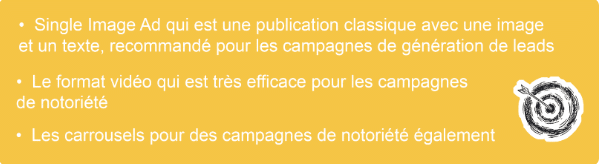
 

The question then arises: how to operate to structure such an approach and converge everyone's efforts?


Kestio apporte une réponse avec la Méthode de l’Echiquier. Construite sur les repères du jeu d’échecs, elle associe les règles comportementales (déplacements sur l’échiquier) et les méthodes d’analyse pour prendre les bonnes décisions.

    • It promotes learning analysis (to understand and master one's account), strategy (to build one's conquest plan), and tactics (to prepare one's moves in advance).
    • It brings a fresh perspective by placing strategic and tactical intelligence at the heart of the sales profession.
    • It is unique: faced with the many possibilities that a salesperson encounters to evolve, only one action is truly relevant. The key is to have the means to identify it!


By combining theory and practice, reflection and action, this method also allows for better memorization and promotes rapid implementation. To stay one step ahead, the Chessboard method is a real eye-opener!


Are you facing a crisis situation? Have you considered repositioning your commercial action? To find out how, watch this webinar:

In this article, we offer some tips to better understand your customers through digital channels, and we will address the other tasks in subsequent articles.


Digital tools (a website, an application, a newsletter, etc.) allow you to track the many actions your customers take while using them. However, it's important to distinguish between actions that you can track in a general way and those that you can associate with a user, whether anonymous or identified.

Overall information comes from tracking software that you have linked to your digital tools. These must be configured correctly if you want relevant data. You will then have behavioral and social indicators on your users: how much time they spend on your tools, where they come from (site or geolocation), which pages are most viewed, or the actions they perform most often, etc.

This information can be used to improve your tools, but also to help you guide certain strategic or operational decisions.


Anonymous information is linked to the use of « cookies » placed by tools on your customers' devices. The latest European directives strictly regulate their use. These cookies can be used to understand what visitors do on your tools and adapt your offer to their browsing.

This knowledge is personalized, anonymous, and immediate and serves to improve your tools in real-time. It can be analyzed a posteriori like global information in tracking software.


You can collect information on identified customers. For example, they may have created an account on your site, have a loyalty card in your network of stores, or connect with their profile from a social network. It is important to quickly set up a unique customer repository and aggregate the information in your CRM tool. This will allow you to better segment and understand your customers and have a global view of your multi-channel potential.

Of course, this data can be combined, and overall navigation data can be linked to an identified contact and integrated into your CRM or a Business Intelligence solution if it makes sense for your business.


Si vous souhaitez structurer votre collecte d’information et améliorer votre connaissance client, les experts Kestio peuvent vous aider, donc n’hésitez plus pour nous contacter.


The objective of such a survey is twofold:

    • Gathering the perception and impacts of the crisis on companies
    • Assess the ability of companies to respond "on the ground" to the impact of the crisis on Customer Relations issues:

– Relationship Marketing
– Sales Efficiency
– Customer Service

Download the complete study  

The company – particularly its Retail and Professional Markets Department – wanted to enable its marketing department to  manage more diversified campaigns with greater responsiveness.


L’expertise des consultants KESTIO a su créer les conditions d’un dialogue constructif entre les différents acteurs impliqués dans le projet :

– the departments that are the recipients or users of the tool (marketing, sales, customer service)
– the company's long-standing IT partner
– the integrator of the chosen technical solution (the UNICA software package, published by IBM)
– the internal IT department (Information Systems Department)


It also enabled the implementation of governance based on effective management tools and indicators, for clear, precise, and shared monitoring of compliance with specifications, schedules, and defined budget, at each stage of the project.

This resulted in the selection and then the implementation of an operational technical solution that met the identified needs, in compliance with the defined cost and time objectives.

Work carried out with an active approach to change management: involving the teams throughout the process (study, selection, implementation) is indeed the best guarantee of future approval of the tool by its recipients!


The benefits of the project:


For business teams:

  • Increased productivity and work quality through access to new features or improvements to existing ones (more precise targeting, automated and more comprehensive tracking, possible multi-channel campaign management, faster pricing tool, etc.).


For the company:

  • The completion of the project (currently in the testing phase)
  • Respecting the expressed and defined objectives and constraints.
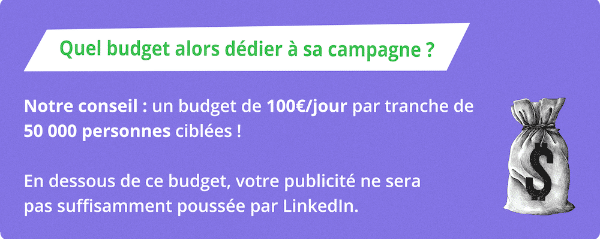
  • Establishing a dynamic of constructive exchanges between the various internal departments involved (Sales Management/Customer Relations/IT Department/Marketing) and with external partners (IT service provider and integrator).
  • Genuine team involvement in the project, and better ownership of the tool by its users.

  • An optimization of production costs
  • Improved service quality for its customers.
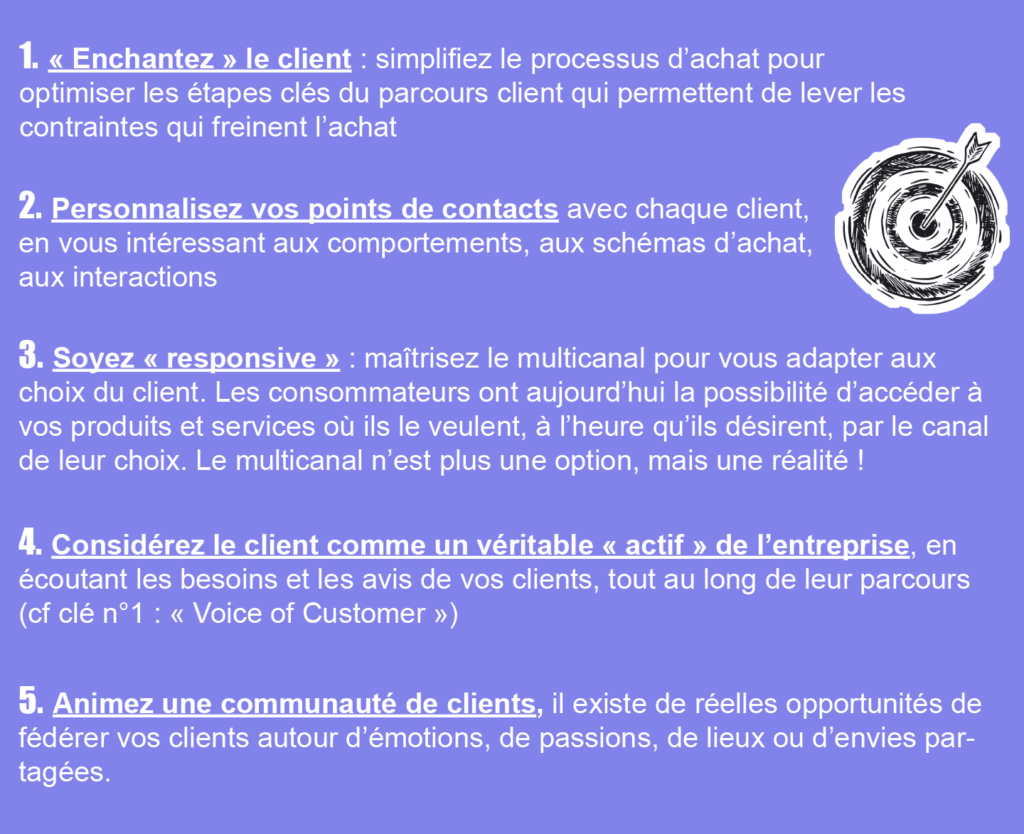
 

In summary: a measurable financial, technical, and human ROI, in the short and long term.

Discover, through this webinar, how to conduct another optimization project: the optimization of your sales asset.

1- Pour commencer, c’est quoi, le digital ?

Pas toujours évident de savoir « par quel bout » attraper ce sujet, et pour cause : le terme même de digital recouvre plusieurs réalités.


Le digital, c’est d’abord une technologie, autrement dit un procédé, basé sur des principes scientifiques. En l’occurrence, celui qui consiste à représenter des données par le biais d’une suite de chiffres, dans une logique binaire, par opposition au système analogique, qui représente une information par la variation d’une grandeur physique (par exemple : un signal électrique).

Le terme provient de l’anglais « digit », qui signifie « chiffre, nombre », mais également dans sa première acception « doigt » (il a pris la signification de « chiffre » du fait de l’habitude de compter sur ses doigts).

Le terme de digital – en français, numérique – est  également employé pour qualifier les systèmes et dispositifs employant ce « langage ». On l’utilise donc au sujet des NTIC (nouvelles technologies de l’information et de la communication), au premier rang desquelles figurent Internet et les réseaux sociaux.


Enfin,  on rassemble sous cette étiquette tout le « device » (les appareils), auquel cette technologie a donné naissance : Smartphones, tablettes, et autres objets connectés.
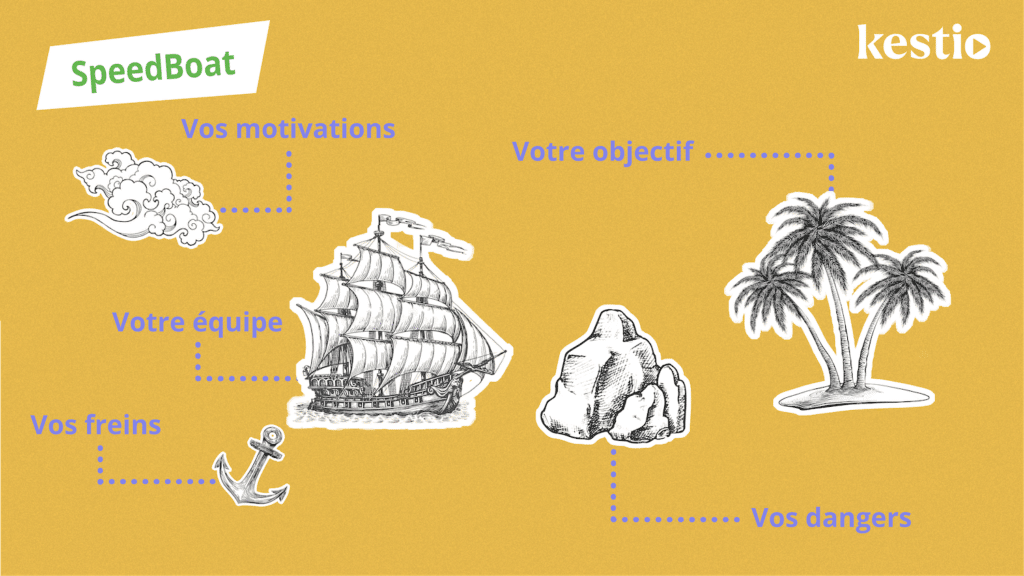
 

2- Le digital, à ça quoi sert ?
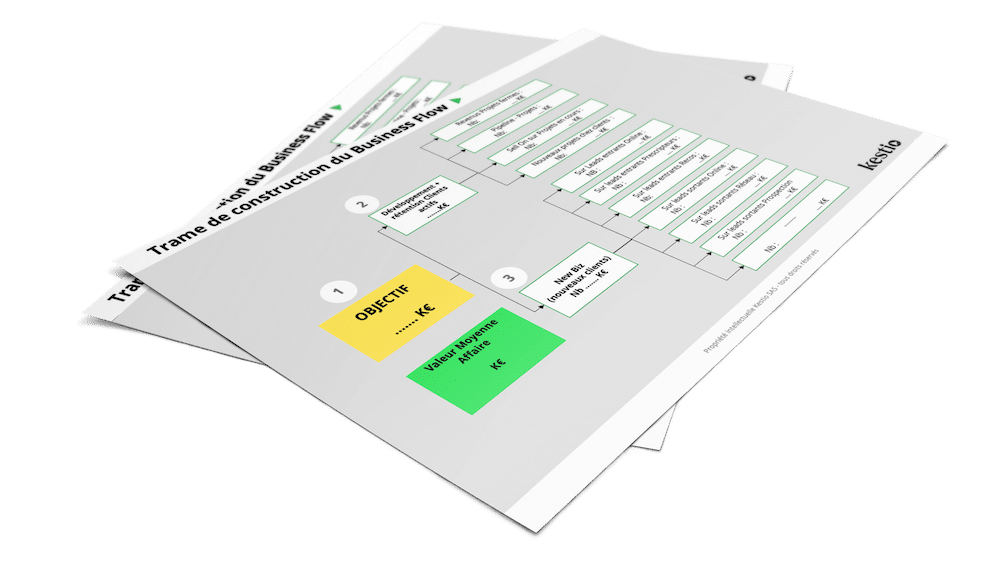
Comme de nombreuses technologies, le digital sert… à ce que l’on a décidé d’en faire !

Les nouveaux usages et les grandes tendances sont donc en évolution constante, et ne dépendent que de nous !


Appliqué au domaine de l’économie et à la vie de l’entreprise, le digital peut avoir des applications aussi variées que :

    • Communiquer en temps réel avec mes clients où qu’ils soient par le biais d’un réseau social
    • Transmettre de l’information corporate par le biais d’un site vitrine
    • Animer des réunions à distance ou des visio-conférences à en utilisant la VOIP
    • Vendre en ligne par le biais d’un site e-commerce
    • Vendre plus efficacement sur son lieu de vente, grâce à des applications mobiles (catalogue interactif, personnalisation véhicule, plan 3D cuisine, …)
    • Collecter des données riches sur les comportements d’achats de mes clients, et les mettre à disposition de tous les vendeurs d’un réseau de boutiques grâce à une carte à puce
    • Stocker en masse et traiter avec une grande vélocité des données particulièrement volumineuses issues de sources multiples et variées, grâce au BIG DATA…


Comme on le voit, les usages potentiels sont multiples.

Ils concernent tous les axes stratégiques de l’entreprise : Communication (notoriété, image…), Business (ventes, connaissance client, fidélisation…) et Organisation (process, outils…).


A vous d’identifier ceux qui présentent un intérêt pour votre activité, et de choisir parmi eux ceux que vous allez mettre en place.


3- Qu’est-ce que je peux y gagner ?

C’est à l’aune de vos propres objectifs et enjeux que vous analyserez cette technologie, et jugerez de la pertinence de la déployer au sein de votre entreprise.


Avant de vous tourner vers une agence de communication qui vous vendra à grand renfort d’analyse des tendances une stratégie digitale pour faire entrer votre entreprise dans l’ère du 2.0, posez-vous les bonnes questions :

    • De quoi mes clients ont-ils besoins : informations, nouveaux produits et /ou services ?
    • Quels process internes ai-je besoin d’améliorer : gestion des commandes, production…


En clair : dans quels domaines avez-vous besoin d’innover, de vous améliorer ou de vous démarquer pour gagner en attractivité, en compétitivité, en efficience… et  par là même en rentabilité !

C’est seulement après avoir répondu à ces questions que vous pourrez aborder la suivante : en quoi le digital peut-il m’y aider ?


4-  Comment y parvenir ?

Cette première phase essentielle de définition de vos besoins et de « remise à plat » de votre stratégie globale opérée, vous serez en capacité, soit :

    • D’ intégrer les apports du digital à votre stratégie globaleen tenant compte de la spécificité de votre marché, de votre positionnement et de votre organisation interne.
    • De bâtir une véritable « stratégie digitale », si – et seulement si – le volet digital représente à lui seul un ensemble cohérent et distinct, voire un pan entier de votre activité.


Dans la plupart des cas, le digital reste une sous-partie de la stratégie de communication, un élément au sein des process de production et/ou un support parmi d’autres au sein des outils dédiés à la vente, et s’intégrera donc à la stratégie globale dans ces domaines.

Mais dans certains cas, le digital représente un véritable gisement de nouvelles offres et de nouveaux services commercialisables (applis pour Smartphones et tablettes, par exemple) à la fois produits et diffusés par le biais des technologies digitales. Il fera alors l’objet d’une attention encore plus poussée et d’une stratégie spécifique.


Quelle que soit votre situation, KESTIO vous accompagne dans votre démarche en vous aidant à :

    • définir vos besoins au regard de vos objectifs et en adéquation avec votre stratégie globale
    • identifier les possibilités offertes par les nouvelles technologies et les apports qu’elles représentent pour votre entreprise
    • sélectionner celles qui comportent une réelle valeur ajoutée pour votre activité et organiser/réaliser leur déploiement

Découvrez, dans ce webinar, comment utiliser le digital pleinement pour votre prospection ?

Le « Service clients », opérationnel depuis près de dix ans, permet au Groupe d’accroître sa performance en terme de satisfaction clients et hôtels. Toutefois, son champ d’activité n’a cessé de s’étoffer, portant aujourd’ hui préjudice à la qualité du service délivré et à l’état d’esprit du personnel composant l’équipe.


Face à ces enjeux forts, les consultants KESTIO, ont mené une mission de réorganisation et de conduite du changement, dans le but d’améliorer la performance de ce Service clients.

Afin de disposer d’un état des lieux exhaustif, les équipes KESTIO avons réalisé un Diagnostic à 360° en sollicitant les membres de l’équipe, leur direction ainsi que toute entité en interaction régulière avec ceux-ci (Communication, Ressources humaines, Marketing, Commercial, Qualité mais aussi les Hôteliers et les Clients). La diversité des échanges et la confrontation des points de vue nous a permis de réaliser une synthèse objective de la situation.


L’étape suivante fut capitale dans la bonne conduite du projet : la Réunion d’adhésion. Il s’agit d’organiser une rencontre des protagonistes concernés par le changement à venir. L’objectif est double :

    • partager les conclusions du Diagnostic 360° entre équipe dirigeante et équipe opérationnelle,
    • définir la raison d’être du Service clients.


Lors de cette réunion, l’ensemble des acteurs du projet acceptent une part de remise en cause (sur la prise de recul proposée) et s’engagent dans le changement.

L’optimisation de la performance, dans ce cas précis, fut animée en co-construction avec les équipes opérationnelles du Service clients. A travers la préparation et l’animation de plusieurs ateliers de travail (portant sur l’organisation, les processus & Outils et les compétences), nous avons redéfini le cœur de métier du Service clients,  son périmètre d’activités, ses objectifs qualitatifs et quantitatifs, ainsi que les transformations opérationnelles  nécessaires.

L’expérience et l’implication de chacun a permis, in fine, d’accélérer ce chantier de réorganisation et de rendre rapidement opérationnelles les pistes d’optimisation.

Découvrez, dans ce webinar, comment permettre à vos équipes d’être efficace en réorientant les efforts de vos commerciaux (et, particulièrement dans le contexte actuel). 

Technical aspect: This is the easiest to grasp, as we have the resources, processes, and qualified methods to explain it.

Relational: This arises when different professions, hierarchical levels, and decision-making bodies are involved. How will each of these actors react to the change inherent in any project?


The main risk associated with this complexity is failing to achieve the project's assigned objective. Fortunately, various levers can be activated to significantly increase the chances of success. As an equation, a mnemonic device to remember them:

[(scope/number of lots+ management)x σ] communication+resources, with σ= sponsor constant


1/ Project governance and sponsorship: two levers for decision-making.

Implementing governance is the organizational solution to establish the operating rules specific to the project. The bodies that compose it must review its progress and make decisions, sometimes difficult ones, such as adjusting the trajectory in relation to what was initially planned. The regularity of meetings of these bodies promotes the expression and involvement of all stakeholders.

The sponsor is also an essential component in the decision-making process. Their position of influence and commitment to the success of the project helps to stay on course. Without a sponsor, there is no channel to the highest levels of the hierarchy. Without visibility, there is little guarantee of survival for the project.


2/ A clearly defined scope and regular monitoring optimize the operational security of the project.

The exercise of defining the scope is a delicate exercise insofar as it must meet two conflicting objectives:

    • to be exhaustive enough to meet the needs of the project stakeholders and thereby encourage their involvement
    • and stay realistic, therefore achievable.


The first part of the exercise should open up the field of possibilities: the objective is to give free rein to the production of ideas in order to glimpse the extent of the possibilities for action. The second part consists of reducing the scope to an addressable reality, and lotting is then the solution to be favored, because it makes it possible in particular to better control the cost/quality/time triangle. The reality of a scope is often the result of compromises within negotiations between the different players.


This scope should be officially published within a 'project contract', which can be referenced, particularly for managing a fixed price with an external provider, where the scope can be adjusted in relation to costs.

Of course, regular monitoring of actual costs incurred, milestone achievements, and the quality of deliverables is essential to ensure progress on the commitments made in the "project contract." As the success of a project is built gradually, these indicators set the tone: green if the trend is favorable, red if there are sticking points.

For more information on the approaches of the Change Management team within KESTIO and how to implement them in your environment, send an email to the following address: info@kestio.com, subject: Project Management


3/ Resource management and communication are key to the performance of a complex project

Of course, the skills of the resources to solve the problems identified within the scope are necessary but not sufficient. It is the dynamics of the project team members among themselves that is key to the project's performance on a daily basis and directly impacts the cost/quality/time triangle. A project may be delayed due to technical points that are more difficult to resolve than anticipated. But it can come to a standstill if the stakeholders fail to share the same objectives and coordinate their efforts to achieve them. The motivation of the teams is best maintained when victories are quick (quick wins) and celebrated.


Communication is also crucial, involving both a truthful discourse based on facts and the promotion of the project's identified benefits: acknowledging the difficulties encountered while maintaining buy-in is the challenge to be met with consistency and determination.

At KESTIO, we are convinced that the success of managing a complex project depends on taking into account its context as objectively as possible, on the project manager's clear understanding of the available strengths but also the potential breaking points that can destabilize the whole. And from this starting point, being able to build a common trajectory and a collective adventure. At KESTIO, we support many company projects on the path, never straight, to success.


Adopt a tool tailored to your business and expectations: choose the right CRM. To better understand its usefulness and choose a suitable CRM, watch this webinar:


However, customer understanding remains underdeveloped and often underestimated in terms of business development and customer loyalty. Many salespeople only question their prospects to discover their current or potential level of equipment. They often feel they know their customers well enough, and do not need to conduct an in-depth discovery interview with them.


Customer knowledge is too often passive, and much less frequently the result of commercial proactivity. CRM tools also show that customer databases are often incomplete, while insufficient contact with sales representatives is a frequent reason for customer churn.


Why implement a customer-oriented sales approach?

While product knowledge remains fundamental, implementing a customer-oriented sales approach is therefore both a matter of commercial effectiveness, satisfaction, and customer loyalty. Thanks to a better understanding of the customer and the relationship of trust created, the average value of contracts and conversion rates increase.

Cette évolution représente également un facteur fort d’épanouissement professionnel pour les équipes de vente, permettant de valoriser leur approche et d’apporter une valeur ajoutée très appréciée des clients. Un grand groupe européen d’assurance et de banque a ainsi choisi KESTIO pour l’accompagner dans son projet de déploiement d’une nouvelle démarche client. Ce projet représente un fort enjeu de développement commercial, de fidélisation client et d’amélioration de la contribution client.


How does such an approach materialize?

1. To show interest in your client, you must first prepare for your meeting by analyzing the information available about them, ideally formalized in the CRM tool. In the insurance and banking sector, this means knowing perfectly what the client has within the company, but also with competitors.


2.During the sales meeting, the customer approach also means asking your client exploratory questions, taking a real interest in them and their motivations, and thus going beyond what they have spontaneously said. Investigating the reasons behind the choices made or considered is considered as important as the type of equipment they have (products or services purchased).


3. The proposal should be developed as a comprehensive client solution, and not as a series of unrelated products or in-house services. Therefore, it should start with the client's needs and motivations and be presented with a client-oriented approach.


4. Finally, to position himself within a customer-centric approach, the salesperson adopts the position of an expert. Their assertiveness helps to establish a strong relationship of trust with their client, and to help them make the right choices.


How to deploy a customer approach with sales teams?

Such an evolution in the sales approach requires significant changes for sales teams. In this regard, the presentation of the project and the role of managers will be crucial in giving meaning, supporting, and enabling employees to positively evolve into a new dimension of their profession.


Therefore, the shift from a product-centric to a customer-centric approach should be seen as a significant change in practices, requiring support that integrates skills, tools, processes, and organization.


Because this approach is particularly structuring, it is built over time, with the involvement and conviction of the entire sales management team.

In this article, you will find a summary of a comprehensive survey covering the implementation methods of CRM tools, usage patterns and identified obstacles, perceived benefits, and our recommendations for reconciling salespeople and the tools provided to them.


Sales functions often suffer from the CRM tools available to them, even though the goal is to help them improve their sales performance. Indeed, while a large majority of the companies interviewed (80%) recognize that CRM tools allow for better customer knowledge, nearly 75% of them observe resistance to their use for reasons independent of the tool implemented (ergonomics, availability of information, etc.)


In many CRM projects, difficulties related to deployment to end users are added to the problems of solution design and configuration (more than 73% of the companies interviewed acknowledge that the CRM tool in place in their company was not sufficiently mastered by users and adopted by managers). Consequences: users refuse or only partially fill in the tool, sales managers continue to use their old systems to manage activity, etc.


The entire project's sustainability is then called into question due to a lack of operational results. Everyone knows that the tool is not an end in itself and cannot compensate for user reluctance and obstacles. Often, the solution lies in management approaches.


This study shows us two major trends:


1. The collective interest, namely that of the company, in CRM tools is not questioned by users and their managers: almost all recognize that the tool allows for advances in knowledge and information sharing around the client. However, these contributions remain fundamental to all CRM tools (including free solutions!).

Contact us to obtain the complete survey


2. However, when it comes to personal involvement in the implementation and use of a CRM tool, many resistances emerge and make its deployment to operational staff complex, even impossible. The tool becomes poorly informed, criticized, unused, etc.


In conclusion, the collective stake in this type of project is, for the most part, shared but conflicts with the individual interests of the targeted users, the sales representatives.


Our vision: CRM tools are not essential for individual sales performance. Many salespeople continue to perform well without using a comprehensive CRM solution. However, the growth of sales and marketing organizations and competitive pressures now require customer relationship management to refine their understanding of targets and improve information sharing.


In summary, the question to ask is this: How can we align the individual interests and benefits of salespeople with the overall and collective challenges of the company?

To learn more about CRMs and help you with your projects, find all of our methods and tools here:

C’est dans la résolution de cette problématique que KESTIO a engagé son dynamisme et mis à profit son expérience de gestion d’un portefeuille de projets et de conduite du changement, pour l’un des leaders du secteur de l’efficacité énergétique dans l’habitat collectif.


La donnée est simple : l’entreprise se transforme, son cœur de métier s’étoffe, de nombreux projets deviennent indispensables à sa pérennité. Dès lors, la solution régulièrement choisie par les entreprises actuellement est de proposer à leur management intermédiaire de porter la responsabilité d’un projet de changement interne. Les équipes projets alors constituées s’articulent autour de la chaîne de valeur de l’entreprise, puisant dans le vivier de ressources que sont les fonctions métiers, techniques et supports.

L’essentiel de notre intervention se  concentre alors sur la Coordination du portefeuille de projets stratégiques, leur pilotage et la montée en compétences des chefs de projet.


Chaque projet est formalisé à travers notre outil « Feuille de route », évaluant entre autres l’ambition du projet, ses risques à terme, le délai attendu, les ressources humaines, techniques et financières à mettre en œuvre. Notre accompagnement objectif permet de maîtriser l’interdépendance des projets.

Parallèlement les instances de gouvernance sont mises en œuvre afin de gérer en interne les projets, de rendre les arbitrages nécessaires, de partager leur avancement et de valider les jalons décisifs. Notre rôle est alors de leur apporter les moyens de piloter ces projets à l’aide de tableau de bord et d’indicateurs de performance, que nous avons défini ensemble.


Dans le même temps, une méthodologie projet est transférée à chacun des chefs de projet. Concrètement, ce fonctionnement permet aux équipes projets de bénéficier d’un véritable suivi de projet à travers l’animation de Plans d’actions hebdomadaires et mensuels.

Enfin, une communication, à fréquence régulière, est rédigée par l’équipe de Coordination du portefeuille de projets, puis adressée par la Direction générale à l’ensemble du personnel afin de donner de la visibilité à cette transformation.


La mise en œuvre de l’ensemble de ces méthodes et outils éprouvés, conjuguée à l’implication continue des équipes de KESTIO, aura permis à cette entreprise d’accélérer son développement.

Pour mener à bien tous vos projets, il est important d’optimiser vos prévisions. Découvrez comment faire dans ce webinar

Information intéressante montrant la pertinence des solutions Kestio SYSTEM qui permettent de travailler sur la qualité de la communication commerciale et l’écoute active en entraînement intensif (Training).


http://infogrow.typepad.com/ voir billet August 02, 2011